The Secret to Writing 10,000 Words Per Day
This is a recorded interview (YouTube/podcast) in which host Michael Evans and guest Sarah Elizabeth discuss dictation for writers—especially fiction dictation (Sarah’s term: “fictation”). Sarah describes her personal transition from handwriting and typing to full-novel dictation (intensive practice beginning in 2020) and argues that dictation increases writing speed, reduces ergonomic strain, and lets authors write in more mobile settings. The conversation covers practical, low-cost entry points (built-in phone/laptop dictation, Win+H, iPhone mic), training steps (read other fiction aloud, morning pages, form the first sentence before recording), cleanup/edit workflows (short cleanup passes, find/replace for names), and tips for preserving author voice and handling accents, punctuation, and public settings.
Chapters
Ten thousand words a day sounds almost like an impossible writing target. Yet it is possible with one really important component, which is dictation. Yes, dictation can help you write a lot faster. It's helped me write a lot faster. But that's not the only reason why you would dictate. And as we'll learn with our amazing guest today, Sarah Elizabeth, who's going to be talking all about how you are able to dictate fiction, what she calls fictation, the process of dictating fiction stories that it goes well beyond just your ability to get more words on the paper. It's being able to write in a way that works with your life. It's being able to write at times that work for you and to avoid things like back pain. For me personally, I've begun to dictate more and more over the last couple of years. Not just my writing, but all different parts of the business process, whether it's emails, notes, just ideation. I struggle with back problems. I sit down at my computer way too much. So the less I can sit down and the more I can be up. Walking around is a very good thing. And in today's episode, Sarah is going to share with us exactly how to do that. Now, one cool thing is she's giving y' all a discount on her program if you want to, like, dive super, super deep into dictating and into the process of fictation. She's offering 40% off to listeners here of beyond the Book Podcast and all of our friends here at the Author Sidekick. So you can check that out in the link in the description. And, yeah, I'm super excited. This episode. We learned a lot. We went super deep in the process. So if you're, like, on the edge, not sure if dictating is right for you, I think that this will be an illuminating podcast episode. And if you already do dictate. Hi, welcome. I think the process of fictation and specifically how to think through dictating stories is going to be really, really cool. So I'm excited for it. That said, let's hop into this episode, and I'll have some special updates for y' all at the end. Sarah, I'm very excited to have you with us today talking about a topic that has actually changed my life and not only, like, my writing process, but just, like, how I get work done, which is dictation. But before we start, we're gonna dive into, like, all your tips and how to get started with it, and if you are getting started, ways that you can utilize dictation better in your whole writerly life. But before we get there, I'd love to hear your story about what were you doing, like, before dictation? Because we don't just learn dictation right immediately. We learned typing first and all these other things. What were you doing before and then what was that experience the first time you started dictating? And why did you do it?
All right, so like most authors, I started out handwriting. I started writing when I was five. I've been doing it for a little bit. I'm a very experienced writer. When they talk about overnight success is like, well, I mean, you know, it's been a few years, but yeah. So I started handwriting, handwrote through my teens, and I could never really finish stories. And I honestly, I attribute it to my hand would just wear out, you know. You know, you're rubbing blisters and everything. So I started typing whenever I was in my teens. And I go back to before laptops and computers at home, you know, as far as having home laptops and computers. So we had a Canon typewriter and you could type it. I don't know if you familiar with these, Michael, but you could type and it would have a little screen there and you could see the sentence that you just typed. And you had a chance to fix your typos before it printed on the page. So it was a little nerve wracking, kind of guessing, like when you were getting near the end and then it was like. And it would start printing on the page. I go back to this.
It's not like getting into the flow like you're. That's hard, I feel like, for me, because I. Part of the flow for me is like, not worrying about typos until, like, I'm a, you know, a stopping point.
So eventually we got up in the 21st century. So, I mean, I was born 1985. I'll be 40 this year. So I did go back a little bit, but So a young 40.
A very young.
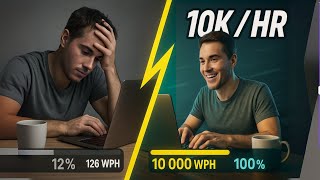
Yeah, it's jeans family genes. So going through that. And I had to teach myself to type. And I didn't type just out of my head. Like, I had a story that I had handwritten or a part of a story, and I was, you know, transcribing it. I was typing it up. So that's how I learned to type. And then eventually we had, you know, desktop computer and then I had moving into laptops. So my last rendition, though, that I really started getting serious about fiction writing and typing. A friend of mine, one of our local moms, she was into writing, and she's like, here, you can have my old Alpha Smart. So for those who remember the Alpha Smart, that was like having a little electronic typing device so you could type on that and. And then plug it into your computer, and it would zip all the words very slowly. I say zip. I mean, one line at a time, like you were typing. And so it would go over and it would, you know, land on the computer, and there it was. And so I got my own version of that, the Neo 2. I love that little thing. I still can't bring myself to get rid of it, even though I haven't used it in, like, five or six years. But that's how I would get my fastest typing speed. So I would get up to 2,000 words an hour with typing, but I more averaged about 1500 words. So that was about my typing speed. For fiction, I type faster nonfiction, but with fiction, that's. With thinking time and all. That's about what I was hitting. And I really wanted to build a sustainable writing career. I wanted to be able to do this long term. And I'm thinking about, you know, changing industry, all the things around that time. I was hearing authors talk about dictation, so I would listen to podcasts like this, and an author would talk about, oh, yeah, I dictate. Yeah, I do, like, 10,000 words a day. You know, I'm writing 5,000 words an hour, and I'm just like, I want that. What can I do to be able to dictate my fiction? And so I started down the road in 2013. Dragon, of course, had been on the scene for several years. I know authors who have been using dragon for, like, 30 years. So it's not a new thing. It's not a new thing. We've been doing dictations since, you know, kings have had scribes, so we, you know, dictation's been around.
Anything that was the sort of original way we told stories, right, Was dictating them. There was no writing. It was just speaking.
That's how we told stories. And I'm a tribal member of the Choctaw Nation of Oklahoma, so we have a very strong oral storytelling tradition. I did some oral storytelling training, and it's. It's amazing medium. You know, it's. It's really cool art form. And so I was familiar with dictation. I was like, this is really cool. I've got to try this. So I downloaded a trial version of Dragon anywhere on my phone. I was like, I'm going to give this a shot. Wrote a couple of sentences, posted on Facebook. I was like, this could be epic. And it was an epic failure. I was like, nope, my brain, it doesn't work that way. I think through my fingers, I've got to be able to type my words. I can't speak them. I can't actually speak sentences that look like scenes. So I can do nonfiction. I can do just outlining, brainstorming, that kind of thing. But to actually put characters and dialogue and scenes, settings, prose. I was like, nope, that's. That just doesn't. It's not going to work for me. I'm not wired that way. Some people are wired to do that and some aren't, and I'm not. So I was convinced of that. Fast forward some years, I would hear again, authors talking on podcasts, and they're like, yeah, I'm dictating stuff. And I would try again, and then I would fail, and I would just get so frustrated. Finally, in 2020, I sat myself down and I was like, I am going to do this dictation thing. I am going to do what I need to do to train myself, just put the focus and the time in it and train myself to speak my fiction. And so at the beginning of 2020, around March 2020, I started doing my morning pages by dictation. And so that began training me to speak my words and also speak my punctuation. Get used to the tech and the tools. That was a big hangups like, what do I use? What. What kind of apps and software do I use to get this done? And I started doing that. And then one day, I had to get out the door, and I had a sink full of dishes, and I was like, I can't leave the dishes in the sink. I got to do these. And at the same time, I just had this whole backstory scene download in my brain. And for authors out there, you know, it's like, you've got that story. It's the strikes, the whole thing, dialogue, the opening sentence, the closing sentence. Like, you can just word for word, you have the whole thing. And I only had about 20 minutes, and I was like, there's no way I can type this. Like, that's just. That's not possible. 2. I've got dishes to do. So I thought, you know, I've been practicing this dictation thing, and I haven't done any fiction, but I'm just gonna give it a shot. So I plugged in my earbuds and. Which I don't really recommend authors use earbuds. You know, it kind of rubs and all. There's other things you can do now. But it's what I had, and that's why I tell authors, start with what you have. And I had a recording app on my phone, so I just plugged in my earbuds, started their app, put the phone in my pocket, and I began dictating that scene. And while I was doing the dishes, got out the door, came back, transcribed the words, and it was almost 1500 words that I had gotten of an entire actual scene. Not outline, not brainstorm notes, but the action, the dialogue, everything in there. And that's when I was like, whatever I've got to do to really make this a part of my writing life, this is what I'm going to do. So I went on to dictate that novel, and I've dictated all of my novels since then. All of my fiction.
Incredible. Okay. Yeah, no, that's. I feel like I had a similar journey with dictation to you, where there was this hard blocker around it. Just like not feeling natural, you know, same thoughts, thinking through my hands. But myself, I've always still do pretty much every day, mostly because I still end up sitting down a lot, working. I always end up having, like, neck and back pain. And I've been able to, like, whatever, do some workouts and exercise, try and get around that. But if I want to put like a long day in the computer, which happens to usually be all the time, I have to be able to like. And oftentimes it's like sitting behind your computer, your laptop, almost every waking hour is really not great. But if I'm able to take a couple hours the day and know that the things I'm getting done can happen while I'm walking around and while I'm dictating, it makes a huge difference. And there's so much that you can do with dictation that I find that all the other areas of our author business, marketing, emails, everything else too, can be wrapped up into that. So you mentioned Dragon in terms of like, and maybe folks know Dragon, but for folks who don't know Dragon, for folks who might not even know as at all were to begin with, dictation, where are things at now? There's new technologies coming out all the time. We're certainly not, you know, at the 1980s type era stage in terms of writing tools. So when you're talking to authors and going, yeah, like, try this dictation thing out, just start speaking to A mic, anything, whatever you want. We can talk more about what to dictate to get started in a little bit. But what are they actually using? Is there apps, is there tools, tools you have to buy? What do you usually recommend?
Yeah, there are lots of apps and tools out there. Whether you're in the PC, Android world, iPhone, Macs, or a mix of those, there are tools, apps galore that you can pick from. And I say galore. There's a good bit that you can pick from and some work better than others. But where I start, authors at, well, first with Dragon is pricey. It lands at about 700 now. Still, with the software to download it to your computer, you can, you can do the Dragon anywhere app. And I think it's like $15 a month. Don't quote me on that. I've never used Dragon beyond that trial version that I did over a decade ago. So a lot of authors get hung up on Dragon. Like, I have to have Dragon. That's usually the first thing that's introduced when they're looking at dictation is, oh, I've got to get Dragon. Absolutely. No, you can start for $0 right now. So if you have a smartphone or you have a laptop, which I'm thinking most authors are going to have one of those devices, you can open up anywhere that you can type. So whether it's Microsoft Word, if it's Scrivener, if it's Google Docs, anywhere that you can, or an email anywhere that you can type, you can start your dictation function and start speaking your words. And depending on your device, there's different ways to activate it. The Windows symbol and H, and that will automatically start your dictation function. If you're on the iPhone, there's a little microphone built in on the keyboard. You just tap that and it activates your dictation function and. And you simply start speaking. So it's so easy, so accessible now for authors to just get right into dictating. You do need to get the mental training work on that with making the shift from thinking through your fingertips. But as far as the tools, it's so much easier now than what it was when I started or whenever I first attempted to do that.
Wow. Okay. Yeah, so that's great. No real barrier to entry in terms of cost. Now when I am dictating, it's just me in the mic, right? So how do I. How do I go about that? Meaning, like what, what should I start to dictate with? Do you recommend neatly just going, let's start drafting a novel. Do you recommend outlining first? Is there a specific spot that, like, is easy to start with?
So what happened with me with fiction whenever I first attempted it? I started dictation function. Open my mouth and like, nothing came out. It's like my brain. And I've heard authors say, literally, my brain just empties. Like, it goes blank. I can't see anything. My imagination's gone. Like, everything falls apart when I try.
To dictate public too, right? Because it's like the thoughts in your head, so it's kind of like more private. But then when you say it, even though you're only saying it to yourself, it becomes like, this feels more real.
And you know, when you're creating fictional worlds. Well, I have a sign over my desk that says, I know I'm in my own little world, but they all know me here. So, I mean, we're. It's a whole other thing being a fiction writer. And so, yes, I've had authors. They're like, I don't like the sound of my voice or it just feels really vulnerable to speak those words out loud versus, you know, it feels more private and even more secure. You know, you're just like typing and nobody else knows. No one's going to see this until you're ready for them to see it. And so speaking it, even if you're alone, can feel more vulnerable. Where I encourage authors to start out with is not dictating original fiction. So that's not where I started. I started dictating my morning pages and. And then what I train authors to do now, and I wish I had done this. I wish I'd had someone training me. But what I have them do is just grab their favorite novelist off the shelf or grab whatever book they're currently reading, activate their dictation function, and just start reading another piece of fiction. It can be their own, but it can be just another novelist. And just start reading that and get used to one. The tech, you know, does your app crash? Do you have any issues with that? Do you know how to start it and get the sentences going? Are you going to speak your punctuation? And I encourage authors to do that. Punctuation is natural to me. Typing now to speak it, I can say period, comma, open quote whenever I'm dictating. So if you're going to do that, just practice it with someone else's fiction just to get yourself used to that. Get past that barrier of that vulnerability of speaking words of fiction out loud and Then you can move into your own writing. And then I move authors into. Yes, I dictate my outlines.
And.
And then when it comes time to actually dictate your first scene, like, just relax. And this is what we go through my bootcamp. It's like, everybody, just take a deep breath. Calm down. Yes, we are going to write fiction now, but it's going to be okay. And I teach them to form that first sentence in your brain, word for word, before you activate your dictation function. Because I think there's just. There's something about that pressure of, okay, I've started it, it's there, it's activated. It's waiting for me to speak these words into existence and these. In these worlds. And I'm like, I just freeze up, get that first sentence, speak it. Stop your dictation function. This is not about a speed race. Yes, I did double my writing speed from 1500 words an hour to 3000 words an hour, but it's not just speaking at a regular pace. And so I tell authors, this isn't a race. Just take your time, get it down one sentence at a time, and train yourself to dictate, just like you trained yourself to type and handwrite.
Yeah, no, that makes total sense. Now, when you are dictating, obviously you're speaking, and in this case, computer is listening. And computer hopefully understands what you're saying. I feel like I have a very stereotypical. Just like, I've lived in a lot of different areas of the country, so I have a very stereotypical American accent. I can hear your voice. You definitely have a Southern accent. It's beautiful. I love a good Southern accent. Honestly, it's really more like a text. It's similar to a Texan accent.
There's even. Even taking it a step. And also I appreciate that, Michael, you're the first person that's ever noticed my accent.
That's.
That. That's usually the first thing that comes up on a podcast interview is like, oh, you're from the South. Like, not even just the south, but there's even something. So, yeah, whenever I'm in D.C. i have to have an interpreter.
Okay. So whether everyone speaks differently, like, there's some folks who have different accents, there's some folks who just have different speaking styles, and then the computer has to understand that. So what have been your experience? Has the computer been able to understand your accent well? And if not, or when it's had trouble, what do you do about it?
Yeah. Oh, yes, I get this question a lot. I have authors around the world. I have Australians. I have a lady in Finland. She actually dictates in Finnish. So, I mean, we have a lot of different. Yeah, we have a lot of varied. And we have people that have speech impediments and different issues. So definitely things on an individual level to overcome. But just broadly, the technology in general is getting better and better. We've kind of had a conversation about that, and it just continues to improve. One with just the Siri technology with the iPhone is it's specifically training to my voice. So she is always taking in my voice and the way that I pronounce words and I'm correcting things and just manually doing my cleanup on my phone, and that can help with the accuracy. I've also found that even, like, I had a character named Rebecca, and so it spelled it the opposite way that I wanted to spell it, the character's name. But the more times I corrected it, now it spells it the way that I want to do it. The other thing I had for a while is I kept saying the word M A N Y. I know I have to spell that out. Mini. And it kept doing M I, N, I. And I was like, no, mini, Manny. And so then I realized I was like, okay, let me just over enunciate this. And I would do manny. And I did that for a while and. And then I could kind of go back to saying it the way I say it, Mini. And it would pick up. So there's things you can do to, quote, train your device, depending on the device you have and age, all of those things. But similar to how people were training their dragons, the technologies at that point, it's basically the same technology. So Dragon uses AI similar, you know, same thing as. As what we have built in on our iPhones and Androids and our computers. So it's. It's all basically the same technology now, and it's just more accessible because you don't have to have Dragon and train it. You can train your own device, essentially. I found that it does pick things up as I go along.
Fascinating, no? Yeah, that makes total sense. My. My workflow is like, really funny, personally, where I end up opening up my voice message app on, or like voice memo app on my iPhone, and then I just start doing that. And usually it's when I'm driving around or going for a walk. I take that and upload it to Descript and then I go from Descript and then I paste it all in the ChatGPT and say, hey, make sense of this and do it in my style and, like, it does a very good job. And I'll even leave notes for ChatGPT in my dictation about, like, take that one out and this is out. And it cleans it up very, very well. So that's my personal process.
I was curious about that.
Yeah. So that's what I do. It's fun. I like it. But I'm curious, like, because everyone's going to have their own process, you know, what process do you do for cleaning up text? Right. Because obviously when you're going to just like, you edit your book, you're going to have to edit the dictation, unless you are perfectly speaking 100 of the time. But I doubt anyone does. So what are ways you approach the editing process after you dictate? And what are ways that you've seen other authors do it?
Yeah, absolutely. So I call it the cleanup process because I still think editing is like a separate thing. You're still going to go in there and edit. So what I encourage authors to do is to build in that cleanup process into their writing process. If you're going to write for an hour, leave some time in that hour to do your dictation cleanup. And I will say it gets better with time. Like, I started out, I was like, 50, 50, you know, it was a big mess. It was horrible. When I started, I was like, this is not going to save me any time. But I kept at it. I kept getting better, kept improving with my training and all. So I eventually reached the point where I could dictate for about 50, 55 minutes, and it would only take me 5 or 10 minutes to clean it up. And the goal, the goal with that is for just for it to look as good as if you had typed it. Yes, a hundred percent. There are going to be errors. Even if you speak perfectly, it's going to spell a character name different than what you wanted. Had a character named to come in that first book that I did, and dictation had no idea. It was like to come see, like three words. And I was like, this isn't going to work. So I switched his name out for the. The name Kirk. And it was just. It was very easy to say dictation picked it up every time. And then in my cleanup process, find and replace, and it. It cleaned it all up. So there are things you can do that helps the cleanup process. But I encourage authors don't write an entire novel and not do cleanup. I had one author who did that, and he's like, I'm Never going to do dictation again. This is horrible. So do it as you go.
Really smart. Yeah, it's. It's also a way too. I bet to stay in. I always find that you kind of have to get back into slash, really be acquainted with what you just wrote. Because it's like rarely do you write a book in one sitting or dictate a book in one go around. So when you're doing that, you want it to be one coherent experience to your readers. But you're like constantly coming in different headspace, different this, different that. You've got this new idea, so you need to be able to tie it together. You can build the cleanup process where it becomes not just about the cleanup, but also about you getting centered and ready to keep the coherent story going. It can just make you better at drafting. So I love that.
Yeah, 100%. Because I like to read what I just wrote. You know, even when I typed, I like to go to the top and read back through. It's like, what did I write? And just really get that solid feel for what you just created. So you can create that cohesion as you go along. So your cleanup process is doubling for that. It's just your read through of what you just wrote and you're fixing the little errors as you go along.
Yeah, no, makes total sense. And that then brings me to this idea of voice, which is so like, you know, double meaning here. But when we are telling a story and we're reading a story, there's like a distinct voice the story has. There's also then us, our speaking voice. Right. And what I mean with this question here is, have you found a difference in yourself and maybe other writers in your storytelling voice? So not the actual voice, but your storytelling voice when you're dictating versus when you're writing. Is there. Is there a difference in what ends up coming out?
Yeah, no, that's an excellent question. I call it author voice. So it's not your physical voice that you're hearing, but your actual style and your voice in writing. And I did a whole workshop on it because I hadn't really thought about it because I didn't have readers say, you know, this is different. Is this somebody else writing, like, what's going on? I got the same kind of comments on my characters and my story and world building that I had always gotten. So I was like, okay, well, I preserved my voice. So going from typing to speaking it. And I didn't give it a lot of thought until I heard an author say, she was getting those comments. So her editor was like, who wrote this? Like, what happened to your writing voice and style? And she was like, well, I dictated it. And she was like, you can't do that. So I thought that was really interesting. For most authors that I've heard, they've not had that issue, but if you do. So I did a whole workshop on it, but just a couple of things. One, that is where it goes back to that reading your own work out loud. So take something that you've written previously, especially something that's already polished, maybe something that you've published, or a short story, or if you've done a novel series, like, practice reading that out loud and get accustomed to what it's like to speak sentences in the same type of structure and manner that you type them. So that's one of the things you can do. I think my storytelling background honestly helped with this. Like I was accustomed to. Storytelling is different, though. You're still not like writing characters and scenes the way you would in. In typing them. But it did, I think, help me get accustomed to speaking stories out loud. And so I think that helped the transition for me, make it a bit better. So that's for authors. If they're concerned about that, check out my workshop, just send me an email. But basically, there's a couple of things that you can do to preserve your author voice. Because I don't want people losing their author voice, especially if they've really established they. They've got a strong writing style and the readers love it and you want to be able to preserve that. I want authors to do that. It's just not something that I had, but it is something I'm working with authors on.
Makes total sense. Yeah, very interesting. I personally don't think I've had that issue, but, yeah, it's something that I know. Like, it was something I felt. So I. I'm. I'm glad to actually. I see the feeling maybe wasn't totally unwarranted, but at least there's a solution for it. Now when you are thinking about actually, okay, someone's dictating and you're having issues or someone else having issues, because we've kind of walked through the ideal process of like, actually being able to dictate. Like, ideally, you just pick it up and you do it. You know, you start with reading other books and you start with just, you know, sharing something that's not explicitly fiction. Then you dive into fiction and you're ready to, and it goes well and life's good. But I know you've encountered yourself and through with others, I'm sure. Plenty of roadblocks along the way. So what are some of those, like, common things you see coming up that are preventing people from. I'll use the word because it feels accurate. Getting into the flow with dictation, because we're all searching for. We want to get to that flow, just like we get to the flow of writing. So what prevents people from getting into the flow? Dictating. And how did you find you're able to overcome those?
Yeah, so a couple of things that I think prevents authors, you know, they're trying to dictate. And actually, my group coaching. I just had one of my authors who said that. She's like, I'll get going. And then I think she just kind of panics. Like, I don't know where the story's going from here. Like, what do I do? I've run out of things to say. And what I tell authors is slow down again. This isn't a race. So just stop your dictation function. Collect your thoughts, get back into the flow of your imagination. Because I think whether we're typing or whether we're speaking our stories, we're accessing the same part of our brain. We're accessing our imagination. We are creating these story worlds. We're, you know, thinking about our dialogue and everything. And I think where we get hung up is just that almost panic of, okay, I've got to get it out my mouth. That's why I go back to the training. Before you put pressure on yourself to do original fiction, do training first. Do practice first. That way that's out of your brain. Actually, I go a little bit further in my digital course where I talk about digging new neural pathways. So we're digging those pathways in our brain so that our words flow out of our mouth as natural as typing. We didn't start out being able to just type out a story and being able to think through that story and be in the creative flow. We had to train ourselves to type first. That way we're not thinking about, how do I put a question mark in here? You know, and you're having to. That's, you know, you know, jolting you out of the creative flow. Because now your analytical side of your brain's, like, starting to think about the process rather than to being in that creative flow. So get your training done. Get your tool working. That way you're not like, oh, my app crashed. Well, what I need to try a different app. And you're in the middle of the scene that you're trying to create, and that's going to jolt you out. So I really encourage authors get that, get the training out of the way first. And then I staying in the flow. I don't have any issues with it anymore. Like, whenever I'm dictating, I am 100% in my story world. I visualize my story and the words are just coming out as natural as typing. So it's definitely possible. And the main key to that is be sure that you're processed down with dictation first before you try to get into original fiction.
Makes total sense. Speaking of process, I'm also thinking of setting. I mean, I've alluded to some places I dictate in, but what do you find? Like, is there settings that work best for people to dictate in, like being in one room and how are you kind of able to maybe put yourself in that environment where you're able to be successful dictating?
Yeah. So I encourage authors to start where they currently type. So if you currently type at your desk, just go ahead and dictate there. And you do talk about being able to get movement. And you got neck and back issues. I got all of that. Before you start out though, like, you're like, hey, my dream is to be able to go out and take a walk, you know, walk my dog for an hour and, you know, write a chapter or two from my book. Like, that's my dream. With dictation, I'm like, 100%. You can do that. You may need to start though, just sitting at your desk and dictating like you would be typing. So get yourself trained with dictation before you put that extra pressure on your brain to create in a different location. So you're like, this is a new environment. I've never dove into my fiction words while I'm out in public and everybody's watching me. And this is just super weird to be in a creative writing space and in your fictional world while you're also like, you're out in public. Authors sometimes have routines. You know, they light the candle and they go through this whole writing startup process to get into the creative flow. Do all of those same things for dictation. Once you've mastered dictation and it's like, it's natural to you and you're like, I could do this anywhere. Then go do your dream. You know, go out and take a walk with your dog or dictated a coffee shop. I've dictated in public places like that the great thing about the technology now is it will just zero in on your voice. Like if you're using your phone, it will cancel out the background noise and just zero in on your voice. So you can dictate in places like a coffee shop, even with the espresso machine going. Just get used to doing your dictation first and then branch out and have fun with it.
I love it. No, that's. So I'm here for it. And I think that's great advice. Starting with where you're already used to being in the flow and then from there being able to expand. What with dictation, Are some of your, like, last. Like, we've covered so much crowd. Is there any, like, last big tips or piece of advice you have either for people getting started or maybe some tricks and tips for people who already are doing it they might not be thinking about?
Yeah, and I'll say we have covered a lot of ground. Michael, you ask really good questions. I love it. So big tips. Like I said, don't rush yourself. Don't feel like, you know, when we have that blinking cursor, the blank page, and the cursor's just blinking at us going, write something. When you activate your dictation function, I think it puts even double that stress on. Because you're like, I've got to get going and I've got to go fast and I can't stop or it will time out on me. Because there is a timer on it, right? I mean, it's like if you leave it up for a few seconds, 10 seconds or something, it's going to go down. And I think when you're distracted by that, you're not going to be in the creative flow and it's going to cause stress. And so what I teach authors to do is take care of your brain, because your brain is going to be wanting to conserve energy. And if this is taking up too much energy, it's going to start creating blocks. And it's like, nope, we're not doing this. This is taking up too much of our energy. We have that fight or flight we've got to conserve here. Whereas if dictation is like a pleasant experience, you get almost a dopamine hit, you get energy because you're like, wow, look at these words piling up. That is giving you energy. So it's giving your brain energy. So if you're taking care of those things, then you're going to be able to sustain your dictation practice a lot longer. And so for authors that, you know, that are starting out, just take that pressure off and deactivate your dictation function. If you need to pause and think and you feel like you're getting lost and you, your brain's like, we're, we're. We need to run, you know, like, we're in a bad situation. Don't, don't let your brain get to that point. Just let it, let it relax. And for authors who have been dictating for a while, be, you know, look at, look at other methods and processes that you may want to use. Not to mess with anybody's process, but if you're, you know, typically you dictate at your computer, try your phone. And if you typically do your phone, try your computer and just build up those skills to be flexible. And if you don't currently dictate your punctuation, I do encourage that because I think that affects. We talked about voice. Punctuation affects our author voice. And we use punctuation differently, even from nonfiction. And so I do encourage authors to do that one. It'll come out with a cleaner transcript. Then use an auto punctuate. You can use auto punctuate. I'm not going to hold that against any writer, but I do encourage authors to do that, if nothing else, but to help preserve their author voice in that. So, yeah, those are some of my tips and tricks, and I've got a lot more, but that's where we'll stop now. Like I said, we've covered a lot of ground, but I'm open for all questions on dictation.
Yeah, no, I love it. It makes total sense for me. I think that's where, oddly enough, like, voice messages on the phone were just a place for me personally to get started, because it was like, oh, like, I actually don't have the pressure. Like, If I take 30 seconds and a break, it can just keep going. And that's something I do all the time when I'm writing. Like, I'll be like, I need to think that over because, like, you're speaking your thoughts, but then there's also, like, the thoughts that you're not speaking. Just like, there's you're writing your thoughts, but there's the thoughts you're not writing. So for me, I always found that to be helpful. So I think just for anyone, like, whatever feels like most useful to speak in. Like, it's like, where do you already speak and like, what are those environments and what are those things you're speaking into? Like, do you only speak IRL or Like, you know, do you send voice messages to friends? Are you like, where are you using your voice and speaking your thoughts and like that's a place to start. Take the pressure off is huge.
I think that's really valuable. And I mean if people just get accustomed to dictating their text messages or sending voice messages, just using your voice more.
Yeah, tech matches can be great, especially because like, I find if you have like a long thing to respond to, it's like you want to be more thoughtful, but it can be challenging to like, want to go type out a paragraph on your phone, especially if you only got so much time. So there's a lot of different ways people can incorporate this kind of notion of dictating into their lives. I know that you do so much work on helping writers do just that. So I'd love if you could share where we can find you. And if we want to dive deeper down the dictation rabbit hole, how we get there.
Absolutely. So fictioncourses.com that's where everything is housed. You click on the dictation section. I have a free mini course for authors who do scrivener and dictation. So I go through my whole process, how I do it with my phone and on my compute computer. I also have a quick start guide on there. And then I have my full course fictation, fictation digital course which ah, I let that word out. So fictation, the act of dictating your fiction. That's. That's something, that's a word I came up with. And so I kind of center a lot of my things on. So my authors are fictators rather than dictators. So we have our own, our own culture going on with that. And then I also just launched my substack. So I'm at fiction fictioncourses substack and I am creating in the paid upgrade version rather than just like offering extra content. I've created a club in there. So I have the five Minute Fiction Club. And we just actually just had our first meeting a little bit earlier. But that's for authors to develop and implement dictation on a regular basis. So it's a lot of authors who have been in my boot camps, which I do those a couple of times a year. I've got one coming up in October of 2025 and that'll be a live boot camp. But a lot of those authors, you know, sometimes we don't need more instruction and all we need implementation. So that's what the over there at Substack. That's what I'm focusing on, is helping authors to implement that and to really take their first steps in dictating their fiction.
I love it. Makes awesome stuff that'll all be linked down below, by the way, for folks who are listening. Sarah, this is great. I feel ready to keep dictating and I hope someone should send us a message. If this was the sort of first thing to encourage you to dictate. If this was the podcast that got you to take the step over the edge, that would be really cool. So let us know in either an email or a comment. We'd love to hear. But Sarah, thank you so much for your time.
Thank you for having me, Mike.
And that was it for this episode of the beyond the Book podcast. Thank you so much for listening. First of all, if y' all haven't subscribed to the YouTube channel, you should. We're on the road to a thousand subscribers. It'll take us some time, but we're. We're getting there. We're closing in. So I'd love your help. I would love you to subscribe to the channel. You also can subscribe to this wherever you listen to podcasts, whether it be Apple podcasts, Spotify, your support means the world, and we have some pretty cool episodes coming up. I won't reveal anything yet, but I'm excited for all the awesome stuff in the world beyond. Now. One thing I'll share is that at the time of recording, we've been working really, really hard on getting the beta ready for Craterwood. For those who don't know, Creatorwood's a platform that allows you to upload your book and will literally turn it into a movie for you. Yes, right there. Using AI, we do it all. It's remarkable what's possible, and I'm really close to being able to release the public demo. In fact, when this podcast is released, I anticipate that we'll be releasing the public demo within just a couple days after this podcast release, or maybe we even got it out earlier and it's gonna blow your minds. What's possible. Every book is going to be a movie in the future, and it's going to be cost effective and affordable for people to do and open up a whole new market for storytellers like you. If you're interested in learning more about the process, go to makeyourownmovies tv. We have a free book all about how to do this called Craterwood. And the Creatorwood platform is coming live soon, and I think it's gonna change publishing forever. Talk about going beyond the book that's we're helping you to do. I hope you enjoy it, can't wait to see your movies, and we'd love to have you part of the beta. So if you want to learn how to be part of it, just go to makeyourownmovies tv. Sign up for our mailing list and you will know when it's out. With that said, I hope you have an amazing rest of your day. Thank y' all, as always. And don't forget, together we are boundless.