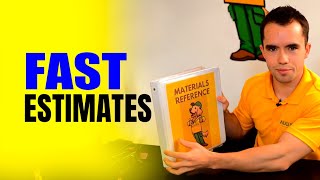
Mike Andes demonstrates a field "materials reference binder" his estimators use at client appointments to standardize material choices (plants/trees, hardscape blocks, and bulk supplies like soil, mulch, gravel). The binder contains photos of raw products and installed examples so customers can pick exactly what they want on-site, which reduces follow-up meetings, increases estimating accuracy, and improves crew efficiency. He also promotes the upcoming virtual Landscape Summit where he will discuss this strategy further.
Chapters
Hey, everyone, it's Mike Andes with landscapebusinesscourse.com Today we are at the Bellingham office. And this is kind of like my makeshift office where I get some space to sit. So just in the morning here, all the crew's headed out. But I wanted to go over our materials binder that we have talked about before. This is the one that goes out in the field. This is not like we didn't create this. It's not super nice or brand new or anything like that. You might have heard me talk about this in the podcast. We're going to talk about this a little bit this weekend at Landscape Summit. If you haven't signed up for the conference, make sure you do. It's online, it's virtual, so we can have people sign up right up until the end. So this is the materials reference binder. This is what our estimator takes to all appointments in person, appointments with a client. And the goal of this is really to be able to leave that appointment knowing exactly what the customer wants and them not having to have a secondary meeting at a nursery, a supplier having any sort of a second meeting at their house to go over what they want, different types of materials, et cetera. So project based work, hardscaping, landscaping, softscaping, planting, all of those jobs must go through this binder. So when the estimator leaves the property, they know exactly what the customer wants. We kind of have it split into three different categories of landscape materials, hardscape materials, plants and trees. So, for example, if you're doing a planting job, there's no reason to wonder with the customer what type of plant they want. Simply, the estimator is going to have their thumb here. They're going to flip to this page and then they're going to go and say, oh, okay, Mr. Jones. Yeah, I know you wanted a hedge there. Do you like. Let's see here. See, do you like the boxwood for the hedge? Like a smaller one or do you like. No. Where did it go? There it is. Emerald green, Arborvita. And these are. As we speak, this one's falling out. So let me just put this back. You can see here what's really cool about the binder is you can add things in. So these two that are falling out because of me thinking around with it, I can just put them back in and you can add more in here. So if you add different trees, different type of supplies that you start to use more of again, I would just turn to say, Mr. Jones, do you want the boxwoods that I Just showed you, or is this kind of what you're thinking in your mind? There's no, okay, let me meet you at the nursery. Let's set up another time to go over this. Let me send you some pictures and know exactly what the customer wants before you leave the property. And then you can do a very accurate estimate without any further discourse or meetings or anything like that. Very efficient. But more importantly, it allows you to standardize the type of materials that you do want to install. We do this for plants. We do this for all of our landscaping bulk supplies like soil, mulch, gravel. There's no reason to say, hey, we're going to install gravel. And them having no idea what you're talking about or sending pictures to them afterwards, you can simply be like, okay, so you're looking for, like, do you want cobbles? Something like this? And so in this regard, we have a picture of the raw product. We also have pictures where we've actually installed these at houses locally where they can see the design, what we're kind of thinking in our mind, and what our common verbiage is in terms of cobbles, dry river bed design. That's the kind of thing they're gonna see in their estimate. But then they have a mental image based upon this picture. Instead of us having to do a sketch or a drawing, they can see the product, know what it's gonna look like, and just say, yes, I like that. We do the same thing for hardscaping materials, right? Like blocks. There's no reason why you need to have 25 or 30 different types of blocks if you can keep them in pictures, have a couple different types of designs that they can look at, look at past projects and what the block sort of looks like, and say, yes, I like that. They choose it. You leave the project knowing exactly what they want. You know, the pricing on the back end of these. So it reduces the guesswork. Most importantly, it increases the efficiency when the crew gets the job, because they have been installing the same type of product, the same type plant, the same type of material all the time. There's no guesswork. You don't have to train people on a whole bunch of different types of trees and random varieties that a customer wants. If they don't fall within these standardized materials, we don't want them as a customer. That makes 95% of customers happy. Yes, you're going to have the one out of 20 that are going to say, oh, no, I want the specialized type of paver. Well, Mr. Jones, we're probably not the right fit for you and. Or you just bump up the budgeted hours and the cost of that job. So much so to account for the fact that you're going to be less efficient, you're going to have wasted material and there's a good chance you might make a mistake. A lot higher chance of you making a mistake when you're installing materials, products and plants that you rarely ever actually install. Hope that was helpful. Make sure you sign up for Landscape Summit. It's coming up here in the next couple days. We're going to go over this and how this ties into the overall strategy of simplifying your business. We'll see you then.