Best and Worst of Landscape Summit - Episode 044
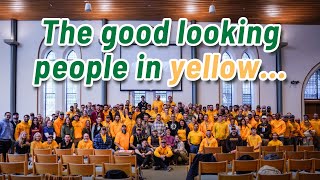
Lee and Mike Andes break down the recent Landscape Summit, where eight keynotes and community speakers landed better than polished presentations. Mike plans to shift the event toward December, expand into home services, and lean on Dr. Kashi's coaching to tighten talks. They also cover the max Roth IRA contribution of $6,500 for singles.
Questions this video answers
Eight.
$6,500 (for single filers).
December.
Chapters
Well, welcome back. Back in the studio.
Sea suit unfiltered.
Yes. We took a week off for the conference.
You gotta post the full one of the actual thing. Cool.
Yeah, yeah, yeah. Well, I didn't want to bother the media team. I'm sure they're very busy, so. Yes, we will post the live C suite unfiltered. So if you weren't there at our. At Mike's Landscape Summit. Yeah, we'll post that. I got to interview Liz and Chuck, so that was fun. What were your thoughts on that? I guess we can just start right there.
I thought you guys did a good job. Usually live podcasts are pretty brutal to, like, just be there. It's like, well, why are we here if they can just record this? So I thought you guys did a good job. Obviously, you guys prepared, like, the questions are most of them. And so it was, like, a little more organized. That was good.
Yeah, Yeah. I didn't want it to be. It was awkward getting up there because I was like, well, do I say, like, this isn't actually a podcast. Like, this is us talking to you guys. But then I was like, or I could lean into it and make it like it is the podcast. I don't know. I think either way, you win or lose, people, like, some people are going to be like, well, I don't want to just listen to a podcast live. And then other people would be like, oh, this is, like, fun. Like there. It's. It's more of a bit, if you will. So, yeah, we had the Landscape Summit conference last week, and then we also had the Augusta Nation conference afterwards. So I wanted to just do kind of a recap. What were some of the highlights for you? What were some of the lowlights? What do you feel went well? What do you feel like did not go well. So what were some of Mike Andy's highlights?
Awards, always a highlight for me, giving the awards to the franchisees and owners of Augusta Nation. So obviously this year it was pretty emotional for the franchisee of the year, and so that was good. The dinner with Dr. Cashy and his wife and some of his team on the Monday night, that was pretty. A pretty good highlight Wednesday with the friend with the franchisees. In all, Augusta Nation is always, like, the highlight for me. Like, those four hours, five hours or whatever are the best because everyone in the room's on the same page and we all know what's going on. And yeah, like, that's always the fun. So hopefully next year we'll have a full day instead of just Half a day, like this time. Yeah. But, yeah, those are probably like the three I come into my mind right off the bat.
Yeah. You had. For the public conference. So you had six keynotes, I believe.
Eight.
Eight. Excuse me? You had eight keynotes. Was there a favorite that you had?
You know what's funny is I actually think my second one was my best one. Follow up calls.
I'm trying. Oh, yeah, yeah, you crushed that one.
I thought that was my. I thought I did the best job as a presenter then.
Yeah, it was very engaging, high energy. Yeah, I like that one.
And I did a better job of mixing in the humor earlier on to kind of loosen everyone up and loosen me up. So. Yeah, just learning from that.
Yeah. I think the crowd was. Was very engaged. Yeah, I think you did a great job of keeping them engaged as well as other speakers trying to, like, actually interact with them and break down that barrier. Because some conferences, and you use this word, and I really like it, is some conferences feel very sterile. Right. And it's like, okay, presenter on stage. I shut up and sit in the audience, versus we want that engagement. We want that energy. And I felt like the crowd brought it. And I appreciate that. Right. I think it was fun. I personally loved your. The problem with watching Mike and his videos.
Oh, really?
Yes.
Okay.
I think it was an unoriginal message in an original way.
Cool.
Does that make sense?
Yeah.
Like, what you said wasn't anything groundbreaking, but you framed it in a new way to get people to think. And I like that you showed your YouTube subscriber graph because it's the real numbers of like, look, guys, I posted videos for 5 years flat line of subscriber growth, and then all of a sudden, like, it just skyrockets. So that was very practical. And you can apply it to really anything, which is like, YouTube. You put out, what, 1500 videos or something? And it's like, you know, for sales, for lawn care, for landscaping, you have to put up thousands of estimates, thousands of door hangers, thousands in advertising. Like, you have to pour out for your employees, for your managers, for your customers. And then one day, like, hopefully it'll hit. It'll take off. It's the reps, the time under the bar. Yeah, I thought it was a very original take on a unoriginal concept. And I don't mean that in a negative way. Yeah, right. People talk about that all the time, but you were like, let me spin it.
Yeah.
So that was my favorite of yours. What was? Did you have any favorite keynotes from anyone else?
I was impressed with all the people from the audience from the community that we brought on instead of, like, regular speakers. So traditionally, regular speakers disappoint me. And this year I felt like the people that we asked to come from the audience from the community, like turf dogs, yard dogs. Yard dogs. Military green, military cuts.
And then Sam Gustin.
Sam Gustin. Like those ones, they put a lot of time and effort into it. You could tell they rehearsed it. It was well put together, and they had the energy. And so I was really happy with those. I was also really impressed with Brian Fullerton, and I asked him specifically to do something non.
And I thought it was a really good keynote about, like, relationships and family. And so I kind of prepped him right before because he's like, where is this coming from? Like, I'm doing this, like, non business thing. So I gave him a breakdown and he's like, yeah, like, now you think about it, all the people that I know that have $10 million plus businesses have been all divorced and like, it's like, well, really, are you successful? So anyways, that was good keynote. Yeah, yeah. But overall, those were all the highlights. I think this year we definitely indexed towards a smaller size company average compared to last year. Last year you got Corey Ballard, you got Tommy Mello.
I forget who else we had, but, like, everyone was massive companies that were delivering and presenting.
Yeah.
And so this year everyone was mostly under 2 million. So next year we'll probably get a better mix because this year we had an index smaller and went towards more that direction. And so next year I do expect it to be like me talking about some other strategies, like multiple locations and franchising and licensing and like, other things for scaling and like GM and regional, like that sort of stuff. And then we'll index towards a larger size company. So. But I'll do a better mix next year. I think we kind of did a really, really big last year, and then much, much smaller this year as an average. And then next year I want to kind of blend the two.
Okay. Yeah, I like that. I thought all the speakers were fantastic. I think it was one of the. The best events I was a part of, and not just because I'm part of the team that puts it on, but just having been to lots of conferences, hearing a lot of different people speak, I thought from a holistic view of every speaker, just way above average, phenomenal content, preparation, execution. It was great. I loved the yard dogs. I just love the energy they brought. And I think for them as well as The Kelly's Will and Larissa. It's very hard to present with another person on stage. If you've ever done it. It's extremely hard. And the pacing, the cadence, the transitions were fantastic. So yeah, appreciate those guys for coming out and being willing to talk. I loved it. So I got to ask though, because a lot of people are already going to want to know. Got any insight on the vision for next year? Not asking you to give anything away specifically, but you know, people are asking, where's it going to be? Same vibe, same speakers. Come on Mike, give us something.
Yeah, definitely not same speakers. We'll always keep it fresh.
Cool.
There's a few that we want to keep like Dan Ralphs is always a fan favorite.
He's great.
A couple others. But we'll change up the speakers I want to make, you know, next year we'll definitely index more towards a much larger companies because like I can get people there that do have hundred million dollar businesses and stuff like that. So I'll try to do that. I.
Timing October is not a good time to have it. We want to do more in December. So that way like leaf season mowing is all done and for a lot of different industries it is slower in December and the first couple weeks of December. And so that's what we're thinking. Traveling that far. It really just was not worth the.
Extra cost for you and your team.
Yeah, 100%. Like we just didn't see and like I was doing it originally for the fact that we're close to equip people. Hey. And knock out two things in one. But like I'd say maybe half the audience did that.
Yeah.
And the other half were subject to like extremely high prices of the hotel. So. Yeah, I just think we're not, we're not going to do it there. Probably most likely, probably not going to. And then I do want to include other home services too because I think there's value in learning a lot from other industries. And some of my best ideas that we've done is like looking at other industries that are close by, like cleaning, pressure washing, roofing, general home services. Yeah. And I think we can learn a lot from those. So I've already mixed that in the past couple of years. Like Pat Clark this year was from pressure washing. Yep. And then last year was Tommy Mello from Garage doors. So.
And E.J. mcCoy this year E.J.
Up does scoop soldiers. So I want to mix a little bit more of that in and then we'll probably reuse, rebrand it. That's kind of like the big one is we'll probably rebrand the conference a little bit for more home service summit and then have more time for the front for augustination.
Cool. I love it. Well, what I'll add is leave a comment of when and where you want it because one, it helps the algorithm. Two, Mike will see it. So just let us know when and where. When and where you want it to be.
That is kind of predetermined, but I got. I gotta hold that on.
Well, I know, but I have to poke. I have to see. I have to see what you're willing to give the people. Uh, yeah, I thought it was a great event. Overall. I thought you did fantastic. I think having been to all of your landscape summits, your preparation was phenomenal. And some of the best keynotes I've ever heard you give. I think you are natural. Like, you can get on stage, you're comfortable in front of people, you're comfortable with a mic in your face. But the. The preparation showed this year for sure. I can tell you put a lot of work into it. I can tell Dr. Kashi helped you because all your keynotes are very easy to follow but very impactful. So kudos to you. I'll say that Dr. Kashi coming was kind of cool. And now we're saying his name publicly. I know at first we were kind of not. So he's okay with that. I'm assuming, obviously, you acknowledged him at the.
He prefers being kind of like the person behind the scenes. And the vast majority of his. His clients don't talk about him. There are a few that have recently started to like the hermosis. And, you know, now when I watch their content, I'm like, oh, they talk. Talked about that from him. And like, you pick up on all these things and like, whenever they say a friend, it's him.
Yeah.
So if you ever just want what was. If they ever say, I was talking to a friend.
Yeah.
But I think a lot of times people are a little afraid of like sharing people's names that they're getting coaching from or learning from. And I'm not really that way. I think he deserves the credit. And if I think the bigger concern is like, what happens if he gets really busy and he doesn't have time for me kind of thing.
Right.
So I could see why some people that are really good, like, hey, I'm not going to say his name because I don't want people to go do that. But. But he deserves everything that comes his way and he's helped me a lot, so I'm happy to. He's okay with me saying it, and he just wants me to take full ownership of my ideas, because his goal is not to create ideas, it is to refine them and make them in a way that is more helpful to people and more palatable. And I think that was accomplished during the conference. So my keynotes, it was the same concept, but a very different delivery style. So we just have to really hack things apart, tear stuff apart. And, like, people, like, consistently keep talking about the three little Pigs. Like, that was not the three Little pigs analogy. It was like a very complex way. I'd done it before.
Yeah.
And I think for some people this year, especially the big operators, they were like, oh, man, this is so simple. But, like, look, I take the exact same concept that was like a bunch of graphs, and I showed, like, economic projections and all the rest of it, and I just boil it down to what actually was going to be useful, and that's what people are remembering.
Yeah.
And so sometimes, like, simpler is better.
Yeah.
And so I think for some people, it was like a bit of a change and they didn't like it, especially the bigger operators, because they're used to the more complex stuff. But, like, just having adding complexity for the sake of adding complexity is just making you feel smart and making you feel like giving your. Your ego a scratch. Yeah. Both the speaker and the listener. I just want the majority of people to get the concept and go do it their business. So if I have to go down to the three Little pigs and the big bad wolf, like, let's go.
Yeah.
But they'll remember, and hopefully when they're in the situation that they need to have the identity of a, you know, bricklayer, when they're really out in the straw phase, it makes sense. Hopefully. So, yeah, it's kind of why.
Yeah. I think one that really stuck just in my conversations with folks was the 4L framework. Fantastic framework. I think it's. Once again, it's a. It's. It's a slightly unoriginal idea, but presented in an original way. And I think it's. Very quickly, people, I had a conversation with the business owner. He was like, well, I have a general manager and he's running the business. You know, I'm doing location, too, or whatever, and I don't want to disclose who this was or give too much information, but I was like, well, let's just go to the 4L framework. Like, what is that general manager struggling with? And it was like, it's his leadership skills. It's like, perfect. So that's all you have to work on. Like, do you have the leads? Do you have the labor? Do you have the cash, the liquidity? Like, then you just need to make him a better leader, him or her a better leader. And if you can't, you need to find someone else that can be a better leader. Or maybe you need to take a step back from all your side projects and just step into a leadership role. I think that was probably the biggest takeaway I got from the whole conference, as well as probably the most common theme of what I talked about with people after sessions was, okay, using the 4L framework. What are the problems in my business? How do I fix it? I love that framework and I will use it forever on coaching now.
So, yeah, unfortunately, I think it'd be cool because everyone was at the conference and heard it. Whenever they watch my videos now, they're going to know exactly what I'm doing.
Yeah.
Identify which. Which constraint in the 400 framework this person needs help on. And then literally every slide I showed is like, the strategy, both fast and slow with money and without money. And so it's pretty straightforward. And so when in doubt, like, when you don't know what to do in your business or you're hitting up a wall, if you just look at that framework and then, like, literally use the next four slides of, like, what to do at each of those stages, you really could solve anything.
Yeah.
And so, yeah, I think it was a good framework. I originally thought I was gonna write a book about it.
Yep.
I have a call today with Dr. Kashi to go over it, but I don't think we're going to. Honestly, in doing the conference, I realized just how much more I think I have to improve at communicating on stage. But more or less, like, in short form, webinars and, like, presentation style, I can improve a lot. And so I think I really want to hone that in and then use that skill to just make the businesses massive. And then when I write a book, there'll be more notoriety and, like, worth behind what I'm talking about because the businesses are so much bigger. So, like, as much I want to share the 4L framework, it's like, I can talk about in the videos. And I can not spend the next eight months of my life grinding my face into the book because, like, at this level, like, that is what I would expect of myself is to spend eight to 12 months of just every day working five, six, seven hours on it. And I would hate every minute of doing that. And I think that if I spend that time on growing the businesses much, much larger over the next few years, I write the exact same book and it just has a different impact. So I think that's the direction I'm going. I feel like I have a lot to share, but I don't think a book right now is the best way to do that. So we'll see. Yeah.
And it's kind of the $100 million leads approach, where you're basically going to say, I'm going to prove this framework, let me build my businesses over the next couple years, then I'll write the book saying, like, here's the proof. The proof is right here. I scaled up Augusta, I scaled up Copilot, whatever. And now here's the proof and here's how I did it.
Yeah. Like, if I. Over the next year and a half, two years, we keep doing these turnarounds and we grow the audience from, you know, 150,000 subs to half a million or a million. And we can really nail it if we can do that. And then I write a book and I have a million people and I'm like, hey, by the way, if you want to know exactly what I'm doing behind the scenes of every single these turnarounds, just go buy this. That makes a lot of sense. And so the only reason I'd really even think about doing the book is it taps into an audience that's not watching videos on YouTube, not watching Facebook stuff, not on any of my socials, and it caps in a very high value audience. Um, it's the only reason I do it. And so I don't know if that's worthy yet of my time. And I think I need to focus on, like, the skill that I've just started to really crack, in my opinion, which is like short form presentation. And like nail it. Do better webinars better. Like demos of copilot, better demos of PvP. Like, I need to redo my whole message around P4P.
Yeah.
Because it's been skewed. Like, I've gotten too much in the weeds of it.
Yep.
Instead of just me, like, oh, yeah, kind of. I did that one day. I was like, this is your five. My business. This is year six. One thing changed. I added P4P. Yeah. Like, that's enough of a sales pitch. I don't need to be like, okay, so it's like this percentage of labor revenue and then you're gonna have yellow slips and you're gonna have that for quality, and then you have projects, and, like, it's just too much in the weeds. It's like, show the. Like, the vacation, like, the flight to the vacation, all the nitty gritty details. So I just need a better job of communicating that so that way the people actually do it. And I think I was communicating to me Monday evening at dinner with Dr. Kashi, I was like, he was pushing me on that. I was very frustrated. I've always been frustrated. People don't adopt P4P. He's like, we can fix this. Like, you're just. You're selling it wrong.
Yeah.
And so he's very good at that sort of thing and just helps me, like, simplify things and focus on the goal and, like, where I want people to go instead of just like, oh, like this. And that's how my keynotes have always been. Like, very structured and, like, they're decent, but, like, I just want them to get here. That's all I want them to do. Yeah. And stop trying to appear smart by all this other stuff.
Yeah. Yeah. I had a very brief conversation with Dr. Kashi about the structure around selling P4P, and he was basically like, why are you defending something that the proof is there, but you're defending it to nobody?
That was like, what I reduced from the conversation. I might not be saying it the same way he said it, but essentially he reduced how you're selling P4P to that you're defending something that has tangible proof to nobody.
Right.
And I was like, huh, That's. And that even changed how I thought. I was like, huh. Well, maybe that's how I present it to the guys. Like, on a frontline employee perspective. I'm like, no, look at the numbers. Like, this is how it works. Like, last week, you made this, and it's like, no, the proof's there. Like, why am I, like, fighting him over the numbers? I need to educate him on efficiency and, like, how this can benefit him outside of work. Right. So it's just interesting.
And that's, like, the thing he's taught me a lot of is defensibility versus defense.
Yep.
So, like, I do not need to show you my defense, but it needs to be defensible. So what that means is, instead of you showing you a chart and showing you all the data, I should just make a statement and say, if you want to actually see the proof of this, let me know after the conference. Talk to me later. And it's defendable arguments. And so with P4P, like, I just need to say like this literally quadrupled my profits and I went from zero distributions of $280,000 in 12 months and worked 5% as much in the business. Like that makes a lot of sense and it's all defendable. I can show you the profit loss statements. And so yeah, I'm sure that's what we're gonna probably go. Yeah. And I always come out of those like feeling so defeated.
Yeah.
Like, dude, man, going in the conference, like, especially because I was kind of cramming the last few in. Like, dude, I would just come out and be like, I have to rework this entire presentation like from scratch. Like the Little Pigs one for example. Like that was like a completely different, like same idea but different layout. And by the end of that like talk with him, I was like, dude, I have to restart. And it's like a week until conference. So yeah, I think I'll just get better. And I look forward to like even next year already because I'm like, dude, if I could do like, if I could jump that much higher, like this next one I can, I can just crush. So I'm looking forward to it.
Good, good. Well, I had a question. A little bit selfish, but you know, I'm sure a lot of people are thinking about this because you pushed on it pretty hard, not only at the Augusta only conference, but also publicly that you know, you are still getting coaching and you feel that if you are telling people that they should get coached or they should have consultants or they should get secondary opinions to push their personal growth, you should also be doing that yourself. I think that's commendable. But then I started thinking inwardly I was like, well, I've jokingly but also seriously called myself like a student of Mike Andy's. I've told people like the only people that listen to more of your content are the media guys because they have to edit it. Every video you've ever put up, every course you've ever put up, like, I take it, I watch it, I digest it. And I feel like I've been your student, you've been my coach. Not that we've had one on one sit downs. Obviously as your manager, we'd sit down and talk about the business, but we really never talked about myself individually. Unless you remember a time when we have. It's more about the business or how I can lead better, how I can train better. Very tactful. So do you feel like I should look into getting a coach? Because I feel like you have been my pseudo Coach, but that's been more through osmosis, through just watching you, from learning from you, not directly sitting down and, like, me being like, hey, I have a personal problem, or this is what I'm, like, mentally struggling with. Do you think that's something I should look into?
So, in my opinion, the best form of coaching is actually to see someone operate outside of behind a camera. So I learned far more from watching how Dr. Kashi operated in two or three hours of dinner than I have in all our keynotes. And I took more away from that personally and exactly, like, what I want to do, how I taught, operate, et cetera. And so, in my opinion, the only reason to get a coach is if there's not someone right above you that you can watch every day. And that's what I've struggled for to get the past couple years.
And it's not a matter of, like, me being so great. It's just, like, we don't live in an area where there's a lot of tech entrepreneurs. We don't live in an area where there's, like, a lot of really successful people that are still in the trenches. They usually move it down to Seattle. They move. Get out of here. Yep. And so.
That'S been tough the past couple years. I don't have that, like, person I can watch right above me. And so, like, for a while, that.
Was.
College calling junk.
Yep.
Omar and his partner, they started a franchise, went on a shark tank. It was, like, 10 years ago. And so I kind of watched them grow a little bit, but now I'm at the point where, okay, like, they're still doing that. That's great. But, like, I have software and, like, real estate and, like, all these other things going on that, like, I need to learn more and I need someone above them.
Yep.
And so that's been tough for me the past couple years. I don't have that. I think for someone like yourself. I think for any employees that are listening, like, ideally, you get to see directly every day how your boss operates, and if that person is above you and still progressing, it's a really, like. That's the best form of a coach. It's a person that's right above you.
Yeah.
Because then you just. They literally can just copy what they're doing. So even, like, some of the people that came with Dr. Kashi booked calls with me yesterday.
Yeah, I heard about that.
And paid for, you know, 50 minutes or whatever, because they. They see. Okay, he's like. Right. He's, like, a couple years ahead of me. He's not 20 years, he's not below me, but he's like right above me. And he's seen more than I have. And so it was the ability to be able to have someone else that you can watch and do it is like far more valuable to me than a coach. And everyone learns a little differently. I learned a lot just by watching how he operates.
Yeah.
And like the very soft skills, like, I still need to refine. And so I think it's always valid third party perspective. And if I was you, I would probably lean on your. The leadership team for critiques and then watch what I'm doing to become better. I'm just like, okay, I need to like, copy that. Or like, I don't like that. Like, just analyze all of that. And you know, the challenging part right now is like, you're in a different office.
Yeah.
Right. I think when we get together in a, in a closer office, it like, helps so many things.
Yeah.
Even the other day I was talking with Liz and we were talking about a certain initiative and like, we were like, well, could lead you this. And we're like, well, we don't know if he. How busy he is, like, because we're not there. We don't want to like, overburden him. But like, maybe, maybe he's not overburdened. And like, he would want to do this. So that's sometimes a challenge. But I think when we get closer, that would probably be of benefit it to you.
Yeah. Yeah, I agree with you. I think just proximity will help me being in the same room as you and you and Liz. And I think that's maybe what has created distance between us in a professional sense. Right. That like, we. This is when we spend time together is this. And we want to put out content. We go over this and usually five minutes before is like, update on X, update on Y. And then, okay, cool. See you next week.
Right.
So this is our FaceTime. And it's not even really about the business. I think that would really help me. One thing that I have really been working through is.
The framework of inspiring people. I think because you are removed more from your original location, I feel like that burden falls on me. And I feel like not that I need someone to inspire me, to inspire others, because I've been inspired by you. I bought into your vision, the greater vision of Augusta. But I think being able to bring my struggles or these frameworks I'm working on to someone else might be beneficial outside of Augusta. Right. Because one thing that, like, you know, Chuck and I say to each other as coaches and. And taking things off your plate is like, we're not Mike Andy's. We're not trying to be Mike Andy's. Right. And I think if I had a third party person, like, teaching me how to be an inspiration through the way I communicate and through my mannerisms and through my skill set, I think that could be a benefit to the Bellingham team and also franchisees or owners with inside of Augusta. And so that's something I've been thinking about just more from like, my mental ability to lead and to grow people. Not really from a strategic standpoint. I think I've learned a lot from you. I think six years in this business, I really know what systems work and what don't. But it's more the soft skills, Right. Of leadership, of compassion, of building people up, you know, knowing when to have hard conversations. I've gotten better at it, but maybe someone outside of the business could help me better with those skills. Does that make sense?
Yeah, totally. Hopefully next year we can all, as leadership team, go to like, kind of a conference around leadership management, stuff like that. Stuff like that will help. I think two books are helpful. It is another level when you like, hey, I've listened to all the books. Now I need someone to actually critique me personally. But the thing is, if you can be self introspective, you can get 95% of that from the books.
Right.
And watching other people. And so, like, that's why I haven't paid for coaching for a long time. I can still learn a lot from books and watching other people do stuff. Then there's this other level of like, hey, when the camera's not on, when they're not writing a book, I want to see that. And that's when you have to pony up and pay because that's when you're getting. Trying to get access to someone that has, like, seen it all and.
They are not surprised by things that you are a big shocker to you.
Yeah.
And so I think that's like a helpful skill. And so like that. So even like the daily masterminds for Augusta, like, for the vast majority of them, I'm a little bit ahead of them. They can just literally follow what I'm doing and they will get the result in a delayed fashion.
Yeah.
And so I think that's like the most. The best form of coaching.
Yeah.
And it's just harder. Like, it just sounds so egotistical. But, like, at this level, like, it's just hard to Find that Pearson that's right above me.
Yeah. No, that makes sense. Cool. Well, I don't have, really, a way to. To preface this next thing I wanted to talk about, but I'm going to. I'll just jump right in. So there's a common denominator for me that I need to explain to you, so I have. I'll just rip the band aid off. I have cried in public two times.
Once was at my wedding.
I was there for that.
Once was at the Augusta Nation franchise. And the common denominator is you were there for both. So how do we address that?
You were crying so much the more when. When you. When she was walking down the aisle.
Oh, yeah, yeah, yeah. I was big, baby. I was a mess. Yeah.
Yeah.
I mean, it's the best moment of my life. That was a good moment. It was good.
Yeah.
I'll say.
It was good outside, really nice venue, I think.
Yeah, it was hot. You know, stress, all the emotions, whatever. But no, I, I. I figure. I don't think I haven't talked to you about this, but I don't think I'm gonna. I thought about it. I was like, well, maybe my presentation I could make public or post it on the C Suite. And I was like, I don't think I will. And it's not because I cried. I'm obviously talking about. I think I just want to keep that to Augusta and kind of the more intimate stories I shared, if you will. But what were your thoughts on that?
So I am a sympathy crier. So I didn't, like, bawl, but I definitely, like, my tears came because I knew exactly where I was when I sent you that message.
Yes.
And I remember.
This sounds so bad, but.
The effect I wanted happened.
That's fair. That's fair.
Like, I knew that would. And I sent the email instead of doing in person, too, because, like, I knew. I know that you take it really personally.
Yep.
And I was frustrated, and.
I knew that I didn't need to tell you what to do.
Yeah.
I just needed to tell you what I was doing.
Yeah.
And you would be mad.
I'd react. It works.
So I did get the reaction I planned for, but, like, it did take me right back to where I was at. So I just finished running Oyster Dome, and I was, like, thinking, like, what I should be doing. And so typically, when I'm running down, I, like, make notes. So one of them was, like, just, like, send an email to the office and Lee saying, I'm putting money in the bank account and see like, just, I want to see what happens. And so. But the reason I probably, like, teared up a little bit was like, I remember that emotion too. And then I think the part that made you emotional and, like, me emotional as well is, like, the person that we were dealing with. We wanted them to succeed, and they either didn't have it in them or they weren't ready for it, or there's things happening in their personal life that prevented at that time and stage to rise to the occasion. So.
Yeah, I'm a sympathy crier. So if someone cries on stage, I immediately get welled up. Typically, if they're presenting well and I'm connecting with them. So obviously we connect really well. And I know you, and I knew exactly what you're going through that stage, and I knew I was putting pressure on you.
Yeah, totally.
In that moment, I knew those few months were really tough. So obviously caring for you. Yeah, I was a sympathy crier.
Yeah, I appreciate it. The frustrating thing for me is, I think, think it's not a bad thing. Like, because you've cried on stage before and, like, this isn't like, it's not a bad thing to show vulnerability. It's not a bad thing to show passion. I think that I was frustrated in the moment because I was like, I've run through this multiple times, and it's like, facts, figures, dates. Like, this is happening, this is happening. And then all of a sudden, I got to that moment. And here's the thing. I remembered that message while on stage that. That Mike sent me a message. I never said it in my run through. It was like I was remembering it in real time. And so I was like. And I was like, oh, this is a great transition here, right? So, like, in my mind, I'm like, Because you and I think are pretty similar. You know, I put a nice framework for how I want to start my presentations, and then after that, I just go bullet points. I don't know if that's how you do it now after talking to Dr. Kashi, but for me, it's like, okay, if I can get myself started, then I can just hit bullet points, and I know where I want to go. But that was not a bullet point. So it hit me in the moment. I was like, oh, yeah, Mike sent me that message. And I think what hit me, and I talked to Liz afterwards, and for people that weren't there, don't get the context, like, I apologize. But I think what hit me is like, okay, you're sending me a message that you're putting money back into a business that, one, you should only take money out of because of how established it is. And two, every dollar you make at that business, I truly believe, as your employee will go to something better that impacts the franchisees, the owners that were in the room. That impacts.
It's what allowed us to fund the growth of the franchise.
Exactly.
Cost us hundreds of thousand dollars for years.
Yeah. That impacts P4P. That impacts copilot. And so I think that's when all of that, like, emotion hit me is like, that text hit me so hard because I was like, we are wasting opportunities. It's not about the money. It's not. And at that. At that point, too, I had no financial incentives. And Bellingham, you were not giving me bonuses based on certain things. So it was, for me, just such a raw reaction of, like, I wasn't worried about, like, oh, no, I'm not going to get a bonus. It was like, this needs to be making money for the betterment of everyone else. And that's what hit me in that moment. And I hope there was some gravity to it, if you will.
Yeah.
But I felt. I felt horrible because I just. I didn't know it was going to happen. Like, I really didn't. So hopefully it went okay.
It was good. I thought it was really good. I'll talk to you after.
Okay, cool. Yeah. But that was. That was the other thing I had. Last thing I have, unrelated. But it happened at conference, and I thought I'd ask. And I didn't ask Chuck for permission. So hopefully Chuck's okay with this. But he and I both get approached on a pretty regular basis to do coaching outside of Augusta. And I've never asked. I've never even entertained it. But we both, this conference talked and we were like, multiple people offered us money to do consulting for them. So what are your thoughts on that? Like, if Chuck and I moonlighted. Not saying we're going to, but we both talked and we were like, oh, that's funny. Yeah, this guy offered me X to do an hour, like, to do weekly zoom calls. What are your thoughts on that?
I'm not opposed to it. And the problem is that same service is being given to the owners of Augusta Nation. And so it becomes a way to jeopardize the value of being there. And something I've been very careful of. So, like, we're raising prices on longer web design. We're raising prices on P4P. We're raising prices on the franchise license for the franchisees that are in. They don't have any changes like they, they get all for free. And we're building this other thing that's going to like, it's going to be free for a guest nation.
Yeah.
But I'm not, I'm going to make the public pay. And that is all very strategic because you're building this value stack that just becomes more and more into the point where it's like it's insanity not to join. And we'll get to that point because like every year I'm just like, okay, so like last year we added a 24,7. You know, I, I paid for all of that.
Yep.
All the upfront. It'll take me four, probably four or five years to get recoup that money from the minutes at command center. And by that time the technology be obsolete. And so, you know, this coming year there's multiple things that we have in the works as well as like we just finished the instant price form. We're not doing that for long. Care web design people. It takes a ton of work, massive amounts of infrastructure to make those things fast and SEO friendly. And so I'm just trying to build the stack of value for Augusta.
Right.
I would say that doing that as a coach, giving coaching to people outside of Augusta would be something I would be against that fact. I would say I would not be opposed though to like content creation and then monetizing, monetization of your information.
And I think that in doing that in a certain way you could actually provide more value to Augusta because like, oh look, by the way, this is a big thing for me. So like I just raised my price for coaching. 1300 bucks. Right. For 50 minutes. And so I do it because I can only handle so much grad conference. I got a whole bunch of them. Like, I can't do this.
Yeah.
And I'll probably raise it again. Yeah. And so the thing is this, by doing that now when I have a 45 minute mike minutes mastermind for their franchisees yesterday, it's like, oh, I just got 45 minutes of value. Saw behind the scenes of literally the financials and what the attrition rate is at Copilot and I didn't pay a single penny extra for that. Right. And that 1299 that I would have paid for 50 minutes of mike time. I get that 20 times in a month plus the website and the coaching from one on all this other stuff. And so I think the value of potentially you putting a price tag on it in the long run is people will start to value you More. Right. It's like, oh, well, he just, he's paid by Mike to like give coaching away. It's like, well, no, actually like someone else is willing to pay him 300 bucks for this same 30 minutes. And you know, this is, this is real value. Right. And so I'm able to attribute value to the mastermind because I have a dollar amount associated with my time.
Yeah.
And so there's definitely something I think could be said for that. I would probably be okay with one time calls, but not multiple. Right. Because it's like, hey, one time, you're good. But if you want this every month, you're going to have to join Augusta.
Right.
I'd be fine with that.
Yeah.
A one time call.
Yeah. Yeah. And it's Chuck and I. The conversation didn't extend past like, oh, yeah. Like I've had offers before. Oh, yeah. You know, Chuck said someone offered him like I think 300 for an hour.
Yeah.
Which is awesome. And I think Chuck's worth that, like hand over fist. He is worth that for his, his business advice and knowledge in the industry. But I just, I was like, oh, I've never asked you, so I'll just ask you on the podcast. I don't think I want to. I think in a way, like, I hold Augusta and the brand you've built in such high regard that I want to keep that exclusive to franchisees. I also think that the way I've learned business is inside of the Augusta systems. So although I do think I would have value to the average business owner, I would try to teach them the ways of Augusta and they don't have to conform to it. Whereas on a owner coaching call inside of Augusta, you know, this is a system that we've created and if you want command center support, if you want X to work correctly, you need to do this versus an independent contractor or business owner. They can do whatever they want. They have the freedom. So I don't think I want to, but I thought, well, there is ways to monetize the skills that I have. I think part of that is the C Suite. You know, we're getting close to a thousand subscribers, so that's exciting.
But, but for example, if you ever out. Not if you ever like move out of coaching, then it makes it more fair game. Right. Because now the value you're providing to the organization is not that what you're providing to the public. Right. Okay. And so as long as someone's not sharing intellectual property and like stuff that I do share internally, then I'm Fine with it. As long as that same value is not the same value I. I am using to get people to be part of Augusta. And I've said, like I said from the beginning, it's going to be five years before it'll be painfully obvious that you should be joining Augusta. So we have one more year left. And so we have. I have a stack of what this year we're doing to make sure that I hit that marker. But, like.
There'S not a bad. It's not bad to have a dollar amount attached to it so that when people, like, do take a 30 minutes, like, oh, like, this is worth $300. And they look at it a little differently. Like, when people get on the calls me and they've paid $1,300. They are organized. They know. They have their questions. They are like, okay, let's keep moving. I have this one, and I wanted to go through this, and it's not like, oh, like, how's things going? Like, because they like, oh, this is $1300.
Yeah.
And so I think. I think I'm not, like, opposed to it.
Yeah.
Especially one times, because one times, like, it's almost like a teaser.
Yeah.
From a sales perspective, it's like, hey, this is what you can get every single month included in this other price that you get all this other stuff. And my goal is, like, just making this other stuff. Just keep stacking it.
Yeah.
Until it is literally so painfully obvious that joining Augusta makes sense. The only reason you wouldn't do it is if you have pride in your name. Yeah. In terms of your personal name. But if you want, like, better enterprise value, better sellability, better systems and procedures, more profit, it just becomes more and more making sense. And so that's like fixing the dollar amount per month. And then just, like, we just keep adding value. Makes it like the value equation to start saying nuts.
Yeah.
And I just want it to be, like, so incredibly painful, obvious down the road that you save more money, you make more money, and you get all this other stuff, like support and coaching and a community and all this other stuff.
Yeah. And I think, just to reiterate on the fact that we just had conference, you can't put a price tag on that community. You just can't. The energy when we had our franchise dinner is just like, I've just never felt that energy before in that room. You get people from all across the country and Canada, you know, just, like, mingling, and like, they all have a shared mission, a shared vision, and then there's people that you're like, these people would never make sense outside of Augusta, but then they're like best friends inside of Augusta. And I think that's. That's cool. So, yeah, that's. That's all I have. If you want to move to some not financial advice.
Yeah, go for it.
I know you have some.
Yeah, I wrote some down because I always forget.
Yeah, well, my not financial advice is a shout out. All right. So that is going to be a shout out to Joshua. German, I believe, is how you say Jermon lawn care. He commented on one of our videos recently and asked if he could get coaching from us. And I said if he buys us coffee. And so he brought us some coffee from. To the franchise or to the. To the conference. I know you're not a big coffee drinker, but I did tell him I would. I would drink it.
Okay.
And give him a review. Fantastic. Very nutty, very smooth. I'm a huge fan. So it is a. I don't even.
Know how to say it.
Sumatera.
Ling. Lingtong.
Lingtong coffee.
Cool. What did you coach him on?
I haven't yet. I feel like I have to. Yeah, I feel like I have to. I have to do it. But shout out, Joshua, thank you for the coffee. I'm drinking it right now and it is. It's fantastic.
So that's your non financial advice.
Yeah. Check out this coffee.
Okay. I have financial and non financial advice. Financial advice is basically coming to the end of the year. Kind of put in your Roth IRA $6500 if you're single. I think it's 12 or 13,000 if you are married, joint. And so put that money in there, let it grow. If it's a Roth ira, there's a difference between Roth and traditional. So look it up. It's just basically when you're gonna get taxed.
I'm a Roth guy.
I'm a Roth too. And then the second non financial advice is something actually talk talked in depth about on the Mastermind yesterday for Augusta Nation. And that is Reminders app. It is your best friend. They have some cool new features. They just came out with shareability of reminders list. And there's a lot of cool stuff you can do now when you drive into a certain spot, it can alert you so you can do it based upon the mapping. And so like when I drive into office, like I'll be, oh, sick. Yeah, I needed to do X, Y and Z right when I walk in the door. So I just make a reminder that it'll pop up only when I drive into a certain that's cool so a bunch of stuff like that the share ability of the list is good too I think when we get in the office together like whenever hopefully next year I'll probably make one with you yeah because then it's more like okay I know I'm going to see him tomorrow and I make a list of like.
Talk about yeah I agree I look.
Forward to having you in the office thank you I think obviously this coming year we made it pretty clear we got all the corporate locations we're going to drive into profitability and like all that sort of thing but like I'm glad like right when we finishing that I think it'll be ready for you to kind of move forward and do something more that will be in the same office yeah cool.
I love it well that's all I got thanks for listening like and subscribe let's go.









