How @LawnCareJuggernaut Started His Mowing Business with $100 !!
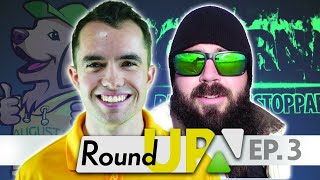
This content was created by Mike Andes. This content was uploaded by Mike Andes. This is a YouTube video titled "How @LawnCareJuggernaut Started His Mowing Business with $100 !!" featuring a conversation between Mike Andes and Kevin Hanson. The video, created on May 5, 2021, discusses Kevin Hanson's journey in starting and growing his lawn care business with minimal resources, his experiences with social media growth, and strategies for managing and scaling a business. The conversation covers topics such as pricing, customer management, and the challenges of entrepreneurship.
Chapters
Hey, everyone, it's Mike Andes and you're listening to Landscape Business course. Today we are going to be having an awesome interview and sorry for the little snafu on the scheduling. I put 7pm in my mind. I was thinking Eastern standard time, but obviously I was specific time. So for those of you who are already joined, congratulations for being on the subscriber gang. But today we have a very special guest and really looking forward to this show as we continue to evolve each week, be able to get another landscaper on the channel. And. And last week we had Jonathan from Florida. Turf Pros talked a lot of business and I'd been following Jonathan for a very long time. This one's gonna be interesting today because I haven't followed our guest today for a very, very long time over only the past couple months, and only because some of the people who have followed me had said, hey, you gotta go check this guy out. You guys would do a great interview together. So without any further delay, a man that is not scared by city regulation violation or overgrown lawns. A man that has gone from 16,000 to over 70,000 YouTube subscribers in the past six months. A man who's who trims long grass but will not trim his beard. Ladies and gentlemen, please welcome Kevin Hanson. Kevin, how's it going, man?
Hey. I appreciate it.
My first one I've ever done like that. It's pretty miserable, but awesome. Well, thank you for coming on the show. And I know it's our first time ever interacting. And so I know many of the people on my side of things have watched you for a long time, but probably seen many of your videos which have tens of thousands, hundreds of thousands of views. So congratulations on everything that's been going on for you. But I want to, as you kind of know, with my channel, we talk a lot about business numbers, things like that. Wanted to kind of get your scoop on things, what you've been up to, and so kind of to kind of start things off, maybe just tell us kind of how many customers you have right now, what the business looks like in terms of focusing on mowing versus landscaping, and just kind of give us an intro to where the business is at now.
Yeah, for the last several years, I've been around 60 to 70 clients. And then we just fill up our schedule with extra landscaping stuff. Normally we can knock that out in about three days, you know, the average weekly mowing, and then from there we do the extra stuff. For the last year or so, it's been a focus on our social media presence. So, you know, now we're in a really, really odd situation where I'm not looking to ramp up my business. I'm actually looking how can I scale this back so I can put more time into YouTube, which I think a lot of YouTubers would be afraid to admit. But, you know, I'm not afraid to say that I'm looking to, you know, all of my. All my stuff that I talk about on the channel is still relevant. It's just my pressure is in a different area.
Do you have any employees right now? Kevin? Kind of give us kind of maybe a breakdown, even in terms of revenue, if you don't mind sharing kind of, you know, last year or 2021. I know, like, you're not really trying to scale. Scale it, so it's not a matter of trying to grow, but what is that? Just for the sake of context.
Okay, so last year, I don't know, somewhere around 85 to 100. I don't even know. So I haven't looked at it. My wife, I guess I could have my wife pull up the numbers. I should know this stuff. But like I said, my social media has been the main focus of attention. So.
And then. Do you have employees? Do you still. Do you have employees now or just mostly by yourself?
Last year, I had my brother working with me. Several years before that, you know, I had different guys that came on. I had a guy named Johnny for a long time, and Johnny was a real good painter. You know, that was his.
That was his. Anyways, you know, so we started doing painting and stuff. That was pretty cool. We were able to, you know, actually expand how much income we were making by instead of doing, like, a landscaping project, we started doing painting projects, and it was a whole lot less effort. That was pretty. Pretty cool transition for our business, which taught me how to do the trade as well. So we may, in the future, if I scale up something, I don't think that it'll be lawn care. I think it'll be painting, and I'll be doing a subcontracting method.
Yeah, but, you know, we had several employees in the past. A lot of the times it was who was willing to work, which is not always the best employee. So, you know, how.
How long ago was it you started, like, a few years ago, originally.
We've been. We started up in 2013.
Awesome. And so for most of that time, you've been solo. What have. Has kind of been the biggest thing that you've learned in terms of whether it be growing the business or making it More profitable. What has been the thing that kind of was from a business element, we'll get into the social media side in a second. But from a business element, what was something that was kind of key for your growth and for your profitability in that business.
So, in all honesty, removing. Removing emotion from your decisions. You know, things like, you know, I heard guys talking about going all weekly for a long time. Well, when we went all weekly, you know, for the size we're at, it made a huge difference, you know, the amount of hours we were putting in. We were working six to seven days a week normally with me and another person, and then, you know, still having a hard time keeping up because we have bi weeklies and we had weeklies. When I switched all weekly, not only did I switch them all to weekly, but I actually raised the price on some of them. So our. Our revenue instantly jumped because we were, you know, instead of every two weeks, we went to every week. And then from there, you know, we increased some of them up a little bit more from there. So that was pretty nice. And then the other thing that's probably been huge for us, as, you know, we use Yardbook for a CRM, but when we actually started really implementing that and using it, I think the first year I used it, I used it for scheduling and then, you know, onboarding, people scheduling. And then I started really diving in, and I argued with my wife on this a bit. It seems like everywhere that we have growth, you know, it'll be like an argument with my wife first. I'm like, look, we need to go card on file. And she's like, you'll lose all your clients. And I'm like, no, we need to go card on file. They'll like it. It'll be good for us. Let's do it. And so we actually, you know, pulled the trigger on that probably in 2018 or 2019. And once we went all weekly and, you know, put card on file, 90% of my headaches went away. So if I was to scale up, which we. We were actually debating on that this year, because really all. All that it would take is, you know, for a long time, people. People talk about employees being the thing that's the struggle. And I think you can get good employees. And I'm not worried about that at this point.
But really what it would take is where we were at. We just bought like nine hustlers, right? I turned around and flipped them, you know, hustler walk behinds. So I was like, hey, Rachel, we could. We could put Two of these in a truck and trailer and then I can have my truck and trailer and I can do Juggernaut and then we can advertise, we can use the methods that we've been using and then put those to work over here. Ultimately we decided against it because of, like I said, with our social media, we want to put a lot of attention into that so that we can scale it up and then if we get ahead on our uploads, then we can free up our time to do whatever we want. So it kind of gives us an opening for a lot more potential.
Very cool. So in terms of the social media side of things, your first video two years ago was named accepting responsibility for your marriage got 485 views. Just in case you. Just in case you haven't remembered that your set, your second video though was $700 in four hours solo in your lawn care business. It got 189,000 views. Was that kind of like a light bulb moment for you? Did you think from then on you were going to make videos online? It seemed like after that you kind of were wondering in the wilderness for a little bit of time. But what was that kind of experience, that first video getting 189, 000 views?
Well, the analytics tell a different story than what it actually looks like. So if you look at the, it looks like it just shot up, but in truth it didn't shoot up until that the channel actually took off. So we were at it. And I've made a lot of my real old videos private because they were just so crappy, you know, standing in front of the wall and I'm like, yeah, you know, talking, trying to give it advice, you know, like, like you do. But the reality is like, which I think I could give advice. You know, there's advice from somebody at my size and your size and then the comparison is, you know, when you look at where you're at in business, you're like the Michael Jordan of business, right? I mean you're just. Everybody else is an also ran, you know, but you're, you're way up here, I'm down here. And then a lot of people are caught up in this head trash down here and figuring out how to just get started, how to ignite the fire. Then from there they can grow. Some people take off and they go huge. But now the analytics, like I said, tell a different story. So our first videos, they all bombed. Like it was just very, very slow growth. You know, if somebody wants to take off on social media, it's like a really, really slow crawl to 100 subscribers and then an even slower crawl to a thousand. And then if you think that was slow, it's going to be slow to 2000. And then somewhere around 2500 subs we just shot off, man. So, you know, and I feel like some of it was just dumb luck. Like we walked into it and then I'm brutally honest. So, like, I'll admit all my failures and mistakes and I try to say it in a positive way, and that seems to work pretty good for us.
In terms of the past six months, you've kind of gone for like 18,000 subs to 70,000. What? Has anything changed the past six months? Do you kind of just keep doing what you're doing? Like you said, you fell into it? Because it sounds to me like before these past six months, you might have considered growing the business. Now it's a matter of, hey, like, this is really taking off. We're going to take advantage of this. What changed in your would be the videos or did you just random luck? What happened? People quarantine, just watching long grass getting cut. Like, what was it?
Oh, I don't know. I'm willing to walk up to the tall crazy stuff and be like, let's make this happen. But, you know, I. I think some of it's kind of entertaining. Like I said, I don't. I don't know really what makes our videos, what the unique value proposition for the videos is. I think there's some humor, there's some information. You know, I talk about our spiritual journey. There's a lot that turns people off, but there's a lot that turns people on. And if they don't like that. I got the second channel that I started as a joke, but it's taken off. So I call that one the boring channel. Because people.
Yeah. So, you know, if they don't like me on that channel, they can check me out on the other one. But yeah, I mean, it's like I said, kind of feel like it's dumb luck. But I don't know.
What would you say to the person that. That, like, they're. They're solo right now, they're working out by themselves and they are trying to make a living out of it. They don't necessarily want to grow very much. Like, they don't have a bunch of employees. That's not their goal. Like. Like, what was some of the struggles that you had maybe 20, 16, 17, 18, before the social media started kind of taking off, that they could learn from or that you had to overcome, or did you ever think of, like, closing the business down? Was. Did it ever get to that point of discouragement?
Oh, yeah, absolutely, man. I mean, our first several years, we started with absolutely no money. I mean, nothing, and pretty much no experience in business. Like, when I was a teenager, I got to manage a Sonic, but to be honest, I had no real good role models as managers up to that point. So when I did get into a management position, it was more of. I fell in there because I was the most mature kid in the. In the, you know, building. But in reality, I was still pretty immature. So my management experience, while it could have been a very big learning experience for me, and it was. It could have been a lot better. It could have propelled me forward in my life. So, you know, I. I got that when I was like 15 or 16. And then I stayed there, took a job at a factory position, worked my way up. So I was a good employer or a good employee and the same thing. When I went into being in business, I moved to Tulsa. You know, my wife and I came here and I was working for a contractor, and the contractor just kind of quit selling jobs. And then I was left in the, like you said, kind of the wilderness, going, what do I do here? I've never been in a position where I didn't have a job. I've never not had security. And then we had an ice storm. All these tree limbs started falling. I went out and worked with another contractor cutting stuff up. I'm talking to my dad and I'm like, hey, man, I don't. I don't know what to do. I'm freaking out. My wife's pregnant. I'm scared out of my mind. And I took the hundred dollars that we had because, you know, we gathered change. We went out and bought a chainsaw at Home Depot that was on sale, and that put us in business. And so I was out there the first night cutting up limbs. You know, it was dark. I had my headlights shining out. I was cutting up limbs in people's yards. I didn't know where to take this stuff, so I was bringing it back home, putting it on my lawn. My landlord was pissed about that. Our whole. Whole front, front yard was completely covered in tree limbs, like ten foot high. So I did that for, like two months, and then that kind of died off. But while I was doing it, I was looking around and I was seeing these lawn guys pulling the rigs around. I'm like, you know, I could do that. I Think I could do that? That's something I could probably do. And then I found.
You know, Greg Chisholm and I found.
Lawn care millionaire. And then back then there was like, what is that? Gopher. Gopher Hall.
Oh, yeah, Gopher Lawn care. I remember. Yeah.
You know, I was looking up lawn site and different things, and I was just thinking, man, I could probably make this happen. You know, I didn't know anything about the business. So, you know, there was one video Greg Chisholm put out, and it was how to make a hundred dollars in a day. And so $100 a day, I'm like, I can work 30 days in a month. I can make this happen. That's three grand. That's about as much as I was making at the factory. Maybe I could make a little more. Well, come to find out, three grand in business, if you're doing that a month, that is not enough. But, you know, I was out there with the push mower, making it happen, using what, what busted up equipment? I had a real crappy trailer and stuff. And so, you know, that's kind of where the juggernaut mentality is, is because, you know, through all of that, it's struggling but staying positive and pushing forward. And then you start learning lessons and you get better and better and better. Right. And so the juggernaut mentality is more of your, your mindset with it. You know, it doesn't matter what comes my way. I'm not going to give up. But there were times that during the winter, you know, know, you work so hard through the summer, you get to winter, the work shuts off and you're like, what am I going to do right now? So you go work with another contractor, you try to find a job in the winter, but everybody's looking for a job in the winter, you know, because all these contractors like me, like, hey, I got to make ends meet. So they go to look for a job. It's really hard to find a job there. Business in general slowed down. So, you know, I mean, there's plenty of times I'm like pulling my hair, freaking out and talking. Tell my wife, just screaming in the beginning, you know, I want to quit. I'm done with this. I don't know why I'm doing it anymore. And then it's just evolved.
Did she really, did she kind of encourage you to keep going or. Like, my thought first was when you talked about that first night and she's pregnant. You know, your young couple getting started, like, was she apprehensive or Kind of questioning the fact that you're going to leave the security of a job that sounds like you've been a great employee for so long, going, doing this your own thing, and now you're at the middle of the night kind of leaving her. Like, was there ever friction there? Was she supportive all the time?
Well, when she, she talks about the story with me, she says when I came home, I had a different look on me. Like, she knew it was, it was set in stone then because I came home and I came back with the money and I put it on the table and I said, I'm not done. I'll be back. And, you know, so I threw the money on the table and I left.
Your peace offering. You're bringing back your peace offering. Yeah.
She's been real supportive. And, you know, like, I see a lot of guys talk about going full time in the business, and I feel like I'm really lucky in a sense, because I had no option. I started out in necessity. I was scared out of my mind, you know, like, I. I had had to make it happen. There was no thought of. There was. There was no way out, no second.
Second route to make things work. So it's like, I'm all in. I have no choice. Let's make this happen. So I was able to just hit the ground running. And, you know, I see a lot of people getting stuck in the fact that they have this other job, it's secure, they want to go full time, and they're just trying to make that leap to where they're full time. You know, I'm not going to say that I have the, the best decision. If I could do it again, it would probably be if I had another job that paid my bills, then I would leverage the extra time in my schedule, build the business there, fund the business, be able to put all the money into the business instead of. What I was doing is.
Well, one, we were underpriced and we were scared. And, you know, I'd get up to these jobs and I didn't know what to price them at. So, you know, there's a whole lot of learning curve there. It was an expensive learning curve. And then I'm looking at my, my household bills and I'm like, okay, I gotta make enough to get this or that. So then, you know, there would be days I go out and maybe you mow the client that pays cash, because the client that pays cash is gonna give it to you right after you're done service, hopefully. And then you can take that and put gas in the truck and go out and mow some more. So there's a whole cash flow problem because I was using the business to fund my life, and, you know, it wasn't making enough to do either one. And, you know, it's. It was just a very, very rough start. Not to. Not to whine or cry about that. That's a very common thing.
Reality, right? Oh, yeah, absolutely. Like the. The. That first year especially, what were you like, if you don't mind sharing, what were you charging then versus now? Like, just for someone that might be starting out in the first year? I see it so oftentimes people, like, feel like they're a horrible owner or they can't run a business. And really, in reality, I'm like, if you just raised your prices by $10 now or improve, you know, $5 a cut, you'd immediately be profitable. Like, what were you charging then when you say you were underpriced versus what you would be looking at a lawn now and charging, whether it be hourly or per cut. Do you have any sort of kind of like, pricing method do you use now?
Well, when it comes to mowing, I've always been per cut. And then I do charge hourly on some projects, but when it came to mowing, I was like 35 bucks. Everything fell under that window. Everything. Push mowing. So I'd show up and there was like one. One lawn that was way out of the way that I moved for a hundred bucks that I drove like an hour to. And it was just a nightmare. And it took me like two, three hours to cut. Right. It's like an acre.
Wow.
And a whole lot of obstacles. That was. That was a whole other learning curve for itself. And I was like, this client's really good. I'm making 100 bucks over here. But, you know, after a while, I was like, I'm making 100 bucks, but it's taking me forever. And the same thing with the other lots. You know, I might mow 15, 20,000 square foot lot. So when I look at that, a lot of people only measure the. The turf size. I measure it with the house on it.
But, you know, I. This house over here might be 8,000 square foot lot, and this one over here is a 15, 20,000 square foot lot. Well, maybe I would charge $40 more, but most of the time. Or $40 for that larger one. But a lot of the times I just buckle because I was so desperate and I say 35. Well, now a lot of the lawns I target, like One very, very specific spot in town, and we got pretty dense in there. And if we were going to keep growing, I would focus on that one neighborhood and then start expanding outward. If I would have seen that from the beginning as what I would do, I think it would have made a big difference. If I put all of my marketing pressure, all of my time into one area and focus. So I look like a big pond or a big fish in a small pond instead of a small fish in a big pond. Focusing on all of Tulsa and every other suburb, you know, because I would. I would get a call, right? And it would be in a suburb way over here, or I would get a call from way over here. Didn't matter where it was. If I picked up a lawn for 35 bucks, I would start canvassing a few blocks around it, and every time we mowed, we'd hit flyers on every. Every door, right? Well, now I look at it different, and I'm like, if I'm gonna do it, what we do is we go out with maps, okay? And I use Bing maps when I do that, and I make a route. And by taking that route, we can actually go in an area, target it, find out how long it takes to put out so many door hangers in that area, and we can just target that area. Then I put signs out. Then we do Facebook ads, and you overlap, and real fast, you have a very, very nice, dense, beautiful lawn route. And you can be very, very cocky at that point and say, yeah, $50 minimum. And, you know, because you get a ton of calls. So everything in that area is $50 minimum. All the houses are about between 8,000 to 15,000 square foot on the bigger corner lots. And like I said, I don't measure, like, just the turf size. I think that's way too much effort, really, on those. Those neighborhoods like that. Every house is about the same. So you have the same weed eating. The flower beds are about the same. They have one or two trees. I think if people go and look at the property, they're putting too much time and effort into it. You know, I'm not saying that there might be some crazy oddball thing, which we can let them know, hey, if there's something else, we might have to adjust at $5, but more than likely, it's gonna fall into that $50 minimum. And for us, we can knock out, you know, when it was, you know, my brother and I, we can knock about four of those out an hour. And the crazy thing is, if you're solo and you're in a groove, you can knock out about four an hour. During the spring, it might be one or two, but through the summer, you put in good music or whatever, and you get in the groove of things. One person can work just as hard as two people. That second person you hire is probably not gonna be as efficient as you are. But the thing is, it allows for consistency, because that. And ultimately, in the business, if you want to make money, consistency is there, right? I think you would probably agree with that. And so for me, I think one of the issues I always had is I wanted to get out of the truck, but I was never really ready. I wanted to get out of the truck so I could have consistency, so I could get a crew out there. But really, to do that, you have to be at a certain point with your marketing, a certain point with your finances. You have to have everything set in line, and then you got to be able to make the jump, and you can't be afraid about it. You got to be able to, you know, put the gas down on the pedal, right? So that's.
You talked about. You talk about several kind of hurdles in the business. One was, I heard was, you know, putting cards on file. That was raising prices, charging a $50 minimum, restricting the size, the radius, which you're trying to do. Jobs, though, each of those, I think, for a lot of owners are kind of like a mental hurdle. Like, to accept the fact that even though they know, you know, in their head, that they know they need to do it. What did you do? Or was there something that you did over that you begin to learn that you needed to do in order to actually get over that hurdle and actually take action on what, you know, needed to be done for the business.
I think you learn from pain, you know, so, like, you get into the winter, and you're like, what could I have done better? What could I have done better? And then you go through the year, and if you're telling yourself repeatedly, I need to do this to make things happen, like, because you're going to recognize it, a lot of people recognize it. But then what happens is instead of taking that down and putting it on paper or saying, I need to make this happen, they go, God, if I could just change that, it'd be different. And then they go on with the rest of the day. But instead, what you need to do is you need to take 10 minutes, write an email fired off to all your. All your clients, say, we're going all weekly, or make the phone calls. A lot of people are Too afraid to make the phone calls. And they only got 20 clients. It's not that many people to call, you know, so just going through, making the decision, making it happen, you know, and just setting up how you're going to structure your business. Because a lot of us, you know, like, I didn't have a business plan. I didn't go into it with a plan. I didn't even know what a good business looks like, you know. And the reality that I thought that, you know, I think of what a lot of people do when they get in business, they're like, I want to be huge. I want to be huge too, right? That's what I wanted to do. That's what my ego said. But in reality, what I wanted to do is I wanted to be able to pay my bills and you know, be able to finance my future in my life and put myself in the right position. And I learned a lot by making the mistakes of just doing the ego thing. Okay? My ego says to take on that stupid lawn. That's out of the way. My ego says to do this. My ego says, you know, whatever, or I need to, out of desperation, take this lawn on for $35 because they are going to pay cash, you know, that kind of stuff. So, you know, for me, I mean, we've been in business for quite a while now. So for me it was a steadily learning and arguing with my wife over the same stuff.
And we, we learned out of the arguments together. And then I, I think a lot of people have like, or it might just be me, but I seems like when I talk to people, they have like this one person they're afraid for them to see not working right. So for me, that person was my mother in law. If she came to my house at all and I wasn't doing something, she would like shame me for it or I felt like she was. And you know, because she's like, well, why didn't you take that one job? You know, you could have made $40 there. Why didn't you do that? Well, because it's two cities over and it doesn't make sense. But you know, I get that a lot from her. It felt like. And you know, I started turning down work with her because she would, she would actually subcontract me quite a bit in the beginning. You know, she did remodels and stuff or worked for other clients and then she'd get ahold of me and have me do something. Well, I started turning that stuff down as we started getting busier in A certain area. And at first, my wife and I argued about that and bickered. And I'm like, rachel, this is the way the business has to work. We have to do this to make this work over here. I can't go do this. You know, I'm kind of a handyman guy. I can do about anything, right? So, you know, I'd be building fences for, you know, laying a brick or whatever it might be for painting. And I'd be like, well, I can't do that. If I want to ramp up over here, I don't need all these other tools. I just need to focus on these few tools to make some money. And a lot of people aren't willing to focus on a few tools. If I could start all over, it would just be mowing, Just mowing. Don't worry about spraying. Don't worry about all this other stuff. Like, people can start with pulling weeds. You can start with just a mower, and, like, just focus on that. And then from there, grow as you. As you get bigger. But in the beginning, it's just get your. Get your schedule full with just that one thing. You know, a lot of people get caught up in the cleanup phase. Like, it looks like in my business, because of my YouTube, it looks like all I do is crazy tall stuff. But for, like, the last two years before YouTube popped, it was all weekly $50 a lawn. Everybody was, you know, card on file. All my stress with the business had started going away. It was. It's really, really nice, really comfortable spot for me. And, you know, if I was wanting to grow, I could probably lower my price and, you know.
Be a little more competitive on that. Definitely double down on marketing. You know, like, we never really. This one actually bit me in 2020. We didn't. We didn't market on online very much. Just so, you know, Facebook, stuff like that. You know, I stayed away from having a website. And the reason being is when I started, I started with, like, a lot of Craigslist, so I got bit by Craigslist. It worked really, really good for us, but it put us all over the map. And so I'm like, I don't want to do that. I want to stay away from being online. And I'll just focus with door hangers and just putting myself out in these neighborhoods, which works pretty good. Like I said, I came up with a system around it so that we could have more people. At one point in time, we had, like, eight people banging out door hangers at one time. You know, and my wife Would drive around a van, bring them water, reset them, given a new map, mark their times, and it worked really, really good. And when we, we're doing that, we were popping off really well and we were doing that for both our lawn care and painting when we were pushing painting and it was just really good. But then 20, 20 people don't want door hangers on their door. It pissed them off, you know, so like our painting, we got some negative reviews over it and we weren't, we weren't prepared for that, which is like a black swan event. And you know, nobody could guess that was going to happen. But, but in all honesty, you know, door hangers aren't, aren't the most efficient thing out there. You know, it takes a lot of energy, a lot of headache. If you're going to hire employees for anything, you're going to have hang ups. They're not going to show up on time, they're not going to be here when they should be. You know, when it comes to walking, they get tired and fatigued. You know, if I, if I was to do it different, you know, like with social media, let's just use YouTube, because YouTube's what I know. That's what we're doing good at. If I was going to use YouTube to grow my business, I would do several things. One would be anything that I had to communicate with my clients about, say in the spring. A lot of guys don't know what to talk about with spring. They come into spring and they go, I don't know if I just show up. I don't know if I fire him. An email, I don't know if I'm supposed to call them. Let's make a quick video. Doesn't matter. It doesn't have to be a super professional background. Make a quick video. Hey, I'm Kevin Hanson. I just want to let you know, you know, you may have seen me on your property already this year or whatever. Just whatever, something similar to that. Hey, if you haven't seen me yet, I just want to let you know we're going to be coming around real soon and we're going to take care of your property. We're going to do all the mowing, edging and weed eating. We're going to clean up any leaves that are left over. And then from there, if you know, you want your flower beds cleaned out or mulch put in, just let us know. But unless you communicate with us, we're just going to assume that we're on the schedule again. So let's Go ahead and you know, and you just. Several videos like that, or a welcome package type thing. Hey, you know, as soon as they give you a call, you can send them a link that says, hey, I just want to let you know, here's what to expect when we come to your property. We're going to mow edge. We deep blow off, blah, blah, blah, cut, close your gates. And then in that video, you can show a little bit of your working in there, some footage of that, and then, you know, when you're talking about it, and just let them know what to expect. But it would give you a super professional edge. So that's one way to use it, is communicating with your clients, which I'm positive you do, because I watch you, right? You communicate on how you're billing any of that stuff. And then the other way is instead of like, what I did is I started my YouTube and I said it. I feel lucky that I got to where we are. And I think a lot of it's that I'm brutally honest about my mistakes. I'm willing to share my advice. I'm willing to take on the crazy stuff that appeals to a larger audience than just mowing. You know, the, the lawn care business guys. Because when it comes to the lawn care business guys, who would you rather listen to? The guy that's on the ground that's got, you know, a small company, or the guy that's like, you, that, like I said, it's like the Michael Jordan. You're the pro. You're killing it. You know what I mean? So there's a huge, huge, drastic difference there. And so I don't have a whole lot of leverage with talking about business. I can talk about how to get to where I've. I've been in business, but I can't talk about where. Where you're telling people they can go, which is cool. It's more. It's more of a romantic thing to see. So for me.
I want to take you back real quick. You kind of talked about the spring and like, you kind of initiated that, is using it for YouTube. That was great. Talking about spring, because we are in the first week of May here. How did you kind of deal with the whole spring rush, like, in terms of stress, everyone calling like crazy. Did you end up creating a system that you used video, or you talk to the client, say, hey, look, we're not taking new customers during this time. Like, how did you kind of like, just stay focused? Because so many times, like, I imagine most people watching out if they're business owners in this industry, are pulling their hair out, you know, either trying to find employees or staying up with the fact that the grass is growing crazy long. What do you do to keep your. Your wits about you this time of year?
So there's a couple things there. One, when it comes to figuring out what you're gonna do as far as, you know, when you show up and that kind of stuff, I think that's one part of your question. And the answer is just show up. Show up before they call. I don't even let them know you were on my schedule last year. I just show up. That's what they want. They want to call you to have the headaches gone, right? So generally it would be February 15th. I start running through my list because that in where we're at, that's still not spring. But it allows me to extend my season on the front end. So it allows me to show up early and make a little bit of money before the season pops, I come through, do the spring cleanups. You need more time doing those anyways, Cleaning up all the leaves, getting the sticks up, that kind of stuff, and then, you know, hauling them away. Then I get them on a regular reoccurring schedule about March 15th. So that gives me a month to run through all the cleanups. But you need. You need the time. But, you know, like I said, just show up. Stop asking. Don't let your clients come up with your schedule. Don't let them figure out your business. You just show up. And very, very rarely somebody will say, I didn't authorize that work. Well, that's cool. That's cool. Middle note taken. Your. Your spot is getting filled with somebody else here in a month or so. So, you know, that's kind of how I handle that. But, you know, the other part to that is I think you're talking about, like, the spring bug. How do I handle getting phone calls and all that stuff?
Put everything on a schedule. You know, you get it on the schedule. So what we do is we. We print out a schedule every day, right? And on that, you know, we have all of our clients in there, but I'll take notes. So I think you were talking about this, where you're doing checklists and stuff like that. I think I saw that in a recent video. If you watch anybody that's successful, they're taking all the stuff that they. They want to do or that they need to do. They think about it, and they know that they're going to forget that in a few Minutes. So you got to write it down. And so for me, that's what I do is I'll write it down on that schedule. We'll take notes. Anything that's real, real important, we'll move it. I don't think you can see it over here. Let me see here. I've got this board over here with a bunch of notes where anything real important, I'll put it up there. And then it's not a notated on, on there. Whether it's a task for my wife or it's a task for me. And then what's the priority level? How quick do we need to knock it out?
How do you put that as like a number? Like 1 to 3 or is it in a different color? How do you rank priority?
Yeah, I just put high priority, low priority, you know, medium, whatever. You know, I don't really need. We don't, we don't have enough tasks to make it like we need to. This one's a 10, this one's a 1. We can just bust through them. And, and I think a lot of people, they don't realize like looking at something, they think it's more of a task than it really is. But it might be a five minute phone call. It's just the intimidation level in your head and all the buildup before you get there. Feels like a lot.
I gotta do price increases. I'm gonna all of next week. It's like, no, you'd probably knock that out in about 35 minutes.
Yeah. But it feels crippling for a long time. And that's why people don't do it. Like for me, my first two, two years, maybe three years, I was crippled by that. How do I increase the price? I need to increase the price because I knew I wasn't making the money. So then you get into the season and you're like, well, I can't increase the price now. That's not ethical.
So you just roll around and you do it again for another season. Well, guess what? Here comes spring again. And you made the same mistake. Then you're telling your same this yourself the same garbage. And so, you know, you just get caught up in that same trap with the spring bug. You do that same thing. You got all your clients last year that weren't priced right. You're taking them on this year, plus you're adding on more than our price. Right? Because you're. If your bank account's not in the right position, your, your mental security is not in the right position. You make a lot of stupid decisions when you're not making money.
I did that for a long time. So, you know, when we eventually bumped up from $35 to, to $50 minimum, it was kind of gradual. I tried out a year at 40. I went, oh, maybe I can do 45. And then I went, all right, 50, right? It's 50 on our lawns. I don't know, there might be some, some people in the neighborhoods that I'm at that are cutting lawns at 50, but I've heard a lot of people cutting it like 25, 35. But what I've realized is it's not any harder to sell a job at 30 or at $50 than it is 35. The only difference is my confidence level, how I portray it, and then like the, just the communication with it. So with Yardbook, you know, it's free software and, you know, I think for a lot of guys, my level, it's a good thing to, to take on. So I pay for the paid version so that I can do mass communication.
But the big plus to that is I was able to make a estimate that's just, you know, I mean, it's, it's universal. I can use it from lawn to lawn as far as weekly maintenance. And it says exactly what we're going to do it, how we do it, what to expect. And it's just like two paragraphs, but it says, this is what you're going to expect if you're in business with us, if you're going to work, if you're going to work with us, if you're going to be my client, this is what to expect. And then it's got 50 on there and I fired off. So when I'm on the phone with them, I take their name, their phone number, the email, their address, all that stuff, right? I say, okay, you're wanting lawn service. Oh, cool. And then they'll be like, well, we want this, this and this. Awesome. So what we do is we actually pick you up from lawn service first. And then when I come around your bush trimming your mulch, all that stuff, we need to do an on site visit to actually give you an estimate for. So when we come, we take all the notes and we send that to you as a secondary invoice or a secondary estimate. And you'll see that in your, you know, after your first service, you'll see that. And so we, we just fire that off like the night of. So when we, we bill upon completion of service. So at the end of the night, if I go out and cut 20 lawns. At the end of the night, I give my wife that checklist sheet. I give her all the notes for the property. She fires off all of the emails, charges the card on file. We use the invoice as the receipt. You know, that's how it works there. And then from there, she'll fire off any estimates for mulch or whatever else. And it's. It's really simple. And then you just tie in with them on whether they want it or.
Not in terms of upsells for your existing customers, because I know you're not really trying to grow so much. What do you do during the spring rush when people are asking for, say, mulch installs or bush trimming, and you're just struggling to kind of keep up with just the lawns getting done every week?
So for me, I talked about season extension, right? And for a long time, what I was trying to do is actually get away from downtime during the winter, partly because I didn't have cash flow. And so, you know, we're like I said, bill upon completion. And, you know, if you don't have cash flow, you run into the winter. And then you're like, oh, no money's there. So we did a few things. What we started doing is all of our mulch for our existing clients was done in January. So if the weather allowed, then we come in, we do mulch in January. By then, you know, we do all of our leaf cleanup.
November and December. January 15th is about when I started doing mulch and then rolling around into, which gives me plenty of time to just kind of do it at a relaxed pace. And then come. Come around February 15, we'd start spring cleanups. So we had almost no downtime through the season, which, you know, make good cash flow. I'm able to get in. The only issue with doing mulch in the winter is you have supply issues. So you have to kind of go around and find it. And, you know, as long as you can lock it in or talk to somebody and order it, you're good to go.
But that took out a lot of stress for the spring, and that's why I moved the mulch wasn't so much money in the winter. It was because how do I make more time in the spring to put out door hangers, have that going, do all the marketing, take the phone calls, get the work done. And, you know, so stuff like that, if you're. If you're small is really good, because then you can leverage your time in another area. So, like the big cleanups, if we run into a cleanup that's got like a bunch of tree trimming and stuff like that, that's got to be done. Because, you know, an older property built in like the 70s or 80s, a house like that, you're, you're typically gonna find some cleanups in those neighborhoods where somebody wants you to come in and cut down a bunch of bushes and overgrowth. All that stuff is done during the winter. So, you know, around the same time I'm doing mulch, that's when we're doing those crazy cleanups. So that, that first video you saw where I was, that took off, that was one of those winter cleanups. You know, I'm out there and it's early. I think there was ice on the ground and stuff at the time. But it's cool. That video took off. It took off like two years later. I knew it would do good.
Speaking of which, for someone watching that has seen those videos of yours, is that a real business to make, you know, into an actual company in terms of going after city regulation violations or, you know, massively overgrown lawns or repossessed homes or ones that are vacant? Is that where those lawns are coming from? And is that an actual model that you think someone could build on top of or get started with?
Okay, so if you're wanting to do abatement work for the city, which I, I have a lot of people ask about that, you can make money, but it's not much profit. So. And it's going to tear up your equipment. So unless you're doing it for a video, I would highly suggest.
So.
Well, supposedly I need some, I need some content. Maybe just send me the video because I don't get 189,000 views.
Well, here's the thing. So I reach a lot of people at a very shallow depth. You reach a smaller amount of people at a very deep depth. I've watched a lot of your videos for a long time. I soaked into your content. You know, Jonathan Pitochnik, I soaked into his content. Florida turf pros, I soaked into his content. Brian's Law Maintenance, when he was putting out more business style videos, I was soaking into that content. A lot of people that are looking to get out of that, that head trap that they're in. You're helping people and you don't even realize it. You're helping them at a deep, deep level. A lot of you guys, I watched so much that through the winter, you know, when I was trying to figure it out, I would end up falling asleep, waking up, watching again, falling asleep, waking up, watching it again. And then you, you consume the content and eventually you got to put it in that into play. So, you know, don't be.
You'Re doing.
Good on social media. I mean one, one aspect is you're selling franchises, so you're probably doing much better on sales, on, on social media than I am. But you know, I mean it's.
It'S about the, the level of depth that you reach people. I might only reach people one video.
I think that people, what really people I think have always said about you to myself, and the reason that I kind of, you got on my radar was the level of honesty and transparency that you, through your videos, which is just in life in general. What was that like for someone potentially wanting to make videos? I need, I know even I'm asking this specifically for a couple of my franchisees who have said, hey, I want to start making videos and sharing the journey. Kind of like trying to help other people grow their business or just like share tips and things.
You being so honest and transparent is definitely, in my opinion, built that loyal following. What was that evolution? Is that your personality? What would you say to someone wanting to get started and trying to be true to their kind of original self?
Well, nobody wants to admit they're a. But.
I'm pretty good at admitting the floss, so I like listening to, I haven't listened to it in a long time, but Jordan Peterson, and he talks about being incredibly honest. And I, I think that's a admirable character characteristic for anybody. Like when I see somebody lie, I'm really good at reading people when they lie and I just lose all respect for that person at that point. So for me, I knew I was going to be making a lot of videos and if I lie.
It'S going to be seen. I mean, you know, nothing hides forever, so I might as well just put it out there, tell the truth, be honest. I think more people can respect that. More people can learn and gain, gain information from that. You know, I can tell them exactly what I did wrong and if I was going to do it again, how I would do it, you know, because the not having the same mental head trap that I had six months ago or a year ago gives me a different perspective. I'm at a different level than where I was. And I hate watching some of my older videos because I see myself where I was and I'm like such an easy problem to solve, you know. And so before I was making YouTube videos. I was making Facebook videos. So my Facebook videos will pop up every now and then on my feed. I'm like, man, I just can't stand it. Because I was like, a solid year. I was making these videos, and I was just caught up in this mental trap I was trying to grow. Man, I was reading a lot of books. And so what happens? Like, if you read a lot of books, you'll come out good on the other end, but you'll also be caught up in this whirlwind of just nonsense because you'll get a lot of theories, but you won't get any application. So I think it's important to read something, then apply it, then maybe read some more, then apply it. But, you know, a lot of people get caught up in the consuming and not applying, so that's good.
I'm gonna. I have a couple questions come in from Q and A, but before we do that, I wanted to ask, kind of like from the social media side, your future, what you're planning to do. I think it's really interesting. Something that I've been noticing, and this is something that we intentionally kind of did with my channel from the beginning, is like, I don't want to pinhole myself into saying I'm a lawn care guy, because I do feel like there's other people I can help. As you now pivoting more towards social media, are there other avenues you want to reach out to people? And do you feel somewhat cornered by the fact that you've called yourself lawn care juggernaut and.









