My UNPOPULAR OPINION on RAIN DAYS for Lawn Care and Landscaping Companies
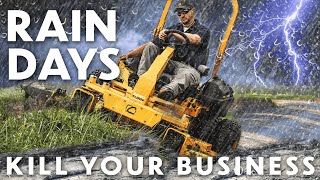
YouTube video (Nov 18, 2021) by Mike Andes giving an unpopular view on how lawn care and landscaping companies should handle rain days: instead of cancelling work and creating multi‑week schedule backlogs and overtime, pull forward projects that can be done in wet conditions, equip crews with rain gear, and only avoid mowing when absolutely necessary. He argues this prevents burnout, reduces overtime, and keeps schedules predictable for larger crews.
Chapters
Like I said, maybe the ramblings of a madman. In our opinion, it's the cardinal sin of landscaping.
Hey everyone, it's Mike Andes here. Landscape business course. And today I'm probably going to have the most most disliked video on YouTube. But it's fantastic because they've removed the dislike button. You can't see how many dislikes there are. So this is a perfect time to bring forward the video that will probably would have otherwise got the most dislikes out of my whole channel. We're gonna be talking about rain dates and my very unpopular opinion on how they should be handled. Because I think a lot of people misuse reindeeds and it creates chaos in lawn care and landscaping businesses. And I think it's avoidable. Is it easy? No. Is some people going to be unhappy about this? Yes. And they'll click the dislike button. But it doesn't matter because the dislike button doesn't count anymore. So if you agree with my concept or potentially might even just learn something, maybe hit the like button because it helps. Helps my feelings.
Alright, so let's talk about it. Why I feel like rain days will really kill your business. Because it'll prevent you from being a schedule effectively and be able to stay outside of overtime. It'll reduce by having rain days. It'll lead to burnout for your crew cause you'll have to ask them to come in on the weekends or push jobs off. That'll create more overtime. We're gonna talk a bunch of stuff here and some people won't like it and I am okay with that. But at least even if you dislike it, even if you hate me, just let it challenge your thoughts and opinions about stuff and maybe think about things from a different angle. And trust me, I'm probably wrong. I always say I'm probably wrong because it's very likely I'm wrong in some regards. And you know, like Tom Nash says, might be the ramblings of a madman. So here we go. We're looking at calendar here for the month and we're just going to assume that we got projects. Let's just say Monday, Wednesday and Friday we are booked up with projects and then we mow lawns on let's just say Tuesday and Thursday. Alright? And then maybe we kind of alternate. So now on the next week we're gonna have three days of mowing because we have some bi weekly customers and these days we're gonna fill with projects. Now I'm going to assume that these are small projects. One day landscape some mulch, bush Trimming, leaf cleanup, one day type jobs. And I'm also assuming that these are the two weeks that we're booked out till because as we go into the following week, this would be our mowing. Whoops, sorry. Mowing is on. This week is gonna be Tuesday and Thursday. Okay? So if you're listening to the podcast, you might want to watch this version because I'm drawing on the whiteboard. So two days a week here is for mowing. And then again we have a Monday, Wednesday and Friday mow for the last week of the month. So assuming that we are right here, that this is the first of the month or however you want to look at it, these are the next four weeks. We are two weeks booked out, right? Because we have two weeks worth of mowing and projects that fill in all the gaps for our mowing. If we get another project, what day are we putting the project on? We're gonna be putting it right here on that Monday, because we know that's the next available time. Now, how do I know I'm booked out? It's based upon budgeted hours. I know my capacity. So my capacity for a specific week might be, let's say I have two employees and I'm also working part time out in the field. So my capacity, I might put say 100 budgeted hours, 35 per employee, plus maybe 20 for myself, 25 for myself. So that's gonna be 100 budgeted hours, capacity for the week. Now, budgeted hours are not actual hours, like clocked hours. You might work 40, 45 hours in the week, but actual budget hours on the job site, let's say 100. That's how I know how to schedule these jobs and know that I'm actually booked through this date.
Now. Let's just assume though that we get rain and it's going to rain. A deluge of rain is going to come and it's going to rain this day here. I'm just going to put a little pink marker here in the corner. This day here and this day here. Now I'm going to do three days. But honestly, one day of rain day, in my opinion is too much. Okay, so if this happens, this is what I'll tell you what's going to happen now, because we missed a mowing day and we don't want to get behind on mows, this is what's going to happen. We're going to say, okay, well, we'll get these Tuesday mows as soon as it is done raining. So what's going to happen this Friday project's gonna get canceled and we're gonna get this mowing here, this number one, and this is number two. Day number one is gonna have to come over here because it's actually all these mows from Tuesday are gonna get pushed to this Thursday, and then this is gonna become the second day of mowing for this week. But the problem is we canceled our project. So where do we put that? Well, could we schedule it for two weeks from now? Potentially. But what if that client depended? They will be okay with us delaying because of the rain. They understand that, but they're not going to wait two weeks. So what do we do? Well, we go to the next week and so what do we do? Okay, well, we don't want to get out of schedule with mowing. Let's leave Monday for mowing. We're going to cancel this project here and we're going to take that and move this old project from Friday. What used to be last Friday is now going to be moved off. Well, now again, we have the option. Well, we don't really want to move this off this job. We specifically had scheduled for that date that we've already told them the date that we're coming. We can't really use the range excuse. That's like a week ago. So what are we going to do? We're going to move Tuesday's project over to Thursday. We're going to move Thursday's project all the way down to Monday. So again, we have this project. So just by having those three days of backlog of rain delay, we've affected two weeks of the schedule. And in doing so, we probably had to make up for it. And you're like, well, hey, you know what? Instead of pushing all of these off and literally have to call all of these customers, because this is the problem with this model. You say, well, if we have a rain dage move all the jobs off, it creates a massive cost to move the projects off. You have an office staff or you taking time to call customers, try to reschedule. Will that work with your schedule? Is it okay if we do that? Then you leave a voice message and they're not home. Like, man, do I just not show up or do I need to wait for them to get back to me and approve that we're moving the date of service. It just, it just is so, so hard for you to schedule. And then when you do have to move all these things off like this, you are spending so much time, you or your office staff just trying to move everything off, you're spending hundreds of dollars rescheduling things because of these few days of rain. Now you say, well, the alternative is, well, instead of doing that, I'm just going to move that project or something that I missed off to this day over here because remember, I also have these other. I didn't even account for the fact that these project here got missed. Like these two, because we got these ones here. If we didn't work on those project days, those are going to have to go here and literally we're going to have to move them two and a half weeks. So the alternative is, well, we'll just work on the weekends because you know what? Instead of trying to move these two projects that we can't do anymore because these got wiped out. Boom, boom. All because of rain. So we have two projects now that we got to offset. We had this one over here, but that was only because we moved the mowing off. We've still got two other projects. Well, you know what? We can move them two and a half weeks. No one's gonna be happy about that. We don't have to call everybody else. You know what, we're just gonna pull a long weekend and we're gonna pull everybody back in on Saturday and Sunday and get the jobs done. Okay? So Saturday and Sunday doing this is fantastic. Because guess what? I am only gonna have to make up for that one extra Friday project being moved off to here just like I have it. And I'll work Saturday and Sunday. But guess what? You're now going to have your crew literally working like 7, 8, 9, 10 days in a row over the weekend. Long hours. Overtime. Overtime is bad for you as a business owner, and a lot of times it will lead to burnout with your employees if you make them work all weekend doing overtime, like, great for their paycheck, but they don't stick around very long if you're making work Saturday and Sunday to get caught up. So what is the solution? Okay, what do I recommend that you do?
I recommend that when a snow. Sorry, when a snow, when rain happens, that you actually pull forward projects that can be done in the rain. And so that mowing, I understand in some areas mowing cannot take place in the rain. You have puddles, it's just a mess. And you just can't mow in the rain. I get that. But what you should do is pull projects forward. So if we erase this first week now, I'm going to show you what I would recommend doing if I was in this scenario. And the reason I'm talking about this is because this past week in the Pacific Northwest, you can look this up, put in, like, Whatcom county and then put flooding, and you're gonna see pictures of crazy weather that we have never had in the Pacific Northwest. And guess what? We didn't miss a single day of work. We got all of our jobs done. People didn't call out. We got the job done efficiently, and they're not gonna work overtime this week. Everyone's gonna work the same amount of hours. Everyone showed up every single day to the work. There was no, like, oh, we just call off, you know, Call everyone off, you know, and the next day, call everybody off. No, it's gonna create a massive backlog because we're booked out four, five, six weeks right now. Are we gonna really mess up the schedule for the next month and a half by trying to move off a few jobs because of the rain? And yes, it was, like, detours and flooding and the roads and you're like, you're a horrible boss. No, no one's gonna have to work this weekend. We're not gonna have chaos for the next four to six weeks on the schedule because of a few days worth of rain. So this is what I recommend. This is what we do for our local shop.
And this is what I would recommend you think about. Just challenge yourself to think about in terms of your scheduling. Okay, so same schedule that we have here, we got mowing's gon Tuesday, Thursday. This is the plan. This is the schedule. You know, everything, if everything goes according to plan, this is how it's supposed to happen. Right? Just like we talked about. Monday, Wednesday, Friday is projects. Tuesday, Thursday, mowing. Okay, Rain comes these three days. What are we going to do? Well, first day is a project. We're going to go ahead and just work. There's just no reason why, unless you're digging in the dirt, that you need to have bright, shiny weather, get rain gear, get your crew rain gear, or just tell them it's part of the job. Like, for us, we bought them rain gear. And it always got left. It got torn, it got left in the trucks. They just misused it. So, look, hey, part of the job is you just gotta have your own rain gear. And it's worked really well. And so they come. You can trim bushes in the rain, you can spread mulch in the rain, you can spread gravel in the rain. You can do a lot of things in the rain. Is it fun? Is it enjoyable? No. But you have a more dependable schedule, so that way you're not pulling crews in on Saturday and Sunday. And this is something we're actually gonna talk about at the conference this coming year, and that is hiring gen zers. You say, well, they want more hours. They don't want to work in the rain. They'd rather work on the weekend. Well, gen zers are going to think a lot less about getting overtime money and much more about the fact that they don't want to work on weekends. They don't want to pull 12, 14, 16 hour days trying to get caught up. You're going to lose your frontline staff as we go into a very hard labor economy.
Okay, so we rained the first day. What did we do? We threw on some rain gear. Now this is the part that gets tricky because mowing is very hard to do in the rain. Okay? Now locally, what we do is we still, we still mow. I'll be perfectly honest, we still mow in the rain. Now you're gonna say, well, you have northern grasses. You're correct. We keep mowing in the rain mostly because we are northern grasses. Rye, fescues, they work fine for rain. Unless there's puddles, we can still mow 90% of the lawns. Now, that being said, let's assume that you couldn't say, well, I can't because it rains too hard, it's a deluge, there's puddles, et cetera. This is what I would recommend doing. Call the customer from Wednesday and say, hey, we can get your job done today. It's rained out for our mowing crew. Can we do your project today? And literally you're calling them Tuesday morning or maybe even Monday evening. Why don't you say, hey, look, it's going to be pulled the next few days. Let's go ahead and move Wednesday's project over to Tuesday. So what I'm going to do is I'm simply going to move my project from Wednesday over to Tuesday and then that job will get completed. Guess what? Most people don't care if you pull a project forward, if you get the job done sooner than expected. Most people don't complain. They complain when you push them off two or three weeks though, they might even cancel the job. They might leave a bad review. Because if you have to do that a few times, good luck. Because it always seems like when you start pushing things off somewhere in here is when an employer, two or three either have to fire or they leave the job. And now you're not only scrambling to get people that you've pushed off once or Twice for their job scheduling. You're now trying to just find workers as fast as possible, get those jobs done, because you feel guilty by the fact you've already moved them off once or twice because of the rain. Rain is a part of this industry. It's just part of doing work in this industry. How you schedule, though, and how you work around is extremely important. If you have one or two employees, this probably doesn't even matter anything to you, but you have 5, 10, 15, 20 employees. You've got to have scheduling down to a science. You can't let rain throw massive monkey wrenches into your scheduling and therefore your profitability. So day two happened here. We got a rain storm. What did we do? We called the customer up. Hey, we got that property clamp. We were trimming your bushes, getting some of the weeds out of your beds. Let's go ahead and get that done today. Is that okay? Fine. Absolutely. Great mowing. We're going to schedule for that mowing to be done Wednesday. But what happens? It rains again. It rains again on Wednesday because again, we're talking about three days solid of rain. If it was just one day of rain, no problem. I'm just going to move this project to that rainy day, and then the mowings are going to be done the following day. But let's assume the third day is also rainy. So what's happened now is we've done this project over here on Tuesday. We move that Wednesday project to Tuesday. Bam. Okay, now we're scheduled to do that mowing now the following day, but then again, it rains even more. So what do we do? Same thing. Okay, what project can we do that? We can pull forward this person on Friday. Guarantee you 98% of the time, customers will not complain if you pull their job forward. If you say, hey, I know you're scheduled for Friday, we can get it done today. Is that okay with you? Yes. That's fantastic. All right, let's do it. Okay, so what are we gonna do? We're going to move this job from Friday.
Move it from Friday, Call the customer, make sure it's okay, move it to Wednesday, get the job done. Okay. Now, what you can't do is you can't do, like, excavation. You can't do a leveling of pavers in the rain. I understand that, but for most of your project, you're doing simple projects like mulch bush, trimming leaves, pulling weeds, property cleanups, gutter cleanouts, trimming trees and bushes, trimming up limbs. A lot of that work. And those projects can be done in the rain. If you get good rain gear. Get some good boots. Let's go. We live in the Pacific Northwest. We live with the rain all the time. We're getting pretty good at doing it, pretty good at working with the rain. We just went through this week of the most historic flooding and most rain we've ever had in our county. And we work through every single day and will not work overtime this week. Probably get done on a pretty lean Friday, actually, in terms of the amount of work being done. So we just moved this product from Friday to Wednesday. So what now happened is Tuesday's mowing is now gonna be done Thursday, and Thursday's mowing is going to be done on Friday. Okay, say, well, you still have to call customers and reschedule twice. Correct. We have to reschedule two projects and move them forward. What we didn't have to do is reschedule all the next two or three weeks, messing all of this schedule up, creating chaos for all of those customers, because they're much more unhappy when you push them off than when you pull them forward. I'd rather move these two jobs forward and get the projects done than push off four or five projects off.
Or try to convince someone to wait two, three, four. If you're five, six weeks booked out, this becomes a bigger and bigger problem. And again, this is going to happen when you start pushing your crew. If you try to push them into the weekend, they're going to get burnt out. They're going to not show up to work the following Monday. And I don't blame them if you just made them work 65, 70 hours Saturday and Sunday, they don't want to work for you. Regardless of how much money they're making, they don't feel like it's sustainable and it's not. So try to figure out how you can move projects, pull projects forward that can be done in the rain. And I wouldn't mind if it's like, okay, when you're looking at the schedule, I know there's rain in the forecast. Which jobs could we do if we are rained out for mowing or rained out for projects that are going to require dry weather, you should have those earmarked. So that way, when you see weather in the forecast, you can literally call these customers and like, hey, if it rains next week, earlier in the week, is it okay if we move your project from Friday or Thursday, can we move it forward to those rainy days? Because we're not gonna be able to mow in that weather. Like, you can schedule for it, you can plan for it. Instead of calling that customer like, hey, there's rain in the forecast. Is it okay if we move you three and a half weeks out? People are not going to be happy. You're going to lose customers. People are going to want their deposits back. If you have a big project, and trust me, this is so much better from a scheduling standpoint, your employees will like it more, your office staff will like it more, and your profit margin will like it more. Because the time it takes to move all these jobs off and lose jobs that were on the schedule because they were depending on you to be a certain time, and you keep pushing them off, then you have to push them off again. Because guess what? What happens if it rains here and you got to move these people off again?
This is the chaos that is created in lawn care and landscaping businesses around the country. Augusta Lawn Care is no different. I see it all the time with our franchisees constantly pushing estimates off, pushing jobs off, pushing projects off, simply because they're not using this method. If you think you can't work in the rain, ask yourself, which projects could I? I can trim a bush in the rain. I can rake that debris up in the rain. I can collect leaves in the rain. Is it more fun? No. But I'm not going to allow one day or two days or three days of rain to affect an entire month of my schedule. Because what we're not talking about is the opportunity cost and the lost estimates. Because throughout this whole time of you trying to pick up, you know, work 60 hours and your crew's all completely bogged down and everyone's working slower and you're trying to go jump out in the field and help them, and all of a sudden, estimates start being missed. You turn off your marketing, you stop growing your business, and you get locked into the grind of just staying plateaued with your company, you're not improving it, you're not making it better, you're not going out and getting estimates done on time or getting them back in a timely fashion to the customers. You're pushing jobs off. You're wasting time, overhead time of you or your office people rescheduling jobs over and over. You're getting bad reviews because of it. That is what causes emotional distance distress, a lot of anxiety, and a lot of just chaos in lawn care and landscaping businesses. I just challenge you to think about this. Maybe I'm wrong. Like I said, maybe the ramblings of a man. Man. Comment below. What you do on rain days, there's other ways and methods of fixing this problem. This is how we do it. Pull your projects that could handle rainy. We weather forward and do not push jobs off. In our opinion, it's the cardinal sin of landscaping. It'll mess up scheduling, mess up your employee staffing problems. It's going to run into overtime. It's going to take more cost to call those people, and you're going to lose jobs and customers because of it. I'm Mike Andes. We'll see you tomorrow. I'd like to invite you to Landscape Summit. It's the conference we have in January of 2022. Go to landscapebusinesscourse.com conference for more details. We talk about P4P efficiencies and how you can grow your lawn care and landscaping business. I look forward to seeing you there. Sam.









