Overgrown Lawns: Can You Make Money Mowing Them?! [WARNING!]
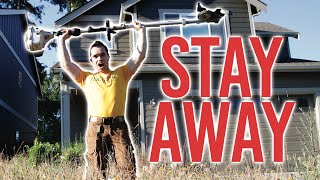
YouTube video by Mike Andes (Landscapebusinesscourse.com) analyzing whether mowing severely overgrown lawns is profitable. He lists pros (high short-term pay, market differentiation, strong before/after marketing, neighborhood visibility) and cons (higher billing issues, heavy equipment wear, greater risk of property/equipment damage, more callbacks, typically one-time jobs). He reports this specific job took about 28–29 minutes and he charged $70, recommends charging high hourly rates for such jobs (mentions $40–$100/hr), and states his company requires prepayment or a credit card on file and prefers to charge on arrival to avoid nonpayment. The video also notes it was recorded on an exceptionally hot day (per National Weather Service).
Questions this video answers
About 28–29 minutes.
$70.
Mentions typical ranges of $40–$60/hr and sometimes $80–$100/hr.
Require a credit card on file and ideally charge the customer upon arrival (prepaid); do not proceed if the card is declined.
On the day the National Weather Service said was the hottest day ever on record in Washington state.
Chapters
Foreign.
Mike Andes here. Landscapebusinesscourse.com Today we're going to be learning if you can actually make money mowing these type of overgrown lawns. They're all over YouTube with millions and hundreds of thousands of views. But today we're going to see if you can actually make money mowing these lawns. Or is it a waste of time and really bad for your equipment? Here we go.
Hey everyone, It's Mike Andes here. Landscapebusinesscourse.com and today I really appreciate a like because this video was recorded on what the National Weather Service said was the hottest day ever on record in Washington state. So if you drop me a like, I'd really appreciate it because it was a hot morning and we got work done for you guys to be able to learn something about mowing lawns, making money in your landscape business. So today we are talking about can you actually make money doing this? Because obviously it's fun to watch these type of videos and I know they become very popular on YouTube in terms of watching people mow these overgrown lawns. Ones that have city violations, ones that, you know, the neighbors are complaining about, and now they're 3, 4ft tall, like this one. So the question is, can you actually make money doing that? So let's first talk about the pros of doing these type of lawns. These lawns that are overgrown, that look horrible. What are the pros like, what's the good things about it? So, first of all, you can make a pretty good amount of money in a relative short amount of time. I'm going to make a different video about going over the pricing of this job and actually showing the budget hours and the square footage and all the rest of it. But I want to talk about specifically when it comes to these jobs, you can usually make really good money because no one wants to do this. And a lot of times residential mowers won't be able to tackle this size of this size of grass. Like, if the grass is this overgrown, a residential mower from Home Depot is just not going to do the trick. And they really need a commercial mower or a zero turn or some bigger equipment. And it's also much, much more hard. It's much more difficult to do this. You're not going to be able to get like a residential little weed whacker line trimmer to, to be able to do this type of edging and knocking down these relatively thick plants and overgrown weeds. So it's a great opportunity to be able to differentiate yourself and be able to get these jobs and charge a lot for it. Typically maybe you charge 40, 50, $60 an hour. You could easily charge 80, 90, $100 per hour on these type of lawns because you have to have more equipment. It's much more wear and tear. And we're going to talk about those cons in a second. But, but at the end of the day, most homeowners just do not want to tackle this size of project, making it a great opportunity to make a good amount of money in a relatively short amount of time. I think this whole project took us about 28, 29 minutes to do, and I charged $70 for it. So, you know, the other positive thing about these type of lawns is it's a great sense of accomplishment. And that is you take a lawn from 3 or 4ft tall down to a good looking 2 or 3 inches, it's, it just looks great. It makes for some great before and after pictures and leaves you with a good sense of accomplishment knowing that you actually could see the work that you did. And the before and afters look amazing. It's also really good mowing these kind of overgrown lawns. It's really good for awareness in the community and awareness around, you know, the neighbors being able to see that you did something for their neighborhood. And they're going to take note, like they're going to see the difference and they're going to definitely want to call you if they have lawn care landscaping needs. So if you're just getting started, this might be a great opportunity for you, and that is to go try to sell these overgrown mows in neighborhoods where first of all, their HOA is probably telling them they can't have an overgrown lawn. And two, you're going to make all the neighbors happy. You're going to make every single one of their neighbors and the rest of the neighborhood very happy by mowing this person's lawn. And you could potentially get multiple customers in that neighborhood through referrals and them just seeing your truck and be able to see you work there for the couple hours that you might be knocking down all the grass. So you can see here I'm knocking all the long grass down with the weed whacker before I actually use the mower. And there's several reasons why we'll get to that in just a second. But what are some of the cons, like why when it comes to making money, can you make money doing these lawns that are overgrown? What are some of the cons, like, the drawbacks of doing these type of Properties. The first thing is, just over the course of time, there's several things I've noticed. Number one is most of the billing issues we have, like people not wanting to pay, cards that are declined, people that are way overdue have to get sent to collections. Most of them are these people that have these massive overgrown lawns. Just think about it like, is our target market, is our perfect client, the one that we always wanting, the type of customer that's going to let their lawn get to 3 or 4ft tall, probably not. And they're going to usually have the most billing problems. So if you invoice and you don't have a credit card on file, you're probably going to. Most often, the highest likelihood of having an overdue invoice is from a lawn like this. If someone gets their lawn cut every single week, they've either had a service provider or they've been taking care of their lawn. Whereas this person. This is a really good chance. They don't care about their lawn. They don't really. You know, they only are mowing this because their neighbors, the HOA or the city have basically said they're in violation. So most milling issues come from these type of lawns. And the second thing is it's really, really hard on your equipment. So when you mow, you know, I'm weed whacking this entire thing first. So it's not as hard on the mower, but even on the weed whacker, like, it's. It's the hardest thing. Like, these plants I'm knocking on right now are pretty thick. It's not like you can just take them off at the base of the ground. Like, I'm going over it two or three times. And it's definitely harder on the blades of the mower too, where when I start going over as well, it's like the stem is much thicker. It takes a lot more power for that piece of equipment. And you're gonna have more damages in terms of rocks and things hitting that blade as well as the. You're gonna see in a second. A damage case can absolutely happen on these type of overgrown properties. So it's much, much more hard on your equipment, especially your mowers, when it comes to the blades, when it comes to the spindles, and just the overall amount of power that is required for from the motor. And this leads me to the next thing is like damage slips and breaking stuff. It's much easier to break stuff on these type of properties. Like that bench right there was basically covered completely in Weeds. Before I started weed whacking, it's easy to hit stuff like that. It's easy to mess up the fact that someone put their great grandma's jar, glass jar, in the middle of their flower bed, which used to be a nice ornament, but now has become an absolute hazard to the fact that you're using a steel weed whacker or a line trimmer and at 100 miles an hour going close to it, and you don't see it because it's three feet tall of weeds around it or grass. And so there's absolutely going to be a factor of more damage cases not only to the customer's property, which, by the way, you do. Like you're going to see here, I'm going to hit a pipe here in a second because it was hidden by all this grass, the property marker there, the benches, you know, potted plants, things that you don't see, like toys from the kids, those can all be hidden inside this tall grass. And that leads to more damage cases of the client's property. But also there's going to be more damage cases around your property, your mowers, your equipment. It's going to be harder on your equipment and it's more likely that you're going to hit something with those mowers and cause more damages. It's also more likely that in these type of properties you're going to hit little rocks when you're weed whacking and create window breakages because you can't see, see the rocks, you can't see the gravel. These are all things that are usually mitigated by having a lot cut every single week and isn't 3 or 4ft tall. So you're going to see a couple times actually in this video where my blades actually turn off on this mower. And it's because it's getting so thick. I have to go so slow on this lawn. It's very hard on the mower and actually have to restart the blades a few times. And that's caused by the lawn being so incredibly long and thick. And it's hard, hard on the equipment. So you got to take into effect. Yes, maybe I got this lawn done in 20 minutes and made $100, for example. That's really good money. That's like $500 an hour. Great. But do I have to get new blades every couple lawns? Do. Am I going to burn up my mower in a month or two if I keep doing these type of lawns? Like these type of lawns are A lot of times, like I said, a customer might call you and ask for you to do these because they're in violation. It also potentially could be the fact that this is a vacant home or it's a foreclosed home and the bank or repossession management company is asking you to mow these lawns. In my opinion, those are horrible jobs. When you're working with a third party without the client and you have to take like 20 pictures of the lawn from all different angles and it's one off work, it's never recurring. That's just the worst arrangement in my opinion. But again, damage cases during these type of jobs go through the roof when it comes to these overgrown lawns and your equipment. This is also another con of these type of jobs, is that the most callbacks are going to come from these type of jobs. If you look at the percent of these jobs that get callback, it's much, much greater than the percent of the jobs that you get on a recurring basis. Like every weekly mows, you might have a 1% complaint rate on a weekly MO, whereas these might be like 3 or 4%. Like three or four times more complaints on these type of jobs simply due to the fact that customers have unrealistic expectations. They expect that their lawn goes from 3 and 4ft tall down to 3 inches and it looks green and beautiful and perfect. But guess what, that's not how it works. Things aren't even if I, as I'm gonna do in this one, I triple pass go over this lawn like three times, it still isn't gonna look perfect because it's basically like I'm chopping the grass down. 90% puts a lot of stress on the grass. A lot of times it will die if I've cut it that far back. And, and people have unrealistic expectations of what their lawn is going to look like after you cut it from 3 or 4ft tall down to a regular height. So the most callbacks and customer complaints usually come from these type of lawns that are completely overgrown and look horrible after we mow them. Even if we made the edges nice, triple cut them, they still aren't gonna look great because they're gonna be patchy, there's gonna be weeds in them. And a lot of times the customer's expectations are just unrealistic. And another thing is, another con is that one time jobs, in our opinion, we don't really like that. We don't like one time jobs because the amount of just time it takes to set up the job bill, the customer, set up their profile for the office. All of that is extra work. And I'd much rather buy a recurring or get a recurring customer, someone I can mow every single week, have recurring revenue coming in. And very rarely are these type of clients, the ones with three foot tall grass, your ideal high value customer, the customer that gets mulch, has bush trimming, asks for all these other services that you want and you want to sell them. They're very much less likely to buy these from you if they've let their lawn get to three feet tall. Alright, the big question, the golden question of the hour is do we at Augusta Lawn Care do these big overgrown lawns? And the answer that is yes. But we make sure that they get, they're prepaid so we have a credit card on file and we charge them before they, you know, they can send a check if they want, but we've got to collect on that money before we do the job because we've just seen how many times these type of overgrown lawns where the customer doesn't really care about their property, they've gone south so many times where we invoice them and we never see the money or they're moving the next week and we've now mowed their property and they're out of state. Trust me, this happens all the time. And customers get, contractors get burned because the customer has no intention of paying them whatsoever. But they're just trying to get the service and get out of there. So we require that we either have their credit card on file and ideally we charge the customer the minute we set foot on their property and if that, if that credit card bounces, if it's declined, we're not doing service and we're not going to do these properties unless this is just the initial service. We're getting everything established for recurring service on a weekly or, or bi leaky basis, which is really what we want to focus on to build a good solid base of recurring revenue.
All right, so we're just wrapping up. Client is home but isn't answering the door. So usually we like to do a walk through after these jobs just to prevent any sort of callbacks, but because they didn't do answer the door, I'm going to take a few pictures of what we've done just so I can attach them to the profile and I'm also going to take a picture of the broken pipe just in case anything comes up over that. Again, just trying to prevent as many callbacks or having to come back to this property as much as possible. So hopefully we learned something today about mowing these large lawns and these overgrown lawns. And whether or not you can make money doing this is definitely something you want to consider. And we'll see you on the next video.
Hey, I heard if you don't click the subscribe button down below, your worst lawn care customer is going to give you a call today.









