The boys go corporate - Episode 093
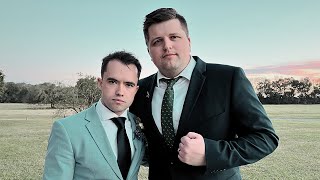
A conversational episode of C Suite Unfiltered (Episode 093) featuring Lee and Mike Andes covering Mike's personal milestones (marriage, reaching ~200,000 YouTube subscribers) and product updates at Copilot (Copilot AI/field apps, customer portal Copilot release). They discuss Jobber's AI rollouts (voice commands, AI receptionist), tradeoffs between AI and human phone operators, adoption risks, and broader business and macro topics including media team investments, content strategy, investing briefly in S&P 500, and interest-rate/ fiscal-policy considerations.
Questions this video answers
March 14, 2025
200,000 subscribers (approx.)
First Copilot release for 'estimates redesign' in the customer portal (imminent within 24–48 hours at time of recording)
Chapters
Alrighty. Welcome back. Another episode C Suite Unfiltered with Mike Andes. And congratulations, sir, on two fronts. Number one, you did it. You got married. Congratulations. And number two, you had 200000 subscribers on your main YouTube channel. So just a couple big accomplishments in the last week or so.
Yeah, dude, I have an email that's going to come out and a post I have ready to to snipe as soon as it's done, but hopefully the next 24 to 48 hours. The first release at Copilot happens for estimates redesign in the customer portal. So yeah, within two weeks, like good things happened. So.
Yeah, so I have an email. It's just one of those things where it's like you go through long periods of just like pain and then like, I feel like in short bursts you have wins and like they just kind of, kind of come rapidly and so that's kind of like, you know, I had to step back this week. I'm like, you know, I'm in that period of short wins and like, I need to embrace this moment because it's been so long, especially with Copilot. So yeah, I'm looking forward to that. Like, that's a big thing. The next 24 to 48 hours, when that comes out, I think we'll turn a big corner. And so I'm looking forward to clicking send on that email and sharing that.
So cool. That'll be good. Yeah, it's. It's like basketball. They say basketball is a game of runs. You know, sometimes the. The team against you will go on a 10 point run, but then you might go on a 12 point run. You just gotta take those ebbs and flows because eventually you'll hit a stre, you'll hit a run. And right now we're in a positive run. So kudos to you. But how does it feel to hit 200000 subscribers? Is it just kind of. Is it like, hey, we can celebrate for a second but then we got more work to do. Like, what's the balance there? Especially because you do have a large media team. So I do, I don't want to pry, obviously they're in the room with us. But is it like a little bit of a celebration for the team? Like, hey, we hit this goal, it's a pretty cool achievement, nice big round number. But then it's like, it's just motivation to get to the next level. What's that balance with your team currently?
Yeah, like, we didn't really talk about a whole lot. We definitely screen. I Screenshot it. I was able to capture it at like 4 or 3 in the morning because I woke up early and so like, ah, great. I captured. When it went to 200,000.
Yeah, yeah.
So I was able to capture it. And I'll put that in the email, I think. Um, but you know, we didn't really celebrate a whole lot. Like, the thing is right now we're in this weird transition where we know it's about to come, which is like three turnarounds. We shot last time on the new format, which is super good and they're gonna be super fire. So like, not this week, but next week the first one comes out. It's so much better than the past ones. Like, we just put way more time and effort and energy into it. We've hired four more people on the media team, which is gonna get us back onto weekly turnaround shows, but like at a way higher level. Um, we're. I'm like, next month will be the first time I ever do two turnaround. Maybe not the first time, but like first time. Like one of the first time I've done two turnaround trips. It's like really focusing on it. We're doing the business breakthrough where we go to bigger businesses and try to just get them to the next level. Big businesses. And so that's gonna be fun too. So, yeah, we're just really focusing on it. Obviously it's, it's a. My main focus this year. And so, yeah, it wasn't like, hey, we crossed 200,000. Great, that's cool. But like, 200,000 is just a. We need to get to a million. So yeah, it's.
We.
We have to cross 200,000 to get to a million. But yeah, it was, it was, it was fun. It's more for the team. Like, they put a lot of effort and energy and stuff into it. I'm in this weird limbo for the past three to four months where like, we weren't doing turnaround shows and we were focused on the conference and a lot of stuff internally that I needed to get done. And so now we're kind of gearing up for what's going to be a pretty cool series of turnaround shows.
Cool, that's sweet. So I don't know if you recall, if you remember, but I used to always send you a congrats when you hit like a new 10k milestone. Now it only comes every hundred K. So I just, I want you to just brace yourself for that.
That's right.
Cool. Because I remember like way back in the day because I think when you first hired me, you had less than 10,000 subscribers. And I think it was like, I remember when you hit 20k, I sent you like a congrats text and then you hit 30 and so I was like, I'll just do it for every 10. Now once you hit 100, it's like I had to wait until 200 so you know, I might just wait till 500 now.
Yeah, I'm really hoping this, this new format, like it's so, it's so much work, dude. Like even hiring format people is scared. We just made all the courses free so like we had don't have that revenue channel but like we will easily spend, you know, two to three million dollars in the media department to make these shows this year. Yeah, between the team and travel, it's, it's expensive. So I'm looking forward to it. It's gonna be good. I think, I think that the new format that starts I guess would be 14th, 21st March will be the first release of the new format where I use the 4L framework throughout the whole show. It's much more. Let's go put together.
And yeah, it's gonna be fire, dude. It's really good.
Good. I'm, I'm very excited for those. So. Shout out the media team. Shout out you getting 200,000 subscribers. Is there a, is there like a, a timeline goal? I know you said like, oh, we're going to get to a million, but is there like, like by this time we want to get to this point or is it just you're just really relying on that kind of organic growth?
Make better videos. It's like the best, the best advice for YouTube ever. Just make better videos. And it comes from Mr. Beast and he just like, if you just focus on making better videos, like it'll take care of itself. So would it be from a. The bottleneck has always been getting more turnaround applicants and getting better ones because there's just not enough stories in a solo operator to really make a good story for to watch. So getting larger businesses that have the confidence that we're not going to embarrass people, we actually want to help them grow and that what we're doing now is having like a six week checklist that they need to get done and then we follow up with them and so what they're going to start seeing is like people execute. They do really actually turn their business around. In the past it's been like, ah, can I show up, do some Coaching. Then we follow up and see if they did anything. But there wasn't. Like, these are the four things you must get done in the next six weeks. Like, there's some really good ones coming out that, like, actually show the business turning around. And like, one of them, I told, like, stop mowing grass and just focus on hardscaping and landscaping. Another one, like, very large business, and had a bad acquisition, in my opinion, and just made some, like, very. Just a lot of fixed expenses. And so, like, it's a big business, though. So the big business ones are really helpful because there's lots of stakes, bigger numbers, et cetera. So, yeah, it's gonna be fun. Yeah.
Awesome. Well, let's take a hard right turn. And as everybody knows, this is the C suite, unfiltered. So Mike does not know what's coming next. I. Because it was free and it was online, I decided, you know what I'm going to do this year? I'm going to attend the online Jobber summit because Gary V. Is a guest speaker. Cody Sanchez is a guest speaker. So I thought, hey, why not? I'll just play it in the background while I'm working. You know, I just need to half pay attention to it. I don't need to give it to my full undivided attention. But anyways, I did want to ask you as the founder and CEO of Copilot, so let's put the Copilot hat on here. That Jobber had a couple announcements at the beginning of the summit, which I'm sure you and your team are aware of. But I would love to get Mike Andy's public thoughts if he's willing to share two kind of major rollouts that Jobber shared at the beginning of their presentations. This was from their CEO. I can't. I can't remember his name and co founder. You probably know it. But anyways, he did a quick presentation at the beginning and there were two things that they're rolling out. Number one was hey Jobber. So like, hey, Siri. Hey, Google where you could give Jobber verbal instructions through the Jobber app for. To create quotes for it to send text for it to pull up directions to your next job or the next estimate on your schedule. So that was a really cool demonstration that they had obviously prerequisite recorded, but that demonstration was very cool. And then the second rollout that they are coming with is the AI receptionist. So similar to what I would take from Augusta's perspective, a max AI assistant that can answer your calls and kind of be your first Line of defense. So your phone is getting answered. They're rolling that out as well. So did you see this?
Oh, yeah, 100%. Yeah, yeah.
What are your initial thoughts?
First off, we don't have hundreds of millions of dollars, unfortunately, so they really hit their, they've really hit their cadence in the past 12 months. And I'm happy about Jobber. Jobber is really good at simplification and like taking complex features and things and making it simple for especially solo operators. And their pricing has always really gone after the solo operator, you know, 40, 50 bucks a month. And then they, they have like, they used to be their highest tiers, like 200 bucks a month. Well, now they're going up market, so it's like 6, 700amonth with these other features, etc. And so I'm happy about it because it's bringing up the bottom end of the market in terms of pricing for us, like copai, but also just like the overall industry. The, the challenge that I think they're going to face is because they've appealed so long to the lower end of the market, it's going to be difficult to implement some of these features, not these ones that you mentioned, but like other ones that are more complex to people that have no employees, one employee, things like especially on the dispatch board, routing, scheduling.
And so. But they're firing all cylinders the past 12 months because they raised $100 million two years ago. And so they've just been able to really do great. They were really slow about three years in terms of development, but they've been really firing all cylinders for the past 12 months. So I'm happy about it.
And I think in terms of them leaning to AI is like, I've looked at the features, I've used them. I think it's much more of a valuation play right now. You need to say AI. Otherwise, like, if you, your, your investors are going to not be happy. And so I think this is a little bit of that. The AI reception is really good because it, it increases the adoption of AI inside of our industry. And especially if it's just like for missed calls, for example, to be able to have that is really solid. And I, I think they did a great job with their user interface and how they integrated it. And so I'm really happy about it. I think the part that, you know, I still see as. And this is something I, I was, I looked at it and I basically told our team is like, there's no, like if someone's doing under $200,000 in annual revenue. They should do jobber this 100%. Like they should 100% just use jobber. If you're going to stay under 200,000 annual revenue, just use Jobber. It's so simple, it's so good. And so like.
I don't even know if down the road we'll ever actually say different because the features that we're even building now and stuff is just not built for that person. And I know what our roadmap looks like and we are focused more on the core parts of like the customer portal, the dispatch board automations. Like that's really where I'm at. They're folks in the AI side. But like hey, Jobber, for example is it just, it's going to be useful for the solo operator. It's like, hey, send them a mowing quote. It's not going to be able to get in the weeds, attach videos and pictures, tagging. Like it's a whole lot of other tasks and they'll improve it. I'm sure they will. But from the people I've talked to and I've talked to a lot of their users inside of their Facebook groups, et cetera, that's kind of what I'm seeing is like these are features that are, they capture 90% of people and that's why they've gotten so big, is because it helps them. But 90% of people inside this industry are the smaller operators. Like we're really going after that 200,000 plus person. And so yeah, I'm excited about it. I think it's very positive and I think it pushes us to like, hey, we've got to get our engineering team, we've got to create differentiation for the larger operator that wants to have five, 10 crews. And there's a lot of things that like that why people have trouble with Jobber. And then like right now it's like, ah, snap. I like Jobber, but it's not working in these two or three major areas that I need to go to Copilot. My hope is that we can refine the UI enough to where it's like, hey, the UI is really good. It's just as simple. The mobile app is really good. And this is going to be really clear in a couple months when we release Field Force app. It is just, it is in my opinion as good, if not better in terms of user interface than Jobber's app. And so I've seen the mockups. We have it with some beta testers. We have it where the mockups we've sent out to several owners inside of Augusta and got their feedback. It's so good. So I'm kind of like lying low on saying anything about it until now, honestly.
Yeah, of course.
Because I want in production and we haven't even released the other thing that's coming out this week. But it's going to be good, like I've told people and it won't really sink in until later this year. And I was like, we've had to go slow so we can go fast. And this is what Jobber did. They went slow for three years. They really rebuilt their infrastructure, their team, they raised money so they go hire really good engineers and now they're firing all cylinders. And my hope is that we can get that same spot this year and then just serve up market of them, which is going to be the people that want to be able to dispatch multiple crews like a lot of crews want, have more complex automations, customization, things like that. So I think it's good. I'm very happy about it.
Yeah. And I was pleasantly surprised, I guess impressed by the demos that they had. Even from I guess speaking, let's say more as like the employee, the operator side of things, like having been someone who was a full time estimator for you for about a year and a half, having a hey Jobber would be so fantastic, right? Hey Jobber, can you do this for. Hey, can you do this? Instead of like everything being done so manually, like it's such a time suck. Especially if you're a manager or an estimator doing everything manually, typing everything up on your phone or even just bringing, you know, a Chromebook as we do at a Augusta, a lot of estimators will bring, you know, cheap laptop, a Chromebook, just they can type a little bit faster. But even Jobber just integrating the fact that hey, I can give it a verbal instruction, it'll actually follow through. I thought that was a huge time saving element for a lot of owners. But then it's at scale. Yeah. What, what is, what is it serving? It's like okay, it serves the solo operator, maybe the salesperson, but who else on the team is that really going to serve? Not a ton of people, but it's still. I was very impressed by that feature. Now the air receptionist I do want to talk about a little bit because you said, hey, it's great because it's going to start normalizing AI for our industry now. What would you say is different? Now obviously you kind of have a couple different hats to wear here. The copilot hat, the Augusta hat. So not specific to the hats that you wear. But how do you feel about an AI receptionist that is through a CRM and not through the actual brand itself. It's not through the actual contractor that's going to be working on the property. That was a point of contention I guess while I was listening to that pitch I was like well how's that work though? It's a generic receptionist. It's not like representative of Bob's lawn care. Right. How's that work? Because you kind of see it from both sides.
Yeah, like the, you know, I know how much money goes into like building max AI. They obviously have hundreds of millions of dollars to able to basically do what we've done over the past two years. I'm sure they've been working on it about that long too. And they built very similar. They went one model higher than us. They're using a generative model that we don't have. That's why we're rebuilding ours in the next three months. I don't think the power of AI is actually going to be super beneficial until you do connect payment, etc. And so that's what we're trying to work on right now. And the challenging part is still like the adoption of IT and customers perception of it is still difficult. And so this is. I knew it was going to take 5, 10 years for it to become like more commonplace and mainstream. There's a fine balance that like even the user adoption of IT inside of jobbers like Facebook groups, et cetera, like people just don't like it and it's just giving is it this AI? Like I don't like talking to robot. I just immediately hang up. Like I just know that it's going to change over the course of time and so I'm just being careful. Like I don't want to push this too far because we can't have pain now. But we need to stay innovating so that when we get there we, we when like the, the customer can adopt it that we're there. We can be a competitive from an admin perspective. So I think like the edge cases are the things that you really make your money when it comes to the AI receptionist. So what happens if they get mad? What happens if they complain? What happens if they ask for something outside of the parameters of I want an estimate. Like that is where AI right now really does good, which is lead collection.
And so that is super good for like outside hours. There's only upside to having that instead of just a voicemail. And so that's where it has an immediate win right now. And that's what currently like a lot of the people in Jobber and in August, like we see the value there. My, my interest is in over the next year, two, three years, can we build it to where it can take payment, it can cancel services, it can resend access to a customer portal link, it can, it understands the difference in Christmas lights and you know, mowing and all these different services and understands timing and schedules. It can look at the CRM and know when the next visit is, et cetera. And so it's the edge cases that will always be that way. Like if an operator, if an operator answering the phone has say a half percent to 1% error rate of like 100 tasks, they make one mistake. AI right now is about 3 to 5 from what I have seen. And that is including events cases. It'll make a mistake, it'll record someone's address incorrectly, it'll record a number incorrectly, it'll do a word instead of a number, etc. If you had an operator that was making five mistakes out of every hundred calls, for example, you, you would say they're horrible. And so that's the challenge we have right now is if 5 out of 10 people call in, 5 out of 100 call in and they have they unhappy with the service, the AI messes up something with accuracy, et cetera, then it just looks really bad and so it'll just keep improving. It's like I'm just trying to stay careful. Like I don't want to get too far ahead and like where AI is pushed so much that it hurts immediately the customer. But I need to stay right close to that edge so that as time goes on, as the models get better, as we connect it to this CRM, et cetera, and it can do things like payment taking, card information, communicating with the customer via text while it's on the phone, getting pricing to the customer, selling jobs on the phone, et cetera, we need to be close to it. So I'm just trying to walk that balance and I don't want to also overinvest into it because right now, like there's no at Augusta. Like everyone sees the value on after hours, but a lot of people still want the human on the front end. And so we allowed them people to opt in or opt out and, and so I'm just walking that balance. I see how many people are in versus out and it's like they're, they're casting a vote every time. Like, do I want AI over a person? And I'm able to see what those numbers are. And like, I see the trajectory going, like more towards AI, But I believe that will follow the sentiment of the customer. Are they hearing from customers that like, that was super cool. I called at 2am and I was able to get through and get X, Y and Z done, or is it like, hey, I didn't really like that I couldn't get to an operator. I wanted to figure out something with my billing, my credit card expired. Like, is there too much friction? And so I'm just trying to walk that balance. And I know I won't make anyone happy on both sides because there's people very, very pro, very, very. And they're okay with losing a customer occasionally over it. And there's others, like, you lose one customer, like, we want nothing to do with this. And so I'm just trying to walk that line and make sure that we're not left behind on it.
Yeah, I want to zoom in on one thing that you said there kind of the human element. So is the accuracy rate of a human operator supposed to be 99%? Like, 99%? 99 out of a hundred tasks they will get right?
That's like a growth. Like, I'm sure there's an exact figure, but like how I look at it is one out of a hundred tasks, if they do in a day, they're going to make some sort of mistake. Wrong keystroke, they click the wrong button, they forget to save a call note, they forgot to do an upsell on the phone, whatever it might be, there's going to be times they forget. And what's nice about AI is it doesn't forget like it is algorithmic, but it will still make a mistake based upon telephony. Does it actually hear the thing correctly? Does it record it correctly? Does it go into the right account? Does it realize that this person called in from a different phone number, but they are a different. They are already inside of the CRM. Like, does it recognize that even though it's from a different phone number, these are the type of things that, like, now I don't want, I don't want two profiles created inside of my CRM because someone called from a different phone number. I need it to know, but that the address and the name match and therefore should be going into the same account. These are the type of things that would cause huge amounts of chaos. In terms of admin, if you have two accounts for the Same person simply because they called them from a different phone number or gave a different email. And so there's so much on the back end that there's still so much to make this good. And yes, you can be like, well, 95% is okay. Like, I'm okay with that. And we can be on the edge. There's a lot of people inside of Augusta. And just in general, like, I'm okay with 95%. This thing answers 24. 7. I don't want to have to have people answering the phone at, you know, 20 hours a day, whatever. I can't afford that. I'd rather just go to the AI. They're okay with 95%. But that's not true when you, you. Every customer is really important to you and you're getting started and like you just had 10 customers and 15 last week and then 20 and you're growing slowly. Like, like you need every single customer. And so you hear one bad customer, customer not like it. Or you hear a negative review about, or something goes wrong, it can leave a bad taste in your mouth. And usually only you hear about the bad ones from customers. So I'm just trying to walk that line. Fine. I also know the models are getting really good. So like, I don't want to over invest into it on our end. I just need to know, like, the part that we build sits on top of that layer. Is it good enough? And then can we make it, because it's just for Augusta, Customize it better than a regular generative model that is just very generic. It might plug in the customer's name. It's just not going to be able to tailor it to like naming the AI. A lot of different things that we know we can do because it's just for our company. So it's just, it's a balancing act. I don't want to rush it.
So totally. No, I agree with you. I'm just, I'm. I'm trying to rationalize, I guess, the human element versus the, the AI element, the technological element. Because I, I wonder if you took a poll, maybe, maybe we, maybe we post this poll if people want to participate. If you had AI or human operator, 95% accuracy for both, cost aside, which you're choosing, same accuracy, cost side, the.
Accuracy is the same. I still think that 60 to 70% of people would want. This is the thing. The accuracy doesn't impact the customer. It's like this. There's two different polls you'd have to put from a customer's perspective. 90% of people want a human operator. The question is, is the time savings and the availability and the accuracy good enough to output counteract that customer satisfaction? From an owner's perspective, because of all the benefits of AI, like the fact they can answer the phone 24 7. And so.
I, I think it's different polls. I think 80 to 90 of people want to talk to human, but the question is, at 2:00am, do, do they would. Do they want to hit a voicemail or they want to get their message through to and talk to AI? Well, now all of a sudden, it's probably the opposite. Right? So from a customer's perspective, from an owner's perspective, same thing. It's like, well, in the middle of the day, I want to make sure every lead gets answered and talked to, whatever. Like in the middle of at midnight, I don't want that phone ringing. I want to capture the information. And I'd rather have 78 to 82%, which is the average of people that hit the AI actually give their information. And I can able to get that lead versus 36, 38% of people leaving a voicemail, and then I got to follow up with them. So there's just. There's a balance there.
Yeah, Yeah. I just. Yeah, I'm. I'm having a hard time seeing that, like, 95 accuracy is not that good. Because I. I mean, I don't want to peel back the curtain too much. Maybe, maybe you were just really mad at me and you never shared, but I was thinking of my time managing the Bellingham shop. Did I do things at 95 accuracy? I'd be surprised if I did. Like, you know what I mean? Like, that's a high bar. That's a high bar to achieve. So if people aren't happy with that, and I'm not. I'm not. I'm not saying in Augusta. I'm just saying in general, if you have an AI assistant and you're not happy with 95% accuracy, I'd be very surprised that you can go hire, train, and retain someone who's going to operate at 95% accuracy in that same setting. That's just Lee's honest opinion. Because I'd be surprised if I operated at 95% accuracy when I was running one of your businesses.
Yeah, but it's an assessment of risk. So, for example, if you had a 99% accuracy, you said, oh, that's pretty good. Well, okay, let's take flying on a plane, for example. If you had a 99 chance that you were going to get there safely, would you fly a plane? No, there would not be a single person fly tomorrow if one at 100 flights today crashed.
Yeah, that's fair.
And so the, the risk assessment is what we're going through. Like, there's literally maybe one or two accidents a day when it comes to air Travel. It's like 99.9999% that you're going to be there safely. We take the assessment, like, we will take that risk. When it comes to AI, it's a matter of like, losing a customer. What is that value to you because of the AI? And if that is like, well, I'm okay with losing one out of 100, then 99% you're okay with. If it's 95%, you probably have a ton of customers coming in, you're at capacity, you don't really care. You just want to save money and be in profit mode. Very different assessment of risk as to what you want. Every single. The assessment of the accuracy and the dependability of getting there, quote, unquote, safely. And so. And then the cost structure goes into that, et cetera. So I would just say it's like everyone has to. Right now, for example, with the. All the news about some. Several airplanes crashing. Some. There are some people that are not willing to take this risk now, even though it's relatively about the same as usual. But, like, because it's been in the news, cool. There are people like, it's too dangerous. There's a higher risk profile of you getting in your car right now. Now. Right. So if right now, I said like, hey, Lee, there's a 1 out of 100 chance that when you drive home today, you're gonna get an accident. Most people wouldn't drive in their car. That's like, that'd be every three months, driving home from work, again, an accident, you'd be like, forget this. Right. And so it's an assessment of risk. And the, the assessment is dependent on the business. It's dependent on where you're at, what you want from the business. And for, yes, some people, 95% is fine. For other people, losing 5 out of 100 customer interactions being negative is like the worst thing ever. And so, yeah, it's a dichotomy to be managed.
Yes. Yeah, I think it's just. I don't know, it's. It's kind of comes back to. What I'm trying to zoom out to is like, do you want to win or do you want to be right? And being right is being accurate. 100 out of 100 times. But that's also unrealistic. I was.
Now for some people, you got to win now. You got to win now.
I agree.
You got it. Some people can't afford it, you know.
Yeah, I know. I 100 agree. I'm just trying to. I'm trying to be kind of devil, Devil's advocate, if you will.
Right.
I'm trying to. Trying to play both sides of the fence here. If want to be right. That's getting it right a hundred out of a hundred times. That doesn't scale like that's. That's what we've talked about. That's any business book you read that talks about growing, that talks about scaling, that talks about handing things off. You've talked about this a lot. That as you've handed off roles and responsibilities, you know, it's probably not going to get done to the same amount of accuracy, the same amount of speed as you have done it. But that's a sacrifice you have to make in order to scale the business. So being right is getting everything done a hundred, a hundred times out of a hundred times. Winning is allowing for some of those inconsistencies to happen, trying to perfect them along the way, knowing that your time and your resources are better spent elsewhere.
Yeah, I agree. And I agree with the assessment that like delegation is important to scale. The difference here is I think that when it comes to someone answering the phone, yes, I believe an owner should not be answering the phone in order to be able to scale the business. You have alternatives though, right now to fix this problem. You can hire an office person, put them in an office, have a computer in front of them and train them yourself. Probably the highest degree of accuracy, dependability, reliability, reliability, customization. You can today go in and change your pricing. And they know what it is. It's the best. Also, cost structure is different, Right. You have a different risk of higher fixed expenses, you have a different risk of you have to train this person, etc. Okay. Then you could have a virtual person. Then you could have a virtual assistant company where they just answer the phone calls and they're basically a fancy voicemail machine. And I pack $6aminute for the one that I get at the gym. For example, every missed call goes to the. This. They. They set up appointments. That's all they can do is set up appointments and they look at our calendar and book an appointment. That's it. Then you can have something like really low, which is right now is AI because AI can't do a Lot of things that it would otherwise be able to do if you had a real human, like give pricing, sell a job, answer questions about an estimate, upsell somebody, do all these other things. It can't do that yet. So what's going to happen though is as we talked about, the technology will go up that stack and at the same time will get cheaper. And so eventually those intersect. Like I believe that. But right now.
There are options to delegating the task of answering the phone or fill in the blank. But I agree with you the assessment, like, yes, to scale you need to hand this off. But there are other ways to hand this off right now. And people might be willing to pay more to be able to have a higher degree of accuracy, customization, dependability, training. Like you can't, you can't just walk in and be like, hey, I want today for you to follow up with every single of the customers. I want to give you, give them 10% off if they schedule for next Thursday. And then like you can walk into and have a five minute meeting with your office person and that gets done today. Totally. Like, you can't do that with AI where it's like, hey, as of today, we're changing the pricing. Anyone that was for the last three weeks, I want you to call them, upsell them in this other thing, give them a discount if they accept this one specific day. Only do it for two customers. Like it's not there yet. Which, that is a five minute conversation with someone in person. So. But it'll get there. It's just a matter of. It is a very, very important balance that we need to win now. And so we need to invest in this thing that is going to be improving, it's going to get better. But we also need manage today's expectation of the customer, which is customers don't want it, they don't like. There's 70% of people that don't want it unless it's in the middle of the night, unless it's after hours and they would rather over a voicemail. I have pretty clear data on that. But they would usually prefer to talk to a human. And as the AI gets better, maybe that will change.
Yeah, well, the data that you have is convincing. I'm just going to put out a disclaimer. I'm not telling anyone what to do. I'm just trying to create an arg. I'm Steel Manning. I'm trying to create an argument.
People in the comments sometimes think you actually believe what you're saying.
Yeah, like that's what I was going to say. This is a lead disclaimer. I'm probably not the most pro technology, to be honest. I'm very traditional in a lot of my views, but I'm going to argue the the opposite and try to just push the envelope and try to give a different perspective. So I am steel Manning, so please don't break me over the coals. I know last time we talked about AI, I got. I gotten some hot water. So I just want to be very clear. I'm not telling anyone what to do in their business. I want you to win. I want everyone that's listening to win. And if that means not using AI and hating it gets you to win, fantastic. If that means embracing it and letting it parent your children, go for it. If that's going to get you to win, go ahead, do what you got to do. So.
And I act only in the best interest of Augusta Nation. And so only thing I am managing is that that balance and I operate based upon them voting every single day as to what they want, and I know what those numbers are, which way it's trending, and the acceptance of it, the people that don't like it, I understand those aspects. So I only care about winning for Augusta Nation. That's all I care about. I don't care about technology. I don't care about AI. I don't care about Sam Altman and open AI. I could care less. I just want to win. And balancing that for your guest nations is important. Perfect.
That's fantastic. Well, I had one thing I wanted to talk about. We have a lot of topics. We took a week off, you know, lots happening in the world. But I did have one thing I had to bring up. Now, some people are asking, some people are asking, is it odd that Mike left the country at the same time Andrew Tate came back to the country? Is that. Is there. Is there any correlation there? Is there any coincidence? Kind of weird. People are asking, but I don't think anyone thought that.
I don't think anyone in the world thought that this past week.
It's just a bit. Let Lee have his bit. All right? That was. It was. It was my bit, but I'm assuming you heard he's back in the US we don't have to give him much airtime, but he is a polarizing figure. He's obviously trending. As soon as he came back to the US and he. Any thoughts on him coming back to the US or did you see any news or headlines about this?
No, dude, no.
Yeah.
No, Worries Patrick David's. Yeah, yeah, I didn't watch anything. I just saw a picture.
Yeah, appreciate you bringing that up. So I listened to it, so you didn't have to.
It is, it is interesting because he's a very polarizing figure and I would say, you know, to, to steal man, if you will. If I were supporting him here, here's, here's why I think he's so engaging and connects with so many people. I would summarize it as this. He is every single pre game high school pump up speech with philosophy and religion mixed in there.
That is what he is. He gets people engaged, he gets them pumped up, he gets them excited. Like he's a very good communicator. The way in which he uses his words and then he sprinkles in some philosophy and some religion and some world views in there to make him seem much more intellectual. And I do believe he's well educated, whether he's biased in his education or not. Like the way he speaks. He is educated. Like he knows what he's talking about when he has opinions on things. Do I agree with his opinions? Not necessarily, but I think you can't throw the baby out with the bathwater in the sense, like he is educated, he has had experiences and he is engaging and I think that's why he has traction. People want to listen to it. Like for me, that was a three hour podcast. Yes, I listened to it at like 2x speed, but I actually enjoyed listening to the whole thing. Not that I agreed with everything, let me be clear. But it was actually very engaging the whole time because it's very quick, it's very witty and, and that was kind of my takeaway. I, I saw why people are so attracted to him by listening to that podcast. Now what I will say, I know you have thoughts. I did lose a little bit of respect for Patrick Pat David because that it went off the rails multiple times and there were lots of inappropriate jokes and comments that I, I have no. That were very distasteful. I have no respect for some of the comments that were made on that podcast, but I wanted to listen to it from an educational perspective to see why are people so attracted to this person.
Yeah, so my biggest takeaway from what you just said is the 2x speed thing on YouTube. It can now if you have YouTube Premium, you can go to 4x speed, bro. I was listening to videos at 3x yesterday. It was fantastic. You definitely missed some context. But did you get the general gist? Bro, you can consume so much Data.
It's so amazing.
I just can't wait till it's like a chip, you know, you just program it in. You download the three hour podcast in like 10 seconds. I don't really have a whole lot of comments. I agree with you. Like, it's definitely a polarizing figure. I think at the very beginning I was more or less against him because of some of the comments he says about specifically women.
Yeah, yeah, 100%.
But you know, it's definitely interesting. Why does this person, you know, also we're moving out of this cancel culture into a much more of like, hey, say whatever you want and whatever you think. So that's why this adoption of his is going to come around more, I think. And the fact that he can come back to the US now, etc. He's not, you know, being blocked or banned on, on platforms. He's not being deplatformed. So yeah, I don't have a lot of opinions on it. I, I just generally it just like I usually think about when it comes to people like that, like, that are characters, I say, what would it like be working for them? That's actually my, like now new litmus test is like, could I work for this person? Would I be inspired? Would I look up to them? Would I, would I think that they have good morals?
Would I want to work harder for them when I would I ascribe discretionary effort to them where I work overtime at night on the weekends to push their mission forward. Like, that is an all my litmus test and I don't know if I could do that for, for Mr. Tate. So yeah, that's my new litmus test.
Yeah, that's a good litmus test. I will say, as polarizing as he is and if anyone who's listening hates him vehemently, totally fine. I understand that. That's your opinion. You can have that. I would recommend listening to like the last five minutes of the podcast because basically Patrick bet David is like, hey, what's your, what's your kind of word to the haters out there? And I was like, okay, that's like the cheesiest way to end a podcast, but whatever, yeah, talk to the haters. But he actually spoke very eloquently about like his opinions on like, people should be able to get their voice out there. They should have a fair trial. If they're accused of something, they should be able to stand in a public court and defend themselves. And there were many statements he made in that final couple minutes that I was like, I 100 agree with this. Whether you're crazy, whatever, left wing, right wing, like, you should agree with some of these core statements. Like if you're accused of something, you should get a fair trial. If you have an opinion, you should be able to share it. And we as the court of public opinion can shoot you down if we hate that idea and call you dumb. But if it's great, we can bolster you up and say this is a great idea. So I think, I think to his credit, I do believe that he is more of a free speech absolutist where, like, you should be able to say whatever you want whether you agree with that or not. Like, he holds to that belief and I think he truly believes it for himself and for his quote, unquote haters. So listen, the last five minutes, not trying to, like, I'm not a fan of his. I don't subscribe to him, but I did want to take listen to this content because it was a big news story.
Let's go. So no correlation to Michael moving outside the country.
But you know, people were asking, People were asking.
All right, any not financial advice for the people to wrap up this week? Week.
You go ahead. Leah. Off.
Alrighty. So I was getting dinner with Marcus Roberts. Great guy. A week or so ago. He helped me out. So thank you, by the way.
Happy birthday. Like, oh, thank you. Since the last time it was your birthday, you went out and hustled on that day. Went down to Seattle, spoken at an event. Let's go, dude.
Thank you. Thank you. Yeah, yeah. It was my pleasure. It was my honor. So anyways, I went to Seattle, met up with Marcus. He helped me out at the event and we went and got dinner after. And I came, I came up with a new strategy. Anytime someone tells you, like where they live or where they brought property or where their house is, the response every time, no matter if you know the context or not, just, great spot. That's a great spot. That's all you have to say? That's all you have to say. Because, you know, I was being genuine in the moment, but I was also like, you know, you really could say that. Like, oh, yeah, I got a house over here. I bought this property. Great spot. That's a great spot. So that's my financial advice. Anytime someone tells you about property or where they live or a house they're purchasing, just tell them it's a great spot. Spot. It's a great spot.
Let's go. Okay. My not financial advice is.
I just blinked. Wow. I got it. I got it, I got it, I got it. Okay, so the last couple days been a great opportunity to buy S and P 500, baby. Let's go.
Oh, yeah, yeah, yeah.
A flash crash there because of Trump's threats with the can Canadian aluminum tariffs. That was great. Over completely over overstated, literally. Do you hear what happened yesterday? Ontario basically like said, hey, the energy that we're exporting to New Jersey and New York, we're going to raise prices. If you actually run the math, it was going to increase prices by like 1 to 4% based because only like 4% of their energy from the state. Like it was not a huge deal. Trump makes this a massive deal. It's like there's retaliatory tariffs. So we're going to do 50% or 25% on, on aluminum. It was not a big deal, honestly. But immediately they recanted and like drew it back because it obviously is a way bigger deal if you charge aluminum tariffs versus like energy tariffs to a couple states. But when he did that, dude, we little flash crash happened yesterday. There's a lot of downward pressure in the stock market now. I'm only buying indexes. As of last July, I sold out all individual stocks. I'm only in indexes. There's six of them that I, I do to kind of go between dividends and like more established and then growth stocks. Russell's 2000, the smaller ones. Yeah.
Got hammered, etc.
Yeah, dude, everything was getting hammered. So I bought in. So I have money set aside for the, the, the building because I've, I sold my real estate thinking we were going to build and now it's been delayed and so I have that money set aside. I don't want to touch that if possible. Even though we're using a lot of money right now for copilot, I want to leave that money set aside aside so like we can build the building. I think it's important to a lot of what we're trying to do with franchise training, etc. So I had that money kind of earmarked and I had, I have a little bit over what I know the budget's going to be. So I was like, oh, we gotta buy in maybe. So yeah, on Monday and Tuesday, went shopping a little bit. First time in two years I've bought stocks because I bought a whole bunch of stocks two years ago when it was low and like since then I've just, actually just been mostly selling off and I sold all of my individual stocks and then I bought some more indices the other Day, a little six figure purchase. It's so great because Brianna's not used to that stuff. So I was like, hey, guess what? I went shopping Today, I spent 100 grand. And she's like, what?
I bought stocks.
It's all good.
It's very fun. Yeah, dude, that's fantastic. Yeah. My favorite meme I saw over the last few days in the stock market is it was like, buy the dip with what? So people being like.
Getting hammered. I don't know what I'm supposed to buy the dip with.
Tesla.
Like Tesla's down 50%.
You know.
Well that's the thing too. Okay, we're not financial advice, but here's an interesting thought. People were looking at the long term like Tesla investment because obviously, haha, Elon, he's the worst, right? Is you know, like a lot of sentiment around him right now. Negative, negative sentiment towards Elon and Tesla. How's that work with inflation? Because technically people are like, well actually you're losing money on Tesla Slack now because the stock is technically worth more from a stock market valuation perspective. But with inflation it's actually devalued. But then you have stock splits that rate raise value. So there's like so many different layers to that. So how do you actually look if you're like up like long term? Does that make sense?
Yeah, but stocks plus don't raise value. They just divide the value like it's one pie. You cut it into more. Right, right, right, right, right.
Yeah, no, that was just like an additive. Yeah, but I'm saying like when you look at it from just as strictly, I bought it for 100 bucks at, you know, in 2019, but now it's 150 bucks in 2024. Technically it didn't really go up much in value, if not down in value value.
Oh, so you're basically saying take out stock splits, but you're saying because of inflation eats away all the gains. Yeah, yeah, that, that's true. The alternative though is that you would have kept cash and the cash would have gone 0 increase. So yeah, yes, yes, you're right. But also like it does. You also look at your returns from a in inflation adjustment. So like if inflation is going up say 2, 3%. Yes. Like technically there's it's getting eaten away at your return. But that number is volatile and going up and down all the time. So it's easier just to usually use absolute numbers. Like, did your house go up in value? Yes, it went up from 300,000 to 500,000. But like my Property taxes went up, inflation went up, all this other stuff. And so it's usually just easiest to look at absolute value. But then yes, inflation eats into that. But calculating your inflation adjusted returns on a daily basis basis be difficult because inflation's moving up all the time and then the value of the stock is going up all the time. And so yes of course inflation eats into any returns. And the reason the stock market will always go up is because of inflation. And companies use good companies can raise prices typically at or above inflation. And so that's why having the money in the stock market is, is usually outperform, always has outperformed having cash over the course of more than three or four years. Years. As long as you keep the money in, it will go up. Like that is one thing. You're pretty confident the stock market will always go up in the long term. And the reason is because of inflation. And if a company makes good products, they can raise their prices faster than the rate of inflation and therefore the earnings per share will go up. And so you know, real estate, same thing, it's similar, it's like, like will it always go up? Yes, in the long run it always will as long as there's inflation. Now we won't have inflation though. We will have deflation if we lose the value of the current currency. And so oh wow, this is getting really deep. So we're not going to go this direction. But like if we couldn't get any more debt for the United States and about the dollar collapsed all of a sudden our money's not worth anything, then you'd have deflation and that would not be true. But assuming we live in an inflative environment, then the value of these things will always go up. And assuming that the, the. There's a lot of assumptions but anyways it's better to buy productive assets than going and buying a car. That's all I'll say.
Yeah, yeah, fair enough.
Your car will be worth less to in 10 years. I can guarantee you in 10 years the, the stock, the valuation of the S P 500 will be higher. Assuming that we continue to have, you know, value in the dollar.
Yeah, fair enough. Okay, if you have another minute, because we were off on this tangent, if you have a minute is interest rates. Nobody's talking about them anymore. There was a hot button issue last year. So what are your thoughts on those and speculation that they're going to keep decreasing over this year. And really they have like I heard a two year target for 2027 of getting it Back down like to. Or something crazy. So what are your thoughts on that?
I don't think infl. I don't think interest rates will get down 2%. I don't believe that. I think they're at.
Yeah, that was just, that was like literally like that was one Forbes article I saw that was like the 2027 goals get them back to like two and a half percent by 2027. And I was like, I don't know about that.
Are you talking, are you talking mortgage interest rates or are you talking like actual fed fund rate?
Sorry, I just pulled the article while you were talking. I can't remember the exact. But I can try to find it.
Yeah, like I don't, I don't believe interest rates are going to 2.5% mortgage interest rates on a 30 year fixed mortgage for a. I could be wrong. Like we have to go into what happened there. We have to have a forced recession because of all the terror stuff and you know, massive fiscal cutting from the government that caused the recession. And then we cut interest rates to fund that. If that happens. Bro, bro. Like there's so much opportunities sitting out like. Yeah. Anyways, all that say I don't think that'll happen because we have inflation to deal with and we have a debt. Like the reason. There's a good argument that if we cut fiscal spending, we artificially go into a recession, we bring interest rates way down and then we can refinance our debt on longer terms because right now there's so much debt that this year has to be paid back.
That there's a valid argument for that. From an economic perspective it's very risky because you risk going into a massive recession and then not being able to get anyone to find anyone to, to actually buy the debt. Like buy the treasury bonds and buy T bills, etc. So yeah, like I would not want to be dude. Like these people, they're smart. Like I don't want to ever have like a Treasury Jerome Pals job, et cetera. Like they are in such a hard spot right now because they have to walk this fine line of like keeping the economy propped up. But you also got debt, so let interest rates go too high. But if you don't, then inflation starts to run and then that's bad politically. So there's, it's just like so many different things. So yeah, it's gonna be interesting next couple years what they do. And, and I, I. There's a really good argument from.
One of the members of the all in pod that really described what could potentially happen with cutting federal spending. Because when you do that, everyone's like, yeah, that's great, but it's going to cause. Cause massive amount of job layoffs. And like, about 30%, 30 to 40% of GDP is, is from government spending. And so if you cut that massively, you could have a negative GDP growth simply because you cut a bunch of jobs, mass amounts of. If, if you actually went the route of laying tons of people off and at the same time, AI really putting pressure on getting rid of a lot of workers as well. We could have a lot of unemployment. If unemployment goes high, we have a response recession. If we have a recession, we have negative GDP growth. Like, interest rates will come back down. They'll have to. Because they'll have to spur back the economy. So there's a good argument that this is, this could be done artificially. And it's like you really cut federal spending using doge. You lay people off, you artificially get us into a recession so you can refinance the debt and then grow from there. Like, that's a, that's a valid argument. It's just risk risky. And so it'd be really interesting what happens with all this federal spending cuts. I'm a fan of it. I just know that they're. I'm not a fan of people losing their jobs. I'm not a fan of, like, unemployment going really high. And, you know, it's just moving very quickly right now. So it's very fun.
All right, well, that, that's the pod. I have nothing to add to that. It's just there's a lot of moving parts. Maybe we do a macroeconomics next episode if you want. Yeah. All right, cool. I'll try to get educated, you know, that'll only take me a couple days. All right, like, and subscribe.
See you guys.









