This Training Builds $1M Lawn Care Businesses (Behind the Scenes)
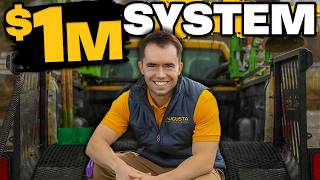
Mike Andes leads Augusta Lawn Care franchisees through a training on building million-dollar businesses. The franchise model uses standardized systems, a Pay-for-Performance pay structure, and a community called Augusta Nation that provides resources and accountability. Andes shares his own journey from crew member to owner, emphasizing mindset shifts and the importance of staying engaged with the system.
Chapters
Welcome everybody, let's get started. So you'll see that whole process from start to finish.
We're just doubling down on that. Safety is important.
That's what we're here for, to support you.
The whole goal of Augusta Lawn Care is to change the level of professionalism in the industry. And so it's not that we want people to lose, it's not that we want to put people out of business, but if they're not going to raise the level of professionalism in the industry, they will fail. And that's ultimately the goal of the Augusta business model, is to build a business that runs primarily on the Augusta systems and a recurring business model. I am confident that all of you joining Augusta will have better businesses, better lives in the future. Because of the decision you made.
Just seeing the systems has been amazing, and I can't wait to execute them and keep my teams busy all year. So as a leader, the burden of command is not an easy one. Leaders don't get days off. Leaders are always on stage, and leaders must lead by their actions and their words.
The time it's going to take me to do it by myself versus with a team, Augusta is the right choice.
Augusta is really a competitive advantage that you have over other people.
Literally the first day I called, um, my wife and I said, this is some of the greatest training I've ever had. They don't miss a box. Everything, every detail Mike Andes and those guys go over for sure. I'm looking for systems and help and guidance for taking my business to the next level.
Yeah, pay my guys more, be able to get the systems and the structure to actually to grow and to sustain it.
3F program, to be honest, I really like the systems, the scalability. I'm really hoping to take advantage of the 3F and hopefully open up my own location soon. I was kind of struggling in how I was approaching things, then I Stumbled across Mike's videos on Facebook and YouTube, and that was it, and I'm sold. I was like, yeah, I need to go this route. It's got the whole thing lined out, and I'm gonna do that. I was already using so many of his systems, I figured I'd just switch over to the Augusta franchise.
Think of how you feel today and how you've watched the content for all these years, and it was after a lot of contemplation that you've made a sacrificial decision to join us. And you saw some value in us that would benefit you, and we've seen the same value in you. You obviously think that we can benefit you, your family, and your business, and you've decided that we would be better together. So we vetted you and you vetted us, and so we feel the same today. How many of you have ever been in love? So think back when it was all new, fresh, and exciting, and you stared adoringly into each other's eyes, and you clung on to every word that you each other said, and all you needed was to live on love and air. It's all you needed to live. And have you ever had somebody who loved you just like you are, believes in you, and always has your back? They don't necessarily have to be your significant other, but somebody. When you leave that person and you go to take on the day, you feel almost limitless because people can't hurt your feelings, tough circumstances can't affect you because you have their love and their commitment. It kind of holds you in a bulletproof cocoon. So what you have with them is they are your anchor and your rock. That holds you steady. Now, how many of you have ever been disappointed by that same person? Have you disappointed them? And have there been times where you were at crossroads and you were quite certain that the hurts and misunderstandings were hurdles that were just too high to jump, and you thought maybe you should call it quits? Well, that's when the rubber hits the road and life gets real. And that person who loves you, they know all your weaknesses, and they know when you're being a jerk or being completely unreasonable, and they know the buttons to push to make you mad. But you have to know still in those moments, and in spite of all the weaknesses, are you still better together? So you talk it out, You rage. You weigh the cost of each of you taking two different roads, and then you have to make a choice. Should we walk away and have two separate lives, or are we better together? And this is something you have to think about because welcome to Augusta. You are now going to start a 10-year relationship with us. And you probably haven't thought about how, how that's going to be. But I'm going to tell you prophetically what your relationship is going to be like for the next 10 years. So we're going to have ups and downs together. And this is where we are today. We, we don't know each other's weaknesses. You don't know mine. I don't know yours. We are in the honeymoon phase. So all we need is love today because we haven't had hard times together yet. But we're experiencing glee, we're in the honeymoon phase, and we are— you are dependent on us. You've joined and you're getting to know the systems, and so you depend on us to give you all the information and to share with you everything about the systems. But then we're going to hit the first month that you have to pay your invoice, invoice, and you're going to feel this little pang. Yeah, this is when it all begins. And that's just a little thing. But then as time goes on, you start to get your fee, things start to get to more fees, expenses, and all of that. And that first feeling of that honeymoon phase starts to wane a little bit. And then you start making some money. So now you start making money and you start to have those feelings like, oh, why did I join Augusta? I could have done this all myself. You forget all the systems that you bought into and you start thinking, oh, I didn't need anybody. This is all about me. I did this all myself and I don't need anyone. And so you'll come to a place where you feel independent and you feel like, no, now I'm making money and I don't need anybody. So I feel independent of anyone. I don't need them. And so you, you set out to where you are in a place and you think you're free. So you stop listening to masterminds. You stop communicating with Augusta Nation on Facebook and the WhatsApp chats, and you just distance yourself from everyone because you don't think you need them, because you've got it all figured out and you're making your own money now. But once you get out into this wilderness phase, what you're going to feel after you stop feeling free is maybe there is something about this we thing where maybe you have something to give back, and the feeling of what it's like to be out there again by yourself and not having the support of the community. And you come to see that maybe you are better together with everybody else. And you come to a place where you think we as Augusta, as a whole nation, as a community, instead of me all by myself, and we come to a place where we will both recognize that we are interdependent. So you need us and we need you, and we are better together. And as you know, as soon as you've come over those rough hurdles in life and you experience that in your relationships, then there's no going back. You recognize your place in the relationship and have a good standing understanding that you're better together.
The community, Augusta Nation, is a value that cannot— you can go do, you can copy and paste Mike's systems, but you don't get the Augusta Nation.
So Mike just talked to you about culture and the foundation of culture must be rooted in trust and commitment. And our relationship, you'll find out, will affect all the other relationships in your life as well. Me being in Augusta has affected every relationship I have. In Augusta and outside of Augusta. This is a big decision that you guys have made, and it will affect everybody that you know. So I'm excited to tell you today that being a part of Augusta is really a competitive advantage that you have over other people, and that's because being with Augusta buys you time. So you could probably figure this out. You could fumble along. You should just— you could listen to Mike's content and you could figure it out. And look back, like I said in our relationship talk, and be like, oh, I did this, I could do this all myself. But we're buying you probably 5 years. So, 5 years from now, you could probably figure it out and put it all together, but we're just giving you, we're figuring it out for you and handing you the package, basically. And so, you'll get to your goals faster now. And how many of you have employees? Most of you are just starting out. Just a few employees, okay. So, if you don't, you will, and before that happens, while your company is still small, you have the opportunity to do the deep work to change yourself, because it's a whole nother ballgame when you, you just manage yourself and manage your jobs and manage your life, and then you add these other people that suddenly you're responsible for, and it's those moments that these things come up in yourself that you never knew was there, And there's seasons of leadership, and you have to change for each different season. So the big thing and the very difficult thing with employees and other people is that every single day when you're with them, you have to sell yourself to them again. You have to sell them the vision again and why we do what we do and the bigger picture all the time and keep them inspired. And there's a statement that you've probably heard before: you're not a leader until you've produced a leader who's produced a leader. And that seems so simple, but when you start to see other people that you lead and they start to lead other people, you will know you've had an impact, and it's a pretty powerful thing. And is it hard? Oh my goodness, yes, it's hard. To be a leader and to change yourself to be able to lead. But within Augusta, you don't have to worry about that because you have a whole army of people surrounding you. And you'll see the difference now when it's just been you trying to figure everything out to now you have this massive group of people surrounding you and backing you up in this whole new mindset that you're going to have. So in Augusta, you'll learn about leading employees, Some of these things Mike just talked about—stand-up meetings, moments of appreciation, the yellow slip system, offsite meetings, open book management, and firing fast is important, and building relationship capital. And I'll talk a little bit about building relationship capital. So there's—to build relationship capital, that is not an easy thing to do, but it's vitally important because of the crucial conversations that are going to come later. After you build relationship capital. So there's a book called The Dream Maker, and it's a book that I was very frustrated by. I read it several times, and it's all about how you want to ask your employees what you can do to make their dreams come true. What is your dream? And as the employer or the leader of a team, you're always thinking that they're always asking for more, they always want more, it never seems to be any appreciation for what you've done for them so far. And so, thinking of their dreams and asking them about their dreams has a really big impact on the team. And just an example of relationship capital, there are some people, employees that you're going to have that you know they're a strong person, which is really good, but you know there's things about them that you're going to have to address at some point. And so I had an employee like that. His name was Nick. He's not in the room, so I told him I'd talk about him while he's gone. He was 18, and when he came to us, he was very angry, not trusted. He did not trust anybody, and he didn't, if you tried to share with him something that he could know or be bettered by, he would not listen because he thought he had it all figured out. So he became my highest performing employee. He made the most P4P, and he was incredible. But as you know, whether it's positive or negative, if somebody's a leader, they just influence other people. So he got to a place where he was wanting to buy his own franchise, so he moved into the van, and he was just working. We worked 7 days a week, and so he would get— he finally got to this place where he got this attitude And you know when you guys were at the shop yesterday and there was the bulletin board, the board up there, the whiteboard, and if something was wrong with the equipment, I think they still do this, they go in there and would write on the board. So he would come stomping in and he'd go over to the board and he would just like vigorously write stuff on the board and go stomping back out. And he was the trainer. And so he was acting like this and had this attitude. And I'm like, this is not going to work. How's he going to train all these new people? And he's treating everybody like they are idiots. And so I told him one day, I said, so to build the relationship capital to even get to this day, when he was working so hard and living in the van, I told him that I would do his laundry for him. And Mike got so mad at me. And he's like, "Why would you do his laundry for him? He can go to the laundromat." And I said, "Because I think something's gonna happen, and I'm gonna have to say something hard, have a crucial conversation, and I knew that there was no way he was gonna listen to me unless I built some sort of relationship capital with him." So I would do his laundry for him, and I would use double fabric softener and make it just really smell nice and everything, and I'd put it in this laundry bag, And because he was living in the van, I never knew where he would be. So I found him in this parking lot one night because he would take a shower at Anytime Fitness. That's why he had a membership, was just so he could take a shower. And he was way over in the parking lot over there. And I took his laundry bag and I put it right outside his van and then had a little inspirational note in there for him. And I did that several times. And because of that, it just softened him. And so when it came to this time when he had this attitude, I told him that he wasn't allowed to come to work the next day. And he's like, no way, no, I have to come tomorrow. Like, don't do that to me. It was like this major punishment. And so I told him that he had to go home for the weekend, and he had to read Leadership Strategies and Tactics book, and he had to come back with a different attitude on Monday. So, when he came back on Monday, he was completely different, and I told him to pretend that Augusta was his company, and that if he didn't make these people he was training successful, that that meant he as the owner was not going to make any money, and he just flipped just like that, and he would bring guys in that he had worked with all day, sit them down, and he would write out all their P4P with them, and explain explain everything in depth. And I realized that he was acting that way because he was ready to move on. So sometimes it's, why are they acting like jerks? The reason was he's been working so hard and had saved so long, and it was time to let him go. And so we started having the conversations of how can we get, get him out of here quicker. And so that was really the crux of it, I think, but he handled it very well and made the necessary changes in himself to impact other people. And he became, as you know, the first person that took advantage of the 3F program and had his own location for 4 years. And he is not the same person that I met that many years ago.
Right as April ended, that was when the ski season ended. I had been applying to jobs and I came across the job ad for Augusta. It was a Craigslist job ad back in the day. I don't know if anyone even does those anymore, but yeah, I remember I'd applied to two places and I had two offers at the same time. One of them was for just being like a solo groundskeeper for like these two apartment complexes. it would've paid slightly more and it would've been nice cuz I could just put my headphones in and just kind of do my own thing every day. Um, but then there was Augusta where it's like, you got all these people running around in uniforms, these trucks everywhere. Um, during my interview, people were coming in and out, like the energy was super high. I went out, their shirt tucked in. I was like, all right, this is, you know, this is kind of cool. It was intimidating. Um, cause I was like, man, am I even qualified to work here? Uh, that was my mindset. So. I ended up obviously going with Augusta because it was just more exciting to me. The other position certainly would have been more comfortable because I wouldn't have to wear a uniform. I would be working by myself. It would have been the comfortable option, but I went with Augusta because it was kind of exciting and the energy around that. And I just kind of wanted to see if I could keep up. So yeah, I started working there in April and then I quickly kind of got engulfed in the culture. All the things that we talk about today, like the core values, all kind of stems from that original core group that we had there. It was really exceptional and changed my life. But I got in there and always felt like I had something to prove. It was the first time in my life where I'd been around people who were, you know, like just good people. Everyone, you know, no one was smoking weed or drinking all the time. Everyone showed up to work early. Everyone is always looking out for each other. Everyone's young, healthy, motivated, driven. And it was really cool. My first day was working with Lee, actually. He was training me and, you know, it was in April. It's the same weather that's been for the last few days, just like dumping rain. And yeah, there was these like few like plywood boards across the ditch and then we had to like push these wheelbarrows of drain rock across the ditch. It was pouring down rain and we had to install the rock like on the slope. and it was just like miserable. It was just a grind. But it was funny because, you know, Lee, the whole time he's just like, hey, so this is a job. This is what we're doing today. Here's a wheelbarrow, here's a shovel, and let's get to it. And we literally both just like put our heads down and just grinded for hours. We got the job done and I loved it. I was, you know, it was just super enjoyable. I get that's weird for some people. But yeah, so then from then kind of got integrated and then just I realized that I had a lot of skills because I had done that for 5 years. I just never done it in a professional environment. And I came in there, I was making, you know, $16 an hour base. And I just, I was honestly just so grateful for the first time in my life to kind of just be around like good people. And because it was starting to rub off on me and it was the first time I actually had like hope of like, man, there's like, you know, like I might not just be destined for nothing, even though none of the 3F program or the franchise or any kind of management positions existed at the time, it was just still super motivating. So probably not the smartest idea from a personal finance perspective. But during that time I was on base pay, but I would just hustle endlessly. I would always take more jobs. I would always just try to be efficient, get more done. Like I was doing P4P before it and I probably made a lot less money because I was getting paid hourly, but I was getting so much work done. But what ended up happening is Mike saw this and he recognized it and we had other people on the crew. We kind of alluded to this when we talked about P4P, you know, guys that had been in the industry for 15 years and they're like in their 50s and have arthritis. And every time you're on the job with them, you do all the heavy lifting and they bring their experience and they make way more than you and you do twice as much work. And so around that, I never said anything about it, but around that time is when Mike started to see, hey, my newest youngest employee, the lowest paid, is outperforming these other guys that are making far more than him. And he just saw that wasn't fair. He's like, how can we change this? So that's when he rolled out P4P. And then we did the vote and then those 2 people left and everyone was really happy about it. So yeah, that stuff was funny. He would always, one of the guys, he would always just talk on his phone and I don't even know who he was talking to. I think he was talking to his friends or his wife, but he would always act like he's busy and you're just like slaving away getting the job done. But no one wanted to talk bad, so we just kept our mouths shut. But everyone knew like if you got scheduled on the job with Trevor, you're like, oh, I'm doing double time. Yeah, you know, you know, Lee. So, yeah, so, so we did, we rolled out P4P and I, you know, quickly became one of the top earners. And I was, you know, I was already kind of hustling before. But then when I saw that I could like literally double my pay for doing the same work I was already doing, it was just like game on at that point. And that was just like extra kind of reinforcement for me to just keep hustling. And it was cool because the whole culture kind of rallied in that direction. Everyone kind of became hustlers. Everyone was good before, but this just took it to the next level. So sort of around that time, you know, this was about 6 months into having been employed there. My lease was coming due, so I was still living with these 4 guys that I lived with prior, you know, and they're still drinking all the time, smoking weed, and I'm just hustling at work. Coming home, just like trying to go straight to my room, just like trying not to get sucked into any of that stuff. But I knew I needed to get out of there. But I also knew that at that current stage, I couldn't afford to just go rent a place by myself. So I was like, man, what am I going to do? It was around that time one of my coworkers at that shop, Charlie, he got— he did a job for a client whose husband was a general contractor and drove like a Chevy Express van. And he passed away and she was like liquidating the estate. We were doing the landscaping so they could put it on the market and all that stuff. And she actually gave him the work van for free as a tip. So it was really cool. And so that was his kind of car that he was driving around just because it was free. It was like an old '90s work van. But I saw the opportunity. I was like, dude, what if— because I had like a Ford Explorer I was like, what if I traded in my car for his van? Because I don't think he really is attached to the van. So I approached him about it. I was like, hey, straight across trade. He got the way better end of the deal because my car was way nice and decent and I took care of it and the van was like falling apart. But yeah, we traded straight across. So I was like, okay, cool. The plan— I had a month left in my lease. We had a little garage there, so I spent a month doing all the work on the van. So like insulating it, putting in all like the bed and the shelves and the panels and all that. And, you know, really just spending all the money I would make at work, I would just dump it into the van, did some engine work, got it up and running. So by the time that that month was over and the lease ended, the van was ready to move into. It was like perfect timing. So I was able to distance myself from that preexisting environment with all those other guys. And then this is when I could finally kind of, I guess, transformed my identity. Like, my past life was now behind me. Then it was great. And I would just live in the parking lots. I lived outside of Anytime Fitness, just literally right on the other side of the building for a while. So I got a gym membership so I could shower. But then COVID happened. So they locked the gym down so I couldn't shower anymore. So then it was, it was baby wipes every day. I would— that's, that was how I would bathe myself. So yeah, I would, I'd live at the rest stop. I'd live in the parking lot here. There's another Anytime Fitness in Bellingham before all the shutdown stuff, but that was great. So then it was like, cool, I had no expenses. I'm just saving all my money. I'm not near these other guys that I wanted to get away from. And now I'm kind of fully invested in Augusta and these other guys. Like, my life was just like, you know, just things are really looking up. So late, like a few months later, we used to do snow, Kelsey, so you'll love this. We would run these routes for days on end, no sleep. And I remember it was like one of the days it was like hour 18 on a snow route. And, you know, I was the youngest guy and people knew I wouldn't complain. So I was always the shoveler. So I never got to plow. I never got to salt. I would just shovel the sidewalks for 18 hours. And we didn't even have like the blowers. It's funny, I didn't even know those existed back then. We would just shovel. So I was driving around and Brad and I were in a truck. Brad, home service CPA, you guys saw him. So he worked at the Bellingham shop too during this time. So we were in a truck together and, you know, it's like 3 in the morning and we're just kind of driving around. And on hour 18, your mind starts to wander in different directions, right? You guys know what I'm talking about? Yeah. Yeah. So, yeah, we're just kind of having existential conversations. And Brad, him and I were talking. This was a couple of months after Mike franchised the company. And, you know, at that point, like, all I'm doing is just drinking energy drinks and just listening to music and working. Like, I have no concept of business or any kind of future plan for myself. I was just kind of just working. So Brad, he was talking about the franchise and stuff, and I knew nothing about what he was talking about. I'm like, what? I'm like, I just work here. I'm like, what are you talking about, franchise? But he said around that time, and this was something that really kind of changed everything for me because I demonstrated some natural leadership qualities in the field with the guys. So we were talking about it. He's like, hey, man, I think you'd be a really good candidate for that. He's like, I think you'd do a really good job running your own franchise. And it was just such a distinct moment because it was one of the first times in my life that someone like spoke that just belief into me, just like straight up. And I was like, really? And he was like, yeah, man, you do great. So then the gears started turning in my head. I'm like, okay, like Brad thinks I could do this. Maybe I could. I don't know. 'Cause in school, like I said, kind of just average. I honestly thought I was just kind of dumb, 'cause I failed math starting in 4th grade and continued that trend all the way through the end. Did good in everything else, but math wasn't good. But yeah, so he mentioned this, and then I kind of was like, okay, maybe I could do this. But right before that, I was kind of planning the next step. I had been with my girlfriend then, now my wife, Hannah. She still lived where we went to high school. She was going to community college there. I would come and see her on the weekends. And yeah, I was kind of planning my next step. She's kind of looking at me like, what are you going to do? So honestly, the thing that my mind went to was like, I'm going to be a lineman. You know, they make good money, the work's hard, sounds fun. So that was honestly the plan until Brad said this about the franchise. I was like, okay, maybe I should do that. So it kind of naturally worked out that way to where I was living in the van, I had no expenses, I was just stacking up all my cash, and then the 3F program was created. So I was like, okay, like I'm going to have all this cash, I can start this business for free. It kind of seems like that's the route that I should go. So I ended up doing that. Yeah, and so once I kind of decided to do that, I made a business plan with Mike Andes, and that whole rest of the year I just kind of grinded out in the field again, just stacked cash. I listened to all, you know, we have like 500 books in the Bellingham business account. I think I listened to like 100 of them that year. I was all— that's what I tell the guys that they're working in the field. I'm like, dude, like, you're getting paid to get educated. You're getting paid to work out 8 hours a day, and you also have all this upward mobility. Like, it's honestly silly that, you know, people are like, oh, I don't want to landscape because it's hard. I'm like, dude, you have no idea. You know, there's more opportunities here than probably most companies. So that's what I did. I listened to all of Business Bootcamp start to finish. If you guys know, it was Mike's podcast back in the day. Just tons of books all about like self-development, business. I really started to educate myself. I'm like, oh, okay, I actually understand business. I actually not as crazy as I thought. And just to kind of illustrate how fixed my mindset was back in the day, I used to think that it was like a legal requirement that you had to go to college and get a business degree in order to run a business. So I thought I could never run a business because I didn't go to college. So my mindset was fixed. It's like, okay, I'm just going to do labor my whole life, like extremely limited. But then this is when I kind of started to open my mind. I'm like, okay, confidence started improving, like I could do this. So really the rest of that year, this was 2020, this was during COVID Luckily we were essential, so we were able to just keep working. I was really thankful for that because I didn't want to not work. And I always joke this was like my first form of investing. I would, because we were on P2P and, you know, I always just wanted to be really efficient, get a ton of work done. So I would buy two of the like the Bang energy drinks every morning. I'd drink one in the morning. It was like 300 milligrams of caffeine and then it would wear off by noon. So I would drink another. So I had 600 milligrams a day and it was like $5 a day to buy those. But just in my mind, I'm like, dude, I get so much more done when I'm juiced up on caffeine. So like, I'm sure that covers the $5. My heart doesn't beat regularly now, so don't, don't recommend. But yeah, I ate Top Ramen and beans. You know, I didn't have a refrigerator. I couldn't store any of my food or anything, you know, I couldn't keep like perishables. So that was all I ate. It was cheap. It was super calorie dense. You know, I'd eat like 4 packs of ramen every night. I had a little propane cooktop and I would put like a can of black beans in there and then a can of split pea soup. And it was just this like super dense calorie bomb every night. And I did that for a year. It was the only thing I ate because I was just so like, as soon as I realized like I wanted to start the franchise, I was like, dude, I'm going to save all my money. Like, I'm not I'm not going to pay for anything outside of the essential. So that's what I ended up doing. Sort of around this time, though, when I was just kind of in my zone, I knew what I was going to do. I started to get sort of frustrated. And this will, I guess, happen if you guys have high performers and like their goals aren't clear, like there's not a clear path for them. What was happening is, you know, I was just outperforming everyone at this point. But, you know, I'd show up and like the crew wouldn't put the damaged equipment in the right spot. And I would show up in the morning and there'd be mower or there'd be wet grass caked up on the mower that I would have to clean out first thing in the morning because the guys weren't taking care of it the day before, or a piece of equipment on my truck would be broken or something would be missing. And it just started to bother me. And I started to get really kind of passive-aggressive. So I would kind of like storm into the office and, you know, how we have on the board, like I would write the broken equipment and, you know, I was being a little passive-aggressive. And Liz was a manager at the time and, you know, she recognized this. And I started, you know, how I at first was like, you know, top performer. I thought I was doing great. I actually started to become a cancer to the culture because no one wanted to work with me because I was just so hardcore. And, you know, just so intolerant. I wasn't a team player. I was kind of the person that was like, get out of my way. Let me, let me do my thing. So she had a conversation with me and she really just kind of said, hey, shape up or ship out. She told me to go home and kind of, you know, reassess how I wanted to be. And, you know, it really kind of shook me at that time because I thought, like, because I was the highest performer, because I never made mistakes and like I thought I was the most secure employee, and then to have her out of nowhere just say, hey, you're gonna get fired unless you improve your attitude. I was like, oh wow, I have issues. I'm not as good as I thought. So that was kind of the mindset shift that I had to kind of become a team player. And that was kind of what Liz had said that I needed to do. So that was when I understood and learned the concept of extreme ownership. I listened to Jocko's book, And I was like, okay, like, you know, I'm acting like a victim, like I'm affected by these guys' low performance. Instead, I can take ownership over that and train them better and show them how I do things, teach them about P4P, teach them how to be more efficient, and I can actually become a leader. So that's what I did. You know, I took the same drive that I had just towards like raw productivity and kind of put it towards just being like the best team player. I would train the guys, I'd run their P4P with them. I would just do the math every day after work to help me get better at it too, you know, and I'd run through that with them. I'd be like, hey, on this job, if we did this differently, that would have— we would have made— been more efficient. We would have made more P4P. We could have gotten to that last job. I would sort of run through that, always training the guys and just kind of leading like team meetings and stuff, talking about some of the stuff I was sharing in the books. So we always say like a rising tide lifts all boats. And that's sort of what happened at that time is that, you know, once because I was such a high performer, but I had a lot of influence on the team, it was negative before and it was kind of bringing everyone down even though I was just really good at the work. What happened once I became a team player is I started to raise the game of everyone else around me. So, you know, everyone kind of started to just like You know, I guess I was the rising tide and then everyone else started to lift because I became a team player. So that was a big mindset shift. And then I kind of finished out the rest of the year again, just kind of working and stacking cash. You know, I had $0 once I finished like building out the van. I had always had $0 up until that point. But then after that next year of living in the van and just saving all my money, I had $25,000 in cash. So that was cool because I was going into January 2021 when I was going to start the franchise. So obviously I didn't have to pay the initial fee. So $25,000 just went towards buying a truck, putting the decals on it, putting the racks on it, and then buying like the mower and the equipment stuff.
So I asked some of the team at Command Center if they would like to share with the new owners what would be helpful to know, like, right from the beginning. So the one thing they wanted you to know was to remember that we're always on the same team, and don't be afraid to reach out when you don't understand something. We have a lot of owners that will do that during the day on Connect Team. They'll just see, am I not getting something? It's like, what am I not understanding? And they'll just put it on the chat and we'll just respond. So always keep us in the loop so we know you're busy. And when you're standing with Miss Jones on her property, you might just— sure, we'll do this for whatever price. And then you don't let Command Center know. And then Miss Smith calls and says, he said we would do it for $35. Well, there's no, there's no record anywhere of that. And so just keep us in the loop. Put something on the chat, put something in the, in the notes. In the CRM. So shoot us a message and we'll make sure that we're mirroring whatever you're promising your customers in your account. So when you're tired and frustrated with us, the customers, the weather, let us take stuff off your plate. That's why you have us. You're not alone. We're really good at our jobs. Take our suggestions from our experience and it will greatly benefit you. When you start to get out of the systems and we say why something isn't a good idea, we do know. So we've run hundreds of routes. We've dealt with thousands of scenarios with employees and customers. The systems Augusta built and follow in Bellingham, they work. We love feedback, good, bad, and ugly, they said. So we want to know all the things. And Command Center will make you look like a rock star because of the army of professionals working in the background. So one thing we'll never do is throw you under the bus. So if somebody calls and says, "Alec was swearing at me, and he was so mean, and he said this, that, and the other," the team at Command Center, you'll probably never meet them again unless it's at conference or something. From just meeting them the other day. But if somebody calls and says that about you, they are going to say, "Oh, there must be some misunderstanding. Alec would never do that. So let me get in touch with him, let me see what's up, and then I'll get back in touch with you." And the way they can do that is because we know that Lee was very picky when he talked to you for the first time, and he doesn't just let anybody in. So to know that he let somebody into Augusta means they're like me and means they are already vetted. So all of the people at command center, they just come from that place. So they know, no, something must be wrong. I know that he would never treat you like that. And then in themselves, they know, I know that didn't happen. So we'll never make you look bad. And when they shared here about making sure that you're frustrated, when you're frustrated or mad, please let us know. I had one owner one time that every time he was mad during the day, he would text his wife and call his wife. And can you imagine how frustrated she was being this middle person? And he just kept dumping all his frustrations on her, and then she would call and be like, "What are you doing to my husband?" and all about how bad his day is because we're messing up. And I told him, "Can you please, when you're mad, just call us?" and tell us what's up and we'll figure it out right then. So please do that. Like, we get that you're having a hard day and that stuff's going on. That's what we're here for. That's my favorite part is when the rubber does hit the road and we're like figuring out hard things together. It's awesome. It's awesome to watch the synchronicity of the owners with the people at Command Center and how everybody figures out what's going on and works together and resolves things. But when you were at command center and you saw all the people there, do you think it would have been appropriate for one of them to just yell across the room to another person like, "Hey, where's such-and-such in the CRM?" Would that have been appropriate? No, probably not. So I say that because we always teach them to check their resources before they reach out to other people for help. And I want to make sure that you guys know that every resource you need should be available on the dashboard from us at command center. And if it isn't and you can't find it, then we've failed you. We need to get it in there. We— so we need to know. So as time goes on and you're in the midst of the day and you have challenges and setbacks, we're going to do a lot of laughing and crying. And learning and growing together. You're going to find out stuff about yourself that you didn't think was in there. Things like pride and a little stubbornness and thing to push back because the whole reason you joined Augusta, I'm sure you have many different reasons. There was a final something that made you join and you wanted the systems, you wanted the community. And so those, the the system part is where you're going to feel that like bucking up against you. Like, I want— I paid for these systems, I'm a part of these systems, but I don't understand and I don't want to do it this way. And that might surprise you that you feel that way, but that is why you're a part of what we're doing is because we already made the mistakes and we already figured it out for you so you don't have to do that. So at Command Center, We've watched franchisees grow all day, every day. We serve them as a team, and those that have done the best, hands down, I mean, blown it out of the water, are those that follow the systems. They trust the team at Command Center, and in a crisis, they do what we say. And like I said earlier, it's pretty awesome to watch a franchisee and somebody at Command Center block for them and they've never even met you in person, and to work together effectively, run routes during the day, resolve customer issues as a cohesive team, and it happens all day long for every location. And you might wonder, what are some benefits of a relationship with us? So you have partners, you have significant others, and there should be some benefits of having a relationship with your partner. And so benefits, just like you still need to know your significant other shows you acts of love, we're going to continue to sell ourselves to you. We're going to keep trying to improve. We're going to keep trying to make everything better. And we're always going to be trying to be better for you. And how, how can you be loyal to us is to keep all our disagreements in the backyard. Let's fight in the backyard. And then be united front in the front yard. We are better together and we're going to figure things out. Benefits that you might not even imagine will, will come to you at being a part of Augusta. So it's just because we get to know each other and you'll see that as you get to be a part of the community, you'll see others like that too. They're really engaged and like I was saying, the part of the relationship where it's we and they're together all the time and communicating, and then suddenly they're not, you're going to be reaching out to them or have somebody reach out to them because we do as a community watch out for each other. So as a leader, the burden of command is not an easy one. Leaders don't get days off. Leaders are always on stage, and leaders must lead by their actions and their words. And they're really forged in adversity from years of being tempered in the fire of owning your own actions. Easier said than done. What you hear and believe from learning and growing with us will change you, and it'll change the people around you. Owning my past and my complexes and my mistakes and turning from a victim mentality, I totally pivoted. Like going all out, no bars held, in a mindset of growth and power and humility. I know because of all of that that I empower my team that I've created, Augusta. I know that I embody the Augusta brand and am like you and that you're like me from all of our experiences together. So Growing is not easy. It's painful, but it is rewarding. And when it's time for you to hire and build your team, you have all these resources to help you do that. And it starts with all of you. And it really— you have the opportunity to stand on great shoulders of men and women like Mike Andes, who have paved the way and done so many things for us. So no matter what, throughout this 10-year marriage, we are going to discover that we're definitely better together. And I'll just close with this little story. In the military, the command post is where the strategies are happening. It's where the battle plans are adjusted from the reports of the fighters on the ground and the leaders in the field. The command post is where you turn for reinforcements, refueling, weapons, and updates on the war. The generals and commanders in the watchtower have a view of the big picture, the map, and the layout of the land. Sometimes the radio man might put out something to the unit saying, "Pass on the right, flank right." And somebody might look at him and give him a look and be annoyed and not want to do what he says, but they do it anyway because they heard it on the radio. And they flank right and they surprise the enemy and they take the hill and victory is theirs. But not one of them from the tower all the way to the radio guy to any single person on the ground could not have done that without the other. And unless one had been there to help the other, they could have all died from not listening to the one radio command. And so they could not do it without each other, and so they were better together. If wrong moves had been made, they were all affected, and if the right moves were made together, they were all succeeding. So in conclusion, back to relationships, If your business is relationships, you can never be replaced. At Command Center, we're just people. We have families, kids, grandkids, illnesses, deaths, and all the same setbacks that you do. And that's why all the more we're better together. We as humans are going to disappoint you sometimes, and you will have the character, I hope, to bring it up. And say we messed up. Our commitment to you is that when those times come, that we'll apologize and we'll recognize where we're wrong and we'll make it better. We'll make it right and we'll all be better for it. And together we are going to change the professionalism in the industry. It's happening and we all get to be a part of it together. The super awesome part is that we have, what, 220 locations and our goal is 1,000. So you guys have come in at a time that we're still not very big, and so all of your input and your suggestions and feedback are things that we act on. And so when we get to 1,000 locations, you'll look back and you'll be like, oh, that happened because of me and my input and my feedback. And it's together that we're building this awesome, great thing. And so always remember, as I end, that we're better together.









