Welcome to Australia... - Episode 048
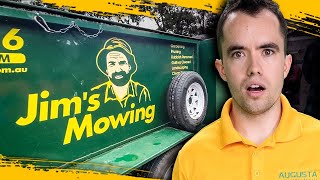
A recorded conversation (Dec 22, 2023) between Mike Andes and a co-host about Augusta's official launch into Australia, trademark challenges, and a detailed comparison between Augusta and established Australian franchisors like Jim's. Key themes: differences in target customers (Augusta targets owners who want to scale vs Jim's serving solo operators), lead-generation and fee structures, command-center vs lead-selling models, the role of software and community, and franchising risks illustrated by a separate discussion of a troubled boutique fitness franchisor (Exponential/various brands). The hosts stress transparent communication and advising prospects to speak with existing owners rather than rely on financial projections.
Chapters
All right, dude, I look forward to these, man.
Yeah, Good. I know it's been two weeks. Welcome back. Another episode. I'll say it up front, like, and subscribe. Happy holidays. Merry Christmas to those who celebrate. Yeah, it's gonna be in a couple days here. So we got some topics to talk about today. Mike has no idea what we're going to talk about, but we'll just jump right in. Would you like a non Augusta related topic first or would you like an Augusta related topic first?
First? Let's go with Augusta related.
All right, let's go. Augusta related. Alrighty. So, as most of you know, we have now expanded into Australia. We officially launched. We are now taking introductory calls for people over there. I've met some fantastic people, so it's a pleasure to meet some of you folks over there. And we got an email today and I'm just gonna read it. We're just gonna go through it if you're okay with this.
Dude, someone. Someone. This is, this is news to you probably too. It's not a big deal, but our trademark went through, right? And someone came in and is trying to give us hassle now. Oh, good. So we're already gonna have to defend our trademark.
Fantastic. What, what are they like pushing or saying we're doing wrong?
I actually don't want to say because people would come in. So we're actually building out our trademark differently now. It'll be way more encompassing and then we'll reapply. So like our one that we have is actually approved. But we gotta get like, we need to get like a wider net because now that we're going in, I don't know who's challenging it or who's coming after it or if it's just someone like just wanting like a trademark troll or if it's like a competitor. Be like, oh, snap, we need to do everything we can to keep this out. So we'll, we'll find out. But yeah, that, that was the news this morning. You have more news though, it sounds like for Australia.
Well, not necessarily news it, but mainly someone just had some questions and I thought let's do a little price checking. Let's do a little cost benefit analysis here. So this is from a gentleman, Andrew. I didn't ask him if I could share this, but we're just going to do it.
Let me guess if this is about AUD versus USD.
No, it is not. It is. We'll just, we'll just rip the band aid off. Jim's versus Augusta. Okay, but, but not, not In a pitted against each other way. Just let's compare them, right. Let's, let's put the facts on, on paper and see what it says. So he was saying, you know, hey, we had a great discussion. I would love the idea of being involved with Augusta and Mike, you know, that's great. He said Jim's is the biggest in Australia and are selling new franchises at $5,000 as opposed to established ones at $30,000 or so. They also charge a monthly fee of $835 and they charge $10 a lead and there are plenty full supply of them.
There's not, it's not $10 for lead. That's what they mark it as. It starts at $10 but it can go up to 20 depending on the service.
Yep.
For mowing it is lower because they have an abundance of them. You're right.
Yep. And I'm just jumping into the assumption that what he's saying is factual.
Andrew, I would actually assume that is probably factual. I'm just saying like in general when you look at gyms.
Yep.
Their leads go from like $10 to like a hundred plus dollars per lead.
And I, and I assuming he's speaking Australia specific, but I know I've talked to Jim's owners in Canada and they say they've paid upwards of 80, 90, 100 per lead and they're dried up for leads some parts of the year. It doesn't matter how much they could pay. They get no leads. But we're just gonna take everything he says is factual because I have no reason to not trust Andrew. Very smart businessman, Andrew.
We love you.
Yes. Very cool guy. He also has rental properties in the.
US because he's smart.
Yeah, yeah. Oh yeah. They're like all in the South.
You gotta have some land of opportunity and freedom.
He said they also have their software established, which I'm sure you have lots of comments on that. But let's skip to kind of the next part. He said, so I see as a business owner, if I want to join a group then gyms would make more economical sense. As someone who may be interested in helping to build a brand in Australia that is Augusta, I think it would be difficult to sell at the price you are offering versus what a company like Jim's is selling at. Speaking to some of the gyms guys, they are upset at the $835 per month Fe. So I can't imagine selling the $1200 a month plus copilot for no brand with any current market reach would be Interested to hear yours and Mike's response to this. So we're doing it on the pod. Yeah.
Chop this up and give it to him.
Yeah, 100%.
Your question is answered at code 324.
Yeah.
So, so this is an easy one. So it's a completely different market in my opinion. We are not going after independent operators. More than 90% of their owners don't have an employee. And if I would say who has more than two employees, it would be less than 1% of their entire organization. And the reason for that is it is a lot harder to have employees there in terms of like apprenticeships. The scale of how much they have to pay is different. Like there's all these tiers and stuff. So gyms is fantastic for someone who doesn't want to work for the man but wants still a job for themselves. They really are working for themselves. They don't own their lead flow. This is in my opinion which makes it disqualifies it for owning your own business is if you are going to go spend money on marketing, you have to drive all of those leads through the call center and then you're gonna be charged to them.
Right.
So it makes it very hard to scale. Furthermore, they have no territory rights. So in other words you could literally have 10 and they do have this 10, 15 operators in one city, literally all getting like crossing each other. Now you can switch leads with each other, you can do that and that's what they encourage. But there is no ability to grow a multi million dollar business and then have protection from someone else coming in and literally just getting leads from you. Because Jim's is in the business of selling leads.
Yes.
So you always want to look at incentives. Their goal is to sell leads to their operators. The more operators they have, the more leads they can sell. They actually take those leads if they can't sell them to a franchisee and will sell them to non franchisees. And so what this does though is it means they're incentivized to get more operators into any market. That is their goal. And so what happens as you've talked about ones in, in Canada is for example up in Vancouver, there's like 20 of them. The one, the one operator that we talked to, he had as many leads as our franchise. He did in one month. He had for the whole year. And so your bottle next, they sell it somewhat as like hey, if you just join gyms you're we're going to have an abundance of leads and you're never going to need to Go market or ask for work. This is what's funny. When you talk to the people training who are franchisees, most of them have never taken a single lead from gyms. And, and the reason is because of the cost. And so what they do is they build out and then they just basically don't grow. And the reason, and that's why, like, we don't have royalties and they don't either. But I'm saying that's why we don't have rules. As you scale and grow, you do have margin compression. And if every single lead you get, you have to pay for it makes it where you don't want to scale. And that's why they are incentivized to essentially not grow their business, that is grow to a certain size and usually it's being full time as an operator and then stop growing. Because when you go above that, their employment and their lead incentives are misaligned with growth. And so in my opinion, we are completely different, serving different markets. Gyms is serving someone who's getting started and wants to not work for someone else. We are not serving that person. I openly tell people when they come to training, if that's your goal, that don't join Augusta, right? It is like if you need to start there, fine. But if your five year goal is not to have like a business that runs without you and have systems and procedures and be able to grow and scale, then you shouldn't join Augusta. And so in my opinion, I look at gyms as actually perfect for us. They're going to get operators that are joining, getting them in the industry, understand equipment, they do a great job with their training, like how to mow grass and all this other stuff. Yep, fantastic. If you would actually scale a business though that runs without you and have general management that you can send over here for training and have multiple locations, they're all ran by you own them, you join Augusta. And so I truly believe that 5 or 10% of their operators will join Augusta because they see us as the way to actually scale a business runs without you. And in Australia that is less of an identity with our culture of like scaling and being entrepreneurial. It is much more like don't have a job and don't go work for someone else. And there's like a cultural pride in that. And so I would say like, if you, if you want to just be a solo operator, I would go with gyms.
Totally.
You have the leads enough to fill your schedule pretty quickly and you don't have to work for someone Else. But like I just don't believe that someone in their 60s and 70s wants to be pushing a lawnmower. And I do believe that if you spend 10 years growing a business in home services, you should be able to scale the business to where you have 5, 10, 15 employees or multiple locations with general management in place and having a healthy profit margin where you're not in daily operations. And so that would be like my differentiating between gyms versus Augusta. Also the fact that when you leave Augusta you if for whatever reason you left, you can and you can sell the business to someone else outside of Augusta if they don't want to be part of Augusta. Yep. With gyms there's a lot more requirements around lead lead protection as well as like when you sell or something. They own a lot of stuff.
Yeah. Which someone literally just did last week. And we were fine with it. Yeah, they were like, hey, I'm going to sell off my client list, all my assets and I'm going to close down my location that, you know, I. A personal life event happened. Not going to talk about the details, but we were like, that's totally fine if that's what you need to do for you, for your family, like we're going to allow that to happen. So yeah, I had two thoughts on that. One was you kind of alluded to the story. So we had a owner join. He was a solo operator. He was not in gyms, but he was a solo operator. And he said in his first month and he started in late summer, so not a lot of leads are coming in in late summer. He got 18 leads mostly from his website and from door hangers. So he wasn't spending like any direct intent based marketing on goog Facebook, nextdoor things of that nature. He got 18 leads in his first month.
Right.
He talked to a gym's owner in the area and that gym's owner said he didn't even get 18 during spring rush.
Yeah. Right. The thing is, the thing is this the thing actually reason I believe they will never be able to scale up their companies in gyms is because they are forced. It's like part of the mandate that every phone number must point to the home office. It's the same number. It's like five digits. They got like a short code that you can call, which is cool. However, the home office is not built to take any customer service related things. They are only built to take incoming leads. So the text messages that you get from home office is like here's a lead or this person called and has a billing issue. This person called and they have a customer service issue, this person called and they have a complaint and that's all you get as the owner. You still need to reach out to them. Right. And so the difference is a command center. If we only took inbound leads like we could train people up in a couple of days.
Yeah, totally.
But when you have to have like when someone calls in the other 500 variations of calls, from billing issues to scheduling issues to complaints to all this other stuff, we have to train them on all those other things. But we do that so the owner can scale their business and not worry about having to do all these calls and admin tasks and all this other stuff. You know at.
And like from a software perspective, I have no comment. I think if anyone looked at even right now with Copilot being young versus what the software that they use, I won't name it. I don't mean to be malicious. They're. I love gym by the way. And they let me come in over there and see exactly their operations and do me the whole tour. And like I don't look at them as competition. I think they're a completely different market.
Yep.
But if you compare their software versus ours.
I do have a bone to pick with you. Yeah. Because it is literally like looking at 1995 Windows versus Mac OS. So.
There is not any comparison in terms of software and the capabilities. I have so much conviction and thought on that. It's not even a question.
That's why I kind of skipped over that sentence because I knew where you would feel about that. And I think too being like one advantage you have with Augusta, once again I think Jim's is a great product for the right people that want that solo operator, solo community to great community.
That's what's underrated in franchises in general. Like we don't talk about like the actual untangible benefits and like having a community that will keep you from quitting that is like so important because if you just don't quit, you'll usually win. And if you do it independent, typically people will quit in years two to five because just so lonely and hard and so the intangible like non financial part that we can't attach a value to is the community of Augusta or gyms or anything like.
Yeah, yeah. But what I was going to say is like I've talked to like three or four people from gyms. They're all fantastic people. Like they're all great people. They would be great cultural fits at Augusta. But if they more fit the mold of gyms business model, that's totally fine. Like we're not competing with them, we have nothing against them. I think kind of using the analogy we were using two weeks ago, co pilot and Tesla, it's almost like you could just get a Ford and like it works and it's reliable or you get a Tesla and it's fun. But there might be bugs and there might be, but you're gonna be on the cutting edge of electronic vehicles. Right. If you go with Tesla, whereas with Ford, like it's reliable, built Ford, tough, been around for hundreds of years, whatever. But I think we're just a different product.
Well, part of it is like.
Their sales pitch is that they've been around a long time and there's not a lot of change. Right. Which is fine. But when it comes to technology.
Exactly.
I'm sorry, you are 15 years behind. I am very confident in saying they're 15. 15 years behind. And they have spent so much money on developing that technology, they cannot uproot it. So I've talked to people inside their corporate office that work on the tech and they're like, we know this is behind, but we can't move 4,000 owners because they have not just Jim's moen, they have all these other branches. And that's why the sales office has to be handled. All these branches, they can't answer detailed information about customer service, but let alone the industry.
Like they don't have access to the CRM of the owner. They're literally making like tickets for any incoming goal. That bottlenecks grows massively or you're gonna have to go get your own office. And so.
In terms of technology, they have spent millions of dollars developing something like from a tech stack perspective, I give like the actual like technical like specifications, what they're building on. It's ancient. Yeah, it won't work. And even last year when I went there, like I was just getting into this technology. We were looking at copilot, we were evaluating, you know, obviously P4P we've been working on for a few years, but like I knew enough about tech to be like, why are we not using a different coding language? Like this stuff is antiquated and the way that it's working. And so anyways, the technology part is. I don't know that that was, that's undeniable. If someone actually looked at both of them.
Yeah. Another thought too is like, you know, $10 a lead, as he says in his email. Well, what actually in your business Is cost per customer. Right. Not cost per click, not cost per lead. So we have to look at that math. And another thought I had while you were talking. If you want to scale your business, let's put aside, like, solo operators and gyms in general. Let's just say if you want to scale your business, I have a question for you. I would say. Or it's a thought. I would love your response to this. I would say you decide what premium you want to pay to scale your business. You can either pay the premium of time and sacrifice or you can pay the premium of money, that is pay Augusta a monthly fee because we have the roadmap to success for scalability or the premium of like, you got to figure it out. You're going to spend extra time, you're going to spin your tires, you're going to make mistakes, but you will get there. Does that make sense?
It does, but I still think from an actual monetary standpoint, we still went out because, like, I know other fees in the back end.
I'm just playing a little bit of devil's advocate. Like, you have to choose your premium.
Right. Join.
Join the like by the roadmap or spend the time.
I think that. I actually think Jim has. The best thing for solo operators is brand awareness. Everyone in Australia does know Jim's mowing because there's 2,000 of them.
Yes.
And they're everywhere. So it does. It's super helpful to go from like 0 to 100,000 annual revenue because you immediately have brand awareness. And like, that's the part that Augusta doesn't have. And I like, really want to get there because that initial, like, ramping someone up is so valuable to like getting them in the systems and like, entrenched. We've had several locations. They always. The ones that always quit. Like, even with life events, for example, they're under 200,000 in revenue.
Yes.
And so it really just comes down to, like, how can we get them past that as soon as possible. It is brand awareness that everyone in the United States, Australia, et cetera, they know Augusta and immediately, like, they got tons of leads coming in. And ideally we're not charging them for those leads. And so when you look at some. Someone was talking to me, like, the cost of Jim's cost per lead versus a command center. Like, you're not comparing apples and apples. Like command center run your payroll. We do scheduling, invoicing, customer service, etc, and they handle problems versus over here, they're ticketing, making tickets for you.
Yes.
And so anyways, that was Like, I am not against them, I think, because of the way that the question is posed. Us versus them, like comparison. But I would say that there's a lot of pro pros to gyms versus Augusta, especially if you're a solo operator. If you're not being a solo operator, though, I don't think there's actually a comparison they're not built for. I talked to the top 10% of the franchisees inside the system, and I asked who had employees, because I had this speech ready to go about, like, leadership and come like, oh, these. These are the top guys. And less than 10 of their top two. One or two. It wouldn't. 1%, 1%? No, because there was, like, 80 people there, so it would have been like the top five, six, seven, whatever it was. They were invited. I spoke to them. I was like, ready for this culture talk, like leadership and pay for performance. And then, like, I literally had P4P ready to go. And then I'm like, so who here has employees? And, like, literally three or four people out of the whole room raised their hand. I'm like, oh, snap. Like, P4Pmeans absolutely nothing to these people. So anyways, I would just say it's different tool, different problem. And I really don't think there's a comparison. I really hope that's the way Jim see it. Sees it, because I haven't talked to him yet about, like, us moving in. But, like, when I was there, I was. I was honest. I was like, hey, like, eventually I'm going to be in Australia.
Yeah, totally.
And I think part of it was they kind of were hoping that I would help them open up more in us because they tried, and then it didn't work out. It's just a different. Like, over there, you want to get away from your job. Over here, you want to grow a business that runs without you. Yeah, it's different marketing. And so I believe that over the course of time, the next 10 to 15 years, what we have in the US will become more mainstream over there. And people want to grow a business that runs without them. And they'll see that when you get to 60, 70 years old, you can't push a mower and you can't sell the business. It's not worth anything now because you don't own the leads. The leads are still the branches. And so, anyways, that's my time.
Yeah. And kind of making a tangent more towards just Australia in general. I talked to this wonderful couple yesterday, actually, Sophia and David, and they're doing around Half a million in annual revenue. But they don't have, like, the resources of the community to keep scaling. And we want to do a million plus. We want to do 2 million maybe. Like, we have great employees. We have great customers, but there aren't the resources or communities over there in the simple services lawn care industry. Like, if they got into construction and hardscaping, sure, there's lots of larger businesses for that. But if you want to just keep it simple services, lawn care maintenance, properties, like property maintenance. There just isn't a community for that.
This is very different culture over there. It is like the US but there are some major differences. And I know a little bit because, like, my family's over there. So, like, I wasn't, like, shocked or anything.
Yeah.
But there's definitely, like, ways of communication, perceptions of status, things like that, that are very. Like, they're very more confident and, like, kind of bragging. Like, that's more in their culture, like, totally fine. Like. Yeah, it's just different. It's just different.
I talked to a guy. This is. This is one of my personal favorites. I'm going to start putting it in my vocabulary. So I asked him. I was like, hey, I can't see. I don't know if you have a camera. You can turn. Zoom call. He's like, oh, yeah, let me get that on. He's like, is Augusta letting people in based on beauty? And I said. I said, no, no, no, no. I was like, if that were the case, I wouldn't work here. And he was like, yeah, then we'd both be stuffed. And I was like, I like that we'd both be stuffed. So I don't know if it means, like, we'd both be, you know, screwed or whatever. Right. Like, I like that. I'm gonna use that.
So any other thoughts on that? I think that we kind of went through everything. That's good. But I'll send that to Andrew. But, yeah, very cool. All right, next topic. This is a very long article, so I'll try to be as concise as I can. But what do you know about these guys?
The best in boutique.
Exponential. Is that how you say it?
Exponential. Oh, yeah.
Yeah, that makes sense. Exponential. I was like, why is it exponential? I thought it was supposed to be expotential potential. Do you know these. Do you know this brand?
Never heard of them.
Oh, really? Okay, so they are under. Under some hot water, Right? So their website. This is their corporate website. The best in boutique fitness, health and wellness.
So boutique just means, like, not big.
Box gym yeah, exactly. So they own a bunch of different brands and this was a very long article on Bloomberg that I read, but it was very interesting. So these are some of their brands. So they own Club Pilates. You know, since I don't know how to say anything, I'm going to skip that second one.
Pure Bar.
Pure Bar. See, I would have said different stretch.
Labs bar is similar to Pilates.
Yeah, CYC bar. So this article mainly focuses on cycle bar, body fit training, yoga, six, Row house rumble, akt. So these are some of the brands that they own. Boutique fitness. All kind of around different specific exercises, whether body weight, whether it be cycling classes, yoga, whatever.
So it's been all the rage the past 10 years.
Yes, it has been all the rage. Well anyways, the title of this article is how the Biggest Boutique Fitness Company turns Suburban Moms into Bankrupt Franchisees. And I figured, hey, we're in the franchise space. You also own a gym. Let's talk about it.
Oh, I have thoughts on this.
Yeah. So they basically are going for a soul cycle like vibe at this cycle bar, right? Like hip hop, Britney Spears, like colorful clothing. Like let's, let's push each other. We got a leaderboard up there. Like you know, motivate each other to beat each other, do more miles, do more reps, whatever. But long story short, there has been a lot of owners that are pushing back and I'm going to jump kind of halfway through the article. More than 30 former or existing owners. So there's kind of a mix there. Former and existing, not including some of who were on the active litigation with the company spoke to Businessweek on the condition of autonomy because they feared legal retribution. They say Exponential deliberately misled them and their peers about the strength of the individual franchise prior to signing the agreement. Many of the franchisees, like some of them listed in the article above, are identified with pseudonyms to protect their identity. While they say that COVID 19 played a big role in the struggles across the fitness industry, some signed the agreement post pandemic and claim the company inflated revenue and profit. Profit projections based on unrealistic membership numbers and grossly misrepresented costs. That's big. Underline that. They also say it as promised. They promised them the ability to run a business as investors rather than hands on managers, oversold the success of their franchisees and was deceptive about the level of corporate support they would provide. So that that paragraph kind of summarized the hot water there and any initial thoughts on that?
Yeah, these are fads like and the franchisors and marketing companies. And I would imagine this conglomeration of brands, they build these very quickly because you can very quickly spin up a really good branding and a good webpage and sell into a fad. So another fad right now is cookies.
Yes.
Things like crumble, crumble, insomnia, cookies.
There's even sprinkle, which is like cupcakes.
There's a ton. Dude, those, I'm sorry, those will not last. Now this is the thing about cookies. Cookies have been sold for years and everyone loves cookies. But what happens is these little tiny segments, they get over saturated. So, for example, in a gym, like literally on the other side of that wall, you can do a spin class, you can do a spin. We have five, six spin bikes. But you can also run a treadmill, lift weights, do yoga, do CrossFit, like all this other stuff. And so what happens is when one of these things get popular, a cookie, a spin bike, a yoga mat.
Yeah, yeah, yeah.
It gets popular and it gets like social awareness. It spikes. And these are what franchisors do. They jump into it and they can sell tons of franchisees, and they're selling 10 and 20 year terms. And so they can take a two, three year of like, popularity and sell into these decades worth of franchisee agreements and inflate their value. Take these contracts and sell them to Wall Street. And that's what these, these brands do. They make a bunch of brands, they sell franchisees on this issue, on these, these fad ideas, then they sell them, package up, hey, we have guaranteed income for 10 to 20 years because they cannot cancel unless they die. Like, so that's the problem with franchising in general. And this is why, like, I debated so much about using Augusta to do franchising is because it has such a bad rap. Yes. Also it has a bad rap is selling online courses. I also think using online courses is potentially the biggest hack in life. The fact that you can take the best mind and get their secrets for $1,000 or $2,000 is absolutely mind blowing. Yeah. But because there's, you know, 95% of it is sleazy, everyone gets more, you know, everyone just thinks. Exactly. This is all, you know what it's called? Like, the dishwater gets.
Don't throw the baby out with the bathwater.
There you go. Something like that. Whatever. That.
Yeah. So, like, if there's a great idea, but it's surrounded by a bunch of bad ideas, don't just toss them all out. Keep the great idea. Keep the baby.
And so I think Franchising is a phenomenal business model, unfortunately. Usually private equity and venture capital gets involved, and it just comes down to numbers. And, like, literally, they ruin everything. As you look more and more at businesses. Like, they ruin everything.
Yeah.
And so I would. I would guess that this is not a company that's owned by a founder. It is owned by private equity. It is a spin off of a bunch of brands that's a conglomerate, and they've been sold multiple times to private equity. And so when it comes to something like a fad, I just say don't buy into fads. Like, what has worked for 50 years will probably work for the next 50 years. If it just became popular, it probably won't be popular in 20 years. And so, like, I know grass will keep growing forever. That's why I'm very confident, like, scaling infrastructure at Augusta. Like, I know that will continue to happen.
Yeah.
Same thing with the gym. Like, when Covid happened, I knew people were willing to be healthy and look good. Yeah, I will. The gym will be just fine. And we've had the biggest. The best year we've ever had before.
Yeah.
It's anything like copilot. It's like, do I believe home services will expand? Yes. Why? Because people will not want to be able to do it themselves. And the baby boomers will need more and more home services, and at the same time, no one wants to do that kind of work. So what are we going to rely on? Software? So I just look at, like, what has worked in the past will work in the future. And that's like, boring industries. As though they are not, like, fancy, like, people, like, on the whole, like, peloton spin. Same thing happened, and now that fizzled out. And so all these franchises rode the wave of, like, spin and, like, all this other garbage. And now it's like, look, spin didn't exist the way you guys talk about it and, like, market it 20 years ago. So guess what? It's probably not going to exist in another 20 years. So that's my little pirate.
So it is still founder run. Anthony Cool Geisler is the founder. So he got Into Fitness in 2001 with his first business, and then he became the CEO and they had brought in a board in 2017. They went public in July 2021. So they. Yes. So there's a board now.
Yeah.
Yeah.
That's what. That's what I haven't found, but we can look that up. I was gonna go over another part of the article.
Why is he considered the founder? He's just the CEO.
Well, it's. It's said that he started the company, he was the founder, he got into Fitness in 2001.
And then launched. Started launching all these brands.
Yeah, but there's a whole man.
I would just want to know how much he owns. Does he have control? That's all I would want to know. But anyways, yes, sorry, I apologize.
No, no, you're good, you're good. We all look that up while you respond to this next part. Okay, so this is interesting. This is from a company spokesperson directly to Bloomberg. They said exponential leadership is trained with the understanding that they cannot under any circumstances share projections or other metrics not included in the fdd.
Right. Which is fine. That's legal.
Yeah, yeah, I agree with that. It just. People are taking that the opposite of that being like, well, you should be honest about your projections, but you, you, you can't because then you could be liable for those projections.
This is where I come in. So Basically, there's item 19 inside of a franchise disclosure document, and that is where you can disclose projected income or not. Now, here's the thing. If you don't put them in there, people think you're hiding stuff. If you do put them in there, you could be held liable for lying for whatever reason, because if someone doesn't do inside the average or whatever, they can come against and say that they lied to me. So in my personal opinion, it is better to not include financial projections and then tell people they must contact other owners without any influence from you as to who those people are. And that's what we do. Like, we provide. Do we still provide the whole list of franchisees? Yep. Yeah. So it's just like, please call a lot of people because, like, that's the best actual, like, qualitative feedback that you need to decide whether or not you should join a franchise, whether or not the franchise tells you what the financial projections are. Like, that's completely like, why would you ever listen to someone be like, I'm selling you something and I'm going to make up these documents and give them to you at the financial projections are, don't believe them. Some of them are probably true, but don't believe them. Go ask other owners. And if a lot of these people that bought into this thing, instead of just looking at a fancy website and then item 19 on an FDD that says, like, yeah, we make 50%. And it's all worded in like, the crazy way I looked at the crumble FTD the other day, and they show these Profits per location. And then at the bottom, it has a little asterisk and said something along the lines of. Does not include.
Oh, basically the owner's pay. So basically, if you took the owner's payout, all of a sudden the margins go from like 12% down to like 2%.
Yeah.
And it didn't include that. And then something else, like franchise improvements, like maintenance.
Oh, yeah.
So it's like, look like, why would you ever give that to a franchisee? They're going. They're not going to read the asterisk. They're not going to understand, like the word gross margin to owner. Blah, blah, blah, distributions. So all that to say, don't ever trust a franchisor's financial projections in my. Do we all that we even include them now? I think we took them out. We take them out because, like, I would never look at those myself if I was a franchisee. I would call the other owners because if these people did that, they would hear from all these people that, hey, we're not making very much money. Like, we were having a lot of hard time getting people in the gym doing cycling all the time. Like, I want to do cycling. I've done spinning classes before. It's a lot of fun. But I don't want to do it five days a week, maybe once a week.
Mix it up.
Yeah, dude.
Yeah, yeah. So essentially, you could summarize this whole article and I could put the link in here. It's hard to summarize. It's a very long article. It takes like 30 minutes to read. Like, this is very in depth, but essentially over promise. Under deliver. Right. They over promise certain numbers, certain metrics, and then under delivered on their support from the corporate level, as well as financial support and services that they said they would offer that they never did.
How much does he own?
So he owns about 10%.
Because I saw. I saw that they've been selling all their. Their head. Their head. People have been selling all their shares off.
Yes.
Okay.
Yeah, so we can jump to that. This is the last paragraph of this Bloomberg article.
Like, I would personally look at anyone. If you're ever investing in a company and there is a founder involved, there's two things you want to look at. How much of the company own that shows their conviction and are they buying or selling the stock?
Yes.
Because it just so happens that at the very peak Elon was selling, yes, he had to buy Twitter, but, like, he realized it was overvalued. So, yes, now it's half the price. So, like, you should probably follow that person who knows everything about the company. Yeah. But if someone owns like in his case, 10% of the company and other thing I saw was that they are giving commissions for selling locations of 30,000 to $100,000. So if you have the initial setup for a franchise is usually between like 5 to $700,000 depending like if it's a brick and mortar.
Yes.
At least like that's small and they.
Were being told 4 to 500.
Got it was way more.
Yeah. Well most then this multiple people said it was over 700 to a million to get started when they were told it was 400 to 500 to get started.
Got it. And then their commissions though, to people who are selling these franchises, 30 grand to $100,000. They're going to use some sleazy tactics.
Yes, 100%.
You got to know they're going to. It's going to happen because like when? As soon as you get brokers involved. So we don't have used brokers at Augusta. Everyone has to go through you. As soon as he's a broker though, they don't really have the incentive of like the brand. They just get. They get a dollar amount per sale.
Yes.
And so usually it's 15 to 30 grand. But if they're offering 30 grand to 100 grand, you better believe these are gonna be some motivated salespeople and they're gonna fudge the numbers a little bit. So you just gotta follow the incentives.
Yeah. So this, this is a real kicker. Towards the end of the article, end of the article earlier this year, and this article was written a few days ago, earlier this year and as Exponential continued selling licenses and touting its growth, Gizler dumped more than $47.4 million worth of the company's shares. During that time, Exponential stock was on a tear, jumping almost 45% through April of 2023. But unknown to most investors, issues were looming. A company that had signed with a master franchise deal to open 30 cycle bars in the UK was in the process of being liquidated. So they're like touting this growth in the UK and then it's being liquidated by the company.
Stupid to think that you can build a whole business model around a rowing machine.
Yeah.
Or just a spin bike. Like if you're just gonna put a bunch of bikes in a room and like no one's gonna pay for that for a long, long period of time. Like we have at the gym, people that have been here for literally eight years, I can't do that. If I have one piece of equipment, like if you just boil down some of these business models, like it's really, really good packaging and really good marketing. That's all it is. And so I don't know, I just like to look at like the history and be like, has this been around for a long time? Yes. Oh, fantastic. Means a good market for it. So I don't know.
Yeah, yeah. So an independent researcher on June 27th of 2023, or excuse me, yeah, 2023 claimed that more than 50% of their studios across all brands were losing money and that the company was misrepresenting the number of failed studio studios to investors. Note they've been public for two years at this point.
You think with the math, like having to put a million dollars into a business before it opens up. And let's say you have a 10 year term on that lease, right? That means every year, just to recoup the cost of initial build out, you need to make about 120 grand. Because the cost of like the value of the money in 10 years is worth more than today. Right. So is worth less. Sorry. So like 120 grand in profit just to cover like to make sense of spending a million dollars on a build out. Well now all of a sudden if you have 12% margin on a like let's say you $500,000 in annual revenue, you have to have 24% of your profit, like 24% of your revenue in profit going just to recover and recoup the cost of build out. Which means you have, you only profit on anything above 24% profit. Right. Which is insane.
Like, yeah, it's not going to happen. Yeah, you're in a brick and mortar. You're not selling software, sorry. You're not going to have above like 50% margin on this. So I don't know, some of it's like Business 101 is like, how do you buy into this?
Yeah. So with Wall street scrutiny mountaining, Gizzler bought roughly a million dollars worth of shares back in August of 2023. So dumped 47 million, bought back a million, you know, show his support. But as Exponential shares continued to drop, in September, there was another blow. 6 Former AKT, one of their brands, franchisees who'd closed their studios filed suit against Exponential, alleging that it was repeatedly made false representations from studio members. Revenue and cost to open another franchisee joined the lawsuit. As of last month, one of the main selling points behind the franchise, as one of the board members said themselves from the start, promoted Their faces of the brand, their influencers. I'm just trying to summarize this and all the like buzz that they would get from influencer media. Yet when Exponential started to franchise this sub brand operations in 2018, the company was already in active disputes with many influencers. And this was a critical detail that was never disclosed to the franchisees. So they came in thinking, oh, there's all these celebrities and all these public facing people that are going to promote my brand. I'll get instant recognition. And the background, they're basically losing these influencers that don't want to represent their brand anymore, but they don't tell the owners. That's shady.
It's called fad.
Yes.
Oh, yeah, yeah. Anything that is like hyped up, you just got to anything. Stocks, real estate, business in general, employees. Like, if it's hyped up, you should just have like all these red. Because you know, it's funny, back when F45 went public, it's another like Studio Gym, I think. Are they going bankrupt right now?
I'm not sure.
Can you search F45.
Put bankruptcy. I think they're either going bankrupt or they're, they're restructuring. The end is near for F45.
That's Reddit. Bankruptcy might be in the cards.
Yeah, they're very close. Like they're, they're, they're stocking down like 90, something like that.
Dramatic downfall. So it looks like they're gonna.
And like one of the owners in augustination, I forget who it was. Like three years ago when it was in the hype was like, should I go to an F45 gym? I'm like, if it's this popular and who's like the big influencer? Is it Mark Wahlberg?
I don't know. I don't.
Celebrity stuff is way behind it. And it's the same thing, man. Like hype, you just run away from it. It never works out. Like crypto, like, yeah, it's not gonna work well anyways.
Yeah, so this is the last paragraph. Kind of leaves you with a little bit, huh? Within days, Exponential posted. So within days of this article being written. So a couple weeks ago posted glowing third quarter results. Revenue grew 26% from the year before. And 127 new studios were opened that quarter. An additional 2,000 plus franchise licenses had yet to open locations. Gizler told shareholders chirpingly, noting that they're all contractually obligated to open.
That's crazy. 2000 they've sold and they haven't even opened Up.
Yes. But they have the growth. So they are publicly traded company. They're up 3%.
You know, I would like as of today down the road, if I had tons of money is I would, I don't think I'd do it in this because I actually think they're a flawed business model. I do believe there's times when franchisors have a really good concept and a really good brand and they just stink at leadership and management and like telling people what's going on and communicating with their partners.
Yeah.
Because I look at the franchisees, in any franchise relationship, they are partners. Like without them you don't have a business. And it's like you can glow all you want about your 2000 location, but they're not opening up. That's a problem. And so.
I would love down the road because these guys, when they go down like F45, for example, going down 95% or whatever it is their stock, like you can buy these guys for pennies on the dollar.
Yeah.
Because they're just in such hot spiral downwards.
Yeah.
It's crazy. Krispy Kreme doughnuts, for example.
Yeah.
Like spirally out of control. But there's a brand, there's like, like there's. What's the word?
Loyalty.
Yeah. But like awareness, like the way you are, you're Nostalgia. Nostalgia.
Oh, that's. Yeah. Like take that as a compliment. There's nostalgia. Yeah.
Like crispy for most of us as a kids, like have this nostalgia feeling.
Totally.
Right. And like I feel like you can take a brand like that has tons of value with a horrible like leadership. Business is going down the tubes and then you step in for pennies on the dollar and then you can flip the brand perception back to being something positive and use nostalgia to pick it back up. Yeah. Things like Toys R Us, Radio Shack, these companies brands are now gone.
Yeah.
We still all know them.
Yeah.
There needs to be someone that can take these brands. I don't care about those sort of products but like I think franchising down the road is something that like I could really like step in, take another home service industry, for example, and be like, hey, you guys are horribly treating the franchisees. We're going to come in, we're going to bust up all the franchise agreements where everyone walk if they want to and like I think that'd be going to restart.
Yeah, yeah, yeah. So basically their, their stock price as of right now is almost exactly back to the IPO, which is wild. So they did peak at almost $36, $33 a share. That was earlier this year during the sell off. So that's right when he sold off his $47 million worth of shares.
Yeah.
And now they're back basically down to their IPO price.
Yeah. So they, they will, I predict, either go bankrupt or they will have to restructure and they will sell. Because if you have 2,000 locations that are not opening, you. You're locking up all your territories. And then like when you have bad press about, like you basically scamming everybody, all your franchisees are gonna hop on that bandwagon and just start suing you.
Yeah.
Towards it. Because they want to get out of their contracts.
Yeah.
Before they open up. Because if someone's not opening up, it means that they see there's a red flag.
Yep.
They know if they open up, they're going to lose more money than just sitting on it and paying for the franchise. Yes. And so those people are not going to, like, just sit back, they're going to sue. And so.
Yeah, that's what's happening, I think to kind of look. Look kind of inwardly at us, because I do, obviously the introductory calls, I think it is a big turnoff for people when I don't give them concrete numbers and concrete promises. And it's sometimes awkward in those moments. And I say, you need to talk to the other owners because I have first year locations that do X and that was their goal and they have more time with their family and. And they're making more money than they did at their other job. And then I have first year franchisees that do X, but they work seven days a week and they want to have a million dollar business in three years.
Right.
So I can't promise either of those. And one thing that I always say, this is my big caveat. As I say there are two things that Mike, myself, Augusta, will never control. Number one, how much capital you're bringing to the table, we don't control that. Number two, how hard you're willing to work for it.
Right.
You can bet on yourself. That's the beauty of the American dream. But if you're not willing to work hard, we can't help you. And some people don't like that.
And your level of skill itself, level of skill at leadership, hiring, whether or not you have a whole bunch of team members or family you can hire.
Yeah, yeah.
You know, your friends, like, there's so many different variables. I believe that, like when it comes to franchise law, I actually think they should remove the ability to even show financial Projections. Because, like, right now you have to choose one or the other. If you have it, you have to do it a certain way, or B, you don't have them at all. And right now I feel like there's this tendency to look at people who don't show their financials and like, oh, like, they must be hiding something. I'm like, no, I would need you to contact everybody, anybody, and get their opinions, because there's the ones that matter. Because numbers can be spun any way. Yes. And I've looked at so many item 19 on so many different franchise agreements, and it's so deceiving. Those show, like, the average, and they'll say, this does not include people that haven't started, have started in the past 24 months. So, for example, if I showed the average owner at Augusta right now, it would be low. Why? Because the majority of our. Of our location started within the past 24 months.
Yes.
So if I just disqualify all of them. Yes. Our numbers look glowing.
Yes.
And everyone would believe that because, like, oh, in two years I'll be at this.
Yeah.
That's the assumption they make and that's incorrect. And that's what leads to false expectations. And, like, I'd just rather be like, hey, I'm not gonna give you any expectations. Talk to the owners.
Yes.
Talk to as many of them as you possibly can. But I remember joining, not joining. I was in a call with grounds guys.
Yeah.
Way back in the day when I was thinking about joining, and I was the same way. I was like, can you guarantee me that I'll get to 500,000 annual revenue within 10 years? And, like, that's what I was looking for.
Yeah.
And I get where they're coming from because that's what you're looking for. Like, can I get some warranties here? And so that's why we said, look, if it's not a right fit for you, you can leave at any time.
Yep.
Right. If it doesn't deliver on the expectations that you had, and we're not going to give you any expectations, you're just going to talk to other owners. That's what made it feel like to me I would sign that contract.
Yeah.
Because, like, these people are, unfortunately, they are toast. These FTD's are written in a way that you will never get out of them unless you die. It is literally written that way. And even when you die, most of them will actually be passed on to your heirs. Yeah.
So anyways, yeah, it's very interesting just kind of seeing, like, the pains that these people are going through. And one thing I like to say on introductory calls as well is this is a relationship built on trust. And you say that when they come to training, it's like one of the first things you say is, we trust you, that you're gonna represent the brand well, you're gonna treat your employees right, you're gonna do right by your customers, and you're not gonna screw it up for us by doing something dumb on social media or something massively illegal. Right. You have to trust us that we're gonna uphold our end of the ftd. We're gonna support you, and we're gonna help you be as successful as we possibly can. Right. But some people, you know, don't like that.
Yeah. Like, I. I just generally believe communication solves, like, 95% of problems. Problems.
Yeah.
And so, like, the best thing we've ever done in Augusta is having the mike minutes Mastermind. Every single day, I talk to all the owners, and we allow them to anonymously submit stuff, which if they have a complaint, they can just bring it and I will address it head on. Like, I've never deleted a question. Yeah.
Right to the top.
We will do it. Like, and so, like, I will address them. I will say, hey, if we're wrong or something. And I've had to, you know, ask forgiveness on stuff, but like, that otherwise left unattended to becomes a lawsuit.
Mm.
We've never had a lawsuit. And it is because we address those problems. It's the same thing in any organization. And that is, like, if you let an employee fester with stuff and you don't address things, you don't allow for open communication up and down the chain of command, you will eventually have someone blow up.
Yeah.
And that blow up could be them just leaving. It could be a mutiny. It could be them asking for money, more money when they, you know, they don't deserve it and they're not performing at the level that they should be. But, like, it's ultimately communication. One on one meetings, having a suggestion box that's anonymous, the ability to have, like, team meetings where they can submit feedback. Like, these are the type of things that, like, will prevent a lot of the big, big blow ups. Yeah. And this is why, like, even with copilot, the way I've built it this year is, like, I'm really open and transparent about the fact, like, here's all our mistakes. I'll tell you every single one, and I'm gonna show you the list of them on the flight log. Like. Cause, like, I just believe that it's like, now someone joining, they know what they're getting into. And if they don't, they would've been told something otherwise and not gone through, like, all of our marketing. Like, it's on my website.
Yeah.
Don't join if you think X, Y, and Z. Yeah. And I think that's just the best way to do it. And it leads to less expectations. We've never had to sue someone, and we've never been sued from a franchisee at Augusta. And it is because of the communication. And I learned this the hard way, just dealing with regular. My own business. And it's like, if I let people bottle up and fester their issues instead of just letting it sooner, like, it just gets worse and worse and worse. It becomes bigger and bigger in their mind. And just like, please get all of your frustration out, because I will deal with it. And if there's problems that I need to apologize for, I'll do so. Yeah, but communication, man. So I'm literally 95% of problems.
Is that you're not financial advice.
That's my not financial advice. Yeah. I love it.
Here's my not financial advice. We'll close with this. Go over to Liz Neighbors channel.
Oh, yeah.
And watch her interview with Corey Williams.
Oh, yeah.
General manager of Bellingham. Yeah. And I say that not to just tout like our own Augusta content. It is a very candid conversation about restructuring a business, about promoting from within, about firing, pushing people to be better. Very candid conversation. I really appreciate Liz sitting down with Corey and Corey's openness because I'm sure it wasn't the easiest topic to discuss, but if you have managers, if you have employees, it's a. It's a must listen, in my opinion.
And shout out to you for making it all possible.
That's Corey. Corey did amazing. All the flowers go to him.
So.
Anything else?
That's all we got.
That's all we got. Merry Christmas.
Oh, yeah.
Happy New Year. Oh, I guess we'll record before.
I don't know.
I don't know.
Next week?
I don't know.
Christmas, isn't it?
Well, yeah, but Christmas is on a Monday.
Yeah, but we record on Wednesday. Yeah, it will be after Christmas, bro.
So we're not recording next Wednesday?
No, we are.
Well, we. After Christmas. I said Happy New Year.
Oh, okay. Okay.
Merry Christmas.









