How to Read Play [video's staying up!]
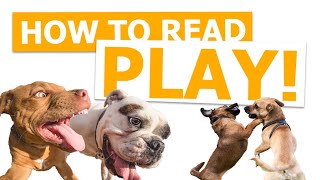
This content was created by compassionate-pan. This content was uploaded by compassionate-pan. This is a YouTube video titled "How to Read Play [video's staying up!]" (created 2025-10-13; last edited 2026-04-27). Based on the title, the video is likely an instructional/presentation-style piece about reading or interpreting plays, but no transcript or excerpt content is provided so participants, speakers, and specific topics covered cannot be determined from the available metadata.
Chapters
So we have learned already how to read different approaches, how to read different interactions, what exactly this means. But today we're learning how to read play. So let's talk about it. Before this video starts, it's a nice long lesson, I want to say a few things. Firstly, thank you so much. This series on Instagram, TikTok, YouTube every day for 36 days uploaded, and people have loved it. So thank you. It's so nice to see people that actually, like, give a damn about their dog rather than just learning about forcing them and making them fit in and training them and bribing them and all that stuff. I have always believed that learning how to read body language is like the gateway drug to actually solving all your problems, because you start realizing how often your dog is stressed or aroused or frustrated, and then you start to realize, huh, yeah, just practicing recall isn't going to fix that, or just practicing loose lead walking isn't going to fix that. So thank you very much. Um, absolutely love it. The second thing I want to say, below this video there's a link to upload a video of yours because this lesson you're about to watch is gone on Sunday. It's only up for 7 days. And on Sunday at 7 PM UK time on this YouTube, I'm going to be doing a live stream where I go through videos you guys send in, also doing some Q&A on some dog training stuff. So be there. If you want to upload a video for me to break down live, the link is below. Maybe do that now in case you forget. But you'll find that there is also a second link down there, which is the third thing I want to say. This lesson is from MKNN+. This came— I made this lesson 3 years ago. Yeah, it's been on the internet for 3 years and you haven't known about it. There is so much on MKLM+. So not only if you join now is there a free trial, there's also going to be a 30-day money-back guarantee. So you basically get like a 5-week free trial. You can get 5 weeks in, you'll be like, 'Bored of this, don't want it, it's rubbish,' and you get everything back. Do it, just try it, just try it. Learn about your dog rather than just how to micromanage them, and you'll stop micromanaging because you're solving problems. So check it out. Anyway, uh, this video, by the way, the background's all multicolored, I'm pretty sure, um, because yeah, it's the old studio, it's colorful. But yeah, it's a great lesson. And yeah, the last 20 minutes we go through loads of videos people sent in, so it's about a 40-minute lesson, and then we practice what we have, uh, preached for 20 minutes. So see you later. Thank you again. Hello, I'm Max. And as always, don't de-dog your dog. And today we are covering one hell of a topic. Now, one of the most vital and one of the biggest lessons on this website is how to read approaches and interactions between dogs. Now, yes, play is an interaction between two dogs, but it is such a large topic. It has a lesson of its own. Now, You guys know how long this video is. I don't. I think it might be a lengthy one, but there is a lot to cover, and I've tried to make it as simple as possible. And yes, there is a lot of reference. Every single thing I mention, we have videos. Thank you very much to everyone that sent in videos. If you didn't get the message, then you're probably not on the private community page. So, join that. If you're a member, you can join the private community page. So thank you to everyone that sent in videos. I also have put plenty of videos in here because for the past— it's something I've recently stopped, but for 2.5 years I socialised dogs and puppies. And for a large portion of that, I was socialising around 20 a week, usually over the space of 3 or 4 days in groups. So there's a lot of reference. But Why is learning how to read play important? Well, just like how to read interactions and approaches, we need to know exactly what our dog's or the other dog's intention is. We also need to know when to step in, because a lot of situations need breaking up, but people, the humans, aren't quite understanding that the other dog is uncomfortable and they're not breaking it up, or they're not really paying attention, maybe. Or maybe it's the other way around. Maybe something shouldn't be broken up, but people do break it up. And this just ends up causing more frustration. This actually causes dogs to become more desperate for play because something was working fine and it got broken up and our dogs are being told off and shit hits the fan. We don't want to be left in the dark. We don't want to be guessing, umming and ahhing, waiting until we see obvious signs. We want to know exactly what our dogs are doing. We want to know exactly why and what we can do. So what exactly are we learning in this video? Well, just like the last one, learning how to read interactions and approaches between dogs, this one also has a lot of juicy stuff in it that a lot of people do not know about. So we're going to start off with learning exactly what healthy play is, the definition of it, with some video examples. We're then going to go on to getting a few things out of the way. A lot of misconceptions, a lot of myths. And then the juicy parts are we're going to learn about the 4 meta signals, behaviours dogs tend to practice when playing. Play bounce, play turns. Learn about uncertain dogs, how to read these dogs, how to know if they're uncertain, but also how to tell if a dog is scared. How to tell if the dog is not enjoying it anymore. And just like the last video, we have plenty of videos at the end to go over and put our skills to test. So we're going to learn all of that stuff, and then I'm going to show you videos with no context and put your skills to test. Because with topics like this, I think it's best to learn from example. And, you know, Might not do it here. So, are you ready? Let's go. One small disclaimer. This video is not about how to socialise your dogs and puppies. There will be some advice in this video because it's just the way, obviously, this platform is made, the way I am. I will be handing some out, but I am going to be making a video on exactly how we socialise dogs. Considering my background, you know, socialising dogs for 2 and a half years, most of it I was doing 20 dogs a week. So there is going to be a lot of knowledge coming out of exactly how to socialise dogs. But if you're watching this to know exactly how to socialise, there's not going to be everything to know in this lesson. So just heads up, we're just learning how to read stuff, but I will chuck in a bit of advice along the way. We're just trying to keep it to the category at the moment without getting people confused. So what is healthy play? I like to stick it into 5 things to look for. Now, number 1, really like it, swapping, taking turns. We're going to learn exactly what dogs are trying to achieve when they're playing. But when it comes to looking at play, looking for something that's healthy, we like dogs that take it in turns. I chase you, you chase me. I'm on top, you're on top, etc., etc. With dogs that know each other, that's not always too common, but that's usually because when dogs know each other and they've been playing together for a very long time, they just know exactly what they love and they just do it. And we're going to learn about dogs that like to run away when playing, as there are some dogs that tend Typically only do that. I'm going to talk a little bit about sighthounds, but swapping, swapping is really, really healthy because also that one very obsessive dog that's very, very pushy, anyone can really spot that's quite unhealthy. Now, number 2, another thing we like to look for is breaks. We've got this video right here. We'll just play it. Really like this video. This is a video sent in from someone and dogs taking breaks. I think this is really, really, really, really nice. It's high energy, they're jumping around. But as you see, there are plenty of little breaks. It's almost like they stop, check you're all right. Nice. Boom, boom, boom, boom, boom. Check you're all right. Nice, nice, nice, nice, nice. But the reason why it's also nice to see is a lot of the time when dogs are taking breaks, it indicates that they're not too highly aroused. When dogs get really highly aroused, breaks tend to slowly disappear. And this is the main, the most common time I do it. Step in with dogs. It's very rare that I'll have a look at play and I'll break it up because I think a dog is very uncomfortable. Dogs tend to typically sort that stuff out. But when dogs are getting way too carried away, you see the brakes slowly disappear and they're just going and going and going and going and going. And yes, that's where mistakes can happen. But also, I just don't want a dog to become way too highly aroused, especially if we're about to go go out on a walk. So you've got to think about, obviously, how play will affect the rest of the dog's day. When are they doing it? You know, do you have to just enforce a break because, like I said, you're about to go out? Number 3 is the ability to listen. Really, really healthy. When accidents happen, just because an accident has happened doesn't mean it's the end of play. Doesn't mean you should break it up. Doesn't mean you should stop everything. Accidents happen. We're gonna have a little look at dogs making mistakes as it can be quite funny. But when there is a dog uncomfortable, a dog wanting to stop, dog wanting to take a break, if the other dog is listening, that's healthy play. And I really like this video that was sent in by someone as well, so thank you very much for this. So we just called him Dexter and we were all like, yeah, okay, because it is a cute name. His pocket cheese. So we have him running and running and running and they've been playing really, really well. Dog barks and he found it quite uncomfortable, so he freezes. He's like, nah, I don't really want to play, and a shake-off, which indicates that he was a bit stressed, and then they go back to playing. Dex, Becky. So that's an example of a dog that can listen. The shepherdy-looking dog barked. The poodle, labradoodle I think it was, or poodle, didn't like it. He froze. He's like, am I dead? No, I'm not dead. Dog tries to play. He throws his bum in his face like, no, hang on, I don't really want to play. Okay, I'm fine. Shakes off. He's like, oh, okay, we're cool. Go back to playing. Really, really healthy. Absolutely love to see it. That break was because a dog was uncomfortable. Rather than because dogs are just taking it slow. Now, number 4 is movement. From the video we just watched, it's another really good example, to be honest. Movement, when I say movement, I mean movement in the whole body. As you guys remember, hopefully, from the last lesson about interactions and approaches, we like movement in the body, whether that's crescents, whether that's springy feet, whether that's the dog, you know, looking rather than just being locked on and rigid. You know, they're looking around, bouncing around. That's what we like to see. We don't like this very hard, very stiff, very pushy play. We like movement. And number 5 is a play bow. Now, play bows don't appear every single time when a dog plays, but it is a really nice thing to see. A play bow is basically a dog letting the other dog know what's coming next is play. As simple as that. It's a, "Should we do this? I want to do this. I'm ready. Let's go, mate. Woohoo!" Play bow. And this video right here is a really nice example of a play bow. So the reason why I've shown that video, because I have many examples of dog play bowing, is because the bigger dog is being really polite. That's the other thing I really liked. There's a play bow and he's asking and he's not getting frustrated. He's not pushing. Typically a dog that's quite highly aroused wouldn't have held that play bow for so long, but that's something I really like to see. But like I said, a play bow doesn't appear all the time, because if a dog has learnt something else has worked to initiate play, they'll typically display that behaviour. Now that's usually found in a dog that is either undersocialised, so maybe they're still just figuring stuff out, or most commonly found in a dog that has only really been socialised with the same dogs again and again and again. Can. And it's just they don't even— they've learned not to ask or they've just learned to ask in very weird ways. But, you know, things like humping. There's one thing about humping. Humping is a good way of initiating play. Dogs like to jab dogs like that. Some dogs might play bow and bark, you know, and they might snap and they might jump around. They might do this. They might be a little bit more bouncy. But as long as the dog is asking and the dog is patient and the dog isn't being pushy, It's healthy, it's fine. And this is where we go on to a few misconceptions. So let's get the bullshit out of the way. So let's get the bullshit out of the way. Number 1: barking and growling and snapping and snarling are all acceptable in play. It is all acceptable in play. As you guys know from looking, watching this whole body language series, hopefully, hopefully you haven't just started with this episode. If you have, piss off, go watch the rest. But as we know, context is everything. If we've got a dog that stood there rigid, snapping, snarling, yeah, that's not, that's not, that's not play. But if we've got a dog, for example, you guys have seen this video already. If you have this video right here, roll it, of my dog Enzo and the Doeman Ernie playing. As you hear, they're very barky and growly, and there's lots of teeth, but it is fine. The reason why that video was fine is because they are swapping, there's a lot of movement, No dogs are being pushy. There's no grabbing. Both dogs are comfortable. And this brings me on to number 2. If both dogs are comfortable, that play is fine. Some dogs can play very rough with each other, like very, very rough. For example, this. Roll it. You can hear his jaws snap— slapping. Look, look at that! So as you see, it's quite rough play. And this picture right here, as you see, there's lots of red marks around her neck and mouth. And this is from the other dog biting her so hard. And they had it on each other. They would always go home with red marks and little cuts. And that's just how they played with each other. But the reason why I never worried about it is because both dogs always still took it in turns. They never got carried away. They still kept taking breaks. It never ever ended in tears. They, they knew each other for months. And the other thing that I really, really liked is from looking at these pictures here, this is the exact same play session. Sometimes they would stop playing with each other and play with this little guy, Hugo. Who is lighter than one of their legs. So that's why I was never worried about how rough those dogs played, even though they were leaving red marks and cuts on each other. Because they were fine. They were comfortable with it. I really like this video here as well. I'm about to show you of someone, someone sent in. Two Kelpies playing with each other. And as you see, they're doing very similar things to the dogs I just shown you. However, They're holding on, but as you see, the dogs are going to be comfortable with each other. Roll it. You see, it's nasty stuff. You know, that dog just would not let go of the other dog's cheek, but the other dog was fine. He wasn't panicking, he wasn't trying to back away, he wasn't getting all rigid, he wasn't yelping. He was actually just trying to jump on the other dog. He was trying to play as well. So that is the golden rule, is if both dogs are comfortable, don't break it up. Now, number 3, we all know this one. There's no pecking order when it comes to dogs. So when it comes to play, no dogs are trying to be dominant. No dogs are trying to get higher up that hierarchy because as we know, none of it exists. It was never proven. The guy that so-called proved it was a Nazi called Konrad Lorenz. Who specialized in birds. His Nobel Prize was stripped from him. It's all bullshit. So if there is ever a dog, we are going to be covering scared dogs, uncertain dogs, and insecure dogs. But if there is ever a dog that is being what people would say very dominant, you'll find typically that dog needs help. And that is something we will be covering. So don't worry. Now, number 4, this is a funny one. Dogs make mistakes. So, I'm just going to play you two videos of my dog making mistake and a video from a very long time ago of Ernie when he was 11 months old. Guess what? Making a mistake because dogs need to learn somehow. So, roll it. So, dogs can make mistakes and it is completely fine. It is how they learn. So, don't break things up just because a dog made a mistake. If they continue to make that mistake, then it's probably not a mistake. That dog is probably insecure, but that's something we will get onto in a minute. But also, a dog can, to be honest, continuously make mistakes, but that's usually just because of arousal. This is why I always say we don't socialise dogs or puppies that are already really highly aroused. Learning doesn't take place. Dogs make mistakes. Even if the dog is very well socialised, they are not going to be displaying healthy play because they're really highly aroused. Let's get on to the juicy bits, the 4 meta signals. So this is what you are missing. A lot of people look at play, their dog's playing, and they want to figure out why the hell is my dog humping? Why the hell is my dog constantly grabbing necks and bellies? Why are they rolling dogs over? Why are my dogs— why is my dog constantly trying to run away? Why am I— why is my dog always trying to jump on other dogs? This is Meta Signals. We're going to be covering fighting, fleeing, fornication, and feeding. It's all going to make sense. So this here is fighting. What part exactly of it is fighting? It's when dogs go up on their hind legs and they, they punch each other, they grab each other, and they're biting. That is fighting. That's one of the 4 things dogs predominantly practice when they are playing. So a lot of the time this is more common in big breeds. Like, for example, the video I played of those dogs playing really rough. JD, her name is. This video here is of JD fighting, but with a dog way bigger than her. And as you see, she gets flattened. And it's not exactly anything I worry about. She as you see from the rest of the video, is completely fine with being flattened. She continues to play. But fighting can typically be found in certain types of breeds. But hey, all dogs do it, you know. My dogs, for example, they don't do it. They like to practice other stuff. But that's fighting. Now, fleeing, running away, it's a part of play. A lot of the time it gets mistaken for a dog trying to escape because they're scared. So, we are going to have a little comparison of a dog that is fleeing and a dog that is running away. So, I'm going to play you 2 videos of dogs that are fleeing, and then I'm going to show you 1 video of a dog that is running away. And you can— you'll be able to see a very obvious difference, but obviously we will go over it. And do be prepared, these first 2, especially the first one, are adorable. Okay, roll it. She's rapid, she's rapid, she's pretty rapid. Look at her, bring her here. So one thing about being the fastest is everyone always wants a piece of you. They're going to come straight back in a minute. Okay, you ain't going to catch her, she's too quick, she's too quick. It's alright, Klaus, you won't die. Oh, that's a heavy dog to have standing on you. That's a strong little Vizsla. Oh. So, I know that first one was adorable, and I will not be surprised if you did rewatch it. Now, how do we know if a dog is fleeing or running away? What can we see? Well, from the first two, very common thing was there was no goal. The dogs were not running to a certain location, and it was typically lasting a lot longer. They were comfortable with it. So they were just running and running and running. At this little bit here, you can see just before the sausage started running, she did drop down into a little play bow. Now, it's not seen in the video with Clover, but meh, we're outside on a walk. I think I find play boughs aren't shown as much out on a walk, especially with dogs they already know. Clover, being a sighthound, it is something she does all the time. Flee. All she does is run. She just wants to be chased all the time. Now, the video of the vizsla. How do we know this is a dog trying to get away? Well, you'll find that there is typically a location a dog will try and go to. There is some sort of goal for running away. But in the video of the Vizsla, we can see that the dog is trying to make themselves smaller. It looks like they are trying to evade the other dog. And just like the lesson where we learnt about approaches, this dog is very rigid. He's standing a bit weird, he's a bit glued to the floor. So when we look at the running away, it's not always just the running, it's what it's— what is exactly paired with. And right at the end of the video, he evades. And yeah, he does jump side to side. And sometimes it's hard to tell, like, is he trying to play? But he instantly stops and puts his bum down and wants to face the other dogs. So he's uncertain. And this is something that we will learn about in a minute. But typically when a dog is running away, you will be able to see other parts of their body communicating they're scared. Trying to make themselves smaller. Maybe the dog is very wide-eyed. Maybe the dog is trying to keep the other dogs in front of them. They're running to a position. You know, like this, trying to put their back to something. They're trying to sit down, they're trying to submit. Whereas when it comes to Clover, that video, she's just running. When it came to the little sausage dog, there was a little play bow. He was bouncing, she was bouncing side to side. The little sausage, she wasn't panicking that the other dogs were faster than her. So that is the key difference, is typically looking at the rest of the dog's body. Now, the third F, fornication, humping. Let's get this shit out the way. No, a dog is not trying to be dominant. It is just something they have to practise. In life, it's something they just have to practise. Humping is a behaviour dogs just need to practise. It's true. Two of my dogs are female dogs, and sometimes they'll just hump each other. I'm like, fucking go, girl. You know, it's just a behaviour they need to practice. It's never to do with dominance. Sometimes it can be to do with sex, but when it comes to play, it is a very common thing. It can be used to initiate play, but it is also just part of play. I've had hump trains before. People have sent me videos of a dog humping a dog, humping a dog, humping a dog, and then they'll usually kind of stop and they'll just kind of go back to what people would consider normal playing. So this is humping. This is a video sent in by one of you, so thank you very much. And humping, humping. This video here, dog's playing and then it just turns into humping. Oh, now he's humping. Fornication. Oh my Oh my God. He's just letting him do it. Now, the fourth F, the last meta-signal, feeding. This is what dogs are doing when they're grabbing other dogs' bellies and necks. It's a completely normal behaviour. It's very common, like, all dogs do it. It's just, it's just a go-to, really. This video was sent in by one of you here, and as you see, is a Labrador on the floor, and the whippet is feeding. And as you see, he is proper trying to grab that leg, and when the dog moves, he proper tries to grab the dog's neck. Now, exactly why would they do this? Well, believe it or not, the predatory motor pattern has a lot of influence when it comes to play. That's why typically sighthounds, as you've seen, like to be chased, but they do also like a bit of feeding. It's very common in a lot of breeds because things like destruction, chewing, you know, that, that, that, they, the grabbing and the biting, it's in a lot of dogs' predatory motor pattern, and that's why a lot of dogs practice feeding. Now, here we have another example. These are obviously two dogs that know each other. I'm assuming they live together. Now, this is feeding. Sometimes I find people would probably feel uncomfortable seeing this. Maybe it's a bit too much. The dog is on top of the other dog. But the dog on the bottom is completely comfortable. There's no yelping. There's no struggling. There's no nipping. There's nothing. The dog's fine with it. As uncomfortable as it looks, they're fine with it. The one on top is practicing feeding. Roll it. And yes, the rough players, they also practice feeding. So I'm going to show you a little example of feeding that is quite rough, but yet again, both dogs are comfortable. And we're just going to walk through it as to why both dogs are comfortable. Roll it! So feeding, grabbing the neck, jumping, going to grab the belly. Now JD's trying to get up, but she's fine because she play boughs, pounces right back at him. So she's completely comfortable. A little break, little look around, little shake off. She kind of jumps back and they're just going straight back to it. So that was very rough, you know, obviously it's not a very long clip, but he was proper grabbing her belly, he was proper grabbing her neck, he was pinning her down. She struggled, yes, she did want to get back up, but then she went, "Wehey!" and let's go straight back to it. So yes, rough players when they're feeding, it does look pretty horrible. But yet again, if both dogs are comfortable, they're taking breaks, it's healthy play. Remember what healthy play is? It's cool. And don't worry, feeding can look like this. Big dogs are allowed to play with little dogs. It can look pretty crazy. These dogs look completely fine because we know what healthy play looks like. As soon as dogs are starting to struggle and yelp, not taking breaks, not listening to the other dog, then it's not healthy. But yeah, photos like this can worry people. They're like, oh, help the little dog. But he was fine. His name— who is that? That's Obi. Obi was a psychopath. I feel sorry for the bigger dog because I guarantee he then got an hour of hell after that. So that's probably why he's pinned him, to like chill him out. And this brings me on to the next part, the predatory motor pattern. So there are other things dogs can practice than just the 4 meta-signals. Those are typically the 4 things most commonly practiced, but the predatory motor pattern has a huge, huge influence on play. Dogs will typically play to practice their predatory motor pattern, but it's obviously, you know, feeding and fleeing and fighting They do fit into some categories of the predatory motor pattern. But, you know, it's like sighthounds. That's why so many sighthounds love fleeing, because they love that chase. Yes, they're running away from things, but they love it. Still running. You know, when we're looking at Ernie the Doberman, what does he love? Remember, he loves that chase, but he loves that grab bite. So what does Ernie like to do? He likes to play chase, but he also likes feed. He likes to grab dogs. He likes to hold dogs. Pictures like this. This is something he does all the time. And he also did it to a little spaniel. But we follow the guidelines. Is it healthy play? Cool. Leave him to it, even though it looks like he's eating a spaniel. So, predatory motor pattern has a huge, huge influence. It can be a little bit different when we're looking at herding breeds, for example, a bit like where we did cover the predatory motor pattern. You know, they like to do different things. They are typically quite barky, very stalky. They can come across quite pushy. But as long as we're following the guidelines of, is it healthy play? Are those 5 things still happening? Yes. Leave it. It's cool. Just observe. So, the play turn. We are about to cover uncertain dogs. And the play turn is something I want to talk about just before, because the play turn is a play bow. Basically, kind of, but it is more motivated by uncertainty. So, this video that I'm about to play you is a really good example. This is a video that one of you sent in as well, so thank you very much. And this was a dog's first meeting. Small dog with a big dog, first ever time meeting. So, the little dog, rather than play bowing, getting right into things, they're doing play turns. It is motivated by uncertainty. It creates distance, it creates time. We're figuring stuff out, okay, it might be paired with a little bit of running around, but this is motivated by uncertainty. This is a lot more confident. This is, let's fucking go, son. So this is the play turn. "So, how do we know if a dog is uncertain?" Now, it's different to scared because uncertain dogs are still motivated to play. We normally describe these dogs as conflicted. Now, it's very, very common in puppies. All puppies pretty much are uncertain, especially when it comes to playing with a new dog. Whether that being just a completely new dog or maybe a completely new breed. Like, they've never seen this type of thing, or that dog is playing in a way they haven't seen before. So uncertainty— how do we know if a dog is uncertain rather than scared? Because if a dog is scared, obviously we're more, more likely to step in, break up, because we don't want this dog to become reactive. So how do we know if a dog is uncertain? Well, They tend to take a lot more breaks. You'll find, especially in puppies, they like to, especially when they're fleeing, they like to run to certain areas and then play in those little areas. Usually the dogs like to play around you. It's very, very common for puppies to do that. If you kind of, it always happens, always used to happen in my garden. Like, if there was a new dog over, and they start playing, if I start like slowly walking away, the play tends to follow me because this dog wants to play around my legs, around my feet. It's just that, that, that kind of safety barrier. What you'll also find is these dogs tend to only practice one meta signal, something that I've very commonly found. It's usually fleeing. That's one of the first things that dogs start to do when they first start playing. And what you'll also find is the dog typically wants to be in control most of the time. A lot of dogs that are uncertain, they're fine with jumping on that dog, feeding on that dog. And it all goes well until that other— that dog then wants to chase them or wants to jump on them or wants to grab them. That's typically when that dog will just go, "Oh, don't want to do this." And they might sit down. The video I'm about to show you describes what I just said perfectly. And this is something that one of you sent in. So thank you very much. This is a puppy playing with an adult dog. And as you see, he does everything I just said. This is just a conflicted, bit of an uncertain puppy, sussing stuff out. So roll it. So we've got a little bit of a standoff. The puppy's just kind of stood there. Collie, play bow, lie down, being patient. The puppy's just stood there, a bit strange. He's running, he's running. Collie turns around, he's like, oh no, I'm going to go kind of like stand 'Over here.' And then he comes back out. It's not like he's hiding, but he sat down. It's one thing to take into consideration, but this is still healthy play. Look, he chases the collie, chases the collie, collie turns around, he's like, 'Mm, not quite comfortable with that,' and he sits back down. So he's trying, he's sussing stuff out. That is an uncertain dog. Now there is another video that one of you sent in, and I just think it's also just a very good example. So Roll it! So we've got a little puppy again with an adult dog. He goes around there, does something, causes a reaction. He comes back and he wants to play back where mum is, but also around this corner. It's his little safety net. Lies down, little shimmy around. Barks. He's trying to get a reaction. He's You know, this is how we know he's not scared. He's just uncertain. So, yeah, again, just an uncertain dog. Completely fine. So, before we move on to scared dogs, dogs that just don't want to interact, don't want to play, I want to talk about insecure dogs. Now, when it comes to insecure dogs, unfortunately I don't have any videos of this, but insecure dogs, these are typically dogs really going through something, or typically dogs are just very undersocialized. They're adults that are undersocialized and it can make them feel insecure. Being insecure is that feeling of being out of control. So typically dogs need to do something to feel in control again. And this is when dogs can also be very pushy. It's not always down to arousal. So when we have insecure dogs, they desperately need to be in control. So you'll find they can seem a bit uncertain because they don't like being chased. They don't like the other dog on top of them. They are fine though with chasing that dog, with being on top of that dog. How do we know it's insecurity? It's because it's not healthy play. You'll find they don't take those breaks. You'll find they don't listen to the signals and they are obsessive with it. They are desperately trying to be in control. And yes, it is most of the time a dog that is just undersocialised. But these are always things to look out for in your dog and other dogs as well. These things can, yes, end in tears. But these are typically early signs of reactivity, is a dog that obsessively needs to play with every dog. They will make a beeline for a dog just obsessively feeling, being in control of it. Like they don't know what else to do. They just need to chase it and chase it and chase it and chase it and chase it. And you need to go back and grab that dog because they don't listen, they don't take breaks, etc., etc., etc. So that's an insecure dog. You know, yes, they are scared, but they make up for it by being in control. And you don't want to mistake that dog for a really playful dog. That's a dog that just needs socialising. They need help. They need that stress relieved. They need that arousal dropped. They need a whole lifestyle change because honestly, when it comes to reactive dogs, almost all of them that I've worked with used to be that super playful dog, but they were just really insecure. So, scared dogs. This is a pretty quick one. How do we describe scared, fear, avoidance? Remember the emotional circuit lesson when it comes to fear? Now, we're not talking about exactly the emotional circuit fear. That's fucking crazy. But we have spoken about the feeling of fear. Its main job is avoidance. But typically when dogs are scared, they will try and make themselves smaller. A little bit like that, that Vizsla. He was on the lines of scared or kind of uncertain, but making themselves smaller. But typically when a dog is scared, they are not trying to play at all. Now, I have a video. I wouldn't say he's very fearful, but he's not wanting to play. He's not being aggressive. I wouldn't say this dog wouldn't bite another dog. This is a dog that I had over. I only mixed him with my dogs and one other dog. It all went perfectly fine. But this is when he had just turned up. And you can see that he isn't uncertain. He has made the decision. We're not fucking playing. And you can see from how rigid he is, how straight up his tail is, and his inability to even try and interact. So this is a dog that I would categorize as in that fearful, avoidance stage of play. It's not even fucking play, we're not even talking about play here. Don't know why I said that. Dog just not trying to play. We'll play. So this is his first time meeting one of the puppies and he doesn't have a clue what to do. So as you see, it's very low-level fear. Like, he's just, meh, doesn't want to do it. He is uncomfortable. He's very rigid. He backs up a little bit. He's not trying to interact at all. Now, there are other stages of it. If we've got a dog that's screaming and crying and running away, yeah, they're scared. If we've got a dog that's snapping at every single dog, yeah, they're scared. And the obvious one, a dog that's attacking other dogs, actually biting them. Yeah, we've got a dog that's scared. But this is obvious stuff I don't need to teach you about. But that's the difference between a scared dog and a more uncertain dog. Uncertain dogs, you just need to leave. Let them mix. Let them figure it out. It's when you get involved that they don't learn. It's when they get frustrated, when they start to rely on you. But this isn't a how to socialize lesson, so I'm not going to give you more advice. Okay, so that's the end of the lesson. Juicy stuff. Hey ho, hey ho. Interesting. But now we've got a lot of examples. So we're going to play these videos one by one. I'm not going to tell you any context. I just want you to create your analysis, your opinion of what is going on. And then I will tell you the context. And we will, well, talk about what's happening. So video number 1, roll it! So that was a video that one of you sent in, so thank you very much. Now, what, what are you thinking? What are you feeling? Hmm? Any bells ringing? You're just completely clueless, huh? Well, we'll have a little watch again and I'll talk you through it and exactly what I saw. So we have a Whippet and I think, I think it's a cockapoo. No, I don't think it is a cockapoo, but we have a Whippet feeding, trying to initiate play through feeding. But is the other dog enjoying it? Is the other dog enjoying it? This is where I was a bit conflicted at the beginning because, well, if you look, you know, the dog was trying to initiate fighting, surely. You know, there's a little bit of just jumping around. He was trying to bite the whippet's feet and legs. But I personally, from looking at this video, I think the whippet is obviously desperately trying to start this play. He is biting and biting and biting. But it's around here I started to think, you know what, I don't think the other dog does want to play. As you see, he's obviously just trying to avoid, just trying to do nothing. And then if we wait, See this here, that I wouldn't class as fighting. You can see there is some sort of intention there to proper snap at the dog. The dog's showing up quite a few tongue flicks. And the dog is just continuously trying to show signs of avoidance, just trying to get out of the way, just trying not to do anything. So this, this here reminds me a little bit of that dog we just watched the little sausage dog that didn't want anything to do with the other dog. Now, would I break this up? Oh, it's hard to say. The dogs that know each other, the other one isn't crazy highly aroused. This could just end by the other one snapping at the other dog and he gets the message. And that's typically how you let dogs learn. It's one of those things, just observe it. But breaking that up, giving the other dogs, giving the dog timeout, giving the dog you know, just something to chew on, you know, going to sit down on a sofa. It would have been a good, good thing to do. It would have been fine. But that— I like that because it looks like the other dog is fighting. The reason why I personally thought the dog wasn't trying to play is because, especially the last time they jumped up, there wasn't any kicking around, there wasn't any grabbing. It was up, holding, and he was snapping like this. And then he went straight back to just avoiding. He's like, meh, don't like this, I'm uncomfortable. So it was avoidance and rigidness, you know, those rules, our 5 rules, a lot of them weren't there. The other dog wasn't really listening. There wasn't too much movement in the black dog. He wasn't very fluid, he wasn't very bouncy. And they weren't taking it in turns. So that's that video. But to the lady that sent it in, don't worry. I saw some of your other videos that you sent in, and I know the dogs are great friends. Dogs just don't always want to play. Situations like this happen with my dogs, and I do just leave it, and the other dog just gets bored, and they just learn, like, okay, I think next time they ignore me, I'll just give up. So don't worry. Oh, that's good, they're back to playing. See, this is Clover's little problem here, is that she's a little bit of an anxious pup, so one tiny bad thing happens and she completely panics. Like, nothing bad happened then, she fell over, that was it. Um, but she's straight back to playing, which is really good because when she first came, which was a few weeks ago, something like that would have really affected her for quite a while. So what was your opinion on that one? A little yelp, but they went back to playing. But what was that play? What did you spot from that play? What did it indicate? How did it indicate little Clover felt? Let's watch it again. So, we've got running, Clover, this is when she was a little puppy, fleeing as always, but oh, big mistake. Because as we know, dogs make mistakes. But there was a yelp and Luffy, the black dog, listened. But I say they go back to playing, but if you have a look, all Clover's doing now is play turns. These are not play bouts. So, she's gone to that kind of uncertain mind. Yes, she does have a little snap at that German Shepherd there. This just goes to show she is a little bit uncertain right now. She's not fully committing. And as you see, when Luffy tries to initiate something, she doesn't quite feel comfortable with it. So she goes from fleeing— she likes being chased, she's completely fine with it— to, "Okay, I'm not like terrified, I'm not angry, she's not retaliating, but I'm still not certain. I'm going to jump around, I'm going to do this, etc., etc." Completely fine. Yet again, another thing that we just leave. I did just leave it, and with time, you know, we were out on a walk, you know, give it 5 minutes, they were straight back to playing. So, another one. What are your opinions on this? Let's just get straight into it. Thanks, I'm so done now. Pip's like, try and chase me one more time. Go on, go on. Oh, good boy, Hank. That's it, take the high ground, Hank. Take the royal high ground. He'll tire eventually. That's it, you tell him. He's just loving it. Oh, good boy, good boy. Okay, so we've got a shepherdy dog trying to play with a spaniel. Now, do you think that spaniel wants to play? I don't, because he's running to the person holding the camera, maybe for reassurance. He is trying to avoid coming back. Hey, can you possibly get this dog to go away? And there are— I don't have sound on right now, but as I do remember, there were a couple grumbles. That there, little kind of snap, little turnaround. And as you see, there's not much movement in the other dog coming over to the person with the camera again. So this is another situation, um, where the other dog just doesn't want to play. Um, the one thing I did notice though, the Shepherdy dog quite highly aroused, and that might be why this is typically something that happens. You know, when the arousal is really high, it does increase that dopamine. So arousal can make dogs quite obsessive. So this here, you know, it, it— yet again, the dogs know each other. It's not always something that, that I would break up. Sometimes I would just leave it and the other dog gets bored, or the dog does just end up getting the message. Um, but yet again, that's just another thing to look for. The other dog, signs of not a lot of movement, a few tongue flicks, coming back to the person with the camera for a bit of reassurance. But yet again, nothing crazy. I highly doubt any dog here was going to get hurt. Highly doubt any dog here did get hurt. It's just one dog super into it, another one not so much. Okay, so another shepherdy dog, but playing with an old Staffie. Bloody love Staffies when they play. I think they're hilarious. I do call— I call Staffies land sharks, and it's for a reason. They're very teethy, they're very snappy, and they're very growly. The reason why I wanted to play this one is because It's very loud growling. It's like that open-mouth growling. It's almost like roaring. And this is something that does worry a lot of people. But when it comes to terriers and when it comes to sighthounds, it's very, very common. I can guarantee if you're there right now, sat there with your terrier or your sighthound, you know exactly what I'm on about. It's like, it's all the time. I'm not saying other dogs don't do it, but hey, it's strange when a sighthound isn't growling. And it's strange when a terrier isn't growling. They're very noisy. And the one rule I always like to follow is typically the louder something is, the less harmful it is. It's true. You know, you'll find when dogs are genuinely having an argument with each other, it's quite quiet. And that's the scary part. But is this healthy? Is this not? How do we know? Are we following the rules? Do you remember the 5 rules? Let's watch it again. So we've got a Staffie. Now I think he knows he's not fast enough to chase that shepherd, so he's always just waiting for him to come back in. But as we see here, a little break. I love it. He does chase the dog out, comes back in, loads and loads and loads and loads of growling. Lots of bouncing around, but I like it. The dogs are springy. The dog is— both the dogs are committing to the play. Now They're not taking it in turns. They're not. They're not really taking it in turns. But taking it in turns, when it comes to chase, it's not always something I worry about. Some dogs do just always want to be chased. It's very rare they turn into the chaser. The only time I worry is when a dog is the chaser and they're obsessively chasing. But the reason why I'm not worried about this, these roles not swapping, is because one, the dogs know each other, they live together, so rules can bend a little bit. Dogs that know each other are typically, you know, a little bit more rough, and obviously, like I said, they know exactly what they're— what they like. But also, yes, the one that is running away is just sticking to running away, and the one that's chasing, hardly chasing. That's the thing. It's not like the Staffie is going 110%. That's why I'm not worried about the growling either, is because there's lots of springiness. They know each other. There's breaks. There's no actual contact, to be honest. It's just a little bit of chase, and it's really, really fun. I'm not worried about the growling in that at all. See, this is good. So Beech doesn't quite know what to do when the bigger dog growls. He's fine with dogs growling, he's fine with rough play, but today is his first day with the bigger dogs. But it's all part of learning. So Bee's just been coming once a week for quite a few months now to the socialization days. They're on from kind of about 9 till 3, and a walk is involved in the day as well. And, uh, today is his day with the big ones. He's doing okay. So, good old Beej, that was back when, you know, he wasn't on the website. The website didn't even exist when this video was filmed. This is back when Beej was a pup, when Beej was still learning. But what did you think about that? I would say he was in the category of uncertain. He wasn't scared because he was still committing. He was just a bit conflicted. So, we'll watch it again. I'll talk over it like an idiot. So we've got Beej, and yes, he's avoiding, he's making himself small. He's like, "Meh, I'm gonna get in this fucking hedge," because he's playing with a big, big dog for the first time, and he's also very growly. Now, is this something he could be, should be scared of? Yeah, it's up to him. But is it something that's actually going to harm him? No, that's why I'm not breaking it up. Now, as you see, he goes, "Huh, I'm not dead," so he goes into a play bow. And he's like, you know what, I might actually ask to play. Play bow, play bow. He's bouncing around a bit more. He's still uncertain. But this is nothing to worry about because he goes around behind me and then he's like, oh, you know what? And he runs back out again and he's bouncing around. So there is still that movement in his body. He's still initiating stuff. There's play bounds, there's breaks. No dogs are being pushy. So it's nothing to worry about. You know, yeah, he's a little bit uncomfortable, but hey, that's what happens when you learn new things. It's actually really good though, it's a good sign. Yeah, just she doesn't want to get wet. Could be a bit of both, but like she just doesn't want a sort of chill. Oh, because I'd like to show you little— She's possibly got into my packet of mint aro. This is hilarious because he's scared of most things. Back in. So, some very interesting stuff in that. There were some shake-offs. Hmm. There was a dog trying to make himself small, was he? There was some chase. Was it healthy? Was it unhealthy? Let's roll it. So, we've got two dogs playing in the water, Sheperdy dog and a Labrador. Oh wait, hang on. That was a shake-off. Why are they shaking off? Hmm, maybe because they're wet. Always got to think about context. So we've got the Shepherdy dog. He's committing. But now the Labrador, he's committing. And it looks like, you know, the Shepherdy dog is trying to avoid. He's trying to make himself small. But I think it's just his play style because I think he's still comfortable. He's still completely comfortable. You know, I think he's just crouching. He's trying to slip out from underneath the bigger dog. It's a very common thing when a bigger dog is playing with a smaller dog. The smaller dog tends to have that kind of crouchy look because they're trying to slip out from underneath. Yet again, more shake-offs, but I think it's just because they're wet. And the reason why I don't think the dog is uncomfortable, the Shepherding Dog, is because anytime that Labrador takes his energy away, the Shepherding Dog, he goes in and he commits as well. And there was also right here, as we have a little look, It's almost like he, he kind of aggravates the Labrador and then he tries to do a little kind of run away to get him chasing him, which is a really common thing. And that's something we're going to have a little look at in this last example. This way, guys! This way! Good girl, Phoebe! Good girl! Good girl. Let's get you a treat. Good boy. Good boy, Toby. So I kind of gave it away, to be honest, what's in this video. But it— the reason why I involved it is because I think a lot of the times a dog like this can be mistaken for an uncertain dog. It's almost like he looks like he is trying to initiate play, but as soon as the Labrador turns around, he is giving up. He's not comfortable with it. But this is a dog trying to get a dog to chase him. He's chasing, he's biting, and then a second that lab looks at him, he kind of does this, you know, he runs whilst looking back. He's like, yeah, yeah, chase me. And how do we know he likes fleeing? Because he's a bloody whippet. That is a dog that he's just trying to get the other dog to chase him rather than trying to run away. And we will have another little look at this. So as you see here, Labradoodle looks at him and he's like, "Brrr, brrr, brrr, brrr." And he's just running around. Remember, he's not running to any target. He's not running back to his mum. But here, look, Labradoodle turns around. He's like, "Bee-oww." Looking at the lab. Lab didn't commit, so he just keeps chasing the lab. He's just desperately trying to get that lab to notice him. He's like, "Notice me, notice me. Come on, let's do this. Let's do this." Obviously, the lab's got no chance at all, but the lab To be honest, it's more focused on that toy. But yeah, little Whippet, you know, I don't want people to think this dog is uncertain because this is something this Whippet will probably do for the entirety of their life. So I don't want people to think their dog is forever uncertain. This is a dog that is chasing and chasing and chasing, looks at him, "Whey, let's go, let's go, let's go." Just really common stuff. So thank you very much for sending that one in as well. So, there we have it. That's one hell of a long lesson. I hope your brains hurt. Hurt? Wow. Wow. Brains hurt. You know, that is English. I thought I said hurt brains. Oh, my brain's gone. I hope your brains hurt. I hope you learnt something. Always remember those 5 things to look for when it comes to healthy play. Swapping roles. Taking breaks, the ability to listen, movement in the body. So always remember those, you know, those crescents, the springy feet, and play boughs. Well, it is different. Not all dogs will play bough, but just make sure the dogs are asking. They aren't just going straight into it. I know this is about body language, but just please don't socialise your dogs when they are already really highly aroused. It's not going to go well. No learning's gonna take place. And yeah, the 4 meta-signals, play bows, play turns, the difference between uncertain dogs and scared dogs. And we've learned a little bit about obsessive insecure dogs as well. So it's a lot of stuff, but there is still more. Don't stop sending me videos. Send them via email. For some reason, Instagram, the videos you guys send me on Instagram don't work. So send it via email. If the video is too big for email, go on to Google Drive, create a little folder, put the videos in it, and just send me a link, and I'll be able to access that folder. Because I want to make more of this stuff with interactions, dogs playing, anything you guys have, send it, and we'll make this a regular thing where we just look at examples and we kind of break things up and learn about what's actually happening. But That's playing! Woo! Make sure to leave me a little review on Trustpilot as it does go a long way and it absolutely makes my day. Um, have a nice day, evening, morning, whatever time it is. Good night. So yes, thank you very much. That's how dogs play. Good night! God, I need to get better at these. Oh my God.
More from Max



Both were trainers. Both knew more than I did at the time. I did everything they told me

Nobody applies for this job. Thousands of you are already working it. Day 3 of Below the Surface.
Everything my career taught me, handed over in the next 60 days.Day 1 of Below the Surface.
