Building a Modern Mortgage Business: A Conversation with Neel Dhingra
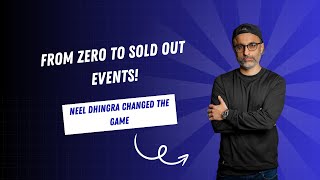
Neel Dhingra talks about building a mortgage business from processor to leadership, influenced by Gary Vee's content-first approach and his Forward event. He shares how he scaled through recruiting and systems while balancing work and family, and offers practical advice for loan officers on social media and personal branding.
There's a sign of a leader is when somebody comes when you're around them or when you're doing something with them, they inspire you to do more, you know, or they like, they want you. You feel energy from working with that person.
But what's interesting to me is that you were asking yourself those questions along the way. Yeah, a lot of times that doesn't happen. There's. There's just a disconnect there.
Right.
So you were actually, you were kind of assessing the situation and then applying different tactics to get better results. So. So how many of you may be at a crossroads in your career at this point? Maybe disenchanted with your business, with the role you play within your industry? Well, today I'm here with a special guest, Neil Dhingra, and we're going to talk a lot about some of the transitions that he made in his career that have really, really elevated his business and actually taken him to some very different places in the mortgage business. So, Neal, welcome.
Thank you. Thanks, man. Thanks for having me.
Yeah, I appreciate it. You know, it donned me. You're usually on this side of the microphone.
Normally I'm doing the interviewing. So this is kind of cool to be the interviewee.
Yeah, I'm excited for this. You know, we've known each other for over a decade now.
Yeah. 2014, I think, is when we started.
Yeah. And I've seen a lot of changes over those years with you both, I think, personally and obviously with your career and business wise. And so, you know, today I think what I'd like to do is cover some of that. You know, we're used to seeing a very polished, finished product in you, but there was a path and a journey that took place behind that. Right. And to get you to where you are today.
Yeah, that's like the. Just how you said in the beginning, so many people are at a, maybe a crossroads or just honestly burnt out. Maybe they don't even know they're at a crossroads. They're just like, they like what they do. Maybe they like it a little less, you know, than they did five, ten years ago, but maybe they just feel a little stuck or burnt out on it. And so that's kind of like what led me to try and change into this. As you. We were talking before the episode like, of this new modern loan officer, like, you know, digital first and content first. And then that led to all these cool things that I didn't even think were possible.
Yeah, I mean, I think that's important because obviously the world is Evolving. And the mortgage business is as well. And so I think it's guys like you that are leading the way and showing a path that a lot of other originators are following. So. Yeah, so let's dig into this a little bit. So, you know, I'd like to. I think we all are a product of our childhood influences. Mom, dad, give me a little bit of background on you.
So me, my brother, sister, and I, it's kind of a unique situation. I don't know of any other family where there's all three siblings are in the same. In the mortgage business. It's kind of weird. I know. Brother, sister. We're the first, you know, brother, brother, sister in the. In the mortgage industry. And we started off not that way. So I'm like, you know, my brother was in. Arjun is in was. He got into mortgages straight out of college. So he was literally doing streamlined refis for a guy out in Vegas. I don't know how they heard about this, but they were in a frat house and they heard about one of the guys, the frat guys, was doing a bunch of refis and making a bunch of money. This is like 2002, 2003.
Typical story.
Yeah, yeah. In like a call center type environment. And my brother's like, hey, I'm gonna make some money. Like, you know, almost like a side hustle. He was a full time student at unr, and then he started doing these refinances, and he was making pretty good money. And at the time, I was, you know, I went to college, I was in the UNR as well. And then I was working at a bank, US Bank. And he's like, hey, you got to come check this out. Like, we're making what you make in a month, in a. In a freaking a week. Like, you need to, like, learn about this stuff. So we kind of. We grew up always doing things. Like, we talked a little bit about this before, but my brother and I grew up, even Shivani got into this in Taekwondo. A lot of competition, just sports, just always competing. And, you know, I don't know what the connection is, Chris, between this, like, but there is some connection with, like, that competitive greatness, you know, and also taking that into entrepreneurship or into business. And so I was. Had regular jobs growing up, high school and college, but there was not that competition that, you know, that sales brings, you know what I mean? Like, getting on the leaderboard and trying to get more in and, you know, dominate. And so I didn't have this. And then kind of just Led into it in college when I got into the mortgage industry. And then that's when I kind of like got into more of a sales thing and learning about all this stuff and always wanting to be on top and beating, you know, trying to beat the competitors and all that stuff. But it came from a sports background.
Yeah, and with many, it does, because that just sort of sets a tone. But were your parents competitive? Were they?
No.
Did they push you in a certain direction?
No, it's like a typical immigrant family. Like, my parents came from India, and then they kind of just always told us to. To, you know, study hard. Like, they want us just be good students, you know, Like, Indian family wants you to be either a lawyer, doctor, or like, you know, something like that. And if not, you're kind of like a failure, you know, so.
And all three of you landed.
We're completely different sales, like, totally different. But. But they always told us, like, the importance of hard work, you know, putting your head down, doing the work, you know, and. And then for sports, they kind of just got us involved in. In martial arts, that was the first thing they kind of got us involved in. Just like, like, hey, you guys should try this. Maybe it was because, like, the movie, like, the Karate Kid was popular at the time, like, in the 80s, I think everyone was into, like, martial arts was, like, popular for a moment there. And so they just put us into it just to have us do something. And then from there, my brother ended up sticking with it all the way through adulthood. He became world champion. I quit doing it in high school.
But when you say. When you say you quit, that's not quite fair because you achieved black belt status.
Yeah, yeah, for sure. So I think I was the, at the time, the youngest black belt. I don't know what age I was exactly, but at the time was like, the youngest black belt in that federation.
Okay, wait a second. Yeah, so the youngest to achieve a black belt within whatever organization you picked. So that speaks to. That's the foundation. That's a building block that really sort of gets you here.
And since you brought this up now, I didn't even thought about it that way, but yeah, it's probably like, starts from. From when you're 8 or 9 years old.
Did your parents promote competitiveness between your brother and sister?
Yeah, they just wanted us to do well in the sport. So they got us involved with a dojo or whatever school, and then they would take us to all the tournaments. And similar to what you do with your son now, we were on the Road with Taekwondo tournaments.
So they were very involved.
Yeah, so they were pushing us to do that. And then also, how do we get more like, after hours, like, you know, almost like a tutor, but like training after hours, trying to get better at the sport.
Okay. And were. Were you a good student in growing up as a kid?
Yeah, I think it just taught us, like, a lot about discipline, integrity, you know, hard work. Like, sometimes you don't want to go, but you had to go anyways. And then it is, like an individual thing. So, like, with team sports, it's different, but, like, it's almost similar to, like, tennis, for example. Like, you're on your own in. In the ring or in. In a competition where you're doing, you know, different things in Taekwondo. And so it's on you to, you know, get good at certain things and protect yourself and be aggressive. So you kind of, like, learn to rely on yourself.
That's interesting. So can you kind of see how. Yeah, that benefits you today?
For sure. So I think it starts then and then, you know, like, we played different sports in high school, like football and things like that. But it is. I think that part is the. The main thing is, like, there's always teamwork and cooperation, but then at the end of the day, you got to be the guy that you can rely on. You know, like, your teammates need to rely on you, but also you got to be able to rely on yourself, keeping your word, doing what you said you're going to do. That kind of stuff.
Was there anything that happened kind of during your early childhood that kind of impacted you or any sort of influences that you had that may have kind of given you even more, I think more.
It's more like this. If you ever talk to people who are really good in sales or entrepreneurs, they were always had this, like, knack or kind of idea to make money, you know, and it may be like a freaking lemonade stand or selling stuff. For me, I wanted to, like, sell things, buy things, and then resell them. Or you always hear about people just selling baseball cards or any of this weird shit, you know, that we used to do back then. I was always interested in trying to find new businesses, you know, like, as. As young as, like, 11 or 12 years old. Like, hey, here's something I read about. And we didn't have the Internet back then, but it was like, we would read about it or watch it on TV and see different ideas. So I think that that's like a trait of an entrepreneur these days or somebody who's really Good in sales is like, if you look back to their childhood, what were they doing? Something weird. Like, everyone's playing video games, and then you're trying to figure out how to sell, you know, resell your video games for a profit. And you're, like, figuring out the margin or some shit. You know, stuff like that.
It all starts there, right?
Y.
You know, as I've known you over the years, you've definitely. You've changed. Your personality has become a little more outgoing.
Yeah.
Would you have considered yourself at that time introverted or sort of socially awkward? How would you. How would you.
I think, yeah, I was more of a nerd. My brother is more of an outgoing guy. He would be the guy, you know, speaking up at, you know, events and doing these things. I remember, bro, I was so introverted that Arjun got married. This is pretty recent. I mean, this is like 2000, 17, 16, something like that. Probably 16, 2016. And I'm the best man. I'm supposed to give a speech and I can't speak publicly. Like, it's a big fear. Like, it's almost like I just freeze up. So I could speak to my customers. I could speak in a group of, like, if it was just me, you, and a few people, that was fine. But if I got in front of, like, 50, 100 people, I just choke up. So I remember writing down the whole thing on my phone, you know, on the notes, and then just literally reading it. And, I mean, nobody cared. They were like, you know, everyone's forgiving. It's just family. But I remember thinking, like, now I look back, I'm like, man, I could have, you know, I should have put my shit together, gotten in front of the group and be able to speak properly. I just put my head down and read the thing.
I don't care how well you do, you always have a regret going to something like that. You missed one thing. You left a person out. Something you could have done a little bit better.
But the important part about that is, like, if you are trying to get better, I think that something happens. Maybe it's like somebody told me this is age 27. It was the mark for some people that if they're not a certain type of person by age 27, they're kind of just that way forever, you know? And like, my case there wasn't. I changed later, like in my 30s. But so it's not too late. If you're watching this and you're like, hey, man, I'm 39. Is it all over?
But I'm 55. I feel like I'm still got a.
Long way to go, but there is something to be said. Like, you know, there's something that changes. And so I don't know what it is, but at some point, like, I was like, well, I want to get better at this thing. Like, I want to get better at communication or networking or speaking. So the point of this is to say, hey, like, if you suck at public speaking or if you suck at communication, like, you can get better. It's not that you're just a nerd or an introvert, and now you're always going to be that way. I think a lot of people put themselves in that box and then they're like, dude, just not the guy for that.
But you challenge yourself. Yeah, right. You made it a point. I have this specific skill I want to get better at and I focus on it and I accomplish it.
Yeah, it's just reps, you know, I think about, like, I, you know, everyone always uses fitness analogies, but, like, when you first go to the gym to lift. You can barely lift the bar, you know, and then all of a sudden you're pushing all this weight. So I think it's just, literally just the reps of getting. It's a. Your mind's a muscle, you know, you can. You're communication skills are the same way. Somebody said the other day to me, they're like, chris, or they're like, neil, hey, you've changed. And I'm like, yeah, I know. That's the whole point. Like, you're supposed to, you know, at some point, like, they think of it as a. Some people would say it's a knock against you, like it's a bad thing. Hey, you've changed. But I think of that if you look back and you were trying to get better, and you look back four years ago and you don't cringe a little bit at what you were doing or saying, then you're doing it wrong.
Absolutely, absolutely. So let me switch gears a little bit. So, family. Now, I've heard you say on a number of occasions as you've been up on stage or in front of a group of people in a webinar, you've said, if you don't have your family shit straight, then none of this matters, none of this is gonna work. Where does that come from?
Just how we were raised, parents always told us the value, like, the importance of family. And, you know, even growing up, me and Arjun were a couple years apart. My sister's younger than us, but we Were always told like, hey, you got to take care of each other. You know, like, your family's what, at the end of the day, that's all you got. And so we always just were told the importance of this family unit. And then as I got older and got married, I started to realize, like, hey, you know, there's a lot of people. What's the divorce rate in the country? 50%. But like in real estate and mortgage, or probably in entrepreneurship, it's got to be worse. Because if you're like me, your brain's always going, you're always thinking about new things in business. And this is what I found out. There's a. I was, I thought this because of the way I was raised. Coming from an immigrant family, I thought that the man's role is if you look at a pie chart of like, what you're supposed to do is to be the provider, that's it. So if you're providing traditional, right? You're good. Like my dad, he provided for us. He wasn't outside throwing the ball with me. He was working all the time. You know, like, I remember he was always working. And then he also was getting his. And then he got his PhD and he was doing all these things. And he, he was like a 30 year veteran of working at the, in the university system, in, in the administration. So he was always busy. It doesn't mean that we had a bad relationship. Like, we're, we were cool. Like, we, we. He would do stuff with us, but it wasn't like the typical, you know, American story of a, you know, had. So I think it's just a difference between immigrant family versus how things are today, maybe. So I didn't think anything of that, but what I found out was, you know, that's just one piece of the pie, if you think about it, right? I mean, you, you know what I'm talking about. Like, it's not. They don't. At some point they're like, okay, we're taken care of. What about this, this and this, you know, and the other things that a family needs from you? So I started to see, like, hey, if, if I don't show up more for my kids or for my wife and be a better dad, be a better husband, then it starts to, like, cause strife at home. And then that strife comes into your work. So you actually perform worse at the, at your job. You're preoccupied. Maybe you're in, in more arguments than you should be, and it impacts your performance, you know, and then now, because you're not Doing so well at work. It's a negative cycle because now you're like, okay, I'm not doing so much. Maybe you start blaming other people for why you're not doing good or you get down on yourself. That makes your results even worse and it kind of becomes this negative cycle.
So were those changes that you had to make?
Yeah, for sure. So I think everybody kind of goes through it depending on how busy you are, you know, how things have come up. But I've had to adjust a little bit of like, hey, yeah, there's more to life than just making money and, you know, being. Trying to be working all the time. I get kind of obsessed sometimes.
But I don't think you can under, kind of underestimate the importance of a support system at home.
For sure, yeah.
I mean, it's critical. I know it has been for me. And without the support of my wife, I would not have. I wouldn't be where I am today. Do you feel the same?
For sure, 100%. So, like, but when things are like, if you have children, maybe it's like your wife takes more of the lead on that and you take more of the lead here. But at the end of the day, you guys are all a team and maybe both people work. It depends on. Every family's different. But if you're not a team, then that's where kind of things go south, you know?
And I think especially in your kind of the space that you've gone into, social media, it's so easy to be connected constantly.
Yeah, right.
So, so how do you, so how do you. How do you manage that part of it? You've got your, I mean, I would consider you sort of, you know, the. At the forefront of. In terms of mortgage and real estate. Social media expert. How do you hit that off switch?
So it's. I think it's more about just being better at communication. Somebody told me, like, oh, my wife's always giving me grief about how much I have to work and she's always nagging me. I'm like, well, bro, have you told her, like, what you're working on? Like, what's the goal? If you know, what's the path you're on? Maybe there's like a season where you have to put in a lot more hours, but then that's going to be. There's some reward, you know, at the end, and we can all sacrifice for that. So I think most of the time it's. There's no communication. So you're just like, oh, I got to Work, man, what do you expect me to do? And maybe it's like, hey, I'm setting up, I'm working on this new marketing. Plus I'm doing my regular job. It's almost like two jobs. So for the next X months, I'm going to be kind of doing more. But the goal is now we're going to get this or now we're going to move into, have more opportunities or the business is going to be better. Can we work together on that? You know, just have the conversation. So I think most people skip over that part and then they end up like, that's the, that's where shit breaks down. But now what I'll do is, you know, there's this thing like if you, if you give your customers your best attention, your co workers, the people on social media, they get all the best of you. Like all your, you know, your best content, your best energy, you're happy, you're giving out. And then as soon as you get home, you're like, I'm fucking tired. And now your family gets what's left, right? That's not fair, bro. Like, we. You shouldn't be treating like your customers better than your own family. So you come home and your kids like, hey, I want to do xyz. I'm freaking tired, man. Kick rocks, you know, versus, like, you would never say that at work during the day. So I think it's more of just like making sure that you're not like expending all of that and then you come home and kind of turn it off. So I just, what I do now is like, you get in the garage, kind of just flip the switch, you know, like, hey, I'm not going to be on my phone when I come in. I'm not going to be complaining about shit. Like, yeah, we talk about stuff we're. That we're struggling with, but I think a lot of people bring the whole stress from the job into the house and then it's like, man, that kind of sucks for the people in the house.
Yes. So again, you saw a potential issue.
Yeah.
Focused hard on it. I mean, it's not easy. You're absolutely right. It's a conscious effort. And you have to really make an effort to come home and elevate your game so that you can be just as good of a dad as you are on your day.
I think people should just ask themselves a question, like, what's it like to be on the other side of whatever it is you're doing? So it could be like, okay, on customer experience. What's it like to be a customer of ours? From the application to the closing, what's it like? And then you might put yourself in that position, but, you know, this is kind of tedious. This part sucks. Or, hey, I'm one. I'm in the dark. I don't even know what's going on with my deal. I'm anxious because I don't know if we're closing on. So then you have to ramp up. So I think put yourself on the other side, See? And then you'll see what improvements you could make. Same thing is true with your personal relationship. Like, what's it like to be married to you? Is it cool? Like. Or what's it like to go out on a date with you? Are you just talking about work and complaining about your shit? That's not very fun. Like, that's interesting. Yeah. Like, what's it like to be your son? Are you just glued to your phone all the time? You know, like, you're not even paying attention to him. So if you think about, like, what's it like to be X on the opposite side of whatever it is you're doing? You kind of put yourself in the other shoes, and then you're like, oh, shit. Like, hey, maybe I need to fix xyz.
Yeah, I mean, that's a great point. And what it takes, though, is some real honest reflection, Right? You have to be honest with yourself, otherwise you're not gonna win.
And then people will tell me. They'll be like, well, the other. It's the other. Well, if I'm gonna do that, the other person's do that too. Well, you have to do it first anyways, you know, so somebody told me who was complaining about this. Cause I feel like this happens a lot in our industry. They were like, you know, well, my wife's this and this and this. And that's why I'm this way. I'm like, well, take that out of the equation. Why don't you just fix your thing first and then watch what happens? And usually the other side will come around, too.
So it's about taking that leadership role, being the first to make the effort.
Yeah, you're the leader, so you might as well take the. If you're that person in your household.
Yeah. So what examples are you trying and hoping to set for your kids right now?
Just that, you know, I do want to show that, the importance of hard work and, you know, innovation, all these things we talk about. My daughter's actually in a class at Faith Lutheran here in Vegas. She's like learning video and production. They have like one of their electives and so she's learning about this stuff too. So we can talk about it. So that's really cool to talk about new things that we're doing. But then also you could ask like, you know, words that come to mind when they think of you, you know, like hard working or, you know, high integrity or whatever those things are that you want to set the example. So I just think of like leading by example. Same thing with like our staff, like your los, like you want them to do business a certain way. It starts with how you're doing it.
Absolutely.
I remember telling people to do more video, but if I'm not doing more video, then how are they going to do it?
Know what I mean? Absolutely. So let's switch gears over to the business side of this. So we spoke briefly, kind of how you got introduced to the mortgage business, but this wasn't a business. You didn't go to college thinking you were going to come out into the mortgage industry.
I don't think anybody is in mortgage that chose to be in it. There's nobody. I think you just randomly end up in it. And it's, it's a, it's like there's some, definitely some tough parts about it, but it's, if you think about it, it's an incredible business. Like, we get to help people with a really cool process, a big piece of their financial, you know, of, of the money that they spend on a property. And it's a, like homeownership is such a big thing in, in the U.S. so it's like we get to be a part of that. It's really cool. And then the financial opportunity industry is, is insane. Like, you know, good people in our industry make more than physicians, they make more than business owners. And it's rewarding work. So it's a really cool thing if you think about it that way.
How long did it take you to kind of lock into one of those passions?
Right?
Because usually it's either, hey, I'm $ motivated or wow, I really, I enjoy taking part in the largest financial decision an individual make. And the American dream. When did that come together for you?
I started as, as a processor. So I was working, I would do some deals, but mainly I was learning like the process of getting deals done. So I would handle them for kind of the whole team that we had. And then I got more into sales. But initially it was like making the process more efficient so that we could do he could handle more business and just being able to. It was almost just the beginning about money and competition. Like, you know, how can we make more money? And how could we be the number one team in this division or whatever? And always wanted to be on the leaderboard. But then along the way, as I got older, it became more about like, oh, you know, like, we can help our agents and do better business. And then they thank you for, you know, your effort and you feel good, like you get fulfillment from that and then obviously from the clients, especially, like, people who didn't think it was possible. And now you told you showed them away. So that, like, I started. It's. I guess in the beginning it's more about the money, but then eventually, like, that clicks of like, oh, like the work we're doing really matters. Like, these people are grateful for the work we do and we can really impact people.
At what point did you realize that you wanted to be a leader?
So that's weird. Like, I didn't even think so. I just kind of did by accident. So I just noticed that, you know, there's a sign of a leader is when somebody comes when you're around them or when you're doing something with them, they inspire you to do more, you know, or they, like, they. They want you. You feel energy from working with that person. So I was not that person in the beginning of my career. But then as I started to do more things and put myself out there, it kind of just accidentally happened. So there was no plan to be like, oh, I'm going to be the leader, blah, blah. We were just. I knew more about the, the business and the ops, and I was just kind of the branch manager in terms of just knowledge. Like, I knew all the programs, I knew how to get deals done. I could solve problems. People come to me with all the problems. I could solve them. That was it. If you needed a script for, like, how to close somebody, I could give it to you. If you needed to get this deal done that was stuck, I could get it done.
Yeah. I mean, that's not easy for everyone, that transition. And a lot of people in our business are great at personal production, but then the minute that they kind of take that next step and now they're responsible for people, two things happen. Either their own personal production suffers or they. They kind of find that this is a path for them. What was it for you?
So I think I was just learning more about business in terms of, like, how to grow your business. And everyone always talks about scale, like okay, how do you scale your business? So we're like individual loan officer. You're trying to get deals. You can only do so many deals. You only so many hours in a day. So how do you scale that? So then it was like, okay, we're going to hire some help, a processor, loan officer, assistant. And then I saw the benefit of that, how it, like, gets you the help that you need to go get more business. And then what really kind of flipped the switch for me, and a lot of people would never do this is at some point, if you want to transition to not just your own business, but helping other people get business. So I don't know who said the quote, but it's like, you can make money in sales, but you'll get rich if you help other people get rich. You know, it's like, if you help others, that's the unlock. And so that's when kind of things happened where, okay, hey, we're gonna go recruit some other loan officers and bring them in, and we're gonna really provide value to them and help them grow their business. And yeah, when they succeed, we succeed. Cause we'll get a little bit of that success as well. And then it kind of scales from there. So it was more just about like, hey, how do you scale a business? And then all of a sudden I'm like, okay, well, now that these people are here, how do you keep them? How do you keep them happy? So then you learn about leadership. And like, okay, we need to have calls, and we need to, like, lead by example, and we need to inspire them and keep them motivated.
But what's interesting to me is that you were asking yourself those questions along the way. Yeah, a lot of times that doesn't happen. There's just a disconnect there. Right. So you were actually, you were kind of assessing the situation and then applying different tactics to get better results.
Yeah, so it just comes from, like, reading business books or like, you know, for me, if I'm bored, I don't watch, like the latest Netflix thing. I'll go on YouTube and watch a freaking somebody talk about productivity or like this new hack or this new software. So I just would get into those things, then learn about these and then try and implement them.
So this is a good segue. So you're absorbing, you're taking in now you sort of at some point transition to being the person providing the information. So I don't want to get ahead. But because you really, you came to this kind of where you're at right now, it didn't come fast and easy. But there was sort of a moment for you in the, in your, in your career where you realized maybe you needed to make a change. Tell us a little bit about that.
So I was doing the latest tactic for every up and down for the mortgage business. Anybody knows real estate mortgage, it's like peaks and valleys, ups and downs. So I remember before the crash, it was like, you know, we were doing a lot of refinances and then we got into a lot of people just wanting to buy homes, like with any. Remember, like you just had to have a pulse and you could get a loan. So it was like those, the good old days. So then it was like this huge run up and then all of a sudden it stopped. But then the next thing was like, okay, the government stepped in to help with certain programs to help people who are struggling with certain types of refinance programs. How do we target those people? So it was always like, what's the thing that's going on right now? And how do we capture it? So we kind of jump from like that. Then we're doing mailers. I remember we bought a bunch of machines to like send out direct mail. Instead of having to pay third party for it, we did it ourselves. And then I was like, well, you know what, when we bought this one machine that would actually put the stamp on it instead of the bulk box, you would improve your open rate. If you could improve your open rate, you get more calls. Then we found out that if you could make the addressing look like handwriting, more open rate. Right. So then we tweak that and then you know which piece is working the best. Like, is it a postcard? The last one I remember direct mail we got into was there was these envelopes that look almost like a FedEx, but they're not. It was like a rip off of a FedEx.
I know what you're talking about.
Yeah, those mailers had the highest open rate. Then it was snap things where you like rip them open. They look like a check. But it was a, it was things. So anyways, I would just get into like, okay, this is like a video game for me. It's like, okay, how do we get more people to open this thing? And then it was from then we went into email, mass email marketing and, you know, subject lines and how do you get people to open your emails? So it was always like just one opportunity to the next. But what I eventually got into, more of like cold calling and leads coming from aggregators. So like we would partner up with these offices, and they would be working with Zillow, for example, or, you know, Sync or any of these platforms. And we would get a bunch of leads and we'd have to convert. And we were primarily talking to people who didn't want to talk to us. And also we would be reaching out to realtors who were to be referral partners. The realtors didn't want to meet with us. Now, eventually, you get past that, you meet with somebody. So we had a few that, you know, we were always, like, in the top, you know, one or two branches or, you know, top three. So we're always doing well. But it was a lot of work. Like, it was like, man, you just feel like you're swimming upstream. And so at a certain point, I was like, dude, I'm getting burnt out. I'm making good money, but I'm just tired of running. So it's like I'm on a treadmill. And as soon as you stop running, your business stops.
That's right. And each day you get up, you feel like you're starting from scratch.
Yeah. Like you're as good as this month's pipeline. So, like, somebody, yeah, you've been in the bit, and that's just the way it is even to this day. You could be doing mortgages for 20 years and someone says, hey, show me your pipeline this month. If it's empty, you're worthless. What about all the work he did, man? What about all the knowledge? Well, it's worth something, but unless you have loans or deals, it's not worth anything right now.
That's tough.
So it's a tough reality. Yes, there's a high reward, but there's also a lot of pressure. You're always like, how am I going to get more business? So I was just thinking, dude, there's got to be a better freaking way, man, to, like, have some value to where people treat you better and all this. So that's when I started to just see videos and content on YouTube and Facebook and Instagram from these influencers who were talking about personal brand. Like, how do you build a personal brand? How do you scale your communication like this? I was learning about how, like, when you send videos out, people treat you better because there's some higher perceived value of video versus cold calls and things like this.
And this wasn't specific to the mortgage industry. This was just general.
General, okay.
Yeah, but you were connecting the dots, right, as how this could then apply to your business.
Exactly. And then I was reading a book from Gary Vee crushing it at the time. And he wasn't talking about our industry, was just talking about this new age of media and underpriced attention. And there's so much attention shifting to these platforms. And it was almost early days at that time, but he was like, man, everybody's going to be on these platforms. They're already on there and it's going to keep going. And so if you're not here on these devices and online, you're going to get left behind. It was. He was way early, but it was true, right? So I was like, okay, well, how do you get there? Well, then I remember seeing the same dude, Gary Vee, speak at real estate events, and he was talking about, like, how realtors. And then eventually he spoke at mortgage events about how they could apply it to the industry. I was like, okay, now I'm connecting the dots. It's not just specific to other online marketing. It would work in real estate, it would work in this. So I started to see some use cases. And then I remember going to an event. There was one of these marketing events and it was like Grant Cardone and this guy Patrick Bet David and Tai Lopez and all these Internet marketers. And it was going to be an event and they were. The guy hosting the event was in la and he was in the mortgage business. And I was like, what's this guy doing hosting a marketing event? So it kind of caught my attention. So I was. I just decided to go to the event to see what, what the deal is. And when you bought the most expensive ticket to the event, it came with a coaching call with the guy. It was like part of his offer. So I bought that ticket. It was like, I think it was 2,000 bucks for a ticket. So he jumps on a call with me and he's like, you know, he's asking me my numbers and how I get business. And he's like, are you doing anything on social? I'm like, no, not really. He's like, well, here's what you're gonna do. You come to this event, get a videographer, and you're gonna make like a video about your experience at the event. Then you're going to use that to get business afterwards. I'm like, how is that going to work, man? Who's going to watch the dang thing? Who's going to listen to this? And he's like, just get one. He's like, hey, Neil, side note, when you're at the event, if somebody's following you along with a video, they're going to think you're more important. So it's going to help you like, network with people, with realtors and other people who are at the event. And I was like, true. It's true. So I was like, I didn't realize it. So then I'm like, okay, I'll do it. I'll take action. Even though I don't know what I'm gonna say on a video, I'll just do it. So I go on like a website. I think it was like a thumbtack or like videographers in la. And this website comes up in Google search and it's like, okay, I'm looking through the results of event videographers and one of the dudes videos in the list is like, looks a little better than the other ones. And it was Eric, this guy who you met. I don't know. Like, you've seen him, of course.
Yeah, I know Eric.
I'm still working with him now. Five years later. Sorry, six years later, something like that. But anyways, I just luckily saw his video, called him up, he's like, yeah, I'll come. 500 bucks. I'll come meet you and we'll film some videos and. Yeah, cool. What do you want to do? Like, I'm like, I don't know, bro. You tell me. I'm not. I don't know what I'm doing. So he comes and meets me and it just so happened that like, he was. He knew what he was doing, you know. So he made the video, like less about me and more about the event. I said like, maybe just a few words in the video. Like, anytime I talked, it was bad. Like I could barely talk. So we. I spoke a little bit. I still have this video somewhere. But anyway, so I made that video. And then while we're there, bro, I was talking to people, like, walk, you know. Cause I was in the VIP area. So I would go talk to Grant Cardone and like, say, hey man, you know, big fan, can you sign my book? And I'm talking to him and he. Eric's getting the B roll of me chit chatting with him and the next guy and the next guy. And then he puts together this highlight video, which makes me look like I'm part of the whole thing, you know?
Yeah, you're a superstar.
Yeah, while we were there, one of these los who was in there, who was at the event, he's like, he comes up with this book because he sees me being filmed. The handbook for the event. He's like, could you sign my book. And so we, yeah, we're just laughing like, dude, this guy's a dumb advice. Like, and the guy wasn't, like, the brightest ello who put on the event. But that one piece of advice really, like, started the whole thing for me.
Do you. I want to go back just a little bit, though. Were you ever at a crossroads to where you considered quitting?
Oh, yeah. Like, I was thinking that. I think it's actually normal for anybody who's doing real estate or mortgage to ponder leaving the industry monthly. I think, like, you know, you're not normal if you're not thinking about, like, hey, how could I get out of this thing? You know, at some point, I can't keep doing this. So these thoughts always kind of in your head on the ups and downs. But I was thinking at one point, I think it was 2018 was a slow year. I don't know. Rates had gone. It wasn't as bad as what you're right. I agree. I remember rates went up to like five, and they were like three or something. And all the business kind of dried up. All the call centers laid off, everybody. Our pipelines were cut in half, and we had to lay off people. And I was just thinking, man, I've been through so many of these ups and downs. I think I'm done. Like, maybe this, you know, I don't want to continue doing this.
Yeah, I mean, I just want to. I really want to understand how important that transition was for you. So if you were on the precipice, right. Or the edge of potentially leaving the industry, that transition from the hamster wheel that you described earlier to now finding a completely kind of different, although same, but a different path within the industry, how life changing that was for you.
Yeah, that kind of got me excited about the whole thing again. So it was. Yeah, there's all these things that we don't like about our job, but if you can find a few things that you do and you kind of focus on those, that can be enough, you know, like, you can start to delegate some of the other things that you hate about the job. Maybe you hate, you know, processing and all these little things, you can get help for that. But sales and marketing, or they call this like, your job, if you're in this business, is to make it rain, is to bring in business. Right. So that's the highest and best use of your time. So if you can find something that actually brings you some energy around that, that's when, like, you can really hit the thing. So I don't know about, like, success isn't necessarily working harder. It's like getting some energy from what you're doing because you'll burn out. You can only work hard. I mean, you can work hard, but like, that just as discipline, at some point, you get tired of doing that, but you got to find something that, like, gets you excited.
Well, and I think, too, there's only so many, and I've heard this described in a multitude of ways, but ultimately, there's only so many hours in a day. There's only so much energy that an individual has. If you can spend the vast majority of that time that you dedicate to work and something that you're passionate about, you're going to see a greater success.
Yeah, but I think one of the.
Things that can be a little bit discouraging is when I look at your presentation, whether it's the forward event, which was amazing, or your social media, you know, Instagram page, I can look at that and go, man, I'm never going to be that good. What do you say to someone like me who's getting started, who may feel like, man, this is a big mountain to climb. I'm 55 years old. What the heck am I doing?
Yeah, so I started, I think, 38. And, you know, somebody might say that was too old, but I didn't get really good to, like, in my 40s. But I think the part that was interesting was, even with the putting out the content maybe that I would look back at and cringe, it was still worth it. I was still getting results. So, for example, that dumb video that I made, I just told you about, that got me something. People started treating me better because of that, because I put that thing out there and like, oh, man, you were at this thing with these people. I'm like, yeah, I was there. I'm going to do a. Let's have a. Let's meet and I'll give you my biggest takeaways from the event that I. Cool. I want to meet with you. I was like, oh, that worked. I didn't have to ask the dude, beg him for a coffee. He wants to come meet with me now. So it kind of like, I was like, oh, I can leverage this to get people to want to talk to me and want to work with me and respect me. So even with bad videos of me not being able to do that good on camera, the bar is so low, you know, like, so many people aren't doing it that if you're just a little bit above and you're trying People respect that. And so they. It was getting me deals and it was getting me more respect. And then other people within the industry started to say, like, hey, could you show me how to do it too? So that's when, like, it kind of took off from there. But that's the important part is, like, you don't have to. Like, I spent two years probably trial and error, but even during that time, I was getting. Still getting growth.
How did you get over that fear part, though? And I know we've talked a little bit about. You've engaged with. With coaches and different people to help you up your game, but I mean, when you go into something especially. I mean, I would consider you an early adopter, especially as it relates to the mortgage industry, social media early adopter. How do you get that confidence? And then on the other side of that, what sort of doubts do you still have to this day when you put something together?
Well, you first start thinking, what is the audience gonna say? What are the people around me gonna say? And you think that there's this spotlight on you, that everyone's gonna be watching you. But what you find is most people are just concerned with themselves. Like, they're not watching you with the microscope, trying to see, like, what's Neil doing? What's the video like? And honestly, it's just kind of. You realize you're just a flash in the pan for the day. If it sucks, they just scroll past you, no harm done, no foul. And so you start to realize you're not that important, you know, like, in terms of. I know you're important to your. In your world, but, like, to the social media world, you're just another video that popped up in the feed. It was either good or was bad. And people move on, and there's no. There's no damage done unless you're doing something crazy.
So the pressure to produce this perfect, high quality, it go. It goes away at that point when you let go of that part of it and realize that you're just one of a million.
Yeah, I think there's like some stat of how many videos are published every minute, you know, on the Internet. And it's like you're just one speck of those videos. So, yes, you do want to try and make the best video you can, but it's not that important. And the other part that's really cool is, I realized is it's a game of volume and longevity. So I've seen so many people start and just never, you know, they came out hot for a couple Weeks or months, and then you never see them again. Or maybe they took it seriously for a year, and then now they fall off because, you know, whatever. So part of it is just staying in the game because you, by default, you get better. So, yes, the cool part is today, I wish this was the case back then. Today, there's people who are doing the thing at a high level. You can get advice from these people. You can just emulate other people who have already had success. You can kind of find out and do your own version of that. And so there's a lot. The roadmap is a lot clearer. Like five years ago, it wasn't as clear. You had to just kind of figure out your way. I remember I went to one event, the guy said to become the mayor of your town and make videos about local businesses. So I spent the next six months, me and Eric went and interviewed local businesses in Reno. There's videos of me at the local restaurant being like, hey, tell me about the restaurant. I had no freaking interest in this. By the way, the guy who told me about it loved food and, like, restaurants. So when he was interviewing the business owner, that was his passion. It was working for him because he loved it. For me, it was just a chore. So I made, like, I don't know, 10 of these videos. They didn't do anything for a business. Wasted my time and money. One dude's like, hey, Neil, who do you think you are? Guy Fieri? You know, like, what are you doing interviewing the. The local pasta shop? And I was like, man. So that was end up being a waste. But like, so the cool thing is now you can kind of figure out what you want to do. Share your expertise, package it properly, and even as you're learning, you'll still get results. And then the big results will come as you see what works.
Yeah. And I think there's. There's a lot more. There are more examples of how to get to. I heard you the other day. It was YouTube, long interview you did. I'm sorry, I forget the guy's name. But, you know, that was. That stuck with me. The part in the interview, we said, hey, we've made all the mistakes for you guys. We can now kind of advance you very quickly from, you know, all of the things that we learned the hard way. And that's kind of what you're talking about there.
Yeah. And then, like, along the way, I bought into other programs where they can kind of. There's no shortcut for success, but there is, like, there is a Bit of a shortcut when someone can tell you, hey, don't go this way, go this way. Hey, like, that would have been cool if somebody told me not to do those videos. I would have saved six months. So. But, you know, it all happens for reason. Maybe I got better on video during that time. Maybe I got more confidence. So it all kind of comes with it. But as far as actually getting the confidence and not worrying as much, it's literally just reps. Yeah, yeah.
Let's talk about the forward event and that whole program and mastermind. What gave you the courage to start something like that?
So I was doing local classes for agents. So my whole business model was like, okay, I'm going to put out content for the consumer, try and get some more business, and also get some more respect and more referrals. Cool. It's working. I'm getting more business. All right. I'm gonna help my other LOS and try and lead them to do that, too. But the way I was gonna get more Realtors, and instead of having to chase them would be to invite them to a class. So I would invite either recruits or agents to come to an office, just like in a training room. And I would go through teaching, like, what I've learned. I'm not saying I'm the expert. I'm just saying, hey, I've gone from A to B. I can show you guys what works, what doesn't work, save you some time, and hopefully make you some money. Like, people would come and learn. And it started with, like, I remember doing the first one, like, six people showed up, Three people would show up sometimes, but then eventually It'd be like, 20 or 30 people. So we were just doing these at the local real estate offices in Reno. And then eventually I was like, you know what? I want to do something bigger. What if I were to. And this was inspired by other people who I'd seen host big events. I was like, you know what? Who could I bring in as a speaker so that. Not just me, it would be even more valuable to the audience. Like, it would be like, you know, Barry Habib, or at the time, the first guy I reached out to was Tom Ferry. So I wanted to give value to the realtors. So I was like, okay, well, how much would it cost Tom Ferry to come out? So I, you know, message him, and nobody responds. And then you kind of go through the channels, and they're like, oh, it's going to be 20 or $30,000 to bring him out. And, you know, and you're like, okay, well, I can maybe put that together. And so I just wanted to put together an event for the agents that I work with or. And to bring in new people so that they would. We'd provide value to them. And at the end, hopefully that would come in. Turn in. In business back. Like, you know, just give a. Give first, and then obviously you'll get something in the end. So I was doing that, and that big event was the first we. I remember calling it the forward event, but it was just going to be like an agent event. And then I was like, well, if it's just going to be in Reno, not that many people are going to want to come in. I could do it for local agents, but, like, what if all these people who I'd met on Instagram want to come out? They don't want to come to Reno. So we ended up doing it in Vegas. And this was during COVID It was 2021, early 2021. And I remember just one of my buddies here had a training facility, and he had, like, a big office with a training facility. So we did it there because you could do it illegally there. I think at the time, like, you couldn't host an event at a casino. It was not allowed, you know, during that time. So because you had to, like, be. They were like, you have to wear masks while you're speaking. I'm like, that's not gonna work. So it was just like we were trying to figure out a way to host a micro event. You couldn't do big ones because it was too dangerous according to the rules. So we just did it at that event. I remember getting 75 people to come out, and I promoted it on social media. I had Tom Ferry, this other guy who's really good at marketing, Billie Jean, he actually became my business and marketing coach later on. And then another guy, Bradley, and myself, I got to speak there too. And so what happened was I created the event. I went the way I thought of it as I was going to just host an event for people in the industry. It could be Los or Realtors. They could come learn about the latest trends in marketing. And that was it. And it was just. I was gonna see who would show up, and it was gonna be a thousand bucks or something, a ticket. And so I posted it on my Instagram, and I only had like, maybe 5 or 10,000 followers at the time. And some people ended up coming in, but then it kind of hit a wall. It was like 20 or 30 people, and that was it. Like, I have to fill the rest of this thing. So then I just started reaching out to people to let them know, one to one. And more and more people started to come. So we ended up filling the thing up, selling it out in just a small thing. And it went off great. Like, the feedback was awesome. Everybody was like, man, this is amazing. This is really cool. So it was really. That was like the first one I did. And then from there I was like, I'm going to go bigger and bigger from there.
So what I'm. What I'm noticing is that there's a pattern for you in your business life where you're not afraid to try something new.
Yeah.
You're taking risks. I mean, to just. I mean, who are you to say I'm charging a thousand bucks for something?
Right.
And then basically cold calling people to get them to show up. But each time you do this, you take another step forward. What keeps pressing you like that?
Well, it's just like you want to get a better result or you want to make it bigger or better. So how you get better at video is you would post 10 videos, then you look back and see which ones did better than the others. Or maybe you'd look back and say, oh, I sucked here, let me see if I can get better at this. Right. So it's like just like athlete get better. You'd look at the tape. Right. So that's how we do it there. And then I would do the same thing with the classes. Like, how do we get more people to show up? And it traces back to like 10 years prior. How to get more people to open this freaking mailer. Right. Like, maybe I need to get better at my presentation. Oh, they didn't respond to that. It wasn't enough in it for them. Okay, let me think about another presentation. I could learn, like just all these little things. So, like, it's just business, just a game.
Yeah, but you're constantly tweaking and twisting. And that's what's, to me, what's most impressive. Because.
But that's what to me, it just comes second nature. But yeah, if anybody's struggling, that's literally the hack.
Right.
Like, how could you just be complaining and never go back to fix anything?
Well, most people just give up.
Yeah, that's true.
Right, so. So your interview with. With Alex Hormozi.
Right.
And I remember again, there's a little things that always that stick out to me with each one of these guys that were up there. And he said something about if you can be okay putting in like a Lot of effort for an extended period of time. You will always win because your competition will stop. They will quit before you do.
Well, I think this is the, when you asked earlier, like what's the light bulb or the click this now I just realized as we're talking, so I realized this and I think a lot of people have the idea, but maybe they haven't fully thought it out. You do things every day that are good for today's Neil, today's Chris. Like you got to close the deals, take care of the bills, take care of the employees, the business. That's the day to day, every day. But at the same time, anybody who has achieved like next level success or real wealth, they also did something that would benefit the future person, like the five year, ten year view. And so what are you doing on a monthly, yearly basis that would benefit you in the long run. And for most people, sadly, it's nothing. Yeah, you just spend every day closing the deals. That's why you never leave the treadmill, because you're only good for this month. There's no value. So then maybe that is starts with building a team, building infrastructure. It doesn't have to be social media. But then eventually for me it got into that, like, okay, this is now becoming an asset. Your brand, like your reputation becomes an asset that you could leverage to get people to show up. Like the other day you jumped on the webinar and you were like, hey, Neil, it's really cool that, you know, a couple hundred people showed up. All I did was post a thing on Instagram saying, hey, you want to come learn? 200, 300 people show up for free because like, your brand is worth something now. So in the beginning it was three people, you know, now maybe 300 people show up on a Tuesday or something.
Yeah.
But you start from there and then you get better. And then the reason why I was realizing events are so powerful is because in today's world, everyone's distracted. It's so hard to get someone to sit down with you. They're busy, they're running around, it's a noisy world. When you go to an event, you got their full attention. Their phone's off, they're sitting there staring right at you for 30, 40 minutes. You can't buy that type of attention elsewhere. So obviously it comes with some responsibility because you got to do something good at the event. Otherwise you know, they won't come back or they'll, you know, have bad experience. So. But that is a huge thing of like, if you can do live Events properly, it's a huge, it can be a huge benefit.
So. So as you look kind of into the future, then. Yeah, like what, what's. What keeps driving you forward.
So it's just new opportunities, you know, like you just said, for example, that I did at the last event we had. So we went again from 75 people to like 200, 300, 700, then a thousand people. And it keeps growing. And how do you get the courage to ask someone to spend a thousand bucks? Well, first of all, put yourself in the whole 100 grand event. You're like, I got to, I got to recoup my investment. That's the first thing that lights a fire. Yeah, just like, you know, I would give anybody this hack. Just set the date, make the commitment, you know, and all of a sudden you have to do it.
I've heard you say that and I agree with that.
You just have no choice, right? If you're like, bro, we have a podcast today. We don't know how to operate all this shit, but we figured it out, you know, like you just, it just put yourself in a position of some sort of pressure on you and watch how you rise to the.
You perform.
Yeah, you'll perform. You're not going to fail. You might suck a little bit and then you get better. So that was how I did that event. But you know, then to go to a 300 or a thousand person, it's just literally like you realize once you done it, it's actually you're going to spend the same amount of time putting the whole thing together. So if we're going to spend all this time and energy putting it together for 200, why not a thousand? I think eventually it gets to like a lot more work once you get to huge numbers. But there's a certain level of like, hey, if you're going to go one to one with realtors, there's some value with the one to one connection, for sure. But why not make it to where there's 10 people there? So you get this, you're spending the hour anyways, you know, so like, how do we leverage our time a little bit better? I think that's the part of like if efficiency and all that stuff. So, but that's the, that's the thing that, you know, I'm always thinking about, how could, you know, we, we make good money, that's fine. But we only have so much time, so what's the best use of our time right now? And the best use could probably be like, hey, putting out a Video a day. Now more people know you, maybe some more opportunities come your way. You never know.
So how do you feel about the business today?
So right now I think it's like, what did Gary say at the event? He said like, we're in the fourth quarter of like you being able to get on the train, you know. So I think now it's, it's, it's fully like adopted in terms of everyone's attention is online. I know people don't really watch TV anymore that much, maybe Netflix a little bit. But traditional media is dying or dead for the most part. You know that we're in the age of the influencer, so doesn't mean you have to become a big influence Internet celebrity, but you least need to exist in the platform. So I think of like, as we move into that era, there's you know, digital companies that are trying to eat our lunch from online lenders and Zillow for the realtors and you know, margin compression, all that. The only way to really combat that is to exist where they can't. So I think of like Zillow, big, huge company, publicly traded billions of dollars for ad budget. You can't compete with ads with them. But Zillow does not have a local dude in Las Vegas, Nevada putting out videos who you can relate to. They can't, they don't have that dude. Maybe they can try and put out like a company representative, but it's not going to hit the same. So it's like David versus Goliath. But in this case, David in our industry can win because you have the relationship. It's a relationship business. So I just think of when we go back to scaling those businesses are billion dollar companies because of scale. How could you get a little piece of scale for your business? And that's with media.
Are you still passionate about it?
Yeah, for sure. So what's keep me excited about it is a getting more results. But then when something works, I still get super excited about it. Maybe I'm not as excited about like getting the deals done as I used to be, but getting new business is always exciting and then helping people is still awesome. And then now seeing other people at these events and in our groups, they will tell me they tried something and they'll message me and say, hey dude, I tried this and it worked. Thank you so much. Or you changed my business or in some cases you changed my life. Those are really cool messages, man. That's like, that's the ultimate fulfillment.
Yeah, yeah. So what's next for forward?
I Think we'll stay at that similar size, around a thousand people. And then we have other programs that we help people with. Like we have groups that we do, you know, weekly calls. And we have a mastermind of high level people that we help. And so it's just more, you know, helping people There. Somebody was asking me, what's your vision, like for this business or for mortgage or for forward for the next five, 10 years? And I'm like, I don't know. But I just know if we do what we're doing today, we do a good job, it's gonna, like, it's gonna pay off in the long run.
Yeah. Is your family proud of you?
Oh, yeah. Like, it's been cool to see like some of the roles reversed a little bit. Like, Arjun used to be the guy who would do more. He's doing a lot now too. But he would be the guy who, if you ask them, hey, would you ever expect Neil to be speaking? They'd be like, no freaking way.
I've asked that question. Yeah.
They're like, dude, there's no way, like the guy who's reading from his notes at the wedding is not the dude who's gonna be speaking. But it just kind of shows you that anybody can do it if you actually take it seriously.
How much have you influenced them?
Quite a bit. I think like Arjun started do. They both started doing media around the same time, but by me doing a lot more and putting gas on it, like they, they had to. I think they rep. I think it definitely brought them to do more.
So it's that competitive. Would you take taking back to your childhood?
Yeah, right.
Taekwondo. Yeah, competitive.
They started putting out more, speaking more, you know, trying to get more, more influence out there. So I think it like leading by example just inspires other people to do the same thing.
Yeah, absolutely, absolutely.
I know you got, you got free. You got pumped up even after coming to the event. So that's cool. This is a great case study, by the way, is like you come to the first event, the other two years we did, it didn't line up with schedule. You come, I think literally the day afterwards or two days later, you started making changes.
It was the next day. Yeah, that Monday or so, whatever the next Monday was. So I held back a video guy who was there that I had seen, he'd been trying to get me to shoot video content for a couple of years. And so after that, yeah, it hit home with me, man. And there was a lot of great speakers you, obviously. And so, yeah, that Next Monday, I made him come to the office and we shot five hours of video.
That's wild. But that's crazy that sometimes it's like that you already knew that was an idea. You kind of probably could have got through the video even without coming to the event. When you were there, you. You take a book of notes. You take some notes and you learn all these tactics that you can implement. So that helps. And it. But the. But the other part that nobody talks about is the spark you get. That's the part like, you can't just that somebody's arcade. Neil, is it live stream? Can I watch it on Zoom? I'm like, no, there's no Zoom, bro. It's not going to be the same.
Doesn't have the same impact.
You got to get in the room. You're around all these people who have this similar goal of you. There's some energy there. Then something clicks. Like, you listen to this dude and you're like, you have a chance to reflect on your business and your life. You're like, I'm gonna try that. And it creates this spark and makes people take action.
Yeah. I mean, that's the beautiful part about life, man, is there's always opportunity for growth and you never know.
Middle of the. Probably the worst season we've seen in the industry. Meanwhile, right, it's been a tough year.
Well, what I saw there was a lot of people who were there for the right reasons, right? They were looking for growth, they were looking for new ideas. The hope is that they left there and continued that process. And that's what I'm trying to do, right, is to always sort of self examine and understand where I need to continue to improve. Right. And being there that weekend was. It was. It opened my eyes to a lot of different opportunities for growth. And that was. That was a great. That was a great thing.
Yeah. Yeah. That's awesome to see. And would, as you kind of wrap up, though, what do you think about the other Ellos? Like, I know we're always trying to get more of our people to do it. I've started to see more and more of them do it. And then in the last year, I feel like you brought on a lot of people who have the same mindset. So as you talk to more people, are you hearing the same thing?
Absolutely. Look, I think there's always going to be a group that stand out within any organization. And as we add more people that stand out, they attract other people that do the same. And so that that group of people is Growing and they're more obvious. But look, I think the future of the business will kind of be owned by those people that understand how to communicate with the consumer, how to show up in social media, how to be that next level of originator. I think there are parts of the business that are still kind of old school, for lack of a better word. Right. Thank God it's still a relationship business. So I can build a quality relationship with a potential referral partner that could last me many, many years. And that's how I compete against all the online stuff. But I think, look, if I was to put it in, kind of put a little bow on it, you need to be the complete package. You got to be able to do it.
All right?
And I think that those are the people that are going to be successful.
Yeah. And it feels overwhelming to people, but honestly, it could just be like, hey, take your phone out, do a couple little things, like, you know, make sure you have good light and you have some. You wipe your lens. Just little things and just start, you know, sharing one thing a week, and then maybe two, three things a week. That's how it starts. You know, it doesn't have to be this huge thing. I think people think of it as like this huge ordeal that I don't have time for.
Look, I think anything that you learn in your life, you have to commit to it and understand it's going to take time. And like you, I don't think you need to bite off, you know, a huge chunk and try to do everything at one time. Make it a slow process. Right. But commit to it. Do it with a certain amount of frequency over an extended period of time. I mean, those are the keys to success in anything. Right? Yeah, but I think that, again, I think. I think it's, you know, the importance of being a complete package is going to be more important as we go on and as the business gets more challenging. But, yeah, Neil, thank you, man. This has been great. Appreciate you spending some time with me.
Yeah.
To learn a little bit more about you and just look forward to what you're going to continue to do, man.
Yeah, it's going to be exciting.
Good. Thank you.
More from Neel





Don’t let people tell you what you can and can’t do. #personalbranding #podcast #entrepreneur

How to use Ai the right way for scripting. #personalbranding #entrepreneur #ai




Your audience already has a story about why it won’t work. #personalbranding #entrepreneur

The new YouTube strategy to hook viewers. #personalbranding #entrepreneur #podcast