Geoff Zimpfer | Mortgage & Realtor Marketing | NeelHome Podcast
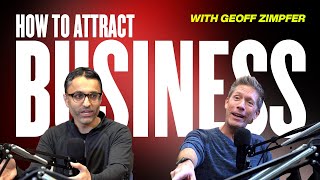
A conversational YouTube podcast (NeelHome) episode featuring Geoff (Jeff) Zimpfer discussing his path from mortgage originator to content creator and podcaster and how mortgage professionals and real estate agents can use video and digital marketing to build awareness, referral partnerships, and business. Key themes: start by creating conversational video with referral partners (agents/builders), repurpose long-form footage into micro clips, use targeted paid promotion to reach local agents, be consistent with content, and emphasize human stories to build trust. Geoff reports concrete career milestones (entered mortgages in 2003, launched first podcast January 2016, had ~150 episodes by late 2019) and attributes significant business growth from content (quadrupled income; ~ $1.2M net income in the referenced year).
Questions this video answers
2003.
January 2016.
About 150 episodes (surpassing 150 as of Dec 2019).
Approximately $1.2 million (net income) for that year; he described quadrupling his business and income.
What's up, guys? We're here in Las Vegas. I got to meet with my man Jeff Zimfer. And welcome to the Neil Holm Podcast. We're gonna get into a lot of stuff today. Let's get it going.
Let's do it.
So, Jeff, you've been doing a podcast for how long now?
Well, 2020 will be the start of my fifth year.
Okay. Wow, I didn't know it was that long. I just discovered you in the last probably six months and started listening and you put out a ton of value. So I really appreciate what you're doing for the mortgage and real estate industry.
Yeah, thank you, man. As you know, it's a labor of love, right? It's not easy. I actually, my first podcast was January 2016. Okay. So, you know, here we are, you know, December of 2019. There's a four year run there and was a slow ramp up. You know, I'm surpassing 150 episodes now. So I'm doing one a week start like that. But now I've got the consistency in place and just enjoy the heck out of meeting people and learning so much from them.
Yeah. And just for the people that don't know, like your background is in mortgage, correct?
Yeah. So for 10 years, I was a mortgage originator in Southern California, Orange County. Did pretty well down there. And you know, it's funny, you get in this industry and as you heard other people say before, you kind of fall in love with it and you can't get out.
You're stuck.
Exactly.
Prisoners.
Even though I've tried to get out a couple of times, I've always had a passion for this industry industry. It's a very entrepreneurial industry. It's very sales oriented. So I really like it a lot and I think I've learned a lot, you know, through it and personal growth and marketing wise as well. And why I do what I do is because I love the industry. I'm just trying to give back and help people navigate the path that I've been on and then share what I've learned by working with a lot of other people.
Yeah, it's interesting you say that because I noticed when I didn't think I would like the. The coaching or the teaching aspect of this because I'm just in production, you know, so I've been running my own team and. And then when we started putting out content, it wasn't with the goal really, just it was just to build more awareness essentially for my team, my brand and all that stuff. But then I kind of got into helping the other originators and the real estate agents in our community and then in the region.
Yeah.
And like, when you help those people, they reach out to you and they're like, take asking for advice. And, you know, it's all free at this point. Right. So you're giving advice, and then when they actually implement it and they say, oh, that's awesome. It actually worked, or, thanks so much, it helps. Like, that actually is almost, to me, like a sale now.
Yeah.
Like, you know, like, you got that big account or you got that deal done, or just getting that feedback of like, oh, you helped me with my business, or, you know, so I just kind of stumbled into that part. But you've already been doing that for years.
So I want to ask you then about your kind of path. Tell me about when you started in mortgages.
So I started in 2003, right out.
Of college, same year I did, man.
All right, that's great. So I started and in Reno, graduated college, was working at a bank, U.S. bank. And then my brother, who was doing mortgages in the area, he's like, yeah, you need to come work for us. We're, you know, we have a broker. Broker shop, and we want to kill it. And it was just a bunch of kids, you know, it was like a boiler room type environment, you know, real.
Hungry, just getting after it. Yeah, yeah.
So that's how I got started and then just wrote it up, you know, through the whole.
Right, right. The boom.
The boom. And then there was the bust. And, you know, we went from 30 people down to two, just me and my brother.
Wow.
And just wrote it out and then wrote it back up again. So this, like, the second iteration now.
So what's interesting, though, is back then, right, 2003, when you and I both started, we didn't have Facebook, we didn't have social media. There was none of that going around. Tell me, because I heard you. You talk about this at the AIM event in Vegas here just a few months ago, where you were one of the people basically telling Gary your story is that you didn't. Did you. Did you believe? You know, because all this stuff came on.
On.
On the scene a little bit later, right, the social media. And then Gary, and we started following Gary, and he says, create content. Did you buy into that right away?
So what happened with me was I was just. Just the normal guy who wasn't on social, just doing my thing. Yeah, Traditional shaking hands, kissing babies, you know, chamber of commerce, you know, that type of shit. So then we're doing Mail, email, all the stuff, you know, over the years and then just noticing that it's working less and less and then noticing that I'm becoming a commodity amongst the real estate agents. I work with the builders and also with clients and then, you know, them thinking of you as just a service provider.
Right.
Like, what's the rate going to be and shop it. And then I just didn't like that path. Right. So I started to think like, how can I change the narrative for my own business? Right, right. So I was doing fine, just doing just fine, but like slowly deteriorating. So I want to, you know, I always tell people, like if, if you're going to be put out, if someone's putting you out of business, why not be yourself?
Right.
Why not be you, your future self, to put you out of business? So what happened was as the, as the business was kind of flat lining plateau, I just started following people on social. I didn't even have an Instagram account until late 2017, beginning of 2018.
Yeah.
So I wasn't even on. It wasn't even on my radar.
Right.
And then I saw these guys doing things and that was kind of early days for mortgage people. And I noticed then I fell in, you know, just landed on my Explore page, Gary's content. And then a couple other guys. A couple other influencer guys in that niche.
Yeah, yeah.
And started learning about it.
Wow.
So it wasn't even on my, on my spectrum.
So you're doing a lot of video now. You have a YouTube channel and stuff. You're doing a really good job with it. You know this as well as anybody. But I'm just curious about your journey. Like how easy was it for you to adapt and pivot and start doing video and stuff? Did you have resistance?
Yeah. So what? I just fell into it. So I said I had a guy I knew that was putting on an event in LA and it sells, a marketing event. He's like, you should do a video. I'm like, why? Who's gonna watch the video? Right? Like. And I don't even know how to do a video. So I landed it just can ended up connecting with Eric, who's my videographer now. And we just did a event highlight video, like sort of like vlog style, right. I do like 15 takes to say two lines, you know, like my intro just really bad, stiff.
Like all of us start.
Yeah, yeah. Like the red light goes on. You're like, oh shit, freeze frame. Yeah. So it was really bad, I would say. And then it. But to me it Was just like working out. Like, you just get better and you get more comfortable. It becomes more authentic. So in the beginning, I think everyone's going to suck.
Yeah, yeah.
You just have to.
Exactly.
You basically just have to jump in.
The deep end and embrace the suck.
Yes.
Yeah. And know that that's part of the journey.
Is that what you're hearing from most of the people that you interview as far as that are. That are doing a lot more video and content these days?
Oh, yeah, for sure. Nobody starts out good.
Yeah.
You know, on video or doing this kind of stuff that we're talking about here and doing. It's not natural, right, to put the camera in front of us and all of a sudden kind of be on. But the more you do it, the more relaxed, I guess. And you don't let those things distract you, you know, I mean, because you focus on the message and the connection, what you're really trying to get across.
Yeah. And I think, like, in the beginning, you don't know your own voice, really. You don't know what your contents could be about. You don't have this whole playbook.
Right.
So you just kind of have to start. And I think people don't realize by starting and just doing it, you kind of figure it out along the way. You know, you don't have to have this whole thing mapped out.
And I think some, you know, one of the things that I know I've struggled with and others as well is like, you know, like you said with the video, who's going to watch it? Part of what still comes up for me is like, you know, you know, they call it the imposter syndrome. A little bit.
Yeah.
But it's like, you know, oh, really? Who are you to say that? Or who's going to listen to me? And what makes you an expert? So how did you get through that, man?
So I knew I had a lot of information to share, and I think I'm not unlike many other people in the industry. We have a lot of experience, a lot of expertise to share with the audience.
Yeah.
But as far as digital goes, I was just a ghost. Like, I did not exist online. So I had my core group of people that I did business with that knew me, liked me, trust me, and I was like, how do I scale that? And to me, this is the only way you can do that. Like, you gotta get. We need more people, you know, that are aware of us essentially to do business with us. And I think of it like this. Like there's this middle piece of the transaction, like from when you get your customer to when you close. And that's the process. Right. Like how you take care of your clients and you know, how you get them through the deals. And you know, many people would say I do an excellent job at this. My clients love me, my referral partners love me. But to me, like that's the middle part that can be replaced because everybody says that they do a great job, everybody says that they have great product, service, all that stuff. Right. They have great reviews. So if that middle part is just becoming a commodity now, like how do we avoid that? And that's the front end part, which is the awareness piece. Right. So like I was, I had this part down, but I didn't have any awareness. So I figured like best, best, like the best service provider doesn't always win. It's the best known person, right? Yeah, best known beats best. So once I got the awareness piece, it was like throwing gas on a fire. Because I think if you're good at what you do now, people become aware of that at scale in your community first and then in your region.
Right.
Then, you know, sometimes nationally and then all of a sudden now you just have inbound, people are calling you, emailing.
You, you know, well, awareness is important. It reminds me of this question I used to ask agents all the time and teaching them classes. Which is what's more important, being well known or being a knowledgeable real estate agent? Right. Being well known or being knowledgeable. Right. And then you get the mixed hands that go. Knowledgeable, well known.
Yeah.
You know, but to your point is all the knowledge in the world doesn't matter if you don't ever get a chance to talk to anybody.
Exactly. Like, how are people going to know about this? You know, like I great stuff that I do for my clients, but if I don't tell people at, you know, on a stage, essentially, then how are they going to find me? And so I think that's the part that people who say like, oh, this stuff isn't for me or I'm a private person or I don't really want to do content videos, not for me. I'm just going to do my job. It's not enough anymore. Like that part is just people can replace the application that you use, people can replace the service. You know, they're actively doing that today.
But you started out with video by, if I'm correct, creating videos with your business partners, like refer, you know, real estate agents and stuff.
Yeah. So I think as a mortgage professional, if that's the place you can start right away.
Yeah. Like you said, you have that natural audience that people already know you like, you trust. So there's comfort level there.
Yeah.
Right. So you, what kind of stuff did you start doing with them?
So I would tell people, like, if you have not done video content yet, that would be the place I would start. Because like this, it's easy to capture conversation. We don't even know these cameras are rolling. Right.
There's nobody here.
Yeah, yeah. It's just us. Right. So we just talk.
Yeah.
And that was the hack I wish I started with. Because starting talking to the camera.
Yeah, yeah.
You freeze, you second guess yourself in your head.
You go internal.
You're like, how do I look? How do I sound? I hate that. Like, but just have a conversation and put the camera in the room and capture conversation.
Yeah.
So I would start with your best referral partners, Bring them in, say, I'm.
Starting to talk about.
I would talk about like, how's the market going? You know, like, what are you seeing out there?
Yeah.
And think about this. It's not about you, it's about them. So ask questions where they would. Where the answer would allow them to sell themselves in a non sales way, in a conversational, authentic way. So I'll say stuff like, so, Jeff, like, Sam, my house is on the market. It's been six months, hasn't sold, and I need help. Like, what would you do? What would you and your team do? And then you go through your whole marketing plan, how you do this for your clients and how you do this and how you get them success. And then if they did that to the camera, it would come off as used car salesman. But they did it in a real conversation. It's actually real and works. So what we do is we do that and then give them the content that they can use afterwards. And it's gold. Like, so it works with everybody.
So you're doing that right now with real estate agents and then they're taking it, putting out there, like on the web, whatever.
Yeah. Because many agents need help with their content.
Yeah, yeah.
But they don't know how to do that.
They need a lot of help.
Yeah, yeah. So you bring them into your studio, do a podcast, give them some micro content to use afterwards. They will. Like, that is more valuable than buying leads.
Are you providing just one file for them? Are you slicing up different?
No, no, we'll edit it. You will like, you know, and say somebody's like, I don't have that expertise. I don't have the time. So here's what you do tonight after the podcast, you put that long form video in any easy video editor. It could be imovie, it could be any of them. Right. And you learn how to cut the.
Clips or hire somebody on Fiverr or whatever.
Yeah, but like cutting basic clips is very easy to do. Like I think anybody could.
Yeah, just Google the thing.
Yeah. And use Google. Right. Figure it out. Watch a YouTube video and you'll learn.
Right.
So what do you have to do? You have to not watch your Netflix tonight.
Yeah, yeah.
And you got to spend an hour cutting this video and learning. Next time It'll take you 20 minutes. But the first time is gonna take you a couple hours.
Yeah.
So you cut those clips and email it to the agent, the referral partner.
Okay.
Say, hey, really great having you on the show. By the way, I made these two clips for you because I think they were really impactful. I think you should share these on social. They would do really well. They go ahead. And if they do it, most do. Because the clips are good.
Yeah.
And they get great feedback.
Right.
And they're like, oh, shit, Neil created some content that may lead, that may have led to business for them. You know, like, you never know. Somebody reaches out from their sphere, something random happens if they continue doing it. Or maybe that was the thing that got them started. They're like, oh, this is actually cool. I like this. And then it gets them on their content journey or it gets them in the mode of putting out content and they will really appreciate you for that. So I think that's more valuable to them.
Sure.
That hour you spent at 10 o' clock after your kids go to bed or whatever, and you cut a couple clips for them, like that's more impactful than buying them Zillow leads or buying them or bringing them flyers or tchotchkes or donuts.
No way more impactful than flyers.
Yeah. I don't know, like bagels maybe, you know, but. But that's like, you got to think outside the box, like.
Yeah.
What would make you stick out?
Well, yeah, so you're talking about becoming a business partner, you know, and so there's a couple conversations that we could probably have here today. One of them is on the, you know, the business partner, referral partner side of things. And I'm still a big advocate for partnering with real estate agents. I could go off on a whole tangent all about that because, you know, there's, there's these different voices in our industry that are saying, hey, you got to get to the customer first. And you got to like, have it be everywhere and have a brand online and all that kind of stuff. And I'm like, yes, that's true. However, for those of us in the field, every single day, that's, that's a long ramp, right. That's a long Runway to get there, to get to the customer first. So I like the fact that you went to the real estate agents as your primary place to kind of roll up your sleeves when it comes to digital marketing and building a brand because you get to learn a lot, but you also get to, I mean, from that. Tell me what's happened to your real estate relationships as you've done that? How have those evolved?
Yeah, so basically I took my business like, you know, net. We're all W2 people in the mortgage industry for the most part, except for the broker community. And I was doing like, you know, 300k in W2 income annually, which is great. Like, I'm not knocking that. You know, a third of that goes to the government.
Right.
My wife and kids spend and the other the rest. Yeah. And they're like, what am I building? Like, I'm just running this hamster wheel. I'm on a treadmill.
Right.
And I feel like if I didn't have my next deal, like, you're only as good as your last deal.
Yeah.
And you start to, like, you start to almost get a little depressed like, because you're, you're just like, when does this end? Like, I'm just running, chasing leads, chasing people, chasing referral partners.
Right.
Like, how do I flip this around to actually build a brand that can be, attract these people? So as I started doing this then more agents wanted to be, wanted to do content.
The word gets out.
Word gets out, Right. And then you share that content. Even consumers that are in your sphere. Hey, Neil's educating agents. He probably knows what he's doing. He's at the top of his game. So just remind the content works for everybody. I think people are going to get kind of weird like, oh, if I share, if I do content targeted to agents, how's that going to help with my direct to consumer business? Well, the consumers, they're like, they, they. It's just an impression at some point. It could be anything, you know, so you could be a video.
Aren't you sometimes, of course, that agent.
Yeah. You ask the question or you're in the conversation. Right.
So if that agent's putting that video out there on their sphere of influence and their, you know, buyers or Whatever are coming through that their funnels and channels and they're like, you know, I need a loan officer. Neil just happens to be in the video. Well, jeez, you know, we know that by and large the loan officer that a lot of people choose is the direct influence by the real estate agent. Yeah, right. There's still a big influencer in that factor. So to your point about the consumer direct, you're winning there too.
Exactly. And then you can put out. So then we got into the real estate content, then we got into community content, then we got into financial education content, then we got into, you know, all these different types of things. But I started with the agents just because that like to your point, it's a. You already know them. Start with the ones you know, have a conversation about the market, have a conversation about business. So I did. That led to multiple different things of content. Then I started getting into how can I get influencers and doing more stuff like that. And over an 18 month. So the first six months was garbage because I didn't know what the fuck I was doing. Right. Exactly. I'm just flying by the seat of my pants. My content sucks. So you have to do shit content to get to the good content. So just put it in the time.
Right.
But then the year I felt like last 12 months was actually good. So over that year I quadrupled my business and income. So like this year will finish the year at 1.2 million.
Wow, really?
In net income after doing all this for the past year. And I don't say that to pound my chest, but I want people to realize this is real. If you go hard, you don't have to go as hard as I did. But if you even do half of that, wouldn't that be a huge impact? If you doubled your income next year and your business, how much of an impact would that have on you and your family and your future? I think people don't see the opportunity. They think, oh, this is a hobby. Neil's got some cool videos up. No, this is generating real business results.
That it's actually generating business for you.
That's the part they miss, right?
Yeah, for sure. How many realtors are you, are you doing this with now? Like creating content together and all that?
So we have a core group of like three or four that we do content with regularly. And then on a one off basis, I'll just use it as the avenue to meet with a new person or a builder. So like you contact a builder in your community, be like, okay, you guys, we'd love to bring awareness to your community. I create video content for the business partners I work with. Shoot like a nice community highlight video, some drone footage, show the thing, go interview the sales agent. Sales agent walks you through the best features of this home. The smart home features, this cool thing or the, you know how model homes are. They're like, they're like amazing. Well, yeah, you're not going to get a house like that. But for optics, like, right.
You know, for all the upgrades.
Yeah. Like some of these homes literally have $200,000 of upgrades. It's insanity. Yeah. But like it's a great product. The optics are great. Right. So I think like if you do that, deliver it to the builder, the, the owner or the broker, whoever's in charge of who's the preferred lender, you show the sales staff in a high, in a highlight, you bring awareness to their thing, you've done nothing but help them with. You're not asking for anything. So the other guy is in there with my flyer and the bagels and the pens saying, please help me be your, please let me be your backup lender. I'll take this shit. I mean, I'll take the trash.
Right, right.
I'm coming in there saying, hey, I do high level marketing. Here's an example of it. Here's what I'm gonna do for you for free, by the way.
Right.
And why? Well, I just like helping, you know, in my, the business partners I do business with. This is what I do. Oh shit. Like who, who's gonna stick out in the main? And then what happens is just through doing that and then you are now top of mind with them, then you follow up and then eventually be like, look, here's what I do from a lending standpoint and I'd love to be able to work with you guys, but don't go straight for the cult. Like everyone goes straight for the calls up front without providing any value. But if you did something and then people will say, well, Neil, what if you did that and you never got a piece of business from it? That happens. Right. We've shot videos with many people that we never heard from afterwards. They just took the content and we never spoke to them again. But the ones that do, it's gold.
So what is the process that you kind of follow with that? If you're going to approach a builder community or a real estate agent or whatever, how long do you kind of invest? Is that a one time thing?
I think it's a one time thing. And then you follow up and, you know, you continue. It's a great piece of content for you because you're in it.
Sure.
You're walking through the house with these people.
Yeah.
So all your.
So it's a no lose for you. I mean, obviously the time thing.
Right.
And some resources if you hire a camera person or whatever.
Yeah.
But other than that, you get to repurpose that content, which helps your bigger overall strategy anyways.
Yeah. Because you're. You're in their content now. If they post it.
Yeah. Right.
You're in your content.
But even if they never reciprocate, you're like, well, I'm still winning.
Exactly. So there's an old lose to it. And then what happens is you follow up. You stay in contact with them. You do your lending sales pitch, maybe on meeting three or phone call three or whatever, but don't lead with that. And then you start to get business. Like, you'll be amazed. One day the text or the DM lights up or the phone lights up, and it's like, hey, Neil, I have a client. Would you be able to talk to them? Yes. Right. Like, that's like. When you get that dm, you're like, it worked. You know, it's like. It's shocking at first, but it's cool when it's all coming. Like, the best part, I say the best part about prospecting is when you don't have to do it anymore. It just comes to you.
Have you ever had realtors that you. You teamed up to do this. This whole video strategy with, and they decided to back out and just say, you know what?
Yeah, they do that.
They do. Why do they do that?
Because they didn't like the way they looked on the video.
Welcome to the club, man.
I'm sorry. They're basically like. They're like, you know what? I didn't look good. I can't post that.
So they're all hung up on themselves.
We just had this happen with somebody. Like, we did the video. Eric helped coach her through it because she was having a hard time.
Yeah. Yeah.
Told her what to say, said, relax. She finally got through it. I thought it was great.
Right.
She says, if you post this, I'll never talk to you again.
Are you serious?
Yeah.
Wow.
So I said, okay.
Is she a good agent?
She was mediocre. So I just said, okay, you know, I'll lay back, you know? And we didn't push it with her, but, you know, you have people like that that are just not going to be comfortable seeing themselves. And I think it's just a desensitization that occurs.
Yeah, yeah.
Like if you do it more, you stop caring about how you look and sound. Right.
That's where I'm at right now, man.
Yeah, you don't give a shit.
I don't care.
Yeah.
You know, I mean, obviously it's still that little thing, but like the branding thing you were talking about that I posted the other day, you're like, oh, Jesus. You look at the wrinkles and this and that and the other thing, you're like, man, I look old, I need an eye lift, you know. But I'm like, you know what? I don't care.
But you know what was more important than all that shit was that the fact that what you said in that video was highly valuable to the people.
Right.
Like I've done videos that look amazing. I've done videos with people that are like so called celebrities in the space. And what's weird is those don't perform any better than the video where you just talk to the phone and said something honest and real that helped somebody. So I think like we all get hung up on the optics part, but the consumer doesn't care. It's more about the message and the value you provide in the content.
So how do you structure and schedule your content marketing? Or you know, you're heavy on video so you know, maybe that we should ask that. Right. How do you schedule that into your week, your month?
And you know, so basically for me it was just a. I would block the time and now we're doing so much of it that it's basically replaced all the time I would spend prospecting. So like networking, calling all these things, like door knocking.
You don't call 40 realtors every Monday.
No, like that whole core thing. We went to a core thing.
Yeah.
And they're like, you.
By the way, what was the answer to that video? I haven't it watched. Watched it yet. Should you win? I don't want, we don't want to like create any, you know.
Yeah, yeah, but, but it was like, it's up to you.
It's up to you.
And basically if you need, if you need that discipline and accountability. I think that's the best part about the core because it's like, okay, you must make your calls and I think everything will work if you did it, but it's just not the most effective.
I just remember the story, I think you told me about that. Yeah, I'm not going to bring it.
Up, but it was bad though. Like they were saying, get off social.
Media, make your calls because it was a waste of time.
Yeah.
If they're just on there scrolling, scrolling, burning hours, not using it productively like you are.
Yeah. So I think they said, lock yourself in a room and make your 20 calls. The problem that I found with doing that, because I did the same thing before, is that now of those, 23 are answering the phone unless they know you. So these are cold contacts, all lukewarm.
Right.
Nobody pick up the phone anymore. And then the people that pick up the phone, you're bothering them.
Mm.
It's an interruption because you're saying, I'd like to take you to coffee.
Right. And they're like, holy crap. You're the same lender this week, Monday who's called an offer coffee.
So how about this? How about you create some video content, you make an audience on Facebook of all the realtors in your market and you pay $43 to make sure that everybody sees those videos when you post them.
All the realtors, you're creating a custom audience of real estate agents.
Yes, it's easy to do everybody who includes all of these real estate job titles, there's 43 variations. Real estate agent, realtor, blah blah, blah, blah, blah. You create that list. Then within a 15 mile radius of my community, create the video, post it organically, share it, whatever. After a couple of days of organic, go paid 43 bucks. Like to make sure these people see it's a no brainer. You would, would you Rather pay the $43 and have your prospecting working while you're in your underwear at home or like go actually make these calls and sit with people?
You've done that?
I do that. Yeah, every time.
And what is the content of the videos that you're typically doing on that?
So those would be the videos that are contextual to them. So if it's a video that's about, hey, here's how, here's a hack to make yourself look better on video or to be more comfortable on video or here's a hack on this or that. So business advice that would help them. So you don't want to like do.
The community clear for everybody watching and listening is because you're creating a custom audience of those targeted realtors 15 mile radius. That's all. Who's going to see it?
That's it.
Yeah. So. So the point being is that you're not going to be putting all this content out. That's irrelevant to the rest of the people.
Yeah, that's the problem. A lot of times it's the. I would say, like, the video needs to be contextual to the person. The more that link is, the better it does.
If you're only showing that content to that specific custom audience, man. Right. That's great, because that's on message.
Yeah. And then one side benefit, I think people don't realize, and I just stumbled into it. So you initially just want to grow your business. You want to make. You want to help more people, and you want to create more income or whatever. So you do that for your own business. Then you realize there's so much business out here, I can't handle it any more. People need to recruit, Right? What do recruiters do? They spam you on LinkedIn and they blast you and say, hey, you'd be a good fit here. I don't know you. Right. Like, so this attracts people because other LOS see the same content and they're like, hey, Neil, I really love what you're doing with the videos. How can you help me do the same? Like, let's go to coffee, give them the advice, Let them try it themselves. Worst case, they take it and they do it and they double their business.
Right.
Mazel tov. That's great. Like, you help them do that. That's great. And good karma is a good strategy, I think. But every once in a while, somebody tries it on their own, they're like, neil, I'm not getting it done. Whatever. Like, you can tell, like, you gave them the information, they did nothing with it. Which is most people then be like, hey, Jeff, like, you haven't done anything. We have a team here that does this for our staff. This is the value we provide. So we have everything that every other lender has. But in addition, we have a media team. So why don't you come join our team? Like, you know, or just think about it, because we could blow you up. We already have. I've been doing this for this 18 months. I could give you this shortcut because I had to go through all this shit to get to the good stuff. I could just give you the good stuff, and we have the team to help you think about it. And then those conversations will lead to recruitment.
And you've had a couple of people do that.
Two people. Yeah, so far. So I'm just working on that part. But I just. Because I know I need more people. You want to track the right people. But I thought it was great that you can create that context and then that leads. You know, when you cut. When you have the conversation, they're already Bought into this whole thing. They know you. It's not a cold call. It's not a spam call.
You're attracting people to you instead of chasing them, pursuing. Yeah, yeah. You're attracting the right people because they. If they see that and they're like, hey, man, I want to do that kind of thing. You don't have to convince them that you need to be your own personal brand and build content and all that stuff, everybody into it, and they don't.
Have to do it at the same level. Like, I think I'm a little crazy as far as how much time I spend with this stuff, but other people, like I said, they can do. I think they should just do a minimum of a couple pieces of content a week. You know, share some things on stories.
And not a hundred posts a day.
Yeah, that's crazy. That's just. I think that's just like 100 means, like, a lot. But there's no way. Right. Because you see other people posting. Like, I think they don't realize this. Gary and other people in the space say, put out content. Put out content. Put it. But, like, before you turn the camera on, have something to say.
Right, right, right. Well, that's funny you say that, because I was thinking about the context of our conversation. And, you know, we're both fans of Gary. I don't know to what degree you are. I'm not a fanboy. To the degree where I'm gonna buy the sneakers and all that stuff. Yeah, yeah. And I believe that everything should be contextual and filtered through your own, you know, personal. Like, you said, appetite or whatever. But, yeah, there's the stuff that Gary says sometimes I just disagree with, you know, about 100 pieces of content today. Oh. The one thing I was trying to say is, I don't know if you remember. I think it was that same event. Somebody asked him, can you post too much content? And he's like, no, you can't post too much content. And I'm like, yes, you can. To your point, if it sucks. Yes.
Yes, that's the problem. So the answer is always both. The problem is we say we need more content. So this week we posted, I don't know, almost 30 pieces of content, 27 pieces of content. Some are videos, some are little clips, some are blogs, some are whatever. On three different platforms. My main three platforms. LinkedIn, Facebook, Instagram. I'm not hard on YouTube yet. I'm just getting them.
Oh, you're there, man. You're there.
I'm there. But it's Hard. Right. To get an audience on YouTube.
No, no, you do it. Yeah.
So, but, like, the point is, is that volume is important.
Yeah.
But then at the same time, like, so somebody posts. So the next day, say, neil, I took your advice. I just posted 15 things.
Yeah.
Dog. Dog shit.
Yeah.
You don't have anything to say?
Any thought. Yeah.
And it was. You couldn't see, you couldn't hear you. Or it was the.
It's bad. Yeah.
Everything is bad about the quality. Or it could be that you didn't have anything to say. You're just like, hey, I'm doing content just for the sake of doing content.
Yeah.
Now people have tuned you out.
Right.
And it's not working. So then you said, yeah, I took your advice. It didn't work well. You need to have decent content. Well, I thought you said quality wasn't important. Well, it is. Like, it's always. It's hard to give the advice because it's. The answer is both. Yes. You need a base level of quality. You need to say something somewhat valuable. But at the same time, like, if you don't have that, then volume's not the answer. You need to get that stuff, that piece first.
Yeah. I think it starts with having something meaningful to say. Right. Like we've been talking about through this whole thing is don't make it about you, make it about the other person. Right. And I think some people just really need to be kind of coached along the process of how do they? Because most people don't think a day in the life that that's interesting for people, but it actually is, or it can be, depending on how you structure that. Like, one of the things I always recommend is tell us success stories. Tell a story about how somebody came to you from another lender or whatever, and it's like they dropped the ball. The 11th hour, you picked up the ball and you win, and you're a champion. And what I love about working in this business is helping the Smith family. Right. And all that kind of stuff that happens every week to people.
Yeah. There's all this stuff. And, you know, people say, like we talked about earlier, why would somebody be interested in this? Nobody's gonna care. Like, we're saying no for the audience. That'd be like me saying, jeff, I'd love to do the podcast with you on Saturday, but if it's okay, if you don't have time, like, don't worry about it, man.
You don't want to buy.
Yeah. Like, you're telling him no. So, like, you're saying you're saying you're asking at the same time, you're like, you're saying no for the audience. So that's what. By not by saying nobody would be interested. That's what you're saying. So tell that story. And the people who don't want to watch it will simply keep scrolling. The people that do want to will watch it. You're not offending anybody by telling that story. So don't worry about it.
You know what? One of the posts that got on Instagram specifically got the most engagement for me recently because we talk about being real and transparent today. People love that is I actually posted a video dealing with a situation. I was dealing with my 15 year old son and wanting him to be more engaging and converse with me. And he might be even seeing this, I don't know. But I love you, man. And just kind of like, how do I kind of break through that and get him to engage more and have a conversation? And that blew up, man. It was like unbelievable. The DMs. I got off of that. It was like heartfelt DMs. You know, it's like dealing with stuff.
Just, you know, just talk about it. And that's a really good point. So you have your content about your community, you have your business content, you have your informational content, you have your whole content strategy. But the part that led to a lot of business for me is the, just like you said, the human connection. So people need to know you're really good at what you do.
Yeah.
But they want to know you're human as well.
Right.
So if you show that human side. So for me, it's like, oh, I'm here with my family or this happened with my kids. Like, you just brought up a, like a story with your child. Like all that stuff or even stuff you think is dumb or simple, like you're passionate about food. Like show the food you're eating or the restaurant music.
I once saw the Foo Fighters here a week ago.
Dude, I watched that. And then I watched the whole clip.
Or what?
But I love that band. And then you like the quality of your phone. I don't know what it sounded.
Plus, man, that's it.
Yeah.
Pretty close. But.
Yeah, but you were right there. Yeah, so I watched the whole story.
Yeah, right. Because I even screwed that story up. I had the same clip.
Yes, but if somebody doesn't want to watch it because they don't, like, they'll just scroll, Pat. Like, who cares? People are like, I don't want to do that. So I think, like, you're just saying no when you should be saying yes to a lot more things. And it's a personal thing. Like everyone's thing is gonna be different. It's music. Like, I would say my brother's a massive Dallas Cowboys fan. Like, probably one of the biggest.
I feel for him.
I feel for him too.
Right.
But he doesn't put out content, so I'm trying to encourage him to put out content. It could be as simple as on Sunday, you're watching your team where the. You're with the jersey, you got your kids, like do a clip of him.
Watching the TV or whatever. Yeah.
Or be like something about something about your personal thing. A little 15 second story.
Why is he such a big Dallas Cowboys fan?
Ye.
What's the history? But usually, like, my cousin is the same thing and there's a whole story about America's Team behind it. But why?
That would be cool. And then you'll be, how many other Dallas Cowboys fans are in your community? Hundreds? Thousands?
Too many.
Right? How many of those people may be potential business partners or maybe potential clients? You'll be surprised that that piece will be the connection. So they saw all your informational videos. They didn't necessarily engage with it, but they saw it. Well, and then the Dallas Cowboys comes in and they DM you.
So we didn't even get into this yet, but like, you know, the whole metrics, you know, and view count and things like that. And people use a gauge, right. As, oh, well, I didn't get any views or whatever and all that kind of stuff. And it's amazing how many people watch stuff and you don't even know it. Right?
Yeah, I saw that.
They don't like and comment. And so you're thinking, yeah, you're.
That's a very important point that people are become stingy with the likes. Have you noticed that?
Right? Stingy with the likes.
Look at.
I like that.
Look at LinkedIn. It says you have 300 views.
Yeah.
Awesome piece of content. Six likes. Why? Five likes. You know why? Because people saw it, they liked it, but they didn't hit the like button.
Exactly.
Because they're stingy with it.
But they still liked it because they're.
Scared to show people that they liked it. Or they're scared to put the comment down because someone else is gonna see their comment. You know, many times, like, I've engaged with it when I, years ago, I would engage with something, type a comment, almost hit post, but then delete it.
Why?
Because I didn't want other people to see my comment. It's the same reason why you don't want to do a selfie video, because you're. You just don't want to put yourself.
Out there, open yourself up. Fear of being judged.
Yeah. Like, oh, somebody's gonna think that's dumb. So I delete my comment.
Yeah.
You know, and that's what people are like. They're just scared to engage with it. So. But they still saw. They still watched it.
Yeah.
So I wouldn't get into the metrics because I think people are still seeing it. And another thing I see people say is the algorithm sucks. Like, do you hear this? What. What is your advice to people like that?
Well, it's not about the algorithm, man. It's about, you know, and. And there are ways to kind of game the algorithm to a degree, but I think if you're overly focused on that, you're. That's the wrong focus. The focus is on. Right. How can I build a community, add value and create engagement? That's it. If you do that, everything takes care of itself.
Yeah. I think, like, just focus on putting out good content and then I think.
And consistency.
Yeah, that. That's a great point. So the algorithm has deteriorated. Everybody says it.
It's always changing. First of all.
Yeah.
You know what I mean?
So your organic reaches down.
Yeah.
LinkedIn, Facebook, Instagram, whatever. LinkedIn is better. But still we're only getting certain number of impressions or views per piece of content. So instead of crying that the algorithm says, now I'm only getting. I used to get 800, now I'm getting 200 or 100 views on this one piece of content. Why not just do 8 this week or 10? You'll still reach the audience you wanted to, but you just need to do more. You need to be more consistent.
Yeah.
So you just have to put out more content. That's the one thing you can't control the algorithm. You can't control what people do, but you can control your consistency.
Right.
So if you put out more content consistently, you'll still reach the same people.
By the way, that's one of the ways you game the algorithm is consistency. It's what it's looking for.
Yeah.
You know, it's what gives it signs of life. That there's actually relevancy and recency. There's.
Exactly. So, like, over the years of you interviewing people and you've seen. You've seen like the whole spectrum. Right. And is it mortgage and real estate? Right.
Yeah, I've mixed it up. Mortgage, Real estate, Some others, Yep.
Okay, so, like, what is the most impactful advice that you could give? Because that's the audience for the most part is other originators and other real estate salespeople. So, like, what, you know, somebody's just getting. They just found this, right? And they're like, okay, I need to get going. Because that's the number one thing is like, how do I get started? How do I get going with this stuff? Like, what should I do?
Well, I think they heard some ideas on how to get started here today in terms of, like, just sharing your life and all that kind of stuff. Like we've heard Gary say in the past, hey, your life is content.
Yeah.
And I know people are reluctant to share that because they think their life's boring. And you know what, there's this whole voyeurism thing. That's why people like to watch other people, like what we think is boring. People actually get some kind of benefit out of watching that.
Yeah.
So how to get started, I think is tough, obviously, because we're all so busy. And I think the challenge is that if you're going to be serious about creating a presence online, it can't be off the cuff. It can't be when I think of it, because I tried that for a while and that's why I wasn't consistent. So I think there are opportunities for you to do stuff in the moment. For sure, that's part of it. But however, if you're in a business, you need a plan and you need, I believe you need a content calendar. I hate to sound and says all that, but the truth is a matter. You need a structure of what days of the week. Map it out. What days of the week are you going to post? What's the topic's going to be? Maybe have a theme, maybe, you know, depending on where you're at. If you want to have a show, have a show. But really there's so many things around you that you could do, like real estate agents and lenders. I mean, when I teach the branding crafts classes to real estate agents, it's. I give them all these examples and show them real estate agents doing this couple that come to mind are like, you know, hey, the top, top five dog parks in your town, the top five kid friendly dog park. How about the six best places to hike just outside of Vegas? You know what I mean? It's like, what are your interests? Here's a question. What do you enjoy doing that could lead to business? So the hiking realtor, right? Come up with that one day in the middle of the night. How many people here like hiking?
Yeah.
Hey, how many people here like drinking? Right. Who here likes wine and beer? All the hands go up and I'm like, great. Do you guys have frigging pub crawls? Do you have wine tasting? Do you have all that? That's the content that you should be documenting. Do what you already love to do and find out fun and just start documenting it.
And by the way, when you do that, it's gonna come across as authentic because you're telling the truth.
Yeah. I really like back to the Food Fighters thing. You know, my studio where I used to live here in Vegas, the backdrop was I had like six different albums that I rotated on there all the time of albums that I was into. And love the bands, you know what I mean? That connected with people. Right.
So, by the way, did you play in bands? Like, did you play music?
High school band, man. I'm a struggling closet guitar player, let's put it that way.
Okay.
Who. Who puts building my business above playing guitar right now?
Yeah, I used to play drums. Yeah. And I don't. I gave it up just because of all this stuff.
If you don't use it, man, you lose it.
That's right. Yeah. So maybe we got to put together some kind of. Yeah, that'll be a good piece of content.
Yeah. The Mortgage Maniacs or something.
Yeah, that's good. I like that. Yeah, we can incorporate that in the classes. But you're. You're spot on, like, with the advice about sharing stuff about your interests. Because that's where I found gold is people will DM you based on that. And they are more comfortable to DM you on that than they are on the business. The business content.
Yeah.
So I think, you know, don't worry about the engagement. And a lot of things that you don't see publicly, vanity wise is the DMs.
Yeah.
Because people like, to my point earlier, they're not comfortable leaving a public comment, but they would like to have a private conversation with you. So I get DMs of. Of comments, and I'm like, hey, I wish you would put that on the post, because then I would get more engagement, you know, but they DM it to you. That's fine. You just want some conversation. So if the conversation starts with, that was a great, like, how was the concert? And then you just casually have the conversation.
Right.
You'll be surprised how two weeks later, hey, Jeff, by the way, my sister needs a refi. Do you Know, could you, Would you be, Would you have time to help her?
Right, right, exactly.
I got time. Yeah.
Would you have?
Dude, that's the call that you get the most respectful things. And the thing is, as a mortgage originator, sometimes you're used to being shit on, right? People treat you like shit, you know, like, hey, I need this pre approval now. And, and you didn't close on time. Screw you, I'll never use you again. And you know, you know how we get treated. Or I pre approved this guy, worked with him for three months. He's in a contract right now. Hey, by the way, I saw this raid online. I'm gonna go with them if you don't match it, like, what about our, our conversations on Saturdays and Sundays? And like, what about all that? And they're like, you know, that's what you're thinking, right? But it cuts you a little bit. You're like, damn, dude, I, I spent so much time with this, I went above and beyond, and now he just views me as a service provider. And so this was the way to turn that all around. Because when you reach out to me because you liked my content or you got some value from me, you're not shopping as much. You know what I mean? Like, you, you're more, you're more like you want to work with one person. You don't want to just shop online.
Yeah, well, there's a lot in there in that statement you said about how to, how to mitigate that, not have that happen as often. And to your point, I think what you're trying to illustrate is that if you have built up a presence or awareness with content that demonstrates yourself as a thought leader, knowledgeable expert. Right. In mortgage per se or real estate versus what most people do is they have no point of differentiation. They're just doing the same old, same old, quoting rates and this and that. Well, well, there's not much compelling reason for me to not challenge you on that. Right. Because you haven't done anything out of the ordinary that I can get from almost anywhere else. So of course I'm going to challenge you on that. But if you've done an incredible job of positioning yourself of, of Right. Like really, you know, your whole sales process and all that kind of jazz and really just educate, you know, I mean, all that stuff that we know we should do, we've heard about for years, but we aren't doing yet.
Yeah.
If you do more of that as well, then you're going to reduce those, those situations.
Yeah. And same thing on the real estate side, like, they're getting grinded on commission. You know, all these guys are coming in, the red fins and the, like, they're cutting the list price, the commission.
Stuff, and discounters, disruptors.
So margins are coming in and the only way to combat that is to provide more value. Yeah, so I just think, like, you'll just get those conversations will happen less often if you have provided more value upfront.
Well, so somebody. Somebody asked me the other day, you know, I think it was Phil, actually, what's different about originating a loan today versus in 2003, you know, and I mean, a lot of different answers to that. But the bottom line is it's. It's a. It's a lot more noisy, it's a lot more competitive. It's a lot harder to create a different point of differentiation. Which brings us back, I think, front and center to our conversation is, you know, content. Right. That's how you're going to be able to create a point of differentiation is. Is the content that you put out there that lifts you up and differentiate you from, you know, anybody else out there.
Yeah, for sure. Well, I think we covered a lot of stuff.
I think. Yeah, yeah, it was a little bit.
Scattered, but I think it's. There's a lot of good stuff in there.
Yeah, for sure. I'm glad we did this finally, bro.
Yeah. Thanks so much for doing it.
Awesome. Glad you're coming down to my neck of the woods.
Yeah. And so, guys, thanks for checking this out. I'm going to put both of our information below. Please let us know what you think. If you have questions, comments, whatever. We really appreciate your feedback. If there's stuff you want us to go deeper on, let us know, because then we could do that on an upcoming episode.
More from Neel





Don’t let people tell you what you can and can’t do. #personalbranding #podcast #entrepreneur

How to use Ai the right way for scripting. #personalbranding #entrepreneur #ai




Your audience already has a story about why it won’t work. #personalbranding #entrepreneur

The new YouTube strategy to hook viewers. #personalbranding #entrepreneur #podcast