How To Build A Personal Brand From Scratch In 2025 With Neel Dhingra
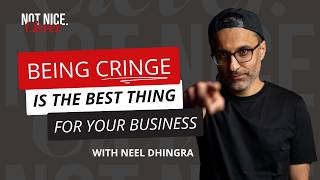
A conversational interview (YouTube/podcast) with Neel Dhingra about combining childhood creativity with entrepreneurship, the value of "building in public," founding Forward Academy and the Forward conference, and practical tactics for growing a personal brand via events, relationships, persistence, and asymmetric opportunities.
Everybody's got these things where you used to do when you were a kid and you just gave up. That's actually the gold that would help you unlock things in business. If you can combine creativity with entrepreneurship and business, it's like the golden combination. I look back at some of the things I did creativity wise for three, four, five, six years ago, and you, I cringe. You know, it's like full body pain. You know, you're like, man, I can't even believe I suck that bad. But that's what should happen if you're looking back at something you did two years ago and you're like, oh, I'm about the same. You're not doing it right. People think, I'll show it when it's perfect. By that point, nobody's bought in. So there's this concept called building public. People don't get it, but the reason why you need to do this is because you enroll people in what you're doing and they follow you for the journey. So many things that give you the most fulfillment and maybe the most money in the long term are going to be things that started off for free. So think about, like, podcast content. Speaking honestly, I remember paying somebody $10,000 to be a sponsor of an event so that I could have 10 minutes on the stage just to be in the room. And they're like, oh, you can set up your booth here and then you can do it. And I was like, I don't even have a booth. I just wanted the 10 minutes. So literally $1,000 per minute I paid.
So many of the amazing things that have happened in my career have been because I've put myself in the rooms where opportunity could happen, where even when I didn't feel like I was worthy.
To be in those rooms again, nobody sees this shit.
Today's guest is someone who's probably shown up on your feed with a truth bomb or a mindset shift right when you needed it. Neil Dhingra is the founder of Forward Academy and the Ford Conference, and he's built a powerful community of entrepreneurs who are all about growth with purpose. In this episode, we're getting into how he built it, why mindset is the real flex, and what it takes to lead with hard work. So, Neil, thank you for being here with us today. Kat couldn't be with us, but she's here with us in spirit. And we were. We've been looking forward to this time with you for many months now. So before we hop into everything that you do, can you tell us one thing about you that we wouldn't read in a bio.
Okay. Yeah. One thing is that I use, like, what changed the game for me was actually leaning more into, like, what things I used to do when I was a kid, like, more creativity type things. And so one thing that changed everything for me was when I was, I think it was 13, 14, somewhere around there, my mom got me a drum set from, like the classified ads. And that's what got me into music playing, becoming a musician, playing music. So I used to play in a band when I was in high school, like a metal band. And nobody knows this shit. I haven't even told anybody on a podcast. But anyways, that got me into creativity. And then when I got older, after college, got into the industry and I feel like it, like corporate culture and industry and job and life kind of beats the creativity out of you. And so, you know, I used to have these markers and all this creativity, and then I just. You end up just doing what you're supposed to do, and if you make money and it's great. But then what actually got me back into bigger success was leaning back into, like the. Those getting your markers back, you know, getting some creativity, doing some more stuff. And I think that's something. Everybody's got these things where you used to do when you were a kid and you just gave up. That's actually the gold that would help you unlock things in business. If you can combine creativity with entrepreneurship and business, it's like golden combination.
I love that so much because my coach asked me a similar question to kind of think back to where my desire for all of these things that I want now started. And I thought about having slumber parties, which were like, my favorite thing to do is like having the girls over for a slumber party. And then I thought about, what did we do at those slumber parties? We talked about our dreams, what we wanted, we talked. We built community. We just were there for one another. And that's what drives me now. Like, I have these conversations on this podcast because I want to have those, like, slumber party conversations where you uncover more than what happens day to day at school. Right?
Yep. And it's also think about this from a business standpoint. You help people move forward in their business. Like, I know you do a lot of branding work. You've helped people in our community. They love working with you, by the way.
Thank you.
And so this has been really cool. Like, that's actually an opportunity to serve people as well. Think about this. Like, what if there was a Some sort of mastermind with 10 people or 20 people where you got together and anybody watching or listening, you could do this, too. Like, you got to go with your best business partners. You rented an Airbnb or a thing. Like, you know, everyone goes to events, but everyone goes to their own hotel room at night and they're kind of done. And, like, there's a lot of people that wish the party would continue. This is why, by the way, people come to Vegas to. Or wherever you go for events, and you see them at the bar till last call. They don't want the slumber party to end. They want to keep talking and sharing ideas and then so people will stay out all night and stuff. So, like, anyways, all that to say is, like, there's probably an opportunity to put together some sort of mastermind slumber party.
Absolutely. I'm writing that down now.
And you could call it the slumber, like, summer party. And, I mean, people would immediately trigger back to their kid. And then you could explain it.
It's that emotional.
Yes.
Yeah.
And it could be co. You might be a little weird with coed stuff, but maybe it's just the women. I don't know. You could figure all the logistics.
Maybe there's a collab with Shiv going on here. We'll send you this episode so she can hear this.
Yes. So this is like. But this is. What I'm saying is, in a world where everything has become noise, you can't just be doing and saying the exact same thing that everyone else says in the exact same way. So what's your unique point of view? What's your take on it? So there's a lot of coaching going on. You could be like, well, I do a slumber party. Well, let me tell you. How many people do that right now in our industry? None.
Yep.
I'm going to try this at my event. How many people have tried that? None. So what you'll find is that it's actually the bar is at the ground for creativity in business. If you do something that's just slightly outside the box and get out of the lanes that everyone else is running in, you stand out like a sore thumb. And so I hope somebody listening is like, yo, I'm gonna try something crazy. And maybe it bombs. Cool. Like, try something like, I try. That's the thing people don't realize. I try 50 things and 48 of them fail, and two of them succeed. But the cool part about this business is you only need to win once.
Yep.
And you can fail all the Time without any of the failures.
They only remember the success.
Yes. And, and honestly, all those are lessons on how you get there. So you make the tweaks. You might do the slumber thing, and then you're like, you know what? This worked. This did not work. Okay, next time we're making this tweak. By the seventh one, it's dialed. But the only way to get to a good great one is to do a couple mediocre ones. Only way to get a good one is do a couple of years. Like so. Same thing I found with events, content work. Anything you're doing creativity wise, you have to do it. You have to build in public. And people don't want to be embarrassed, they don't want to look stupid, but nobody cares. Like, along the way, yes, you make improvements. I look, and by the way, I look back at some of the things I did creativity wise for three, four, five, six years ago, and you. I cringe. You know, it's like full body pain. You know, you're like, man, I can't even believe I suck that bad. But that's what should happen if you're looking back at the same thing you did two years ago and you're like, oh, I'm about the same. You're not doing it right. It should be improving. You know what I mean?
I love that you said that you have to do it in public.
Yes.
Why is that so important?
So there's this concept called build in public. Okay. People don't get it, but the reason why you need to do this is because you enroll people in what you're doing and they follow you for the journey. People think, I'll show it when it's perfect. By that point, nobody's bought in. You need to build your thing in public. Hey, guys, I'm working on this. I'm excited about it. Here's what I'm doing. It's early stages, okay? I'm getting this success, I'm building this. People come along for that and they will support you, they'll refer you, they'll bring people along, and those are the causes that we can really get behind. The only reason you get behind is because they show the journey. And I think people just do it wrong. They think, like, I'll show it when it's done. And what you'll find is anybody who's super successful wish they would have shown more of the journey because they wish they had more footage or stories about coming up. And everybody wants to see this. By the way, if you ask your audience when you do reach any level of success, they're like, what was it like in the beginning? So somebody wants to learn how to do a successful podcast, and you've been doing this podcast for a while now, and you would consider it successful? Well, in the beginning it wasn't successful just like everybody else's. So there's people who are inspired by this, like, hey, what was it like on your first few episodes? Like, I don't want to show that. Like, that sucks. But that's what they want to see. They want to see how it was because they can relate to it.
Now, on this topic, one thing that you do at forward pretty regularly is show both photos and video clips of you doing your workshops in the beginning, or what I perceive as the beginning. Probably not even the beginning to you, right?
Yeah.
And forgive me, but I think you might agree with me, you look a little different. Maybe some might say nerdy, not me, but some might say, and you know, there's six people in the audience. Talk to the. Talk to the clever crew a little bit about that, what that felt like at that moment and what made you continue to host workshops and host events when you had a small audience and maybe felt like no one was listening?
Well, I think there's this thing where everybody feels like they need to post or the video or the thing that's Instagram worthy, you know, like, do it for the gram. Like you're gonna. I mean, I know there's like literally hiking trails where, you know, people go to the top just to take the photo there. They literally don't care about the fitness. They're just like, I just need the photo at the. You know, to show people. And you start doing things for social media and for the. And you stop doing it for yourself. And so I think that's the problem is like, nobody wants to show the picture of the six person thing or the five person thing or that. And. And they get embarrassed. And so the. Jesse Itzler told this to me. He said, the best advice I can give you, Neil, is to get over the fear of being embarrassed. Like, that's the number one thing. If you can get over the fear now you're. You have this past to do whatever you want. The truth is, nobody really cares about the early stuff anyways. And it's just a flash in somebody's day. And so you're not making yourself look dumb. You're real. And there's a real shortage of people who are keeping it real right now. Everybody does the thing that they think would look best. Best optically. You know, like, people will tag people and stories and do it. And then nobody shares, like. Because, like, I don't know what that's gonna look like. Dude, you're not a celebrity. Nobody cares. Just share the stuff, like, post it. You know, like, we're not that important. I think there's a spotlight effect, where you think there's a spotlight on you and everywhere you go, people are looking at your every move and analyzing. And that's not the case. People are more concerned with themselves. So that was the first thing is just taking that off and being like, okay, I'm going to do this. And then what you find is, like, you'll get more excited about it. If you're not excited about, other people aren't going to be excited about it. So it's all according to the plan. So say I invited 25 people, but maybe six people showed up because I didn't have a proven concept or whatever. Then be grateful for the six people show up. Be like, man, I'm so glad that we have such a small group today, because now we can go deeper and everybody can talk and we can work together. If there was 20 people, you'd be, I'm so pumped that there's 20. If there's three, you know, I'm excited that there's three. And then some people are like, well, the number one reason why I wouldn't do a webinar or an event or something like that, because nobody's gonna show up. We'll get some people from your circle to show up as, like, placeholders. Like, there's ways you can, like, foolproof your system to where you're not going to be embarrassed, but at the same time, you have opportunity to grow because that fear, that part of being embarrassed in the beginning is the reason why nobody gets to the big one or the cool one.
Yep. I've shared this on the podcast before, so some of the clever crew knows this, but I used to host women's events in Las Vegas with my best friend. And when we first started, we were roommates, and we hosted it in our living room. And so, you know, three of our friends came, and then the next time they brought their friends. And. And then one time we're like, let's actually do it somewhere larger. And so we invited a lot of people, and no one came. I don't know if it was the date. I don't know if it was our marketing. I don't know what happened, but no one came. So my friend and I Just took a picture and we're like, thanks for everyone who came out today. We had a great time. And it's probably not what I would do today, but we got so many DMs, like, oh, my gosh, I'm sorry I missed it. Oh, like, the schedule got away from me, whatever. And now we had a list of people who wanted to be there, who wanted to engage because they saw us posting, even though no one came, they didn't know that you're building in public.
You'Re showing what you're doing, you're excited about it. So they get excited about it. And if there was three people there, you can ask one of the three people, hey, what'd you think? And they'd be like, man, this was awesome.
Yeah.
You know, hanging out with Candace. Cool. That's a testimonial you post. And that it gets more people to come next time. So you have to do this to get to parse, to be on the journey to doing something big. And I think people forget. They just want to skip to the good stuff. And there's definitely things you can do tactically to get there quicker. For sure. You don't have to go through as much pain these days because there's. Luckily, people have done it before you and they can help you. They can give you the hack or the tactic to make sure you fill the room or at least get more people involved. And you can check how many people opted into your thing. And if there's a lot, there's very few people opted in. There's a high chance no one's going to show up. Okay. So you can literally email the six people who opted in, be like, hey, man, we had to reschedule, but we're going to do it this day. And then you can foolproof, you know, so there's so many hacks you can use. But the whole point is, is you should be showing what you're doing, talking about it, enrolling people in your vision, what you're building, and then that's how you can create momentum.
So looking back, was there a specific person or a specific experience that made you decide to pour some gasoline on this fire?
So I was doing one of these talks one time, and it was only like one of these ones with five, six people. And it was at a, like, sort of like in a hallway at a bigger event where there was a lot more people going into different breakout rooms. And one of the people came to me, and I wasn't that good at the time because there's One thing to know something, but it's a totally other thing to teach it. And you've seen these people where they have, they're geniuses, but when they speak nobody, people tune out. They leave the room, they go on their phone, they're just goes over people's heads. Yeah, you just can't package it properly. And so that's an art, you know, and science. It's art and science. But I, I found that I sucked at this. So anyways, I was learning. But even as not being as good as I was, like in the beginning, even being at that state early stage, somebody came after me and afterwards and talked to me and they were like, yo, bro, I learned more from you than I did at this entire two day thing in just the 15 minutes I sat with you. And I was like, oh, shit. So I could really lean into that, you know. So you have to look for clues. Success leaves clues, right? So what are the clues? What worked? What doesn't work? Where do people tune in? And so you have to, like, part of it is build in public, like, but the other part is get better each time, right? What are the best people do? They look back at their stuff, they look for feedback, look for clues. And then you start to make those little tweaks. And so anytime I'm doing something, I would just look for the little tweak on how to make the next one better and then make a small tweak, a small tweak. So I was not like someone who's like, yo, I have this big grand five year plan. Here's what I'm gonna do. I was just like, let me get through this week. You know, let's do this. Let's crush it this week and then let's do the next one next week, and so on and so forth.
So what ultimately led you to starting Forward Academy and bringing together other entrepreneurs?
So as soon as I started to get more success in business, then a lot of people asked me to help them. And so I was doing this intern for a while and growing my team and my income and stuff. That was cool. But then as I started to just randomly help people outside of my company and just helping random people in the industry, they would tell me, bro, I tried it, it worked. This is. And I would see this like light in their eye. Like they would get excited about stuff. And it sounds super cliche or cheesy, but that would light me up. Like, I would get excited because you got excited. And I'm like, oh, this is fun. And so even Though it was like a distraction to be like, okay, if I'm going to go help these people for free, if I would just stay at my office and work on more client stuff, I would make more money. But, like, this has given me a little bit more fulfillment, so I had to, like, balance both. But then when I saw that really start to take off was like, okay, well, there's actually a business model there too. You know, I don't know who famously said this, but the best way to become rich or wealthy is to help other people get rich.
Mm.
It's really that simple. Right? We're trying to do that with our clients in real estate. We're trying to help them save time and money and get them rich with wealth in real estate. But then also, you can do that with the industry people, too. You can do things that can really improve their business and get them results and prove it, you know, and keep making it better. So as they started to get people results, I was like, okay, let me offer this as a program. And then so we started doing it really small, small workshops. So it was free for a long time. Then it became as I'm working on it. And I think this is the thing that people don't realize is anytime you want to make an offer to people to work with your stuff, you do it for free until you get it right and you help people. And the cool thing about this is so many things with personal, brand, or the big things that will give you the most fulfillment and maybe the most money in the long term are going to be things that started off for free. Think about, like, podcasts, content, speaking. Like, I remember speaking somewhere last year, and the video guy with me, we left the speaking place and he's like, yo, how much did they pay spend? I was like, I think it was $20,000 or something, which is a small number compared to my overall annual income. But still, it's like a meaningful amount of money for spending an hour somewhere really cool that they value that your time that much. And he's like, bro, that's the easiest 20k you ever made. And I was like, no, it's not. You know, like, you didn't. You weren't with me for the five years. I did it for free, or not even free. Worse than free, because you take time away from your work.
You pay to travel there to speak.
Yeah, honestly, I remember paying $10,000 to be a sponsor of an event so that I could have 10 minutes on the stage, you know, just to be in the room, and they're like, oh, you can set up your booth here and then you could do it. And I was like, I don't even have a booth. I just wanted the 10 minutes. So literally $10,000, $1,000 per minute I paid, you know, to be at that thing. So it's just insane. Like, you know, but then again, nobody sees this shit, you know, until you think and they're like, oh, I'd love to do that. So maybe you make some money speaking, but you do a free podcast. Same thing. I remember just promoting a product. I'd be like, hey, if you're interested in this type of software, here's what I use. You should use it too. Well, last year, a company offered me six figures to just promote their product. I was like, I was already going to do that for free.
Yeah, cool. Again, amazing.
Something that you used to do for free, you will be paid for. So all this to say is, with personal brand, with content, with events, with podcasts, with offers, whatever you want to do in the future, you'll have to do things at a cost. But like, someday you, if you get good at this, you'll be paid for them. And not only paid, you'll be highly paid for them if you just stick with it.
For the clever crew listener right now, if they wanted to join Forward Academy, who's it for and how could they join?
Yeah, so for people in our industry, real estate, mortgage, even insurance, financial services, any of those things, anybody trying to build a personal brand, we have a community. You can just connect with me on Instagram, it's in my bios, I'm a link in bio. But you can join our community. We have a coaching calls and events and you can learn all about this stuff. We also have an annual event which is Forward, which I'll talk about too, which people come to every year, and that's coming up in July. And so that's the easiest way to learn about what we do is just come to our event and Kat and.
I will be there. We grabbed our tickets on the first day. They're available as we do every year, because we love going to Forward and we talk about it often on the podcast because we've met so many incredible people, partners, people who we consider really good friends, coaches, mentors from being part of that event. And so thank you so much for all that you do because I know it's a lot of time, energy, effort to be able to bring together some really amazing people. Jesse Itzler was one of my favorites today. He's incredible. But so many other people as well, who we just learn so much from. We had Christo on the podcast because we met him at Forward.
Yeah, that was cool.
And he's.
I'm glad you brought this up, Candace, because it's like people think about events as the speakers. They're like, oh, here's all the people speaking. Here's what I'm gonna learn. That's awesome. And there's going to be people at our event that will. That you may not even know or be familiar with their stuff. And they can be like, man, that guy really made an impact. Or that gal really helped me with this. And so that's awesome when it happens. But the other part that people don't talk a lot about is the people you meet while you're there.
Yep.
And so you can make. You can have the same impact, if not greater impact, on the person who's sitting two seats away from you, or the conversation you have in the hallway or somebody you meet at the bar in between the one of the events. And you just chat up, up, chat up conversation. And it's like, oh, what's going on in your business? And they tell you, and then you tell them, you're like, man, I could help you with that. Or they sell you, and then you meet afterwards and it turns into this really cool opportunity. And so what this tells you is like, sometimes you don't need to have everything mapped out and planned out. Like, the biggest wins for most people who have reached high level of success were things that weren't on the first roadmap. So a lot of people like, hey, what is the point of this? And this? And sometimes I'm like, here's the stuff on paper, why it makes sense. But the biggest thing is not on that sheet of paper. It's something that nobody knows yet. It's like a feeling you got at 2:37pm that led to a conversation at 4pm that led to you flying home with something that you now put into motion on Monday morning.
Yep.
That you never thought of. Yeah. But I can't tell you what that's going to be, but I can tell you that it will not happen on your couch. Right. I know that much for sure. Luck is not going to strike at home watching Bravo tv, You know, like, so what are you doing to get lucky?
You know, so many of the amazing things that have happened in my career have been because I've put myself in the rooms where opportunity could happen, where, yes, there was possibility not. And even when I didn't feel Like I was worthy to be in those rooms. Yeah, there's been opportunity. Yeah, yeah.
Like a lot of people think, well, I'm not that type of person. Well, how do you become that type of person? You get around people who are like that. So I think you, you've had that scenario. I've had that same situation where there's people who are doing things at a higher level, making more money, maybe having more success, maybe have a bigger brand. You're like, well, I don't belong here. Well, it raises your game, you know. Like, I think people just underestimate the quality of the like being around high quality people. People who are forward thinking, people who are innovating, people who are focused on growth, not the past, more about what's ahead. That makes you the same way. You know, it rubs off on you and you'll be surprised. Like how that impacts your business and how it just impacts your ability to take action. I think a lot of people have ideas, but they don't put them into action. When people are taking action around you, it kind of makes you do the same thing. That's why being in communities is so important.
So you've had connections with some really incredible people. People like Alex Hermosi, for example. You've been able to bring him to Forward. Jesse Itzler, so many other people that have been on the stage at Forward who people probably said, you're crazy. How are you going to get that person? So I just want to ask you, like, how did you have the audacity?
Well, I start with something. I started with people who I could get connected with. And I noticed that, you know, in the beginning it was just like certain people in your network maybe putting together something. You kind of have to sell them the vision of what's being built before it's built again. This is what called building in public. Hey, I'm hosting this event. It's gonna be amazing. These are the people coming, here's the other people and would love to have you there. And sometimes it's just a, there's a fee, but B, these people, many of them are highly successful and they just, if you pay them fees, that, that doesn't mean shit. They, they actually, it has to be something want to do. So there's two criteria.
Everyone's gonna, everyone's willing to pay the fee.
Yeah.
So now they have to actually choose the one they want.
I, I think the fee for some, because some of these people are like super rich. Like 100 million or a billion or whatever. They, the fee is really not move the needle. But that's just the thing to get past the, the door.
People who aren't serious. Yeah, yeah.
It's like, okay, well, yes, you're willing to pay the fee or and maybe you know somebody that knows somebody, whatever. But then the next step is like, is this something I'd want to do? And so if you're not the biggest event, what do you have? Well, you could talk about your passion of why you're doing this. Maybe you could talk about how that person impacted you and why it would be so important and meaningful for you and your audience to have that person on your stage. There's so many other things that you can talk about, you know, rather than just like, oh, I'm super successful and my event's the best event in the world. So I would just lean into those in the beginning and started to build my kind of resume, track record. So I started small with like people who I knew then I in the industry. Then I started to go outside the industry and I started to kind of level up one level at a time. And then I would support those people's products and services. So like, let's just say you're in somebody's coaching group and you're a customer of theirs. Well, if you're hosting an event as a customer of theirs, you probably have their ear to ask them a question that their thing. Or maybe when you email them, they take like I just think of the people who are most successful. It's not always about money, it's about impact. Well, who are the people on their list that they talk to and get back to? Number one is probably their family, their teams, their, you know, their staff or their companies. And then below that is customers. Yeah, right below that is probably like subscribers and followers. And then below that it's like a random stranger, you know, from that's coming at you with a cold email. So like most people are coming at it at the bottom tier and then wondering why nothing happens. Well, just go up a few levels, you know what I mean? Just like if there's something you can be involved in, be in it if you wanted to. If there's an access to like meet with that person at an event because you could get into a VIP ticket. Cool. Then now maybe you have a meet and greet where you could tell them about your thing in 30 seconds and ask them personally, hey, I would love to have you. And they're going to tell you probably, hey, yeah, would love to do it. And they're not going to Say no. Here's what the next step is. Okay, cool. Let's take a picture too. So I'll send this along so we can remember. And then when you email the request, you send it. Here's a picture of us. We met in person. I told you about my thing. You said, yes, or you said, you know, that's going to pull on a more like, there's so many things you could do, or I'm in your program and would love to have you. And so these are just things that would cause someone to be like, okay, I'll take this person more serious. Because everybody gets a lot of requests. But at the end of day, who's serious, who's not, who's people? You. They can't say yes to everything because there's just too many things. So that's how I would do things. The beginning. And then as your reputation grew, you can have people connect you with other people who know somebody. And so I just found everything becomes easier by knowing good and great people. Right. If you know some people, if you don't know someone, someone on your network knows that person. You know what I mean?
Yes. Can you give a specific story of how someone has connected you with someone else to that next level?
Well, and just one thing really quick. You just mentioned it. You asked Chris do to be on your podcast.
Yeah.
Chris do has millions of followers across all platforms. He's one of the most respected people in personal brand. He's an author, he's an Emmy award winning designer. He's just amazing thought leader. And he was just on your podcast. Well, someone said, well, how do you get a guest like that? Well, you paid to go to an event and you befriended him, talked to him and then you asked, you shot. You shot.
Well, the Clevver crew knows. We asked like, I don't know, 17 times. And we sent pictures of the event and of us with him at the event and we told him which reels we liked of his and we, yeah.
This is all strategic, right. It's not like you just, hey, I sent an email, nobody responded. I guess I lost. It's very strategic. You know, it's like these are like level 10 opportunities. And you're like, okay, I'm gonna give it level 10 energy and effort. And then it happens. So I think people can tell too that you're serious that way.
Yeah.
So a lot of times I would find people would just message me back and say no, you know, like, or ghost altogether just to see if you'd ask again. Because most people Give up right there. That. That eliminates 90% of the requests right away. It's just no response or. Or one response asking them for a little bit of information. Then you come back. Then you come back and, you know, and then eventually they're like, hey, this is going to happen, or, this person's never going to leave me alone. You know, something like that. Or.
I think that's the only reason Chris agreed was so we would finally leave him alone. And then at the end of the podcast, he was like, this was actually great. Like, yeah, you could tell he was.
You're trying to prove, like, I can't tell you how great our event is until you go to our event.
Yep.
But I'm. I'm trying to just get you there so you could tell. So. Yeah, there's so many times where I've been able to get somebody in the room somehow, then they become aware of that I am doing things with intention. I am a good person. I am, you know, focused on growth and trying to help people. And then they're like, oh, I like this person. I can get behind what they're doing.
Yep.
So each piece of content that you have on the Internet helps with that. Each request that you send, being more creative with the way you do your requests, also the people in your network can help vouch for you. That's huge. So, you know, like, you mentioned Alex Ramosi. Well, I've been trying to get him to speak at a rent for three years.
Yeah.
And you just never respond or says no or their fee was too high. And then I don't. And then at one point, he's like, dude, I don't even do these anymore. I'm so, like, focused on my own thing that I don't speak at other people's events. I just do my own or maybe for my companies if we have an investment in the company. And that was basically like, the hardest. No. I could be told is just get out of here. No. You know?
Yeah.
And I was like, well, you're telling me there's. There's got to be another one, you know, So I just figured out, like, another angle to make it super easy for him. And then also, does anybody in my network know him that he actually trusts? And so through a bunch of different ways, was able to get it to work for him. And. And then it happened. It was, like, really cool. But, yeah, it doesn't. You just have to be a little bit more creative, and I think you have to be pleasantly persistent.
Yes. I love that.
You know, you're not annoying, but you're being persistent.
Yep. You know, it just came to me that Ed Mylett was another one of my favorites that you had.
Yeah, he's great.
Bought his book. Love him. He was incredible. But what all of this comes down to, I think, is one word, and it's relationships.
Yeah.
Because it's strategic relationships. It's when you admire someone and you see their work and you recognize it and you tell them and you appreciate their time and you tell your friends about them and you're. You're intentional with your relationship building. That's how opportunities happen.
Yeah. It's like, I don't know what it was, but it was something about, I believe Dan Martel told me this. He said, like, you know, everything's on obviously on the other side of discomfort, getting on, getting around things that you're not comfortable with. Even if you're an introvert, put yourself in the uncomfortable situation, biggest growth happens. But then the other part as well is like, it's everything you want is on the other side of a relationship too. Like, who do you know that knows somebody? So I was always learning, trying to figure out how to do something, when the answer sometimes is, who do you know that's already done the thing or that knows somebody.
There's actually a book, I haven't read it yet, but my friend Chris recommended it to me, and it's called who, not how. Yes, definitely putting that on the to do list to read listen.
Because, like, who? Like, once you have clarity on what you want to do, there's somebody who can help you do that thing.
Yeah.
Who is that person? It's somebody. And like, everything becomes easier when I know. Yeah. And it's not like it gets a little easier. It becomes drastically easier. Meaning, like, I've had people who I've wanted to connect with that blew me off for years. And with one text from the right person, it's it. It's like, okay, bypass the whole process now.
Yep.
And it's all about trust. And then the other part. Same thing with growing your business. Like, I used to think I always have to get more customers. Well, how forward has grown. We ran ads this year for the first time. Prior to that, for five years, it's been just people telling other people to come. Isn't that incredible? I would post about it, but, like, you're only posting to the same, you know, eventually group of people. It's not like these posts go viral like a other type of content. So again, you're posting to, like, this circle of people. Obviously you can keep growing your circle, but how do you really grow? It is going to be like everybody in that circle telling somebody else now it gets exponential.
It was growing that web.
Yes.
So how has hosting forward helped you to evolve personally, professionally? What is as the event host, what have you got from it?
So in the beginning I was like, okay, I'm going to use this to build my brand. Like I wanted to do more speaking and have more influence and grow my brand. So I was like, okay, if I do this event, that can help me do that. But you'll find quickly that it's very expensive and it's not. It's a lot of time consumption and it's a horrible business to get into is events. It's like, I wouldn't wish this on anybody. It's very difficult to do them because so many moving parts. It's in person. And there's a reason why people don't want to do it because it's just labor intensive, cost intensive, all these things. But it has the highest impact if you could do it correctly. So I was like, okay, I'll do it to do it in the beginning. But I didn't know. So just kind of dumb. But I like that leaning into, I'll just take a shot and see what happens. What's the worst that happens? You know, I think a lot of people like overemphasize risk. They're like, yo, if this doesn't go according to plan, it's bad. I'm like, well, how bad is it? You know, well, what if nobody shows up? You can cancel it. Uh, what if this happens? Well, that's the A, that's not going to happen. But like B, what's the worst that if it did happen. And what I found is when you actually go through this process, like the worst worst case scenario is actually not that bad. You've dealt with something worse and other things have happened and so. And nothing happened to you. You didn't die. So getting over that was like, okay, cool, I could take more risk. And it's like a process. You start with small risk and then you gamble a little bit more. And it's like being a degenerate gambler. Maybe you maybe start off small and then you start making bigger bets. But in this case you're betting on yourself, which is cool because you can control the outcome. Yes. So I'm like, okay, I'm gonna do that. And then it just grew slowly from there. But in the beginning it was just to build my brand and get content and to kind of try it out. And I lost some money, but it was still overall a lift because I get more business for my mortgage and real estate business, which is cool. But then I was like, okay, well this is a great way to get people to rally behind your cause and it could be actually a good business model in the future. So it just kind of evolved from there over time. But I had to get good at it first before I could do that. In the beginning was just learning.
Yep. One thing you said is you people sometimes ask themselves, what if, what if, what if? And I think you can get into the spiral of like what if ing yourself until you are just frozen and.
You don't take any what if it works out? Like what are the good. What if it actually goes and something cool happens? That's the part people don't talk about because some of that is unknown. And so this is the big point with all this stuff is like if, if you're going to do things where you know the outcome that's good. Like that's how you pay your bills. Like, okay, I'm going to invest this in this deals or these leads and I'm going to get this return that brings me this much revenue which I can use to pay these people and pay my bill. Like these are like known things to live.
Yeah, yeah.
And like, or you take a job, you get this, you signed up to get this work for this paycheck or you take a job. Cool. Or contract, whatever you want to do. But then that's how you do most of your stuff. But at the same time you need to also be working on something where the upside is unknown but it's uncapped. So these are called asymmetric opportunities. Symmetric opportunities. Invest this, get this return, you know it and it's like this, this and it's like flat lines. Asymmetric is like you invest this, but the upside could be this curve, huge curve, you don't even know. There's no ceiling, there's no symmetry to this whatsoever. And so everybody should be working on a project that is asymmetric. And this is how people get rich. Like when somebody invested in the early stage company, that's not symmetric opportunity, that's asymmetric. Meaning when they put money in, they've sometimes you heard these stories where people put a hundred thousand dollars or $20,000 in an early stage company and ended up being 50 million, a hundred million crazy amounts of money. Why? Because they made a bet early on. And so like that's one thing with investing, but the same thing can be true with your brand.
Yep.
With your business, like, there's no ceiling. And so that's why we love sales, that's why we love entrepreneurship, because we can do. We're not capped.
As Ryan Serhant says, limitless livelihood.
Yes. And that's why we're in this business. So at the same time, like, that requires you to take some risks and do some things. You have to do what's comfortable for you, but be more focused on what's to come rather than the downside. You know, you can limit your downside. Like there's a maximum amount you're willing to lose on this venture. Cool. That's the worst, worst case scenario is that you lose this much money. But what's good about that is the upside is uncapped.
Yep. I love that. So when you think about one thing.
Though, really quick on this is if you don't do that and you just do the first part, which is just working on things that you know, the outcomes, that's cool. But what happens is 10 years go by, 20 years go by. And yes, maybe, hopefully, if you're good with money, you stack some money. That's awesome. But for the most part, you are in the same position. Nothing changes. And I know this because this is me. I've done it for 10 years, 15 years, and I was like, a decade will go by and you'll be in the exact same spot. And what's crazy is like, yeah, you've learned a few things. But for me, the only thing that changed was maybe I had a little bit more money in my 401k, but I have some more bags under my eyes. My face went gray. Nothing else. Like, I just got older.
You were going to get older anyways.
Yeah. But the value I had as an individual on this earth was the same as it was other than a few experiences that only I know about. So I'm like, okay, how do. If you're going to put in all this work and effort and stress, like, at least have it be worth something so that you're you as an individual. If you're looking at a stock chart, your stock's going up, you know, that would be cool. Rather than just flat.
The best investment you're ever going to do is investing in yourself.
Yes. That's it, 100%.
So when you think about the version of you who started all of this, what would surprise him most about where you are now?
I think it was just like, probably be shocked at, like, okay, how Things have worked out maybe in certain areas. And then anytime I get down on maybe this wasn't a good week, or this didn't work out, or this deal didn't happen, or you lost money on this or whatever, lost a client. I think it's easy to get hyper focused on, like what you've lost. But then you should ask yourself the same question. The view of five years ago, 10 years ago, would they be stoked to where you're. To see where you're at right now? And most of the time, if you're doing this right, it'd be yes. Like many of us are living a life or somewhat a version of a life that we used to dream of as a child or as coming up in entrepreneurship, whatever. And at the same time, you're super critical of every single mistake. So I think we don't do a good enough job of like giving ourselves credit for what we've done. It shouldn't mean you should be content and don't try and grow. But at the same time, like, it's not that bad. You're doing pretty good, you know, and so I think my previous self would be like, dude, you're doing. You're doing awesome. This is awesome. This is going really good. He would not care about the fact that I screwed something up earlier today and that cost me this or whatever. Like, you just have to zoom out and look at the bigger picture.
I got chills when you said that, you know, your past self dreamt of where you are today.
Yeah.
So that's like for sure true for me as well.
Yeah. Think about that. Like you would have never thought you would venture out, do this business, do this, do the podcast, do this. And you're doing.
I was a middle school history teacher, Neil.
Yeah.
This doesn't make sense. What I get to do does not make sense from where I started.
Yeah. And. And that person didn't think this was possible. And it didn't happen by just snapping your fingers. It was a pro, a process that you built. And you've been showing things along the way. Like, you started off here, you do this. I remember when you lived in Vegas, you were talking about all the things you were doing here, and then you kind of just. People follow along with the whole thing. There's people probably who will work with you today because of what you showed two, three years ago. That's the part people don't realize. I know people that come to our event and they're like, hey, I just wanted to come here just to introduce myself. I've been inspired by your journey. I've been following for a while. I'm like, they literally flew across the country. Some people from out of the country, like Canada, some people came from Dubai, Europe mostly, though from the North America continent. But they would come to all the way to Vegas just to hang out for a little bit. And so, like, that's an ultimate form of influence. When your content inspired or influenced someone to do something, that's. That's true influence. You know what I mean?
Yep. I was at a workshop I thought I led in Vegas last week, and this woman came up to me and she was like, oh my gosh, Candace, it's so great to meet you in real life. She's like, my name is Leslie. I used to go to the events you were hosting online in 2020, and it's so incredible to see how far you've come. And I didn't, I don't know Leslie. Right. Other than she's been following me and she knows about my story and she's like telling me about, you know, my life and how the things that I shared have impacted her, which I would have never known or thought. But I've been showing up since well before 2020. But that's when she started following me. So you never know the kind of impact that you're having on people and showing up over and over again and connecting with the right people and building true relationships is really where it's at. And people are always looking for the hacker, the secret. I know they're asking you for all of those things all the time, Neil. And yes, there are nuggets you can give them, but ultimately it's knowing people, caring about people, relationships being strategic. So if you could leave our listeners with one question to sit with after this episode, what question would you leave them with?
So question wise, I would say look at the areas of your business like, and look at what is the thing that kind of lights you up in terms of what you do, what part of the process? Maybe because like you said, there's no secret, there are tactics that can make this process easier. There's things you can learn strategically like, that are really important and they would save you a lot of time and headache. That is true. But at the end of the day, what would work is if you did level 10 effort. So there's this rule that says if you put in 80% effort, you get 80% results, but if you put in 100% effort, you get a thousand percent results. That last 20% is where people don't go. Like, they just don't do it because they're like, oh, this is good enough. And the only way you're going to be able to consistently give 100% level 10 full all in effort is if you're getting some sort of fulfillment or feeling like back. And that's the part that people like, it's not sustainable. They're like, well, dude, how do you have time to make content? I'm like, well, how do you not have time? You know?
Yeah.
Like when they're like, this is the most efficient thing I've ever done. I could talk to, I could make one, one minute thing and talk to 10,000 people.
Yeah.
What are you talking about? That's the biggest time save hack I've ever come across in the history of the world. Like, that's great. And they're thinking to themselves, well, that's just a burden. Right. And so I'm not saying that you're gonna be excited about everything right away, but I'm saying, like, if you get good at things and you'll see clues along the way of like, oh, I liked that part of this. Maybe I don't love shooting videos, it was uncomfortable for me. But I love the result they got or the feedback or the efficiency of it. So then that, like, that's a clue. So look at the process of what you're doing. See if you have any of those clues. If you don't have any of those clues, like, improve your skill.
Yeah.
Because that means that you're not getting the feedback or the, or the fulfillment because you're not good at it yet. Maybe that's okay. You can get better. It's just like reps. I think that's why I show those videos of how bad I suck is, because people think, oh, easy for you to say.
Yeah, like you're born this way. Yeah.
Yeah. You're not. Like, it's just, it's just reps. Like, you go to the gym, you can barely lift the bar, all of a sudden you're pushing a lot of weight. Well, it's because of the, the work you did. Right. So same is true in business, entrepreneurship. Yes. I'm sure there's people who are more talented than others, but it doesn't mean you can't do it, you know? So I just think, yeah, look for those clues. If you don't have any of them, then try new things or get better at the things you're doing and then you'll start to get this. And then when you feel something or do it. The biggest mistake you can make is just ignoring that, you know, feeling or whatever that is, because you need to tap into that. That's like the universe telling you you need to do something. I think most people just sleep on that, but that's like an indication if something's gnawing at you, an idea is keeping you up at night, or like, keeps coming back. I think I believe this, like fully that the universe is reminding you.
Yeah.
Like, you should pay attention, listen to this. Because that means you should be doing something greater. I think a lot of people watch or listen. They're like, they, they feel like they were meant to do more than what they're doing right now.
Yep.
And if that's you, then that's a good thing. Like, you should do more.
Yeah. You're being called to it.
Yes.
Okay, so before we hop into Notnight's advice, can you tell us the most exciting part of the upcoming conference that you're looking forward to?
So the best part is the people there. There's a huge energy in the room and so the people that come are like minded people who want to grow. The speakers are amazing. That's awesome. But what gets me fired up is the energy in the room. And so we've all been to a bad conference event. We don't have to name any names, talking shit, but we've all been to them. It's just you, you go there and you're like, why didn't even come, you know?
Yep.
And you just, you got other shit, you got better things to do and it's. There's no energy. And so what happens is even if the event's not good, the networking is not good because nobody's fired up. And there's just. It just kind of is meh. It's boring. So what I found is that the energy and the experience plays a big part in what people can take away from the event. So if you do a really good job with experience, they're going to have a better time, they're going to make more connections, they're going to talk to more people, they're going to connect more with the speakers. And so we really focus on experience because that's what makes the whole thing impact. So we've been doing that for years and then finally it's starting to like become brand where now this is what people do when they come to forward. So all that to say is the energy of the people is the most important thing. And then. And then that helps everything else work as well.
Yep. And we're going to drop every link in the show notes so people can grab their ticket. Kat and I are going to be there, and we can't wait to see you there as well. So not nice advice. This is where our audience writes in and just give them straight advice. No sugarcoating. I've been in business for five years now, and from the outside, things look good. I'm busy and hitting my goals. But lately I started to feel disconnected, like I'm building something that technically works so it doesn't feel like me anymore. I'm stuck between staying the course because it's working in quotation marks or burning it all down and starting fresh. How do you know when it's time to pivot? And how do you not let fear run the show? Quietly questioning everything?
So I think you have to do it strategically. You can't just be like, okay, I'm born down on this. It could be just a season you're in. I go through that as well. Where, like, something. I'll give you an example. We have a. We have all these different business ventures, but, like, one of them was a group, and I was, like, super fired up about leading this particular small group for a while, and then I got burnt out on it. I'm like, maybe I should just shut this thing down. I'm not getting the same excitement. It's becoming a burden. Maybe the people aren't as engaged as they used to be. And so what I found is whatever that energy is, it's, like, contagious. So then other people. So I decided before I pivot, do anything, let me get back to what made this thing good with this particular venture. And so I kind of went back to the start and started reaching out to people, key people in the group, and started to, like, get more engagement and get everybody fired up again. And then now that particular group has grown to. One of the biggest things within Forward is, like, this one group, which is really blowing up because. And I'm actually fired up about it again. So you can actually get yourself out of the burnout thing by just getting back to what made it good originally and then trying. Yeah. And getting some perspective there and then putting that back into it. A lot of times it's. It could be a really cool opportunity for your business, but you not putting in the effort, and then you're not getting the return. So then that makes you put in less effort, and then that makes you burn down on it because it's not really giving you the same, like, fulfillment that it used to yeah, you play a part in that shit, you know, like you can change the thing. You could wait for it to get better, but you could actually take action. So that'd be the first thing I would do in that case. And then also try some new things, like put some new, incorporate. And then if it is truly like, okay, I don't want to be doing this particular thing, do it strategically. Do something new on the side. Launch something new while keeping the old thing so you don't burn down the whole thing. And then maybe transition slowly, like do a half and like start off 80, 20 and then go 50, 50 and then you can eventually transition.
Such great advice. Thank you so much, Neil. Your parents must be so proud because they have three amazing kids who and I adore each one of you guys. You guys contributed so much, Arjun, Shiv, and you to my journey as an entrepreneur and I can imagine what proud parents you have.
Thank you. Yeah, it's been awesome to have. Luckily, I get to work with my family and we still like each other, so that's good.
That's awesome. Thanks for joining us on Not Nice Clever. Remember to follow Not Nice Clever wherever you listen to audio. And if you haven't already, drop that five star review. Share your takeaways, Tell us your story. We love to hear it. Signing off, your not so nice but oh so clever besties that mean business. See you soon.
More from Neel





Don’t let people tell you what you can and can’t do. #personalbranding #podcast #entrepreneur

How to use Ai the right way for scripting. #personalbranding #entrepreneur #ai




Your audience already has a story about why it won’t work. #personalbranding #entrepreneur

The new YouTube strategy to hook viewers. #personalbranding #entrepreneur #podcast