Phil Treadwell on Mortgage & Real Estate Industry | NeelHome Podcast
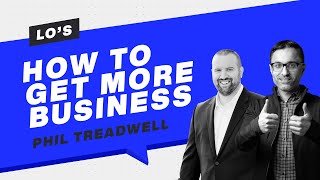
Phil Treadwell, a regional VP, talks mortgage marketing and how loan officers can use social media and content to build trust with clients. He covers strategies for standing out in a crowded market and growing your business through consistent, value-driven posts.
So today we have Phil Treadwell, regional vice president of Mason McDuffie Mortgage and also host of the Mortgage Marketing Expert podcast.
That's it.
Thanks for coming down, man.
I appreciate you having me. This cool. I like the little setup you got here.
Yeah, it's kind of cool. Just, I kind of got inspired by people like you who started a podcast. And my kind of goal with it initially was just to meet new referral partners and to kind of give us kind of a. An area to present content in a new format, you know, just because there's so many people with. With great advice for consumers in our market, and they're kind of doing it all through advertising and sales stuff, and I wanted to do it in, like, a more natural setting.
Yeah.
So that was my goal of the podcast. And then it kind of got into more of, like, initially, the engagement I would get from a lot of the content was industry people, right? Mortgage guys and real estate agents and saying, like, hey, you know, that's really cool. How do I do that? Or how. How can I use that to grow my business? Or can you help me with video content?
Right.
So then I got into another niche, which was like, helping other people in my industry and helping real estate agents not be commoditized, like using these platforms that you and I are using to kind of get our message out there.
Right.
And so I just kind of want to ask you, like, how did you come across starting your podcast and what was that like?
Man, that's. And I appreciate what you're doing for the industry. Anybody that's out there trying to move our industry forward. Yeah, I have mad respect for. And you put out some incredibly quality content, and I think that that's missing with. With. With some of the industry as well. You know, my story is. Is very much the same, you know, a few years ago, as I was recruiting in markets, because I'm. I was a top originator. I've originated and been the mortgage industry on the sales side for about 15 years and was top producer, moved into management and more leadership roles. And as I recruited in markets that I hadn't originated in before, or I'd never had a branch there or had people directly, my effectiveness obviously went down, you know, quite a bit. So as I was trying to look for ways to create a platform and to create credibility for myself and not just some other random, you know, mortgage company calling, I started doing a lot of content, online blogging and websites, because at the time, if you met someone new, you Googled them. Well, obviously, that transitioned Very quickly into the social media side of things, ran across Gary Vaynerchuk. Obviously you're a big Gary Vee fan. Got some empathy wine going on here. And at the time I didn't know who this guy was, but he was talking about some leaderships and executives within other industries that were very complacent because they were at the twilight of their career. There was a few years left and they didn't really have a vested interest to change the way they'd been doing it for 30 or 40 years. And they didn't want to spend the money to change, to do things differently within social media, within those types of things that related very much to me. Within the mortgage industry.
Yeah, that, that just drives, describes our industry completely.
We're an aging industry. A lot of the leaders in the industry have done things for one way, for a long time, are very romantic about that. And we have this new wave of people coming along. And so as I started doing more on social media I, because I coach a lot of originators and as I was coaching, I would have these little one liners, right? And my wife said, you need to start writing those down because those are, you know, really impactful to some of the people you work with. So I wrote them down and I started an Instagram page and I called it Mortgage Marketing Expert. I would love to say it was super intentional, but I owned the domain. I bought a lot of mortgage domains and I owned Mortgage Marketing Expert and I started putting out a mortgage marketing tip of the day, an mmtotd. And I didn't brand it to me, I didn't brand it to my company. I just set up an Instagram page where I was trying to create content and put good out into the industry. My audience was mortgage professionals, people that I wanted to recruit, people that I was trying to coach and add value to. What better way to add value to mortgage professionals than to help them build their business just the same way you're talking about with video content. So after about 45 days or so, we had over a thousand followers on Instagram on that one page. After just following a few people and putting out content, I'm like, okay, we're onto something here. I had always wanted to do a podcast and so I was like, in conjunction with this little brand we've created, I need to make sure and bring in industry experts that can really give first hand knowledge to help people build their business. And what our mission is to help people build their business and do mortgage marketing better because it's the Same OSI flyers or open house taking the same stale croissants. So I started the podcast we launched. We've had been fortunate to have some incredible guests, some of who's who within the industry. And I mean, that's really how we got started. Was really wanting to put good content in the industry, genuinely help people and add value. And it's been a cool ride.
Yeah, it sounds like it. Yeah. I had listened to just. I just came across it through Instagram like you said. And what it was was I didn't know of you, but one of your guests shared in their stories one day. And that's how these things always connect. You're tapping into the other person's network. And through that I found the podcast. Then I started binge listening to all the episodes. And there's really useful data. And it's from different people who do things different ways.
Absolutely.
And you can learn so much. Like I've been in the business same amount of time as you, but I'm still learning every day. And I think that's what separates people who can continue to grow versus those who get kind of complacent.
That's why the industry is so much fun. Every loan file is different and every loan program changes, compliance changes, rules change. And that's part of the fun that's been in this industry. So it was a really surprising thing to me is most people that are originators and have been in the business any period of time really like the fact that it's not the same thing every day. And all of a sudden we have this huge opportunity which is technology and social media and these new ways to reach consumers, to reach referral partners. And then all of a sudden people clam up. Well, well, isn't it an opportunity to learn something new? Isn't kind of why most of us are here to begin with. And so it's this interesting dynamic in this disruption that's created within the industry that you know, the same way of the crash of 07 08, those of us that embraced what was happening and stuck around, those were some of our best years. Right. And so I think right now there's huge opportunities for people to take advantage of this and really move their business forward. If they understand what the environment is, who their clients really are, and will embrace the way that you can put your message out there, they're gonna win. Because in my opinion, this is probably the best time in history to be in any type of a sales marketing industry because of social media and the great equalizer that is the Internet.
Yeah, it is amazing. I went from zero presence, like about maybe 18 months ago to having this huge presence. And not to say I'm tuning my own accord, but what it is, is like it completely turns the tables of me chasing people to do business with me to now them inbound. It turns it from outbound to inbound. And I think as people in the mortgage industry, there are many things we love about our job, Right. I love helping people. And with this huge investment and this huge person guiding clients and repeat customers and all the referrals and, and all the great things about it. But there's a few things I hate about the industry, right? And those are like, when you work with a client for two months, you spend a lot of time with them and then you get that text or email or saying, hey, I saw this rate online. Can you match it? If not, you know, I'm going to go with them. And I think like, if every originator has had that happen, if they're not, if they haven't, you know, if they haven't, it's coming. But it's been, it happened to me all the time. And then also the next thing is like, you know, looking at new referral partners, builders, real estate agents, brokers, and them treating you like every other lender.
Right.
And those are the lenders going into their office, like with donuts and, you know, packages of, you know, trinkets and.
Like, people don't want to eat, let's be honest with you.
Yeah. And it's basically degrading us as an industry and we have so much value. Like there's, when you, when, when, when somebody works with me, I'm doing so much for them. You know, there's, I'm providing great value to their client and making sure the deals are closing plus, you know, helping them with their business goals. It's a mutual thing. So I think just not wanting to be commoditized. This, you know, solves all of those few things that you don't like about your job. Like.
Right?
So I think if once the originators get that, it's, it's a, it's a real shift because now all of a sudden you're not just a service provider, Right. You're an expert.
Right. What you're talking about is there's a couple of things there. One is attraction marketing. When you're taking, as opposed to outbound leads, where you're trying to create leads, to having them come to you as an attraction marketing type of thing, that's really changed my business from a recruiting standpoint. There's a couple of guys that I've hired who listened to the podcast, didn't know me, found out I was in the Dallas area, invited me. They were also wanting to start a podcast, asked me to come meet with them, started talking about their business and realized there's a lot of value that I could offer on a corporate level, working together and hired them. Well, I didn't seek them out, they sought me out. And I think whether you're an originator, whether you're a manager, that's really what people want, is they want to attract people to them that are of a like mind to do business. And I have a philosophy and anybody that's heard any of my podcasts or any of my material, I say it all the time because I think it's so important that effective marketing is the balance of trust and attention. Right? We could do something outrageous and put it on social media and get a lot of views, get a lot of traction attention. That doesn't mean we've created any trust that people want to do business with us. But I think right now in the industry there is all kinds of people that are extremely trustworthy that can do great business, but no one knows who they are, so they're still not going to be able to do any business. And it's the balance of the two. And the other thing that I think is so important is to understand the difference between marketing and sales. And marketing is getting someone's attention and sales is what makes them a customer. And you know, as you know, I did a podcast recording with Gary Vaynerchuk with earlier this week and I asked him about that concept and he said that he spends 90% of his time on marketing and a very, very small percentage of his time on sales. But so many people out there, especially in our industry, are spending 100% of their time on sales and they don't know it. And I think there's a self awareness understanding of if you're going out there and trying to add value to people, you know, if in creating attention so they know who you are and then developing some type of a relationship where they like you, then they can trust you. Because it goes in that order. No, like trust. And so if you're putting out content for people to see, whether they're videos, whether you're, you know, talking about your community, it doesn't have to be mortgage vocabulary. And if you're doing mortgage vocabulary, stop it. People don't care. So acronyms right yeah, no one cares what LTV is unless they're in the moment.
Exactly.
And so I think that's another thing within the industry that we need to make sure of is when we talk about this word content, that we explain what it is and what is really adding value to people because there's only a few things that are truly there. And another distinction I'll made that I got from Gary last week to give a little bit of insight is when we talked about personal branding, he said that personal branding with his team there is kind of a douchey thing to say, but if you flip it on its side and talk about reputation and, and reputation management, especially with the age of our industry, when you talk about the reputation, their spine stiffens a little bit and they understand why it's important to do those things. And so again, it's a fun time to be in our industry. We're learning these new things and if you apply them to our business and people are gonna have a lot of success. As you've had, your business has grown, people are reaching out to you and you've gone from having to go create sales to an attraction marketing where people come to you and you create relationships. And from those things, sales are happening.
Yeah. And I think that is the key between marketing and sales. That's why some people give up on this. Because what they do is they put out content. It's all sales based. It fails because the market doesn't care, like you said. Right. And then there's no value for the viewer. Right. It's all about me. I'm the best lender, I have the best rates, by the way, I'm the top producer. Look at me, look at my numbers. Right. Nobody cares.
Right.
And then like really specific transaction data that's good, but it needs to be mixed in with all these other types of content. Because if you're not in the market, which to be honest, like, you know, somebody's in the market once every five years, six, seven, eight years, you know, so you can't only put out content. That's about transactions. So I think like people are looking at all their content being sales. And the problem, the reason why that is is because as an industry we've been trained to always be closing.
Yeah.
Like sell call, you know, and just, you know, closed mouth doesn't get fed and all this stuff.
Right.
And it's true, you need to close. But the thing is like with this type of, with these platforms, it works against you. People tune you out.
They do.
So I think that's the shift when I realized like every, is this content for me or is it for someone else? And when I was like, I need to make every piece of content that might help somebody else, it shifts all of a sudden, immediately. And then it's like, okay, now I get it.
Yes. And I think that that's transcendent across all industries. And the cool thing about mortgage professionals, if they'll catch this, regardless of whether they're business to consumer, whether they're trying to create consumer driven leads, whether they're trying to create relationships with referral partners and realtors, or if they're recruiting and trying to attract other mortgage professionals, every other industry out there has mastered a lot of this concept. And the mortgage industry, all they have to do is look at other verticals and figure out how to do this. We don't have to be so sales driven. And when we were talking about adding content that matters, we're really talking about attracting people to you that are like you. Right. Millennials are a great example. We talked about a little, little bit of this a second ago. 48% of all new mortgages in the first quarter were millennials. 37, 38 and younger.
Wow.
They're the most community minded, community driven generation really ever. The advent of social media, those types of things, everyone thinks they just care about technology, that they just care about social media. But if you look at that generation, they were either at home or just out of the house after the crash. They're very untrusting of everyone in the real estate industry. They've entered housing later. And now that they're here, while they want all of those things, as far as the process, they want it to be easy. They still want to work with a trusted mortgage professional. They still want to have that advisor. But again, before you get to trust, they have to know you and like you. And that's where I think people are missing the boat is they're trying to talk about how great they are and get trust from someone as opposed to putting something out there that it appeals to a community where they can be a part of that community and create relationships in an organic way.
Yeah. And that's where putting out the helpful content on a consistent basis, it creates the know and the like, then the trust comes, right? Absolutely. And I think another key reason why this fails for people or why people give up is I think that they don't know how to implement this strategy. I think what it is is people think posting is the same as distribution. It is not. Right. So when you post A video and your network sees it, it's gonna get a little bit of engagement and that's better than nothing. I would encourage people to do that first. But the next thing is, what are you doing after that? I think that's when my work has begun. When the video is done and I've uploaded it, now what do I do? And that's like, are every person you're emailing, is that link in your email to like check my content out? Because what happens is we use a CRM and every client I email, every new lead, every referral partner email, it tells me when they click on a link in that email and like 80% of the people are clicking the links in the emails, right? So they're checking you out, they're stalking you before they want to do business with you and they what are they seeing? So, you know, I would encourage people to Google yourself. If you're a ghost, then you know that that doesn't bode well because they're trying to check your reputation out. You call it personal branding, whatever, but they just want to know who you are. They do. And can they trust you?
Yes. And I think that for a lot of people that's scary. And what I want to challenge everyone is to document, don't create, which is obviously another Gary V. Term. And really that's by nature humans are voyeurs. That's what Instagram stories and Facebook stories are so powerful right now. And for the first time ever, this has been actually a few months old. This comment's dated a bit. But people are consuming more on Instagram stories than they are in the actual feed. And part of that is because Instagram stories tend to be what's happening with people. Right then we want to know. And so part of creating a reputation, part of creating trust in a brand or whatever euphemism or vernacular you want to use is sharing who you are in your day to day life. You know, Instagram stories, you can talk about taking a drive, going on a date, what's going on with your kids. I'm at this conference with my business. You can pepper in who you are so you can talk about business in a non threatening way. Social media is the most unintrusive way for people to get to know you and in return get to know them without it being weird. Back in the day when you talked about cold calling and the, you know, always be closing the ABCs of sales, the other ABC was when you're making a list. Your A list was close friends and family, your b List was acquaintances that you kind of knew. And C lists were cold contacts. And the whole idea was taking C list to B list and B list A list. Well, you used to have to, like, do a lot of effort for that. Well, now all of a sudden, you can connect with people on social media that you don't know who they are at all. Them get to know you, and all of a sudden you're an acquaintance and you've never even met before.
Yeah, it's just like this. Like I met you through Instagram.
Exactly.
When you coming in, there's a level of comfort.
Yeah.
Like we're talking like it's normal. And that happens with people all the time. New referral partners, new clients. They feel like they already know you 100%.
I'll give you an example. This weekend, our company had our annual sales summit in Lake Tahoe in Incline Village. And I had several speakers that came in that are friends of mine and acquaintances of mine. And one of them was coach Bill Hart with Building Champions. Phenomenal guy and highly rated coach. He's been a close friend and mentor for the last 18 months. And this is the first time we've been face to face in person. We've done a lot of zoom, we've done a lot of phone. You know, we interact on social media, but that's the first time we've been face to face and we looked at each other. I'm like, you're taller than I expected. He's like, you're taller than I expected too. And it's interesting. The point of that is you can connect with people and have real relationships with people through social media, through technology. And if that can happen, then the relationship, relationships that you can create can convert into business. Right. As simple as if you said that your car broke down. Most people know someone, or at least know someone who knows a mechanic. Right. Or if you know, if you had someone, a. A friend or neighbor who bakes really good cakes and you have a birthday coming up, chances are they're one of the first people that you call. It's about being top of mind, which is why there's a great CRM out there called Top of Mind. That's what social media is. If you're talking about who you are and people are paying attention, you stay top of mind with them. And then whenever mortgages happen, whenever you know that that season of life comes into play, you're there, you're ready, because you've been putting content. And something you said a second ago, I wanted to make sure and comment on Mortgage professionals are extremely, not patient, impatient, whatever, whatever, you know, words you want to use. There's a long tail to this. Just because you're marketing, just because you're putting stories out there, just because you're putting content out there, it doesn't automatically mean that it's time for leads to come in. I didn't create any real tangible business or recruits for my podcast for a long time. We had tens of thousands of listeners. And what happens is there just comes a point in time where it just unfolds. You're sowing seed. Any type of sales, any types of marketing takes time. And I think people are saying, oh, I did Facebook ads that one time, and it didn't work, therefore it doesn't work at all. And that's just not true. And I think the other part of it is because they're trying to use social media as the latest advertising platform, and it's not. It's social. You have to keep social media social. And if you do that and you go back to relationships, business will happen to. Because people do business with people they like. That's the long and short of it.
Yeah. And that's. You're spot on. I didn't get anything out of it for six months.
Yep.
And you talk about, you know, eating shit for that long, you know, and working your ass off, putting out content on a consistent basis. Not really. You've seen a little bit here and there, but nothing really. But you just stay in the course, and then it unfolds in a major way because it's the accumulation, it's the consistency of it. And. And like you said, like, it's just. Just seeing your face. For example, you know, one video might be on the Fed's rate cut decision, how that impacts rates. Then the next video is, hey, guys, check out this new restaurant opened in our neighborhood. It's awesome. You know, next thing is stories. When you're at your kid's soccer game.
Yeah.
You know, and you're just hitting. You just keep hitting. And it's building momentum. And then all of a sudden, you're getting more referrals. And it's not an immediate roi. You can't connect it. You can't say, I did this video and it got me this deal. But what you can say is, my phone rings more.
Yeah.
My DM hits up, you know, lights up more. And you don't know why. But I can tell you exactly. You know, that's the only differentiating factor is now you're putting out content versus before you weren't. So we took a new loan officer in our office, did the same thing, you know, and pretty within that Same time period, 12 months, doubled her business and her revenue.
That's awesome.
And it just happens, I think as long as you're doing things with the audience in mind, you will see results.
Yes.
It's just a consistency of it.
It is. And I think again, if we compare the old school to the new school, because I think that's where a lot of this challenges with mortgage industry as a whole. If you went and sponsored a golf hole or you put an ad on the real estate book, you know, the magazines that you have out there, or you went to a networking event and you collected business cards, there's no immediate ROI on that. You know, the strength of salespeople used to be the strength of the Rolodex. What phone numbers do you have? Well, now what happens is the strength of how you're able to succeed in these markets is your ability to be a communicator. It's your ability to put out content that resonates with people. And there's not a immediate ROI to connecting with someone on Facebook. There's not an immediate ROI to pushing post or to pushing record or whatever content you're putting out there. But you have to do it consistently and persistently over time. Consistence and persistence is probably the most important thing. Find something to do, do it often, do it for a while and, and don't focus on the results that you're getting. It's going to take time to continue to. To do loan applications in 1003s and post on social media or put a podcast out or to do video, you have to do both. Then all of a sudden, when I did that one day, I got a phone call from Clayton Collins, the CEO of Housing Wire, that says, hey, we want you to come do live podcasting at our Engage Marketing Summit in Dallas. Man, I'd love to. That led to a podcast recording with Ryan Sirhant for Million Dollar Listing in person, because he was the keynote. I'd had Clayton on the podcast just to help promote the event. He said, we have a keynote with Ryan Serhant. You're going to have him on your podcast, right? And I'm like, yes, yes, I am. Had no idea how that was going to happen.
That's awesome.
We were able to make that happen. We've had some, some huge industry guests on. But part of the reason I was sharing this to our sales summit today, not just Gary V. But a Lot of other guests that I've had on. It's about not just what they can do for me, obviously, them being on my podcast and me tapping into their network. I know what that value is, what type of value I'm adding to them. And it can't just be, oh, I have listeners, you know, they can see your stuff too. A lot of times it's, you know, you have a conference coming up. I think I can help put butts in the seats. Sometimes it's, hey, I have a connection that I think would, we'd really like to make. Let's make that connection. By the way, I'd love to have you on my podcast. Sometimes it's, I met someone, we had a conversation, they got to know me, they got to like me, and all of a sudden, okay, maybe he's not a Yahoo. Maybe I've not heard of this podcast. Find ways to add value to people. Sometimes value is just not being creepy. Yeah, I mean, honestly, when you're talking about a sales driven industry not being creepy and people liking you, sometimes that's value. But I'll challenge people. The biggest value you can add to folks is time. What is something you can do to make their life easier? And one of the best examples I have of that is Michael Mayer, who wrote Seven Levels of Communication. He was a realtor in Kansas City and he was dubbed the most referred realtor in the country. He did like 300 or 350 transactions, all based upon referrals in one year. And when they go through their lead generation time, they don't call it lead generation, they call it generosity generation. And they call all kinds of people, past clients and potential prospects, and all they do is call them and say, hey, is there anything we can do for you? You need, you know, reservations to a restaurant. Do you need someone to come mow your yard? You know, do you need a handyman referral? They create generosity, and it's generosity generation as opposed to lead generation. And they add value to people's lives. And so I think that, you know, blogs, newsletters, both in the mail and by email, are gonna make a comeback because people are gonna figure out, if I can take a bunch of news and information that people actually care about and put it in one place to find, you're saving people time. Cause if you have a good newsletter, they can hit the high points of what they want. The problem is most of the time when they put out a newsletter, it's them recycling the same shit that they're trying to tell about themselves. And and they're not marketing, they're selling. They're trying to get people to do something for them as opposed to adding real value.
Yeah, like two things you said really important, which is one, you don't need to know how everything's going to play out before you start.
Agreed.
I had no idea where the content was going to go. I have no idea what we're going to talk about today. But we figured it out. Just jump in, like, you know what I mean? What's the worst that happens? If this went to shit today and we had nothing to say, we wasted.
A little bit of our time.
Yeah, what's the big deal? I would have been watching football, you know, whatever. I could hit the delete button. It's no big deal. Right. So I think people get so caught up, well, what's this going to be? And what's roi and what am I, you know, what else are you doing anyways? You know what I mean? At that, at a certain point people are like, well, you don't have time. Why not?
Sure you do.
Like, I have time. I quit watching Netflix. You know, I have plenty of time. So everybody has time. I think they can, they just don't. You don't need to see how it's all going to play out. If you just start, you'll be surprised along the way. And the second thing was you mentioned like people, you know, sending out content through, you know, saving people time. Right. So there's. That was a huge thing for me initially was going to an event, summarizing that event with the biggest takeaways.
Yeah.
And putting it out there. And like people really couldn't make it because they don't have two days to take off or they have kids and they can't be there. What were the of this whole speech? What's the most important thing? Or what are your two most important things? That's a great piece of content. Sending it out to all of your past clients, to your referral partners. And some of this is business related content. It could be applicable for any business, not necessarily just real estate or just mortgage. So there's once. It's just weird. Like once you get going, you have ideas for days. Right. You must have tons of people you want to interview, things.
It's so good. And I always have content ideas that come up to the content. Content creation, and I know that people hate that word, but creating posts, finding something to say, communicating a message, finding value, all of that stuff, it's actually easy when you just kind of put yourself into it and I'll give you an example. Dustin Brome, myself, Jason Frazier and Josh Pitts, we founded the Industry Syndicate which is just a collaborative of podcasts, flash briefings and social media shows within the mortgage and real estate industry. We all talk all the time. We are getting ready to launch an app. I assume by the time that this recording comes out it will be fully launched. And I was having difficulty when the developer sent kind of the draft. I couldn't get it to load on my phone. So what do you do? He recorded on his screen exactly how to make that happen. And it kind of struck me. I'm like, we have screen recordings on our phones. All we have to do is create some how tos. And so what's happened is lately I've been finding things or when someone asks a question about how do I x? I'm literally screen recording my phone and texting it to them. And it's added tremendous value to them. There's a reason that YouTube is the second largest search engine in the world. Google, YouTube and Amazon. People go and go, how do I. Right. So when you're talking about adding value, think about your community, think about your market. You could very easily record your screen through zoom and show people how to do something. Show people how to do something on their phone, show them how to create content. Sometimes the best way to create content is to show other people how to create content. Some of my most downloaded, most looked at posts are posts about how and why I do what I do, not me doing what I do.
Yeah.
And I think that's an important message for people to remember. Yeah.
It's a lot easier than people think.
Right.
It is just starting off. And another thing is the fear of what how the first ones are going to be. And I think just to give people perspective, I didn't say a word to anybody. I was just behind my desk, total nerd. Didn't want to be out there. Hate networking, hate cold calling. But I was like, I love doing ads on direct mail. Different things, like the old school way. And then I would love the one on one, but I would hate speaking to groups. So when I did the first video, you freeze up, your mouth goes dry, you're nervous, you're worried about what you look like, sound like. But I think it's just like a, it's just like working out.
Right.
The more I did it, the more the easier it became.
Absolutely.
And then you get totally comfortable where you're not even notice the cameras here. Yep. And I think like, you know, we have cameras here? Yeah.
Yeah.
It's the last thing people would have thought. Like, if they're like, hey, you know, know you'd be a guy on video. I think it'd be the last person to do it, but just kept doing it.
Yeah.
And it gets easier.
It does. And I also think one of the first things people think about is why don't like the way I look or I don't like the way I sound. Here's. There's a news update for you. What you see on camera and what you hear is what the world already hears and sees. That's the way the world sees you. So just own it. You're okay with it when you're standing there and we're looking at you. But yet you record yourself on camera. You don't want people to see that. Yeah, well, that's what we're seeing all the time anyway, so just get over it and move on. And. And there's. There's a. There's a physiological response to some of this. That's. There's a System one and System two and snipers use this. And Rene Rodriguez is. Is a phenomenal communicator and consultant. If you've not consumed his content. And he talks about this. When it comes to public speaking, biologically, when people think about public speaking, our body thinks we're going to die. Right. The physiological things that happen in there, it's running in system one. Well, system two is what we use when we plan and we strategically do things where system one's about survival, fight or flight. And what happens is the only link between system one and System two is to breathe in for four seconds, hold it for four seconds, and breathe out for four seconds. And you're kind of linking the two. And what happens is you're telling your body you're okay. Nothing's going to happen. It's going to be fine. And so, as cliche as it sounds, that my two biggest tips to people that are scared about creating content or that are having trouble is, number one, what you see is what we all already see. So there's no shocker there. Number two, take a deep breath. Relax. You're not. You know that you can always delete the recording whenever you're doing video. You don't have to go Facebook Live first thing.
Yeah.
You can record it. And I'll tell you, even recently, I'm doing a lot more video. I've been very comfortable behind a microphone, behind a computer screen. I'm doing a lot more video. I'm doing A lot more speaking. And the first video that I really kind of put myself out there on, it was at least 15 or 20 takes. And this is after I'd been podcasting for a year, year and a half. Felt like I was well spoken. And it just takes practice. Even those of us that have been doing doesn't come natural. It's a skill that we. That we learn like anything else. We're not coming out of the womb saying, I know how to be media. I'm know how to do, you know, those types of things. So I just want to encourage everybody to just go and do it and you'll get better at it.
Yeah, that's awesome advice. And I think people from our generation didn't grow up with selfies and videos. So you're not used to seeing yourself on. On camera. That's not used to hearing or seeing yourself. And the younger generation is, you know, they've got a camera in their face.
Very beginning.
Yeah. So it's just a desensitization that occurs now. Like, I would nitpick myself. Oh, you look like an idiot now. 1. Or you got big bags under your eyes or whatever your, you know, whatever your defects are, you just start. You just stop caring. Yeah, that's what happens. You just get numb to it. I mean, I'm not trying to date on, you know, on Instagram, so who cares if I don't look exactly the way I want to look or if I didn't.
Even if you were. Well, even if you were dating. That's the real you. Right? There's a transparent you, so that's okay.
Yeah.
And. And I think it's funny when you talk about the generational things and kid how they're grown up. They used to dub it the helicopter moms. Cause they're always like, right above them, whatever. I heard yesterday Leigh Brown, who's a phenomenal realtor, she's spoken and coached in 49 of 50 states and like five continents. Absolute powerhouse. And she said she calls it the lawnmower generation because they goes before and make sure there's no bumps in the road. Like, everything's perfect as they come along. And I'm like, you know, people screwing up and failing, as we all know, is a huge reason why you succeed. And I think that that's what people need to realize is go and screw up and post the video and make it bad. If for no other reason than that's relatable. The people that are out there looking like, okay, great, cool. Like, you're also adding value by not being perfect, by being scared to being do it because you're relating to them, because they don't necessarily want to do it either. And another challenge that has really been put on me on things that I don't like to do, which is one of the reasons I'm doing a lot more video, is they say if you don't want to do it, you're being selfish because there's things that you have to say, we all have to say as humans, that other people need to hear. And if you're not putting it out there because you're scared, that's being selfish. And you really just have to get over that and put it out there and people will love it because that's who they are, too.
Yeah, no, that's important. And I just want to thank you again for coming in.
Appreciate it.
Really appreciate it. And where can people find you on social?
Yeah, so My website is philtreadwell.com. you can. You can find me on all the socials, Instagram, LinkedIn, Facebook, filtreadwell, and then the podcast is the mortgage marketing expert podcast. We're on itunes, Google Play, Stitcher, pretty much every platform. And you can find links on social media pretty much anywhere on that. Love the follows and feedback and all that kind of stuff.
Cool, man. Thanks for coming in.
Yeah, man, appreciate you.
Yeah.
More from Neel





Don’t let people tell you what you can and can’t do. #personalbranding #podcast #entrepreneur

How to use Ai the right way for scripting. #personalbranding #entrepreneur #ai




Your audience already has a story about why it won’t work. #personalbranding #entrepreneur

The new YouTube strategy to hook viewers. #personalbranding #entrepreneur #podcast