Start & Sell Out Your Own Events ft. Neel Dhingra | #TheDept Ep. 29
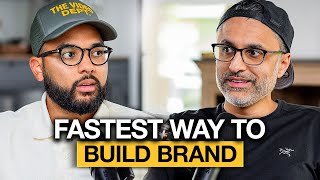
Neel Dhingra generated over $4M from events by selling seats through direct DMs instead of paid ads, filming everything for content, and running a launch webinar that moved 30% of tickets in an hour. He breaks down how to start small, layer in scarcity graphics and sponsor deals, and scale from micro events to regional ones.
Questions this video answers
Over $4 million (organically, no paid ads).
July 12th and 13th.
About 30% of tickets sold within an hour from that launch webinar/promotion.
Today's department is the events department. If you're wanting to throw an industry event at any level, I have back on the department, Neil Dhingra, who last year with events and masterminds and things like that, has been able to make over 4 million bucks organically, no paid ads.
What we're going to talk about today is really going to get into the shortcut. There's a lot of people trying to do this and you and I see most of the time they fail. In a world of AI and everything being virtual and this, they want that in person action, there's nothing that replaces that. Nothing attracts a crowd like a crowd.
And I found it to be like a brand accelerator. If you are yourself and you create that experience, that is brand.
And even if you're doing a micro event, when they're in that room, phone's off, they're looking right at you, versus we're trying to buy 20 seconds of somebody's attention on Instagram. So when people see that you're consistently doing this, people are showing up, there's good feedback. They now feel like, oh, this is something worth attending.
Can you quickly break down how you sold 30% of your tickets to your event with one promotion?
Okay, so when you launch an event, I think it's really important to give it.
Welcome to the department. It's Omar Altakhori. I'm so excited because today's department is the events department. If you're wanting to throw an industry event at any level. I have back on the department, Neil Dhingra, who last year with events and masterminds and things like that, has been able to make over 4 million bucks on organically no paid ads. And he knows so much about creating experiences and really dominating an industry with events. And so I'm so excited to get into this convo. Welcome back to the department.
Yeah, man, happy to be here. This is dope because I feel like there's a lot of people trying to do this and you and I see most of the time they fail, or I mean, not fail, but they do it wrong. So I feel like what we're going to talk about today is really going to get into like the shortcut because there's so many mistakes you make and there's so many things you could do to optimize it to make it better.
Let. Let's first, quick. I would love to first ask you, why should people even consider to throw on an event?
So there's so many reasons, but the first thing is if you're trying to build Your brand, like, it's a cool thing to do. Like, a lot of people say they don't know what to talk about, what to post about, because you're not doing anything. Like, so you may as well be. If you do something now, you have something to talk about and promote. And it's the promotion leading into it. It's the event itself, it's what happens afterwards, and then it's the next one. So a. It's just. That's the first thing.
And I found it to be like a brand accelerator.
Yes.
Because I mean, if you capture it the right way and even just if you are yourself and you create that experience that is brand, people are like, wow, this person knows what they're doing.
And this is the type of person who does events or is the host of the party or is teaching or whatever. So it. It elevates your brand. It gives you something to talk about on social, gives you something to post about and to show yourself and accelerate your brand. Second part is for networking. You can bring in people. So you're the host event. You know, it's much easier. Say, I was trying to connect with you cold, and I was like, omar, bro, love your content, love the podcast. Can we go grab a coffee? You'd be like, yeah, dude, I'll get back to you. Text my business, my vox hit my hit my assistant. We'll get on the calendar. And then, you know, it never happens. But if I was like, yo, I'm doing this micro event. It's in Vegas, it's at this place. We'd love to have you as a guest. You'd be like, yeah, you'd be probably down to do it as long as schedule work, because you're going to get something out of it. I'm going to introduce you to my audience. You're going to get content. You know, there's so many different ways. So that's a. It's been a really good tool for networking. You can bring the right guests on in order to create relationships that you can use in the future. And it's mutually beneficial. You know, the hardest part about networking is the value you bring to the other person. I feel like a lot of people struggle with networking because they don't bring any value to the conversation. But when you're doing an event, you're already bringing value. Like, they love it now. You're not going to get, you know, a big influencer to come to a micro event with 20 people. But, you know, there's different ways. So that's the first, you know, the next thing is networking, then. And then the other benefits are content for yourself. You know, like a place to be able to get full attention of the audience. Like, it's so rare. Right now we're trying to buy 20 seconds of somebody's attention on Instagram, three seconds of their attention versus when they're in that room. Phone's off, they're looking right at you. So if you got to teach something complex, you got a message to get across, there's no better place to do it. So there's so many other events. I mean, there's so many other benefits that come from it. Just off the indirect. But those are like the direct benefits. Yeah.
And I think another one that I think about, benefits wise is the, the, like, it gets small at the top when there's. Oh, yeah, this is what I meant to say. The other benefits that I think about is. Or this one benefit I think about is that there is just certain type of people that follow you that will only connect with you in, in person.
Yes.
They're not the kind to do the thing. The web class, which I'd love to talk about types of events in a moment. But when, when you, when you give the opportunity, like, hey, I'm doing something in person, it's like, I'm that kind of person. You know, there's.
Yeah.
So it, it allows you to serve people who are best served in that way.
Yeah. And then for the people that aren't served in. In person, you do, like you just said, webinar.
Yeah.
On Zoom, we do so many things on virtual events right now, and those can be great too. So there's, there's so many different ways to do it. And, and then for clients, it's great, too. So, for example, this is a benefit. Like the event itself could be a way to educate clients, potential clients. And then at the end, you make an offer. So, you know, we do so many webinars. You've done webinars as well, or challenges. These are events, basically. But, you know, you're bringing people in, either virtual or in person, you're teaching, and then at the end of the teaching, you offer them if they'd like to move forward with you over the time that you've taught them, it's real valued. They. They've developed some rapport and trust with you. And then the natural. The natural next step is to move forward with you. So it increases sales. But then for the people who don't buy, they still got a ton of value, too. So it just Builds your brand equity with them. I have people that have come to my events, my free webinars, my free this classes, all this stuff. They've never bought a single thing. Right. But there's like, they're cool. Like, they, they say good things about me when I'm not in the room. You know, they. They refer us people. I'm cool with them. So it's not about, like, just sales, but it's also just like, how else could I have done that? Yeah. You know, I wouldn't have been able to teach them that intimately on an Instagram reel.
Yeah. And I love that, like, if you do it consistently in all the various fashions and we'll get into all the various ways and even how you got started, but it's creating predictability. So, like, sometimes when people know that you do a thing, whether it's yearly or monthly or weekly, you're giving people to know, like, hey, when you're ready. This is always happening. I think about it like, church, like, Sundays are going nowhere. Like, I've been going to church my whole life.
Yeah.
And it doesn't matter. The economy, it didn't matter what happened with 2020, like, church still happened. And it's just something you can rely and that there's. Because of the predictability, people, there's a trust that gets built even from a distance to know that, like, hey, when I'm ready, I'm gonna jump in.
Yeah. And then the other part that's cool when you're doing business events is if people continually see these attended by others, they now feel like, oh, this is something worth attending. You know, nothing attracts a crowd like a crowd. And so when people see that you're consistently doing this, people are showing up. There's good feedback. Oh, I might wanna attend the next one. So I have people, for example, coming to my big event this summer that have been seeing me put this on. This is our fourth year doing the big one now. They're finally going to come. Wow. And so I used to think, like, the promotion of the event was all about this year. And, like, you got to be there. You got to be there. If you miss it, you've missed out on huge opportunity, which is true. But then some of them think, like, I'll just catch the next year, you know, which is good and bad. But, like, in this case, good, because now they've seen it executed so many times, they're like, dude, I'm not going to miss it this year.
Right. That's really good. So when you got started because you're, you're in like the real estate space.
Yeah.
And when you first started, did you start with a virtual, like a webinar, or did you start with like an in person?
So I wasn't up to speed on like how to fill these things. You know, how to do a good job on Zoom. Zoom webinars, you know, we use Zoom, but like you could use anything. But that's the easiest one, I think. And we can get into a tactic that everybody can use Zoom for free to create a webinar. But that is, I think the easiest way to get started. But it's also the most difficult because there's no feedback. You know, like when you're on Zoom, you don't hear the call. Like you could say something. You don't know if they got the joke. You could. Most of people have the, yeah, the cameras are off. You have these awkward silences. You try to get people to be active in the chat, but sometimes they're not. So zoom is, you know, hit or miss. There's ways you can make it more active for sure. But live is where I started. So I was just trying to get business from two people, clients and referral partners. So I was like, who could I serve that would refer me business or who could I serve that would want to work with us and buy a house or sell a house or whatever. So the first events I would do were like a first time buyer class where I'm going to educate you on the market.
So good.
And show you the opportunities. Then the other one I did was I would teach real estate agents something that would help their business. And then in exchange I would. Not in direct exchange, but by doing so, I would ask them, hey, give me a shot, send me a client. I'd love to work with you guys on the, on the mortgage side. So that was a way I could provide value to people. And so what I found was like the actual thing itself. And this is where people mess up. They aren't making a good offer. So like when you're putting together a workshop, an event or something, typically you put in like you're like, when I talk to people, they're talking about what they want out of it. So like this is a buyer class so that I can get some clients. Yeah, like why would they attend? It is the main thing. So that was one of the mistakes I made in the beginning was like, make it really. It wasn't enticing for them to come. So like, what are you going to learn when you come to this thing, what are you going to get? A lot of times it's not compelling enough. So no one shows up.
Yeah.
So that's the first thing is like, what are you actually going to do at this thing that would be valuable enough for someone to get up and drive over and, like, go even. And these are all free, by the way. There's no cost. Just show up. But, like, you know it's bad when you can't even give it away.
Yeah, yeah.
Like, that's. You got a problem. Like, people aren't showing up to your free thing. Then it wasn't valuable.
Yeah.
So we need to make that more valuable. So I would say, like, I would come up with things like, hey, here's what you're going to learn. Here's the opportunities you're going to learn at this thing. And by the way, since you're here in person, we'll give you this bonus. Or like, everybody who comes has an opportunity to do this at the end or something like that.
Maybe. Like, I mean, I feel like in your space sometimes could it be like, yeah, teach something valuable or offer free headshots or something like, yeah, think about something that would easily get somebody there. Lunch. Like feeding people food.
Bro, food is so good sometimes. Like, yo, have lunch with us. I'm covering, I'm buying. Yeah, like, have a drink, whatever, and just make it cool.
Have you ever wondered to yourself or asked yourself the question, when you watch my content, how the heck does Omar's quality of video look and sound so dang crispy? It's literally the number one question I get asked whether it's privately in the DMs or private or people commenting on my videos on Instagram or even on YouTube. The reality is, I believe the quality of videos that I've been able to produce has been the recipe to my success online. And I want to give you access to my live document where I've listed out everything I use, both for the podcasts I create, to the YouTube videos I make, as well as to what I use for my smartphone to make it look and sound amazing. The reason I put it on a live doc is because I keep this document updated in real time with everything that I'm using. So just head over to the videodep co crispy or just click the link down in the show notes. Let's get back to the conversation.
And then the other part is, is we talked a little bit about this, but, like, people kind of overlook. And I used to overlook this too. The vibe of, like, how Is this event put together. And even if you're doing a micro event, you can have a little bit of vibe to it. So it could be like, when people get there, is there music on?
It's good.
It's super awkward if you come into a room and there's three people there and there's no music. It's just quiet and weird. So just like, let's get some music in the room for when people arrive. Are there refreshments? And, like, people get thirsty. Like, people are hungry. Like, is there shit just around for.
People, like, to do? Everything you're talking about is, like, it's. It is. It's intuition.
Yeah.
Because, like, it's kind of the same with, like, interior design. When I go to people's homes and, like, all they have is Walmart furniture, I'm like, dang, you're not living. You know, like, this doesn't feel cozy. I don't know. Like. But then I'm like, why do I care? Like, there's a reason why you care. Why do you care about vibes? And, like, because some people don't even know there's a vibe. Or it's like they. They. They just think they're checking off a box or, like, getting people in a room.
Like. But how people feel has a big impact on their ability to receive your information.
Dang.
Right? And their ability to work with you and how they just. The value they provide assigned to you. So they're walking in and they assign a certain value to this event that will determine whether they tell all their friends about it, if they ever come back again, all that kind of stuff. So you want that first impression to be good. Just like, you would freaking shave and shower before you show up. You wouldn't show up smelling like, you.
Know, dude, first impression, bro. I plug in, like, here because I do the workshop that we plug in. The scent.
Yeah.
I tell the team a Pump the scent, turn on the thing. We have gifts on the table. But that stuff. Yeah. Again, I learned. I don't know, as I put on events with, like, churches and stuff and realizing that environments are so important for learning. And. And you can. Yeah, you can. You can make people retain information better simply.
Yeah. And. And then they have the, you know, like, you can have, like, if you had branded notepads or binders, they could be set up on each table and it looks cool. So these little things, like, seem like, you know, inconsequential. They are. They all add up. It compounds. So that's the first thing is, like, okay, what's the vibe that the next thing you can level up is, like, while you're there, what are you teaching and are you doing a good job? Like, so I remember when I first did these, I was trying to pack way too much information in, and it was just overload. And we would go over time. And so I. I learned quickly. Like, try the. The goal should be to do less.
Dang.
To do more with less. So, like, don't try and teach seven things. Go, like, deeper on three things. You can give an overview, but then, like, let's go deeper here. And so that helped because people can only retain so much in a setting like this. And then for these first ones, I remember making them too long. I would lean on shorter. So, like a less of a commitment.
Yeah.
Like, come here. It's 90 minutes. It's an hour and a half or an hour. We're going to do XYZ and you can get back to your day.
It's free.
Then it's not like a big thing. I've seen people try and take up, like, a whole morning or afternoon. That's a big commitment from somebody. Yeah. You know, time's the number one resource. And if you're new to this and you're asking someone to spend four hours with you, it's probably, like, not going to work.
Yeah. Yeah. I think about Scott in the. In your industry who throws on a. He calls it a seminar, and it's essentially a dinner. He. He informs veterans on the VA system. But what's crazy is, like, I seen him do it. Like, he invites real estate agents 30 minutes before, and he's like, hey, it's free meat. You know, not free meat, but, like.
Okay, that was sketch.
But, you know, have Adam when I. When I finish with them. But he feeds him really well. He teaches, like, all the opportunities and building your wealth and, like, this. This VA loan program, and he's become the number one.
Yes.
And he doesn't, like, Crush. I mean, he's doing his best on social media, but, like, he. His brand, when it connects to this and it's local, it was just like. It was honestly inspiring and convicting that he's just, dude, this is what I do.
Yeah. It's consistent. He does it then. He also does different events now for referral partners. He does different events for, you know, helping buyers on different programs. It's cool. So that became his strategy. And like you said, he's a number one in that market, which is huge.
Yeah.
I mean, that dude's rich, bro.
Yeah, I would. If you're listening or watching, I would consider asking you the question like who in your local community with what it is you know are putting on these 60 or 90 minute events.
Yeah. And they're probably doing a bad job.
And they're probably doing a bad job.
So even if somebody's doing it, you can level up.
Yeah, so.
So I saw a few people doing them. They were terrible. I've been to them. It was like, it was like you would go, you would never go back.
Right.
It was that. So you got to make sure that you do a good job. And then cuz eventually if you're in a big market, you could keep bringing in new people. But eventually like word of mouth spreads that this sucks.
Yeah.
So you don't want that word. And I was in a small market in Reno, Nevada so word would spread fast and there's not that many new people to continually go after. So I wanted the brand to be like, oh, Neil puts on really good ones like that dude's. They're different. Like these are good. So that's the first step is doing them small like that. And then I started doing online to get more people from the whole region, the whole area. And then eventually getting into like doing an event in, in Vegas where people would fly in and we'd sell tickets. Yeah, that was the next step.
So let's, let's go into the types of events. You know, we talk through them but like if we were just list them out because I think one of the best opportunities, rather than waiting for somebody to ask you to come on your their thing or you're trying to find somebody else's stage to stand on, you should consider make your own stage. And so what are the various stages that you've seen? I mean, I mean I wrote down a few. Like I wrote down the virtual stage, which would be like a web class. I do five day virtual challenges. They're kind of like a virtual event. Five day event. An hour or so a day Y. Then you have like the micro event.
Yeah, local micro event. Regional micro event. You know, where people could travel in and stuff. And these are just smaller, maybe 2 hours y max 1 to 3 speakers. It could be just you. Yeah, I've done many of them where it was just me for an hour and there's maybe some networking time afterwards. So that's it. You can get sponsors for these. You can get people to help you. Like so when you talk about food, I believe Scott like in that example, he has somebody pay for that food or he splits it with them at least. You know, title companies, like business sponsors, like anybody you can get to sponsor because you can tell them, Look, I have 30 of these type of people coming. Would you like to sponsor? Maybe they get like five minutes to pitch their service. No big deal.
Yeah.
And then now they've paid for 500 bucks or a thousand bucks worth of food. So these are like ways you can kind of like share the cost.
And something cool that Myron golden does is. Before he Even started on YouTube, he was doing a Bible study at IHOP.
Yeah.
And then he realized he's like, dang, people are coming in here. And I'm, I'm, I'm preparing something and I'm delivering it. I'll just turn on a camera.
Yeah.
And that's how his YouTube blew up. He would just live stream his Bible studies. And he still does it to this day. But so his. What's cool about his YouTube content is that there's actually people in the room every time he's recording, even if it's just a few.
Yeah.
His studio, I've been a studio, it's fairly small. Like you probably would get Max, like 25 people in there. But like, for his like Bible, you know, stuff, he's. And he opens it up, he's like, if you want to come see Even like a YouTube video I'm filming, like, come. Because he likes the energy of the in person. But it's cool how he's leveraged it to online, for online and to build his YouTube channel. He has over 600,000 subscribers. And it's literally just live delivery, you.
Know, of his talk that he was doing for those people.
Yeah.
So that's the cool thing is you, you know, we didn't talk about this yet, but while you're there at the event. Film. Yes. Like, are you filming the talk?
Oh, man.
Even if 12 people show up, even if seven people show up, it's still worth the footage. It's worth the practice of you doing it and getting the footage, which then can be chopped up for social media, which then can be used to promote the next event.
Exactly.
So you need two types of footage at these events. One is your talk, and if anybody else speaking their talk. Second is B roll of like just people coming in, shaking your hand, smiles, smiles, you know, all that stuff. Because you're going to need that to promote the next one. And people can, you know, if you show them rather than just tell them, they're more likely to go. Yeah, because they can see, oh, this Looks cool. Like they've connected the dots in their.
Head and if it, if it makes sense, maybe you just get them quick on camera. Ask him like, hey, what'd you think about the thing? And then now you got telling testimonials to weave into all that B roll.
100%.
Staying with like the micro event. Something I found or learned about Andy Elliott. The. He teaches sales and sales. Sales training. He sells sales training at his free classes. Yeah.
Yeah.
So he, his job is to get everybody in the room for like a day or two and then just help him. And that's his business model. It, it's, it's cool to like and I know you mentioned it about like how getting people in the room can help you. It could literally be the, the way you sell people.
Yeah.
Yeah.
That dude's doing multiple eight figures.
Yeah.
You know, at this point off that business model obviously as his brand. That brings the traffic. Right. But he started with dirt.
Yeah.
Dude just started to, you know, I don't know, three years ago from scratch.
Yeah.
And he's built this massive brand.
And it's funny, like that's funny. The cycle, right? It's like, okay, he does the workshop. They film him teaching at the workshop, they post him at the workshop. Clips and social media, they go viral.
Those come bring into the, they bring them in and it's just like, it's a circle.
It is a circle. And I've been even considering getting the place next door. I don't know if I will but just because like. Yeah. Knowing like how much it just separates you in an industry and if you decide on it being like one of the ways you're going to get people to invest in what you're doing, it's, it's just, it's powerful.
And then in a world of AI and you know, everything being, you know, virtual and this, the local micro event still dominates because if you do it well, because people like you said, they, they want that in person action. There's nothing that replaces that.
Yeah. And like I'm a case study. I threw my first content mastery day in February. It was a, it's a, It's a, a two day event and I got 12 people to come total. Four people were already in my program. Eight people were not. And so they paid to come to this micro event. And I know we're talking about you can throw free events but like you can also throw paid events. 100 and those people came. Of those eight, four people joined my year long coaching.
That's good.
That, that Weekend was like a highly profitable weekend. And it just taught me, like, wow. Like, this, this is the way. This is one way I can get people to jump into my coaching.
Yeah. And also the connection you made with those eight people is probably for life because they'll never forget that. Yeah, that's just. It's just so much more memorable than online.
Right. Okay, now let's. Let's graduate. Like, now it's time to get into the few hundred. You know, like, I just wrote it down. Big event. I don't know.
Yeah. So big event could be 100 people. For me, it was 75 people.
Okay.
So it was like, yo, I'm going to charge money. I'm like, oh, this is going to be scary. So I need just more than me because I need to bring enough value. So what's the theme of the event? And we talked about this before, but, like, I remember just doing Scatterbrain. Like, yo, let's just. Just come here and like, it's going.
To be level up.
Yeah, it's going to be level up. Like, but what are you. Who are you trying to serve? So who's the type of person that would get the most out of this event? What are they going to get from being at this event? So, like, really curate that. Like, okay, I'm going to bring in. This event is all about sales. This event is all about investing in real estate. This event is all about communication or marketing or whatever. So it's okay to have like communication and marketing or things that align, but it wouldn't be like real estate, investing, flipping. Plus, I'm going to teach you how to dominate social media. That would be difficult in the beginning. As you get bigger, you could do whatever you want. But in the beginning, it's got to be like, Nick.
Yeah. Like, Grant Cardone got 10x and he's got Tom Brady and then he's got Kevin Hart. Yeah, yeah.
It's all over the place. But he can do whatever he wants because 10x has become broad event for all the entrepreneurs. So think about who you want to serve. It's this small category. I'm telling you, the smaller you can get with that, the better. The more exclusive it is, the better.
Yeah.
So I went, I want to help people in the real estate industry and mortgage industry. Same thing. And I want to help them level up, but not just generally with. With digital marketing.
Yeah.
So who are the speakers? I could get to help them with just this niche. And I brought in some speakers and some of these people you have to Pay a fee to. And it gets scary because you're writing checks and you haven't sold any tickets.
Yeah.
And you're doing. You're reserving the venue and you haven't done it. So for me, I was able to get a buddy who had a training space in Vegas. He let me use the space. You would. If you can't, if you don't have someone to let you pay, you can rent one.
Yeah.
You know, there's a. One of your friends. Actually, his whole business model is creating event spaces that rent out.
Yeah.
It's a good business. So you rent an event space. There's, there's. There's multiple. You can do there. And then. Then you need speakers. You line them up. So you put together kind of a rough idea of what this is going to be. Now, I think people get too much in the details of, like, what's it going to be, how you going to run it, all these things before they want to actually start marketing and selling. But the thing is, the event doesn't exist without people coming there. So I would say put together a rough idea of what it's going to be and you know, who you're going to serve and get clear on that part. But all the logistics of how's it all going to work out, Put that aside for a moment. And now just focus your energy on getting people to commit to coming or selling tickets. And so I think people would be shocked to know, like, I've done events in the past where I had no idea what we were, how we were going to pull this whole thing off. I just knew what I. What the vision was. And then I went and sold my vision to the audience and said, hey, this is what I'm doing. It's going to be fire. I knew it would be. I knew I would follow through. But the funny thing happens is what, Once people have given you their money to show up to this thing, now you have no choice but to come through for them. Like, in my case, I'm not going to fail.
Yeah.
So it's a lot of pressure on your shoulders. Now all of a sudden, you're lining up the av, you're making sure the flow of the event is dialed. Like you're getting all in the weeds to make the actual thing good. But I put. I always do this. I like, I call it a strategy. Like, write the check. Put some pressure on yourself. Now you got to. Now you force yourself to come through. Set the date. Like, if it's a webinar, we're Doing it on this day. What are you doing? Like, if it's private, I'll say, I don't know if it's public, dude, we're doing this, this, this. We're going to do it. It's going to be dope. But behind the scenes, you haven't worked all that stuff out. I just think people get stuck. They think they need all this stuff mapped out before you can actually sell. You can sell. You can sell nothing, right? You could just sell. Dude, I'm thinking about doing this. But how many of you would be interested in coming? Just get a pulse. If nobody's responding, then maybe you need to change the message. You could test it.
Yeah, that's good. What I like, let's go more like mindset in the sense of you knew you wanted to throw your own event.
Yeah.
Okay. Like, where did that even come from?
So I went to other people's events who are in similar industries or my industry. I saw how it elevated their brand. Also saw how you could use it to connect with other influencers. Because it's your event you're inviting them to, you're paying them a fee, you're paying for the proximity, whatever. I also saw how, you know the content that you create from it. So I saw how, in my case, I was trying to build a personal brand, and I saw this as a big accelerant. Wow. You could put foot on the gas if you throw an event.
Bro, nobody's saying that. Like, hey, you want to build your personal brand, Throw events.
Yeah, yeah. Biggest thing I did for my business, that's huge. And then now you're at the event, you're, you know, there's different ways to monetize it, but the first thing is you got to sell tickets. I think people think, like, you make money on events. You. You don't really make money. The ticket sales, if you're lucky, will cover your costs. Right now if you're selling a workshop, like you just said, then it's profitable because those are typically higher ticket. Yeah, but for like, a low ticket ticket price, you're not.
97 bucks for 297.
Like, yeah, yeah, you're not making any money. So mine was a little unique. I've been putting out content for, like, I don't know, two. Two years, three years or so. Had a small audience, less than 10,000 followers.
Wow.
I decided to throw my first event. It was going to be 75 people, and the tickets were going to be a thousand dollars. But I was making it, like these list of influential Speakers like people who are big in my industry. And so I paid these people, got them all signed up, and then I market the thing.
What was that like? Like, do you remember how much?
So I spent over six figures with all the speaker fees and the. And this. And then. And this is before I got into like food security, like all the.
For a 75 person event.
Yeah. All the extra things that come along. But like in the beginning it was just like, okay, spe fees and venue and stuff like this. And by the way, you could do it for nothing.
Yeah.
Because you can also get people for free. But like I wanted to get more influential people because I want to lean on like this being a really bigger event. Now my sales pitch for it was normally these people will speak to big audiences, but this is a very intimate 75 person event.
Yeah.
So you want to grab one of these seats because you'll be in close proximity. So that was my whole sales pitch to the people. But I remember marketing it. And just a few like homies bought and a few people that were close but in the thing. So then I was like, oh, crap. Like I thought, you build it, they will come. Nobody comes. You just, you just sitting there with the bag of what you just spent. So you're holding the bag, you're like, I realized that you really need to market this thing. Like, you really have to get behind it. And I thought that you could just show. Here are the people going to be there. Here's what you're going to learn. And people would sign up, but they don't.
Yeah.
So what happened for me was I just started personally inviting people.
Dang.
So I would just DM you and be like, omar, bro, I'm doing this event on this date. Here's the people who are going to be there. Here's why you should be there. It's going to be dope. And I really, I know for sure you'll get a ton of value out. Here's why. Here's why it's different. And dude, personally, I just want you there. So I'm. Tickets just went on sale because we're homies. Like, I'll hook you up, but let me know if you're interested and I'll hook you up. And I think this is really key for me because what it did was I'm not just sending you a link to like buy a ticket. I'm like personally telling you it's not scalable, but like it's. It's a personal invite.
Yeah.
And then I ask you would you be interested, let me know if you want me to hook you up. Then you respond and say, yes or yeah, dude, that sounds cool. Then I would then say, okay, here's the link with the discount, all that stuff. I think people just send you the link, right. And it's very transactional.
That's just a sales know principle, you know, is just, yeah, have a conversation.
Yeah, just talk. Like, I'm just shocked at how many people just reach out to you with the credit card machine. Like, bro, it's so it just turns people away. Especially if you're the one in a disadvantage in this case. Like you haven't built your. You don't. People are taking a chance. What if they come there and it sucks? Y. Like it's a risk. So I would. Did that. And then of those a few people more started coming in. Then I just ramped that up. So no ads, just DMing.
Yep.
And so I would just send like 20 to 50 dms a day personal voice memos. No like bots, no. Many chats, no nothing, bro. Just sitting at night doing it. And my wife be like, dude, how many of these are going to do? I'm like, you know, I just wanted to fill the room. Yeah. So as they started to get more sales, more sales, more sales, then it got easier because people start telling their other people about it and then it becomes scarce. So hey, there's like 12 left. There's 20, you know, there's 23 left. Then I started making graphics of the 75 seats and the ones taken and there's only this many left. So like I said earlier, nothing attracts a crowd like a crowd. People don't want to go if nobody's going.
Right.
So let people know, like, hey, your friends are coming. Here's by the way, here's who's coming. Like, oh, I know that dude. I know that gal. So then other people want to go.
That's really good. I do. Like if they're. If, if, if maybe you're listening or watching, mapping out the framework of like potentially starting free.
Yes.
And like getting, getting at least 10 people in a room, maybe 15 people in a room, getting content of you being in front of people and like building that. You said two years in. So like, okay, I'm going to build my personal brand. You're posting content consistently or inconsistently. But then two years in, you're like, okay, it's time to do a paid, you know, big event with 75 people. So.
And that one was only. It was just because that was the how many seats were in that spot? And then also, it was during COVID so, like, you couldn't get, like, big spaces. And so it kind of worked out to my benefit because there wasn't a lot of competition. There was, like, a risk of, like, yo, I don't think we should be doing events right now. But I just said, I'm doing anyways. But that was the first one. And then when I sold that one out, it was really cool. It's like, oh, man. You know, I sold this out. I didn't make a single dollar. I lost money. But it was just cool because now I had all the footage. The speakers that came in became, you know, really valuable business connections for me in the future because I paid them their fee. So I think a lot of people say, well, you're paying for friends. That's kind of lame. But no, you're just. They don't know you, and you're paying them to provide a service. I've been shocked at, you know, not shocked, but I guess it was a really cool surprise to see that. How genuine many of these people are.
Yeah.
So it's not about the money. It's just, like, there has to be. Their time is valuable. Yeah. So when they come. But then now, because you've done that, like, now you're kind of in with them.
Yeah.
And so now you become homies and you can work together.
It's honestly honor.
Yeah.
It's like, man, I actually honor the reason why I even thought of you. To serve my audience. Like, you built that for me to think that of you. And for that, I'm gonna honor your price. I'm gonna honor your fee. And I know sometimes it doesn't always pan out to be friendships and stuff. Sometimes it's like, literally, like, did the thing too cool, dude. Than know doing your thing.
Yeah.
And then other times, it's like, the cheapest fee of a person was the closest friend. And partnerships can happen. You never know what could actually happen.
And then, you know, while they're there, maybe they learn about you as a speaker and what your community is. You can impress them. That's what happened with me. They were, like, impressed. Hey, Neil, this is your first one, and you did it like this Cool. I want to be a part of it. So then the next year, they're like, oh, I want to. Here, let me connect you with this person. Or, hey, next time when you're doing av, like, talk to my guy. Or. Or, you know, little things like that happen throughout the event. So that's what I learned. I also learned, like, all the little things that happened during the event. The flow. You wouldn't know unless you jumped in.
Right.
So I kind of, like, learned by actually jumping in.
Yeah. Like, when you say that, like, tickets started being sold and you're like, okay, now I gotta think this through. Think about the person. But that's. That's what, like, I think what happens is that's what our brains. Our brains go to work after. It's like, okay, this has to happen. I have to show up. And then your brain finds these moments of like, oh, yeah, let's think about that. And then invite people in the process. Probably like, hey, what do you think we should do? What are we missing?
Yeah.
Any good ideas? You know, did you not have an offer at that first one?
I had no offer. And then one of the guys who became my business coach, Billy, was there. He. He's like, yo, you should come up with this offer. And we were going to do it later, but he's like, why don't you try and do it at the event? And so I did at the event, but nobody bought it because I didn't know how to sell it or, like, pitch it properly.
What was the offer?
It was for my content day.
Okay.
So it was like, yo, you know, how many of you here are guilty of coming to these things and never, you know, being able to execute afterwards? And everyone's hands go up. And I said, well, I'm doing this workshop. If you are interested in doing it, here's what it's going to be. So I want you to scan this thing and then fill out, and then we'll. We'll connect with you. And I didn't have, like, the whole sales process down, so people, like, scanned it and filled in their info, but then it was so vague and nobody closed them. So then it just kind of just went into the ether. And then by the time we reached out, like, a week later, you know, it's kind of like the moment had faded.
Yep.
Like, so it just didn't work. So it probably could have if I knew sales better, but I didn't know how to pitch it and sell it.
But, like, that was the cost of you realizing that you didn't. You. You didn't sell because you wouldn't have known you sucked that sale.
Yeah.
Selling.
Yeah.
And then the following year, you, like, probably.
And I also was feeling very reluctant because I felt like These people paid $1,000 to be here.
Yeah.
And then now I'm trying to, like, sell Them something else while they just here.
Yeah.
Like it felt to me awkward.
Sure.
But it, it's not when you learn valuable, it's serving.
It's like I actually think it's a disservice. That's something I learned to believe. It's a disservice to not show people the next step. And then if you don't but you gave them all this information, they're going to go find somebody else to show them that next step.
Yeah. And so what I found, what was a, was a click for me, was I saw people who didn't end up doing this with me did it with some vendor who pitched them in the DMs later or who they found and it was a ripoff. They, they got disturbed, they got the wrong advice, their accounts were ruined. They got the wrong videos that don't perform. They got the just bad advice.
Right.
And then I was like, man, you how much you paid that person? Yeah, my thing was half that and it was going to give you the real deal. Right. And I was like, dang. So I was actually, I messed up. Yeah. It's my fault.
This is why sales is so important.
Like especially you have a good product. Yeah.
It's like even all the more you should need to get in front of people and get people to know, get them out of the way of themselves to, you know, tap into it.
And so this is a good point you brought up. So sales is important. And I learned this about micro event, webinar, big event, doesn't matter. And you know, eventually the 75 person event turned into a thousand people. But the same principle applies through the whole chain is you need to be excited about it. Like so when you're promoting it, like if, you know, Ed Mylett told me this, he said, you know, a lot of people on social trying to get people to believe something. The goal should be for them to believe you believe that, not you're not trying to like preach to them like this is what you need to be doing. They're like, who are you to tell me that?
Right.
If you're not known yet. So you need to just believe it yourself. So I'm like, man, this is what we're putting into this. We're here at the office, it's 11 o' clock at night. We're working on the. This. I just landed this speaker. It's going to blow your mind. Like I worked really hard to get this done because I care so much about this.
Yeah.
And I would love for you to be there and like, they can feel the genuine nature of that. And then they're like, you know, people buy into that. So I had people come out, they're like, man, I just want to support. I've been. I admire the hustle.
Yeah.
Like, yo, I've been following along. I've seen. Seen you since, like earlier. And. And I want to come out just respect.
Yeah. And that's a huge thing. If you, like, you build digitally online with content, and you put out valuable content. People just want to be a part of the first thing you're doing too. Like, because it's the first.
And so you did this too, where you announced a micro event, but it wasn't cold. You'd been building brand for a while. So I would encourage people to, before you start selling something, build some equity first with the audience. And I'm telling you, you don't have to have that many followers. Yeah, but even if it was like 2,000 followers or a thousand followers, but you had built something there, you're much more likely to be able to sell. Yep.
Yeah. I love the word. You said a word and the word was care. You know that, like, people feel that. Yeah. I. And as much as I. I do my best and I. I guess part of it is just being over critical about my own things that I'm doing. Yeah. But yeah, at the workshop, took care of all the transportation. You never had to wonder how to get somewhere. And then I fed them every meal while they were in my care. And I do it because I feel like, duh.
Yeah.
But they were telling me a dinner the last time we had a meal, and they were like, you took the time to like, we didn't have. We came to a new city and we didn't have to think about how we were gonna get somewhere. We didn't have to think about where are we gonna eat for lunch or where are we gonna eat for breakfast. It's like, you know, you. You allowed us to actually, I'm coming to your thing. And you made us have to think less.
Yeah.
And I. When they were saying that, I was like, dang, this is a. This is something people just need to catch. That care is such. One of the biggest brand builders, big time.
So. Same thing with you. What you're talking about. We had positioned the event. The nearest hotel. Okay, what is that place? That place sucks. Okay, let's change it to someplace nicer. Let's get a discount for them. And then we got buses to bus them from the M Resort to Brad's office for the event. So it's like, all right, guys, meet 8:00am we bus you. That encourages people to be there on time. When they got there, there's breakfast there. So, like, I had them in my care from 8 to 5.
Yep.
One day event. Okay. We're gonna have breakfast, we have lunch. And then is there snacks and drinks? Like, kind of just stuff like this throughout the afternoon. People want coffee in the morning. Like just little things. But it does make a difference. And people, they do notice that those little things. And it does cost more, but it's worth it.
It's good.
Especially if you're going to be in here for a while. You know, if it's like you can't. A lot of times you can't see the whole path. You just see, like what you're trying to get done today.
Yeah.
But these things will allow you to have a long path.
Yeah.
Like, people will come back, they'll say good things. Like, it's cool.
So then, then you, you're.
You're.
You're going into your fifth or fourth year. Right.
This is a fourth year of the forward event. Because I speak. I do like 30, 40 events throughout the year. All micro.
Yeah.
And then one big one.
So, Dan, just say that again.
30 or 40. So whether I put them on or other people put them on, these are webinars, zoom. You know, events, live events that I helped coordinate or that I'm throwing in a local market. I travel quite a bit just to do these micro things. And many of the people at these micro things end up coming to the big thing. Many of these people, these micro things end up being in my programs and things. So again, it's like you took the time. And usually I'll stay there afterwards and talk to people, create relationships and hang out with them. And the number one thing I get from people is like, dude, I love how you just keep it real. I love how you're genuine. And I think it's just what you said. They know you care.
Yeah.
And I've seen you to your point. I've seen people do the opposite where they just come in and leave, bro. Like, don't give a dang about nothing. And maybe they're busy, whatever. I'm not talking. I'm just saying, like, you know, you could tell.
Yeah.
And it might be the different stages of their career. Like, I'm in build mode, so I'm gonna stick around.
Did you, did you speak on stages? Like at the, at the 30 event level a year before you threw your own event?
No. So I had been not doing that many. Maybe like, I don't know, five, like a year, something small. So I was not ready at all.
And then. And then I know this kind of got like little. A little tangent, but, like, you have a speaker's fee now.
Yeah.
And let's say you throw out that.
Speaker fee, which is what, 10, 15 if it's. It depends on how far we have to travel, but like anywhere from 15 to 25K.
Okay. So let's just say. All right, dude, my fee is 20. Are you telling them to take care of the travel or are you taking.
That fee, including my travel?
Okay, I'll take just like 20. I'm there.
I'm there. Yeah.
And then. And then you. Sometimes you ask for permission if you can just invite people who are in the crowd to jump on something you're doing.
Correct.
So then you take that 20.
Yeah.
And potentially turn it into 80.
You could. Or. And I've done ones where, you know, they're going to get a big enough audience there on web or in person to where that fee could be like 5. Or in some cases, it's a friend who's. We have a mutually beneficial thing and it's zero. I'll just do it because you've done something for me. So, like, you and I, if I need you to do something, you just do it. If you need me to do something, I just do it. So there's a lot of people that have that relationship.
Yeah.
As you get bigger, you'll have a lot of friends like this and. And you just all help each other.
Yes.
So you can. At this point in my career. And same with you, we could each do a fee, an event with a list of pretty good speakers. I would say dope speakers for no speaker fees.
Yeah.
Because we have enough friends that would just do it and we would reciprocate. So when you get to that status, it's pretty cool. Yeah. And then there's levels to the game. Like, I know people who I paid 100,000 to, and they've done things for free for somebody else. So, like, I didn't have the relationship to get the 100k waiver. The dude next to me did. It's a big difference, you know, but, like, once I'll be at that level, at some point you will be too. Where they would do it.
Yeah.
And so that's. That's cool that people will just help each other.
That's good. Okay. So then you scale it now. Now it's on average about a Thousand person attended event.
Yeah.
And you've kind of dialed what the event means for your business. That it. I feel like it's a. It's a reset in your business to join your Mastermind.
Yeah.
And I love that you use just one event a year because it creates anticipation, the urgency and scarcity factor. But how did. How long do you feel like you're going to kind of go on that trajectory?
So the Mastermind's really. So two things. One is the event in and of itself without having to sell anything out. It makes a big impact on people. People have told us their life was changed by the event. They made major shifts in their business, in their life, in their relationships because of what they learned. So once I started to get feedback like that, bro, I was like, man, we're making a difference here. Like, this is dope. We're like changing lives, you know. And so I was like, okay, that's cool in and of itself. We want to make that better and serve more people. And then second thing was, okay, what's my offer at the event? And you know, if you don't have an offer, by the way, you can partner with somebody who does.
Oh, man.
And they will pay you affiliate, and you don't have to do anything. All your job is just to put together the room and fill the room. Somebody else. As long as you trust them and they have a good product, they will sell that product at your event and they will pay you a fee.
Yes.
So I've partnered with other people where I sold something and then I just paid them because it was their stage. So if you don't have a product, you don't need one. You could still make money there. But if you do have something, in my case, I have this program. It's a Ford Mastermind. It's very exclusive. The only way to really educate people on it, I feel like, really is in person because I use a lot of audio, visual. I want to tell them all about it and I want their attention so we get the right people in the room, in the. In the event, in the. In the Mastermind. So we educate them about this at the. At the event and then people have a chance to join. So I'll probably continue doing this. I have no end in sight, but, like, it works.
And I love how it's just like the. It is the clear. This is your next step when you're at the event.
Yeah. We don't have like a bunch of people selling different things.
Yeah.
So it's just one thing.
Yeah.
And I. It would be bad if every other speaker was selling something. You would be just overwhelmed.
Yeah. And.
And then you see a room of booths and sponsors selling you, and it.
Allows you to leverage to keep it clean. This is why I think, like, having offers is so important because, like, you can actually not let it be, like, spammy, because every break, it's just this QR code goes up and, like, you know, you know, the table to go if you have any questions, you know, and.
But I'll give you an example. Like, there's a software company that works in our industry. They have a really good software that helps you get business. It's really. It's legit. I use it. It's perfect. So that company will come to your event, pay you a fee.
Yep.
Plus you can have them pitch their software during the event, maybe after lunch, like a nice spot that inserted in there. And then you will collect recurring revenue on everyone who signs up.
Yeah.
So even if you don't have an offer, like, there's so many ways to monetize events. Yeah. You can sell things there, and it doesn't have to be spammy at all. I know you don't want to skip it, though. Like, people. The first one, I did, like, I lost money because I didn't. I didn't offer anything. Yeah. And then.
Okay, we got it. We got a few minutes because I know you got this call. All right. Maybe you open up his laptop and, like, start the call and be like.
Hey, well, I'm just going to put in the zoom code on yours.
Oh, okay.
That'll be the fastest path, right?
Okay, cool. No, I just. Can you quickly break down how you sold 30% of your tickets to your event with one promotion?
Okay, so when you launch an event, I think it's really important to give it importance. So even if it's a small thing, like let people know, hey, I'm doing this thing. It's coming. I'm working on this guy. Stay tuned. It's coming. Coming. Okay, so in my case, it was a big deal. So I told people, hey, I'm going to make this announcement on this day on Zoom on a webinar. It's free. Come attend, bring your friends. It's going to be fun. And then there's going to be guests there. So I just hyped the heck out of this webinar. The webinar's purpose was for me to announce this and then also make it valuable for people. So I brought some speakers on there to educate people, which I love.
That you paid some of these guys the speaker fee and you included, like, hey, can you also do a quick 20?
So when you're getting them, like, hey, I need you on this for like, 15 minutes. It's part of the whole deal.
And you know that this was to tell everybody about the event people. You're just promoting an online event. Like, hey, I have the biggest announcement I've ever made in my career. And I got guest speakers, and they're all, you know, you're. It's going to be insane. Like, you just built that anticipation.
And so I did that. We filled that thing with believe 16, 1700, opt inside, maybe 1500, 1400 show up. And then it. It was around 1200 attendance average during the call. But from there, you know, we give value, make it fun. And then, hey, we're launching this event again. It's going to be the best one ever. Here's how it's going to go down. We have a dope video to hype it up. If you want to take. If you want to get into this thing because it sells out every year, you can buy a ticket today for this huge discount. Oh, and by the way, here's some bonus you'll get for being one of our first ticket buyers. Like, you know, if you're buying on day one, I'm going to hook you up with this special merch. I'm going to hook you up with this special promo, like, something extra for. For being that first person. And yeah, we sold like, 30% of the tickets in an hour.
It's insane.
So I did that the year before, and I was like, man, we're on to some. We didn't sell as many the first time because I didn't know how to execute. Yeah, but this is a big thing, and I think if you're selling tickets, it was the same way of like, hey, I'm going to sell tickets to a webinar. I mean, I'm gonna sell tickets to my workshop or things like this. It's easier to do that when you provide value first. Right. So I was like, how could we provide value first and then offer it?
Yeah. And I love that you, like, roll the. You roll the promo, and then you're like, actually, some of these speakers are on the call today, and they want to drop some game. Like, they got a surprise. Yeah, it's so sick. So, like, just like the artist surprise. And I don't. They're like, you. I think you're just very intentional about everything, and. And then you're intentional to fix something and reiterate it for the future. And knowing that, like that could have been better. I'll do this differently next time.
So if it's a, if it's a zoom, if it's a small micro event, like it could be as little as like maybe you got the dude on fiverr or a graphics guy to make a dope graphic for the event. Yeah, that's. That's being intentional.
Yes.
That's not just text on a screen. It's like, dude, this is. This looks like it's going to be dope.
Yeah.
Like I make a 20 person event look like it's the thousand one because of the way the graphics are. Make a dope graphic. Come up with a name for it. Like a hook for the event. You know, like a video class might be like, yo, this is video for the anti influencer. Like, oh, you know, come up with a name of like, who are you trying to speak to? And just get them in there with marketing.
That's really good. And then so can you just let people know about your event this year and then we'll post a link to it. If you want to meet me in Vegas, I'll be at this event.
Yeah. And so Omar, I'll be there. Tons of people that you know, influencers. We have a whole list of amazing speakers. Gary, Vee, all these great people that have influenced me. It's all about marketing and communication and it's going to get your mind right as well. So we have this whole thing. It's all about just leveling up. So it's in Vegas on July 12th and 13th. It's@forwardevent.com God Eames and get you a.
Promo code and then hopefully I can meet you here in Vegas. Thank you for being on round two. We'll get around three. And also, also Neil, we just helped him launch his podcast and he has fire conversations with incredible human beings. I've sat in a lot of these conversations, like fly on the wall. And I would say I'll put a link to that too. I would say jump on his podcast to the Neil Dingra show.
Yes, sir. All right, let's get it.
Peace.
More from Neel




Don’t let people tell you what you can and can’t do. #personalbranding #podcast #entrepreneur

How to use Ai the right way for scripting. #personalbranding #entrepreneur #ai




Your audience already has a story about why it won’t work. #personalbranding #entrepreneur

The new YouTube strategy to hook viewers. #personalbranding #entrepreneur #podcast
Why you shouldn’t discount your prices. #personalbranding #podcast #entrepreneur