The Smartest Way "Normal" People Can Make Their First 100K Online
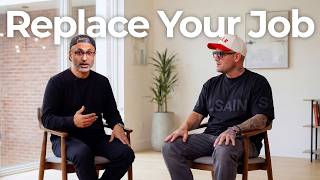
Ryan explains how creators earn their first $100K online: post multiple short-form videos daily to build trust and audience. Self-fund experiments, create low-ticket products like "Speed to Post," and convert viewers through direct engagement. Volume matters most in a crowded social landscape.
Chapters
If you think you need a big audience to make money online, you're wrong and you're leaving a lot of money on the table in 2026. The game is no longer about going viral. It's about turning views into revenue using a digital product that you could launch this week. I've personally generated millions of dollars in digital product revenue on top of getting clients from my content. And so today I brought on a guy who's generated hundreds of millions of views for himself, plus he's worked behind the scenes with some of the biggest creators like Jordan Peterson, Grant Cardone, and many others. Ryan, bro, thanks for being here today.
Appreciate you having me. Now, I know we squeezed this in last minute. Every time in Vegas, I'm like, I got to get Neel. I got to talk to Neel.
So what I wanted to do today is break down, as I said earlier, like the process of coming up with your own digital product and then how you would market this and launch it and sell it. And so you can truly create passive income. Now, this is going to work for people who have any expertise. Like, I'll give you an example. People in my industry, real estate, mortgage, like they offer their expertise for free. Well, one of the guys in the community set up a like a course or some sort of resource on how to identify the best deals and do this. And like the promise of that was like, you will save money or you'll get your money back. He offered a guarantee on this and I think he sold it for under $50 and generated, you know, tens of thousands, if not hundreds of thousands of dollars of sales. And then many of those people also became his clients. So even if you're like, I don't sell digital products, you could and generate passive income for yourself behind the scenes. And then also obviously for the course creators, the core, the consultants, the people in marketing, you could sell all kinds of stuff.
Yeah, I mean, we saw that early on, like, because, because I'm also running ads on some of my top performing organic content, which as a business owner, if you're not doing that, I think you're leaving a lot of money on the table. Um, like, I just went on a spree. I posted 5 to 6 times a day, all cell phone videos, which is the premise of my product. It's called Speed to Post. So the idea is get your idea out there as fast as possible, treat kind of everything like a version 1 type of content, see what works, And then when you see it work, you know, when I say work, this type of content is not designed to get millions of views. Like, I know how to do kind of both sides of the spectrum. Like, I was looking for anything that got like 10K, 20K, 30K views that just popped organically a little bit, started generating. Everything was, you know, submitted through ManyChat. So I, you know, like $40 a month for my ManyChat account. So it automates that. And then it was just basically, you know, this video, this many comments. They— there's no conversation on the ManyChat at all. It's just here's the link to check out the product, which is called Speed to Post. They click the link. And, you know, I basically look at it like a traffic, you know, the videos are traffic, page views, which are clicks on the ManyChat inside the DMs to the page. And my goal right now is to get it, I'm at about 300 to 400 page views a day. I'm trying to get to 1,000 to see if 1,000 doesn't convert. And on average I sell anywhere from, you know, low days is like 10, high days is like 15, 16, 17. And it just runs on autopilot. And it was like, when that started happening, it was kind of like a revelation for me. 'Cause I come from the, I mean, I've been making money on the internet for over 10 years. I was deep into the digital marketing, digital product world 10+ years ago, when I kind of went all in on TikTok and everything during COVID everything for me went like full-on agency, like, you know, give everything away for free, treat the agency as the main business. And I did, and I made a lot of money doing that. But as content has kind of matured to what it is today, you know, costs are expensive. I was like, oh, well, let me just go back to kind of like, you know, I saw Maria Went. I know a lot of people that your audience probably knows who she is. Like, I was like, man, this— she's doing some cool stuff, and this is not so much like a stress-free business, but I was like, I already deal with top-level clients that are paying me like $10K, $15K, $20,000 a month. Like, I had that high-ticket stress of like, you know, it's hard to sleep when you're like, you're on the rope for $200K a year and you got to provide results. Like, you know, so I was like, man, I just want something that's a little painless, stress-free.
So like, it actually becomes passive. Like, yeah, and people that they sell the dream of that, but it truly is you just literally see money coming in on the back end. I've done this with courses in the past, obviously, and selling a course in 2026 is not necessarily the best way to go, but a specific product that gets you a specific outcome, teaches you a thing, offers a lot of value, that's the way to go. So for today's conversation, what we're going to do is we're going to break down the whole funnel. So the first thing is getting more views on your social content that would drive— and then some of those videos are going to drive people to a page.
Yep.
In this case. And then that's where you would sell this offer if you don't have one. We're going to go through a quick framework on how you can come up with your offer. And then on the other end, we're going to maximize conversions. Now, the last step of this whole process is going to be how you could upsell those people into a higher ticket or working with you. That's something that I, I have a lot of expertise in. And then I know Ryan's actually working on this right now with several clients. So first things first, if you can't get people to watch your videos in 2026, like this whole thing doesn't work.
Yes, everything.
And by the way, we're going to run ads too. But you need first to start with good content because even on the ads, I've noticed that people aren't watching the video. They won't serve the ad. Like, your cost to acquire a customer goes way up.
I, you know, just not to repeat everything you just said, but like this whole funnel works because I post a lot of content and, and but it's not posting with like no meaning. And that was kind of a mental shift that I had to have because for years I've made content and like my Instagram and my TikTok and my YouTube, everything was a business card for my agency. So like, if I'm getting views and people trust me to help them get views, I've always lived by, If I'm not doing it, it's very hard for me to sell it.
I'll lead by example.
Yeah. And so with that being said, I had to kind of make the shift and I've always kind of avoided making videos on my own personal page, like talking, making content about content, because for me it never did good. It never got views. Well, now the content economy has shifted and like I would consider content advice like viral topics now because so many people are making content. So that was like a little mindset shift I had to make because normally I'd be doing street interviews, talking to business owners, talk about making money, finances, investing, which by the way, still works.
Yeah.
And I still do that on Trial Reels. So like I still— that part of my my business has not stopped, so I'm still actively going viral all the time. But my main feed is kind of like— and I know business owners struggle with this, like, what do I do with trial reels and what do I do with the main feed? Like, all of this is main feed content. Like, I am taking out my cell phone a minimum of 3 times a day and I'm literally just riffing a 45 to 60-second video.
And people would call this yapping.
Yeah, yapping is the term. But it's like, you know, there's yapping too. And then there's like, I just— this is like expertise. It's just like, hey, like, you know, I could film a video about this Rode mic if I wanted to.
And so, okay, so this is what people will want to know. Okay. Ideation. What are the topics? Okay. So what Ryan is telling you and what everyone should take away from this is like, literally, we're going to shoot this selfie style for this exercise and this whole concept. All you need is your phone.
Yes.
Now, it'd be good if you wiped the lens.
Yes, definitely. What the lens. And if you have— I have a little plug-in Sennheiser mic, but it's a plug-in. It's not a wireless because wireless to me is slow. If I have an idea, I need to get that thing out as fast as possible.
So I think within arm's length, if you're within arm's length, you're fine. You should be fine. Also, the latest iPhone does have a boost feature, like it does boost the audio. So, okay, we're going to do these selfie style. Okay. And the topics, what should people talk about? How do they come up with these ideas? The thing that Ryan does and I would suggest everybody do is like batch create.
Yes.
So you want to batch create, you want to sit down and get a bunch done so that way you don't have to think about it all the time. You've got videos in the hopper that you can get scheduled out. So How do you come up with the ideas as a business owner? So this is where I do think people should, because that's the number one reason why a video takes off. We can talk about hooks and this.
Yeah, no, it's the topic of the video topic. Yeah.
Okay. Quick break. I hope you're enjoying today's video, but I need your help on something. I notice many of you are watching these videos, but you're not subscribed to the channel. And so do me a quick favor and hit that subscribe button. This is going to help us reach our goal and reach even more people this year. We're putting a ton of effort into these videos so we can help you reach your goals. And so I would really appreciate it if you helped us reach ours. Hit that subscribe button. And now let's get back to the video.
So you got to kind of like, if you've been making videos for a little bit or like you have, let's say, a good amount of experience in your expertise area, this would be like considered niche content. So it's like you can just basically start with like all the questions that you get, like, and the videos could be like, so many people mess up when it comes to filming with their phone because they can't decide if they need a wireless mic or not because they put it too close to their face or not. Like, it's just like literally. And I have a an ever-growing note doc that is just, you know, hundreds of like, and I just look at, and I never delete them either. So it's always like, cuz you can make the same videos over and over again if they work, just FYI there, you know. So I just keep an ongoing note doc and then you can take that note doc, you put it in like, you know, if you wanna go basic AI, you can go to ChatGPT and you could say, hey, make me 50 other topics like these 10 topics and it will print out topics for you. And that's not, in my, that's not where the magic is. The magic is, is like you look at those and you go, okay, And then I put all the— I would say the pressure of this onto myself as far as I know, if I speak it good, then it can get out fast. And when I say speak it good, that's kind of the premise behind my main product, which is Speed to Post, is you don't need to edit these if you speak them, speak them perfect.
Yeah.
So like, and you're not going to learn to speak perfect unless you make 100 of them.
Yeah. This is delivery.
Yeah. So, so I'm not filming this with the intention. These are not going to an editor. These have to be filmed start to finish.
He's talking about one take, no edits, and you can get this. It's actually— so the concept of what Ryan is saying is like, if you film the video and you mess up a line and then you keep shooting, all that has to be cleaned up. And you could do this. I've done this a lot, but I think it, it just makes editing more time-consuming, adds additional cost and labor. Anytime I just need to get something out, like, just nail it first.
I use— I mean, I do, I use the Edits app for Instagram.
It's—
I think it's, I think it's better than CapCut on the phone just because it's quicker and it links right to Instagram. And most everybody These are Instagram-based videos. You can post them everywhere. I would encourage you to do it. But if you're doing this to sell a low-ticket product, obviously Instagram is kind of home base because it has many chat DMs and the DMs and TikTok's working on it, but it's not there yet. So yeah, so it's like once you have your list of stuff and if you don't have a list, like just talk to ChatGPT or talk like, take, take like a go to your, your competitors YouTube videos and take a transcript from one of their most popular videos. Put that in your ChatGPT and say, hey, take this transcript and one of my competitors YouTube videos and give me a list of like 20 videos I can film right now for Instagram Reels, and it will. And that is a start.
This is the— this is a great starting point. So look at on YouTube, no matter what industry you're in, find people who are making content that would help the customers that you want to obtain. Okay, take those videos and you can put them into Claude, ChatGPT, or Gemini. Claude is better, and for sure, if you're basic, like on ChatGPT, it'll work, but I'm getting way better output on Claude. And put it in there, and then just ask, say, I'm a short-form creator on Instagram, my videos, I want them to be around 45 seconds or a minute, whatever you want to be. Give it some context. Don't just dump it and then tell it who's your audience.
Yeah, you want to say who's the audience, what are you trying to help with, something. What are you selling? Why are you selling it? You know, what are some like reasons people should listen to you?
Yes. What's your authority?
Yeah.
Your experience, any of the knowledge that you have that you've retained. How did you get that? And then so you give it this context dump. And by the way, on Claude, you know, many people just transitioned. You should make sure memory's turned on because, you know, otherwise you're starting from scratch every time you start a chat in there. So make sure that's turned on. But then now you put in this competitive video. Here's a video that did well for this. This concept that we're talking about here is called using validated content.
Yes.
Okay. When you see content that already did well, that is an indication that either that— for first of all, it's an indication that that topic was interesting to people. Second thing is there's probably some nuance like that creator's good at packaging it. Yes, they're probably really good on camera. So that's why it did well. But first and foremost, it gives you evidence that the topic is good. I feel like a lot of people are swimming upstream Yes, because they're talking about things that maybe you have to get people interested in. It's just like you can do that, but like, I would rather do some of the topics that I already know the waters. I'm just swimming with the current.
Yeah, this is like, I mean, this is like living in your expertise. Like, I wouldn't tell anybody to make a video in this style that you don't know already a lot about, you know? And that's how you can get the speed and the volume up because you know a lot about it. And I mean, I kind of been blunt. If you can't literally take out your phone 3 times a day and film a 1-minute video about what you've been doing to make money for however long in your life, then you probably have no business making a video. Like, because it's like you're not there yet. That's not saying you can't get there, but like, you're just not there yet. And more just helping people get over that mindset of like, like, I don't believe in scripting, at least not for short-form stuff. Like, if you want to do long presentations and stuff, yeah, you got to bullet point stuff out. You got to work a little bit more effort on that. And, you know, but like these videos, like you shouldn't make very many mistakes in these videos. It's like, it's just long enough to get your thought out. And it's like—
and I think what the problem is, and I've done this and you probably do, is we might start rambling.
Yes.
Or there's a— you make a 90-second version, there's also a 45-second version, but you just had a little bit extra context maybe. And so you're like, oh, you know what, I could say that better.
Yeah.
And just reshoot. What Ryan is saying is like, it'd be way easier than to try and edit that one and chop out everything, and then it's so choppy So many starts and stops. Just try and nail it again.
Yep. And I give myself like a 3, 3 video rule. So it's like I won't— like, I'll pause because I am— I know that I am going to use the edits app and like I'm very specific and I'll talk about that one second what I do there. But like, like if I make a mistake, I just pause and then I come right back in. But then— and then I watch the video back after it's done and then I go, did I pause too many times? Is it going to make sense? Okay, it's probably faster for me to just film this again. And then I just film it again. And then I still don't like it, I film it one more time. I do a 3-video limit. One of those 3, I got a good one.
I've done one the other day, I did one, it took me like 12 times.
Yes, I mean, that's up to the person.
Because I kept wanting to change it. But honestly, there was a take in there that was good enough. I just wanted it to be a little more punchy.
Yeah, and that's fine, like, 'cause it's like, again, you can do 12 takes for one video and you can do that 3, like 12, that's 12 minutes if each video took you 60 seconds. Like that's not much time. So it's like, and that's kind of the magic and what I started seeing was like, I'm just getting these simple videos out and then not, you know, 3/4 of them are going to horribly do bad.
They're gonna flop.
They're gonna flop.
But you need 10 bangers to get the one.
But 2 or 3 are gonna do okay and then that's, then the next time you go to film your batch, boom, you have like data from the previous batch and then you just keep kind of rolling that data into each time. And it's like, as long as you have like a list of something to kind of, you know, pull from. I don't like relying on like, what do I make a video about today? Or, oh, sometimes I get inspired and I'll see something like, yo, I gotta film that video right now.
Yeah.
And those videos usually hit the best.
Yeah, that's because you're in the moment. So this is the concept, like, this will help you go viral. It'll help you double your views, or in many cases go viral easily. This is it. And so what you want to do is when you get an idea and you're like, I want to make a video about that, that is an indication you have a little bit of fire. You need to film it like as soon as possible. Now let's just say you can't. You're on the airplane, bro, and there's noise and there's a crying baby. Like, you can't do it. And I just got inspired. Well, for sure, make sure you write this down.
Yeah. In your list of hot ideas or take out your notes and just speak, speak, speak a version of it, seek a version of it.
And then that way you'll come back to that place because what you need to do is get back to the place of inspiration. And those have been my best topics.
Yeah.
Like when I got inspired to do something and then I'm like, I want to make a video about that.
Yep.
And I've got it right there. Inspiration is perishable. It's like a freaking avocado. Yeah, you know, it goes bad.
You can't rely on inspiration. You can't rely on motivation. You can rely on like, you know, having something to pull from. And that's why I say like that note doc in your— I use an iPhone, I use Notes. Like I'm a Notes guy. Like my note doc is huge. Like, and there's multiple note docs. There's always something to pull from. And then I got it.
I got one actually right now. So this just went viral for me last week. Okay. And it was— I got it. And anybody can replicate this, by the way. I got hit up by somebody in DMs asking a question or complaining about something I did. And so I responded to them.
Yep.
So it's almost like the format is a clapback, but the way you do this is, is, is responding to a quote.
Yep.
So what you do is like you put in the quote of whatever somebody says, the public says, or what somebody actually said to you. Yeah. And your response to it. I did this in writing. And then the threads blew up on Instagram threads. And I did on X, it did okay on X. X is hard.
Yeah, I don't, I don't have much experience on X. Yeah.
And then what I did was I posted it as an image, like as an 8-second reel. Yeah. And it did millions of views.
Yeah.
I was like, holy shit. So then I was like, I need to make more about this.
Yep.
And so I think this is the biggest mistake I've made with content to date is when you find a banger, you find a topic that took off, you move on to the next.
Yep.
You need to make 12 more, 27 more videos on that, on that top, because that was proof. Success leaves clues.
Yep.
And so, so many times I'm like, dude, I just move on to the next thing and never come back. And so in this case, I said, Neel, learn from your mistake. I went back and made 2 more.
Yep.
And they're both doing great.
Yep.
I made a video version, another text version. You can format it different. You can say in a different spot, like say you did this selfie right here, go do another version slightly different in the car.
Yep. Like it shouldn't be the exact same, but you can change it and then go walk on the street and do one with the walking head, you know?
Like, yeah, I think the part in my head was like, I already said that to my audience. But the thing is, A, they don't remember it. And then because I don't remember what I saw this morning, honestly.
Yeah, nobody does. Nobody remembers anything.
But then the second part, which is actual facts that changed my whole opinion on this, was any time a video goes viral, these are all brand new people. They've never seen me before, so they don't see the previous version.
Nope.
They didn't see the last one.
And even if they click to your profile, they're going to look at your last 5 or 6 videos and they're gone.
Yeah.
Like they're not even going to, going to dig. I mean, some people will like that. You want people to binge your stuff, of course. But like, yeah, I think that's also a mistake that a lot of people make, which you kind of caught yourself on it. And I'm guilty of it too, because like I don't want to say the same video over and over and over again, even though you can make it slightly different. Yeah. Even though I like what I do, it makes money and I know it works. And I'm like, why don't I just say this video over and over again?
What you could do is like there's— that's the umbrella. And then underneath that umbrella, there's like this version of different. So it's like, in this case, the concept that went viral for me was the concept of, hey, I know most financial gurus tell you to be very conservative with money, like the Dave Ramsey's, all this.
Yeah.
I have found that, you know, like, if you make money, you should enjoy it, because otherwise you're literally just dying with more money.
Yep. Who's gonna spend it?
Like, if you were like, hey, I want to take this $20,000 trip with my family, or I could not do that. And then when I die, I'll leave them an extra $20K. Like, ask you, they would rather go on the trip.
Yeah, they'd rather take the trip.
They don't—
they want to go to Disney.
Like, I'll tell you right now, I don't care what my dad or mom leaves me. I'd rather have more time and memories, you know. So that was just the concept. But underneath that, there's so many financial ideas because I could talk about something that's unique for me. And so I think, like, this just happened by accident. So you just have to talk about more things. So like underneath financial freedom, I talk about different topics. One of them hit. Now I got a banger. I can go make 17 more like that.
Yep.
And then I'll try more.
Yep. And then you got to have kind of like buckets you pull from.
Yeah.
Like it's like, I mean, you, you fall like obviously real estate investing, like those are big buckets. Like those are viral topics. Like money and finances is viral topics. Tax, taxes, you know, expenses, profitability. Like those are big topics. You know, then you have like, you know, like, like I have buckets. I have content creation. That's a bucket for me. How to make videos, how to make videos fast. I talk about content. I also have— I'm a parent, like, you know, I'm married, I have a kid. Like, I think I'm pretty good at it, you know? So I have some advice.
A lot of that though.
Yeah, I don't— I— it's hard. I still like resist a lot of the family stuff on the main feed because I get a lot of like— I mean, some of you stories, they get a lot of hate, like, and it's hard for me to like to wrap my head around, like, if Kristen, you know, my— if she's getting hate on one of my videos, like, Like, I'm not— I, I signed up for this job. Like, the hate's just a part of it, you know? But my, my 10-year-old did not, you know?
Yeah. And I think, um, you really— you don't have to worry about that until you get to larger numbers.
When you're getting like— I mean, I'm averaging like a million views a week on Instagram, so it's like, then you'll get like— it's like you can't reach a million people without pissing a lot of people off either in some way, or disagreeing. I don't want to say— yeah.
And I think, I think for us, you'll get 99 comments that were great and then 2 that were bad, and you just focus on the 2. You only focus on the 2 there because that's just the way your brain works.
So, uh, but yeah, like you know, when you have the— you have to figure out like kind of like you're, you know, you have like your, your niche-based topic list that you're going to pull from. Then you have like your buckets that you also want to pull from. And all these are just kind of there. And if you have these in a chat or your Claude, like at any given point, once you kind of build it out, like the more time you spend building out that, you know, I don't know what they call it in the AI world, like the, the thread.
Yeah.
Like at any given time, just say, hey, I need 5 videos. Hey, I need this. Hey, I need this.
And then you look at everything we talked about.
Yeah. And then you're just like, okay, cool. I got to, I got to take on that right now. Boom, rip it, you know, I don't like that take, delete it, film it again. Okay, I like that one. Put it in the edits app. Like, this is the 6 steps. So step 1 is get the video filmed, like, shoot with the camera app, with the camera, shoot for 45 seconds. Like, 45 seconds doesn't have to be long. It can be shorter if it needs to be, it can be longer if it needs to be, but like 45 to 60 seconds seems to be a good spot. I mean, we make a lot of— my company's made over, you know, thousands of million view videos. They all seem to fall around 40 seconds. So like, I have that built in my brain You know, and then, you know, open the Edits app, bring the video in. You're going to cut the beginning pause because there's always a pause. There's always the millennial pause. That's what they call it, the millennial pause. You know, I'm a millennial, by the way, so I make sure I don't do my own pause. Cut the beginning, cut the end, watch the video all the way through. And when I say cut the end, you're just cutting the pause at the end.
You can also use cut silences.
Yeah, because I found it sometimes like I talk fast, so the cut silences makes it— it doesn't— yeah, most time I can't even cut nothing. But sometimes if I do, it's too choppy and I don't like it, so I end up reversing it. But yeah, look at it, like watch it one time through. I encourage everybody to watch it one time through and then just be like, did I make any glaring mistakes here that I don't want in that video? If yes, cut that part out. Okay, is it good? Cool. Then you're just, now you have the finished file, then put a title box on it. There's a little A, big A, little A, hit it. Put something, a title box on it.
It's a visual hook.
A visual hook. Title box goes on and then extend it out for the whole video.
You leave it on the whole video?
I do.
So I've seen people, and then for those of you who aren't familiar with this, um, that's called your visual hook. It tell— it kind of grabs you in.
Yeah, it gives you something. You give the— you have what— the auditory hook, which is what you're saying. You have the visual hook of like, where is this person? What is he wearing? What does he look like? And then you have the text hook, which is another visual hook, which is like, what does this give the context of what the video is about? Yeah, like, and that— I mean, you don't have to leave it all the way. I'd say leave it 5 seconds minimum. Like, you want to leave it enough time so people can read it and listen. Like, I hate when people put it for like a second and it's gone.
It's like, yo, I just noticed that some of the best biggest content creators, the biggest content creators are doing this right now is they're putting a visual hook in the first few seconds and then it can go away or you can leave it up. People like Diver CEO are doing this. People like, you know, the Cody Sanchez and all the big creators of the world, they're— if they do a talking video, there's usually a title there. And, and that will be there for the first few seconds and goes away. And I've had huge success by making sure that I've actually done an A/B test where we posted one straight talking, no visual hook versus adding that in there for the first 4, like leave it up for 4 seconds minimum, I would say, because otherwise people don't have a chance to read it.
No.
And then there's actually a deep strategy on what you should put in there. And you can work with Claude on this like, hey, I want to create a title or a visual hook that will appear for the first few seconds of video or will appear on this video separate from the captions. And I want this to grab the audience. I want this to stop the scroll and give me some ideas and it'll give you more ideas. In order to do that, you have to give it the whole context.
Yeah, you got to give them the transcript of the video. Yeah. Which again, this is like, again, coming back to the philosophy, like these videos are version 1, like get the video out and posted. I'm very confident in most people's ability to write a decent title box. Yeah, first shot, you know, and then get it up there, leave it for 5, 10 seconds if you want, put it the whole thing. If you do like I usually leave it the whole thing and then hit the little closed caption button, closed caption. AI is going to closed caption it. This is where everyone freaks out. I don't even spell check it. I haven't spell checked the video in like 5 years. Yeah, like I just make sure that the first lines that I'm saying are like, make sense. Yeah, like that, you know, because sometimes it does get a little wonky. Um, but and then pick your style of subtitle. Like, I, I like the ugly ones. I like all the ugly ones that like everyone, everyone thinks is cringe. I just hit it, I move it into where it's like, you know, makes sense in the video. Like, is it not my—
no zone?
Yeah, it's not over my eyes or it's like something weird. Like, just, you know, and it's it, you just move it around with your thumb, then hit export. It's going to export. You hit the Instagram logo, right to Instagram. Whatever you said in the hook, make that your title, like the caption, like, or something similar, variant of that right there. And then boom, post.
Yeah, no hashtags, nothing like that. Okay, and then here's the thing, we're going to get into now how to drive traffic to digital products, but I just want to make sure you— everybody knew, like, and there's somebody who's watching or listening and like, dude, get to the money. Well, bro, if you haven't— like, if you're not getting any people to watch your videos, you need to get good at this skill. And the things we're talking about are going to get you more views. And so all these things we talked about, you know, reaching more, trying more topics, how you structure the content, having it more authentic and raw— that's what's performing right now on social versus the highly edited stuff. I feel like it's like a barbell. Like, you can go super aesthetic and really good. Like, people really appreciate the visual aspect of those creators, But if you're not that, which is most people watching—
yeah, most people, most business owners are not that—
then just go to the other side.
Yeah.
There's no like— the middle is where you get smoked.
And there's nothing authentic. It's the most authentic video you can make is just taking out your phone and talking to it. It's FaceTime with the world. Yeah.
Like, so this is the strategy. And then the next thing will be like, okay, now we want to drive people towards the result. And this is how you convert people. First and foremost, you need an offer.
Yes.
Okay. Now, A lot of times I've talked about this in previous episodes, lead magnets. If you didn't even care about digital offers or making money, you should have a lead magnet. Now you can start charging for this, which is what we're going to talk about here in a moment. But it comes down to helping somebody with a problem, solve a problem.
Yes. So I just think about specific singular problems.
Yes. And so I think about this like when— what are the issues my clients are facing in today's market and the customers? These are the people who are my ideal audience. What's something I could help them with?
Like, and that, that was where like my Speed to Post came. Like, I started seeing that people were struggling. Just, I'm like, I need people to make more videos because they're going to get more results. They're going to make money if they can just get more videos out. So that became the premise for what Speed to Post became, was just how to post 3 minutes, 3 videos a day and spend less than 20 minutes per video. Like, and so having that context, this is how I built the product. So I went to ChatGPT again and I said, I'm about, I want to make a a presentation where I share how to, like, help people post 3 times a day with 20 minutes or less. I had some reference videos that I had already filmed with, like, my method, like, my thoughts. I put those—
your frameworks, things like that.
And if you don't have that, you can film a quick Loom presentation or a quick video and then get the transcript and put it in there. And ChatGPT— I said, I need, you know, I want this to be a 20-minute-long Loom presentation. And I do have some reasons why I use Loom, and I can talk about that one sec. Like, So, and I wanted to be able to speak it in 15 to 20 minutes. Like, so he gave me like, I think, 10 slides, took my information, gave me 10 Google Drive, white, black text, simple slides, simple slides. I took, I downloaded those, I opened them in Keynote, I opened the Keynote, I turned on Loom and I talked for 18 and a half minutes. That was your first digital product that is still to this day. If anybody buys this, we have a link under the video. That is what you will get, an 18 and a half with your expertise, organized by chat, organized by chat with like context by me and everything that I wanted to say. And you have to adjust it a little bit. Like, I probably made the slides like 3 or 4 different times.
I think the value in it is like, hey, you could go searching around in the sea of AI and content, you know, all over the internet, or you could just watch this. Like, I've taken 6 years to give it to you in 18 minutes. Like, that is value to people. So that's a time saver. But you'll notice the way he structured that was a specific outcome for this specific thing. I think when you get into general, you're now competing with just the masses. Yes, the big creators. Also, it gets lost in the sauce. Yeah, like people want to buy something from you, you should be the expert on just the very small niche that you're doing. So I was just thinking about this for people in a client service business. Like there's a guy who we help with tax stuff and he was trying to blow up on social and he was like, okay, he gave some tips on how to reduce your tax by this amount this year. For business owners, also one for W-2 people. Okay, then he did it, you know, in different categories. So he offered two rather than just making the general one. He went niche and made two. So that way they feel like they're buying it specifically for themselves.
And even if you're doing onboarding calls with your clients, whatever questions you're asking them in the onboarding calls, yeah, that's what your digital product should be like.
And then people have conversations with, like in real estate, about credit. Or saving money on writing a deal. And like this guy said, he's going to help you structure a deal in a way that saves you a minimum of $2,000 or $10,000, whatever it is for your particular market. And so that's a promise you can make in a, in a, in a small digital product.
Yes.
Now this is done on Loom as a video. I've seen other people structure it as—
yeah, there's a lot of— I prefer Loom for this strategy based on like, so I made my 18-minute presentation, Loom instantly gave me the transcript. And then here's how I built the offer. I copied the transcript to my actual product. I went back over into my chat and I like SamCart. I know Maria went to a big fan of SamCart. I've been using SamCart like 10 years. It's a one-page checkout, so it's like start to finish. They can, they can read everything about it and they can buy it on the same page. I do think that that outconverts any other way you could try to do this.
These lower products are simple.
Yeah. So I took the Loom transcript from the thing, put it in the chat, and I said, I'm using SamCart. I'm using this literally. I wrote the exact name of the style from the SamCart thing, which is basically a blank page is the one I was using. I need a one-page checkout. I'm charging $29 for this and I picked $29 because it just made sense to me. I was like, $29, cool. Like $10 per post per day. You're doing 3, it's $30. Cool. $29. And it took my Loom transcript. It wrote out all the sales copy. I did have to do a little bit of tweaking on the sales copy, but I mean, that sales copy is 95% chat. Yeah, the other 5% was me making it sound exactly like how I wanted me to.
Because you want to make the tweaks.
Yeah.
So this is the, this is the key, okay? The, the best way to get customers from social media, from Instagram, into your funnel is to create a lead magnet, okay? And a lead magnet should be outcome-based.
Yes.
So this is like the outcome that they want, and it should be a narrow outcome because that means it's believable. Nobody believes that you're going to sell them some complete full system for $50. Like, no, that's not possible.
They're not going to watch it anyways.
Yes, exactly. And people like to consume bite-sized things today because their, their attention span is all over the place. So sell an outcome-based thing and you can tell AI this to help you come up with the copy for it, but make it an outcome, a narrow outcome. And then you could, if you want to, if you don't even have a lead magnet, you could use this to exchange contact information to build your email list. You don't have to sell it, But if you did want to make money, which many of you guys are watching this video for, then you would want to sell it. And what, what Ryan is recommending is SamCart is an option. I know.
I mean, go HighLevel. Like, I just found that SamCart converts better than—
and it's simple.
It's super simple.
What was the other one, though, there that was blowing up?
Stan Store. Yeah, I like SamCart over Stan's. More direct marketer. Okay. And like, you know, whether people want to admit that or not, you're, you're a direct response marketer right now if you're doing this or even thinking about doing this. So you have to accept the fact that Stan Store is, in my opinion, more for creators, like templates, visual graphic packs, things about it. Not saying you can't sell a lot of stuff on Stan Store. Stan's awesome, but like SamCart specifically is built by marketers for marketers to sell products. And that was why, like, you know, and literally it was a copy and paste situation. Like, you know, SamCart has the design builder where it's like text block, copy in the text, format it, make sure it looks good. Next text block. Okay, I want that to be a subheading. Make that bold.
Yeah.
And this, that the process of formatting the page, which took me about an hour, took longer than making the product and the content to promote the product.
Yeah.
Like, so it was like, it was just, and you could probably pay somebody to format out for you if you wanted to. But like, again, I like knowing how to do this. It's fast. I can make an offer on the flight home tonight and be selling it tomorrow. Like, you know, so it was like the speed of being able to do that. I was like, this works. I put it up there. When I started selling it, there was not a single picture on it. There was nothing. Like I've since— if you looked at the page now, there's a, there's a green screen video, which I call my green screen VSL, which is— that was just basically answers questions about the product and what it is. And then I use my iPhone notes to make like emoji-based like images. I screenshot my iPhone notes and I put those on the sales page because I wanted it to feel like if you're coming from like my content, my content is very raw, it's very authentic, it's very rugged. It's not— yeah, I wanted it to all feel psychologically that this makes sense. And yeah, I put it up and I didn't even have order bumps or anything when I, when I started for the first like 2-3 weeks, it was just one singular $29 product and I didn't add an order bump until I had like 70 or so sales. So it instantly started making money because, you know, the third part of this is like, you know, you have to have ManyChat. And then now when I make the videos on the front end, you know, I found that if I say within 10 to 15 seconds I start talking I slide in, if you want more help with this, comment the word speed below. And then I finish my video and then at the end I go, if you need help with this, comment the word speed below. I found that now, now every time I make a video, I'm forcing the comments. So now it became a game of more videos posted, more comments because— and then again, ManyChat. I'm not telling anybody to build out complex AI conversations. Like, good. I mean, yeah, it's just because I mean, I'm not good at it. So I mean, there's people out there that are. I'm like, no, comment the word speed below. They comment, they send them a link. They literally is like, here's your link to check out Speed to Post. Boom. I'm not even asking a lot.
There's a template inside of ManyChat for this. We'll put a link in the description.
It's super easy for ManyChat. Super easy.
So essentially you're making content, they comment a certain word, they get the link in the, in the thing. You can also put this link to your digital product if it's on SamCart or wherever. You could put it in your bio.
Yeah, I have it in the bio.
You can put it in description on YouTube videos.
Yeah, but you put that link everywhere. And I would encourage people to get a good like get a domain name for it, redirect the same. Like I have speedtopost.com, like, so it makes sense.
Like you could also, you know, send it out to people directly.
Yeah, I have an email list. I emailed it like you. There's— I mean, once you have the product, then that's where like the mindset shift, I think, and it would for business owners and people watching this, like the mindset shift came from, okay, I'm not— it's not content anymore, it's traffic to page. And what— and the link was ManyChat to get people traffic to the page.
And then you stop caring. I mean, viral is cool, but then you don't necessarily have to go viral. No, you don't notice a video that didn't go anywhere near viral but got you customers and you're like, dang, let's see if every—
if, if the only incentive you needed to make 3 videos a day was you knew that every time you made a video you make $29, how many videos are you going to make?
Yeah, you make more.
I'm going to make as many as I possibly can.
You might have one make you—
and then you have, then you have the outliers that like crush and you're like, okay, I need to make more like that. But, but then that became the game. Like, as far as— and I call it a game because it gave me one, it gave me motivation to make content that like I I don't generally get inspired to make videos about making content. It's my job.
It becomes like a side hustle.
Yeah, it's fun. And then, and then even still, like, I'm— I still do the viral stuff on the side where I'm like actively trying to get millions of views. And it's crazy because my main feed, I'm posting, you know, minimum 2, 3, 4 times a day on the main feed. When I get a video on my trial reels that gets 5 million views where I'm like, you know, I made a video where I talk shit about HIROX people. I said HIROX is like the pussy version of CrossFit. I make videos about 5-inch shorts. I am very good at triggering the internet. I see huge spike in viral views. I see profile visits. Guess what? I make more sales. Yeah, like it's like traffic boom funnels right back into doing that to your offer. And, you know, and then once I had the offer selling because my goal was to do— I was like, make the offer and just let's go till I get 100 sales. I'm not going to make any changes, you know? And then that became the, you know, again, I was like 3, 4 or 5 posts a day. Boom, sales are starting to come in. Then I was like, okay, this video did really good. Like specifically video 21 of my like starting assault of making a bunch of videos to sell my speed to post product. Video 21 is right now currently I'm spending about $100 a day in ads on it. It's, it's, it's—
yeah. So this is the next step. Okay.
Yeah, that's the, that's the next step. We can, we can.
Yeah.
But I mean, you know, so you have videos being made, you know, from your cell phone, very quick to make. You have a singular offer, you know, and I would encourage everybody, don't even get crazy with upsells and order bumps. Just get one thing made, put a price tag on it between $19 to $50. Like, I mean, I have success at $29. I know Maria has done a lot where she talks about like $27, $29. She likes that. You know, I'm not trying to reinvent the wheel. I'm just doing what other people are doing that worked. So $29 is where I put mine. And then I started driving traffic to see, you know, one, the product specifically you want. Like, I've become obsessed with the term friction. So when somebody buys something from you, whether it be like they're watching your content, your content should be easy to watch. You know, that's where like, you know, a lot of people get that. Like they understand that. Then you have like then easy to get, which is ManyChat. Very simple. You don't have to follow me to get my ManyChat. You just— it's just boom, here, comment, here's the link. Like, and now they're clicking to the page. The page flow is pretty good. It's very easy to consume. Looks like a Google Doc. And at the end it's like, okay, it's $29. And then people say yes. Then the next step, which is I do think people need to pay more attention on this in like 2026 and moving forward. Is I want them to actually consume the product now. So what I didn't do was there's no members area, there's nothing. You buy the product, you go straight to the Loom video. Yeah, like, and that's a setting inside SamCart, very easy to set up. You just right, right to the Loom, make it easy for them to consume. Yeah, make it all friction. And I use ConvertKit to gather the emails, which I get the email that builds my email list with the buyer email. But you know, everything right now is like I just want you to watch the video. And what I saw, which was what was mind-blowing to me, was I've sold— I think it's like a little over around 300 front-end sales right now to this point. There's almost 1,000 views on that Loom video. That means people watch it multiple times.
Yeah, that's good.
Or they're stealing it and send it to their friends, which either way I don't care.
Yeah, but the part that's cool, and I think this is the next level strategy and you're probably doing this or you can be, is most people don't know this is how you can get customers.
Yes.
That are customers of your normal margin product, your higher margin, where you make the real money is inside of the lead magnet or lower ticket product. You insert the opportunity to take the next step with you.
Right now I have it. I have it in the description. Loom gives you a description just like YouTube. So if you like to book a 1-hour consult and talk about your content strategy, I do 30 minutes for $500 or an hour.
So basically you would offer this there. Now, for people that are looking for clients where you would sell them on working with you or taking the next step, that call doesn't have to be a cost. You can say book a call.
Yep.
Take the next step with us or go here. So you would give them the next step. And so what happens is I think this is the big takeaway for people, bro, is like people are making content and they want customers of this higher ticket where they make their real money. This is a big gap to bridge.
Huge.
Okay, so what you want to do is stop making content for that thing and start making content for the next step, which is this small thing. And you'll see that that's a, that's a, that's a jump people can make. They can make the jump from like, hey, I like this thing, I like this idea, I want more of that. Where can I go to get more of that? And it's a baby step. So I think you're just trying to get too far. And then yeah, yeah, you do get lucky and somebody does reach out to you with a big opportunity from social and that happens all the time. But when you're growing, it doesn't happen often enough. And then you think social doesn't work.
It doesn't work because you're using the wrong playbook and you're posting videos and they're not making you any money. So you get discouraged and then you quit and then you quit.
Yeah. So what you want to do is like makes an easy win.
Yes.
So you want to give them an easy win. You want to give yourself an easy win because when you start winning, like you just said, you're motivated to do it.
You're motivated. Like, I don't feel like filming a video today. Well, do I want to make more money today? Yeah, I'm motivated to make money today.
And then the reason why this whole concept works is because when people have more time with you, this is time on brand.
Yes.
There's a study from Google years ago and all of you guys have probably heard. If you haven't, you should. That says that people need 7 hours of time with you in order to make a buying decision of a higher margin product.
Yeah, it makes sense. So 7 hours might even be higher now. I would say it could be because it could be—
it also could be touchpoints across different platforms. And so this is built— it's hard to do that with short videos only.
Yeah.
So what you want to do is high volume to get— so if you get them into an 18-minute video that they consume multiple times, now you're on your way.
Yep.
Also, people can go watch your YouTube and all these other things. So essentially that video is the first step into them learning from you. But then now you're building trust with them because they're like, Wow, if he knows this much and he was willing to give me this much value for $40, imagine what it's like working with him.
Yes.
And then, okay, so then that's the next step is make sure you're including a next step inside the lower ticket product. Okay. So now the next kind of thing I want to cover just before we wrap is like, okay, you're doing organic, you're getting customers, you should run paid ads.
Yes.
But what we alluded to earlier was you want to run paid ads with validated content.
Yes.
So just explain how you find that.
Yes. So I kind of touched on it. So like when I— I didn't really launch the product, I just started posting 3 times a day promoting the product. And what I saw was I got to, you know, I mean, I will preface with I'm pretty skilled with short-form content. So like, yeah, I knew it was your expertise. Yeah, I knew it wasn't going to take me long to find a few winners. And like within like 5 to 7 videos, I had one that did like 20,000 views, drove a lot of comments. And when you're doing this, you can see like videos posted over the next 10, 12 hours, you're going to sell. Yeah, you're going to see sales come in.
Yeah.
So as soon as I saw sales come in and, you know, you know, they're coming from that video because you see all the comments, you can see in the many chats like it's working. I just— I started another note doc with my winning creatives and it's like, put that one in there. Then I kept going and I wasn't going to do anything yet. I just wanted to— again, I'm trying to— and I also knew if you have a decent or any organic following right now, like your first like 20 to 50 sales are going to come pretty fast because a lot of people do want to pay you. They want to support you. They want to like they've maybe followed you for a while, they can't afford your big ticket something and they're like, you know, Neel, I'll give Neel $40 for this. Like, just, you know, so it's like you are going to get a little spike of that. That'll happen pretty quickly. I wanted to get over that hump as fast as I could so that I could get into, okay, now it's hard again. Now I got to learn ads. Now I got to like actually get this to sustain. And so it took me to about video, I think it was like 21 or 22, like, and like it's running as my ad right now. That video organically did like 50,000 views. And the cool thing about these is when you, when you have the ManyChats firing, the comments start racking up, so you start getting more engagement. So Instagram pushes the video because they see it as a good video. Plus the video was obviously, you know, hitting the right emotional targets because people are commenting. So the video started taking off a little organically. I immediately then again went to Meta Business Manager. You don't want to do this boost post through the app. You want to go to Meta Business Manager. Like if you don't have that one set up, takes a little bit, but set it up. Meta Business Manager. I literally, I did not do any campaign setting whatsoever. I just did a broad target campaign because what you're using is the data from the post.
Yeah.
So the post is already the proven winner. So I just attach that post to a— and I run two different campaigns on the same video. The first one was a conversion sale, which was like, you know, there is a little setup. You got to set your Facebook pixel onto the sales page and sample a little bit of a learning curve there.
By the way, it'll walk you through all this.
Yeah, they have videos.
It's very clear. And then the other part that I just just tried yesterday is we have a paid ads guy.
Yeah.
And he was always like, how— he was telling me how complicated— I think he was telling me that so he could charge me more.
Yeah.
But like, it wasn't that hard.
No, ChatGPT will tell you how to do everything too.
It'll tell you. And then Manus is an AI. It's a large language model just like Claude, ChatGPT. But Manus was bought by Meta.
Yeah.
So Manus has a direct integration into your Business Manager. So yesterday night, I— this is so relevant for this— I connected Manus I set up a new account. I've never used it before, bro. I'm brand new to Manage. I set an account up there and I connected it to my Facebook ad account. And then I went into Manage and I'm just a novice at this, right? And I literally type, hey, tell me which ads are working, what's it. And it found all the mistakes. It told me the shit that my guy's doing that's wrong, by the way. It was like, hey, why are you wasting— you literally wasted this money here. Here's where you need to fix this. It started to analyze everything for free, by the way. Yeah. And this is all free. And so it will tell you, hey, I'm Just talk to Manus like a regular human. I'm trying to set up my first ad. I'm trying to set up my pixel. It will walk you through. Give me the steps as if I'm a novice. It does 1, 2, 3, 4, and it'll walk you through the whole process.
Like, I mean, ads used to be this complicated thing. I truly don't think they are anymore. Like, it's getting a lot easier. It's— there's still a learning curve. Yes. Like anything worthwhile, there's a little bit of a learning curve, like, but it's significantly easier. And all I did was take that post put it in there. I did one as an engagement campaign and you can choose your settings. Like the engagement reason being was is the comments are driving sales. I want to optimize for more comments. So one campaign I started at $20 a day as an engagement campaign and then I duplicated everything and I did one as a conversion campaign for sales because the cool thing about ManyChat on using organic posts is you get the learn more, you get the link which people click and you get the comments. You get two sides of this. So I ran ways to win, two ways to win. Yeah. So it's like I had both those ads running. They're still running. Both of them are at like $50 to $60 per day. Right now.
I wonder what the percentage of people who are clicking on it versus commenting.
It's hard to track. I don't have— I don't have GoHighLevel. I don't have any external tracking software on it yet because I, again, I wanted to just start making sales. I didn't want to like— because if you get what is Alex Becker's company, Hiros, it's like a couple hundred bucks a month. Like, I feel like real detail. Yeah, it's real detail. And I'm like, I don't even know if I need that yet. Let me just— let me just run this. Because, you know, Facebook and Manus, like, it tells you this ad campaign is doing good. You should spend more money.
Yeah.
Like, and you can visibly see you should make more ads like this. Yeah.
Or make more, by the way, you know, that one video that did well, you could make more versions of this and run it straight ads instead of— because a lot of times you're like, well, I don't want to post that again because your story you have in your head about you don't want to post the same thing, but you could run ads. And underneath that same ad campaign, it's called an ad set. You could put all the different things. Yeah, I don't want to get too nerdy, but you could put like 7 videos and it will find the winners and put automatically put more money behind the winners and less money behind the losers. So this is all stuff I believe right now, Manus, it just tells you things, but it can't do it. It'll tell you what to do.
Yeah.
In the near future, it's just going to do it for you. Yeah, that's where they're going right now because they know that that's going to make them more money. This is why Zuck bought the company and this is why they're integrating AI into everything they're doing.
Yeah, because I know right now I'm giving Facebook a couple hundred bucks a day right now. I know there's people giving thousands.
I just spent $50,000 on ads in the last month. For a big webinar.
They want it to work for people like you and me and the people that are watching. They want your ads to convert. It's not like they're against you. They're not just trying to take your money because, you know, and I saw a Hermosi video where it's like organic and ads, like the perfect marriage is a good piece of organic content that you're putting ad money behind because it's already proven that organically people don't think this is an ad and they like the video and they're going to keep watching the video. And then you put money behind it and you marry the two and it's like, this is incredible.
People want ads that don't look like ads.
Yeah. And when you're making cell phone videos that are, you know, they're very, very low. Like, there's not a lot of— your guard's not up when you watch them. And I do— I mean, I don't think that pendulum is going to swing back the other way anytime soon. So I do think there's a runway that people have right now that, like, I've kind of adopted the whole speed to insert thing a lot, you know, with how fast the internet moves now with AI and like just— I mean, industries are collapsing as we see it. Like, it's pretty crazy out there. So it's like the faster you can get like version 1, version A, version B, like out to see if it works. I think that's where the like business owners are going to like be able to scale faster and be able to kind of compete and win. It's just like, this is an idea for a product. Cool. If it takes me 2 hours to make that said product and that might be 40 minutes next month, like with the way, who knows? Like SamCart is already working on an AI builder. I mean, I might be able to just speak to what I want. It's going to build it for me. I don't know. It's I've tried. It's not there yet.
But, but like, you do want the product to actually help people because like, that's what's going to get you more business. And here's the thing, if you just want a quick cash grab, you can make something and get people to buy it. If it's trash, it's not going to have any runway. You'll get the first product, you'll never get anything else. So I would encourage you guys, especially if your goal is to get them on to buy, like, yeah, you work with you.
This is a step. Yeah, you want them to love you from this product because you answered a specific question But you don't want them to think like you suck because of this.
Yeah, that would work against you.
I speak from the context that the people watch this aren't going to do that. Like, so like, apologies if that was confusing.
Like, no, no, I think so too. But I just think it's worth saying because it is worth noting you do want to actually make the thing valuable.
Yes.
And I found the best lead magnets that we give away are things that we could have sold. Yeah, those are worth it.
I would actually encourage you to keep giving away for free, but also start a low-ticket funnel and sell the same thing and see if nobody noticed. Because I don't think anybody—
well, sometimes when people pay, they pay attention.
That's what I saw. That's why, like, I, I was very, you know, surprised, like, to see the view counts on the Loom go up, meaning that they were consuming it. Because, I mean, well, I did think it was a good product, but I was like, okay, maybe they're gonna watch it once and then that's it. But no, like, and then the reason— another reason I like Loom is you can have comments turned on. All the comments in there are positive, you know, which is built-in social proof. Now you bought the product, you see the comments, people are already saying that it's validating the purchase that they just made. So it's like, you know, I don't have any like refunds, like, you know, not that I would stop a $29 refund. I'm not going to be one of those people. But like, I don't have any refunds. Like, it's like the whole, the whole loop kind of feeds itself. And that's where I think, you know, not that course creators and things get that wrong because it's like, but the second you go into a members area and the second you have to do this and the second, the more friction that's between me, just like I paid you $29, I just want to watch that thing. Or read that thing. It doesn't have to be a video either. It could be a PDF. Yeah, like I just want to get that information and then I want to decide how fast can I implement this or if I'm going to implement this now that I know what I need to know. Like, and that's like those decisions should happen pretty fast, you know? And like if I could go back and I don't— I'm afraid to change the product at all because like it's working. So I don't want to mess with it when it's working. What I would say is, and this is what Luis did for me, like take my transcript, put it into your chat. Now you have a speed to post. Like agent and like it tells you when to make a video. Like you can set all the parameters up if you're using like Claude Code and stuff. Like, I mean, it's like that, that's where I think courses are going. Like courses are going to like you buy it and then you just talk to the course.
Yes.
Like, and then, you know, but I, in hindsight, I would have been like, I would encourage that in the beginning because again, I just want me on as many computers as possible helping people get more videos.
One of the upsells I think I'll leave you guys with this is an upsell. And by the way, if this is helping you, let us know in the chat, in the comments, because I want to go deeper on some of these topics. If this is something you want to talk about more, let me know and I'll make more videos about it. And make sure you subscribe to the channel, because I noticed many of you guys are watching and you're not subscribed. So hit the subscribe button. Yes sir. Uh, so let's get into like this last piece, which is just to, to let everybody know is, okay, you're making the products, you're making more content, um, and then obviously you're going to— you're trying to drive more traffic and you're running ads. Okay, great. Well, I think the thing that where people mix— get, get caught up is, uh, just letting it go stale, right? And so you got your finger on the pulse, you're looking at what's going on right now with content. There's going to be something 6 months from now that's going to be like a new trend that we want to be on, and we want to be able to execute on that. I don't know what that is. Yeah, but I'm just telling you, if you're in the game, you're going to win. So I have this thing on my desk, it says, stay ready.
I like that.
Just be ready for whatever.
Yep, bro.
It might be like some new style or this.
Yeah.
And if you've done it, then you're going to be able to capitalize on these big moments. Like, there's always something new coming when it comes to digital products, social, video trends. And the people that get the most benefit from it are those who are in the game. A lot of people mistakenly kind of look at lulls in content and money, and they're like, well, I'll wait till it gets better. But then when it gets better, the money— the opportunity is passing you by. Yes. You know what I mean?
Yeah. And that's kind of thing too. It's like, and the beauty of like, you know, a low ticket product, you know, it's easy to cut and it's easy to shift pretty quickly. Like, you know, so if like the product stops selling, I'll be like, okay, you know, like I don't— maybe that's at 5,000 sales.
I don't know.
Like, I mean, maybe it's at 1,000 sales. It took me 2 hours to make one so that I could test a new product with new messaging and then just same thing. At the end of the day though, it's like, you know, the one thing that's constant that never changes is I'm putting out a lot of videos. Yeah. And it's like I'm self-funding You're building brand too. Yeah, I'm building brand, I'm building trust, I'm building all this regardless of anybody. Like, you know, I give away— like, we just gave away, like, I mean, speed the post. Like, you know, if like the product's a little more broken down, like more little step by step, but like, like I've kind of gotten away from the like, oh, I have to charge for this or I don't have to charge for this because like I feel like as business owners we get really in our, in our— it's like, oh, what do I make a YouTube video about? Because I don't want to give that away because I want to make money here. Like, I've just found through working with the biggest people and like at the end of the day, it's like there's certain people are going to pay you money and they want to pay you money because they value what you do and they like watching you and they like your information. And that's the value of a personal brand is the bigger your brand gets, the more people trust you, the more people feel like that. And then there's people that are never going to buy from you, but they might just enjoy your content and that's cool. So give them information too. And then there's people that just hate you, you know, and it's like knowing that it's just, you know, The one thing that I've kind of just built my whole brand on is like, at the end of the day, like, I'm going to keep showing up. But when I show up, it's just on video. And right now, multiple posts per day is, is how I show up and it's working. I hope maybe there's a pendulum switch and I can only have to post one video a day, but I don't see that happening with the competition on social media and where like AI is kind of pushing content and the amount of creators there. It's like, all right, well, You know, I have a job. My job is to make videos. You know, I make videos and then I—
and if you have another job and your side job would be to make videos, then just make one.
Yeah.
Or make 3 this week. Like, start off wherever you can be consistent and then just build from there. I remember just being like every Wednesday.
Yep.
And then I went to the Thursday, then I went Monday through Friday, and then we only do once. Yeah, you're doing 3. So you're doing literally 2 times, 3 times what I'm doing. We're still getting results. And so it's just find what works for you and then keep going.
It's the consistency aspect.
But I think the main thing is just showing up every single week. You can't have a week go by where you know—
no, like, I mean, I try not to have like more than 12 hours go by, like, but I'm a little psycho on that. I get that. I'm not— everybody's built like that.
And so if you want to follow Ryan, we'll put his IG in the chat. Thanks, bro, for being here.
No, thanks for having me, man. I'm glad we got to talk. And, and if anybody has any questions about this, feel free to DM me.
Yeah, just DM me. He actually responds.
I respond. I think don't listen to the creators that tell you they get too big, they don't see those DMs It's like comments.
You see them.
You see them.
Thanks, guys. We'll see you on the next one.
More from Neel





Don’t let people tell you what you can and can’t do. #personalbranding #podcast #entrepreneur

How to use Ai the right way for scripting. #personalbranding #entrepreneur #ai




Your audience already has a story about why it won’t work. #personalbranding #entrepreneur

The new YouTube strategy to hook viewers. #personalbranding #entrepreneur #podcast