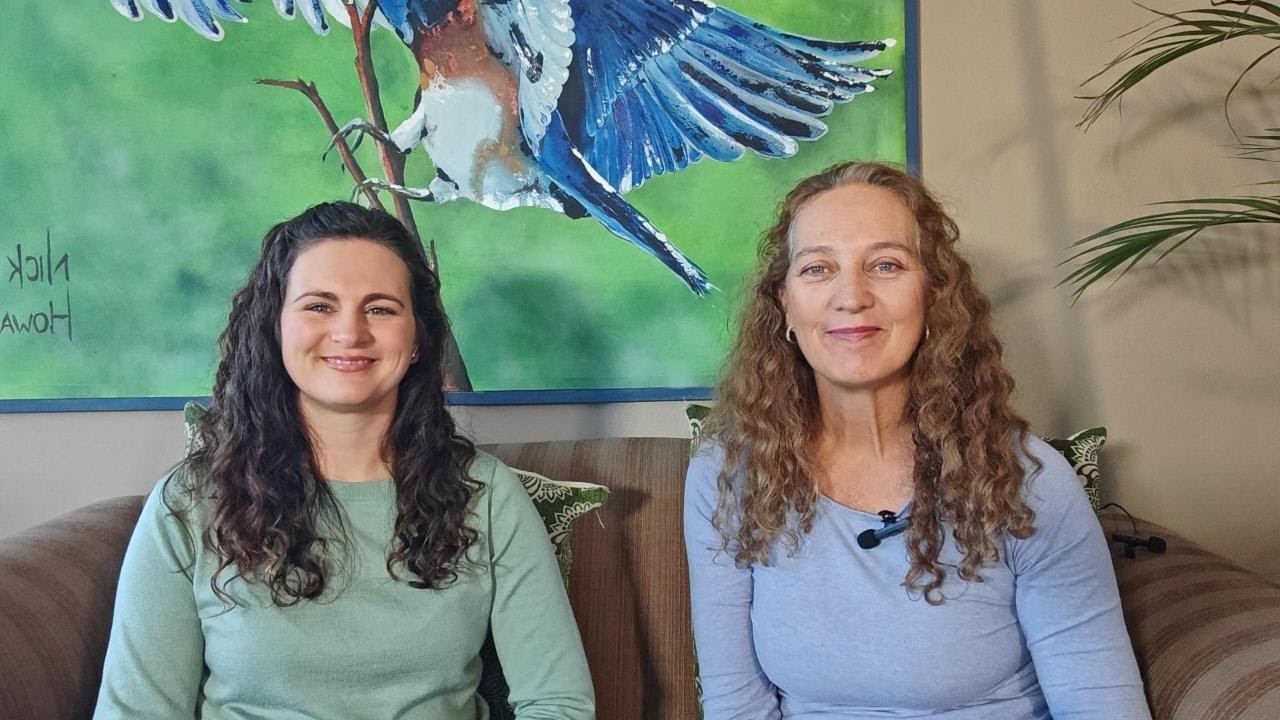
In this Best Body Health Coach podcast episode, host Marina Howarth interviews specialist coach Nikita Lopez about the impact of nutrition on menstrual health. The conversation explains how macronutrients (healthy fats, protein) and micronutrients (magnesium, zinc, vitamin B6, omega‑3s, potassium) support hormone production, stabilize blood sugar, and alleviate common symptoms such as cramps, mood swings, bloating, and PMS brain‑fog. Specific food sources and dosage suggestions are provided (e.g., 400 mg magnesium daily, omega‑3‑rich fish, leafy greens, nuts, seeds). The discussion extends to irregular periods and PCOS, emphasizing low‑glycemic, insulin‑sensitive meals, the role of chromium, and the dangers of restrictive diets or over‑exercise. Nutrient needs for women on hormonal birth control and those trying to conceive are covered, highlighting potential depletions of B‑vitamins, magnesium, and zinc, and the importance of folate and omega‑3s for fertility. Practical advice is offered: eliminate sugar and processed foods, stay hydrated with electrolytes, use anti‑inflammatory spices like turmeric and ginger, and start with the program’s free health assessment leading to a 60‑day personalized nutrition plan. The episode ends with a final tip to cut all sugar and processed foods for immediate cycle improvement and promotes the coach’s social media and services.
Chapters
Welcome to our Best Body Health Coach podcast, where we always dive deep into all things health and wellness. I'm your host, Marina Howarth, and today we're tackling a topic that affects millions of women every month: the menstrual cycle. Specifically, we are exploring how nutrition can play a vital role in menstrual health. From cramps to mood swings to irregular periods, what you eat may just hold the key to feeling your best throughout your cycle.
It just may.
So joining me today is Nikita Lopez. She's one of our specialist coaches at Best Body Health Coach. She specializes in women in the age bracket late teens to late That's women struggling with fertility, breastfeeding moms, moms who want to get rid of baby weight. And she's here to share her insights. Welcome, Nikita.
Thanks so much for having me. I'm really excited to talk about this topic. It's such an important piece of the puzzle when it comes to women's health.
Absolutely. And I know our listeners are eager to get learning, so let's dive right in with the first question. We'll start with the basics. So how does nutrition actually affect the menstrual cycle? I mean, we know that nutrition affects energy and mood, but how does it relate to the menstrual process?
That's a great question. Nutrition plays a massive role in the menstrual cycle because it directly influences the hormones that regulate it, like estrogen, progesterone, and even the stress hormones like cortisol. So the menstrual cycle is a complex interplay of hormones, and those hormones rely on a steady supply of nutrients to function properly.
Mm-hmm.
Like, for example, your body needs healthy fats like omega-3s to produce hormones like estrogen and progesterone. And if you're not getting enough fats or if you're eating too many processed foods, it can throw off the balance, and that leads to symptoms like irregular periods, heavy bleeding, or even more severe PMS symptoms. And protein is also key because it supports blood sugar stability, and that's critical for keeping cortisol in check because high cortisol from stress or a poor diet, it can definitely disrupt ovulation. And that ovulation is the cornerstone to a healthy cycle. And so now we look at things like micronutrients, vitamins and minerals like magnesium, zinc, vitamin B6, these are like the spark plugs for hormone production and detoxification. For instance, magnesium, this helps relax muscles, which can reduce cramps, while B vitamins, they support energy and mood regulation during the cycle. And if you're deficient in any of these, say from a bad diet, lack of nutrition, having too many processed carbohydrates, or a low amount of vegetables, These can amplify your symptoms like fatigue, mood swings, and even bloating. Anyway, on the flip side, eating a nutrient-dense diet with whole foods like, think colourful vegetables, animal proteins, and healthy fats, these can stabilise your cycle. They reduce inflammation, they make your periods less painful, and it's all about giving your body the building blocks it needs to keep the hormonal symphony in tune.
Wow, that's such a clear way of thinking about it. A hormonal symphony.
Yeah.
Okay, it sounds like what we eat is then almost like fuel for the entire process of the menstrual cycle.
Exactly. You wouldn't expect your car to run smoothly on bad fuel, right? So the same goes for your body.
Right. Well, that's a perfect segue to the next question. A lot of our listeners deal with cramps, mood swings, or the dreaded PMS brain fog.
Oh gosh, yeah.
So, are there specific foods and nutrients that you recommend that will help ease these symptoms?
Absolutely. Okay, let's break it down by symptom. For cramps, magnesium is a superstar. It's a natural muscle relaxant, so it can help ease uterine contractions. And then you can find magnesium in foods like leafy greens, nuts and seeds, and you should aim for at least 400 milligrams of magnesium per day, either through your food or if you have to, then take a supplement. For mood swings, omega-3 fatty acids, these are fantastic. So they reduce inflammation, which can stabilize the mood and even help with anxiety or irritability during PMS, which You know, that's definitely a key point. Fatty fish like salmon, eggs, chia seeds, flaxseeds, and walnuts— those are also great sources of omega-3 fatty acids. I also love vitamin B6 for mood because it helps your brain produce what's called serotonin, which a lot of people know as the happy hormone.
Hmm.
And you can get B6 again from eggs, dark leafy greens, and poultry. So chicken, those are easy to find. All right, and then for bloating, my top recommendation is potassium-rich foods like avocados, again, dark leafy greens like spinach and kale. These can help you balance fluid retention. And don't forget hydration. So I'm not just talking about drinking lots of water because drinking a lot of water without making sure you're getting your electrolytes in can actually just flush all the electrolytes out of your body, and that can have an adverse effect. So yes, make sure you're drinking a lot of water, but make sure you're also getting your electrolytes in. That's salt, potassium, magnesium. Those are the main ones. But also cutting back on salty foods like processed foods like fried chips or potato chips or just a lot of restaurant food is actually just very high in salt. So just doing that, cutting down on those salty and processed foods can make a big Big difference when it comes to water retention. And if you eat things like that, you will literally see yourself puffing up overnight.
Mm-hmm.
So give it a try. Like, stop eating those and you'll see the water retention immediately come down. All right, and then one pro tip I've got is try incorporating anti-inflammatory spices like turmeric or ginger into your meals. Like, having a warm ginger tea during your period can work wonders for both cramps I love it.
It sounds so doable.
It is. Yeah.
All right. So now some listeners may be dealing with irregular periods or conditions like polycystic ovarian syndrome or PCOS. Can nutrition make a difference there too?
Definitely. So irregular periods often stem from hormonal imbalances. And conditions like PCOS are closely tied to insulin resistance and inflammation. Nutrition can be an absolute game changer here. So like for PCOS, focusing on a diet where the foods you eat don't spike your blood sugar and eating only at most 3 meals a day with no snacks in between, these things are key. Like think plenty of vegetables and animal proteins and healthy fats instead of sugary snacks or refined carbs. That's going to make a massive difference. Insulin resistance in PCOS can actually make it harder for your body to ovulate regularly. So foods that improve insulin sensitivity like leafy greens, healthy fats, and even some berries, those can be super helpful. Now chromium is another thing that can help, you know, someone with PCOS. So chromium can be found in things like broccoli, and chromium actually helps to support blood sugar regulation. So that's you know, very helpful when you're trying to manage your insulin and blood sugar levels for specifically someone with PCOS, but even just in general.
Hmm.
For irregular periods in general, ensuring you have a very nutritious diet is crucial. Malnutrition can actually signal to your body that it's not safe to ovulate. Yeah, and that leads to missed periods. I mean, if you think about it, if your body is malnourished, it's going to instinctively know that you shouldn't get pregnant at this time.
Yeah.
So that's why it affects your ovulation. So, and this is, you know, this is common with women who over-exercise or follow very restrictive diets. So balancing your plate with a generous amount of vegetables, moderate amounts of protein, not too much, not too little, and definitely getting some healthy fats, these are essential to keeping your cycle regular.
Yeah, that's so interesting. Nutrition really seems to touch every part of the cycle, even the more complex conditions.
Yeah, it does, for sure.
Sure. So, this is a big one for a lot of women. How does diet play into things if you're on hormonal birth control or trying to conceive?
Great question. So, hormonal contraceptives like the pill, so these work by introducing synthetic hormones which can affect nutrient needs. For example, the pill can actually deplete nutrients like B vitamins, magnesium, and zinc. So, women who are on birth control they might need to be extra mindful of getting those nutrients in from their food, like from nuts and seeds. Different animal meats have those nutrients in them, definitely vegetables, and they might have to consider a high-quality food-based multivitamin. Now, for fertility, nutrition is critical because it supports egg quality and ovulation. Folate, found in leafy greens again, is vital for preventing defects in early pregnancy, so that's definitely a must. Then healthy fats, especially omega-3s, those also support reproductive health by improving blood flow to the reproductive organs. Now, one thing to note is if you are transitioning off of hormonal birth control, a nutrient-rich diet can help your body rebalance its natural hormone production. So focusing on liver-supporting foods like cruciferous veggies, broccoli, kale, cauliflower, those definitely help metabolize excess hormones. So super important to incorporate those. But also, do your research on any hormonal birth control. If you're going to take one or get an insert or anything like that, really do your research on it. A lot of them have terrible side effects, and while they may be helping to regulate your period, they might also cause longer-term damage to your body. So just have a look at it. You know, each person can do their own research and make their own decision on it. I just wanted to make that point as well.
That's such helpful advice, especially for women starting their fertility journey.
Yeah.
Okay, so for our listeners who are feeling inspired, But maybe a bit overwhelmed. Yeah. Where's a good place to start making dietary changes to support your menstrual cycle?
I'm glad you asked because that is exactly what we do at Best Body Health Coach. So with our 60-day health program, that's how we handle it. We specifically focus on nutrition and getting you into the routine of having a healthy diet. So the best place to start when you're getting onto this journey is go ahead and fill in our free online health assessment. It's super quick, it's super easy, and again, it's free. So what have you got to lose? We'll include the link in the description below so that you can find it easily. Now, our health assessment really delves into certain symptoms you might be experiencing on a daily basis, whether that's trouble with sleep, headaches, moodiness, brittle hair or nails, even digestive issues. Now, these things indicate to us which parts of your body or your endocrine system we will need to focus on to really get that hormonal symphony. That's what we spoke about earlier. We really want that balance. So we have to look for what is the underlying reason and what is causing that hormonal imbalance and correct After filling in the health assessment, you can schedule a free consultation with one of our specialist coaches like me, and we'll create a personalized health program for you including a meal plan, and you'll get daily coaching, and that coach will guide you through each step of the program. You'll get tons of recipes and educational material that we'll send you throughout the course of the program, and it really empowers you to be able to continue a healthy lifestyle. You know, for the longer term and make it sustainable.
What a great way of doing it. So you'll be working with a coach in the initial stages to work out what a healthy lifestyle for you actually means, and that way then you're also getting a healthy lifestyle for the future.
That's right.
And that also makes it so much easier for you instead of being out there on your own in the sea of information, not really knowing what the Exactly. Wow, Nikita, you've given us so much to think about today. Thank you very much.
Sure.
It's really clear that nutrition is a powerful tool, you know, for menstrual health. All right, let's wrap it up. What is one final tip you can give our listeners that they can do today to start supporting their cycle?
Okay, my number one tip. I would say remove all sugar and all processed foods from your diet, and you'll immediately notice like a night and day difference with your cycle, and your body will thank you as well.
Love that. Thank you, Nikita, for sharing your expertise with us today.
Sure thing.
Listeners, you can find Nikita on Facebook, Instagram, TikTok, and LinkedIn. So follow her to see all the health tips and tricks that she posts every week. And, of course, if you're needing help with your menstrual cycle or you just want to get your best body back, take some time, fill in the health assessment, and schedule a call with one of our specialist coaches. We'll put the link down below. As always, thank you for tuning into our Best Body Health Coach podcast. If you loved this episode, please subscribe, write a review, share it with someone that you think might need to hear this. Until next time, keep nourishing your body and your cycle. See you soon.