Spring frost costs grain growers $360 million annually, but Mick Faulkner argues the emotional impact—loneliness, guilt, blame—can be just as damaging. He recommends mental preparation each season, local frost knowledge, and using temperature loggers and frost maps to manage risk.
Chapters
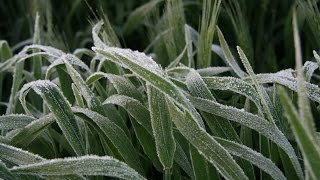
Dawn after a cold, clear spring night in frost prone regions across the country, it could herald the start of a very bad day.
I think if any of us suddenly got a diagnosis of something that's terminal, we would really feel it. And I think the frost is something like that. It's okay one day and the next day you've lost a lot of income. You're pretty devastated.
According to grains industry estimates, frost causes annual production losses of $360 million. What no one has put a figure on is the emotional impact of frost. Unlike a drought, frost can impact an individual paddock or a farm and leave the neighbour untouched.
Drought is devastating, as we know, but it tends to be shared by the community. Whereas frost can really hit one individual or one locality and there isn't that shared experience.
It's a lonely, highly stressful experience and can be compounded by a feeling of guilt as the economic impact of frost also affects family members and business partners.
When a frost occurs, there's a lot of blame as well. So someone will say, a partner in the business will say, hang on, how come you got frosted?
How come?
How come? You should have known. And yet that's not possible to know.
Frosts are a random event. And while farming is a high risk business, taking on responsibility for things beyond your control can undermine confidence, adversely affect business decisions and even harm physical and mental health. Mick Faulkner's recommendation is to be mentally prepared for the possibility of frost at the start of every season and think about total expenditure in frost prone areas.
Because of the risk of frost. We probably wouldn't expect to spend as much in those areas because the more you spend, the more potentially you lose if you get frosted. So maybe the whole cost of production should be generally lower in those frosty areas and that may be compensated for by a higher risk profile in the non or lower frost risk areas. So putting more resources into those areas that have less risk of frost and less resources into the higher risk areas.
Growers are also advised to build their own frost knowledge base. Use temperature loggers to gather more information for future plantings. Draw up frost maps to record frost risk areas. Think about a different approach for those areas, such as an alternative to cereal or even to cropping and whether to retain stubble.
Stubble retention is great for most things except for frost. So maybe in those highly frost prone areas there's a way of removing stubble or burying stubble if necessary. Not on the whole farm, but just on those areas.
For growers in frost prone areas, it's become even more important to have a frost plan because the spring frost season has lengthened in increasing the period of risk, frost will remain the number one issue for growers in affected areas for years to come. But the grains industry is working on the problem. Since 1999, GRDC has invested $13.5 million in more than 60 frost related R and D projects and continues to invest in frost research through the National Frost Initiative, research that takes a multidisciplinary approach to what is a very complex constraint in grain production systems. Even so, waking up to a frosted crop will continue to be a devastating start to the day. But accepting it's not your fault and knowing you have prepared for such an outcome can lessen the impact. For more information about frost risk management and tips and tactics for recovering from Frost, go to GRDC's online resources.