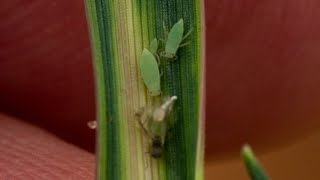
South Australian growers detected Russian wheat aphid in the Mid-Northern grains region. DNA testing identified the source, lab trials screened resistant varieties, and field tests evaluated insecticides. Experts recommend monitoring and biological control over routine spraying, relying on natural predators and winter rain to keep populations low.
Chapters
Confirmation that an exotic pest has been found in our agricultural landscape is alarming news. But the good news is the situation is being managed. Russian wheat aphid, a cereal pest that's widely spread in the Northern hemisphere turned up in South Australia's mid Northern Grains district in late autumn. How it got here is for the moment unknown. But entomologists from South Australia's Research and Development Institute are searching for the answer.
The main approach being considered is to use DNA analysis to compare a number of populations collected in recent weeks across the current known extent of the aphids distribution in Australia and to compare those DNA profiles with profiles for Russian wheat aphid in other countries.
When the Russian aphid arrived is also unclear. But once identified, grain growers were alerted to be on the lookout and as observations were made, the distribution map grew.
Some people saying well we've found it here and we've found it there, therefore that spread has happened recently is probably incorrect. The spread was probably very early in the season when there were winged forms of adults present, widely distributed. But now people know what they're looking for.
Winter rainfall and natural predators are keeping the aphid in check for now. But GRDC funding is being used to prepare an ongoing management strategy.
The primary area of research at the moment is focused on understanding the insecticide control options. At the same time we are looking at those longer term approaches such as pre breeding activities. Fortunately, there has been some work started in this area several years ago in a combined project with Murdoch University and various national and international research partners. But growers must realise that it's still some time before the fruits of that work will come into their hands.
In June, the Australian Pesticides and Veterinary Medicines Authority issued an emergency use permit for two insecticides for use in cereals. Sardi, meanwhile issued is evaluating a range of chemistries including organophosphate, carbamate, synthetic pyrethroid and sulfoxamine insecticides to determine the effectiveness of existing aphicides in the control of this pest.
Lawsban and Pyramore have the advantage that they have some fumigant activity, so that helps in the control of the Russian wheat aphid when it's inside a rolled leaf.
Achieving contact with the pest might prove a challenge as these aphids harbour inside the symptomatic rolled leaves. Growers should consider spray application practices that allow penetration into rolled leaves, including a minimum water volume of 100 litres per hectare and avoid using fine droplets.
So the aim with these trials is to try and generate the data required to get label changes on some of These chemistries and also look at ways of reducing their impacts on natural enemies.
Trialling the efficacy of old and new insecticides is only one aspect of the national management plan overseen by Plant Health Australia.
We've got a Russian wheat aphid sitting in the leaf roll here. See him in there? This adult, obviously it hasn't been on this leaf very long. Takes about seven days for the leaf to start showing symptoms.
Collected from various sites around South Australia, these Russian wheat aphids are being bred up for use in controlled screening of cereal cultivars to determine susceptibility or tolerance. Valuable data for confirming the susceptibility of recently released cereal varieties. The lab cultured aphids will also help to identify the form now in Australia, which has implications for plant breeding activities.
What characterises Russian wheat aphid from all of the other common agricultural aphid pest species is the production of a salivary toxin and that toxin has quite deleterious effects on the cereal plant. And if the aphid infestation is insufficient, numbers can result in complete plant death.
However, this potentially damaging pest is currently not a major threat to crops.
Fortunately, within its current known distribution, the population densities of Russian wheat aphid are still really quite low and in the majority of crops presently below a likely economic threshold. Based on overseas data and pest management.
Costs can be minimised if growers allow nature to help control the aphids.
In spring we should be looking at using chemicals that have minimum disruption to whatever predators are around. It doesn't take long for predator numbers to increase. You have to have the aphids first and then predators will come along.
Growers should in the meantime keep monitoring crops for the Russian wheat aphid and check PlantHealth Australia's website for locations to send live samples to.
With the exception of Western Australia, all states are requesting aphid samples be submitted for diagnostic confirmation. Generally putting a sample of live aphids with a little bit of plant material into a double sealed plastic bag and submitting that to the relevant authority. Western Australia is taking a slightly different approach and is relying on photographic imagery or images to be able to undertake a confirmatory diagnostic and have provided guidelines for that purpose. On a video present on their department website.
GRDC and industry is encouraging growers to take a considered approach to the control of Russian wheat aphid.
This includes consideration of the fight strategy, finding the symptoms of the pest, identifying that it is Russian wheat aphid present, using a threshold based approach to control which considers aphid numbers and enacting an appropriate management strategy as required, taking consideration of the importance of beneficial insects and any off target effects on foraging bees.
Russian wheat aphid is being managed in the Northern hemisphere and agricultural consultant Mick Faulkner says it should be no different here.
It's another management issue. Yes. It's going to have some implications for the future. They're not disastrous. There are treatment options. Every other country in the world has had to live with this ape in the landscape. It's not a death sentence. It's probably reasonably easily managed and we'll get there.
For more information about the Russian wheat aphid, its management and related resources, see GRDC's Paddock Practice.