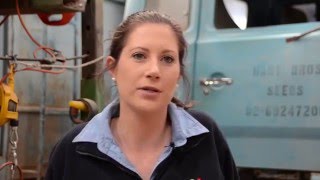
An agricultural scientist from NSW trained at the University of Sydney on crown rot disease in grains. Brassica crops break down stubble residues and help control the disease. GRDC undergraduate scholarships enabled the research and opened career paths in the industry.
Chapters
Originally I'm from a property north of Glargan Bayne in New South Wales. So grew up on land and then since then went to university at the University of Sydney and did agricultural science. My studies were focused on the grains industry in northern New South Wales, particularly the crown rot disease, which is a big problem for them at the moment, trying to develop management techniques that can reduce the incidence of disease. The main findings from my crown rot thesis was that Brassica crops are probably the more effective crop in breaking down stubble residues from previous crops. This is important in the control and management of crown rot because this is where the disease over summers and it's where the crop, the next crop, will get infected. I think the undergrad scholarship offered by GRDC is very important in showing young professionals what's out there. It allows people to conduct research that would have been otherwise unaffordable and can lead them into something that will interest them throughout their career that they can focus on. It expanded my contact space, but it also added credibility to the research that I was doing and allowed me to do more involved research than would have been previously possible. I think the grains industry can offer a lot. It can take you all over the world and in many different professions, depending on what you're interested in. So I would advise young professionals to consider the opportunities and be ready for an adventure. The grains industry and the broader agricultural industry gives you the opportunity to transfer elsewhere, like it gives you skills that you can apply in different areas.