New Episode Dropped 🚨🚨🚨 #shorts
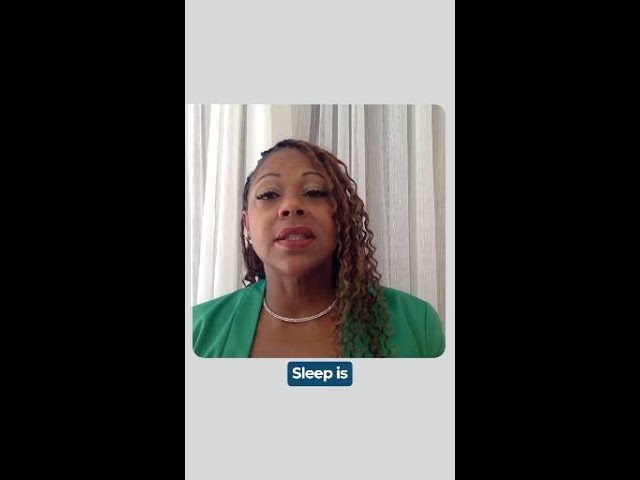
In this brief talk, the speaker frames sleep disturbances as a secondary symptom that often signals underlying hormonal or life‑stage changes. They explain that adolescents naturally experience altered sleep patterns, women tend to sleep longer during the menstrual cycle, and reduced estrogen during menopause commonly leads to poorer sleep. To highlight a similar issue in men, the speaker introduces the coined term “manopause” to describe how declining testosterone can affect male sleep. The overall message urges listeners to consider hormonal context rather than treating sleep problems in isolation.
Chapters
More from Dr.




NSOMNIA Sleep™ ~ A Conversation With A NeuroRestorative Sleep Scientist - Episode 4


What happens when sleep medication becomes the only way you feel you can sleep? 🌙 #shorts

Feeling sedated isn’t necessarily the same as getting restorative sleep. 🌙 #shorts

NSOMNIA Sleep™ ~ A Conversation With A NeuroRestorative Sleep Scientist - Episode 3

NSOMNIA Sleep™ ~ A Conversation With A NeuroRestorative Sleep Scientist - Episode 2
