‼️WATCH THIS ⁉️ #tiredbrain #sleepingpills If You Are Taking Sleeping Pills and Still Exhausted?
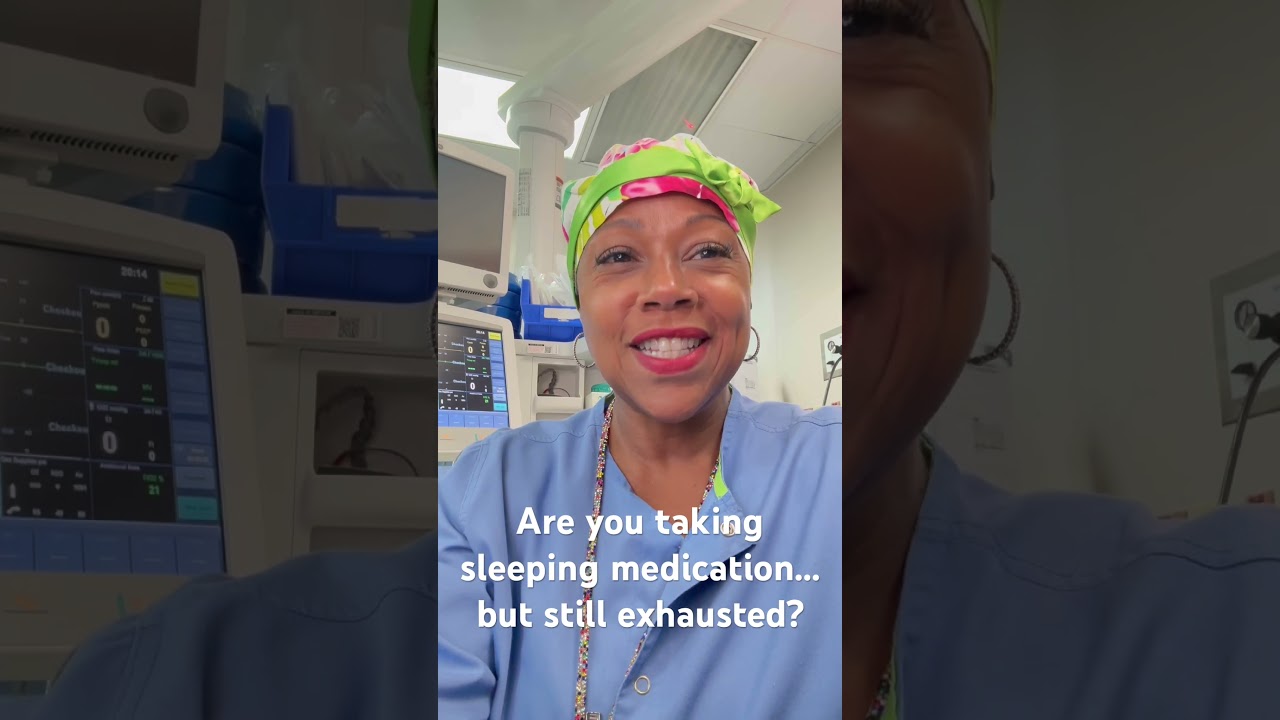
In this short monologue, anesthesia practitioner Nyree Penn (MHSc., CAA) explains that sleep achieved through prescription sleep medications (e.g., Ambien, Trazodone, Lunesta) is fundamentally different from natural, restorative brain sleep. She introduces the term “sedation restoration gap” to describe the situation where medication induces sedation but fails to provide the brain’s restorative processes, leaving patients exhausted despite sleeping. Penn argues that the goal should be sleep independence rather than more medication. To address this gap, Insomnia Sleep offers a neurorestorative Sleep Recovery Program designed to restore natural brain sleep and eliminate reliance on sedatives. She ends with a call to action for viewers to comment or schedule a consultation, emphasizing that not all sleep is equal.
Chapters
More from Dr.




NSOMNIA Sleep™ ~ A Conversation With A NeuroRestorative Sleep Scientist - Episode 4


What happens when sleep medication becomes the only way you feel you can sleep? 🌙 #shorts

Feeling sedated isn’t necessarily the same as getting restorative sleep. 🌙 #shorts

NSOMNIA Sleep™ ~ A Conversation With A NeuroRestorative Sleep Scientist - Episode 3

NSOMNIA Sleep™ ~ A Conversation With A NeuroRestorative Sleep Scientist - Episode 2
