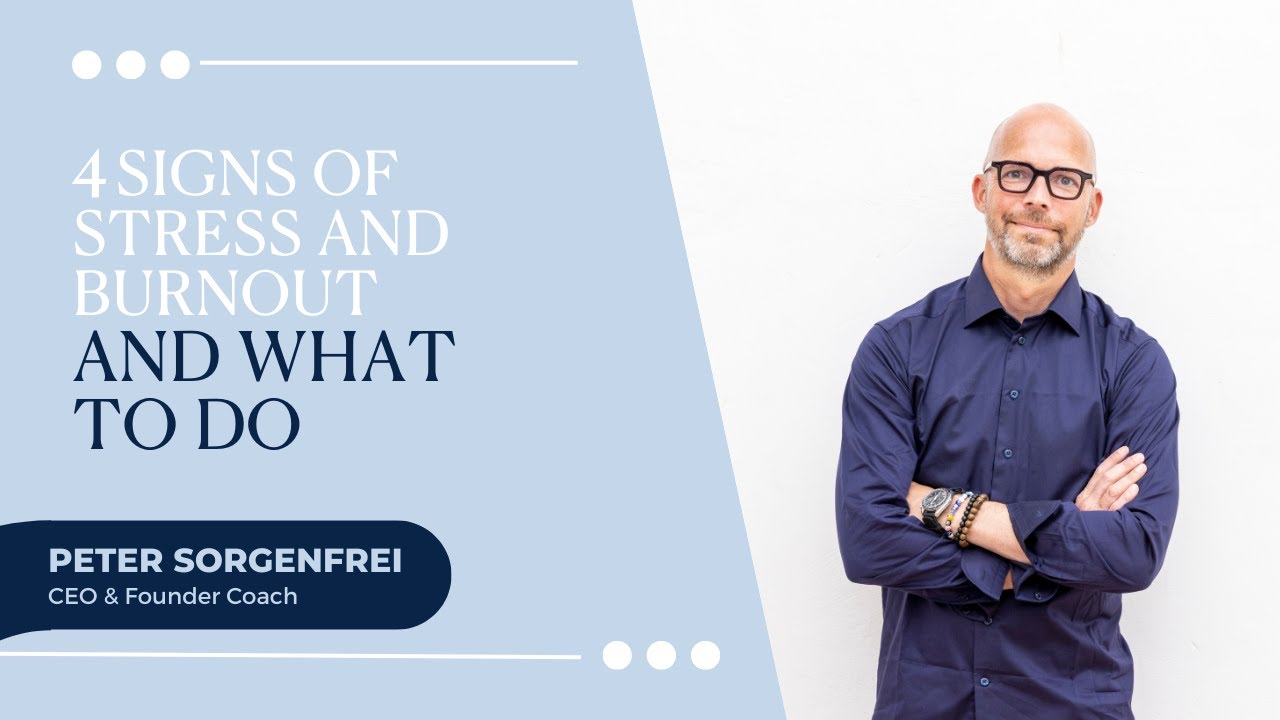
In this podcast‑style monologue, the speaker outlines four common indicators of stress or burnout—poor sleep, increasing forgetfulness, heightened irritability, and the erosion of healthy habits. He then offers a concise, actionable framework for recovery: pause, breathe, and carve out short personal breaks; reassess priorities; communicate openly with partners, family, or trusted colleagues about the need for change; set concrete boundaries and schedules (e.g., no work before a certain hour, regular gym sessions); and enlist accountability partners to help maintain the new routine. The speaker also points listeners to his broader body of written and video content and invites direct contact for personalized guidance.
Chapters
I was recording an episode of my new podcast the other day, and my guest and I talked about what are the signs of stress or burnout. And while it's individual, obviously, there are some commonalities. There are some things that if you look across everybody who's suffered from burnout or stress-induced incapacitation like I did or other things like that, There are some commonalities. One of them is you start sleeping poorly, so you either have trouble falling asleep or you wake up during the night multiple times and have trouble falling asleep again after you wake up. Number two, you start forgetting things, right? So you may feel like you need to write everything down to remember it, or things that you normally would know, like where your keys are or. some friend's birthday or something like that. You start forgetting those things. That's another sign. Third, you become irritable. So instead of your pleasant self, you become short with people and frustrated and, you know, start becoming that person that you don't want to be. And the people around you notice it, even though they may not say anything because they're like, oh, he's just under pressure. You start becoming something and someone that you don't want to be. And fourth, all your good habits go out the window, right? So whether it's eating relatively healthfully, whether it's going to the gym, whether it's remembering to call your parents, whether it's to organize a date night for your spouse, you essentially sort of have a tunnel focus on the thing that is right in front of you and don't have that broader perspective. So, those are some of the clear signs of stress and burnout. And so, as we're recording the episode, I said, and I'll repeat it here, if you find yourself in a situation where your sleep is not as good as it could be, or you have more arguments at home, or you start forgetting things, slow down. Take a breath. Try to get some time for yourself. 5 minutes here and there helps. You don't have to meditate, even though I advocate it a lot, but slow down. Look at what's going on in your life. Look at how you perhaps got away from what your priorities are and how you want to live your life, and then start making small changes to get back towards that. If you have a partner in your life, tell them. Hey, honey, this is happening. I'm not sure why it's happening. I'd like to get away from being in this state. If you have colleagues that you feel comfortable sharing with, talk to them about it. But make it an active conversation, saying, I'd like to change from where I am to somewhere else. And if you can help me make that change, I'd appreciate it. This is what I'm planning on doing. I'm planning on not working before X AM in the morning. I'm planning on not working at this time in the afternoon. I'm planning to go to the gym 3 times a week. I'm planning this. So basically, by giving a couple of examples and have somebody in your either colleague circle or at home hold you up on that. It will help you get out of that rut. There are many, many other things you can do. I've written about it ad nauseam here and recorded videos on it. If you need any help, look me up, email me, send me a message on social media, and I'd be happy to point you to some of the resources that might be helpful to you.