Cancer Changed Everything: Finding Empathy, Balance, and Grace | Sharmeen Chapp (Stripe)
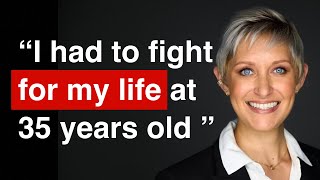
Sharmeen Chapp, head of Product at Stripe, talks about her breast cancer diagnosis and how it shifted her approach to leadership. She discusses moving from engineering into product, building teams with empathy alongside high standards, and what changed in how she works.
I think in order to lead with full empathy, it starts with you, the person. You have to be able to drop your own ego, be humble, and show up with genuine good intentions. Right. So this means you are listening to the people on your team and actually truly like, actively listening to what they want, what they need. And I think the other big thing that goes along with this is that there's no need for competition. Sometimes I feel like people get caught up in like, oh, or I can only succeed if I'm doing better than other people. And it doesn't have to be that way. Like, there's room for everybody to win and it's better for the business and your users as well.
How do you balance this kind of high empathy and care with holding that high bar for excellence?
There's this common misconception that both empathy and holding a high bar have to be mutually exclusive. And I just don't think that that's true. I think you can do both at the same time. One of my favorite examples is this leader who I really like, respect, and love working with at Stripe, will say in a meeting to someone on their team, like, I love you, but this is terrible. And let's work on it together to get it to a great. And we need to be able to give our teams the difficult feedback like that. But the important thing in delivering that feedback is framing it in a way that's objective. One of the rules that I like to set is that I have a goal to give feedback within 24 hours with actual examples so that it's super clear. And I do this both for positive and critical feedback, because it's just as important to recognize and reward the good work as it is to call out the work that needs to perform.
All right, so welcome. My guest today is Charming. Sharmin is currently head of Product for Revenue and Finance Automation at Stripe. Previously, she led creator and used products at Meta and rose from IC to VP over six years at Twitch. Charmin is the first guest that I actually reported to personally. And to this day, she's still one of the highest empathy leaders I know, despite dealing with setbacks and breast cancer. So welcome. Charming.
Thanks, Peter. It's really great to connect with you and to meet your community.
All right, great. So let's start with like, a difficult topic, like, probably toughest moment in your career, in your life. I believe you had just joined Meta and was diagnosed with stage two breast cancer. What went through your mind back then?
Yeah, I was literally six weeks into a brand new job at Meta in a Senior leadership position, super excited to, like, ramp up and make a great first impression with the company and the people on my team. And then all of a sudden, I get, like, the most terrifying diagnosis of my lifetime. Right? So I'd be lying if I said I wasn't scared. I was very scared, Especially in those first two weeks when I got the diagnosis. I didn't know how bad it was. I didn't know if it was something I'd be able to overcome or if I'd have to live with forever. And that was super, super scary. But, you know, as soon as I got some more information, I was able to focus on the plan, and kind of, like, my normal personality started to shine again. And it was like, look, it's stage two. It's early enough that we feel confident that can beat this. There's a very clear and set treatment plan, and that's something that I can work with, especially as a product manager. Right. So I basically, like, product managed my entire cancer journey. I had spreadsheets, I did a bunch of research. I just kind of tackled it head on, and I am very grateful to be on the other end of it now.
I remember when my mom got breast cancer, too, when I was still in school. And I remember it was, like, really difficult for my dad and myself to go through this. But you actually chose to be public with your cancer journey, so, like, yeah. What was the rationale behind kind of just like, sharing with the world about this?
Yeah, absolutely. You know, like, I was one of those rare cases where it should not have happened. Like, I had no family history, no genetic markers. I was 35 when I was diagnosed. I was very young. And I think, like, the actual chances of me getting breast cancer was, like, 0.0003% or something really low like that. And what I realized was, if it could happen to me, it could happen to anyone. And we all have to be really vigilant, because catching it early in the case of cancer is literally the difference between life and death. And that's just, like, so stark to me. And I was also diagnosed during breast cancer awareness month. And so for me, it almost felt like, you know, something really bad was happening to me, but how can I turn it into something good? And raising awareness felt like the thing that I could do to hopefully bring something better into the world out of this really scary diagnosis. And so I posted about the entire journey publicly. And I know that not every woman who goes through breast cancer treatments feels empowered to be able to do that. So my goal was also to be able to reach the people who had to go through this in silence and didn't necessarily have that level of support that I did, just to kind of build that community and let them know that they're not alone.
And you were actually able to find a lot of support by posting public here, right? From, like, people that you didn't even know about that?
Yeah, yeah. I. You know, I think there were a few really beautiful things that came out of being so public about my journey. One of them was that I was able to reconnect with people who I hadn't talked to in years. Like, people from my childhood, from high school and college started reaching out. I hadn't talked to them in decades in some cases. And so that was a really nice thing to be able to reconnect again. And then I also got a lot of support just because I was posting publicly on, like, Instagram and Twitter, which is now X, and just garnered a lot of support from people who I didn't even know. And a really special moment was when I tweeted that I was canceling. I think in order to lead with full empathy, it starts with you, the person. You have to be able to drop your own ego, be humble, and show up with genuine good intentions. Right. So this means you are listening to the people on your team and actually truly, like, actively listening to what they want, what they need. And I think the other big thing that goes along with this is that there's no need for competition. Sometimes I feel like people get caught up in, like, oh, I can only do better, or I can only succeed if I'm doing better than other people. And it doesn't have to be that way. Like, there's room for everybody to win, and it's better for the business and your users as well. Right. So at a high level, like, if you think about it, you want your users to be happy, you want your business to be successful, and you want your teams to feel empowered to make that happen. And if you show up with that empathy, then you're building an environment for that sort of, you know, like, emotion to thrive in the workplace.
Okay. So let's not get bogged down in all the internal shenanigans. Just focus on the end result.
Yeah, yeah, exactly.
And how do you balance this kind of high empathy and care with holding that high bar for excellence? Like, do you have an example?
Yeah. So I actually. I want to kind of reject even the premise of the question. Right. Like, there's this common misconception that both empathy and holding A high bar have to be mutually exclusive. And I just don't think that's true. I think you can do both at the same time. One of my favorite examples is this leader who I really like, respect and love working with at Stripe, will say in a meeting to someone on their team, like, I love you, but this is terrible. And let's work on it together to get it to a great place. And we need to be able to kind of give our team the difficult feedback like that. And with my team and the cancer treatment schedule was incredibly regimented. So that actually ended up being a positive because it allowed me to communicate exactly when I would be working and when I wasn't going to be well enough to work. And based on that, we were able to set like, this is what you can expect from me during these time periods, and this is when I'm going to be out of pocket because I have to recover or I have very low energy levels. And that worked really well. I was fortunate to have an incredible support system, both with my team and my manager. And of course, also setting up a support system at home from friends and family and loved ones that helped me get through it.
So it sounds like after the initial moment of uncertainty, like, you basically kind of like PM'd your cancer. To a certain extent, I did. And you've always been a very optimistic person. But during this journey, what were the moments where you, you know, difficult moments where you kind of lost hope or like, just kind of. Yeah, like wondering why this happened to me.
Yeah, I mean, I think, you know, the thing about hope was at the very beginning when I didn't know how bad it was going to be. And that was what was super scary. But the moment I had, like, the specifics of the diagnosis, the specifics of the treatment plan, and the chances of success coming out the other end, like, at that point, I had a lot of hope and I never let go of hope anymore. Like, it was just. It was there. It was a constant for me. What I would say is not losing hope. But there were harder days, right. There were days where it was very difficult. There were days where I put a lot of guilt on myself, whether it was mom guilt, like I was a new mom with an 11 month old child when I was diagnosed. So, you know, just like a lot of guilt around not being able to do everything that I wish I could. It was in those moments that I had to remind myself that you have to give yourself grace. You are literally fighting for your life and you are doing the best that you can, and that's more than enough. And if I ever felt like I couldn't do that for myself, I would just look at my son. Right. He was 1 years old throughout the treatment, and he was that like, bright shining light reminding me why I was fighting, why this was important. And even beyond that, just like the outpouring of love and support that I got from friends and family and strangers from around the world, like, that really helped keep me strong on my darkest days.
That's great to hear. You know, in tech we tend to over focus on our careers and whatever the next ladder or milestone is. But, you know, you are both a new mom and dealing with this thing. Like, I guess, what did you learn from this experience about where it really matters in life?
Yeah, I, you know, I think cancer is one of those things where these learnings become very stark for you. They're pretty much black and white. But like, nothing is more important than health, family, and having a good balance in your life that is absolutely paramount to everything else. And I hope that everybody can kind of live by that without having to go to cancer to realize it. Right. Like, that's why I share as much as I do, is like, you don't want to have cancer to realize how important your health and your family are and that you have to set those boundaries and you have to prioritize it because no one else is going to do it for you.
And you know, like you mentioned, a lot of people are probably going through this privately. You know, maybe young women or other folks. Do you have it, like, before we close this topic, do you have any advice for them to deal with this?
Yeah, Yeah, I think that one, just knowing you're not alone, and two, we can do hard things. I think that's the most important thing is like our bodies, our spirit is so resilient and it's incredible what we're able to survive and to go through. I would say that cancer treatments were probably not probably. They are definitely the hardest thing that I've ever done, but I got through them. I'm on the other end. I'm getting healthier again. And I, you know, I'm very grateful for everything that I have that might not be the case for everybody. And so I think we just. You have to focus on what you have, what you can do, be positive, give yourself grace, and just remember that you can do hard things.
Got it. And like, just kind of bring home the message about getting early detection, especially if a history in the family. I think that's really important.
Yes, absolutely.
Okay, so let's switch to a little bit more positive topic. You know, I worked for you for a couple years at Twitch, and, you know, you are one of the highest empathy leaders that I know. Do, do you have any tips for how people can lead with empathy and help others grow their careers?
Yeah, absolutely. I think in order to lead with full empathy, it starts with you, the person you have to be able. But the important thing in delivering that feedback is framing it in a way that's objective. Right. So you have to give objective, actionable feedback for people to digest so that they know how to do better in the future. And always remember that giving harder feedback is the kinder thing to do in the long run, because if you don't give that critical feedback, then they're not going to know how they need to grow, how they can do better next time. So it's truly a gift and giving.
It in a timely manner.
Yes. So one of the rules. Yeah, that's actually a good reminder. One of the rules that I like to set is that I, I have a goal to give feedback within 24 hours with actual examples so that it's super clear. And I do this both for positive and critical feedback, because it's just as important to recognize and reward the good work as it is to call out the work that needs improvement.
As a leader, are you also transparent with your team about kind of where you're good at and where your gaps are?
Absolutely, yeah. So I think this, that only becomes more and more important as a leader because you want to build a team that balances you out as well. Right. And the only way to build a really great team is to know what you're good at and to where your growth areas might be, or just acknowledging, like, these are going to be my weaknesses, and that's okay. Right. And to make sure that, like, the team that you're building holistically has all of the things that you need to deliver for what your users need.
And do you do that through, like, you know, I. I know Stripe has like a documentation culture, but do you like, just tell your team or you have a Charmin doc?
I do, yeah. So Stripe is actually famous for. It's almost like what's your personal API doc? And so, like, how to work with Sharn and how to work with. And so pretty much every leader at Stripe writes this document of how to work with them, and it's supposed to be the way to just share with people. Like, this is what I'm really good at. This is How I like to communicate, this is where I might fall short and like you're going to have to push me on and let's just be super honest about it so that we can get to the end goal as quickly as possible.
Got it. Some of the more difficult times I've had at work are, you know, when you work for someone else who has a different style as you or maybe you think is like has some alter mold of your mind or something, how do you work as folks like it, you know, how do you work with the types of people?
Yeah, and you know, I think there's a couple of angles to this. We've all worked with these people from a business perspective. I think the best way to work with someone who might be different from you is to align on your shared goals. It's really important to have a common objective that you are working towards together so that you can feel like, not feel like, but actually truly be on the same side together. And if we're colleagues, you know, the idea is that we are on the same side, right. We want to make the same users happy, we want to be able to make the same company be successful. And so it's really just snapping back to like, what are those share goals or the common ground that we can align on and then I think everything can fall into place from there. The second part of this is maybe more of like the personal aspect of like how do you work with people who are that different from you? And for me, something that I've always done is I acknowledge that I have something to learn from everyone. Every person has their strength that you can admire or look up to and learn from. And then in the cases of where you might not agree with the way that they are operating, then you can tell yourself, you know what, that's what I don't want to do. And you learn what not to do. And that's also a good thing. And so I think you can really, you can take away good lessons from all of the interactions that you have with people.
Okay. So it's kind of like a mindset of approaching civil conversations with I can learn from this person. But like, is there some sort of push on this? A little bit. Like do you have certain words or language or phrases that you use to level set these meetings?
Yes, I do. And so one of my favorite frameworks when I've had to have really difficult conversations with people is I will say, hey, that interaction that we had was trust breaking for me, how can we turn it around into a trust building moment? For us moving forward. And I have always felt like that kind of a framework gives room to talk about, like, okay, why was it trust breaking? What was the action that broke trust? And ideally, as colleagues, we want to be building trust and working towards a high trust situation. And so let's talk about what we can do differently to get there. And those types of frameworks really make room for us to have the difficult conversation, but in a very objective way so that it doesn't get bogged down by emotions and then turn into something that isn't a good interaction.
Yeah, I love that phrase, because when you say something, it's trust breaking. Like, people will pay attention. Right. It's not something you can easily ignore.
Yeah. And it's a lot more dogmatic than saying, hey, you made me feel bad. Like, what is a person supposed to do with that? Right. Like, when you frame it in the thing that's more productive and, like, business oriented, then I think it's easier to the conversation.
Got it, got it. Switching gears a little bit, you know, you're leading Stripe's automation products. How do you. And also, Stripe also has a very deep attention to detail, right? Yeah. So how do you balance the vision work with the execution work? Is it the same thing or how do you balance these two?
Yeah, I actually do think that they're two sides of the same coin. And I have a framework for this one, too, that I really love to use. It's both great to reflect on how I'm operating and a great way to talk to my team about how they're operating. So it's basically looking at, like, operating high and operating low and understanding what is needed from you in the moment based on where you are in your product, life cycle or career, or your journey at a new company. So operating high, that's the easy one. Like, in the sense of, like, it's, you know, you have a North Star vision that you're marching towards. You're able to set that vision, get people inspired and excited about it. Like, kind of setting the strategy for the team that everybody can understand. Operating low is when you are getting into the details and making sure everyone's operating efficiently. Like, really understanding what's happening on the ground and being able to kind of, like, defend the decisions that are being made for the product and the users, and figuring out, based on your role, what is most needed from you at any given time. That's really, like, the hard part about this balance. And the other thing is, like, people usually tend to operate one way or another. Like, they'll gravitate towards one of them because it's their comfort zone. And that is usually the fatal flaw that prevents people from being able to grow. Like, somebody who's really good at operating low could get dinged for not being able to set a vision and inspire a team. And someone who's really good at operating high could get dinged for not really knowing what's happening on the ground or in the details and questioning, like, well, what are you doing all day? Right. And so I think those are kind of like common pitfalls, and people really have to learn to balance both of those at the right time to truly grow as a leader in a company.
So you almost have to push yourself to do the other end. Right, because, like, your natural tendency. Tendency is to. Yeah, like, my natural tendency is just operate low. Yeah.
Yeah, it is. And, you know, I think for me, I've kind of swapped. It kind of depends on where I am in my career. Like, sometimes I gravitate towards one, sometimes I gravitate towards the other, and I have to call it out. Like, I have to call myself out and say, hey, I'm doing a lot of operating in this category, and why am I avoiding the other one? And let me push myself to be uncomfortable and to kind of go back in that direction. And so it's. You should just be checking in with yourself pretty much every month. Like, which direction did I operate more in last month and what do I need to do more of?
Let's talk about when you join Stripe, like, and, you know, send a vision for your team. Did you. Do you, like, spend a few months trying to understand what's going on first or, like, how has you.
Yeah, that's actually a really great question. So Stripe, I think as a company, you know, every company values different things. And I think what Stripe really values is one, like, there's a huge focus on being users first. Like, just really obsessed with our users and putting them at the forefront of everything we do, which is incredible. And then two, Stripe really values leaders and everyone at the company being really humble. And so you show up, you leave your ego at the door. Everyone's there to learn, and that's really what counts. And so for me, when I joined, it felt more important to operate Low and to dig into the details, to understand the products and the space. Like, as you know, I was coming from a decade in consumer products, so it was my first time working in fintech. It was my first time working on a SaaS business with sales teams, and I had a Lot to learn. And so I just, I showed up and I left my ego at the door and I just asked a lot of questions. I spent a lot of times with the. A lot of time with the teams digging into the details and just getting familiar with our product.
And then eventually what was the process to kind of craft a direction and the vision of the team.
Yeah, yeah. So I think from there you use that as like the foundation and the building blocks to understand what the team needs and then you can start to distill what that high level strategy is. And, you know, I think the thing that was most important for our team at Stripe was really being able to focus on like building an incredible product for our users. And so a big push on product led growth and then a big push on platformization so that we were building in a way that was super efficient and giving our users the best set of tools to be able to help their businesses grow.
Got it. Okay, let's talk about your career now. Like, you had a great career. I would actually like to go back to even before you joined Twitch. Right. I don't know if you still remember this.
Yeah.
But you actually have trouble becoming a PM in the first place. Right. Can you talk about the really early part of your career?
Yeah, yeah, absolutely. So I started as an electrical engineer and I actually worked in systems engineering in the defense industry. Right. So I worked as a missile integration engineer and a radar algorithm design engineer. And I wanted to move to the Bay Area coming out of Defense. And I had a lot of companies tell me, like, well, defense is really slow moving. How do you know you're going to fit in the Bay Area and even be successful here? And I learned a lot through that process. Like, I learned that most of the companies wouldn't talk to me unless I had a referral. Even then they questioned a lot about coming out of Defense and wanting to enter the Bay Area tech scene. And I really had to get my narrative down so that they understood the reason I was leaving Defense, the reason I wanted to work in the Bay Area was because I was one of them. I wanted to operate more like that. And I wanted to be at a company that was pushing me to grow in that way. And so, you know, I had to learn those steps the hard way before I figured out how to start landing interviews and being successful in interviews with companies for these types of roles.
And then eventually someone took a bet on you, right? It was someone at Twitch or.
Yes, it was Twitch. So I had been an engineering manager for a handful of Years I had joined a Bay Area startup also as like a product engineering manager and that startup failed miserably. But like we built the device that we were trying to build. And so from an engineering perspective, I was like, oh, we're successful. We built this device but literally nobody wants to buy it. And so that was a huge gap in product management. And I was like, I never want to be in this situation again, so I am going to go learn what it takes to be a product manager. And that was really like the moment. When I joined Twitch, I switched from engineering management to product management and I did that almost like lateral or step down move where I went from being a manager to an ic because I wanted to focus on learning product and really proving to myself that was a role that I could do well.
Yeah, a lot of times I also had trouble switching to pm and I mean, I think anyone can do this job giving me enough time and a lot of time is just kind of like having faith in yourself. Well, people are telling you no. I don't know why it's so hard to switch to this job.
But yeah, I, I, I truly think that like the Bay Area puts the product management role up on a pedestal. The irony was that, you know, when I was interviewing for product roles, I got a lot of like, no's that people wouldn't even talk to me because I didn't have it on my resume yet. And then I'd literally been a product manager for one month and a company that had said no to talking to me all of a sudden was reaching out to like, ask if I wanted to interview with them. And I was like, have I really learned that much other than having product manager on my LinkedIn title? Like, nothing else has changed in the last one month, but that's all it took for them to want to talk to me. So I think we're a little bit silly sometimes.
Interesting. Yeah. Usually the recruiter just looks at the title of the company. That's kind of unknown.
Exactly.
But that's true. Yeah. So we worked together at Twitch and I think you were there for like six years and you grew from IC to vp. You know, how. So how can people grow from IC to VP in six years? Do you have any advice?
So, you know, I think the first thing to remind people is that it wasn't in a vacuum that I grew from IC to vp. Right. Like I had years of management expertise before and I'd been an engineer before. And so that foundation is part of what helped me grow so quickly. And then I think the second thing that goes along with it is that Twitch went through a lot of growth at that time. So we grew from 300 to over 2,000 employees. And the challenge in a fast growing company like that is that you need to be able to keep up with the growth of your own personal career. Right. And that personal career growth is a combination of hard work, not being able to. Not being scared to seize the opportunities. Like, one of the things that I did was at Twitch, every year I was working on a different product, every year I was taking on a new challenge or I was growing and pushing myself out of my comfort zone. And, you know, there was one role in particular that was really pivotal for my career when I joined the executive team at Twitch. And when I made that choice, someone else at the company literally told me, I wouldn't touch that team with a 10 foot pole. That's going to be a career ender. And it was super harsh. And I took it and we turned it into something amazing together. And it actually for me was when my career took off. And so I think it really goes to show that, like, not being scared of the challenging problems and being comfortable with making yourself really uncomfortable is when we grow the most. And I think that's really like, people have to ask themselves their appetite for that level of discomfort because the greater risk you take, the greater your opportunity for reward.
So, like, if there's someone listening to this, like they're doing a good job in their current scope and role, like, how do you seize these opportunities? Or like, how do you talk to your manager or whoever that you want to, you know, take this bigger challenge?
Yeah, yeah. I mean, first, I think it's important to be super open and communicative with your managers. Like, if you feel like you can take on more, if you feel like you're getting bored. Like, I think being bored is probably like the scariest thing for a manager to have, like someone on their team say that they're feeling. That's like a sign that you're just, you're not setting them up for success. You're not keeping them excited and invigorated to come to work every day. And it's really important for managers to understand that. And so what I would encourage people is like, be super honest. Tell them what your expectations are, how you're feeling, how you're doing. Do you want to work even more than you are right now? Do you want to take on more scope? Do you want bigger challenges? Or perhaps do you want to coast because of what might be going on in your personal life. Like when I went through my cancer treatments. Right. Like, you know, everyone's at a different point in their life and they should always be updating their manager on what their appetite is for risk or for discomfort at any given time.
Got it, Got it. And on the flip side, you've also worked on a few projects or products that have been kind of like, deprioritized or canceled. Like, that's usually one of the worst moments as a pm, but how did you walk? How did you manage that? Your career?
Yeah. So I think we were both there at Twitch when it happened. And for me, one of my biggest reflections as I look back on my career is when we were at Twitch and the project we were working on got deprioritized. It happened to me like it happened to us when I was at Meta and the project I was working on was deprioritized. It was driven by me. I was senior enough at that point that I was understanding what the business needs were. I was looking around the corner. I was identifying that what we were working on didn't align with the future of the business strategy. And I preemptively said we should probably wind this down and align our resources more towards what matters for the business right now. And I think that was, for me personally, like, the biggest sign of growth is acknowledging when you are not in alignment with what the business needs and preemptively or proactively making a change to get in alignment. And, you know, I think one of the best examples from the Twitch one was once we switched that project and then started working on something that was super important for the business at the time. Our team had some of the most exciting announcements at TwitchCon that, like, really had our users, like, cheering and super thrilled about what we were building for them. Right. And so it ended up being like, it's not worth fighting the uphill battle and trying to go against the grain. It's always important as product managers, product leaders, to say, what does the business need are and are we in alignment with that? Because that's when you get the best success.
Let's talk about the Meta experience a bit more because it's kind of a scary thing. Like, you are hired to work on this product and you kind of scared me, but okay, actually, this is not the right thing to do. Like, how did you go through that?
Yeah, I think, you know, it. It started with some early conversations, right? Just acknowledging, like, hey, look, very straightforward. This is the direction that Meta wants to go. It was the year of efficiency. And we were very clearly outlining what we wanted to do for the Facebook app. And the things that I was working on just did not line up. You couldn't connect the dots. And when you can't connect the dots, I think that's a really important, like, signal that you need to have a conversation about. Happened to be that another part of the business that I was also leading did connect the dots and really nicely aligned. And so we had a great opportunity to move people from one team to the other. And so in that case, we had a solution right in front of us, which is like, look, this is really important for the business. Let's bolster that while we wind down this thing that doesn't make sense.
Got it. Got it. And by proactively having these conversations, you probably, you know, people probably respecting you more. Right. Yeah. I should realize this.
Yeah. I mean, it kind of goes back to what we were saying earlier about giving critical feedback early and quickly. Like, it's a kindness to make these harder changes because then it sets everyone else up for success in the long term.
Because if you don't do this proactively, at some point, it probably happened to you anyway.
Yeah.
Right.
So, yeah, it's better to have control over the situation and to be able to guide it with your knowledge than have it happen to you.
Okay. So another really hard thing. I'm not sure if you have experience with this, but another hard thing is let's say the CEO really believes in your product. Right. But, like, you actually don't think, like, you're in charge of, like, shipping and executing on it, but you actually don't think it makes sense. So. So how do you. I don't know, do you have experience with that or, like, some senior exec? Yeah.
Yeah. So I, you know, I think I have some experience with this. I've also seen a lot of product managers struggle with this. So one thing that I'll say is the biggest pitfall any PM can fall into is saying, I'm building this product because the CEO said so. We as PMs should never be doing something because another executive said to do it. We should have conviction over what we're building for our users. We know our users best. We're the ones on the ground talking to them regularly, looking at the data and parsing through UXR and understanding what they really need. And we should be developing our roadmaps based on that conviction. What I would hope is that any executive who might have an idea or push for something would also be logical and reasonable. If we present data and facts and uxr, that might push us in a different direction. And so I think, you know, navigating these situations is very tricky, but it's important to do it with an open mind and have that, like, brainstorm discussion and kind of lay out your justification for why you think you should be going in a certain way. But if you're saying that you built something because someone else said so, like, that is not putting yourself or your users on a path to success.
So I guess if you're in that kind of situation, it sounds like your advice is to gather the evidence, put together like a really good document or something and just have a heart to heart with the executive about this.
Absolutely. And you know, I think in Amazon, like and Twitch, which was part of Amazon, like, they had a really great framework for these types of discussions and escalations. And then there were cases where people had to disagree and commit. Right. Like, that was one of Amazon's values. And so I think there is a balance in how you approach it. You probably want to get your senior leadership on board in advance and build out that support before you go into a conversation like that. And you also have to be willing to say, okay, I might have to disagree and commit. And then what does that outcome look like?
Got it. So let's talk about stripes soon. But like, I would love to flip it around. You know, as a senior leader, what kind of PMs in your org or like, do you like, respect the most? Or like, what kind of traits do they have that you really want?
That's a really good question. So, you know, I think what I care about the most as a leader is setting an inspiring vision for the team that gets everybody excited and then creating the environment where everyone feels empowered to realize their goals and to make them a reality. Right. Like, that is like my number one goal as a leader is basically set everyone up for success. Everyone should be excited about coming to work every day and everyone should have the agency to chase after their goals with as much like, hustle and gusto as they want to. And so what does it look like to create that kind of environment? And how do I make sure I don't fall into this, like, trap of telling people what to do or being too top down with the decisions that I'm making? And so I think the most important thing that I can do is be very outcome focused with my requests of the team. Right. Like, this is the outcome that we're looking towards and we want you to figure out the best way to get there. So we'll spend a lot of time like figuring out our goals and our okrs and making sure we're aligned. And then that gives the team a lot of room to just like sprint on their own and not have to worry about it. So that's from my perspective. So then with that in mind, if we think about like, who are the most successful, like what are the most successful traits of PMs on the team, it's going to be people who are eager and hungry to learn and to grow. Right. They are going to be very obsessed with users. They're going to be talking to users regularly. They're going to be looking at the metrics and the graphs every single day. And they're going to be using that information, both like UXR and data driven information, to build their intuition and gut on what is important to prioritize for our users. There is no dearth of work for us to do in our team. And so the harder part is what order to do it in and what difficult prioritization decisions to be making along the way.
And when you say outcome focus, it's not just about the numbers, right? They're just trying to paint a picture of the customer experience.
Yeah, exactly. And so we, you know, we actually try to actively not think about revenue when we talk about outcome focused stuff. Instead, we look at usage and adoption and the experience that our users are having with our products. And so just making sure that there's an attention to detail on product craft, making things as seamless as possible, and the user experience should be as intuitive as possible. And I actually think that like, that value is deeply ingrained at Stripe. Like in the early days, the Stripe Persona was the impatient developer. And you can imagine with that Persona in mind, it made it really clear what decisions needed to be made as they were building out their product and developing. And that's really, I think why Stripe was so successful and has been, is because we have this strong focus on who our user is and building for them.
Yeah, the developer just wants to get to the code, sample the documentation. That's why Stripe's not so good.
Set up and accept payments in the next five minutes. And if you get stuck, the documents are really easy to navigate and tell you exactly what you need to do or what you might have been missing. And that just has to keep expanding and scaling as Stripe continues to grow too.
So, okay, so let's talk about Stripe then. So, you know, after a decade working on live streaming and Everything consumer. Why did you go to Stripe? And also we talk about outcome. Like what's the outcome that you want for your org or the customer at Stripe?
That's a great question. So I think it's been really awesome to switch from consumer product and be able to bring those skills to fintech. Like if you look at my career, I got to go from helping streamers and gamers earning a living doing what they love at Twitch, and then from there I was helping creators build communities and earn a living. Meta. And now it's Stripe. It almost feels like I'm taking it to the next level where we are helping ambitious businesses all over the world to manage, manage and grow their revenue. So with that in mind, like the switch from consumer to fintech doesn't feel like that much of a stretch and it's actually been really exciting and empowering to be able to work at a business at this level of scale. And I think what's really interesting is like because of the Internet right now where we are is at an inflection point for how businesses run their companies. Like revenue models are more complicated because of the Internet. The one size fits all approaches that businesses used to use are no longer a thing either. Like, businesses have to adopt multiple revenue models. They need modern software to set up and scale as you might be familiar with. Like with the AI boom, usage based billing is also becoming increasingly popular across Internet companies. And so with our products in the revenue and finance automation suite, we are helping companies set up their revenue models, charge their customers in various ways and we're basically here to help ambitious businesses grow. And like our cornerstone product, Stripe billing is one of the largest billing providers in the world today with over 250,000 users. And so it's like a really exciting place to be. And I think this industry is booming and no one's really thinking about that like end to end software suite to help companies grow. And that's what we're trying to build.
That's awesome. How do you adjust your style based on the culture of your company? Or maybe you pick companies that match your values and your style. How do you.
Yeah, yeah, I, I actually think it is. It's probably more of the latter. Like especially the longer you've been in your career, when you're going through interviews, you should be interviewing the company and the team and the people just as much as they are interviewing you. Because you are most likely to succeed when you are in a place that lines up with your values and what you're looking for in your Next role. Right. And so for me, personally, like, I don't think of it as adjusting my style, because I always want to be authentic and genuine, and I want to be myself right when I show up to work. But what I think it's important to adjust, especially when you're at a new company, is identifying how you choose your time, how you choose to spend your time. Right. So you have to figure out, like, what does Stripe care about? What matters here, what's important, and then based on that, have a filter on how I spend my days and where I am putting my energy so that I'm being intentional about doing all of the right things.
What are some examples of Stripe values that, like, you're spending more time on or, like, you know, trying to. Yeah. Live.
Yeah. So Stripe cares a lot about being humble. I mentioned this one before. I think everyone is just, like, really earnest, asks a lot of curious questions, and just comes to the table just ready to learn and eager to help. And so that one really resonates with me. Like, I have a lot of similar feelings and always want to be able to operate like that. And then the other one is the users first. I think this one's more common across a lot of companies. But I have seen the way Stripe puts users first is kind of, like, unparalleled compared to what I've seen in the industry. Like, so much so that at our annual conference, when we are announcing products, we do a live demo as if we were one of our users, to show that we can do this on stage in front of thousands of people. And that's how easy we're making it for our users to be able to do it, too. Like, we literally put ourselves in their shoes on stage during a keynote. And so I think it just, like, Stripe takes users first to a whole new level, which is really awesome. And then the other thing that I mentioned around, like, operating high and low, I think Stripe holds a really high bar, which I deeply love and respect and appreciate, because I know that our leaders and my peers are also going to help me push myself to be the best version of me that I can be.
Like, a high bar for, like, the products that you guys deliver or just everything, Right?
Like, high bar for products, high bar for technical acumen. Just being your best self at work, being a great manager, being a great leader, all of it. It's awesome.
Got it. Yeah, that. That. That's awesome. I see, like, stripe PMs, like, Jeff and these other folks just, like, engaging the customer all the time on Twitter.
Yes.
And the customer support is, like, really great. Yeah.
Yeah. Jeff is awesome. We get to work closely and I think he famously has an SLA of like less than 5 minutes response time to any outreach on Twitter. It's incredible.
Yeah, that's great. Do you have any, you know, kind of closing words of advice given everything you've been through? And for, like, I. I think my typical audience is people in tech, you know, in different companies. Yeah.
You know, I think my closing words of advice, especially reflecting on the last few years of my life, is to give yourself grace. We are always so focused on the next thing and pushing ourselves. And I think it's just important to remember that self care matters too. And if you take care of yourself, you can actually go a lot further in the long run. And so just make time for that. And everything else will also keep falling into place.
You know, maybe you can have high expectations for yourself, but, like, don't push yourself too hard. I find that balance.
Yeah, absolutely. Like, if you get sick, take a day off, right? You'll recover faster. If you take a day off and rest, where it says try to work through being sick, and then it'll take a lot longer to recover. So, you know, that's like an obvious example. Like, but I do think that, like, the pandemic and everything that this world has been through has given us a new lens on taking care of our health and then balancing that with our work lives.
Yeah, sometimes I get anxious if I, like, you know, am not being productive and I have to, like, fight against that. Like, actually playing for kids is being productive or like, yes, actually going to work out is being productive.
Yes, exactly. And I think, like, exercising and working out is one of the things that people tend to forget the most. Like, especially when you're super stressed, you don't think you have time to work out. But if you even do like a 20 minute workout, you will be in a much better mindset, both physically and emotionally, and you can likely be more productive after that. And so just carving out that time and remembering to do it, as hard as it might be, is probably the most important thing we can do for ourselves.
Got it. So. So where can people find you online and like, maybe follow up with you?
Yeah. So I am on X as Lucky Charms and I'm also on Instagram as Lucky Charms, but there's an underscore between the lucky and the charms. It's a longtime nickname from high school that just stuck and I like it. You can also find me on LinkedIn. I tend to post there pretty commonly under my full name, Charmeen Chapp.
Thanks so much, Charmaine. This was awesome.
It was a pleasure. Great to see you, Peter.
More from Peter

Dropbox VP's Best AI Workflows to Help You Take Back Time at Work | Morgan Brown


Canva Co-Founder: The AI Playbook Behind the World's Most Popular Design Tool | Cameron Adams

How OpenAI's Head of Business Products Uses ChatGPT to Save Time at Work | Nate Gonzalez

Complete Vibe Coding Tutorial: Build a Full Stack App in 30 Min with AI | Matt Palmer (Replit)


Complete AI Course (2025): Prompting, Evals, RAG & Fine-Tuning | Adam Loving (Meta)



