How the Product Manager Role is Changing in 2025 | Jiaona Zhang (CPO Linktree)
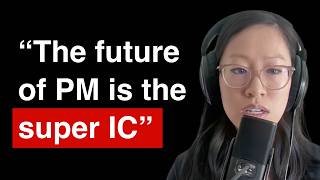
Jiaona Zhang, Chief Product Officer at Linktree, discusses how AI is reshaping product management and the creator economy. She covers the shift away from management layers, balancing strategy with hands-on work, and using voice notes to stay productive in a changing role.
I think so often people are stuck in that day to day that you're not taking the time to even think about what makes me happy, what gives me energy. And again, I think so often people are like, I saw so and so do this or this seems like the right path. Like of course, like this is like check, check, check, check. But then a lot of PMs by the way, get really burnt out. You're 10 years in and you're like, I don't. I think I might just want to take some pottery class. And like I want to just check out of this. And what I teach is how do you understand yourself the same way that you would understand a user of your product? And how do you define success and be very agile about it? I believe that if you are doing things that SAP away at your energy, you are never going to be able to be the best version that you can be.
Welcome everyone. My guest today is Jay Z, Chief product officer at Linktree, prior to Linktree, Jay Z led product orgs at Webflow, Airbnb, WeWork, Dropbox, Pocket Gyms, a lot of great companies. Welcome.
JZ thanks so much for having me. Peter.
So you have some really awesome experiences being a product leader at different companies. And the product management profession is changing a lot recently, right? There's a lot of, there's layoffs happening, there's people trying to, I guess, collapse the layers of the management chain. And there's also AI. What have been your observations on how product management role is evolving?
Yeah, great question. So actually just this morning I was reading the news and of course you're reading about Amazon and how they're thinking about removing a ton of managers from kind of their organization. And I think that's probably the most striking piece that I've seen outside of the macroeconomic environment and just layoffs in general. I think this idea of how many managers and what's kind of the ratio of the orgs that you need these days is changing pretty rapidly. So I think there's a, almost a compression on the bottom, meaning these are things that are potentially low leverage, tedious manual tasks. Those pieces of work, those bodies of work are falling away because you have tools now, you do have AI to take place of those things. And then there's also this idea of that management layer. Okay, how many people do you really need in that middle layer? And I think that is probably less talked about as we talk about AI because it's more obvious that the lower leverage work is going away. But it's interesting because it's like when the lower leverage work is going away, each person is able to do so much more. And when each person is doing so much more, do you really need a layer of people kind of in the middle managing? And by the way, that job isn't that satisfying for a lot of people anyways. A lot of times you talk to middle, you talk to managers and they're like, I'm stuck in the middle. I get all these things from my manager and then I have to like translate it down to my team. And it's actually not that stimulating. And so I think there's actually a very positive shift. Yes, jobs are going away and that is not great. But if you can think about where's the puck going and how do I skate to that, how do I use the tools to take time off of my day so that the low leverage work is actually being done? And then how do I actually not need that layer in between? How do I go and flex into that layer? And if that layer is really about getting context, how do I go get that context and then with that context, do more with the tools below?
Yeah, and that's a very good point because that actually is a pretty radical shift because even as a PM myself for a long time, my goal was to just become a manager because that was the only way to actually grow your career. You gotta become a manager. You got the other PMs.
And it was also really hard. Right. Because it was a lot of numbers. You're like, oh no, there are Only so many PMs in a given organization. And if there are Only so many PMs, like, how many managers do you need? So it became this law of numbers and actually probably led to org bloat.
Yes, it definitely led to org bloat, because everyone's talking about growing headcount and they had to fire people a couple years after. And. But I'm really glad to see more and more organizations, like, even at Roblox, we now have a IC PM career track that goes all the way up to. Theoretically, it goes all the way up to vp. Let's see how it happens. But. But like, where's the profile of a super IC or like a super icpm in your eyes?
Yeah. So I think the, the part about management, I want to just go back to it because there's a very valuable piece to it, which is the fact that you are coaching someone else and that you're creating leverage. I think the whole thing today is how do you actually get that leverage and what's the most efficient way to coach. So I do think that a big characteristic is the ability to go and coach a bunch of people or again, create leverage for yourself through tools, but then also be able to get into the weeds. And I think that's a lot of what I think people are kind of. And again, just because it's in the lexicon, right? So for example, founder mode, the whole point is really like, how do you know the details? How do you get into the weeds? That's really all of all that it is. Or at least the parts that I really think are relevant. And so in that world, if you. The characteristic that I think is really important is how do you enable people to be able to fly at multiple altitudes and go between altitudes quickly? So you're flying at the 30,000 foot view where you're really clear and understand the strategy, you're able to go down a layer deeper and you're able to actually understand, okay, well what's this team doing? And then you're able to go down a level deeper and be like, well, if I really had to look at the pixels, if I really had to look at the tickets, like I can do that and I'm not afraid to do that or I don't want to do that. And so I think that's a big characteristic of this role of being able to fly across those altitudes really easily. I think before it was hard. I think sometimes you're like, well, it takes me so much time to get to the three foot view of the tickets and the bugs because it just like I have to read through all these things. And again, if that becomes so much easier because you have tools that synthesize that for you, if you are able to kind of go in play with something quickly, even just the idea of like build environments, right? It was really hard to go like get a build in the past and with all the technological advances you're like, wait, I can actually like spin up the server, I can go get a build really easily. I can do the thing where I can actually get into the details. I think it's all about giving people the ability to fly at all the different altitudes.
And that is like a very much an art, right? There's like no framework or like steps for you to follow to figure out like when you should be in the weeds and when you should be at the high level. Like I'm curious if you have any tactics yourself or like how do you balance this yourself as a chief product officer?
It is definitely a hard balance. But the biggest Tip I give people is most of the time, just given human nature, you tend to gravitate towards one or the other. It's just based on your personality. If you really like going into the details, you're very detail oriented, or maybe you actually don't like going to the details. So understanding who you are first and being like, this is what is natural to me. And then the next step is, okay, if I'm always in the details, but not taking the time to kind of step back and think about the strategy, then my tip would be, okay, first of all, acknowledge that, spend the time to do that, and then actually force yourself to create an artifact. I'm a big fan of artifacts because it actually gives you an ability to say, I've done the thing. So a lot of times people will ask me, what are the core competencies? How do I know that I'm doing well? And I'm like, hey, the core competencies are execution and communication. But instead of just telling them that and being like, good luck, I say, hey, for a strategy, do you have a strategy document? Do you have an artifact around that for execution? Can you actually point to all the things you've shipped in the past X period of time and quantify that for communication? What's the last weekly update you sent out? And so I, I love pointing to artifacts. And so using artifacts, you can actually evaluate yourself. You can be like, hey, when was the last time I looked at, wrote or circulated a strategy document about either something broad as like a whole product area or the company level. If you're really senior or even if you're a junior, your product area, like, who, who are you targeting? What does success look like? What are you investing? What are you not investing in? That artifact is really useful and a great way to say, hey, this is pulling myself out of the weeds and then vice versa. Right? If you're flying all the way up here, that's a very easy litmus test. You can say, well, when was the last time I played with a product and dog food at it? When was the last time I filed a ticket? When was the last time I spoke to a user? So just even giving yourself and asking yourself those litmus test questions helps you understand kind of where you're flying and then try to fly the other direction.
Yeah, I think that's really good advice. I tend to enjoy flying close to the ground, like testing the product before it launches and talking to users. But sometimes I remind myself, because there's always some urgent thing to do on the ground, I have to remind myself to actually take a step back and like, hey, when was the last time I updated my strategy document? Like, it's been like six months. Maybe it's not as urgent, but it's really important to know where you're going.
Making time for the important work, not just the urgent work.
Yeah, that's really good advice. So Another thing that PMs struggle with, obviously, is like, we're just stuck in meetings all day. A lot of us have to do real work at night. But, like, I think with AI, there's ways to streamline, like you said, a lot of the routine tasks. So, like, from your experience, what tasks are really great for streamline of AI and what tasks do you think still require a human touch?
That's a great question, but I'm going to actually even remove the AI piece out of it for a second because I think that today we keep going towards AI and there's like, basic things that we can do that don't require necessarily those tools. I want to start with this concept of voice notes, which is something I hold really dear to my heart. I'm much faster speaking. Like, here's a quick thing I need you to think about or do versus sitting there and kind of writing it out. Which, by the way, on the AI front, of course, there are tools to help you write things a lot faster, right? Like a first draft has never been easier. Just stick it in GPT, you go into notion AI. Like, it's never been easier. But I again, just going back to basic primitives, voice, leaving people a note. And so at linktree, we are incredibly distributed. We have offices in Australia, in the us, in the uk, and then global employees everywhere. And so how do you keep a remote workforce on the same page? And how do you communicate? And yes, of course, you can write things. You can write slacks. It takes time and sometimes people forget. And so think the going back to voice notes. I do a thing where, you know, whenever I come out of a meeting, I think to myself, well, what's the tldr? What was the decision that was made? And I also have that as just meeting hygiene. Like, why are we having this meeting? You always need to come in with a very clear agenda. And specifically, like, what do you need to have live discussed versus that could be done asynchronously through a loom or through some other tool. And then going back to voice notes. Use voice notes. Something as simple as speech, right? To leave something for someone to say, hey, this was a decision that happened today. Or this is the Thing I need you to run and take the ball forward on. And again, so important a world where some people are going to sleep and other people are waking up to start their day. So that context sharing is critical. So even if something as simple as just leaving a voice note of what happened and like what I need you to do next. And then I think again with AI and just technology, like I think again, we keep talking about AI, but just technology. In the past it was like sending emails and picking up a phone and today it's leaving a voice note on a slack and then having slack auto transcript that so that if someone doesn't want to listen to something because they're more visual, they can read it really quickly. Right. And then there will be more tools where you're summarizing what happened. But I am a person, I believe in very light process or process where needed. And so I actually don't like a world where it's like I go through and I'm like, AI this, AI that. It's like, how do you find those little efficiencies and then how do you find some bigger tools where you say it's going to really push us in the right direction?
Yeah, I totally agree with that. I think like whenever you have these like little annoying things they do, like trying to summarize notes after a meeting, they have to do like multiple times in a day or like a lot. Then they just start thinking about, okay, how can I make this easier? For the voice notes piece, I don't really do that at work, but like for my newsletter writing, like sometimes I would drop my kid off at school and I drive to work and then I would like rant about something to this app called Super Whisper. Like this. Yeah. App. And they will just record my rant and then I will put that rant, I send myself an email with that rant and then like pointing to cloud and ask cloud to clean it up. And like that is kind of like the first draft of my post.
I love that. I really love that.
Yeah, because if another thing is like when you're speaking, you kind of just kind of tend to get to the point. Right. You're kind of at your most natural. So you don't like use a bunch of like bureaucratic or flowery language. You just get to the point. So in some ways it's actually more from the heart than like writing.
Yeah, I love that. And you don't have that blank page writer's block thing. You're literally just talking what's top of mind and then with the tools around editing. Yeah, GPT again, all the different models out there, they're so good for giving you a first draft when you put in the right parameters. And they're so good in terms of tweaking, but they never can get to the final. I find they never get the final version right. Like there's still that human element at the very end being like, this is how I want to sound. You can do a lot of things by the way. So for example, we've even trained a GPT instance with link trees, tone of voice and brand guidance. Right? So like when we write anything, instead of it being like, okay, well everyone, let's wait for the one copywriter who's really bottlenecked. Like everyone has the ability to contribute copy. So I think there are definitely ways where the tools really do make a difference. But it's like finding the right touch point. So I loved your example of here's where voice is great. Here's where I don't want to do a bunch of tedious work and the tools do it for me. And then here's like the final human touch at the end.
Yeah. Another example I like to. And you probably have a problem because you're probably context searching all the time. I really dislike it when someone tags me in a Slack thread that's like 50 messages deep and be like, hey Peter, what do you think?
What's the context? What even happened?
I don't want me reading all this stuff. So I don't know if I should be admitted in this. But usually I just put the whole thread into AI and be like, okay, can you summarize what's going on here? And that saves me a ton of time. What about like just real quick, you talk about like having artifacts like strategy artifacts like PRDs. I think it's important to have good artifacts, but I also think like, especially these big companies, like people tend to over focus on the artifacts, right? They're like, I need to make this strategy document perfect before I can show it to jc and they spend like a shit ton of time trying to pop polish it. So how do you find the right balance here? Or like, you know, what does your strategy document look like? Is it like a one page pager, but it's like a 30 page or.
Yeah, yes, the company strategy document, we try to keep it to a two pager. I'm very aware that when you say one pager, the chances of the words fitting onto one page without changing all the margin width is very low. But by the Time you're getting past two pages, you're like, you could have been much more concise. So company level, we really try to keep it to tight two pages and if there's any overflow, it's all things like here are the details, here's the appendix. We really want to read like all the detailed decision making that went into this or the trade offs that we went through, that's later. But try to keep the core meat of what you're talking about. I usually use a rule of thumb of two pages. I actually have stripped out a lot of process. And again, I think you have to be really thoughtful about what's the biggest problem that your organization is going through. I do think when I first joined linktree we had a lot of process where it wasn't really clear what the point of the process was. And so I went actually to an extreme and I really believe this idea of like going to different ends of the spectrum because it actually pushes behavioral change more effectively than kind of being middle of the road. And again, you see this in design work. You're like, let me show you two extremes. It's not like I'm going to ship either one, but it's going to teach me a bunch. And so going back to process, I kind of went to more of the extreme where I stripped out the process and I looked at what fell apart and what I realized is given. And this is very specific to linktree and specific to the way we like to work and even to our founders. Alex, for example, our CEO is incredibly visual. I am also very visual. And so when you write a bunch of documents, it's actually not that effective because the chances that anyone's going to read that document, internalize all of it and come out of it with something like my mental image versus anyone else's mental image, it's going to deviate. And so we've actually gone really heavy into having visual artifacts. So for example, in a figjam or in figma, actually even taking some of the main points and putting them next to the designs where the very top we say these are the key problems, these are the key, the things that we're trying to solve. Go straight into the flows, low fidelity flows, then to high fidelity flows, and then using that as the source of truth. And we found that actually works way better because you could write any length of page document and it just wouldn't stick.
Yeah, yeah, Nobody reads my PRDs. I have to like put some notes in the figma for people to actually know what was going on.
And so yeah, in that world it's like, why write the prd? Again, the thinking of a PRD is really important, but what are ways to do it in a really lightweight way? So again we where like no one's going to read that document. So how do we actually incorporate into our scorecards? We have a thing where accountability is really important. Transparency, again, information sharing is really important. A scorecard is very lightweight. It's literally here's what success looks like, are you on track? And here's some details on the progress, the blockers and the asks. That's good enough. And so just again just really thinking about what is the thing that you need to get across so that everyone is on the same page and so you can move forward.
Yeah, that makes a lot of sense. So let's talk about a little bit about PM careers and more. I think you've given talks about how in fact I think you teach a course right, about how PM should treat their career like their most important product and like a great product obviously solves a user problem. Hopefully it's differentiate in some way. Maybe can you give us a high level on how PMs can think about their career the same way?
The first takeaway from my course is even just taking the time to think about your career. I think so often people are again stuck in that day to day. You're doing the urgent and not the important that you're not taking the time to even think about what makes me happy, what gives me energy. And I think that the main thing I want to convey is there's no one way to do anyone's career. I think it's about getting the data that you need. How much can I make in different scenarios? I think there's so much also around like information asymmetry. It's, it's almost like people who have information have power and people who don't. And so again a big part of my course is getting that information out there so it's accessible to everyone. But then taking those information, those pieces of data and thinking really deeply about yourself as a user. And so if you're building any product, you have to understand who you're building for. What do they want, what are their deep pains, what gives them like what gives them that, that dopamine hit. How do you think about yourself as a user when you're thinking about your career? And again I think so often people are like oh I, I saw so and so do this or this seems like the right path. Like of course, like this Is like, check, check, check, check. But then a lot of PMs by the way, get really burnt out. You're 10 years in and you're like, I don't. I think I might just want to take some pottery classes. And like, I want to just check out of this. And so that's what I. And again, that's totally fine too. Like that. There's nothing wrong with that. But I don't want people to do that because they are burnt out. I want people to do that because that is ultimately what they're very passionate about. And so, so much of what I believe in and one way to teach is how do you understand yourself? The same way that you would understand a user of your product. How do you define success and be very agile about it? Right when you're building a product, I will pull PMs for this. But the number of times they're like, in phase one, definition of success was this. In phase two, the definition of success was this. And then when I learned this new thing, the definition of success changed to this other thing. Like that is a natural thing that happens. And so being able to do that for yourself, for your own career, to be like, what's happening in the industry going back to your very first point, yes, if we are giving rise to call it like a super ic and there is a up to VP path for the ic and that's honestly what you enjoy because you enjoy deep work, you enjoy working cross functionally on very complex projects, but you don't necessarily want to manage anyone and write their each cycle reviews, performance reviews don't do that because anything. I believe that if you are doing things that SAP away at your energy, you are never going to be able to be the best version that you can be. And so that's really the core of it. How do you understand who you are, what motivates you? Also understand what are the basic things that are required to be excellent. Because I think a lot of people are like, I want to get promoted. And you're like, no, the first thing you do is to be good at what you do. And sometimes the overlap of the two is not quite there for people. And that's okay. I'd rather have them discover it sooner versus much later. Right. Like if you're like, hey, actually to be a really great pm, you have to operate in ambiguity and love it and thrive. And you have to just like proactiveness, grit, tenacity, that's so important. But if you're like, I actually really do enjoy structure to Some degree I enjoy maker time. You get so, so little maker time as a pm. Like you said this earlier, you're like in meetings all day. At the end of the day you're finally in front of your computer like doing deep work. If that's not what you enjoy, if you want your days to be doing maker time, like maybe there's something else that is better for you and that you're going to thrive at more.
Yeah, I love that. I think basically the message is like there are many different paths to success as a pm or even maybe you don't want to be a pm. Right. And like I think early in my career it was very like, oh, like if I don't make a, if I don't make it like to cpo like Jay Z, that failed in my career. But yeah, I think I've become more honest with myself. Like actually I do enjoy just like sitting in a room with engineering designers trying to figure out how to build a product and, and maybe there actually is a viable whole career path just doing that.
Yeah, totally.
I mean that's what founders do at the end of the day, right? They kind of try to build a product that way.
Yeah. And then actually a lot of founders actually don't enjoy their jobs when it's more about company scaling and org scaling as opposed to building. And so then for them even finding like the right fit in the company so that they can do what gives them energy because ultimately that's, that's going to make the company more successful.
And how about like, because there's been like a lot of downsizing to a certain extent, do you think it's still okay to be a PM generalist or do you think folks should specialize in a certain area or skill?
That's a really great question. It's interesting because I would say if you look at my career, I am very much a journalist. I've worked on everything from gaming to productivity to marketplaces and then even within some of the places I worked at, I've worked on deep infrastructure and developer APIs all the way to very consumer based products. It's always interesting. Everyone was like, are you consumer? Are you enterprise? I was like, I've done it all. And I actually think the beauty is where you find patterns from one to apply to the other. Because there are lots of ways where you're like, hey, these are the things that are happening consumer. These are the trends that make sense. And when you apply that to a B2B business, that's really interesting. But there are Also times where you're like, hey, the business model of this consumer business doesn't quite make sense. And if you think about the things that happen in B2B, much more reliable, like SaaS, revenue streams like that actually can make this like consumer business really viable. So, and I think that's again, deeply personal. It's just what happened in my career journey. And also just as a person, I really enjoy kind of working across things. I'm a person that likes to go broad and understand a bunch of different things and apply them to each other as opposed to necessarily go super deep in one thing. And I learned that about myself when I was like, hey, if I have a career that's the same thing for the next 40 years and the same subject area, I personally would be really bored. And so it's deeply personal. Again, going back to this theme of like, there's no right way to do anyone's career career, it's very personal to what gives you energy. But what I do think is a general trend is, especially if you're trying to move into product, I think that this idea of a generalist, it's harder and harder these days because there are so many people who are potentially interested in the role and in many ways the number of roles are, I don't know, dwindling, but I definitely think evolving. And so if you have that deep expertise, if you have that deep payments expertise, if you do have that ML expertise, right, like you're able to go in, in and add impact. And I do see hiring managers today feeling like here are the very specific areas that I don't have expertise in. I'm going to go out and look for that. And even in my hiring experience recently we were doing a really big commerce play. I'm going out and looking for people with deep commerce experience. I'm not necessarily looking for generalists as much.
Yeah, that makes sense. Yeah. And expertise can be like by vertical or maybe like by scale, like, like MML or like maybe even by type of product. Right. Like, are you good at growing scale products or are you better at building 0 to 1? To a certain extent, yeah. And just to wrap this up, like, you have a really great career. I think I found this online. You have this career odyssey framework. I think it's like a fig jam. I will link to it in description. But it's really great about thinking about your career and like kind of having a roadmap for your career. And I think the part I really love about it is like these like provocative questions that you Kind of ask yourself, like, do you remember some of them? Like, can you share some of them to kind of help you think bigger than just, like, what the next thing is?
Yes. Let me give you. Let me give everyone a little bit of context on what this is. So for anyone who's heard of designing your life, this is something that really inspired me. I was like, okay, wow. If I apply a designer's mindset, I personally love design to my life and the way I want to, like who I like, what I want to do, what gives me energy that will make me so much more intentional about what it is I choose to do and what I don't choose to do. And when I did that, I applied a few different principles to what is now the Career Odyssey framework, which is, at the end of the day, if you're doing any design sprint, right, Push yourself to think about the Blue sky version. If you didn't have as many constraints as you had today, what would that look like? And then if you were to have constraints, great. Like, how do you work within those constraints? But applying that to, I think your life and your career is very interesting because I think that a lot of times when people are told, actually give me your Blue sky version of what your life could look like, if you could really dream, what would you be doing with your time? What would your finances look like? What would all these things look like? Like that. It's really freeing because a lot of times when you do the Blue sky version, you're actually like, whoa, wait a second. If I could step away from the current path that I am on, would I even want to be on this path? So I think that is one of the reasons why in the Career Odyssey, I asked people to really do that Blue sky version. And then there are a few areas. I think this is maybe what you're referencing to, where it's like very pointed questions. And this is very specific to just a career framework. I ask people to really evaluate for themselves, like, how much do they actually need financially? Because I think a lot of times when you think about a career, the reality of it is it's tied to your earnings. And so this idea of, like, how much do you really need? Versus always just thinking, like, more, more. How much does a title matter to you? And, like, what is the value of a title? And this, in my course, I actually break down a lot more because at the end of the day, a title is just a title. You could go tomorrow and be the CPO of a five person company. You can found a company and you can be the CEO like you do, you could do all of those things. It's really about what actually motivates you. If you're like, I'm motivated by thinking about where the future could go and stitching together a lot of functions and getting there. Like that is one path, right? Like you're like, I'm really motivated by building great things and getting into the weeds of building those great things. Like, that's a slightly different path. And so it's really understanding kind of again, what motivates you. And so I ask people to kind of reflect on those questions and then when they're able to do both their blue sky version, a version of their life of like, if I made no changes, what would that roughly look like? Because again, people don't play that out. And then thinking about some of these provocative questions, you end up with just this really interesting thought exercise and take you two hours, like less. That just gives you so much more clarity in terms of what is great for you and what's meaningful for you.
Yeah, maybe I need to take a course. But I think that's a really good point because you don't really reflect when you're in the game. You don't really reflect on if you should be playing this game in the first place, right? And like if you take a step back then maybe you're like, oh, maybe like if I win this game, I'm actually going to lose. I don't actually want to play this game. But what about like, and you have like in that framework you have plans to make like a five year plan, stuff like that. But even with building a product, we know how new information comes up all the time. And like plans change, right? So, so like, so how useful is that five year plan of like the next year you find out something new about yourself. Or like I, I could just keep it updated to like a product or Yeah, I don't.
Because again, even this idea of this even going back to like real product work roadmaps, right? Like I, I like roadmaps to be living, breathing things. And again, if you're in an enterprise business, you have a, a client facing roadmap. But I think so many times people confuse all these things. You're like, they're all one and the same and everything has to be updated. And you're like, no, actually what you really want, especially in enterprise, is to be like, these are things I'm guaranteeing is going to happen. You don't want a world where your sales team is like, where is this thing? So. So I think it's so interesting because I think we always have this human nature is to be one where you're thinking, I need to plan this whole thing out. But with every single plan, and this is so ironic because we're about to. For most companies, it's annual planning time. The number of times you do a plan and you spend a lot of time you plan and you throw out your plan because you have new information in Q1 is really high. But the act of planning is what's important to me. So it's never about the actual plan in itself. It's about the act of planning and the principles and the strategy and the decisions that come out of that act of planning. So for example, if you do again, I'll talk about link tree. We're in a very dynamic space in the creator space. In a space where it's part consumer, part SaaS, it's incredibly dynamic. New technology is coming out every day. Creators are very scrappy. They're finding, you know, this well, they're finding, you know, new ways to do things all the time. And so there's no world that I could possibly come up with a five year plan, a three year plan or even a one year plan. But what I can come up with is a very clear strategy where I can articulate our principles. You know, our principles are we will always put creators first, right? Like we are Switzerland as linktree. We're here to help a creator, to help an SMB. And that means that like that is our positioning and that's how we think about the product decisions we make. We will think about ways where creators are feeling like they're getting squeezed and how do we actually help them. We're going to find ways where creators are sinking a lot of time. And instead of each one, every single creator out there in the world figuring out a new workflow, we will be the ones who will help you deliver, like understand the tools and the workflows that make your life easier. So that is important in terms of our strategy, in terms of quote unquote planning, those things don't change. And those things, by the way, guide our decision making and what we choose to invest in. And also when something new occurs, something disruptive happens, it, it reminds us like this is our stance. We'll always be creator first, right? Like in a world of AI where people are necess, not necessarily always owning their likeness. What we will always do is enable people to be able to have ownership on what it is they create. And so it's just, it's that. That I push a lot on for my teams and specifically for planning. And again, just pulling that all the way back to personal career planning. It's those principles, right? Like, if you understand what it is that gives you energy, again, no one knows what's going to happen. You can't necessarily plan out three years, but you can always tell yourself, what I really enjoy is craft, or what I really enjoy is being able to work really cross functionally. And those principles don't change, or if they do, like something has happened and you should examine those. But there's no point in having necessarily a plan to the T as much as understanding those principles about yourself.
Yeah, I totally agree. Just from my personal experience, like in my product Org, I think the vision, the strategy, the roadmap, those are all important artifacts, but I think a really underrated artifact is how you want to operate as a team. What are your principles as a team? Because those things, like if you want to put customers first or you really care about craft, those principles actually inform everyday decisions, perhaps even more than those other artifacts. Yeah. So having those very clearly defined is key.
Yeah, absolutely.
So let's talk about creators in more detail now. So, like, I'm both a PM and a creator. And I think the promise, I think the reason I love the creator economy is that theoretically, okay, it's supposed to bypass the gatekeepers. Like, you don't need to have all these titles and credentials. You can just find your audience online and make a living online or wherever else you want to make a living. But I think the reality is actually more difficult. So I have my own thoughts. But, like, I'm curious, what have been your observations as linktree's cpo?
Yeah, I do think I have very similar views, which is why I'm very drawn to the space and serving these users in the sense that they are some of the scrappiest, most entrepreneurial people on Earth. Right. You're like, these people, they will do anything and they'll learn whatever new tool. Like, they're just hustlers. And I, I love that spirit. I think that I do agree. It's really interesting. I think it happens with any industry. It's almost like something happens, there's an opportunity, and then you get all of the people who flock there first or do it really well at the beginning, and then it's harder and harder for other people to go, like, do the thing. And I think that's happened with creators. You're like, wow, like Mr. Beast, like, there are all these people who are like, you've super made it in the creator space. And they do serve as these beacons, I think, for other creators. But I want to create a world where it is possible for everyone. Like, I really deeply care about this idea of like democratizing something. So again, when I was at Webflows, like democratizing the Internet, like everyone should be able to like produce and beautiful designs, right? And then at linktree, it's this idea of like really democratizing all the tools, all the ways to, to make money. And I believe a few things, one which is very powerful for creators, for example. So the first thing I really believe is the future of retail is very much in the hands of creators. You don't sell things anymore through billboards, TV ads, or even the mall like that. Those are very like high operational cost things. And that's not also, that's not where the attention is, right? Like in today's world and the attention economy that we're in, a lot of what act like the reason you buy something is because you're like, I have affinity for this person, or I really like this thing about them, or I really admire this thing about them. And when they say that this thing is actually great, this product is actually great, that gives me trust, that gives me confidence. And so I think that is where the whole future of retail is shifting, which by the way, is a ton of money. If you think about the world in terms of dollars, like literally selling physical goods is a huge part of how money moves. And I think that's great for creators because if that's true, it means that creators have a huge kind of opportunity ahead of them to really do commerce. And what's really interesting is this whole art of curation, right? You don't necessarily even have to produce a physical or digital good. You can curate the courses that you want to recommend, you can curate the podcast you like, you can curate the products that, that you like. And that idea of that is where retail is shifting and that's an opportunity for creators. And really this opportunity in curation I think is massive. So that's really exciting. Exciting, Got it.
Yeah. Because I think that would be very interesting. Because another thing that creators struggle with is I think they have even more ambiguity than PMs. Like PM, you have ambiguity on like what you're going to build next. But creators have ambiguity on their livelihood, right? Because the algo can like take their traffic away or a lot of them rely on like brand sponsors. And that industry is like very hit or miss. I Don't know if there's any ways to give creators a more stable income. Maybe it's through this retail thing, but.
Yeah, I think so. I think they're. What I. What we want to do at linktree is we want to take the best practices that have enabled some of these like titans in the creator space to rise and democratize them and enable all creators to have access to them. And by the way, not just all creators. I really want to make this point, which is linktree is used by so many different people and quote unquote verticals. So we serve a musician the same way we serve like a pizza shop owner. And there's a lot of value that people take from a linktree and also where we want to take the product. And I think there's a lot of similarities. Meaning I really believe that in today's world, you know, SMBs need to be creators to thrive. They need to know how to market themselves. And also every creator out there is really an SMB. Like they are a business. And going back to this idea of making money, you're not doing like a lot of people do it for passion, but over time they realize they can make money and that's where it gets really interesting. So if every creator has the opportunity to become an SMB and be their own, own boss, right? Like, that's like the true spirit of entrepreneurship. How do we support that to happen? How do we give SMBs the tools to be effective creators? And how do we give creators the tools to be able to really earn and monetize? And I do think you look at the world going back to this idea of like these titans have done these things, they kind of had to run through broken glass to do it. How do we democratize what they've done? There are a lot of people who they curate products and they make money through affiliates. There are a lot of people who create courses and content and make money through that. There are a lot of people who actually create a community. I think community, by the way, is a very untapped future. Just like value creator. Like I think we, we've been in the world of like tools like SaaS tooling. I think that in the future, especially when I think consumer, there's something really around like the power of communities and even going back to distribution and marketing dollars, which is a huge portion of any company's budget, this idea of if I can tap into a really activated community, that is how I get my product really sold versus trying to one by one get everyone at every eyeball and then get people to subconsciously want to buy the thing and ultimately make that decision. And so all of those things, even just creating a community, you see creators using substack these days, not because it's perfectly built for them, but it's a general tool that allows them to capture and retain an audience and communicate with that audience. And so what are all the things that we are seeing in the world in terms of how can we help these creators make money and tools for them to be able to really juice their income and grow their business and provide it for them?
And do you have any thoughts on. Because most people see linktree as kind of a linking bio tool or maybe like the home, the hub of a lot of creators or brands. But I think it might be challenging to serve like individual creators and brands and all these different SMBs. So I'm just curious if what is your high level approach to expanding linktree's product suite? Is it kind of like being a really great horizontal tool or the community thing or still working it out? Yeah.
So the first thing about linktree is that it is a lot for a lot of people, it's where you start and it's because at some point you need to create that digital presence there. There's actually a lot of our creators have told us this. It's like they almost didn't like the act of creating a website or Creating a link LinkedIn bio. A link tree was like, I'm legitimate. I have people come in through TikTok and Instagram or even just again going back to the restaurant owner, I'm legitimate here. Here's my really quick. I don't have time to go build this in Squarespace or some other like really fancy website builder. But like I can throw a few like my menu, my delivery options and like that is what I want to put out there. Right. So linktree has the beauty of linktree is that it is so simple to use. It has such broad reach and you can use it for so many things and so many verticals. What's next is if we are the starting point for so many people, how do we help them along that journ so that it's not just a link in bio and they're done. And I also want to talk about how we want to do this because I think this is a call out for companies and people who are interested in partnering with us. I'm. We are a very small company and I want to keep us really lean. So I'm not here to go build all the different functionality that can exist on other platforms. But what we can really do well and the best for our users as linktree, is if you are starting with us, you're starting your journey here. How do we teach you, help you, guide you and nudge you towards the other things that you can use. So we are happy to partner with the best in class for courses, the best in class for community creation, the best in class for whatever it is. Because at the end of the day, we are user first, meaning we want to always deliver for our users the absolute best tool. And I'm not going to be here the first. I'm not going to be the person to say, like, that's going to be built by linktree. It could very much be built by something else. But what we do do think deeply about is how is that person going to be able to learn how to do these things, Going back to the democratization story and for us to be able to say, like, here's the 101 version and here's how you can learn how to do it and get almost like your training legs under you and then when you get really comfortable and believe that this is the thing that you want to double down in. Because I think for a lot of people, they're still exploring. They're like, I don't know, do I do a newsletter, do I do a podcast? Like, do I do a course? Like, what is it that I actually want to do? We want to be able to allow you to, like, experiment, experiment quickly with some of these things and see what works for you. And then over time, if you need a very fancy, robust version of something, we are more than happy to really, like, take you to that product and encourage you to use it. So that's really our philosophy, which is like, yes, 100%, we are way more than a link in bio. And I think actually a lot of users are surprised by how much we do offer. We do have mailing list integrations, we do have the ability, literally we just launched the ability to be able to, to automatically respond to when someone pings you on Instagram. Like, all these tools that save you time, we're really trying to support our creators and our SMBs in their journey of marketing themselves. But again, if you want something really niche, if you want to create this incredibly complex thing because you've decided that's for you, we want to support you in that. But ultimately this is really important, where you market yourself. All of these products come back to the equivalent of a website light, which for many people is their link tree. And so that is why we think we have the positioning to do this really well, but also the trust of our users.
Yeah, I think it's a really powerful advantage to have like we say link in bio, but it's really like a home that the creator actually owns and can customize to whatever they want. Because if I, if my home is on YouTube or Twitter, like they can just change the algorithm. Like change how high show stuff anytime. Right. And another thing, really annoying. As a creator, you kind of, like you said, you're kind of forced to be present on multiple platforms. And even as a fan, it's like really annoying to follow you or follow up here on different platforms. So whatever makes the end to end journey easier. Like for example, I know you guys bought a recent post scheduling tool or something. Yeah, whatever makes that easier. Because I don't want to have to like open five different tabs on my browser to post the same thing.
Absolutely. I want to give a huge plug for plan because I honestly, I hate posting on LinkedIn and I need to do it. And so this idea of how do you make that again, the tedious work go away? 5 browsers doing it all the time, putting it into your calendar and be like, remind yourself like, like, I can't auto if I can't schedule a post on this platform because not all platforms allow that. Right. You're just in this logistical hell. And plan is just this beautiful, simple product where you're like, great, I can connect all my platforms. I can actually plan my month at a glance. If you're very serious. Serious. And I, it will auto schedule wherever possible for me. And even beyond that, I think the beauty of this whole, there's so much that creators can teach SMBs and so much tooling that SMBs have to really just run businesses that are actually really relevant for creators. So this like overlap is what I think is so beautiful. Creators have a lot, have learned a lot in terms of creating content that's engaging and we take that and we literally productize it within plan and we actually help if you're brand new to all of this, this if you don't know even where to even start. When it comes to Instagram, we give you the inspiration, we give you a, hey, if you are a hairstylist and you're trying to start to create a brand that's not just people happening to come by and booking an appointment with your salon, how do you do that? And that again, that's where marketing is going. That is how people are Getting their leads. We are not in a world of you walk by and it just, it's like leads come from foot traffic and therefore where you're located matters a lot. We're in this like remote hybrid environment where like anyone, anywhere can make money and that like the digital presence piece of it. And even knowing like we offer an analytics suite on linktree where we say, hey, what's actually even happening? Are people coming to probably the most high intent place, by the way, like if someone's really interested in you, they will click on your link and buy. But where are they coming from? Are they coming from TikTok? Are they coming from Instagram? Are you actually missing a platform completely? And you should probably go do that. Like that is I think the beauty of being Switzerland because we can give you the information that is a cross platform. And I just fundamentally believe that the world is getting more fragmented. There are more places to post things. There are more places to yell either into the void or into an engaged audience, whatever you're able to do. And ideally we want you all to be yelling to an engaged audience. And so like how do we give you the tools to be able to do that really effectively?
And what, what is the website for Plan? Just so people can follow along.
Yeah, yeah. So very soon, if you sign up for linktree, you'll be able to have access to plan. Actually that is rolling out right now. But if literally today, Google plan P L A N end, you'll be able to sign up for an account.
Okay, awesome. Okay, so let's kind of bring our two topics together, right? Like advancing your product, career and I guess or godfit that you have both. But I'd like to kind of bring back to this because as a creator you're trying to put yourself out there. You're trying to be authentically you. I think as a product leader, you, you kind of also have like a brand in your company or like in the industry. But that's hopefully like like we discussed authentic to what gives you energy. So I don't know if I have a question on this, but I guess one of my point I want to make is a lot of people just blindly apply to a bunch of jobs or blindly put stuff out there about all kinds of random things. Let's close on this because I think you're really good at this. How do you build a brand both at a company and maybe externally that's authentically you that actually gives you energy that you don't get trapped in a place that you don't actually want to be. That's kind of a large question.
It's a great question. Maybe I'll first talk about one point, which is, can you be a creator? And can you. You, especially since we talk so much about, like, product careers, like, have that at the same time. And I think, like, absolutely. You're, like, a perfect example of that. And I do think that when you build expertise in a certain area and you're able to actually talk about it and share it with the world, you get more and more opportunities just to go do that, which I think is really exciting. I do think there are times where you do have to find that line. But what I usually find for many people is, is unless you're teaching about, like, something completely different, you're like, here I am being a ceramics instructor, and here I am with, like, a very specific, like, product, career and data platform, like, those are. It's pretty hard to find a match there in that world. You just have to time manage. And then this goes back to career Odyssey. Like, which one do you actually want to do? And which one is primary, which one is secondary? Like, I think, like, people need to figure that out, but in a lot of cases, I actually see it being very complimentary. Meaning, Peter, with what you've done, like. Like, you are so interesting for companies that really want that skillset and want that following. Like, sure, we can go hire someone who doesn't have any kind of, like, reach, or we can go hire someone who does, which is really meaningful. And so I think that. I do think it's. It. It is nuanced, because not as much as we're not telling everyone to go be a creator per se, but I think this idea, like, if there are things that truly give you energy and it feels very symbiotic to kind of what you're doing every single day.
Okay.
And I'll go back to my personal life. I teach because I've. I truly love it, but also because it makes me a better product leader. The number of times I've taught, every year, a winter quarter. I teach at Stanford, and I also teach cohorts to reforge. And I'm always reminded when I teach at Stanford, I'm like, I need to start with a problem space. And there are times where even today, I'm like, oh, I jumped too far ahead. Or we as a team jump too far ahead because we got too excited about the opportunity, too excited about the technology. And it's just such a grounding moment to be like, wait a second step back and, like, how do we do risk this project and actually set it up for success? And then when I speak at Reforge, a lot of the reasons I do it is because, again, I fundamentally enjoy connecting with students, but I also get the privilege to speak to amazing guest speakers that we bring in that I get to learn from. And so I think that for me, what I found is when you're really doing work that you enjoy, a lot of times it's very interconnected, and together they create momentum. And, like, one accelerates the other other. I do think there are times where people are truly feeling torn between the two. And this is where I would push you to be like, what actually gives you energy? And could you out there, whoever's doing this out there, could you do one way better if you focus on it, if they don't actually feel naturally related?
Yeah, I think that's a really good point. And also, like, the point about building flywheels that help each other, that help accelerate. Like, I think a really good point, like, my example would be like doing this podcast, talking to people like yourself. Like, if I randomly pinned you on LinkedIn, be like, hey, can I pick your brain for 10 minutes? Maybe you agree, but probably not. But I think this podcast, I've got to talk to a lot of really great leaders like yourself, Yuki, other folks that I've learned from and kind of reapplied to my job. So I think that's awesome.
Yeah, I love that. Yeah, and I love that you're just spreading that to everyone. Right. You're not. Like, I'm not hoarding the knowledge. I'm actually, you know, disseminating it, which is great.
Yeah, we gotta extract the insights from. From Jay Z's brand share very well. But where can people find you online? Or where can people take your course?
Go to my linktree. It has everything. And this is, again, what I think is the beauty of linktree. Like, usually at the end of every podcast, you hear people be like, this is where you can find me on X and this is where you can find me on LinkedIn. And this. And they, like, run through a bunch of things, and sometimes the username is taken, and so it's, like, impossible to remember. You can literally find me at linktree. It's linktree, Jay Z. And it has everything I do. It has all my refresh courses. It has all of. Of Peter. When you send me the link to the podcast, I'll stick it onto my linktree. It is all the different things. And so again, just this representation of yourself that you don't have to keep updating in a thousand places that get out of date, but one unified place. That's really what linktree is. So go find me on my link tree.
All right. Linktree jz. Yeah. Because most people say, like, oh, go find me on, like, here. Five different platforms. But, yeah, linktree jz.
Linktree jz. And at some point, there'll be. Actually, you know what? I'll give you a QR code if you want to put that anywhere, and you. Your substack people can scan that QR code.
Awesome. Well, thanks so much. This was a really insightful conversation, and I had a lot of fun.
Thank you for having me. This was really fun, too.
More from Peter

Dropbox VP's Best AI Workflows to Help You Take Back Time at Work | Morgan Brown


Canva Co-Founder: The AI Playbook Behind the World's Most Popular Design Tool | Cameron Adams

How OpenAI's Head of Business Products Uses ChatGPT to Save Time at Work | Nate Gonzalez

Complete Vibe Coding Tutorial: Build a Full Stack App in 30 Min with AI | Matt Palmer (Replit)


Complete AI Course (2025): Prompting, Evals, RAG & Fine-Tuning | Adam Loving (Meta)



