How to Survive and Thrive as a Busy Working Parent | Deb Liu (CEO Ancestry)
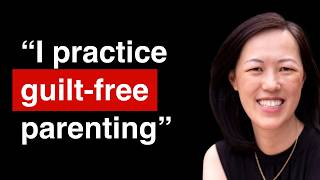
Deb Liu, CEO of Ancestry and former Facebook VP, talks about managing work, kids, aging parents, and marriage. She covers the sandwich generation squeeze, how to keep your marriage strong when both partners work, and what actually works with teenagers.
Sometimes I see some parents who do stay at home who just go to all these events and I kind of feel bad. I kind of feel guilty that I'm not part of all this. Sometimes your kids are like, hey, why didn't you come to my thing? How do you manage expectations?
I feel like we parent to guilt. And so I have this no regrets and model of parenting, which is, you know, if you didn't spend enough time or you missed something, like, how do you double down the next time, spend more time? How do you make it up? And sometimes I tell the kids, hey, look, I'm traveling that week. I can't do X, but dad will be there. Do I wish that I didn't have to say that? I wish these things didn't happen, but at the same time, that's the reality. And say, you know, one of us tries to be available at all times. Like when the kids were young, I rarely ever traveled. But you know, when they got a little older and I freed up my schedule a little bit more, I was able to travel a little bit more for work. But that also meant some confidence. And so, you know, we make choices. And I don't want us to spend our time looking backwards. I want us to spend our time looking forward to what's next for our relationship.
Okay, welcome everyone. My guest today is Deb Luke. Deb is the CEO of Ancestry and former VP of product at Facebook. But today I'm really excited to talk to Deb about a more personal topic. How to survive and thrive as a working parent and have good relationships with your spouse, your own elderly parents, and also your kids. So welcome, Deb.
Thank you, Peter. This is a very important topic and one close to my heart.
Yes. Great. So let's talk about building a great relationship with our spouse. First, you have this great post about how marriage should be a 6060 relationship. And can you share more about what that means for you and David, who's your husband?
Yeah. So I met David when I was 18, my first weekend in college. And we started dating when I was about 19. And we decided to embark on our marriage by actually learning about marriage. You know, by the way, I write in my book that people spend more time planning their wedding than they they plan their marriage. And so we decided we were going to plan out our marriage. We went to a number of. We had pre marriage counseling for a long time. We also went to a number of marriage ret to try to understand the mechanics of this thing called marriage. And at one of these retreats, I remember Someone saying, we have a 60, 60 marriage. This whole 50, 50 thing is wrong because you're constantly rubbing up against each other trying to figure out who did exactly 50%. But if you have a 60, 60 marriage, it means you're doing 60%, but the other person's doing 60%. And there's a lot of abundance in your marriage. And that's something we have adopted over the years.
And I think that's good before you get married, obviously to discussion. But, you know, when both parents are busy working, you know, they have busy tech jobs and they have kids to raise, at least for me, it's really easy to fall into a trap of like, oh, you know, I did more chores on this day than you, so, like, you need to help me out or something. Like, how do you guys get past this in like day, day life?
Well, it's funny, actually, I calculated because the husband's like, you're traveling a lot this year. And I actually looked at the number of trips and places I've been this year. And for the full year, I think I'll have gone to 23 places. So I'm traveling half the time, which is a lot. I don't travel the whole week, but it's usually Monday through Wednesday or Monday through Thursday. So it's a lot for him. But I think it's really important as you think about your relationship, it's not to be count. It's not, I did this, therefore you did that. We actually have something we also we call a swim lane in our marriage and say if one of us does something and we commit to doing something, we do it all the way, but the other person doesn't get to complain. And I think that helps a lot because, you know, we know who is responsible. So there is no kind of different line. So, for example, he does all the grocery shopping. So he goes to Costco once a week and buys all the food. I have no idea what he's going to buy when it comes home. I do all the cooking and the cooking, you know, is based on what he buys. But he never gets complain. And you know, we. But we know each other so well now that it's an ebb and flow when we go on vacation. He spends months planning our vacations. And then he hands me a Google Doc and says, here's where you need to be and here's I've got it put on your calendar and to. But my job is to make sure that our kids are all packed and ready to go. And so again, don't get to complain. I have done many whitewater rafting trips. I've ziplined many places, hiked many places, and I would. I am not an outdoors person, but he loves this sort of thing. But the no complaints rule applies to that, too. But I think it's that trusting each other, knowing each other, and being able to have a relationship where the, you know, it's ebb and flow. It's a yin and yang where you're. When you're in harmony, you feel it.
Yeah. I think part of it is also, like, you know, nobody's perfect. And there's always pet peeves that we find in our spouses. Like, my example is, you know, I complained that my wife takes her time getting ready or, like, for to go out. And then my wife complains that, like, I rush things too much and, like, I, you know, I tend to do stuff. So. Yeah, I don't know if that's your experience, too. Just, like, getting.
I mean, absolutely. The other day, because all of our trash always goes out to the curb. He makes sure it's sticking out. He always pulls the cans back. But he never empties recycling, even when it's full, because it's not time yet. And so I just keep creating new boxes of recycling as I'm cleaning our house, and I'm like, I don't know, the box recycling looks pretty full, but it always gets taken out on Wednesday night. And he always ensures that it's recycled. But I just like that pile. And so you kind of just have to pick and choose your battles. And for us, it's not worth the fight and say, we just, you know, I just keep creating boxes and hinting at him, and then he gets it done when he gets it done. But it does create a much better relationship where we're not managing each other.
Yeah, you don't want to manage each other in a personal relationship. And I also find that sometimes when I go on my way to help my wife, like, she definitely reciprocates. Like, a couple days later. Like, last night, my toddler was, like, screaming her head off, and my wife was dealing with her. And then. And, you know, I had this thought process. I was like, hey, should I just stay up with my older daughter, or should I actually go down and help. Help her and actually, like, went down to help her. And I think, you know, she definitely appreciates moments like that.
Yeah.
Yeah. So what about when, you know, like, you really stressful moments or, like, you know, hopefully just aren't too many arguments, but, like, like, you Know, I find it interesting how, or at least in my personal experience you have. Most people have one on ones with their manager and they talk about like growing their career and stuff. And like, I don't know, I found it kind of awkward to actually have a one on my spouse. But sometimes you do have to sit down and like talk it out for like 30 minutes or something. Like, how do you have a system for that or.
Yeah. For a long time we would go for a walk every night. It was a great way to kind of get a chance to reconnect with each other, especially when we had young kids and my mom lived with us and even though she was sick for a long time, she was able to stay with the kids. And that gave us the opportunity to go out and walk every single night. Now we have a dog and so I walk with my daughter for the most part, but once or twice a week, he and I will go for a walk. And it's a good reminder that you have to reconnect so you're not just parents. And we talk about kind of the things that we, you know, things are working, the things that aren't working, and also what's on our mind. The other thing we do is we call it conscious renegotiation. By the way, when you name something, when you do it, it's not kind of we need to talk about something. No, we say it's time for conscious renegotiation. And so where we renegotiate the chores. One example was last October. I came home from a slight super long trip. It was like I was exhausted. I come home and he said, well, we have two things we need to do. We need to finish our taxes and we need to get our son into college. Which one do you want to do? And I said, I'd rather get our son in college. The next morning I woke up and he's like, actually, you're on the board of Intuit. You are doing our taxes. I will help our son get into college. And I spent I don't know how many hours because our paperwork was everywhere. And by the time I got it done, I was like, I was exhausted. But you know what? He sat down, as we usually do, and we do one hour look through before we submit it. And he's like, okay, this is great. And same thing with the, you know, our son going to college. I read his final essay, looked at it, and then he submitted it, got into his first choice school, early decision, and we were done. But I never spent any time on it. But we trust each other completely. And when we negotiate something like that, we know that we own it completely. Just like you would, you know, you would not nag your coworkers to get things done. Like, when are you going to get this done? Did you finish this thing? You would never do that. Right. You trust each other. And the same thing as a product manager, for example, like, you wouldn't go to your engineer, well, how far are you in the coding? What is this done? What is this done? You would say, hey, are we going to make the deadline? Great. I look forward to actually doing the product review. You know, like those types of things.
Right, got it, got it. Yeah, yeah. And like, yeah, it makes sense for you to do taxes.
Yeah.
You are at the board of Intuit, so, like, you kind of trust each other. Like, different spouses are different things, you know, so that makes sense. Yeah. What happens if, you know, one spouse is just like, more busy at work than the other? Like, you know, I'm sure, like, you're already busy. I'm not sure what your husband does, but, like, you know, like, how can you still give 60 to the family? Or is this kind of like a more broader trade off that.
Yeah, well, look, I mean, we have. And we talk about conscious renegotiation has a lot to do with where we are in our careers. You know, when I had kids, I went part time, and so I did a lot more stuff at home, took care of everything. You know, for example, when he used to do the mail. And then the minute I went on maternity leave, I started checking the mail. And by the way, my son is 18 and I'm still actually going through the mail every day, I have not gotten rid of that responsibility. But, you know, because I was home, like, I was home Fridays and I was working when. Even when I went back to work after six months, I was working four days a week. And so I had a lot of flexibility and a lot of support. But he was working like crazy at Google at the time. And so, you know, it just is that season of our life when I had more time and then he had less time. But now, you know, he works at a startup and so it ups and flows. It's like super busy, then it flows down. Super busy, and it flows down. Whereas I travel a ton and I'm busy all the time. But at the same time, it's really important that we. We work on, you know, supporting each other. And so, for example, he takes care of the carpool on Thursdays and Tuesdays. You know, he ensures that our kids get to the, you know, math camp and math program and things like that. He does a lot of the things where you have to physically be at home to take those places. And I take care of a lot of things that you can do offline, basically, or online, basically, and not have to physically be there.
Got it. That makes sense. That makes sense. I mean, I think it's just really tough being two working parents. You almost have to be two working parents, live in the Bay Area to a certain extent. And maybe you can talk about how the world isn't really set up for two working parents.
Yeah, I mean, that's absolutely true. It's interesting, by the way, we set up a school system, especially public school, so, you know, the world isn't set up for two working parents. I think it's really important that we realize that, like public schools, for example, will have a publishing party at 10:00am, you know, or we have parent teacher conferences, but it's like noon. You know, how do you actually get that done? Right. They have concerts, but you have to drop the kids off at three and go back at four. Like, it's just, it's maddening. In the same time, you know, in our school system here, there's no public transportation, there's no buses. And so you have to drop off your kids unless they're until they're old enough to bike to school. So again, who's picking them up at 2:15? And by the way, school ends at different times at different days. Crazy. In elementary school and part of middle school, there's like early dismissal. And so suddenly you're thrown in for a loop. And at one point in our lives, we had three kids in four schools because they were in like, you know, elementary, middle and high school. They went to an after school Chinese school. And just some logistics of getting people all the places at the right time was really hard. And we were very lucky to have supportive parents. But if you don't have parents around, how do you do it? What can you do? You know, and we had a lot of help as well, but that is really impossible. And I think that we won't acknowledge that. You know, I think we just pretend that it just secretly happens, but it's not. I think we should talk about these things more. And by the way, 70% of women with children under 18 actually do work mostly full time or at least significant amount of part time.
Yeah, like one of my. I tweeted this random thing saying like, the only parenting hack is to live close to your grandparents and Then when, like, this is all true, right.
So my in law moved here in 2016, and it did make our lives a lot easier because we had. They. Somebody got sick. There was somebody who picked them up because we were like, who's gonna. Who's gonna go? Like, which one of us can cancel all of our meetings this afternoon and show up? And there was just so many of those things. And so I do think that we, by the way, the parents that do have help don't talk about it enough. So it makes it feel like the parents who don't have help are failing. And so I talk a lot about the help that we've had because I can't be, you know, I couldn't have done what I've done in my career without significant amount of help from my family. But also, you know, I talk about this very widely too. For a long time, getting the kids to school in the morning. Mornings were the most stressful hour of our day. Getting three kids ready for school when somebody had lost their shoe and someone's homework and missing and, you know, and finally I. Our nanny had. Nanny when we had. Since my son was born, had retired, and I begged her to come back just one hour a day to take them to school, and she came. And then suddenly our mornings were totally different. She actually came, she cooked them breakfast, as opposed to us throwing like a cereal bar at them on the way out the door. She cooked them breakfast, she made their everything, and then she drove them to school. And suddenly our mornings were completely different. And yes, it was an investment, it was expensive, but at the same time, I don't think that we would have had the careers. We not had that mobile support. And she was like their third grandmother. And, you know, when she passed, we really missed her. But I think just having her towards the end of her life be able to spend that time with my kids, this was really precious to both them and us.
Wow. Okay. Wow. So. So. So your nanny actually passed away too?
Yeah, she passed away, you know, suddenly. But I, you know, she was such a grandmother to them and she was such a part of our family that when she left and she retired and we were so sad. So actually being able to spend the last couple years just seeing them in the morning. Yeah, you know, was really precious to us. And, you know, we lost her too soon, unfortunately.
Wow. Yeah, that's. I have the same story. Like, I'm jealous of people who, like, talk about, like, oh, I'm gonna wake up, I'm gonna have a cold shower, and I'm gonna meditate. Like, my mornings are insane. Just like getting the kids get up and like, cooking breakfast, making lunch, by the way.
I wish people would talk about this more, but I think we judge people who have help because we say, well, you've had all this help, therefore, you know, but not everyone can do that. But if we don't talk about the help we had, then for those who don't see that invisible help think that they're failing. And I just think that's really unfair to those who don't see the invisible work that's done by people's families. People are able to hire somebody in the morning. I share that widely because I want people to see that you don't just succeed on your own. You have so many people who help you. And, you know, I have been very blessed to have family. You know, at the same time, I've had to take care of that family, you know, in the same generation. And so it's been both a blessing, but also something that we've really struggled with too.
Yeah, I totally agree. People ask me, like, you know, how you have a job and like, do new newsletter thing, and like, my answer is, like, you know, my wife's parents helps cook dinner for us. They help take care of kids. I mean, that. That's the truth. Otherwise I would not have time for any of this stuff. Yeah, yeah. But like, how do you just to wrap this up? Like, how do you know sometimes, like you said, the school system doesn't care, like, that you're working. And they were like, oh, they were like Halloween parade at 10am or like, they'd be like a concert at 2pm and then sometimes I see some parents who do stay at home who just go to all these events. I kind of feel bad. I kind of feel guilty that I'm not part of all this. So I guess, like, how do you deal with this? Or like, sometimes your kids are like, hey, why don't you come to my thing? Like, how do you manage expectations?
Yeah, you know, it's interesting. I. When our son was born before, in one of our walks, we said, I just really. I feel like we parent through guilt. And I said, I don't want to do that. And so I have this no regrets model of parenting, which is, you know, if you didn't spend enough time or you missed something, like, how do you double down the next time and spend more time? How do you, you know, make up to make it up? And I think that's really important that we don't spend all Our time looking backwards, but spend our time looking forward to what the next thing is that we can do. And sometimes I tell the kids, hey, look, I'm traveling that week. I can't do X, but dad will be there. Let's do something special together. Do I wish that I didn't have to say that? I wish these things didn't happen, but at the same time, that's the reality. And say one of us tries to be available at all times. When the kids were young, I rarely ever traveled, actually. And, you know, I avoided travel like the plague for many years when the kids were young. And I worked purposely on that. But, you know, when they got a little older, I freed up my schedule a little bit more. I was able to travel a little bit more for work. But that also meant some compromises. And so, you know, we make choices. And I don't want us to spend our time looking backwards. I want us to spend our time looking forward to what's next for our relationship.
Yeah, that makes a lot of sense. I mean, maybe at some point the kids are like, you know, mommy, I don't want to hang out with you. I have my own friends to hang out with. Yeah, yeah. But I do think one thing I'm guilty of is, like, sometimes when I do spend time with them at night, like, I'm distracted. I'm like on my phone or like checking email or something. And like, it's really hard. Like, the phone is like a vampire. It just sucks up all your energy. So I should have put it somewhere else.
Yeah, well, what I tell people is, like, have rituals for us dinner together every night. That is something. We sit down, we have dinner. And so whatever time that is, we make time for that. We have game nights, we have movie night. And those are times we spend together just purely us. And we do not have our phones. And we have an opportunity to spend time. And I think it's important that you have those test zones because that's what the kids remember. They remember things where you spent the time, you invested the time with them.
Yeah. And they'll remember if you pretend to spend time with them, but you're actually checking your phone, they'll remember all that.
Yes, that's right. Well, the other thing is granting, we say this is phone free time, this is dinner time. Like, you know, we actually take the time to do that and actually like reminding them. And so it is really important.
Got it. So, you know, let's talk about a sandwich generation. Right. So basically what it means is I think you have kids, you have young kids and you also have aging parents at the same time. And it's actually a pretty, it's actually a pretty large phase of our lives.
Right.
It's like, I don't know, it's like 10 years or. How long do you feel like you were part of the sandwich generation?
Yeah. You know, so when my dad passed away, my daughter had my youngest, she's just turned 15, was born and my mom moved in with us. So she lived with us for almost 12 years during that time and then for the last eight years she was fighting cancer. So she had stage four cancer for a long time and she defied the odds and you know, for eight years and she recently passed away in 2016. My in laws moved over, you know, my husband's only child. And we wanted to spend more time with them, but it was just really hard to haul the kids across the country in North Carolina two or three times a year. So finally we asked them, do you want to move? And they agreed to move. And they live in our old house and we were able to see them pretty regularly and they were able to spend a lot of time with their kids.
That's awesome. Yeah.
But my father in law was in the hospital for seven months in icu. My mother in law passed away as well last year. And so, you know, we lost all three of them in a nine month period. But during that time we were able to spend time with them. But it was also really insane, like especially during COVID where they couldn't get any help. My mom had a caregiver that came kind of a couple hours a day day to help her, like driving her to appointments, getting the kids ready. Like it was just, you know, it was really stressful. And I think that I appreciate the time and worry when we spent together that it was also like, you know, when there's an emergency, like some, you know, my mom broke her knee and suddenly like our plans were completely offended because she couldn't walk for, you know, months and she to get surgery. So there's just a lot that it just, it's, you know, I feel like we, we, my sister and I talked about how like we were one fall away from disaster all the time.
Yes.
You know, as they get older, they would just let study. There was just so much on our minds. But I do appreciate that I got that chance to spend time with her. Like, you know, she taught me how to cook a lot of things. And so when she stopped cooking, I was able to cook the meals that, you know, she used to do when I was a kid. So I do appreciate that we had that time, but it was hard. You know, sometimes they were able to help, but sometimes we were helping them and it was just, you know, something's wrong. And so it is a kind of give and take and in any relationship. And so it was really hard to lose them because we were so also close. And, you know, I wish that we had more time with them.
I do think, like, I don't know if it's like an Asian thing, but I do think like our parents, our elderly parents, like they, they not only raised us, but they also basically helped raise our kids. So I guess to me it's like, you know, I don't want to talk about guilt, but like, I feel like double guilty because they already went without them, you know.
Yeah. I've loved the multi generational household. I know it's not for everybody, but I, you know, we were actually building a house so all eight of us could live together in the same house. And it's still not done.
Yeah.
So we're still working on it, but you know, unfortunately we lost three of them and my son is now in college and my son joked, you know, moving into an eight person house with four people. So.
Yeah.
So yeah, unfortunately we weren't able to. But they lived down the street for many years. My mom lived in our house the last dozen years and it was really a precious time because they did help raise the kids. You know, they taught them a lot of things. They, you know, cooked them their favorite meals. They were able to kind of, you know, spend time with them as well.
Yeah, that's interesting. Yeah. And I'm not so sure about the in laws and your own parents living the same house. It depends on if they get along or not. But like they do.
Actually, my in laws and my parents were friends. We used to travel with both of them, both sets of parents all the time. And, and they were really close to each other. So it was actually great to have, you know, people that they could talk to and, you know, the same age that shared something.
Yeah, that's awesome. That doesn't. That's not always the case with the in laws.
That's not always the case. I hear a lot of stories, the crazy in law stories, but actually I have amazing in laws and I had amazing parents.
Got it. So do you have any advice for folks like maybe in their late 30s or early 40s who like, are getting ready for this, like really hectic period of their time? Right. Because like, you Have a demanding job, you have parents are getting older and then you have these kids. Is it just about moving everyone close together or do you have any, do you have any advice that helps?
I think that helps. I actually think. Well, first I just think we have lost the concept of the village, right?
Yeah.
Like we live in isolated communities. Like who, who can take care of your dog if you went on vacation? Who could watch your kids if you had an emergency? Like we just don't have that same list of you could just drop off your kids some place. And I wish we had more of that community. And I think that isolation is actually not doing us good that you had an emergency. Who are the three people you would call? Yeah, and you know, I think it's really having this, that community, you know, do you have a. So for us it's our Bible study. Like if anything ever happens, we would just call them, right? And they would, you know, they could drop their kids off anytime. But it's, you know, who's that community for you? And you know, whether it's your in laws, whether it's people you're related to, I just think you've got to find that community, find that family that you need. And whether it's a chosen family or a family that you were born with, I think it's so precious and I, I think we lose track of that and we don't realize how important that is until you need help.
Yeah, I totally agree. I, I think, you know, when I was in, I was younger, like I, I wanted to move away from my parents, right. Like strike on, on my own. But now I realize that actually, you know, just having family, I mean family is the source of all happiness or most happiness. Then having your family around makes a huge difference. So. Yeah, and then just going back to our kind of like the elderly parents, like, like, you know, like, like I mentioned, I kind of feel like an obligation to try to make them happy or like I want to make them happy. And what's the best way to, you know, take care of our parents as they get older? I, I guess it depends on a parent, right? Yeah.
Well, I think part of it is, you know, they want independence, right? They want to have that independence, but they also want to be able to spend time with you and so making that time. So you know, for example, every, every Sunday night we had dinner with my in laws, no matter what. You know, we would see them multiple times during the week, but it was just nice to like sit down and have a meal. And so my mother in law, who's an amazing cook. She would just cook the best food, would then give me the recipe. And now I cook a lot of the recipes. I was always afraid to try it when she was living because I was afraid I'd screw it up. But afterwards I had to redo all the recipes because she would give. I think she's an intuitive cook, but she wrote it down. I'm like, oh no. A sprinkle of salt seems. What is that? You know, that just being able to have that, you know, that have that time that they had favorite fruits that she made that I can now carry on that tradition is so important. And what they want is to be appreciated and for you to spend time most of all. And so that was really precious to us.
Yeah. And like sometimes they do want. I feel like they care more about my kids than me. But like that's part.
Of course they just want to hang out with the kids too.
And how about like, you know, get a little bit more serious? Like how about, you know, parents get older, eventually they all, they kind of pass away. How do you kind of. And I try not to think about this, but it's going to happen at some point, right? And it has happened to, to your family. How do you get ready for this or like deal with the great grief.
Monarch is our parents are invincible in our own minds. Right. Until they're not. And so, you know, it just seems like there's never going to be a day when we won't have them. And you know, I lost my dad and you know, as I said like about 12, 13 years ago and you know, losing my mom and my in laws all at the same time was hard. Like it was just. I think it was really hard for my kids particularly as well. But I also appreciate that we got to spend the last years of their lives seeing them all the time. Like when they lived my parents lived in Georgia, my my in laws lived in North Carolina. Like we just would see them two weeks at a time twice a year, you know, so now we can actually reappreciate it and be able to see them all the time and so appreciate that time you have together because it's not always going to be there. You have them tell stories of their lives because you aren't going to ever have those stories told to you again. I tried to scan my mom's photos towards the end of her life so she could actually tell me who's in these photos. And by the time I got them back, she had passed away. You know, I, so I sent them away to be scanned. I started uploading to Ancestry and you know, I never got a chance to do the finish this someday project. And so don't think about for me that someday came too fast in a lot of ways. And so don't wait till that someday to do those things.
Yeah, that, that makes a lot of sense. And like I feel like our parents have really great stories to tell. Like stories of courage. Like, you know, like, you know, I, I kind of had a cuddle childhood. Well, my, my parents moved here, you know, they didn't have any money. They had to like, you know, claw fight and claw their way to actually do anything. So yeah, I wish they share these stories more with my kids to, to kind of learn to kind of build courage in our kids.
Yeah, yeah. Towards the end of their lives, actually we had two of our kids talk to their grandparents and my daughter was doing this essay project for the Chinese American Museum and she interviewed her grandmother about what it was like to come to America with nothing and to just like go across the country and have no idea where she was going. She'd never been in the country and you know, she was like. And what she's, what my daughter took away was my mother in law was so grateful what this country meant to her and she just had such a love of America that, you know, it's very hard for even young people to imagine. Right. Because nowadays it's like cool to not to, you know, say these are all the problems. But she just said, you know, I lived the American dream and my parents felt that way too. And so I just feel like we, you know, just hearing their story and their struggles and you know, the lives that they led were just, you know, so important because you just, you know, they had never told that story to us. And even looking at the after effects, like we've been going through their artifacts and all of their things. Like I found a letter from my, for my father in law from NC State where he eventually enrolled and they said we're sorry but you can't enroll here because you're getting here too late. You know, we didn't realize that he had a letter from UCLA that you know, he was going to go there and just things that they never told us are in their artifacts and they just wish we had a chance to. You know, I found it in some box with like some old clothing and some, you know, towels. And I thought I never knew this about them, you know.
Yeah, yeah. I think it's like you mentioned showing genuine Interest in their story and actually asking them to tell the stuff because, like, it's very easy for just to, you know, have them watch TV or something.
Their own thing.
Yeah, so that's very important. I think my dad wrote some love letters. My mom, somewhere in a box. I'll pull him up some point. That's funny. Yeah. So, last topic. You know, you've had a resuscit career yourself. How do you think about. Do you have any advice for me or anyone else listening to this? How do you raise, like, really good kids? You know, like, do you have any, like, principles when it comes to raising kids or what do you do?
Yeah, you know, one of the things is the say do ratio matters a lot. What you say and what you do is one of the most important things and, you know, being consistent. But when you make a mistake, apologize. You know, when you get upset and it wasn't fair, just say, hey, I'm sorry. Teach them that your parents are human and they are not invincible. I think that's so important. The other part is really learning to listen. You know, One of the things I recently started doing with my middle child, Bethany was. We started writing a column together. It's called the Tiger mom and her cub. And she has a lot of thoughts about everything, like dating, about, you know, her grandmother's funeral, about recently, about college application occasions. And then her little sister Danielle Daniela. She wrote about, you know, our traditions, our Christmas and birthday celebrations, because it was her birthday recently. And so really just seeing their point of view from their eyes written down is so interesting things that you would never really talk about. And so, you know, do you think what we do is strange? Like, for example, my parents never celebrated Santa Claus Christmas because we're Christian. But, like, they didn't really understand this concept of Santa Claus because that's not really a thing. And so we never had the kids, you know, believe that Santa Claus was real. And, you know, they just. And our kids just always thought that was normal. We just said, just don't tell you and to, you know, I was interested in seeing what they thought about it. And for them it was just every day, right. Which is, you know, and so just really seeing their point of view and asking them their point of view is really important. There's a great book I. I read once. It was how to talk to your kids so they will listen and how to listen to your kids so they will talk about.
That's right.
It shares some of these techniques, and I think it's very useful.
How did you get Your daughter to want to write a column with you. Is this kind of like a family exercise?
I was telling you she started that essay contest with her mother, with my mother in law. So her grandmother. And after she wrote it, she got honorable mention. And then she and her grandmother decided they wanted to write a column together. Unfortunately, my mother in law got sick and passed away very quickly right after that. And so she said, you know, I still want to write the column, but I want to do it with you. And I said, whoa, okay. And she wanted to do one with her grandmother about bridging the generations and asking her grandmother questions. And so I said, what do you want our column to be about? And she's like, we can talk about, we can debate interesting topics. And I'm like, okay, so. So we pick topics and they're, you know, about getting a dog, maybe a second dog. You know what? Like, we just, we talk about all of her feelings, about all of the things she wants to talk about. And it's really interesting to hear how much pressure she feels about going to college, for example, because the schools we went to and how successful we've been. She said, you know, it's a lot of burden on us. She's a junior in high school, so it's top of mind, you know, and say, you know, how she and her brother reacted to our pressure, you know, and so it is very interesting to see her point of view. And it's been a really rewarding experience because suddenly you see the world totally differently.
Interesting. And it probably also helps her process her own thinking. You know, writing out product strategy helps you process stuff, right? So probably helps on that, too.
It really does. Actually, the way we write the column is we go for a walk. So we walk the dog in the evening and we talk about the topic and we debate it. And then she will go right the beginning, and then I will write the next section. And she will write the next section, I will write the next section. And then she goes back and edits it. And it's so interesting because you can see the evolution of thinking from the time we talk about it to the time we write it.
And do you just keep this to yourself or you kind of showed the rest of the.
No, we published it on Asian American News and we also published it on LinkedIn. So, you know, if you want to read it, it's called Tiger mom and Her Cub.
Okay, I'm going to check out. That's awesome.
You have to check it out.
Tiger Mom. So quick question on being a tiger mom. You know, like, I think as accomplished parents, we want our. Our kids to be, I guess, accomplished. But, like, how do you balance that with, like, you know, letting them pursue their own interests? Is this hard for, like, tiger moms, right, or tiger dads?
Yeah, yeah. You know, I feel like there was a time when I was pushing too hard. And finally I said to my daughter and to my son, I said, this is when, you know, they're going into high school. How much do you want me to push you? How much do you want this? Because I don't want to push you so hard that you rebel, but I also don't want you to, you know, not push yourself. And my son was like, no, I do want you to push me, but I don't want us to get into fights all the time, which is helpful. My daughter, actually, she said, okay, seven, eight. And then she goes, actually, I want to dial it back to a six. You know, and so I think at different points, it's been a different place. But I do want them to feel like I. You know, So I. There was a book I read a long time ago. It's called something like the Carpenter and the Gardener, where you can be like a carpenter. You're sawing down your kids, and you're forming them into some sort of furniture in the shape of what you want. But the gardener is somebody who's actually, you know, cultivating. Right? Hey, maybe they're tomatoes, or maybe they're orchids, or maybe there's something else. But you're actually making them grow now. They can't stagnate. The gardener is there to help you grow. You can't just not do anything. But you have to cultivate. You have to invest, you have to spend time and say that those two analogies are a way to think about parenthood, that a carpenter is about shaping your kids into what you want. A gardener is about helping them grow to who they want to be and maximizing them. And that analogy is as apt for parenting, which is as a tiger parent, as any parent, you want your kids to grow. You are there to make sure that they're not stagnating, they're not wilting. But at the same time, you don't want to push so hard that it's.
Actually, I think that's a really good analogy, because I think your kids might not be interested in the same thing that you are. And if they're not interested in it, then it's very hard for them to, like, be, like, really good at it, you know? So, like, I feel like you have to expose them because, like, I'm not sure about you, but, like, parents in the Bay Area, they, like, they send their kids to, like, five different activities every weekend, and you have to figure out what your kids actually generate. Interesting. And, like, kind of have them follow their curiosity. I think that's what I kind of realized. Yeah.
Yeah. And. But also, like, I. I want to teach the kids grit. So, you know, they had to all play an instrument, and they all had to try a sport. Right. But if they quit, they had to negotiate with us with what they were going to replace it with. So recently, my daughter wanted to quit piano. You know, she's in eighth grade, and she said, I just am not enjoying it that much anymore. And I said, okay, if you're good. And so, by the way, dad's the piano parent, so. So I said, okay, here's how you negotiate with that. I am going to agree to take this classic math class. So she wanted her to take a geometry class and do Rose Debate and Model UN and she needed to go to him and say, hey, I'm doing Model UN and Rose Debate, which you wanted to do. Mom wanted me to do this math class. I'll do those three things, but I really need to quit piano because there's too many activities. Because she also does Chinese school on Thursdays, so every lane was booked.
Yeah.
And so, you know, so she said, hey, dad. And she actually talked him into it. Right. Then I taught her how to negotiate with him. That she said, I put my time in. I've learned how to play. So I know how to play, but I want to replace it with this other thing. And so, you know, teaching her the skills to actually navigate her own decision making. But, you know, in the end, my husband makes the call on piano, so he had to say yes.
That's funny. That's funny. I mean, negotiation itself is a really important skill. I mean, maybe we don't want to become them. To become too good at it. So it's just.
But it's actually an amazing skill for life, actually, to be able to ask for what you want, but then also offer something that the other person wants in exchange for that.
Yeah, exactly. That's like a skill. Yeah. So having been on this journey, like, all your kids going to their first choice college or something, and, like, you're like a successful CEO yourself, looking back, why are you, like, really proud of. And, like, do you have any, like, closing words of advice on, like, balancing career and family and all this stuff?
Well, I think it wasn't, by the way, for my son. It was his first choice college, but it was not my first choice college for him.
Oh, really?
And so the most important. So he went to go to Boston College, and he went into early decision. I wanted him to apply to a number of schools, and he said, mom, I don't want to do this your way. I want you to let me do this my way.
Got it.
And it was hard because I wanted him to apply to Duke. That's where I went. And he just said, look, I want. This is where I want to go. I want a place with undergraduate business degree. You know, he had struggled some anxiety during COVID so there was, you know, he had some challenges. And so I was really proud that he came to me and said, this is what I want, and I want you to back off. And so in a lot of ways, that is a crowd parenting moment. Also a moment when I was like, oh, but I want you to go to Duke. But I think, you know, you want them to have that moment when they say, you know, this is how I want to live my life, and this is. I need you to support me. And so, you know, in some ways, is balancing that disappointment with also being proud that he was able to mark his ground and say, this is what I want. I don't want your help. I want to do this on my own. And, you know, I really appreciated that he was willing to say that. And so I do think that as a parent, you know, those moments are what you're working towards in a lot of ways, as you want them. The whole point of, you know, cultivating them so they'll be independent, right? And so that they would live their dreams and not yours. And, you know, unfortunately, none of my kids want to be engineers. I study engineering. I hoped even when my husband was in. I think he had graduated from Harvard Law School, and his dad said to him, it's never too late to go back and get an engineering degree, so you have something to fall back on. And he's like, but I'm a lawyer.
Yeah.
Yeah, that's funny. And he goes, but if that doesn't work out, I was like, okay. You know, when he said, glad, Mary Devon, she has an engineering, so it's okay. But I think one of the things that's super important is really helping your kids and your, you know, find their passion and what success looks like for them. And then from a parenting point of view, is that your job is both short and long, right? In a lot of ways, 18 years seems like a long time, and in so many ways, it seems really short, too.
Yeah.
And so the time you do have influence, it's really cultivating that relationship. Building a relationship where they can come to you and say whatever they want to say and it's okay and that you support them in whatever they want to do.
I love that advice because I think that independent thinking is really important because it's very easy in college or wherever to just, like, do what all the other kids are doing. Right. And if they. They actually have their own independent curiosity or thinking, like, they'll actually go in their own path, you know, Like. Like, like I became a banker for a summer and I hate it because everyone else was just doing banking. So. So, yeah. Great. Well, thanks so much, Deb. This is an awesome conversation. I. I feel like I learned a lot. Hopefully I can become as good a parent as you.
I wouldn't say. I. I think the people who are going to give me the performance review are the three kids, and I'm not sure what they say.
Yeah, that's true.
Yes.
Cool.
So thank you. This was great. I just hope all parents and you realize that, you know, this is the most. This is the most important job that you have. You know, you're replaceable at work, but at home you're not.
Yeah. It's the most impactful. Like, you can try to grow some product for like a million users or a billion users, but ultimately it's the. The three people in your life that matter the most. Yeah, absolutely. And where can people read more your awesome writing on family and parenting?
Yeah, we'll say Deblo substack. Deblo substack. I have a newsletter and I publish, I post on LinkedIn a little bit of summary the Dance, and you can follow me there.
Awesome. Thanks so much.
Yeah, thank you. Bye.
More from Peter

Dropbox VP's Best AI Workflows to Help You Take Back Time at Work | Morgan Brown


Canva Co-Founder: The AI Playbook Behind the World's Most Popular Design Tool | Cameron Adams

How OpenAI's Head of Business Products Uses ChatGPT to Save Time at Work | Nate Gonzalez

Complete Vibe Coding Tutorial: Build a Full Stack App in 30 Min with AI | Matt Palmer (Replit)


Complete AI Course (2025): Prompting, Evals, RAG & Fine-Tuning | Adam Loving (Meta)



