This Vision Playbook Will Change YouTube and Your Life | Ebi Atawodi
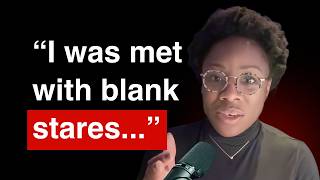
This is a YouTube video titled "This Vision Playbook Will Change YouTube and Your Life | Ebi Atawodi" created in February 2025. It features a conversational interview between Peter Yang and Abby (Ebi Atawodi), the director of product for YouTube Studio. They discuss the vision, strategy, and product development process behind YouTube Studio, focusing on how the product supports creators of various sizes and stages. Abby shares insights on leadership, product management, and personal purpose, while Peter Yang engages as both host and participant, exploring themes of creativity, community, and product empathy.
I always say to people, let's say I took away Google and I took away pm, you know, director of Product Senior pm, Who are you? If you took away those things, you keep chipping away at them, right? What's the essence? What's left? And so for me, I'm like, I'm a storyteller. That's the thing I want to be known for. That's who I am. I'm a storyteller. I'm a lover of beautiful things in the world. Like, I collect beautiful things, I collect flyers, I collect whatever. That's why, that's what I want you to remember of me. Many people might add other things like, oh, AB knows how to do visions, or ab, you know, is a tennis player. Or ab, you know, like, whatever, like, you know, quick learner. But what is that? And it's so important that you have a complete story because the company hired you for that complete story. You create a different relationship to the company where you're not expecting all of your fulfillment to come from a company. And that's not fair on any company because company is not your whole life. And so when you have a full life and that life is beyond just the thing you do, the job title, it's actually the thing that the impact you leave on the world is really the thing as well as how you show up in the world that I actually think you bring a lot more energy into the work you're doing. A lot more passion, a lot more meaning, a lot more intent. Right? Because there's like balance.
Cool. Welcome everyone. My guest today is Abby. Abby is the director of product for YouTube Studio, a product that I and millions of YouTube creators use every day. And really excited to talk to eddie about crafting YouTube studio vision. You know, making the right product trade offs for YouTube Studio and also why you should define your career by your purpose instead of acquired. Jump Hyun. So welcome Edvi.
Thank you for having me.
All right, so I'm like a aspiring YouTube creator. I use studio every day and it does like so many things, right? From video management to analytics to your community. Like, you know, if you had to make an elevator pitch for your vision for studio, what would it be?
It's your creative partner and it lets you tell the story you want to tell, how you want to tell it, and helps you foster that connection with your community.
That's amazing. Yes. The creative partner part is like very.
Creative partner and we spent a lot of time on that because we're like not quite a co pilot. It's not like an assistant, because, you know, we're Google. Assistant is like the buzzword when you are in a room with someone who's a partner. One is they meet you where you are. So when you start a company, you're, you know, the two founders in a bedroom. There's a, you know, you're in the same place. You have empathy for each other. There is a hustle. You're kind of. There is no who does what. You're just sort of going. And you can bounce off each other, right? Especially in the creative space. It's always. There's always this need to kind of like bounce ideas off someone else who's on the same wavelength. So we didn't want it to be like, it's not an oracle. We don't know the answer. Every creator is unique and different, even though people think we do. There's, you know, there's a ma. I mean, I always say, if I could give you the formula, I would have a million subs. I don't. I have like 120. Yeah, yeah, yeah.
You gotta experience the pain yourself to grow the channel, you know?
Exactly. So, you know, there is something magical about being a creator. And I think the goal is how can we be that creative partner where it's like, we're right there with you.
And how do you kind of work with a team to come over with this, like, what was the process to come with this creative partner?
So I wish I could say it was one process. It was like magical, you know, But I'll start by saying this and I, you know, I'll go sort of take a couple of steps back. So when I joined the team in April 2022, one of the things that I've always said, and I read this book a long time ago called the first 90 days, and it's really shaped how I onboard into any role. Because when things have gone wrong, it's usually because something happened upstream, right? Like the real issue is upstream of you. So I, you know, I came in and I have this framework I call the three, which is basically, I have a lot of conversations with everyone, like my VPs peers, my VPs buddies that he respects, my peers, you know, my team, my ENG partners direct reports, my design partners direct reports, my UXR partners direct reports. So overall, I end up speaking to like 40 people and a few sort of key partners as well. Marketing, P counsel, et cetera, et cetera, et cetera. And then after I go through conversations, I ask everyone the exact same five questions. Because what I'm looking For are converging and diverging themes, like, what does everyone say? What are the outlier things? And then I go into what I call comprehension, where I try to make sense of what I've heard. So I literally have a deck where I say, hey, these are not. There's a disclaimer at the opening. It's like, these are not my thoughts. These are the thoughts of the team. But my last question is, if you were me and you were coming into this role with the afro and everything, what are the three things you would do in the next 90 days? And I literally tally them and what you end up having is a stacked rank P0 list, basically, because people are literally telling you, if I were you, this is the thing you should focus on. So you also start to see what people care about. And, you know, the top six things, I essentially, you know, and then I go back to my final circumstances, which is conviction. So it's conversations that lead to comprehension, which leads to conviction. And so I have the six things. And from the conversations, one of the things that keeps coming up is, what is studio? Like, who are we a platform for other teams within YouTube to build into, or are we a product? Very important question. Who's the customer? Is the Customer the internal YouTube PM or product team, or is the customer the creator? Right, so we. So these are very existential questions, like, I don't know how you know, you can be successful if we're like questioning what our product is and how. Who our customer is. Right? And so that came up again and again. And the other thing that came up was, what's our vision and where are we going? So I want to, you know, I say that because it's important. You know, I don't want people to believe that, you know, you just come in, you're a leader, you're just going to come up with a vision. Like, that's not what happened. It came up. And then that led into, okay, guys, this is the readout from what everyone is saying across levels, across functions. Do you agree? And how might we solve this? So of course that then creates the impetus to justify locking a bunch of people in a room for four days. I mean, they did go out to sleep. And we literally locked ourselves together for four days. It was Monday to Thursday. And the goal was really, we're going to come out with an answer to what are we? What is the product, what are principles, what's the vision and what's the strategy? Those are literally like the four big things we wanted to come out with. And so going in, you know, because I'd already have these conversations, you start getting sprinkles of where to look for the insights. But essentially, we had a full day of just inviting teams in 30 minutes. So we had eight hours plus breaks, whatever, but we had teams coming in for 30 minutes, and they came in and they got a slide that was titled 10 things you should know. So if you sit, say, hey, come and do a deep dive of your products, I feel like it becomes this, you know, my vp, sometimes there's a dog and pony show, but because it becomes this kind of like, let's show you how great we are and all the stuff we ship. Yeah, yeah, that's great. I mean, that's why you're here. I hope you're shipping stuff. The real crux of it was, tell me what's painful. Tell me the things that keep you up at night. And by forcing, 10 people had to stack rank. So these are the 10 things. Whether you're marketing or you're some, you know, another product team or our direct product teams, These are the 10 things that you think are, you know, extremely important. And some were qualitative, some were quantitative. But when we got all of those and one of the sessions was the UXR lead, my UXR partner had also gone and pulled 10 things you should know from all of the UXR corpus. And that one day of insights basically gave us ground truth, where three years down the line, our strategy still holds, right? It's like, still the strategy of today, which to me, I'm like, okay, that it worked, right? That's not. You will never. I don't think you'll ever get to 100% for the fidelity. Not even 90. You're looking for 80% fidelity so that you're like, okay, I have conviction. That's a problem that we want to actually solve. And then you can go, obviously, do the work, the usual product work to, you know, my colleague always says, understand work to go deeper on a problem. So that was day one. And I can't say this enough. If you get that day wrong, then the foundation, everything else is incorrect. The vision is. Yeah.
This episode is brought to you by Vanta. Whether you're a startup founder navigating your first audit or a security professional scaling your GRC program. Security has never been more critical or more complex. That's where VANTA comes in. Businesses use Vanta to establish trust by automating compliance needs across over 35 frameworks like SoC to and ISO 2,700. One Vanta can help you start or scale your security program by connecting you with auditors to conduct your audit and set up your program fast. Plus, with automation and AI throughout the platform, Vanta gives you time back so you can focus on building your company. Join over 9,000 global companies like Atlassian, Quora and Factory who use Vanta to manage risk and prove security in real time. Get $1,000 off@vanta.com Peter. That's V A nta.com Peter for $1,000 off. Now back to the episode. If you start by baby, like, you know, I went to a room by myself and like, here's the vision, guys. Like, here's my vision.
Yeah, but also I think that as well as the actual insights, if we didn't have the right people in the room coming to present those insights, we would have had an incomplete picture because you just like studios this thing, you use it every day, then multiple verticals in there, There are multiple products in there. So we had to try and get a complete picture of the top problems. Then we can say this subset are worth solving. Right? Yeah. That was basically day one. Day one was all about the insights. Then we paused and then we sort of zoomed out. I'm giving you the full thing, so let me know how much detail you'd like.
Yeah, yeah. Awesome.
Then we went out and I had everyone sort of write a headline for if we were the product you think we should be, what would be the headline for you? Like down the line that we solved this problem and so everyone wrote their headlines and this is just a quick way to get a pulse check of how aligned we are. Mind you, everyone's just heard the day of insights, right? So they've heard all the problems. So what's happening already is they're kind of solving in their minds. And what I tend to do when people are going through insights is just write the. How might we. So you, you just. You get a sort of stream of consciousness. But we went into the second day, it was all about like, okay, let's project to the future. What's the headline? If we solved all of this that you would want, that you would be proud of. And then we took a step back from that and I had literally a printout of a template that I used. It's like once upon a time. And had everyone fill that in on paper. So none of this is on laptops or screens. So I already wrote that out. Then we started discussing where were things converging. So there were a lot of themes that kept Coming up. One that kept coming up that I still remember today was this connection, connection, connection, connection. And I'm like, that's interesting, because, you know, a lot of people don't think that we care about connection, you know, views or subs. There's a human connection. When you put something out there, there's another human taking time out of their day to listen to that thing and connect with it. And that's a human. I mean, you show up as a number, but it's a human. And what we hear over and over again from creators is when the going gets rough. The reason I started creating, when I question what I'm doing, or when it gets difficult or I'm running out of ideas, I go back to my community, when I go back to why I started doing this. So connection kept coming up. And another thing that kept coming up was this notion of telling your story, whatever story that is. And so very quickly we arrived at this. Expression meets connection. And that's kind of like the mission statement of the team. Like expression meets connection. You can express yourself how you want, tell the story you want, regardless of your size, who you are, what device you're on, and you on the other. When that story is told, you have connection. So you've got the insights, you've got the end state, you've got a vision statement. And then we didn't try to consolidate or converge at this point. Just let's write and discuss why we put what we put down very quickly. After that, we went into a sketch exercise. So let's say we solved all the problems. I literally had a template. It's an app store, like an Android, you know, Google Play store lockup with empty screens. Do you know how you go on a. On an app store?
Yeah, they hire the Maddie crop of both.
Exactly. You have the panels, like screenshots. You can't put 20 in there. You can put like a handful. And I restricted that. I was like, you get four. Right. So let's say the app, the dream app, We've solved all the problems you think we should solve. It's in the app Store. Draw the four images that would sort of speak to the things that you think are the marquee 10 pole features. And again, on paper. And what you also start to do is you're building empathy because I'm in the room. This is not my entire team, by the way. The team came in, but this is just me, my engine partner, my UX and my UXR partner. And so, you know, we, by doing that, you're also creating empathy for what it is to translate a rough idea into a sketch. Like, sketching humbles people quite a bit. And then, you know, once that's, once we sketch that again, certain themes started popping out. So I would say to my teams when they come to me and they ask me like, how do I do this? And I've even had one, you know, one of my GPM on my team, he was like texting me in the middle of their, during their breaks for their vision session. And he's like, you know, like, we're all coming up with some diverging things. You know, when does it start? I'm like, just trust the process. It will emerge, I promise you. And you know, he has a vision now and the team's behind it and they're excited about it. But I'm like, you have to trust the process that these seeds will be sprinkled around and something will germinate. So as we start sketching again, you start to see some things that are converging. You start to see. Everyone had something more than just a list of comments in the comments section in Studio, right? It's just a list of comments. It was, it used to just be a list of comments, but everyone had something else that was like this community hub which as you've been following has just gone live. And you know, everyone had multi format as a core element. But here's the thing, no one was like, actually we're just going to do components and patterns for partner teams. So this question of like, are we a platform or are we a product? Was very quickly answered, right? No one was like, oh, in my app Store, it's actually like, you know, ship your product in 16 weeks to the YouTube internal product team. So that very quickly solved itself. And then after we did the sort of app store mock, we started having the conversations and out of the conversations and grouping the feet, you know, the problems that we, you know, the how my we statements I talked about earlier, some themes started emerging. It was like, okay, there are a lot of how might. We're around making the product more accessible. There are a lot of how, right? We's around making the product feel more connected. A lot of how might we's and we use different words, right? But we ended up with like six. We ended up whittling the six down to five. And then we said, actually these five feel like a Maslow's hierarchy of needs, you know, which probably shouldn't be solving hyper personalization. So it was this whole theme of like, we understand Your channel. So we're not giving you just vanilla ideas or vanilla suggestions. Right. And this was before Genai was like sexy, like Jenny, I had not even like ChatGPT and Gemini and all that. None of that was live at this point. And but we. There was this notion of like customization different from customization. And as we looked at that hierarchy, like, there is no point going and building a hyper personalized product when I can't even upload a video in studio mobile.
Yeah, exactly.
This is literally, you probably know, this was a gap for some time. You couldn't upload a video on. So you had to go into the YouTube main app or you had to go on desktop. So like, there's some fundamental primitives that are in the accessible bucket right before we get to, you know, the cherry on the top. And so that's how we ended up with this framework of pillars. I like to call them themes. My team always calls them pillars. I call them themes because they're not really pillars, you know, pillars, you know, they hold something up. They're actually just themes of the ways we think about the product. And what's been interesting is every year when we write what we call two pagers, which is strategic imperatives for the next year, my team actually a PM on my team owns one of those themes. So the connected pager. And it's their job to actually go and gather all the, you know, work with all the different product teams to write a sort of harmonized product strategy for that area that touches multiple products versus like shipping the org chart. So those things have carried through.
And then out of that, the themes are like just. The themes are like, find your voice or find your voice and sustain your voice. Or is that.
No, those are actually strategic pillars. The themes were accessible. So making sure anyone, whoever you are, whatever language, whatever device, whatever Internet speed you can create, you can express and connect. Right? And then it was connected. Like, how do we make sure in everything we do you're reminded about your community? And so things we do, like data stories which tell you, hey, here's your weekly recap. And which country do you think was that? You've probably gotten these reports, like, which country do you think had your top viewers this. This week?
Yeah, I love those things. Yeah, they're very motivating. Yeah, exactly.
It's all these little sprinkles that my. My Eng partner calls it micro moments of happiness. So, you know, these little micro moments of happiness. And then we said supported. So when something goes wrong, the yellow icon, you know, because you will have those moments, right? How do we make sure you don't feel like you're in a bind or you're stuck so you feel supported. And then we had empowered and that's we have the right information. But it's not just like, here's all the data, it's actually actionable and the insights are actionable. So you could do something about it. So those weekly reports are an example. But also the inspiration tab is another one where it's like, hey, here are 10 ideas for you. Right? We can give you a feeling of empowerment by giving you the right, you know, the right information or the right insights. And then finally personalized. So those are like the themes, the five themes.
I love it. Yeah. So just to kind of recap what you just described, like, so basically for first day you try to, okay, so first try to understand what people are thinking, try to enterprise people. And then you had a full day where you just had people pre present their point of view and just try to understand and empathize. And then you kind of had everyone come up with their own one line statement. Or like the themes kind of emerge around expression based connection, which by the way, I think it's like really, it's really actually pretty insightful because like you said, it's very easy to just be like, hey, you know, I want to grow my views or like, I want to, you know, make money on YouTube. But actually for me personally, it's like the random nice comments that I get that keeps me going. That's actually a really good insight.
Yeah, exactly. And I think sometimes some creators forget that and it becomes about the business and the deals and the whatever and that's. You ask them. You know, I've interviewed hundreds of creators now and sat in UXR sessions and we asked this question, why did you start? Almost 99% of the time it's like, you know, I had a story to tell and I thought there were other people interested in my topic or I had a life experience and I thought there'd be other people that could connect with that life experience and it's something. Or I, you know, I was passionate about something and I wanted to share it with the world. Or I was. And why do you keep going? It's always the community. You hear words like, it's like my best, they're like my best friends, my community. Like my best friends, my community. Like, you know, you're all these things. So yeah, community is at the heart of it really.
And I love how like vibrant this process Is and also like the whole Converse product thing. Like, like I think I'm a terrible platform PM because like I cannot just build a platform and be like, hey, you guys can't build my platform. Like I need to have opinions about what the end user wants.
That actually is my philosophy. I actually don't think these are all ab abisms. I think a platform PM needs to be an order of magnitude stronger than just a regular PM because you have to be able to quickly empathize with my end customers needs, which are ultimately the same customer. That's right. So we all work for, I mean these big companies, we all work on different parts of the product, but ultimately it's one customer at the end with like nuanced needs if you're just looking at segments or segments of problems. So I always say a platform PM needs to actually be an order of magnitude, you know, stronger in product sense. Because now I have to understand like for example, PMs on my team, we support 40 partners, 40 product teams. Right?
Yeah.
And so every team thinks my thing, as it should be, is like the most important thing that needs to ship tomorrow. Right. It's the P0. I need this capability or like the world will stop. And it's so important that as a PM, a platform PM1, you ideally should be able to see around the corner and almost predict where the puck is going so you can build for that reality. So before waiting for teams, we started talking a lot about if every team is going to go build Genai stuff and they're all going to need context of the creator. So it's not just a vanilla. If I go in Gemini and type question, it should know, oh, this is Peter's channel and whatnot. We probably should think about a scalable way to do that so that everyone has the same source of truth in a way. Otherwise everyone is calling the same data each time and saying, give me this, give me views, give me whatever package it you are it and sending a prompt. Right. But actually if you can boilerplate that part, then you have all these features sort of not completely diametrically opposed from each other. And that was something that the PM that was thinking of that on Lifecycle already started thinking of, hey, what's the essence of the channel and how do we think about, you know, how do we think about that so that we can support all these teams that are going to need the essence of the channel?
Yeah, like, like some sort of shared context on the creator. Context.
Yeah, yes, yes. Otherwise everyone is pre context prompting and that's more TPUs. That's another turn that's, you know, all the things.
So, yeah, you gotta be like. Like, I don't know who's managing the studio or homepage, but like, you gotta be like, you almost have to understand the customer, the creator better than like the individual product PMs, because, like, you pull everything together, right? Otherwise it's gonna be like a tragedy of a common state situation, which is like, had a bunch of stuff there.
And this was the, this was the. The crux actually, that that ended up like deciding, you know, it was analogy we use is that let's say there are four teams that come and say so. So we had actually, true story, we had four teams. One team that was doing TV shows, another team playlists, another team doing podcasts. And podcasts usually shows, right. As part of a playlist. And then you had courses. Okay, all four teams, when they mocked up their products, they look completely different. Everyone is unique. We're podcast shows or we're movies, you know, and we're like, wait, hold on a second. You know the PM on my team who drove that, she's like, I'm going to push back because I can build a scalable collection framework that you can all use. Yes, they're going to be different things, but ultimately it's a collection of videos, right? It's a collection of videos. So, you know, and then of course, every team pushes back because you need to go a little bit slower to solve it in a way where it's. It works for everyone's nuanced use cases and it's flexible enough. And with platforms, you're always trading off relevance and consistency. Right? And so every PM is going to be like, you're slowing me down. Just get out of my way. But actually by doing it that, I mean, true story, as they should, but by doing it the way we did and slowing them down just a little bit, they've all gotten benefits for free. As we've, for example, plain list analytics, podcast analytics. Right. Versus the video analytics. You now have analytics at the collection level. So these are the kind of things that, you know, my team had to think about, like round the corner so that tomorrow another team comes and says, we want to do. I don't know, I mean, the courses example was actually the example. They were like, oh, we want to do courses. Like, oh, we actually have this thing already for you that's been used by podcast movies and playlists.
And then they can just use that supposedly better from scratch, right? You can just like using the Component part.
Exactly.
I think a very underrated part of like this whole gradient strategy thing is like pinpoints for a product and like it will help you potentially push back on other teams, just like make the right decisions. I'm curious if Studio has any like, principles.
I think the, the number one principle that we have is we built. You know, you'll build for creators first, right?
Okay.
If it's good for creators, it's good for YouTube. That's the. Always been the YouTube, the partnership. Right. And creators of the lifeblood of YouTube. So that's number one. So a lot of the time when it comes down to it, you can come back to the creator and say, but hold on a second, show me your uxr. Right. Like, why are we building this thing or what? You know, so that. I think that's a very big one. I think a couple of other ones that we have. For example, you know, a place where everyone can tell a story, whatever story that is. We're not a place where only a certain kind of stories can be told. Which means, you know, especially when it comes to formats, our product should work well for a live creator who does only live, a creator who does only shorts, a creator who does only long form, a creator who does five minute long form. Right. But also a creator who tries to do all of them. And this is just this notion of equity. And we weren't always that that that way. Right. It used to be that in a lot of parts of the product, like the content hub, it would default to the long form, the videos tabs. Exactly. So a creator who only posts shorts would first land on this empty screen and then go to the next tab. We're like, actually, let's just build this equitable framework so that now you have the shelves and you just have the. You've probably seen that in your mobile studio. You have the shelves and it's like VOD shorts live and you can see everything. And creators like, oh, actually made me remember, I haven't looked at shorts in a very long time because I posted one short and forgot about it. So that was another principle. But a lot of these principles actually emerged from the discussions we had on the third day. So day one was insights. Day two was like visioning. Day three was starting to distill, like, let's bring it all together. Right. And day four was when we actually locked in the strategic imperatives and the big rock products that would like, what are the 3, 4, 5 products that would make this strategic imperative come to life. We have to have These sort of back and forths. Like, here we have a cleanup platform, cleanup we need to do. We have these sorts of asks. Does that mean we're not doing them? And we had to have these very tough conversations because strategy ultimately is saying no to a lot of things and saying yes to of things. Right. What.
What were the three or four products you guys landed on?
Day three?
Yeah, what. What were the strategic parts or like initiatives that you guys landed on?
You talked about find your voice, refine your voice to seeing your voice. Let's talk about that now. So we sort of said, okay, we've been building for the big creator who has long form for a very long time, right? And we're the platform where people come when they're like, I am serious about making, you know, a business out of this and making, you know, videos. And what started to happen was the perceived perception for the barrier to entry was higher and higher. So there was this assumption that you go everywhere else to have fun or you go everywhere else to go try it out when you're serious. You come to YouTube and we're like, yeah, come on. We started with cat videos. So, you know, like, we've. That. That's the perception, but that is not the. That's never been the intention of the cart for. So we said, okay, we're going to make a very intentional pivot and still focus on our key products like Thumbnail ab, which we shipped for sort of large creators that are asking for these, like, for, you know, for a lot of creators, Thumbnail AB will even get to power because you don't have enough views. So we'll give you a preferred thumbnail. You don't have an. Yeah, you don't have enough of a sample size. And so we were like, what would it look like if we built fur the creator who's making like their first video? What does the product look like? And so some of the 10 pull things that came out for. And that's what we call find your voice. This is that stage where you are posting. I mean, it looks like my channel. I post cooking videos one day, travel videos another day. I DJ the other day. Like, I'm not like, I, you know, I'm just sharing my life. And for a lot of people, that's gonna be it. It's like, I have a voice, I'm finding it and I will spend most of my life trying lots of things. And that's okay for some people. A subset of those people, they're trying to lock in and find a voice for Many people. It's going to be participation, which is perfectly fine. So it's okay, let's what does the product look like for that creator? And there were a lot of things. That creator is mostly in the YouTube app, not Studio. They're not going to download a second app. They're in the YouTube app and they're going to upload a video there. So we're like, well, we need a mini version of Studio. So One of the 10 pull products was Studio mini, which is like a mini version of Studio in the main app. We call it the main app, the YouTube apps called the main app internally. And in that app we will give you basic analytics, we will give you, you know, basic comment management. Like just enough for you to manage your content. Yeah, get started. Manage your content without requiring you to download another app. So that was one of the temple things for find your voice. But when you get into sort of refine your voice, this is sort of. Now I know my thing is cooking videos. I'm still trying to figure it out and refine it and get to a scalable place, but I know my thing is cooking videos. I know my thing is chess moves. And so now we need to help you. You want to go deeper, you want to maybe understand who in my audience, who in my community is coming back, who's returning my training Viewers, new viewers, what's the retention curve looking like? We wanted to make sure that when you download your mobile, which is what most people do, if you don't have a full on laptop, you can access all, you know, most of yta you have parity. So for a long time you wouldn't have all the YouTube analytics that were on the web on mobile. So we brought a lot of that to mobile. We wanted you to be able to, you know, go a little bit deeper with your. But this is the thing I talked about earlier, go a bit deeper in understanding your different formats of content. So Content hub and this multi format, equitable Content hub was one of the 10 pull products for refine your voice and then the other 10, it was the community hub which just launched. So those were the two like marquee products in addition to parody and a lot more, you know, Genesis and then you have the sustain. I'm there, I've made it, I just don't want to burn out. I want to do this in a sustainable way. And you've. The surprising thing is you find for a lot of those creators, you know, they have the same needs as sometimes small creators. They need the micro moments of happiness. They need those little, you know, wins as well. And so with that, a lot of what we're also doing is bringing these magical things, like the congrats you got to 50 and making it a little bit more. We added a few more steps, a few more celebrity steps on the web, but also, you know, doubling down on things like the inspiration tab.
Yeah, I think those little moments really matter. Like, it makes me feel like I think I got missing, like I got to whatever 10,000 views or something, which is probably peanuts, but like it definitely mattered to keep me going.
Yeah, exactly. Exactly. And that's. That is what, you know, it's like life. You'll have these big moments. You can have a wedding and you will graduate, but there are all these small things along the way. Like the first time you don't burn the pizza, you know, in the oven. Or, you know, the first time you. The first time, you know, the time you got your email, your first email. Like my ad Hotmail, once upon a time, and then my first Gmail. These little moments as well as the likes you get from friends. So we all have these micro moments as well as the tentpole moments.
Yeah, yeah. It's got to be had to be like. Like there's no intrinsic motivation to do this. Like, otherwise you just look at views like you could like, you know, your emotions can go up and down every week depending on how many user behaviors get like massive thing the world.
Yeah, exactly.
Let's talk about some like difficult, like you had to mix on like one. One thing that. You know, I also work on like the equivalent of YouTube Studio for Roblox. Right. And like one debate we're always having, I think kind of cock harvest a little bit. It's just like between the large and the small creators, like, they just want very. Like they kind of want different things. They want computer ones, just want like a bunch of analytics and small ones. One motivation. I like your point of large ones also one motivation.
That's actually my point. And I think we sometimes forget that the large ones also want motivation. It might look different, the moments might be different, but they also want them. They also want to set goals. Small creators, like, hey, I want to get to my first hundred bucks. Big creators, like here I want to cross a million. I mean, you know, but same goal, right? And it's like it's. I always honestly, life has all the answers. We just need to look at it. It's no different. But ultimately we're building products for humans. Everybody has New Year's resolutions And steps to take and wait to lose and books to read. It's the same.
Do you encourage it? I mean, it sounds like you talk to creators all the time. Do you encourage your team to do what you're doing, which is like her do a channel? It's like really trying to experience her pain?
Yeah, absolutely. Actually, one of the things I think a lot of PMs, especially as you go into big organizations, tend to forget to do is to be as hungry about the product as the customer they're building for. And that's something, you know, I don't know how you build empathy for somebody using the product if you're not. You don't go through the same experience and see the same issues and see the same problems and pain points. So absolutely, yeah. To varying levels of success. Like I encourage, but not everyone is at the same level.
It's hard to like, approach.
And that's exactly, you know, some people be like, oh, but I'm, you know, I feel like, you know, putting myself out there. I'm like, well, welcome to being a creator. Putting yourself out there. So maybe put a version of yourself that you're comfortable putting out there. Maybe your thing is your dog. Just record your dog doing silly, you know, silly shit all the time.
Yeah, I mean, that's the thing, right? Big companies, like you can be a amazing cross functional collaborator. But like, if you don't have, if you don't dedicate like at least some portion of time to actually experience the customer paying yourself, you could just lose touch.
Yeah.
Yeah. All right, so let's talk about like a mirror topic. So, you know, you worked at a lot of great companies, YouTube, Uber, Netflix. You're also on the board of Lego, I believe. Right. And we talk about vision a lot. I'm curious if you have like a personal vision statement or like a personal purpose.
Oh, I do, I do. Yes, I have a personal purpose. The vision statement actually is just, is going through an iteration right now. And so, you know, I'll talk more about the purpose and the vision. My, my purpose is to empower and inspire people through stories. It's literally my life force. And even though when I look back, it's like, oh, there's always been this connective, like, thread. And I think, you know, the more and more I kind of chip away at, you know, you know, chip away at this thing, it gets clearer and clearer. It's not like as I was going to each of my jobs, I was like, oh, I'm a story. You know, I want to get Closer to stories. Because everybody Hindsight is always 2020, right? But one thing I've noticed is with me, one of my first ever, one of my proudest moments is publishing a book on Nigerian photography. And I remember how that started. It was like a small thing. It turned into a four year project. You know, one of my current proud moment is I just made a film, a short film. Yep, I did. And the trailer is on YouTube. But I made a film and you know, I, it was a, you know, it wasn't me with a camera. I directed the film, but I also, I wrote the script, I did the screenplay, I, you know, did the casting. Did, you know, I did all these things and I had to work with, you know, director, you know, DoP, like cinematographer, editor, sound designer. So it gave me also a lot of empathy for high quality production and what that takes. Right. When I look at some, you know, creators like Marcus Brownlee or, you know, you know, have a lot more polished content, it's impressive. Yeah.
What made you want to make a film? Like, as, you know, you could just like, you know, YouTube job all day. Yeah, I heard.
I actually one of the beautiful things of YouTube is you get to like meet all these great people. So I was at the India creator summit and you know, we had Mr. Perfect, as they call him, who is basically, yeah, this amazing, you know, amazing Bollywood star. And we had him over and he said something that really struck me. And it was basically when I meet people and they have a story to tell, you know, I know that they're going to, they're going to end up making that film. And so he, yeah, his name is Amir Khan, amazing Bollywood star. But yeah, people call him Mr. Perfect because he's the perfectionist. And that stuck with me. It's like people, you know, who have a story to tell are bound to make a great film. They will tell it. They will do everything to tell. And that, I think that was it for me. I wanted, I had a story to tell. Been sitting with me for four years. I thought it was going to be a book. And then I ended up at Netflix and I was like, oh, actually this is another form factor I never haven't played with. And that got me curious. And I sat on it and I was like, wait, do I, you know, do a big budget production? But I, you know, have a job, you have time for this. And then came to YouTube and I was like, actually, you know, I could do this. And I ended up, I shot the film, shot it in five days, took a week off Work. And I watched a ton of YouTube videos, how to write a script. Danny Garrett, he's a. He gives a. There's a lot of documentary amazing stuff on YouTube. I binged every BTS video of that guy of just like the. Yeah, it was amazing. It was amazing. And then I brought. That gave me energies. When I came to work, I'm even more energized. Right. So I actually fundamentally believe in these things we do that give us empathy for the product, but also feed our soul. Because you then put that energy into what you're building, that passion, that energy.
Yeah, I love that. I love seeing leaders who actually encourage people to actually pursue their personal passions and do it themselves. I mean, speaking of telling stories, let's talk about this cover real quick. A lot of people, if you go to LinkedIn, their story is like, I'm a director at YouTube and I was ex Netflix. That's my story.
And this is not paid. It's when people have. In the LinkedIn, it's like and something. And it's exes. I'm like, yeah, imagine if we went through life and I was like a b. X.O. all the people I dated. I'm like, you know, like, speak about the person you're with now, and then maybe there's a story will emerge and you could talk about the remaining exes. I just find it interesting. Yeah, it's kind of like.
It's kind of like a little bit of a behavior. Right. Like, and it's also, like, it also affects your psyche of like. No, like, all right, can you become a director or something like that? You go work with you to maintain, too.
Yeah, yeah.
So how do you have any advice for folks to actually be defined by their own personal stories as opposed to, like, this kind of job title stuff?
All right, so this is going to rattle a few people, but, you know, I'm a big believer in if no one hates it, no one truly loves it. So I'm. I like polarizing reactions because it tells me I hit a nerve. I always say to people, let's say I took away Google and I took away pm, you know, director of product, senior pm. Who are you? I know you don't need to answer, but, like, you know, I'm not putting you on the spot, by the way. I mean, but the amount of people who just have a blank stare, it's like, who are you? Like, some people, it's a parent, a mom, a dad. Some people it's, I'm a partner. What are. You know, if you know if you took away those things, you keep chipping away at them. Right? What's the essence? What's left? And so for me, I'm like, I'm a storyteller. That's the thing I want to be known for. That's who I am. I'm a storyteller. I'm a lover of beautiful things in the world. Like, I collect beautiful things. I collect flyers, I collect whatever. That's why. Yeah, that's what I want you to remember of me. Many people might add other things like, oh, AB knows how to do vision. So ab, you know, is a tennis player. Or ab, you know, like, whatever. Like, you know, quick learner. But what is that? And it's so important that you have a complete story, because the company hired you for that complete story. The company hired the person once upon a time. And I think what then happens, which is, you know, a little bit, I don't want to call it, but it's rattles a lot of people, is you create a different relationship to the company where you're not expecting all of your fulfillment to come from a company. And that's not fair on any company because company is not your whole life. And so when you have a full life and that life is beyond just the thing you do, the job title, it's actually the thing. The impact you leave on the world is really the thing, as well as how you show up in the world, then I actually think you bring a lot more energy into the work you're doing. A lot more passion, a lot more meaning, a lot more intent, right? Because there's like balance.
Wow, that's a. That's an amazing point to end. I think that's like, really. I think everyone think of VAL needs to hear this, right? Because, like. Yeah, because no one can take the fact away from you that you're a storyteller, right? Like someone like, can take away my job from me or something, but, like, no one can take that away from me.
And also it makes me. I'm like, okay, what does storytelling look like within the construct of Google? And so I bring that to the visions that I set. I bring that to, you know, when we told the story of find your voice, to find your voice, sustain your voice, we told the story of Sophia. And actually what I wrote was a, you know, it's a play on user story, but it's not as a, you know, it's not the user story. Like, as a user, I want to. I actually write a user story. Meet Sophia. She's 19. She Dah, dah, dah. She woke up in the morning and on her phone she gets. The patient says, congrats. She said, like, I literally write a story without any screens, and that is how I bring the vision to life. And so you put your. In the shoes. In the mind of Sofia now, like, oh, what are the. What are her fears? What are her needs? What are her goals? And then I wrote that story all the way to the end. So storytelling, but in the context of Google, I brought the thing I love to the work I love doing. And now that's even I feel like that's more magical.
So, yeah, yeah, storytelling at Google. Storytelling. Like, with my kids, I can tell them taller. To me, I'll tell the story. Yeah.
You talked about LEGO in my LEGO interview. This is actually something I brought up. You know, lego's mission is empowering, you know, kids, especially through play or people through play, or a lot of adults, you know, LEGO fans. And for me, when I was in my diverse, I remember saying, I was like, for me, what I love about LEGO is in every box, there's a story. It's. You're either building a story that's been told already, or you're creating your own, but you are telling a story, and that's like your creative juices going. So for me, when I think about it, like, there's a boxes of Notre Dame and there's a story in there. It's like this thing in Paris that is a. Or the box set of the Titanic. It's a story. You're building a story. And so there's this connective thread. And now I'm now at a place in my life where I'm looking for things that align with that purpose. I wasn't there when I started my career. I was just moving through and bringing storytelling into it. But now it's okay, actually, I want to look for alignment where it exists.
Everyone says, do the same thing. Yeah, okay. All right, well. Well, let's close on this. Like, can you briefly share what your film is about and what people can watch?
Oh, absolutely. The film is a celebration of West African artistry. And I've been very inspired by what I've been seeing coming out of Korea, where the content is this celebration of Korean culture and it's made for Koreans. And we all watch it. We watch it, and we're like, I now know what, you know, fermented kimchi is, you know, because I watched all these shows and I understand the culture by connecting through that. So I had a similar sort of, you know, passion for, you know, a lot of West Africans don't know how much pride and heritage lies in these artistry, artistic practices that we have. And a lot of them are just stories that are told, right? And I was starting to get a little bit worried that, you know, over a couple of generations, those stories might go away. And so the first film is the, you know, following the life of a drummer who's making what we call a talking drum. And it's a drum that literally we say it speaks because you can sort of squeeze it and it moves the membrane. And funnily enough, a similar drum exists in Korea, by the way. I feel like there's an interesting connection there. And it's, you know, it's this Yoruba Nigerian drum, but we follow the story of him making the drum. But I think the most beautiful thing I'll leave you with is when I was writing the story, I wrote the story around this one person who's like, he's the maker of the drum. And what it taught me as I started actually casting the individuals to tell to make the drum was, you know, something that kept coming back was, we don't do that. There is no one man or woman who makes a drum. It's not possible. And I was like, oh, but actually, isn't that true for everything? Is there anything where you can say this thing? I made it by myself. Like, there's somebody who cut the raw materials. There's someone who drove it to the store. There's somebody who came up with a design. Like, everything we do is in community. And so what I ended up, you know, being able, you know, focusing on capturing in this making of the drum is this communing around a drum, but all these individuals, the tannery, the woodcutter, the maker that, you know, that come together to make this drum. And so that's what the film about. It's a short film. It's a 15 minutes a docu film. And the trailer is on YouTube. And my. The other handle is Zulu Studios, so that's separate.
Well, what's that? What's the title of the film? Broadcasters, for sure.
Oh, it's called Dune, but you might need to put it in your show. Notes literally means sweet sound in Europe. Dundun D u n. D u n. Yeah. Okay.
All right, I'm gonna watch it right after this.
I'll send you a link, like, and subscribe.
Exactly. Yeah.
Well, I mean, thanks.
This is awesome. I kind of wish we started with the purpose in the current space, but I really lost promise. I learned so much. Yeah.
I do that thing creators do, where they edit the end at the beginning, you know?
Yeah, yeah, yeah. I'll do that.
Get your 15 seconds. Thank you so much for having me.
Cool. All right. Thanks so much. Yeah.
More from Peter

Dropbox VP's Best AI Workflows to Help You Take Back Time at Work | Morgan Brown


Canva Co-Founder: The AI Playbook Behind the World's Most Popular Design Tool | Cameron Adams

How OpenAI's Head of Business Products Uses ChatGPT to Save Time at Work | Nate Gonzalez

Complete Vibe Coding Tutorial: Build a Full Stack App in 30 Min with AI | Matt Palmer (Replit)


Complete AI Course (2025): Prompting, Evals, RAG & Fine-Tuning | Adam Loving (Meta)



