Double Your Close Rate - Menu Pricing Strategies With Danielle Putnam
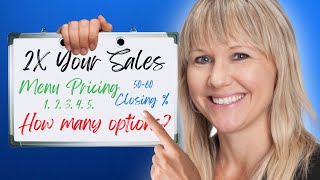
A YouTube interview (host Phil Risher) with Danielle Putnam about menu-based pricing for home services, her company The New Flat Rate, and related business practices. They discuss how menu pricing and pre-built price books help non-sales technicians sell more, integrations with ServiceTitan/Housecall Pro, financing integrations (Optimus), implementation/coaching, and broader topics like technology and women in the trades.
Chapters
Welcome back to the show. I'm your host, Phil Risher. And on today's episode we have Danielle Putnam. I actually know Danielle. I was on Dom Rubino's podcast from Profit Tool Belt. And after the fact, I was like, hey, do you know anyone else that might add value to our community or that I could connect with? And he's like, oh, you got talk, Danielle. Wait, you don't know about flat rate pricing? You don't know about. You know. And I'm like, oh, no, I don't. So then I started listening to your pot, some of your podcasts that you've been on and stuff, and you seem like an awesome person. So thank you so much for being on our show today.
Oh, that was like the nicest thing. Thank you. I appreciate you having me. And Dominic is like, absolutely the best. So any connection and friend of his is automatically a friend of mine. So.
Yeah, that's my guy. I'm on his other podcast too, the one about cabinet makers. Yeah, that thing. And he's just such a great guy. We were talking, I'm like, dude, if we live together, if we live close to each other, like, we would be best friends, it seems, because.
Yes.
So you, you're the president of the New Flat Rate. You are a board member of Women in H Vac. Are. Used to be the president, I believe, correct?
Yeah, in 2019, I was the president of the organization. Now technically I am an advisory board member because I'm a past president, but still very involved. The women over there, I mean, they are movers and shakers. They are constantly working hard to push the industry forward and to support women. And I absolutely love all of them over there and what they're doing. So I still really close.
Yeah, I love that because I feel like sometimes in. Even into trades in general, women, you know, they get pushed into like the office manager role or something. And they're not like front facing. And so I love to see that part of it which is like, yeah, we can do this too. It's not just the guys that are the technicians, you know.
Yeah, yeah. I mean, we're really working to take the segregation out of it. Like, we're just all people. We're working together for the betterment of home services. And so how can we just work better together, all of us? And it's just like we're just people and so.
Exactly.
They're doing a good job.
I love that. So your dad owned a company in the trades and you kind of grew up into the trades. Can you tell Us a little about your dad's company with H vac plumbing, electrical.
My dad was an electrician and he from northern Minnesota grew up, you know, his dad was an electrician, his brothers were electricians. So he grew up in that and then ended up purchasing. So when he started, you know, we moved to Georgia and he started his own company. I mean I was a kid, I was probably seven. And then he ended up buying H VAC and plumbing. So he had all three verticals and was serving northwest Georgia. So all growing up, you know, we, all of us kids, there's nine of us kids and we all. Rite of passage. You get your season working in the family business, which Phil is such a blessing. And one thing I do love about home services is it provides opportunities for kids in the family, relatives in the family to learn how to work. You know, we, we worked in the office, we answered phones, we ran parts to job sites. We were in the supply house. I can't tell you how many times I was doing INV inventory in the back in the warehouse. Right. So you learn so many different things about business that you can apply anywhere you go. And many of us ended up staying in the home services, which is just extra plus.
Yeah. I heard your brother Amos, he's welder or doing well?
Yes, yeah. Yes. The youngest, he's 21 and he's a welder. And if this is okay for me to say, you know, not everybody can say this. Like the other day I was in my gym, I work out with a personal training group of women and they were all complaining about the economy. And so they're like, nobody can afford a house these days. Nobody can afford an apartment. And you know, yada yada. And I just looked at him and I was like, hate me if you want, but my 21 year old brother just bought his first house and he paid 30,000 down cash. They're like, yeah, well that's not. I said, no, no. I said, don't give me that. He worked hard, he was dual enrolled. He was in high school, he was in college. He's a welder, he's working nights, he saved up his money and he bought his first house. And he's 21. Don't tell me you can't make it in the economy right now. I'm super proud of him because especially with the trades guys, like we have such awesome opportunities.
Yeah, absolutely. I completely agree. And so did you end up working in your dad's business and then you figured out like, hey, there's an issue here or how did that come about? To figure out.
I would love to take credit for that, but I can't. Right. We got to give credit where credit was due. So I worked in dad's business for through high school and like one year during college. But I had moved out and I worked for other businesses. I worked for another contracting company out west, and that was great experience, learning marketing and things. And I worked for just large international organizations. So my pathway was marketing and technology. And in 2011, my dad's like, hey, I need your help. I have this idea. Well, we'd been talking about the idea, but he was still running the home service company. And so he was trying to find a way to duplicate my brother, who was his one and only superstar technician. How do we duplicate this technician so that we can have better cash flow and scale the business again? Right. Because so many have that same question and that struggle. And that's when he stumbled upon. Wait a minute, Matt. My brother was handwriting options at every home, leaving all these options with the customers. And customers were buying more because they were provided the opportun. So we're like, what can we do with that? Can we share this wealth with other people? And he, you know, we kept talking about it. I was like, yeah, dad, you should do something. He's like, well, I need your help. I can't do it without you. I need your help. If you come home, I'll give you half. I was like, what? Wow.
I think. I think that's where a lot of people miss it is the business owner. With our clients, they have an idea. Right. They see so many problems, and they see technology could solve these problems for so many people. And then they don't realize that when they're going out and running a technology company now or a new SaaS business, that they're not actually, they have to run two businesses now. And they had own nothing about technology. So your dad's saying, oh, my daughter, she knows something about technology and marketing. Maybe she could help me with this. I think that is a part where a lot of people miss the mark. They just go and they try to hire freelancers to like, build the software.
Yeah.
And. And they don't know what they're doing. How was your experience with that with technology? And how do you. How did you even begin that process?
Yeah, you know, with. As an entrepreneur, I mean, I love business. I love hearing about everybody else's business. I love our business. We often have our hands in so many things, and we're always chasing after the shiny. But one Thing I do know and believe in is you do have to start it on paper before you can build it, Right? You got to get your thoughts out of your head. You got to get on paper, and you have to be clear on what you're doing. And then you have to simplify it again and simplify it again. And so in the beginning, we weren't technology. We were Excel spreadsheets, right? We started with the, hey, let's hand write a couple options. Let's copy this on the copy machine. Let's run it through. What's that thing called? Delaminator. Let's run it through the laminator, three ring, bind it and send it to some other contractors to see if it'll work. Right? And so you don't start as this great elaborate thing. And it's Starbucks, Phil. That, I mean, just always encourages me because Starbucks says It took them 20 years to be an overnight success. And I'm like, yes, thank you. Somebody's being realistic, right? We don't just get an idea, roll out of bed, and all of a sudden we have this awesome technology company because we had an idea. There's the process in the building. And so we started with a lot of pen and paper and a lot of laminating sheets, and then the Excel came. And then all of a sudden, we had these price books on Excel that were so big and took forever to open, right? And it was 2017 that we actually rolled out our app. And then I was like, okay, now we're a technology company. So it took a minute. Yeah.
Wow. Yeah. Almost six years to get to that point. But I've seen the technology. I saw some of the videos of the user experience. And the thing that when I first look at it, I was like, okay, this is great. I see how this could be used. I love that it integrates with service site in a housecall pro, because then it makes it way more seamless for your technicians to upsell if someone hasn't seen it. Can you explain what this looks like to them or how it works?
Yeah, it's so awesome. So the new flat rate is. It's a pricing system. It's a pricing tool because as you go out and you offer your services, you need to price your job, right? And some of the problems we were having as an industry is we were forcing the technicians to sell more. Hey, you got to get your average tickets up. You've got to sell more. And that was difficult because the majority of us are not salespeople. And I know I don't like when the industry is always like, well, technicians aren't salespeople. I'm like, most of us aren't salespeople. Right. So let's not just point fingers at them. Most of us are not salespeople. And so let's get a system that actually does the selling. So that's what the app does. It does the selling for you. It's got five different price points. It's automatically the prices are already done for you. All of the descriptions, the text, everything's already done for you. It's so easy to maximize the opportunities on the service call. So then with Service Titan and Housecall Pro, the beauty of these APIs, these integrations, is majority of our customers, to be honest, are on those two platforms. And so they're using both systems. They want to maximize the opportunity in the home, so they want to use the new flat rate. But then they just get to push a button when the integration's on and it pushes through what the customer chose, all the information that they need in their service titan so they can close out the sale. And it just makes it so seamless and very easy for that whole point of sale.
Yeah, I could definitely see that being the case if you made me think about our techs or not. Salespeople. Last week we had a call with a client. They do H Vac, a little plumbing work. And the issue that they're having is that they want to grow their business, but their tech people are not salespeople. They have two, you know, comfort consultants that go out. And so what happens is they get all these no heat calls or no AC calls. The tech goes out and he does the fix, but he doesn't actually give them an estimate for a new system which is going to solve their problem, and then they don't rehash it on the back end. Yeah. So would something like this be a solution in that case where they can say, hey, need a new system. It's pretty quick, like. And plug and play.
Yeah, absolutely. We have an equipment replacement book. Right. Module, we call it. And then so we have H vac, service equipment replacement, plumbing, electrical, chimney, and indoor air quality. But we like to teach and train for a 100% close. So in the opportunity of being in the home with the customer, you can show them a menu page, you know, with all your options for repair. And then we set them up for success with scripting, so then that customer can ask that golden question instead of spending that much on a repair today, how much for a new system? Oh, well, let Me just flip over right here and you just slide it into an equipment replacement page and automatically they can see five price points for getting a new system. And then the customer can decide, you know what, I want the new system or no, I want to actually wait. And now I know what to invest for or save for. Right. And I'm going to do the repair now. And so providing both options on the spot, very easy, seamlessly helps keep that 100% closed rate. And then, yeah, we see more people buying more equipment.
Wow. So it's a way that you could turn your technician into a salesperson with out going through the whole, here's a price book, here's what you need to offer, here's the bundles and all this stuff. It's kind of pre built stuff and you can customize it as you go.
I'm guessing, I see what you're saying. Right. It's, it's all about the automation of the process.
Yes.
Right. And so we have to make things automatic because for any business, right. We can't just rely on our person.
Our guy, your brother.
Right, the star guy. Because not everybody is the star guy, but some people are a great, quality, loyal employee and we want those people. So we need the system to be able to automate the process so that we don't, you know, so they don't have to. So they follow the script, they greet the customer, they go into the home, they open up the price book. And with options, 80% of customers always choose higher than the bottom every time. And so if you don't offer options, you're really shooting yourself in the foot and you're losing 80% more money on every service call or house opportunity that you have just by showing them. And that wasn't sales pressure, that wasn't me saying, hey, Phil, you know, buy this instead. All I did was open the page and say, what should we do? What do you want? That's easy. Anybody can do that. Right. And so as buyers today, when we go into the store, when we look on Amazon, we, we're looking for options. We're looking for the best value that we can afford based on our budget. We don't want people to project on us what they do or do not think we can afford today. And so that takes all of that out of it and it automates that sales system.
Yeah, I could see how giving people, obviously people don't want to just pick the worst thing. They want to have options and say, hey, I want this or that. Have you seen, okay, three options is perfect Good, better, best. Five options is better. You know, what is that? Have you seen a conversion work better or worse for people?
Mm. Three options is great. If you're not offering anything but one now, then three options is great. It's really light. It's kind of like light of options. Like you've got your light and you got your max. And so that way you're actually to provide options. And again, 80% people are gonna buy more. So give them two more options and then they're gonna buy more. But five is the sweet spot fill and five fits on a page and there's a middle. And so when we compare three options versus five options, it just provides more avenue for the homeowner to go. Otherwise it's like, hey, you only offered me, you know, the top option, right? There was $800, but I budgeted in my head 1200 and you didn't show me any $1200 opportunities. So really we were just shooting ourselves in the foot. We want to be able to offer those opportunities so that they can choose what they want. And it's easy to forget about the inconvenience because as professionals, we know how to do it. And we aren't really inconvenienced when we're fixing it because this is what we do. But the homeowner is so inconvenienced that they're, they're, they're in and they're scared. There's a lot of fear. You know, how much is it going to cost? What if we can't fix it? What if we have to do so much more? You know, it's, it's not easy to have to have home repair issues going on. And so we want to take that fear off of them by giving them options and letting them know we're the professional. But remembering the position that the homeowner or renter or whatever, you know, that, that the customer is in. It's not just this or just that. Like, it could be. It's a big deal for them. And so let's provide them options. And that's again, I said shooting ourselves in the foot. I need a better word to say than that.
But you're missing out on the opportunity.
Yeah. Like there's so much more. We can maximize the value of being right there with them. And depending on their inconvenience, let's provide them options so that they can choose not to have this happen again.
Yeah, I agree. I used to work when I first started my career at Enterprise Rent a Car, and we used to offer good, better, best. And they always used to tell us, you don't know what, you don't know how much this person has. You don't know that they've been in 10 accidents and they need a full coverage insurance. You have no idea. Just by even providing them. They had a joke that the kiosk at the airport could outsell the best salesperson because they just offered everything. And so literally by just offering any, all the services, you're going to outsell someone who thinks that they have the best sales pitch and all this stuff.
Right? And it wasn't pressure, it wasn't hard, it wasn't like, oh my gosh, I don't want to have to say this to them. What if they say no? It wasn't even a rejection. It's like, let them choose. It was, gosh, it was years ago. There was this ice storm. We're based in Georgia. So yeah, you know, whether it's like, whatever, but. But we actually did get snow. We probably had about 3 inches of snow at the time. And we work out of Georgia, but I was living in Chattanooga, Tennessee. And so it's a 45 minute drive, but it took me three hours to get home. And I get home and my husband's like, hey, welcome to the cabin. You know, it's like great weather and I hope I didn't cuss, but I probably did. And I was so frustrated because I had a, gosh, it was a, it was a little forerunner, which are terrible in ice and snow. And so I made it home, but I slid all over the road the whole way. And I was like, never again will I not own a four wheel drive. And it's once a year. Maybe we have a day of bad weather here, maybe. And so everybody in my office is always like, I'd never pay more money for a four wheel drive vehicle. You know, we don't need that here. That's such a waste of money. And I was like, I will never not own four wheel drive vehicle again. I don't care. I want it for the one day a year that I need it so I feel safe, so that my kids feel safe. Right. And, and so that's where it is with menus, with options with what you're doing. Providing value in the home is, you don't know that trigger point for that customer. So let's provide those options for them so they can choose what they want. And you get the benefit of that, the benefit of maxing the opportunity and it's increasing your cash flow. It's moving more parts out of your truck off of the shelves so that you don't have all that inventory in the warehouse. It's benefiting you and often we forget about that.
Absolutely. I think the golden nugget that I got from, from the menu pricing part is three is, is good. Five is great because that middle one, I never thought of that. And I think that's a great opportunity for most of these businesses. What about when it comes to pricing in those models? Like Alex Hormozi, if you're familiar with his stuff, he talks about, like, love him. Okay. He talks about, like, you know, putting the threshold at the bottom, then a little bit. Little bit. And then you have a really nice big jump at the top. Have you played around with pricing or have you seen like, this pricing structure works?
Yeah, we absolutely have. I love Alex Hermosi. I'm really into him right now. And so I've been listening to all his podcasts and I love that you bring him up because he says not to derail from what you just asked me, but he says, hey, you know, you can go and look at all these shiny objects and try to do all this stuff, but if you would just fix the things that are on your should do list in your business, in two years, you're going to have a really great business. Yeah, as business owners, we're all like, I should do this, I should do this. And he's like, yeah, if you do that, you're gonna have a great business. So I love that.
I think another thing on that is the shot. We all know shiny objects in them, but I think a lot of business have shiny service syndrome where it's like, over here, oh, I could do this service. Oh, I can make money doing this. Oh, I could, I could do this. And then you're basically building a whole nother sop, a whole nother process, and you're just focused on doing what you do great and focus on what you should do.
And which reminds me of Built to Sell. Right, Right. You have to be good at your core product. So then you can maximize, maximize your core product first. So your question was, have we noticed the difference in the spread between the levels when we're offering options? And then is it okay to have a big jump up top or what's the best practice?
Yeah, what's the best thing?
Yes, absolutely. The best practice is to start with a 99 cent hamburger. And I'm serious, like your bottom option, your flat rate, hey, we could fix it today for as low as this you have to have that to get in the door, right? People go to. And Burger King was the first one to have the 99 cent hamburger. Some people think it was McDonald's, but you have to have that because that gets you in the door. Oh, I can get in there and I can get that. But the majority of their sales are not 99 cent hamburgers. Right. It's going to be your Big Mac or something bigger, like your double cheeseburger or something. They're making more money in there. We're. But all they did was add a little bit more. They added a patty, they added a slice of cheese. They didn't. It wasn't about adding fries and Coke. They just, I mean, we're talking about still the same system. The hamburger. They just added a little bit to the hamburger, right? And all of a sudden you went from 99 cents to $3 to $10. I don't know what lunch cost these days. It's expensive everywhere, like $12 for a salad. So you have to have that to get people in the door so they know, okay, I can afford it. And so, Phil, if you're coming out to fix something at my house, that bottom option. Okay, good, I can afford something. Problem taken care of today. Now let me move to the level that fits my budget for the value that I'm looking for today. So start there. And then when it comes to between your spread, well, it can't be too much because it's unrealistic. Because if they want to be able to jump up, it has to be a small enough jump so they can get there. Right. If you're going thousands between every option and we're talking, I mean, you know, like people can't always get there. And so a good rule of thumb is to go 1.5, so you got your bottom option, and then 1.5 is your next option. And then 2 off of the bottom times 2 and 2.5, 3, and you just tear it up like that. And I just gave away a formula secret right there. That is so easy. But we have found that that simplicity of that spread, it works. And you get your 80% rise off the band aid off that bottom basic 99 cent hamburger just by doing that small spread. We would definitely not recommend doing a huge jump from, you know, like your middle level to the top level. Because again, if you were going to do that, you need another option in the middle.
Of course. Yeah, it makes sense. How does financing play into this? Do you show like it's $1,000 or you show it's like, you know, $10 a month or something.
I'm so lucky you asked that. Okay, good. Well, because I'm working on an integration right now with Optimus contractor financing. I don't know if you're familiar with Optimus.
No, I'm not familiar with it.
So we're doing an integration right now, and we're rolling out on January 30, which happens to be next week. So, I mean, I'm like, so excited. We've been working on this for. Since July, Heavily since July. Over a year, but since July, really working on the APIs and the connections and integrations. And so in our menu, starting on Tuesday, people are going to be able. Because we've always had kind of like estimated payment planned in there, but now automatically it's like, here is what your rates, what your monthly would be. Here is the terms. You know, maybe it's six months, same as cash, or 12 months at, you know, 5.99 or whatever it is. It says that in there. So they can see the terms right away. And then, yeah, you know what? I want to do that. Let me go ahead and click and get approved right now. And then Optimist completes the application with the customer, says, hey, you've been approved for this and can continue forward. So it's a beautiful integration. That's really going to help because we're seeing more and more people wanting to look at financing options so that they're not always just maxing out, you know, their credit card. They might need to spread some things out. People have their own reasons for how they want to buy and spend money. Right. So it's a. It's a great time to automatically have your financing built into pricing system. And we do always want to be able to provide that financing because people will buy more when you provide the avenue for them to do that. So. So to be real honest, Phil, since we're just launching next week, I'll have data soon after that. As far as, you know, are they always buying a certain level and higher? I can't wait to get the data, but I don't have it yet. Right. Like how. How is it working? We plan on starting with the, hey, here's the payment plans. And the other day, I was so excited about this because I was testing it and walking through and testing with our teams, and we were on a demo with some distributors showing them this new integration. And so I was walking through a capacitor repair scenario, and I picked the capacitor menu page in the price book. And I hit the PP for payment plan and that bottom option was $20 a month payment. I was like, what? We can all of a sudden get something fixed at our home for 20? And I probably made that sound. I'm like screaming. I'm like, $20. Now all of a sudden you can get something fixed for $20 in your home. And that's unheard of. It's awesome. Especially when everybody's like, we're in a repair economy. You know, everybody's budgets are tight. Well, they're not anymore. You know, like, we can find, we can find $20 to get our air back on because.
Right.
I mean, it was nine degrees here last week. You need your heat 110 in the summer. You need your cool. Right. So, so excited. So please ask me that question again when I have a little bit more data. Six months from now, I'm going to be able to say this is the answer. But right now we have enough data to know that it's the right move and the right direction to move in.
Oh, definitely. I. I think with Service Titan, if people use that platform, they use Green sky and some of these other platforms, and you can easily switch, you know, back and forth between monthly payments. And I think Tommy Mello, you're probably familiar with him.
Yeah.
He talks about, like, you know, just by offering financing, your sales are going to skyrocket because if people don't have that option and you're. They're looking at $20,000 for a new system, like, I don't know.
Right, right. So we've offered it, we had the payment plans, but now that it's like a full cycle. Right. It's just making it easier for everybody.
Yeah. So. So with technology, where do you see, like in the future with the trades and technology? Because you have a unique perspective on this because you're kind of in this mix and, you know, you kind of see both sides of it. What do you see, like with AI, online scheduling with payments and menu. How do you, how do you see things changing in the next couple years with this kind of stuff?
Yeah, it's a love hate. Right. And so not just for me, but I think all of us have to choose not to live in fear, not to walk in fear, because, yeah, it's gonna eliminate a lot of the things that we do as we see it today. It just is. But let's look at the max, the maximizing of the opportunities that it's created. So with pricing, I definitely think, not think I see that it's all gonna be Connected. Right. So as soon as you're selecting a contractor to work with, you're gonna know what it is that you're calling them out there for, if they even need to come out there. You're going to know how much it costs ahead of time. You're going to see your options ahead of time. And of course we're probably going to have AI doing that, right? Hey, here's your options, here's the spread, here's this, here's that. So it is going to be so automated. People are going to have that information right away so much faster than they do now. They're not going to have to wait for, you know, oh, you know, somebody came out two weeks later, they either forgot to give me my quote or I have it. Like it's going to take the human out of that a little bit and it's going to automate like it is, it is coming, it is here. One of my customers showed me something they used with my data the other day in chat GPT and they created a solution for a problem that they had. And it was very good. And so, I mean, I was like, okay, that is very good. I'm glad you asked. The problem was technicians, what they summarize and put on the invoice of, hey, this is what we were called out here, this is what I did. And then the buyer's remorse, if it's not super clear, the buyer's remorse of what did you guys just do? And I spent how much money? Or maybe there was a spouse or a partner that wasn't there at the time of service and they're looking at the invoice later and they're all mad. And so it solved that problem because it was able to automatically do this beautiful write up of this is why you called us, this was the recommendation, this is what you chose is what we need to do in the future. And it was all approved by the company right then and there. And so it has solved that problem because in short, it's communication, it's communicating better between the business, the technician and the homeowner on what actually happened and what the future looks like. So AI did that for them like that. And you know, we played a, a piece in it because we had a lot of the data that was in there. And so now I'm like, okay, even us, we now have to adapt to that. And Service Titan is too. I saw that they're rolling out some AI automations of invoice summaries. Yeah, because people need it. And you know so that's the, that's a quick direction that we're all headed into right away because there's been that, hey, we have this problem and wow, we have a way to have the solution. So I just know Phil, and you know this too, I can tell by, you know, by your smile, like two or three years from now it is not going to look like it does today. And so let's not be afraid of it. Let's learn what we can so that we can be in front of it and not have to learn way later. And let's be a part of it because it's coming. And you know, we don't want to get kicked out of our industry and we won't as long as we become a part of the movement. Right. We have to listen to our customers. It was a keynote speaker, I want to say Alex Brown from Service World Expo in 2020. He's like, give the customer what they want, whether you have it or not. And the way he said it, I never forgot that because when the customer is asking, they will find the solution to what they're asking for. And so we've got to be prepared even if it's not our, you know, we're a little nervous about it, but it's coming so let's be a part of it so we can offer it to them.
Yeah, I completely agree with you. One of the things that you brought up was about the, the sales coaching piece of this whole thing. It's like, yeah, great, you have this menu pricing, but like, okay, here's the pricing and then you get an objection and you're, what do I say?
Yeah.
So I believe with your business you have some coaching that goes along with the menu pricing that you provide to people. Can you tell us a little bit about that?
Yeah, thanks for asking. You know, it's easy to buy a system and then it sits on the shelf. Any system, right. Sometimes you just want implementation help. And even if it's as easy as turning the button on, well, as business owners and leaders and professionals, like we're just already inundated and already stressed out. We've got this burden on top of us, right? And so we love to take that burden off and do it for you. More white glove service of hey, let us train your team, let us help you, let's look at your numbers. So we do a lot of ride along coaching. We do a lot of, we've got an incredible training center here at our office. So people come every month to the new flat rate and do Training and coaching. But then also we do ride where our team goes out in the field and rides in the field with your technicians and they also meet with the office and work with your CSRs. Make sure that that whole business life cycle, that that whole value chain that your business provides to the customers is connected, that the office knows what the tech's doing, knows what the owners are doing. And so our team works with them. And so at the end of the week you get a beautiful debrief of, you know, what to be working on and what to do. And we even, we did a month long ride along in November this year. Suzanne Wetterven, one of our success coach, she went out and did a month long and just really turned a company around. We do a lot of training with to help implement Housecall Pro and Service Titan as well. And so it's just neat. Whatever the business needs. Our guys, our team, I'm so proud of them. Like they are working with contracting businesses all over the US and Canada all the time and so they see so many things. So if you need help, please give them a call, give us a call and ask for help. Because we've seen a scenario where, hey, I have this software, with this software, this one, like how can I make everything talk better or how can I provide a process to, you know, my CSRs and my technicians so they better value each other, so they better understand and appreciate each other. We would love to work with them with that because our team sees it all the time.
Yeah. So let's say someone is doing H Vac and they want to bring on a new division or department of plumbing or some other thing and maybe they get, they have, they bring on a technician that knows the, the service really well, then presumably they could bring on your flat rate pricing menu, maybe bring in some sales training for that, but kind of get up and running without a lot of the hiccups and speed.
Bumps that come right, right away. So you want your H Vac, you want to add plumbing. So you just need the plumbing module. I already have the H Vac. Let me just go ahead and turn on the plumbing module. Then you have that too. And do a little bit of coaching and training if you want. Right. But the processes are going to be the same and so your team hopefully can already. Whether you're cross training, we've got a lot of companies that are really good at cross training and so their techs run both calls. Right. So whether you're doing that or you have separate divisions, we can help with that.
Too awesome. Switching gears a little bit for business owners. They have some ideas when it comes to technology and they, they're gonna, like I mentioned before, they're gonna try to do their own thing. Can you speak to like does your dad, is he, does he still running the home service business or does he do anything on, on the technology side or is he like completely different businesses and you run this and he runs this or, or how's, how's that working?
Maybe, maybe I should look at Facebook and see where is my dad today because he is in Arizona and he's in a beautiful RV with a trailer full of four wheelers behind him and he's riding on sand dunes and then he's going to go up and he's going to go skiing and Flagstaff and I don't know when he's coming back. So. No, he's not. He sold, he sold his home service business to my older brother Dallas. Dallas is just doing, this was a long time ago, I don't know, maybe 2013 maybe. And Dallas is just doing an incredible job. Has really become an expert in the indoor air quality space crawl, space encapsulation, indoor air quality. They do a lot of mold remediation, a lot of just really, really neat stuff but then also you know, H vac service as well. And so he took that on and has just grown that and become very successful. We're super proud of him. And so Rodney was my dad, you know, CEO here and very much a part of the business with the vision and helping us to, to really communicate the value of the problem we were solving. As the founder, you know, you need to be able to be reminded and to see that. Oh yeah, like we really are solving something that is keeping people up at night. And so over the last couple years though, he's just been phasing out. He got into woodworking, he's four wheeling and he travels and so he's not, he's not involved in the day to day anymore. If you know, of course we talk on the phone and he comes in every once in a while and you know.
Yeah, that's great. So we all, we talked about Alex Hormozi and I saw you pull out John Warlow with the built it built a cell. What are some other good books podcasts for business owners out there that you think right now resonating pretty well that you've found valuable for you?
Yeah, well Built to Sell has a podcast. Have you ever heard it? Yeah, I, I, I love it, I love it right now. But this one I just finished. 10x is easier than 2x. Yeah. And have you read it?
I'm actually in the coaching program for Dan Sullivan for strategic coach, so.
Fantastic. Yeah, Absolutely love this one. I got pages of. Pages of notes. Was really good. As a team, we have a book club at the. At the company, and I can't tell you how many employees have been like, I did not get hired to be in book club. And I'm like, yeah, you did.
We're the same. We have a book list, and every. You know, they're big rocks. Like, okay, what. What book are you reading? You know what? Like, let's talk about this. And I agree with you. It's. But it's so important, especially if you're talking with other business owners. You know, business owners. We read, we listen to podcasts. We're all about education. You got to at least, like, understand what they're hearing, because they're going to ask you questions about this.
Yeah, right. So we had book club this week, and our team read Emotional Intelligence 2.0. And I actually had never read this one, but it was just so that we could communicate better as a team. It was all about being able to read the emotions of the room and don't always have your head down, taking notes all the time because you're missing, like, what's going on in the room. And, you know, where's your emotional intelligence? How you can increase your emotional IQ or eq. Right. And how you can raise that up. And so just being aware. And, you know, we also talked about, you know, the team members, you know, and. And are you the team member that when you come in in the morning, people are like, oh, what side did Phil wake up on today? Do we have nice Phil or mean Phil today? Like, who do we have? And so we talked about that, you know, being consistent for your team. You can't show up and then not know what you're going to be like as a teammate for that day. So I felt like it was really important for our team to see that together, that we are one unit. We are working together to provide extreme value for our customers. And we've got to do that in unity. So it was. It was good.
Yeah, I completely agree. Mike McCallow, because we were talking about him before. He has this new book called all in, and.
Oh, I haven't read it yet.
Yeah, it's so good. It's. The quote that I love is like, if you want your employees to be all in on the business, you have to go all in. On your employees, that's good. I think being a lifelong learner or at least promoting reading in your business or continued education is so crucial. And I'm so happy that y' all do that as a book club because I think working at different businesses, if they go to work somewhere else, there's no book club. Are they invested in their education? Do they want to give them this growth, this growth mindset? And so credit to you guys because I think that's awesome.
Yeah, I'm excited about that. You know, something else I'm looking at with our team. I had a key employee here a long time ago. When she started, she's like, hey, I just want to know, is there ever going to be a profit share? I was like, I don't know, right? This was a long time ago. We were in the garage still and I was like, profit share, what? But because of her, we instituted a five year profit share plan where if any employee had been here for five years, they got in the quarterly profit share, but just this week. And so that's fine, right? Couple, you know, employees get to be in it. And that's great. But then I was listening yesterday on built a shell, this company that they, they were so impressive, but it was all about, no, every employee gets to be in the profit share. Every employee gets to be a part of the company's success and they can even choose to buy more shares, you know, and it comes out of their paycheck or this and that. And it's, you know, they had all these things and I was like, you know, yeah, why are we being stingy? Like why? And I think too many times we're stingy and we don't want to do a profit share program for day one because we don't have the KPIs for every position nailed down enough to make sure that we're being efficient with every position. And so that's our fault that as owners, that is not the team member's fault. And so I'm a big fan of don't hire out of emotion. Ever make sure that you have, you know, the job description, the scorecard, the six month expectation, what that employee is going to do the first week, the onboarding plan, the training plan, what's the, you know, by 30 days, what do they have to know and be able to do in order to ensure that they're going to get to the next 30 days? Like if you can't think through that and answer those questions ahead of time, you have no business hiring somebody because, oh, I Got service calls. I need a technician today. Well, I feel your pain. Right. Every business needs somebody today. But have we actually written out what that role is responsible for? The revenue that they're responsible to generate? You know, somebody called me late last night, and they're like, hey, you know this company, their technicians are bringing in a month what they should be bringing in a week. Well, you have to know. And. And this is no judgment. This is that there's so many of us that don't know what each person is responsible for. So we have no business hiring until we figure that out for the next person. Right. Don't fire your team to go figure it out, but don't hire another one until you figure out position by position, if you need. But my point, I know that's a long rant, Phil, but when it comes to profit share, I'm now like, hey, you know what? Yeah, my whole team should be able to benefit. We should be able to provide great value and longevity through that. And if I don't feel comfortable and confident because that person might not be efficient enough, that's a me problem. To fix that for them, you hit.
The nail on the head with KPIs. And to summarize this thing with. With menu pricing and KPI, I'm just saying, like, tying this all together with your point. Tommy Mello has this saying that if you don't want to put a cap on your team's performance, don't put a cap on their pay. And every time someone hears that, they say, well, okay, well, what about my CSR? What about my warehouse manager? What KPIs do I incentivize them that I don't put a cap on themselves? And it goes back to what you're saying, which is if you don't know your KPIs, you don't know your numbers. What are you tracking these people on? So then how can you actually incentivize them to take advantage, to participate in the upside?
Right? You can't. And so one thing I love about Tommy is in his first book, he's like, hey, if you don't know, that's okay. That's okay. Let's start here. Yeah, he's. It's. And that's the same with everybody, right? It's okay. You don't know everything. So let's just start today to do a little bit better and a little bit better and not be all overwhelmed at all this stuff. Because everybody. I sat next to Gary Alex a year ago from imarketsolutions. And he's like, I got, you know, 200 problems with my business today. And I'm like, here's this business tycoon. Everybody has problems in their business. Yep. So let's just pick one to work on today.
Yeah. Well, Danielle, it's been such a pleasure. I feel like we're kindred spirits. You know, we. We like a lot of fun. Yeah. Lots of fun. So if someone is curious about the flat rate and what you guys do, what should they do? How should they reach out to you? Where should they go?
Yeah. Thanks, Phil. Thanks, guys, for listening and being here today. Thenewflatrate.com of course. Shoot me an email, Danielle. Thenewflatrate.com Let me know you were listening. And I would love to send you resources. I've got some really cool scorecards for hiring technicians, if that's helpful. And then, you know, trials of the new flat rate, if you'd like to try it out to see if it's the right fit for your company, I'd like to launch a trial program. We've never really done that, but if any of your listeners are interested, I'd love to provide that for them so they can check it out and see if it's for them. But, Danielle, at thenewflatrate.com or the newflatrate. Com, awesome website.
Thanks so much, Danielle. I really appreciate you coming on.
Thanks for having me.


