13 Reasons: (Warning Controversial!) Bad Advice About Bullying.
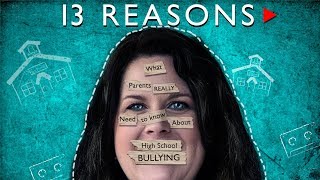
A hosted interview (Amber Hollingsworth with her niece Emma) reflecting on the Netflix series 13 Reasons Why and comparing it to real high-school experience. They discuss episode-by-episode themes (beginning with school hierarchy), how modern bullying operates (largely via social media, "throwing shade," sexting, sexual reputation/shaming), the social penalty for "snitching," and why common adult advice ("tell a teacher/ignore it") can backfire. Emma offers peer-grounded strategies: avoid risky behavior, be honest and composed when confronted, be kind rather than retaliate, and tell an adult who understands how to handle it.
Chapters
If you're the parent of someone in high school or junior high school, you've got to watch this interview with my niece, Emma. She's going to tell you all about what it's like to really be in high school, how high school bullying really happens to who it happens to and what to do about it. So this week I have a guest with me. This is Emma, and she's my niece, and she's been staying with me for a couple of weeks to intern. She says she wants to be a counselor when she grows up. Yeah, we'll see about that. And so since she's been here, we. We wanted a project. So I noticed that when I was at her house, she started watching 13 Reasons on Netflix.
I started watching it a couple days before my Aunt Amber came, and that's.
How this all started. So then. Then you flew back with us, and season two was out, and we decided we would watch season two together. And we made a pact that we could only watch it together and no one could cheat. And I will have to tell you, it's been, like, super hard to keep the pact because I've wanted to cheat on you so many times. And we've only let ourselves watch two episodes a night, which may sound like a lot, but it's Netflix and I usually binge it. So, yeah, that's like, literally, like, me being an alcoholic, like, limiting myself to two drinks. It's super hard because it always ends on, like, a total cliffhanger.
So we thought what we would do.
Since we were watching it is I wanted to know some of the themes that they come. Some of the themes that this show really portrays has a lot to do with high school dynamics and being a teenager. And so I wanted to consult my resident teenager expert to see how much of it is real life, like, what it would really be, and how much of it is now drama. How does now not old people like me, like, way back in the day, we have cell phones when I was in high school, so there was much less drama these days. It's big drama, I'm guessing.
Yeah, it's a lot of drama.
So the way we structured this is we tried to take each episode and figure out what the theme of the episode was. So for the first episode, this is episode one, season two. I really thought the main thing was about school hierarchy. So it had. It's like this class system between, like, the jocks and then the middle people and then the really low people. Like, who's the stalker photography guy? Tyler. He would be, like, at the bottom of the. The system. Yes, on the show. So what is that like in real high school? Is it like that. Is there, like, a class system?
Not what me and my class have figured out is, like, it's been like this since middle school. There's always that stereotype that there's gonna be jocks and cheerleaders and all this stuff, and it's not really that way anymore. And we kind of realize that.
It's just.
Everybody's kind of. They have. They have groups, they have people that they hang out with. But in those groups, it's more like there's a jock, there's a cheerleader, there's a soccer player, there's a. There's a really smart guy. It's almost like. Yeah, it's a variety of people in one group. It's just how you work with people.
Okay.
So. And also, they're. So.
It's not like the jocks and the jocks and the press with the preps.
Not really. Okay.
What about. What about the stoners, though? Because, you know. Oh, yeah, I see the stoners.
They have their own. Yeah, there's that group. There's stoners.
Okay.
There's definitely that group. But that's pretty much, I would say, the only group. It's only in our club, so I play basketball, so it's. We are only a real group when we're in that class, period. So. And then we kind of just separate, go our own ways. It's not. It doesn't ever. We're not. I never see those basketball players again during the day.
So it's not like on 13 Reasons where you have, like, Bryce Walker and his gang and his, like, the Walker gang, and. And they, like, walk everywhere together and they wear their jackets or.
Literally, not the case.
Like a gang. They should be.
Not the case at all.
Bandanas.
I'm probably friends with two of the people on my basketball team, and we talk throughout the day, and. Yeah, I'll see them in the hallway and we'll talk and stuff like that. But it's never. It's never like we stay together in that group for. Throughout the day. So I don't think it's. To me, it's not like that.
Are there certain kids that get picked on more than other kids?
Well, I know that there probably is, but I don't see it very much.
Okay. I'm not.
I think there. You only get picked on if you've done something bad. It's not like, oh, you look like this, so you're gonna get picked on. It's like, what have you done in your past? Right. And that's what you're gonna get picked on board for. The people that do get picked on, that I know of, it's never because they look a certain way or because they act a certain way. It's never like that. And that's what I've seen change because I knew. No, it used to be like that. But from what I know, it's the what they did already. So if you go out and you drink a lot and people know about that, then they're gonna judge you based off of that and then you're gonna get made fun of and picked on because of that or the decision you made while you were drinking. Right. How it that now?
I think sometimes when you are getting bullied or picked on, they'll bring up things like yes, how you look or these other things. And it may feel like that's the reason.
Yeah. But it's really not in my experience.
Because kids come to me a lot with what do you do if someone's bullying you? And the problem is adults always tell teenagers, tell the teacher. What is it that adults tell teenagers? Like these are. They're super dumb. They don't work.
Always tell the teacher.
Tell the teacher. Ignore it.
Yeah.
They tell you.
Tell the counselor, tell, tell the principal. Always come to us. They have certain hotlines. I guess you can text an honest anonymously. But yeah, it's always tell the teachers, tell an adult. Even if it's your parents, just tell an adult.
Do people do that?
Not to my knowledge, no.
Why don't they?
Snitches. Snitches. Everybody says it.
Because the episode we just watched. Yeah, which one was that?
10. 10.
On episode 10, we just watched it last night and that's what they said. Snitches get ditches.
Yeah. People will figure out that you snitched. It's, it's. You can, you can't do it. So like at my school one time we were eating lunch and a certain situation occurred and the teacher came over to our table and asked who had done it. And no one said a word because like if you say the you're, it's bad for you.
So if you're getting picked on before and then you snitch about it, what happens then?
If you're getting picked on and you snitch about. Depends on the length of time that you wait. So I guess if you were getting picked on two months, it's going to be harder for people to figure out that you're the one that said it. But if you're getting picked on and then you're going to tell the adult and the adult doesn't do anything about it, and then you're doing it again and again.
They see you walk into the counselor's office, and the next thing they know, they're saying, can so and so come to the office.
It's pretty. And they usually leave you in the office while they bring somebody in. So that's the awkward part. That's why nobody really goes. Because they know that they're probably gonna bring that person in and y' all are gonna have to talk it out. That's exactly.
So, like, a big theme of the show this season is about whether or not the school is responsible for Hannah Baker. Cause that's the whole thing is they're on trial. And I think, too, the school doesn't always know because it's not as obvious as adults may think it's going to be. It's not like old school, 1950s, where someone, like, beats you up and takes your lunch money. That's not the kind of bullying we're talking about. The kind of bullying that happens these days is really under the surface, and you can't really see it that easily. So how does bullying go down? Like, I push you in the hallway and I call you a name. Like, what happens?
It usually happens over social media, over phones, while you're at home.
So I call it cyberbullying.
Yeah. And then at school, we do what we call throwing shade at people.
Oh, yeah, this is new. What is that?
So that means you're saying something or doing something in front of somebody's face.
Mm.
Implying that they've done something, but not actually saying, hey, this is what you did.
Super passive aggressive.
Yes.
Okay.
So like, calling somebody a name in front of their face would be throwing shade at them.
What are the kind of things that people get picked on about? What would get yourself picked on in high school?
Sending inappropriate pictures? For sure.
Sexting?
Pretty much, yeah.
So that happen a lot? Oh, yeah, we see that a lot in the office.
That will ruin your life.
Yeah.
Sending an inappropriate picture, even through Snapchat, it will. People can take pictures of that picture from a different device. And lying. Lying is a big thing. If you get caught lying, then, like, about what?
Obviously not like, lying about your test. Yeah.
Lying about social. I'm guessing lying about being raped. That's another thing on the show. Lying about being raped. There's been a lot of that.
Why would someone lie about being raped.
I'm not the person to ask. I have no idea why somebody would lie about that.
But you've seen that nicely.
Oh yeah.
How do you know they lied?
It's. They'll say this so and so raped me and they'll say, and now I'm pregnant.
Uh huh.
Nine months later, they're not pregnant. Okay. It's, it's. And it also depends on the person it's coming from.
Okay.
If they have, if they have a past of lying, then I mean it's more than likely gonna be a lie that they're doing it. And especially if they're using a person that is like why, why would so and so ever do that? There's been a lot of that. Not necessarily lying about being raped, but a lot of lying. A lot of lying. It will get you caught. So.
So it seems like for girls, the thing that gets girls picked on has to do with sexuality.
Yeah, I don't think guys get picked on that much. And guys necessarily get picked on from who you're dating or who you like. That's mostly how guys get picked on. But girls, it's mostly sexual.
Like if you're slutty. Yeah, basically.
If you're slutty how you dress.
Why do you think girls pick on other girls that are perceived as slutting?
I would say, cuz. Jealousy. I would say, like you're putting yourself out there. Like if your boobs are out, you're putting yourself out there. If your butt is out, if you're pulling your pants up this high or whatever. Or if you're wearing leggings.
So why would, why would that bother one girl? If another girl was doing that?
Guys are looking at her and it's like, guys aren't looking at me. Guys are looking at you and you're getting all the attention now. Okay, that's exactly how it's. It all revolves around attention mostly.
So what did guys get picked on about? Or do they.
Just. Who they like or. Yeah, really just who they like or who they find interest in. So if there's really, really, really pretty girl and then there's an average girl who's like really smart, has a really, really good personality, but like they're not really that pretty. And the guy finds out that this guy likes the average girl, they're gonna get picked on for not liking the pretty girl, if that makes sense. So really? Yeah, it's based off of really who you like.
So if you're getting picked on because you're slutty or Perceived slutty or you like some girl that's not cool. What do you do about it? How do you handle it? That's a lot of what the show is about.
It's about that, like defending. You defend them. So you make up all of these reasons why you like them. So their personality is really good. Or you'll introduce them to those friends to like, to show why. Like, so you're talking about, like for.
The guy who likes the girl that's not that cool. You say you just hold your own. You say, hey, I like this girl because you just.
Yeah.
Digging with your guns.
Yeah, exactly.
So what's the best thing to do.
If you're a girl and like with clothes and stuff like that or like sending pictures, anything.
By the way, I think girl picking on is a hundred times worse than that.
Oh yeah, Girls are catty when girl doesn't like you.
The way they deal with it is they make everyone.
They're petty about, like you.
Like, you get outed. It's like being banished, which is the worst punishment of all.
The best thing to do is not do it in the first place. That's. Stay away from it. And if they are mean to you, be nice to them. They're gonna get over it. If you're nice to them, they're just gonna get over it. There's been plenty of times where girls have been mad at me. Not for those certain reasons, but mad at me. I'm a new person. So once I came into this school, there was a lot of girls that were like. Like, she's new. It was new environment for me. And there had been a lot of times where they would be mean to me. And now those girls are my friends.
What would they do? Being mean. Throw shade?
No, they'd be. They'd be like, who does she think she is? Like, I'm friends with a couple people and like, who do you. Who does she thinks she is already, like, fitting in? Like, fitting in too fast.
I guess fitting in too fast. You get picked on for fitting in too fast.
So the best thing to do is just be nice to that person. Because those girls that did make. They're now my friends. It's just be nice. That's like, you don't. Don't do it back and.
No, that'll gasoline.
Yeah. There's been plenty of times where I've done it back. But then you realize you're like, that's not the way to do it. It's not the way to do it.
So most adults tell kids like tell another adult, like a teacher, a counselor, your parent. Or they say ignore it. Those are the two most common advices that I think adults tell kids. But it's not so much that telling other adult is not effective. It's just that when you tell the adult what they do about it usually makes it worse.
Yes.
So it's not so much that you shouldn't tell an adult. It's that you should tell an adult that has some common sense and knows what to do about it. I guess.
Which is hard to figure out, like.
Because when kids tell me that, usually I think what gets somebody picked on just, like, incessantly is how they respond to the being picked on. Because I think I say everyone gets picked on at some point. Like, everyone. It doesn't matter if they make fun of your name. Like, they'll find something and they don't find it.
Plenty of times how the kid responds.
To it, I think determines how bad it gets.
Yeah.
Because, like, for boys, if you're the kind of boy that gets really mad and gets upset, anger issues and the.
Emotions when you fight, then everyone just.
Like, triggers you all the time, wants to make you mad because they think that's funny. Right. And if I think if you try to ignore it, like, if you're sitting in class, someone's doing something to you, it's pretty clear that it bothers you.
Like, you.
You can't really act like there's nothing.
There's really nothing you can do. People are gonna find a way to make fun of you.
Right.
Like, you like it or not.
But I think sometimes, like, holding your own is sometimes the best thing you can do. Like, don't ignore it because it makes you look scared.
Yeah.
Don't try to, like, get crazy angry, but just hold your own and just call it out. Call it for what it is. Like, look at the person in the eye, stand toe to toe.
Yeah, that's the best. It's really. First of all, stay out of the first place. But if you do get yourself into it, then tell the truth. Like, be like, this is why I did it.
Right.
Because everybody's a person and everybody has their own mindset.
If you show maybe a little, if.
You can explain that certainness and vulnerability.
Makes you human more.
Everybody's human and everybody makes mistakes. Just explain your mindset during that time period. Maybe not in a public setting, maybe privately with the person that's making fun of you, but never, never do it back.
Right?
Yeah. So I feel like some people might.
Watch this, adults particularly, and they might get upset because we're saying don't tell adults. So I want to say we're not saying don't tell adults. What I'm saying to you adults are listening to this is be smart and mindful about how you go about trying to help.
Yes. The person.
Because a lot of times what the adult does makes it worse.
Yes. Ask the child first. Ask the child about their situation and what's going on. Because if you do just go straight to the school and ignore the child, then the child's probably gonna get made fun of more. That's the whole, you're not helping your kid if you're not asking them about it.
Sometimes adults just don't know what the right answer is. And maybe they're telling you something. Maybe it would have worked when they were in high school, but it doesn't work anymore.
Yeah.
Yeah.
Sam.
More from Amber








Addiction Turns “Me vs. Drinking” Into “Me vs. You” #addictionrecovery #addictionawareness

They Admit Everything Except the Addiction #addictionrecovery #addictionawareness

Stop Trying to Make Them Admit the Truth #addictionrecovery #addictionawareness