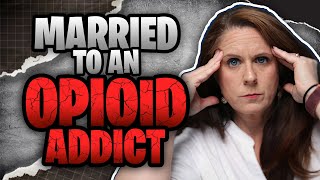
Amber Hollingsworth (host of the YouTube channel "Put the Shovel Down") addresses partners of people with opioid addiction, explaining how opioid dependence can be especially hard to detect because sufferers often appear functional and even improved for years. She highlights money loss as the most common early sign, discusses complications when the loved one has legitimate chronic pain, and emphasizes the constant fear of overdose. The video closes by pointing viewers toward further information on medication-assisted treatments and where to seek help.
Chapters
What happens when the person you love most, the person you have vowed to be there for through thick and thin, loses themselves to addiction, particularly an opiate addiction? That's what we're going to be exploring in today's video. We're going to be looking at the unique challenges and emotional turmoil experienced by partners of opiate addicts. My name is Amber and you are watching. Put the Shovel Down. For those of you who are new here, my name is Amber Hollingsworth and you are watching Put the shovel down. This YouTube channel is designed to help you get your life and family back before you hit bottom. Now, there is some similarities between all the addictions, but each different type of addiction also has a few uniquenesses. And I want to explore those with you today in this video. One of the biggest, unique factors when it comes to being married to someone with opioid addiction is that you can't tell when they're high. Well, I guess you can tell it if they're really far, like they're stage opioid addiction because they may have the nods or something like, you know, it's kind of like you're talking to them and they just keep nodding like that and they'll tell you that they're sleepy. But normal people don't fall asleep while they're actually speaking. So, you know, it's not that if that's happening, you know that they're high. But for many years before someone gets to that stage, they don't look intoxicated at all. That's the thing about pain pills. You don't slur your words, you don't have funny smelling breath, you don't walk funny. In fact, for the first several years someone is addicted to opiates, they will function better than normal. They'll get a raise at work, they' be promoted, they'll get better grades, they'll be more social and helpful and friendly at home. Which is why one of the biggest frustrations that we often hear from people with opioid addictive family members is how did this go on for so long? And I had no idea because very frequently by the time the partner or the family finds out, this problem has been going on a very long time. And it's exactly for this reason. You know, if your partner was addicted to alcohol, there would be some signs that you could see if they were addicted to cocaine or something else. There are some signs that you can see. But when someone's addicted to opioids, it's just really difficult because their demeanor doesn't change. That much like I said before, until late stage addiction, the number one way that you know something's going on with somebody has opioid addiction is through money. That is the sign that you're probably going to notice first that there's all this unexplained money missing, like where is it going? And that's because having an opioid addiction is extremely expensive. Even if you make really good money, an opioid addiction will eat through that money very, very quickly. And that's where spouses and partners usually recognize the problem first. Now, another complication that comes specifically with opioid addiction is, is what if your partner or your spouse has a true real medical condition where they need help to manage pain, particularly chronic pain. Maybe that's even how they developed this problem. It started from getting a medication due to a back problem, or they had a car accident or any number of medical complications. But now it's to that maybe they're getting medicine from their doctor, but maybe they're seeing two or three doctors, or maybe they're getting that medicine and they're supplementing with other things where they're buying it from friends or off the street. It's really difficult to know what to do in a situation like that because on one hand, you know that they need some help with it, you know that it's killing them. On the other hand, you know that it is drowning your family. And lastly, and maybe possibly the most important uniqueness faced by family members who have a loved one addicted to opioids is the fear that they are going to overdose and die. Yes, you can overdose on other drugs, but the likelihood that you're going to overdose when you have an opioid addiction is extremely high. You constantly hear about fentanyl and things being laced and all these overdoses. You constantly hear about how people go from the pills to heroin to fentanyl. And all of that is actually true. I wish I could tell you that it wasn't, but it is the reality of situation. So every day for you feels like Russian roulette. You can't sleep at night, your head is constantly going. You don't know what to do or how to solve this problem. And every time you try to address it with your spouse, all you get is denial and gaslighting or maybe blame or possibly excuses. But you're not seeing any real consistent movement towards change. It's extremely frustrating and sad because not only do you love this person and you want to be there with this person, but you've built a life with them, you're financially tied to them, maybe you have children with them. And so untying yourself from the situation is pretty complicated. And maybe people around you are saying, just leave them, whatever. You know, they're gonna have to hit bottom and they gotta figure it out. It's not as easy as all that. Now, there is actually some good news that is unique to opioids, and that is that there are some treatment options that are available to people who have opioid addictions that maybe are not available for other addictions, particularly medication assisted treatments. Now, those treatments, they have their pros and cons. You should definitely educate yourself on them, not just jump in there blindly. But it is something that's available to people who have opioid addiction that's not necessarily available to someone who has alcohol addiction or marijuana addiction or cocaine addiction. If you don't know a lot about medication assisted treatment, then I want you to watch these videos next because I think it's really important to understand the pros and cons of all the different options for when your spouse, your partner, decides that they're ready to change. You're going to be armed with the right information and you're going to know exactly where to go and where to ask for help. Again, I will link that right up here for you. All you have to do is click it.