Addicted to Perscription Drugs - (The Opioid Epidemic Explained)
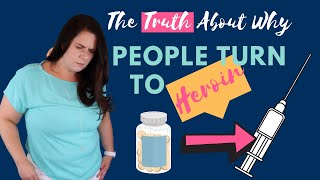
Amber Hollingsworth (speaker) explains opiate (prescription pain pill and heroin) addiction: how opiates hijack the brain's natural endorphin pain-relief system, producing tolerance and physical dependence, and why withdrawal produces intense physical (flu-like pain, gastrointestinal disruption, insomnia) and emotional (heightened anxiety) symptoms. She emphasizes that dependence is biological rather than moral, describes common behavioral consequences (doctor shopping, stealing) driven by the high cost and discomfort of withdrawal, and reviews medication-assisted treatments (methadone and Suboxone), offering clinician-informed opinions about their strengths and limitations and stressing multiple recovery pathways.
Chapters
Foreign. Everybody, we are going to talk about opiate addiction today. I'm telling you, this thing is a beast, a monster in and of itself. I very often addiction is. Addiction is addiction. And what I mean when I say that is no matter what it is that you're addicted to, whether it's a behavior, we call those process addictions like gambling, eating, sex, those sort of things, or a chemical like drugs or alcohol, the process of addiction or the stages of addiction are very, very similar. The difference, I like to say, is how quick of a bullet train you get on going down that road of addiction. Opiates is one of those. One of those things that really is sort of taking over. You hear about it more and more and more often. It's very complex and difficult to understand. And we're gonna hit the highlights of that today. We're gonna try to take a complex matter and break it down as simply as we can as far as understanding what's going on in the brain and why it's so difficult to treat and why it's becoming such a big problem and growing at such an alarming rate. So the thing to understand, to begin with, about the brain and opiate addiction, by the way, let me stop and say what an opiate is. If you don't know an opiate is any sort of pain pill. And actually heroin falls into that category. We don't think about heroin as being a pain pill because it's typically not a pill that we ingest, but it's all in that same genre of drugs. So any kind of pain medicine, typically those. There's so many, I can never name them. I'm just gonna say the really common ones you hear about. That would be like a Loratab or a Percocet or Oxycontin or any of those kind of pain medicines. The prescription kind, we're not talking about aspirin or Tylenol or ibuprofen. Those act in a totally different way and tend not to cause any sort of dependency. But those prescription pain meds, they work phenomenally. Very glad we have them. If you've ever had any major medical anything, you're probably very glad we have them as well, but can get a lot of us into big trouble. So I want you to understand first that your brain has its own pain medication system. And basically the way that that works is if you hurt yourself, usually your brain will release endorphins, which are naturally occurring chemicals in your brain that help to medicate painful experience and sensation inside the body. So an easy Understandable way to think about that would be, I hear this is sort of. I don't know that I've ever experienced this, but you hear people talk about runner's high. And that's if you run far enough and long enough and you can get on the other side of that torturous pain, you get the release of those endorphins which make it stop hurting and make it feel actually really cool. It's almost intoxicating kind of feeling. And that's why running can become addictive. So another really interesting side note about endorphins being released, and I think I learned this on TED Talks, and maybe it was a Simon Sinek TED talk, I can't remember. But another time that our bodies naturally release endorphins would be when we laugh. And the reason for that is because we're like jiggling all of our insides and our organs. And so our brain releases those endorphins to mask the pain of what would be very uncomfortable feeling inside with all your organs shaking around. If you ever laugh so hard it hurt, that's what you've experienced. You've laughed so hard that the endorphins aren't quite handling that anymore. It just hurts. And you're like, stop making me laugh. My side hurts so bad. So that's a way that you can trick your brain into releasing those endorphins. And I like that way. That's kind of a fun way to do it. When it comes to addiction, what happens when you're taking pain medicine is that you begin to rewire or reconstruct this process, this naturally occurring process in the brain just a little bit. So let's talk about that. One of the things I tell clients and families pretty often is that some people can drink for a lifetime, drink socially, maybe even drink moderate to heavy, and not really ever become an alcoholic. But most people, if they take any kind of pain medicine for an extended period of time, three, six, nine months, year or longer, you're probably going to at least develop a physical dependency on that, on that pain medicine. Now, I personally think a physical dependency is different than an addiction. If you've seen some of my other lessons, and you probably have heard me talk about addiction being more of an obsession than it is about a particular substance. So some people can get dependent on a pain medicine. It means their body needs it, might even go and withdraw without it, but they don't really have that obsessive quality that we think about when we think about addiction. And so it is possible to be opiate dependent and not addicted to opiates. And it's kind of hard to tell because there's a lot of overlap in there and similarities. But we'll try to break that down a little bit. When you are taking these pain medicines, a lot of people start very innocently and not from any sort of sketchy behavior. You might have had a car accident and hurt your back and you had to start taking pain medicine or an old football injury or a bazillion other reasons why you can think of that someone might be put on pain medicine and you're just taking your pain medicine that the doctor prescribed to you. And then the next thing you know, these changes start to happen in your brain. You start to build up tolerance and to that pain medicine, which usually means you need more of it or the lower dose isn't working, or you have to go to a different kind of pain medicine because that's just not cutting it anymore. So you kind of have to up the ante a little bit to get the pain taken care of. And so plenty of people become dependent on pain meds that aren't bad, people that aren't sketchy. They weren't trying to be a drug addict, they had an injury that they were trying to medically deal with and can unfortunately find themselves in a full out addiction if they're not careful. That doesn't happen to everybody, but it definitely can happen. Your 80 year old grandmother could fall and break her hip tomorrow and have surgery. And maybe your 80 year old grandmother is the sweetest, nicest, most godliest woman you ever met, goes to church every Wednesday, every Sunday and in between, and teaches choir, I don't know. But she can definitely, as sweet and kind and loving as she is, develop a pain pill addiction. It does happen. It can happen because it's about biology. It's not about good people and bad people. It's about biology. And if there's one thing I hope everybody gets from this series is it's about biology. It's not about being a bad person. Now addiction, because of that obsession part can turn you into a person that does bad things. But having an addiction, it's not like it happens to you because you're bad. So anybody can develop an opiate dependency and more likely to do so than say something like alcohol, especially if you're taking it for an extended time. If you think about it, if you're on pain medicine, you're probably taking it every day. Because if you're in pain, at least initially, whatever the reason, Happens to be that you're taking the pain medicine probably constantly in pain. So you're having to take that medicine every day, maybe every four to six hours. So very quickly your body's getting used to that. Remember that thing we talked about in some earlier lessons, that thing called homeostasis? Means same status. There you go. So your brain is adapting very quickly to these opiates that you're putting in your body. And some of the changes that happen in there, I would best describe as it changes that natural endorphin system that we already have set up to take care of natural everyday aches and pains, Most of us are completely unaware and don't feel most of that naturally occurring body functions that happen every day. We're completely unaware of it unless we're sick. Now, the best way I know how to describe this to you is think about having the flu. Most of us have had the flu. I've had it a bunch of times. It's horrible. When you have the flu, everything hurts. When I have the flu, my skin hurts. I mean, it's so bad. It's like if the ceiling fan's on, I might say, turn the ceiling fan off. The air hurts my skin. And your hair hurts, the hair on your arm hurts, Everything hurts. And normally you wouldn't feel any of that stuff because we have those naturally occurring endorphins that take care of all that. And for the most part, we're completely unaware of that. Once you begin to supplement that naturally occurring endorphin system with those pain medicines on more and more regular intervals, higher and higher doses, then what happens is that natural endorphin system says, alright, this is being taken care of. You know what, there's a lot of other things that have to happen in this body, in this brain that's under control, that's being handled over here. So we'll just take that energy and redirect it somewhere else. So I tell that to you as a funny way to say, once you're taking them from the outside, your body's natural endorphin system starts to back off and back off because it's being handled in another way. And so one of the really tricky complicating things about pain pill addiction or heroin addiction is that especially for people that started taking them for some sort of injury or medical reason, once they're taking those for any period of time and the body's natural endorphins stop working in that normal way, then as soon as they stop taking their pain medicine or it wore off in the day or whatever, then they're going to feel pain. Because unfortunately, the withdrawal from pain pills is more pain and not just pain from the original injury or medical problem. Now, you don't have that regular endorphin system working the way it's supposed to to take care of the everyday aches and pains. So the best way I know how to describe it to people who've never been there or felt it, it's like having the flu times a bazillion. Pretty commonly you're gonna have back pain and leg pain. People that are in opiate withdrawal, they're very uncomfortable. They, you're going to see, they might look sweaty or clammy, they're going to be in pain, they're going to look like they have the flu, they're going to be miserable. Another thing to look at, particularly when it comes to opiate addiction, is there's going to be a lot of stomach issues. I know this is gross and no one wants to talk about it, but we're professional science people today, so we can handle it. When you're on pain medicines, one of the things that happens is your digestion, your intestines, that natural sort of, I think it's called, I'm thinking way back here, peristalsis, which is the wave in your intestines that kind of makes everything flow through and makes you go potty. Doesn't work the same anymore because it's like slowed down or stopped. So people that are on pain medicines have really bad constipation. I know, gross, but there's no easy way to say it. I've actually noticed that there's a commercial, if you've seen it coming on TV lately, that talks about constipation associated with pain medicines and how it's different than other kind of constipations. And now there's like a medicine that you can take for that. I'm like, oh my gosh, this is like getting crazy. So you're gonna have. When a person's on pain medicines, they're probably having bathroom problems that they can. They're constipated, that can be very, very uncomfortable. And then when they're in withdrawal, it's the opposite effect. And I don't want to be gross, but I do want to let you know because we're talking about the science of it. You're going to see some pretty serious diarrhea. So that opiate withdrawal is like flu, like symptoms. Pain, stomach problems, pain in the back, pain in the legs, difficulty sleeping and There's a lot of other physiological symptoms and I'll try to include or put a link on this video for an opiate withdrawal. It's called a cows, which is an assessment for withdrawal, so you can sort of see how bad it is. Now, you're not doctors, I don't expect you to be doctors. I'm just giving this to you as a tool so you can sort of understand some of those biological things that can be signs and symptoms of withdrawal. It's really complex to treat someone with this problem, particularly someone that has a chronic medical condition, because when they're not on the medicine, they hurt, which reinforces the fact that they need the pain medicine. And it's difficult to get people to understand that a lot of that pain is from the original injury, but it's being magnified because you have no natural pain defense. And that once this person comes off of the pain pills, and I'm not suggesting that you stop right now or just stop cold turkey, I'm just saying that there are ways to do that and you'll see a medical professional on how to do that. Once the person comes off of those, after a few weeks, the brain will start to heal and you will get back some of your natural pain defenses that are regular occurring endorphins. And so that pain that you feel might not be nearly as bad as it is when you're in that withdrawal period because you're going to gain some natural pain defense once you get over that hump. It won't be immediate. You're going to. It's going to be a good week or two until you get a little bit, and it should get better and better and better. Some other things to know about the biology of opiate addiction is the fact that not only do these pain pills intersect and block physical pain, but they also intersect and block emotional pain. And I'm going to refer to that, I'm going to call that emotional pain anxiety. So what you have going on here is, I like to think of it like it caps over some of those anxious chemicals that float around the brain. So not only are you physically comfortable, but you're emotionally comfortable. So that's that added layer of withdrawal symptoms that you're gonna see in coming off of pain pills is that you're gonna hurt and your anxiety is going to be red the roof. So am I painting a pretty uncomfortable picture for you here yet? Hopefully. So a lot of the reason why I try so hard to explain this, the biology of it, is the fact that opiate addicts they really get like the worst reputation of all the addicts. I think that this is because they'll do some pretty antisocial things to get their drug. And when I say antisocial things, I mean things like stealing, breaking in, opiate addicts will steal. I'm not saying every one of them does, but I'm saying most all the ones I know do. And part of the reason is because pain pills are really expensive. It's much more expensive to keep that habit, that dependency going without being withdrawal than it is for, say, alcohol or benzodiazepine. So the expense of it is really what's creating that. Those behaviors that look so much worse than maybe someone that has an addiction to alcohol or something else. It's about how do I keep that afloat. It's harder to get a hold of and it's more expensive. So people have to do more desperate things. And I've had people say to me, I would never. I can't believe that person did that. They're horrible. And let me tell you something, I do not want to justify stealing because I don't think that's good. I'm not trying to minimize it anyway. But I do want you to understand that when you're that sick, as a person gets when they're withdrawal, you'll pretty much do anything you can figure out to get out of feeling that sick. Best way I know how to explain to you. Earlier, we talked about if you ever had the flu. Worse than the flu, I think is the stomach virus. Oh, my gosh, that's horrific. I don't know why. I just hate being nauseous. To me, it's like the absolute worst. So if you've ever had that stomach bug where you are nauseous and your head. You had your head over the toilet bowl and you're puking your guts up and you're absolutely miserable. I know today's session is gross, right? I want you to think about, do you care what your hair looks like? I don't think so. Do you care about getting that promotion at work? I don't think so. Do you care about anything else other than relief? Probably not. If you're like me, when you're that nauseous, you're like literally laying in the bed trying really hard to breathe. Very slow and very steady and like, not even move your pinky, because if you move that pinky, oh my gosh, it's gonna come back and you're gonna be sick again. It's awful. Another way to think of it is like some of you might remember if you took like a psychology class in high school or college, they used to teach this pyramid called Maslow's hierarchy of needs. And he would talk about the biology needs and then the safety needs and then the esteem needs and how you have to get. They have to sort of be met in order. So once your biological needs are met, then you start worrying about these, then these, then these and these. So being in an opiate dependency pretty much keeps you stuck in that bottom tier of Maslow's hierarchy of needs. It means you're just trying to physically be okay, and it's really hard to worry about anything else when you're right there. So all these things really paint the picture about why opiate addicts get such a bad rep. It's expensive, it's miserable. You really get dependent on them pretty quickly. And so for that reason, very often people start doing behaviors that they never would have done before, like doctor shopping, lying, stealing. They're just. There's such a preoccupation with it to keep yourself out of that being sick. And remember it's not just the physical, but the emotional. So pretty regularly what I see, anyone with any kind of opiate addiction, not too long into it, they develop a pretty significant anxiety problem. A lot of that anxiety is part of the process of that withdrawal because they come off and then the anxiety chemicals not capped over and then the anxiety goes up. So usually if I'm assessing someone that has an opiate problem, I'll say, are you on any kind of benzo like Xanax, Klonopin, Ativan, Valium, any of those kind of things? Because usually somewhere in there they've said to their doctor as well, like, my anxiety is crazy, it's not good. And then the doctor will prescribe something for that. And so I usually assess to make sure we don't have two dependencies going on. Because if you've already watched the one that we talked about, depressants, that then you'll know it's really dangerous to get someone to stop that cold turkey. So make sure you're watching out for that. I hope that helps you understand the nature of opiate addiction. I want to talk very briefly because it's such a controversial subject about opiate replacement medicines. And this is one of those topics in this field that you have like super extreme views. You have old school 12 steppers that they want to hear and have none of it. And you have medical community and they're all about the opiate replacement Medicines. And I'm just gonna tell you. I'm gonna be 100% honest with you. I'm not a doctor. I don't prescribe medicines. I don't tell you what to take or not take. I will tell you my thoughts on it. But please, you need to consult a medical person about this. But I'll tell you kind of the gist of understanding some of that, those options that are out there. The first option that came along, it's been out there a lot longer, is something called methadone. Methadone is an opiate, and we use methadone as an opiate replacement medicine. So theoretically, the way that works is you would go to a methadone clinic. These are places that prescribe methadone for people that are addicted to heroin or pain pills. And they start you at a dose, and they taper you down a little bit and a little bit and a little bit. And theoretically, you come off of the heroin or the pain pills. Now, okay, right here. Total disclaimer. This is absolute opinion. So if I'm offensive or make you upset, I do not mean to. This is purely based on Amber's experience. I have personally not seen. I don't work in a methadone clinic, so take that in consideration. But I've personally never seen someone get on a methadone taper and come off. I just haven't. I think it could happen. I'm sure it does happen for a lot of people, but most people tell me that it's harder to come off a method methadone than it is to come off a heroin. So, yeah, it's possible, but it's, like, really difficult because it's just an opiate and tapering down off it. You're gonna have that same sort of symptom set that we just talked about earlier. I'm not against it. I would never say. I would never even recommend that someone seek that out. But I will tell you, my personal opinion and experience with that is this. If you think about when methadone sort of started to come out and be pretty popular. It was in a time in our culture where it was at the same time when AIDS was becoming a big problem. And so it was huge. Everyone was scared to death of getting aids. It was all over the news. It was. Was everywhere. And one of the main ways that AIDS or HIV was being transmitted was through shared needles. Who shares needles? Opiate addicts share needles. They're the primary ones. Other people use needle for other drugs. It's not the only one. But it's the main one. And so you started to see needle replacement programs come out. So it would be like if you were addict, you could bring your used needle in, turn them in in a safe way, and they would give you clean ones so you didn't have to share needles because the transmission of blood that would happen there made such a huge high risk for transmission of hiv. You also started to see the opiate treatment clinics come into place and this is primarily methadone. So there is a very important purpose for methadone. I personally think that methadone is probably more constructive and helpful for us as a larger society than it is maybe for the individual person who's addicted to pain meds or heroin. Remember, this is Amber's opinion. Don't get upset. This is what I think, because it does help reduce crime, because it gives people place to get the drug that they need to avoid being sick in a way that's legal, in a way that's affordable. And it keeps them from having to do some of those really awful things that they have to do to get the drug as well as it gives them a safe way to get it instead of the shared needles that is so commonly involved in heroin use. So I'm not anti methadone by any means, but it's probably honestly not my first recommendation if I'm dealing with a person that has some other options. Another very, very popular medication right now that's used in the treatment of opiate addiction is a medicine called Suboxone. So I'm going to tell you again, I'm not a doctor. I'm just going to tell you how I interpret and understand all this information. Suboxone is similar to methadone in that it is also an opiate replacement medicine, but it's a little bit different. Suboxone actually has half buprenorphine, which is a long acting opiate, and half naloxone or naltrexone, which is an opiate blocker. So it basically goes into that brain, it finds those receptor cells and it feeds half and it blocks half. So it does, in my mind a little better job at making it possible to get that brain to heal, to taper back down. I have seen people taper off of Suboxone. What I most commonly see there's, this is not science, this is Amber, that people can taper down from a pretty high number to a pretty low number pretty quick, but they'll tend to get stuck right there at a fairly low dose, like a 2 milligram or something of Suboxone. It's just really hard to take that last little leap. And part of that's physical and part of that psychological and with the anxiety and some of those other things to come into place. So I would say that me personally and professionally, I would come closer to advocating Suboxone than I would methadone. But it really would depend on the particular person, the situation, the resources. I mean, there's a lot of things that come into consideration there. And like I said, this is really, you know, what medicine someone takes. I'm not giving you advice on that. I'm just trying to help you understand what those medicines are in a way that's understandable for a regular person. One of the problems that I see in an opiate replacement medication is this. It helps to alleviate that uncomfortableness so much that many times the individual isn't motivated enough to do the really the other really hard work recovery processes. So it's kind of like if I can take this medicine and I feel better and I can function, a lot of times they don't do the heavy lifting involved in the psychological and spiritual aspects of getting to that recovery place. And by recovery I mean it's really very much a spiritual shift. It's a change in how you feel, how you think, how you see the world. It's the way that you go about what I call keeping your side of the street clean, self reflecting. And a lot of times someone that's taking an opiate replacement medicine, they're a little too comfortable and they don't do that really hard work, which unfortunately, in my opinion, makes them a lot more susceptible to ongoing relapses. You know, I feel a couple of ways about talking about these medicines. I feel, on one hand, I feel reluctant to do it because I don't want to deal with a lot of argument or backlash about it. So part of me doesn't want to talk about it at all. And then the other part of me says no, you really have to because you're trying to educate people about addiction and what options are out there. And I say there are many, many, many pathways to recovery. You can do the 12 step way, you can do medication assisted, you can do it through your church, through programs like Celebrate Recovery. There are many ways and there is no wrong way. It's just whatever way works for you and get you there. But do know what the options are and what's really happening there. So my overall writing opinion is just be educated about it, know what you're dealing with so that that way you can make the best decision possible for yourself and for your loved one. Thank you so.
More from Amber








Addiction Turns “Me vs. Drinking” Into “Me vs. You” #addictionrecovery #addictionawareness

They Admit Everything Except the Addiction #addictionrecovery #addictionawareness

Stop Trying to Make Them Admit the Truth #addictionrecovery #addictionawareness