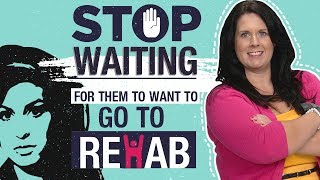
Amber Hollingsworth (YouTube creator) reflects on the Netflix documentary about Amy Winehouse and argues that the single most important factor that might have saved Amy was unified family insistence on treatment. She highlights two documentary moments: (1) a manager/ friend confronting Amy and demanding she get help, and (2) Amy refusing treatment after her father reassured her she didn't need rehab and later saying you can't force someone into rehab. Hollingsworth emphasizes that addiction is a disease that often prevents the afflicted person from 'deciding' to get well and urges families to get on the same page. She closes with a resource link to hopeforfamiliesrecoverycenter.com and a subscription request.
Questions this video answers
Amber Hollingsworth
August 7, 2018
hopeforfamiliesrecoverycenter.com
Chapters
So I got a little extra bump in my hair today, if you can notice. I had to actually move my camera up higher to fit all this hair in. And I've got it in there because today I'm going to talk about Amy Winehouse and the one thing that could have saved her life. So most of you should know who Amy Winehouse is. She's a pretty famous singer that died not long ago at a super young age. And one of the songs that she was most known for was called I Don't Want to Go to Rehab. If you don't know Amy, she had a beautiful voice. I love all of her music. So check it out. Even I don't want to go to rehab. Still love that song, even though I am rehab. So, anyways, over the weekend, I decided to check out the Amy Winehouse sort of documentary story that was on Netflix. And I was watching it, and it really just sort of stood out to me that there was one pivotal, major problem in the story that really kept this girl sick. Now, as we were watching it, I was probably 20, 30 minutes into it, and then my husband started watching it, too, and he started really focusing on this boyfriend that she had, the one that she ends up marrying in the story. And it seems like, oh, he's such a bad influence. You know, he's a bad guy. He really took her down. And that's what my husband said. And then we got into this discussion and I said, well, yeah, maybe, but it's really told from her side of the story. But the video is really told mostly from looking at things from her point of view. And my guess is, yeah, she and this guy were definitely enabling each other and they were in it. But I don't think that that that was the main reason why she couldn't get sober and why she didn't live. The thing that really struck me the hardest was the part in the documentary where it talks about her friend and manager at the time really confronted her about her drug use and said, listen, I love you and I want to help you, but I'm not going to continue to help you unless you get some help. And he really sort of backed her into a little bit of a corner. She was really low in a bad place because it was. She was really on a spiral after a breakup with this guy. And she said, well, okay, you know, like, she sort of semi agreed. And I think they drive her up to the treatment center and when she gets there, and it says this in the song. So if you listen to the song, you can Hear this, what the song's about. And she eventually she says, well, I'll go if my dad says I should go. And so she calls her dad or her dad comes or something. And she, it says in the documentary, she sort of curls up like a little girl and gets on his lap and says, you know, daddy, you know, I don't need to go. And in the end, the dad says, you know, I think it's really more depression or it's about this breakup. And I don't think she needs to go. And to me, that was just so striking. The reason is because this happens all the time. The number one mission when we get new families and clients into our office and to hope for families is to get the family members, usually the parents, on the same page. Because if you got one little loose link in there, it's not going to work because the person will continue to run to them who will validate that they don't need treatment to. Now, yes, this girl was depressed and she was sad and she was grieving this boyfriend and lots of other things, but she was using massive quantities of substances. If this is going on, the person has a substance abuse problem. Yes, it may be triggered by other stuff in the beginning, but once you get to that level of substance use, it is not going to go away on its own. Not when she gets over the boyfriend, not with time. This is not a phase. This is a major drug problem that's developed into her only coping skill to deal with this difficult time in her life. And even later on in the, in the documentary, there's a. There's sort of a second point, another second super low that she's at. And you can hear the dad talking, and he says, he says something like, you know, we love Amy and we've done everything we can for Amy, but you can't force someone into rehab. They have to want it for themselves. And this was the second time that my gut just cringed because that could not be further from the truth. In fact, he says the person has decided to get well. Well, the very nature of addiction does not let the person decide to get well. This is a disease. It will kill you. It killed her in her 20s. It's tragic. Please don't wait for a person to decide they want to get help for themselves. It's not going to happen. There are lots of things you can to encourage someone to get help. And most importantly, everybody's got to be on the same page. For more information about how to get on the same page and what you can do to encourage someone to get some help, visit our website. It's hopeforfamiliesrecoverycenter.com and don't forget to subscribe for more tips on how to help a loved one.