Betrayal Recovery From Addiction-Induced Betrayal Trauma
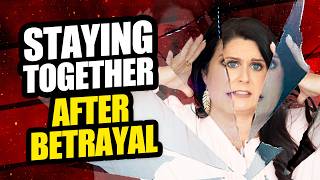
A YouTube talk by Amber Hollingsworth explaining how to heal from betrayal trauma when choosing to stay in a relationship. The video describes physiological, emotional, and relational effects on the betrayed partner, discusses how the betrayer (including those with addiction) experiences defensive and trauma-like responses, and gives practical guidance about support, boundaries, and difficult conversations needed for recovery.
Chapters
Today we're going to be talking about how to heal from betrayal trauma when you've decided to try to stay in the relationship. Of course, this is a very complicated topic, and we're going to be doing a deep dive. All the little things that have to happen in order to get back on track after a major deception or betrayal trauma has occurred. You know, typically we think of betrayal trauma when it comes to maybe a spouse who has an affair, which absolutely causes betrayal trauma. But betrayal trauma is also triggered by having a spouse or partner who has an addiction. If either one of these things is the case for you and you're deciding to try and work out the relationship, you've got a lot of pressure on you. Not only do you have your own self doubt, but you have the doubt of everyone around you, and maybe even your partner has doubts as well. It's definitely a murky, long road to healing, but it absolutely can be done. And the best place to start is to try to understand what you're actually dealing with. In this video, we're going to be talking about it from the perspective of the person who's been betrayed and from the perspective of the person who's done the betraying. As unpopular as this thought might be, because there's actually trauma on both sides, I know that thought isn't really going to be very popular, and I'm probably going to get some blowback for it. But it is the fact nonetheless. So let's take a look at it. Let's start by examining the process of what's happening to the partner who's been betrayed. When your partner, the person that's supposed to be your teammate for life, person that you've made vows with, the person that you trust more than anyone else, has deceived you in a big way, creates a major injury. Yes, it's actually an an injury. And this injury and this particular hurt impacts every aspect of your life. It impacts you physically, as in physiologically. Your body starts to change emotionally, relationally, logistically, environmentally. In just one moment. All these things can feel like it's turned upside down and your world is no longer the same. Your mind is spinning. You don't know who to trust. You're angry, you're mad at yourself, you're embarrassed. It's a whole swarm of emotions. And in order to make sense of them, once you understand the science behind what's going on with you physiologically, everything else is going to make a lot more sense. The reason they call it a betrayal trauma is because your body is going to respond as if you had incurred any other kind of trauma, like in a natural disaster or an assault or being in war, Your brain actually kicks into that same high gear process. In fact, almost immediately, your neurochemicals begin to change. You're going to get a flood of cortisol, which is your stress chemical. Cortisol is responsible for taking all of your blood sugar and rushing it to your brain so you can think clearly in a very stressful situation. It also slows down all non essential body functions like digestion. If you don't have to have it to stay alive in this moment, it slows all that down, puts it sort of in the background. And in the immediate, you're on high alert in order to keep yourself safe. Believe it or not, a breach in a trusting partnership like this is truly a safety risk to you. Humans need other humans safety and connection for survival. Just like you need food, shelter and clothing. These close relationships are also a thing that keeps us safe. And so when there's a major break in that, your alarm system starts going off big time. The other neurochemical besides the cortisol that's going to flood is neuroepinephrine. Now this is another one of those excitatory brain chemicals. And the main purpose of norepinephrine in this situation is to create a focus. So the cortisol is bringing the blood sugar to the brain and the neuroepinephrine is focusing your attention in like a laser, trying to understand, trying to make sense of trying to figure out your environment, what's true, what's not, what's safe, what's not. And then you pile on top of that a whole bunch of glutamate, which is an excitatory brain chemical in general. So if you just imagine these three brain chemicals flooding everything inside of you, it's like the alarm in your house when it goes off and it's just screaming and it won't stop. That's what it feels like to be inside your body when you're experiencing this. And it's not just in this one moment when you find out about the situation. These neurochemical changes can last for months. And eventually you might feel like your whole alarm system is broken. You're not even the same human being and you will never be the same person ever again. Just to add in a little bit more about what's going on here, your sex hormones will actually fluctuate and your thyroid begins to shift, and your behavior and your thoughts may feel like it doesn't make any sense to you. And it definitely doesn't make any sense to the people around you. One second, you may feel a very strong urge to actually hurt this person who hurt you to get vengeance, to make them feel the way that you feel. The next second, you may want them to hold you and tell you everything's okay and just feel a closeness. And to be honest, when all this is going on, it feels like you are losing your mind. And I guess in some ways, you kind of are losing your mind. But this is actually a natural survival process which is designed to keep you safe. So now that we kind of have an idea of all those physiological responses that are happening emotionally, you're going to feel all over the place. You may feel like you can't sleep at all, followed by times when you can't get enough sleep. Like I said before, your appetite is crazy. And because your brain is on high alert, you may feel an overwhelming need to search and find out the truth and ask a million questions and dig through phone records and bank accounts and clothing and wallets and ask questions of everybody you know that knows your partner. And not only are you trying to find out the truth about what they did, you're trying to find out everything about who else knew about it. Because a big piece of what's going on inside is you feel like you're an absolute fool. How could it happen? How could you not know this is going on? And, you know, everybody thinks this is about a loss of trust in another human being. But at the heart of the matter, what's really going on is it's a loss of trust in yourself. How could I have not seen these things? How could I have just let this go on? And when you're in that state, you start doing anything and everything to see all of the truth. And while on one hand this is a natural response, it is protective in nature. On the other hand, it can absolutely get out of control. And if you don't get to some sort of healing place, if you don't get it in check, it can and will take over. One of the biggest cravings that people have been betrayed have is they want to know every single detail. But oftentimes, this is a mistake. It is an urge. You want to know every single detail, but every detail you find out is going to become a new trigger for you. Sights, sounds, smells, places. And all of these triggers can bombard you on a daily basis. There may be moments where you function okay, where you can go to work, where you can put a smile on your face. Where you can seem like you're okay. The next minute you see something, smell something, hear something that reminds you of this betrayal and you may feel like you are losing it. There are going to be moments where you feel filled with rage and vengeance and you're angry and you just want to hurt someone back. And then there are these other moments where you may have the urge to just stick your head in the sand and pretend it never happened because you just want your life back and you don't want to deal with this mess anymore. Now that we have a little bit of context about what's going on inside of the betrayed person, I want to shed some light on something that hardly anyone talks about. There's not a lot of information out there about this because it's a not pretty truth. Over the course of time they have built up a lot of defense mechanisms and rationalizations about why that's happening. And when they get caught doing that, even if they say I'm never going to do it again and they, you know, they swear they'll never drink again, they'll never do whatever it is again, they'll never talk to this person again. Those defense mechanisms, those sort of like rationalizations, justifications and sometimes flat out delusional thoughts don't just go away immediately which causes re injury on top of already majorly hurt person. They may not stop drinking immediately. It may take a bit to get the brakes on whatever it was that is happening, which only spirals the betrayed person that much more. I can almost guarantee you that the betrayer has spent a lot of time convincing themselves why they were doing what they were doing and why it was okay and why the marriage was a mess anyway. They were telling themselves that they were just protecting you and your feelings or that they were just trying to keep the situation together for the kid, but they were just miserable and unhappy. It's going to take a while to come to terms with the truth for both of you. If you're in this situation, don't be surprised if your partner, the person who's done the betrayal, is still defensive, is still hiding some truths or still lying or justifying. Believe it or not, when they get caught in this, they actually are also in some sort of fight or flight response. And depending on their personality and how they tend to react to stress, it's going to be a big determiner on how they're going to react to this situation. Some people that fall more into the people pleasing category are probably going to be more immediately externally remorseful and regretful and Other people who have more of a fighter or an assertive type of personality may push against it. So when you confront them, even though they've done this big horrible thing, it may appear like they don't even care. It may appear like they're making it your fault or like they're acting like it was no big deal. Which is honestly like adding insult to injury here. But believe it or not, even in the passive person or the more people pleasing person, those ideas are probably still there. They're just not as likely to verbalize it. Now, eventually, as this whole situation unravels more and more, the person typically does start to come to an understanding about what has happened and the damage that they've caused. You know, if they truly do let go of contact with the substance or with the other person, the delusion will slowly start to fade back. And at that point they will be able to see more clearly the truth about what has happened. But even once they see it more clearly, because the betrayed person is usually in such a spiral, the other person, their alarm system is going off too. You know, if one person is on an emotional roller coaster, this other person doesn't know what to do. They're getting yelled at, screamed at, shamed, threatened, begged, all of these things. And they also are stuck in this sometimes frozen, sometimes argumentative response. And it is a long road for both of you to come out of the other side. Now the good news is, is if you survive this, you can come out the other side. And not only that, but you can come out the other side a better and strong person and even a better and stronger couple. This is going to force you to deal with some things that maybe you would have never dealt with otherwise. You're going to learn some things about yourself and about relationships that you never would have known had you not had to reach inside and do such deep soul searching. The person who's been betrayed, they have a need to feel safe and to feel heard and to express their emotions and even their anger. And the person who's done the betraying really, truly does need to be able to hear that, because if they don't figure out why they what they did, it could happen again. But if what you both want is to make it through this period and you've decided that you're going to overcome this, both going to have to be very, very strong. You're both going to have to endure some serious emotional uncomfortableness, some very difficult conversations that are going to require a ton of honesty, humility, and vulnerability. And you're going to have to fight against your own instincts. If you're the betraying person in the situation, and this has gone on for weeks and months, and your partner is constantly angry at you and they're yelling at you and they're threatening you and they're making you feel terrible, eventually you feel like, I just can't do this anymore. You may realize that you've hurt this person, but you think, I've hurt them to such a degree, they're never going to heal. They're never going to get better. We're not going to be able to get past this. And on the other hand, if you're the betrayed person, you may also feel like you're never going to be able to get over this and you're never going to be able to get past it, and you will never be able to trust this person again. You will both have to make a very conscious choice on how to react and respond. When your alarm system is going crazy inside, it may be saying fight. It may be saying run. And you're going to have to. Even though that alarm is going off, you're going to have to hold steady and think clearly about what is happening and why it's happening. And what does the other person in the situation need? And yes, both people have to make a commitment to doing this. This process is not for the weak. It takes a lot of courage to get through this. Now, I want to leave you with a very important piece of advice. If this is your situation, on one hand, you absolute need support people. You need people to talk to about what's happened both in your regular life, like a friend or a family member, but also clinically or professionally. But I want to give you a little word of caution here. You need to be looking for a person who understands the concept of betrayal trauma in order for them to really help you. And when it comes to friends and family members that you might choose to confide in, I want you to select these people carefully. It's important that you're not talking about this to everyone. Because if you're talking about this to everyone, your partner, no matter which side of this you're on, is going to feel betrayed. They're going to feel like you're spreading their your business everywhere. Both people probably feel very embarrassed and shameful about the whole situation. So number one, it's not something that you should probably share with everyone, especially early on. And the few people that you do choose to share this with, you've got to make sure these are really wise people. Because when you go to a friend or a loved one and you're in so much pain, their natural response is going to be they want to protect you. And sometimes because of that want to protect, they're going to be encouraging you to get away from this person. They're not going to be encouraging you to see things from both points of view or to really understand what's going on. They're just going to say, you know, get that terrible, awful person out of your life. I can't believe they did this to you. And that is a natural friend, family member response. But it's not always the most helpful, because if you've decided to stay, you may feel even worse that everyone's telling you to leave, but you've decided to stay, it's making you feel even more like a fool. Trust me, I have been counseling people for 20 years. And when someone is telling you something and they're in pain, you naturally feel very protective of them. And it's easy to vilify the other person in the situation. Believe it or not, no matter which side of the situation you're on, because both people feel like a victim here. And of course, when you talk to other people about it, you're going to be presenting your side of the story, which means you don't always get the best, most objective advice. So find someone who really understands this or is at least really wise. And when I say understands this, that doesn't necessarily mean just someone who's been through this. Because if someone's been through this, but they haven't done their own healing work, then they're just going to be projecting onto you their own experience, which actually just complicates things even more. Yes, it feels good to talk about it out loud. Sometimes it feels good to feel heard and understood, but be selective about who you bring in. If you go and you talk to a very trusted friend or family member and then they go and spread your business, how damaging is that going to be? It's going to crush you. You're already struggling with trust in yourself and with other people, and that is the last thing that you need. And lastly, I just want to tell you this, not a straight line to healing. There are going to be a lot of setbacks. It really is a process. There are stages to this, and there are things you can do to help get yourself on the other side of it. If you want to know more about this topic, then watch this video next where I actually interview a counselor who specializes in this very thing. Let's hear his thoughts on it. All you have to do is click the link above.
More from Amber








Addiction Turns “Me vs. Drinking” Into “Me vs. You” #addictionrecovery #addictionawareness

They Admit Everything Except the Addiction #addictionrecovery #addictionawareness

Stop Trying to Make Them Admit the Truth #addictionrecovery #addictionawareness