Dealing with Grief After Losing (or Leaving) an Addicted Loved One
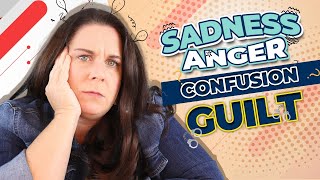
A YouTube live/talk by Amber Hollingsworth (Jan 5, 2023) about grieving losses tied to addiction. Amber shares personal losses (mother, grandparents), explains ambiguous grief and mixed emotions when a loved one suffers addiction, and offers coping perspectives (permission to grieve, self-forgiveness, setting boundaries/ultimatums, seeking appropriate counseling/support). The live includes viewer Q&A and community chat.
Chapters
Foreign. I've been asked to do a video on this topic many, many times. But to be honest, I've sort of purposefully avoided the topic. And there are several reasons for it. But I think the number one reason why I've avoided talking about grief related to addiction is because it's so complicated and there's so many different types of grief related to addiction that I was. That I. And I still am kind of worried that I couldn't give it justice. And I also worry some about saying something that's offensive or disrespectful because it is such a sensitive topic. And what I mean by that is I think I want to acknowledge that there, there are different sort of levels of grief here. You know, there's. There's the kind of grief you go through when you have to leave a relationship with someone who has an addiction. And that is a real thing. There's a grief there. There's the kind of grief you have, you lose a parent or a spouse. And then I feel like losing a child to addiction is a whole totally different kind of grief. So I feel like that's what I mean when I say there's so many elements of it and so many different sort of flavors and types of it that it's hard to do it justice. And I don't want to come across as saying anything that would minimize any. Any person's experience about it. But I will tell you that I have plenty of personal experience with this topic. I've lost several family members to addiction. Both my grandparents died of cancer directly related to their addictions. My grandmother had esophageal cancer. This was my dad's mom. And her esophageal cancer was for sure directly related to her drinking and smoking. I don't have a single memory of my grandmother without a glass of vodka in her hand. And one of the reasons why I don't talk about my family on here was because I also don't want to sort of disrespect them. Because even though that's true, still had a really positive relationship with my grandmother. Probably one of my most positive family relationships. She was the one that stepped in, like when parents couldn't do something or when I needed something. She was the one that sort of stepped in and took care of things. So I don't talk about those addictions on here a lot publicly just because I don't want to come across as portraying them as one sided because they're not. Now the loss that I have, that's most sort of directly related to addiction is my mom. When I was in my 20s, my great grandmother passed away. And so I had traveled. I was living in South Carolina, and I had traveled back home to Tennessee, which is where my family's from, for my great grandmother's funeral. And this is my dad's grandmother. But I was. I was there. I was attending the funeral, and my mom was supposed to show up to the funeral, but she wasn't there. And I didn't think a lot about it because my mom was sort of like, notoriously late for everything. And I don't mean like, like, I'm late for everything, but I'm like three minutes later, five minutes late. And my mom would be like a day late, like, late. She would miss event. She would be extremely late. So I didn't think that much about it. So the funeral, we, you know, he sits at the funeral, the service part and all that kind of stuff. And then, you know how you get in the. The line, the car line, to go to the. The gravesite. And. And they do that, that little ceremony and process there. I was in that line. They call it a perfect processional. I forget what they call it. Anyways, I was in my car. I was in the line to. To go to that part of the funeral. And I got on my phone, came up a call from my mom's husband. And I don't think he probably ever called my phone. So it was one of those things that, like, immediately before I answered, you just. Sometimes you just know. I just knew what he was going to say. And he said. He told me that my mom had passed. And I wasn't even. We're like. I was in the car. I was at the grave site, but we weren't parked yet. We're still sort of like driving, like, around the long, like, driveway at the graveyard. And I couldn't even, like, keep driving. I feel like I was holding up the traffic. I got in my car, I was like, sobbing. I had to, like, run up. I think my dad was in a car. Vehicle or something in front of me, and I, like, knocked on his window, and I was telling what happened. And then next thing you know, it's like, all of us were, like, out here in the graveyard sobbing. But we're not with the rest of the family, and everyone's looking at us. It was. Was pretty traumatic, terrible event. And then I can't remember exactly how, but we ended up at the hospital. They said, do you want to see your mom? And I did. And honestly, I wished I wouldn't have because it's one of those memories that gets, like, burned into your brain in a way that you wish you could forget and then you can't. It's like. Feels like a branding iron. Put it in there. My mom, I think, was probably 50 or maybe 51 or 52, early 50s, and she had a methamphetamine problem. I think she had different kinds of addictions throughout her life. She was. I always thought of her as the fun mom, the cool mom, the mom that most people wanted to have, because not only was she fun and she was cool, but she was also really pretty. My mom was like a hairdresser, so she always had, like, the cool hair. And me and my friends, we would, like, spend the day when she. When she was like, functioning addict and she would go to her shop and work. We would. We would show up over there on Saturdays and my mom would give people perms. This was back in the day when hair was like a big deal, right? When you had, like, the big hair. Back when you had, like, rave hairspray glued, matted in your hair and like, suave shampoo and conditioner and your shower. But my mom was cool in that way, and she would always give us, like, you know, like the highlights and the perms and the big hair and all that kind of stuff. So I had a pretty positive relationship with my mom. But as her addiction grew, she really started to sort of decompensate to the point when this was mostly, like, when I was in high school, she. She always dated, she had different boyfriends and this and that, but she had gotten a new boyfriend. She would stay going a lot. And to be 100 honest with you, I didn't think that much about it because I've always been pretty independent. Like I say, I pretty much raised myself. I think my family would tell you the same thing. I would. I would go to work. I'll find my own ride to work. I would go to school. I sort of, like, handled everything myself, so I didn't think that much about it. But she would be gone for days at a time. She would be home. There'd be like, her friends and people all around. And, you know, I remember you have to sort of step over passed out people on the floor to go to work and all that kind of stuff. And as crazy as it sounds at the time, I didn't think a thing about. Didn't occur to me that that was like a huge problem or that addiction was happening or anything like that. But apparently it was pretty bad. Because at the time, my dad lived in. He still lived in North Carolina, and he. I guess he knew some about what was going on, and he decided it was, like, bad. He was going to, like, have to, like, quit his job, move to Tennessee and, like, take care of us, meaning me and my younger sister have a sister who's a year younger. And he came. I don't. I think we, like, didn't even know he was coming. And he just, like, picked us up one day, and he just says, you're coming with me and you're staying with us. And it wasn't like I had a bad relationship with that. Like, I didn't. I had a good relationship with my dad, but I was pretty mad about it because I was in high school. You know, I had my routine, I had my friends, I had my job. I had all these things set. And I was pretty resistant to it, but I remember not having any choice about it. And later I found out that he had gotten a call from, like, Child Protective Services saying if he didn't come get us, they were going to come and get us. So it was pretty bad behind the scenes, a lot more than I realized. My dad was talking to me about it recently when I was back home for the holidays. I was back in Tennessee, and he was talking to me about it, and he was, like, talking about the house that we lived in and all the people in it and all the things that happened and stuff. And I said, to be honest, I don't really remember it being that bad. And he was like, well, I'm glad you don't. And maybe it was just because of my age and I had my own life going on. I was sort of busy and preoccupied in that kind of thing. I mean, the people that my mom were friends with and she had around, they were friendly, they were nice, they were cool, but they were definitely addicts, like, for real deal, hardcore all the way. And so eventually my mom took off with this boyfriend that she had had in, like, sort of like in the town over, and. And he made methamphetamine. And so I didn't really know all that was going on at the time. I'm from one of these, like, really small towns where there's nothing in the town. And sometimes those really small towns, there's nothing in town. There's a lot of math, and it was one of those kinds of towns. So she's married this guy who made methamphetamine, and I think the addiction went downhill pretty quick from there. I never had a Bad relationship with my mom. But looking back on it, she wasn't there. A lot of the time I didn't. Like I said, I didn't know it was that abnormal to not have your mom around, especially in high school because. Just because I was so busy and I'd always kind of taken care of myself. But looking back on it, it was definitely all right there in front of my face. Just couldn't even see it. When my mom passed away, I was pretty shocked. Like I didn't see it coming. Even though I can remember when I was in college, there was a day that my grandmother, her mom had called and said that my mom was having some kind of major medical problem and it was her liver. And still at the time, I didn't put. I didn't connect the dots. This is your girl, the one you listen to for advice on addiction. And I missed it like 100. Totally missed it at the time, whatever it was. They didn't talk about it anymore after that day. But it sounded pretty serious. Liver trouble. That's probably my most direct loss related to addiction. Like I said, I've lost grandparents related to cancer that was a result of addiction. There's a lot of ways you lose people connected to addiction. But my mom, they called it a heart attack, but it was pretty obviously and clearly related to her methamphetamine use. So. And even though I was an adult, thankfully I was an adult. I was my twenties, I was already. I was already a counselor. I was already working at like the psych hospital and that kind of thing. You still miss your mom, you know, Like, I think probably the time I missed my mom the most was right after I had my son. And it was like one of those times like where you're like a mess and you're like, dude, I need like somebody here. For me, I feel like that's the time that the grief really kicked in for me. But even having said all that, part of the reason why I reluctant to talk about grief is because I don't think that grief compares to what someone got through losing a child or even losing a spouse. And so it's hard to. It's hard to do the topic justice. What I can tell you about it is that the reason why it's so hard to get closure on the topic is because it's what there's a term for. It's called ambiguous grief. And it's. It's basically like grief that other people don't understand. Like normally when you lose someone, everybody sort of understands and they know what to do. And they bring you casseroles. And they may still, like, come over and bring you casseroles, but there's this awkwardness in the air about it. And you know what people are thinking, you know, and you know, people are thinking, you know, like, it's just complicated. Plus, it just feels so unnecessary, you know, Losing someone to addiction just feels like it just didn't have to happen. And so it's. It's hard. In addition to all of those things, usually if someone dies of an addiction or you lose them, even if you just lose the relationship, like going through a divorce or something, there's a lot of mixed feelings about that person. And when you lose someone and there's a lot of mixed feelings, it's harder to get closure on and get recovery from than when you lose someone like that you, like, loved solidly and you had this, like, really great relationship. That's terrible when you lose someone like that. But it's sort of clean. It's a clean blurry. And you know how you felt about the person, or if you just hated somebody's guts, it's a clean break. But when you have all these mixed emotions about someone, it's a little bit more complicated. And it just leaves you feeling sort of all mixed up. One of the things that I also know about grieving someone related to addiction is that usually, even though you don't know it, you start grieving long before you actually lose that person, like, for good. Because the addiction takes over and changes that person. And you really don't have your loved one in most cases, for years and years and years before, like, you actually lose them or you actually divorce them, or they're actually like, gone out of your life. And so it's this, like, slow, drawn out process. And it can also be complicated by the fact that it's like in some cases, they get better and they get worse and they get better and they get worse. And so it's like you have to lose them like 25 times over and over and over again. And it's just that wounding creates a lot of TR of trauma for people. Sorry, if my dog starts barking. There's probably like the Amazon guy or something here. I don't know. But I think that giving yourself permission, one of the big, biggest things to do is, I think, give yourself permission to let go of the shoulda, coulda, wouldas. Because that's one of those, like, pieces that feels uneasy inside, really, to the addiction. I mean, yes, you go through those regular stages of like, anger Sadness, depression, you know, acceptance, all that kind of stuff, deny, whatever. But the piece that just sits there, I think, when it comes to addiction is this, like, could I have done something different? Could I have said something? Could I have changed the situation? Or I wish I would have known about, you know, maybe you didn't know your loved one was in a relapse, or maybe you didn't know they had an addiction at all, you know, and it leaves you with this feeling of, I could have done something. And some people even, like, sometimes I'll get comments on my videos saying. From people who have lost loved ones. And they'll say that they're like, watch my videos, because it helps them process their emotions and it helps them think through, like, you know, maybe what went wrong. But I almost have like, this, like, pain in my heart when people say that. Because on these videos, I do talk a lot about how to get through to someone who's addicted. And I hate to think about, like, someone who's lost a loved one watching these and then it just hitting that button. Maybe if I, you know, would have had Amber's videos before, maybe if I would have said it this way, like, like she says, say it or didn't say this, things could have been different. Ultimately, you have to realize that addiction is a terminal illness. It's a terminal illness just as deadly and more deadly than all the other ones out there. But people just don't realize that. Even the people who have it, they just don't realize how serious it is. And I usually say that not only is it terminal, if it. It's. It's the worst kind, because if you have another illness and you like. Like, let's say you have like, breast cancer or something, you know, people have walks for you and they bring you casseroles and soup, and they take care of you, and you're like, you know, a. The hero of the little community you're in, all that kind of stuff, but when you have addiction, you're like the villain in the story. And so I usually say the. The worst thing about addiction is if you have it, this is not for the family, but for the person. It's not dying from it. It's everything that happens before then. And anyone who's been deep in addiction can tell you that because it brings you to this point that you don't even want to live anymore. Sometimes people do get like. Like they have thoughts about harming themselves. And then sometimes people just sort of get like, passively want to die kind of things where they Just are living very recklessly, and they don't. They really just don't care what happens to them. And they have, like, the secret thought sometimes that they wish they wouldn't wake up from the last bender or something like that. That's what's the bad part. It's everything that happens before you. Either, you know, you lose yourself or you live as you lose your loved one. Because there's so much pain involved in it. And I'm gonna say this because I know some of you out there watching this, feel this, and you feel guilty for feeling this. And you would never acknowledge it or say, out last. I'm gonna say it for you. But sometimes there's a release. Maybe once you. If someone passes away from the addiction. And I say that not to be mean, but when you've been on this roller coaster for years and years and years, and you literally feel like you've lost them a hundred thousand times, it's suffering. It's awful. It's terrible to have to, like, lose someone, get your hopes up, lose someone over and over and over again. It's not that way in every case, but it is that way in a lot of cases, and it's exhausting. And I know that you feel guilty for having that thought, but I want you to know it's a normal thought. In fact, it's exactly the same as, like. Like, I do remember my grandfather died. He. He died of lung cancer. And he was really sick in the end. And, you know, he's in hospice. And I remember going to see him, and I mean, he's just so sick, and he's just not even there. And he's just skin and bones. He doesn't even know who you are. And it's just awful. Watch. And any of you, and a lot of you out there have, you know, watch someone slowly pass away like that. And it gets to the point that you really just wish that it would happen, that they would go because you know how miserable they are. And you're miserable, and everyone's miserable, and it's just awful suffering. And most of us, when we think about that, we can kind of understand why a loved one would feel that way. It's not an evil thought. What it is is. It's this, like, this desire for relief for the person, for yourself, for other people. So I just want to put that out there because I know a lot of people feel that way. It's usually not that they only feel that way. That's usually, like, one of the feelings mixed in with a Whole bunch of other feelings. So it's not just like good reasons, you know, I'm glad you're calm. It's never like that. But there's a piece of you, if you've been on that roller coaster for a very long time, that does feel that way and that's okay. And it's a natural feeling. And the truth of it is, if you've gotten to that point of feeling like that, you probably lost your loved one a long, long time ago. I've, since I've done this for so long, I've definitely lost clients to this illness. And I've worked with families who have lost their kids to this illness. Some of these teenagers that I started working with early in my career, I've just known them and their families for so long. It's kind of like a natural part of, part of the process. And watching these parents struggle for years and years and years when it comes to their kid, it's just like this slow loss grieving process that sometimes lasts for 10 or 15 years. It's very, very painful. But if you can let go of the shoulda, coulda, woulda, even though I'm on here like every week telling you that you can influence, and I wholeheartedly believe that you've also got to understand that we all shoulda, coulda, woulda, and even me who like literally does this all day, every day, I mess it up. I all the time say the wrong things. I all the time don't say the right thing or miss my opportunity or get exhausted from it and just don't have the emotional energy to really rally around it sometimes. And you got to give yourself little grace on that. There's always a million shoulda, coulda, would us. So don't hold yourself hostage with that. You got to give yourself a little self forgiveness. And I think that will go a really long way in your healing process because that's that one little wound that, that just doesn't want to heal. And I think that happens a lot for people who, who lose someone not through death, but through like having to disconnect with them. Because sometimes like if it's a spouse, you have to like leave them. And sometimes even if it's your kid, you have to like let go of them. You know, I talk to parents who all the time who's like, haven't talked to my kid in two years, I don't even know where they're at, or three years or longer. And so that, that's a kind of loss too that you're constantly in this. Could I have made it different? And a lot of times that has to do with. Campbell likes to call it loss of dream. Especially when it's like, you know, your spouse or your kid, you have this vision of, of your life with this person and you have all these plans and ideas and thoughts and you may not like have your whole life planned out, but you have a general idea of, of your future with that person. And when it's turned upside down on his head, there is a grieving there. And it takes a while, especially if it's your kid or your spouse. And it's just very complicated, the letting go process. What I like to do now is hear from some of you guys about it. Feel free to share what you want to share. I know it's a super sensitive topic. If you are watching and you have any thoughts or tips or pieces of advice of something that helped you deal with the loss of someone related to addiction, please feel free to share that. Or if you know of good support groups or resources, I'd love it if you would share that in the comments and in the chat. Because a lot of people out there feel very alone with this topic. Because when you lose someone to addiction, it's hard to talk about it. Like you might talk about regular grief to people because, you know, you, you feel like other people, not so much that they, that they don't understand your loss, but more like like they might be thinking, honestly, this is a good thing because you needed to get some distance from that person, you know, and you know that they're thinking that and you know that it's hard for them to understand your complicated, mixed up feelings and emotions about it. And so it's hard. And having somebody else who, who gets it and understands that also helps you heal from it because just that connection of like, I get you and I see you and I know what you' through is pretty huge. All right, let's see who's here with us live. Hey, Jeremy. And is it Janette and Crystal from Vancouver, Canada? Nice to have you here. Crystal and Doula. Am I saying your name right? Duola. Crystal, first timer. Glad you're here. Nice to have you on the live. Vicki's here from South Dakota, Bambi and Pam. Hello, you guys. Catherine. And let's see here. Trey says you choose to do this video. And the day I realized the denial is too strong and I need to move on. And I think what you're saying there, Trey, is that you, you're kind of making this decision to take that final leap, you're. What you're saying is you're going to have to leave a relationship with someone who has an addiction. And sometimes you have to do that, and that's okay. And you got to give yourself permission. At some point, you got to realize you did what you could do. Even if you watched all the Amber videos, even if you've done everything at some point. I have to say, sometimes with clients, I did everything I could do. And you have to. And you have to be able to sort of let go, especially if it's dragging you down with them. At some point, you gotta let go, and that's okay. Hey, is it Ami? Is it Amy? And Angela's here. Nancy from Los Angeles. Hey, Anthony. Hope you had a good holiday season, too. Let's see here. Angela is from Istanbul. Well, that's cool. I don't even. I've heard of that, but I don't even know if I could point it to you on a map. So interesting to get to hear from people all over the country. Angela says she's from Istanbul. You're wonderful and brave. Discuss this. I have been following you for over a year. I have an addicted adult child. Big hug and thank you. Thank you. Thanks for watching. Angela, Teresa's here. Hey, Anthony. Thank you so much for the super chat. Totally appreciate that. Those are super helpful. It helps to support this YouTube channel and helps me keep making videos. And I appreciate all of you guys for every time you comment on a video and you like a video or you share a video or you leave a super chat or a donation or you're in our membership group. Anytime you do any of those things, it helps to support this channel so we can keep creating content and helping you guys and getting the information out there. Because I know that there is a giant, huge gaping hole, lack of help for people and. And just even lack of information to know what kind of help you need. Like, even if you could get help, you don't even know what kind of help you need. So we. We love being able to do this for you and appreciate all your support and love that helps us to do that. Debbie says, I lost both a spouse and a child related to addiction. I totally cannot get rid of the regret. Shoulda, coulda, woulda, cannot forgive myself. You really. You gotta look deep down inside and you gotta look at everything you did to right any. Anytime. You can always look back and say, I could have done this. I could have said this one thing. But think of all the things you try to do. I don't know anyone who gave up on someone at the first sign of distress. Like this goes on for years and years and years and it breaks your heart a hundred thousand times and you do the best that you can and you're a human being and you won't make all the right decisions. And in the end you can't control it. You can influence it. Let's see here. Star says my ah, is that addicted husband, alcoholic husband, doesn't give a rats patooi that he's killing himself with alcohol. He will say, yeah, I've heard that. I've seen it more than I've heard it. But yeah, I've heard people even say it out loud before that they don't care. The thing of it is that they don't acknowledge is that they're killing the people around them too. And so it's one people who are in active addiction who are really in it, they, they want to have this thought of they're only hurting themselves. But that couldn't be further from the truth. You're never only hurting yourself. That's just not. If there's someone out there that loves you, you're hurting them too. So I don't let people hide behind that I'm only hurting myself thing because that's, that's a no go in my book. Teresa says, Amber, that's exactly what my loved one said about people compassionate about cancer, but not when they see addiction. I think addiction is a cancer. It's literally a cancer that just not only just sort of erodes the person, but it just keeps spreading through the whole family and through the whole community like a parasite. It just takes everything from you. Let's see here. Heather says, when I was young, my mom's best friend's husband died from addiction. She told my mom that it was awful to say, but she finally had peace. I used to think how horrible, but now I get it. Yeah, because you live in such constant fear and terror and anger and resentment that it's, it's, it's exhausting. And the fear, the constant fear and the constant guilt, it just eats at you. And so it's like you, you know it's coming and you're constantly worried about it. And so finally when it happens, you're just like, okay, now I don't have to be scared of it because I've been scared of it for so many years and for so long, you know, every time the phone rings, you get sick. Every time, you know, it's just, it's just constant and it's okay. And you get exhausted. Tina says, I live with anxiety every day as my son is so deep in addiction, I feel so much guilt for following the tough love approach. Tina, what I would say to you about that is, as far as the tough love approach, there is a little bit of tough love even. Even in the Amber approach when it comes to allowing the natural consequences. That is some tough love. But you clearly still love your son. And so when I say, you know that I don't really like the tough love approach, the part I don't like about it is like the mean interaction part. Not so much the like, let them live with the consequences part. So I don't know your story, Tina, but sometimes, no matter what you do, all those difficult things happen to the person. Let's see. Catherine says she was addicted to heroin and fentanyl for 10 years. Just celebrated three years on the 1st. Hey, congratulations. That's a really cool sober date. First of the year. That's easy to remember and such a great, like, fresh start day. I love it. Congratulations. And I'm glad that you said that because we need to hear the success stories. Today is kind of sad. I'll try to keep it kind of positive. But I also do want to acknowledge the grief because I have been asked to talk about this so many times. Let's see. Jude says Nancy, also a person who's addicted to opiates, specifically fentanyl. Here I'm 19 and over a year sober. My mama being there for me, but also showing me some tough love is how I got through it. Thank you for sharing that, Jude. You're 19 and you're a year sober. Guys, you guys have to let Jude know how impressive that is. Getting sober at such a young age is amazing and impressive. And we're so glad you're here. Let's see here. Teresa says, I know all may not agree, but remember, Jesus never gave up on us. And I say, I don't give up on your loved ones. That's right. Sometimes even if you have to walk away from relationship, doesn't really mean you're giving up. It means you're saving yourself. It's like the whole they're drowning and they're taking you with them, but you don't give up. And you're not even saying, I'm done with you forever. But sometimes you do have to step back, and that's okay. Hey, let's see here. Hey, Mary Crystal. Cali. I'm slowly losing my dad, who's in his 80s, and I've been living with him for over five years, he's taken so many risk. He's verbally and emotionally abusive. I have to let him go. Right? It's that guilt that keeps you in there. It's that guilt that keeps you stuck because he's treating you bad, he's treating himself bad, and you're exhausted. But he's still your dad, and you still love him. And that's the thing about people who have addictions. They're not just. No matter what, they're not just all bad. They're complicated people. And they have wonderful sides of themselves. And that's what other people from the outside don't understand. They just see the bad part and they don't have any of the good parts. And so it's hard for them to understand why you can't just let it go and let the person just, like, go. But it's just. It's just complicated. It's not that easy. Pamela says, I grew up with a mother. It was emotionally abandoned us by spending her life chasing men. I had a first cousin, brother and stepfather pass away due to addiction. I'm glad you said that, Pamela, because a lot of times, like sex and love addiction really gets kind of, like, left out of the equation. And I know I don't talk about it a lot, but that addiction to a person thing, that's like the strongest kind of addiction. I think in February I plan to talk more about those topics. Because it's February. Stormy says, I lost the man I lived with 17 years. I had him move out, drank himself and just drank himself in. Just over a year. It was awful. Still is. Did you mean to say drank himself to death? I'm not sure if you did or not. It was 20 years ago. Hold guilt. He left me a letter all sweet and nice. I hope it. It brings you some at least peace, Stormy, to know that you know it. Obviously. He left you a letter all sweet, nice. So it tells me that he. He appreciated whatever it was that you did for him. And even though you had to leave, there was an understanding there. And he gets it. Probably. I'm just guessing, but that's my thought. Let's see. Just left my husband a few days ago. And it's perfect topic for me. Earthen. I think when it comes to losing someone because you had to leave the relationship, you got to give yourself permission to do that. It's. It's okay to save yourself. If you're in the burning building and you have tried and tried and tried to rescue them. And they will not come out of the burning building. You have two choices at that point. You can stand in there and burn with them, or you can get out and it's okay. It's okay to do that. I know I'm like, one of the only people out there telling you, like, you could do this and you can do that, and I feel like I have to balance that out for you guys. Let's see here. He left me because of fighting. And this is from Shawana. Let's put it up there, because it's long. He left me because of fighting. And after I called him on his substance use. He uses substances every day to numb and escape. Marijuana, alcohol, and. What is that, Phil? Spin. I don't know what that is. I. It was the alcohol that caused the fighting. I think he knows that. But now he's alone. I worry about him. I didn't find you until after the split a month ago. I'm going through a loss. I said, I wish I would have known sooner. I was dragging me down. I feel relief, but I wish I could have helped him. One thing, Shauna, about alcohol particularly, is sometimes they don't know it. It's just like this little different thing about people that I see. They're addicted to alcohol. Like, they literally. And marijuana, those are the two. But they. They literally don't know that it's the substances causing all the problems. They. They really, for real, think it's everyone else. Like, a lot of times, some of the other addictions, they'll say it's everyone else. You know, they'll make you feel guilty, and they'll put it on you, and they'll try to tell you it's you. But they come. They know deep down. But alcohol, marijuana. Marijuana is that way because it affects you so slowly over such a long course of time that you. You don't realize that that is what' the problem. And alcohol, because you don't remember how bad you are. You literally. You have all these gaps in your memories, and you don't know how your act, and you don't remember the whole full story. All you remember is you felt good and everyone else was on your case and being crazy. So sometimes when it. When it comes to those two substances, the person really doesn't know. And you know how I know that? Because when they come in my office and they tell me their story from their point of view, like, they literally have no clue. It's crazy, but I see it over and over and over again. Hey, Amy from Syracuse. Let's see here. Jeremy Says that his partner is addicted to meth. Doesn't realize how dangerous it is. Each drug has addiction, is addiction, but each drug has its own little, like, idiosyncrasies that are. Are unique to it. And meth addiction can be so scary to me because of the paranoia and because of the delusion that can go on for days and days and days. To me, it's. It's scary. It's like, dangerous in a way that some of the others are not. Hey, Pamela. There's two Pamelas. Hello to both Pamelas. Let's see here. T. Robertson says, I'm tired of being sucked into the cycle. Detachment, grief, and then hope. When they say they want to change, but they don't, it's torture to grieve again and again. And, and I will say this to you. T is a lot of times when, when someone said that a million times, it's easy to start to think, like, they, they just said it and they never meant it. But to be honest, a lot of times they mean it when they say it, and they just are in denial about what they need to do or they don't take the steps. So it's not always that they don't mean it when they say they're going to change or they want to get help. But if they don't take the right steps or they know what steps to take or they're unwilling to take, you know, the actions they need to take, then it just doesn't work. But it feels like when you're the person on the other side of that feels like that they never even intended. They didn't even try at all. But a lot of times they mean it in their heart when they say it. But you gotta, you gotta have that action right after or you're not going to get anywhere. Pamela says therapy helps to EMDR if you have PTSD from it. Find someone that understands the disease and grief. Yeah, sometimes. Sometimes I get, like, the question, like, from family members, like, who are processing their own feelings about it. Maybe they're dealing with, like, like Pamela's saying, like their own, like, trauma reaction to it or just their grief to it. And they say, you know, what kind of counselor should I find? And I always say, find a substance use counselor. Not because the person, like the family member has substance abuse, but because, like, you're going to be talking to a person who's going to understand exactly what happened and you won't even have to tell them, like, they're going to understand the dynamics of the situation without you having to say a whole lot. And that just helps when someone gets it because it's a different kind of thing. Let's see here. Teresa says the ones I know have the most loving hearts with compassion for others. Why do people put a label on the evil of addiction? Well, that's a good. That's a good question, Teresa. Why do people put a label of evil on addiction? Because addiction will make you do evil things. I don't want to sugarcoat it, and sometimes people get mad at me for saying things like, you know, lies that people's addictions tell. But let's just be real here. The person is not evil, but addiction will make any person do bad things, and no one is immune to it. If you are addicted to opioids and you are sick enough, you will steal, you will lie, you will hurt the people that you care about. And so there is. There. There is a level of. And when you say evil, it's kind of like a religious word, but there's a level of badness involved in it. Not because the person is bad, but it will cause you to do bad things. And I'm not going to sugarcoat that or, or shy away from it. Yes, I, you know, I feel bad for the person. I know it's an illness. I little. I literally have spent my whole life helping people have addiction. But there's. There's an evil and evil people that are in recovery, they'll tell you that there's an evil. They'll tell you that when they get on the other side of it and they're being honest. Let's see here. Shawana says if they don't know it's the alcohol, how do you tell them so they understand? Great question, Shana. You do not tell them directly. What you do is when you stop engaging in the screaming and the yelling and the fighting and the power struggling, and you just let them do what they're gonna do. It's kind of like you just. It's kind of like someone's yelling at you and you don't yell back. Like, pretty soon they realize that they're being kind of ridiculous. It's kind of like that, like, stepping back out of the way is usually. Is usually a way that they're going to see it faster sometimes. And I don't necessarily recommend this, but some family members have recorded the person so the person can see what they're like when they're drink. But you really need to think long and hard before you do that about, I don't know, your person and sometimes that is not helpful and then sometimes it is. So you have to think, you have to think hard about that. But don't try to force them to see it. Stop distracting them from it and they'll see it faster. Let's see here. Sober Living Builders, Private ministries. Hey, Sober Living builders. My ex would pretend to be the victim. She has anxious attachment style and she is medicating herself to death. Yeah, most of. Not all the time. Not 100% of the time, but I would say like 90% of the time. Addiction really fuels on this like swirl of resentment and self pity. It's kind of. It's the way the person justifies to themselves continuing to make a bad choice. It's the way they make it. Okay. And it kind of like gives themselves like emotional permission to continue because it's like I can't help it because. Or you may be because. Or this isn't my fault and I suffer too much and I have to have it. You know, there's this sort of victim thinking involved in. It's there usually 90% of the time. Occasionally it's not, but almost always it is. Hey Jenny, thank you for your kind words. Brenda says it's a long one, so I'm going put it up here. My son refuses to speak with me because I told his ex wife not to give his daughter's address to him. He had a substance. He had substance abuse psychosis and got really bad but is better now. I really want to give it to him but could lose my relationship with my granddaughters. It's really making me so sad not to have contact, but I think I should have it. But looks like there's a continuation there. Let's see if I can find it. I don't see the rest of your comment. It just kind of dropped off. So your son refuses to speak to you because his ex wife. Let me see if I get it right. Because I was told by his ex wife not to give his daughter's address to him. Okay, so. So your son is divorced and the wife told you that you weren't allowed to give him the address. Yeah. And that, that puts you in a terrible bad spot. Right. Because it makes you the villain. And, and I usually say, Brenda, stay out of the villain role as much as possible up into the extent of. When it has to do with safety and this. If it has to do with safety and you're dealing with your granddaughters, then that comes first. And that's how you, you make those decisions. So you, you've made the Right decision. Even though it's a hard one and it doesn't feel good. Mary Kay, can giving an ultimatum push my spouse to get help? Or will they lie and say they will get help? Great question. I'm going to pop it up here. I'm going to tell you my response to that. Somebody asked me that on one of the consults I did this week. One of the phone consults I did this week. Somebody said, you know, they were talking about their spouse, and they said, you know, I see all these other people who, like, finally tell their spouse, that's it, you either quit drinking or I'm out of here, you know, or you quit using or whatever it is, you know, and she's like, and. And it seems like some of them turn around, like in my doing the wrong thing by not doing that. I thought that was a. That was an excellent question. And here's what I told her. So I'm just wanting to tell you, America, here's what the person is going to think. A lot of the times they may or may not say this, but a lot of times they are thinking this. And I know this because they sit in my office and tell me this all the time. By the time you say that to them, there's been so much fighting and arguing, and they're so mad at you and they feel like you're the bad guy that they secretly wish you would just leave. Terrible. Right? I know that makes you angry and it feels frustrating for you to say that because you're like, I'm not the one with the problem. But you are their problem. They, you know, they see you as the one that's causing all of their distress a lot of the times. And so does ultimatum cause a person to quit? Not necessarily. Usually if you leave someone who's addicted, their addiction would get worse. And I don't say that because I tell you to never leave, because that's not what I mean. Oh. I'm just saying that's the facts of it. And so what I told the person on the console is this. Sometimes it does come down to. And it's really not even an ultimatum. It's like, I can't do this anymore. Like, you either get sober or I'm out. And it's not even like I'm threatening you. It's like, it's okay to say that when it is the dead called truth. And you are 100%, like, absolutely there. So what I told her is never give the ultimatum because you think it's going to push them into Making the right choice. If you get to that point where literally it's ultimatum for you, like, you can't take it anymore and you are just so done. Like, and it's not, you're not, it's not a punishment, it's just like, I'm done, then okay, say it. But, but you're not, you're not really giving an ultimatum. You're just telling them where you stand. You're just being honest with them. It's a different kind of thing when you get to that point, like, you're just done and you can't take it any more. So if you are going to say that, be 100 ready and to know that you're done. Don't like threaten it because you're saying I'm serious and, and not really be prepared because you need to be done and ready when you say it. The other thing I told her is as far as the chances of the other person getting better, if you do all the things I tell you to do and you gotten yourself out of the bag, I wrote and you've strengthened your relationship with that person and that addiction has continued and this has gone on for a long time and, and at this point they know it's not you anymore. And then you give the ultimatum that might work. And the reason is, is because if you give the ultimatum and they're still mad at you, honestly, they either don't care and they're secretly glad, or they blame you and they use it for a self pity. And I can't believe you left me. And you know, you weren't there for me when I needed you. And they use the self pity to fuel the addiction. But if you've done all the work into like the craft method, into all the things that I teach you and all that kind of stuff and then you say it, sometimes it does get the attention of the other person. But I still hold what I said. Like, don't say it unless you, like, mean it. Don't use it as a threat. It's not a threat. It's just like your truth when you say it. Jan says, oh, hey Cynthia, thank you for the super sticker. Appreciate that. And I think there was another one up there I didn't put up. I'm gonna go back and find that in just a second. Jan says, I use the craft method and smart recovery techniques on my son to confront him about his substance use this week and we are collaborating. He won't go to inpatient, but I'm hopeful. I love that you use the Word collaborating, because you used the word collaborating. Guess what? It makes me know that you really did use the craft and smart recovery techniques. Like the fact that he's collaborating with you on it makes me know you. You did it the right way and you did the work. And he may not do exactly like the. The nth level that you want him to do, but he's probably going to be willing to take a step, because that's what those methods do is they. They create a more collaborative approach and they help a person see it faster. Let me see if I can find that other super sticker, because I should have given some recognition for that. I know I put Anthony's up there. Oh, crystals. Did I put this one up here? Crystal, thank you so much for the super chat. I appreciate it and I didn't want you to think I ignored you. Thank you, thank you, thank you. All right, let's take a couple more comments while we still have a little time. Kylie says, I left my spouse over a year ago. He swears he has gotten help and is in therapy, so he thinks we should get back together. I don't feel like he's telling the truth based on how he acts. I don't know what you mean when you say how he acts, but I kind of do know what you mean. And what I say is when behavior doesn't line up with what someone is saying, you believe the behavior. Behavior tells the truth. Behavior tells the truth. And what people say doesn't always tell the truth. So if you. If it's inconsistent and you see this, but they're saying this, believe the behavior. Hate to say it, but it's true. Jan says I used MI to get him to accept therapy. Some of you may not know what MI is, so I'll tell you. It's actually a counseling technique and stands for motivational interviewing. We teach that as part of our invisible intervention course. It's literally like, how do I have a conversation with someone without fighting, without power, struggling. I call it like, pulling their out of them. Instead of you trying to, like, motivate them and tell them why they need to stop, you find their thing and you harvest it. And I. And I like motivational interviewing. And even though it's a counseling technique, it's not some big, complicated thing that you cannot pull off. And I'll. I'll remember to put it in the description after we get off of here, but I have a. A video that you can watch where I'm doing motivational interviewing with someone so you can see, like, how it looks and how the conversation works. And it's this great way of pulling that motivation. It's just so cool. Look at all my super chats. Thank you, Debbie. God, I feel special. Feel like a rock star. I feel like one of these, like, gamer YouTubers or something. When I watch my son, he watches the gamer YouTube. Sure, used to. And I used to see all the super chats flying everywhere. Let's see. Star says, my husband is about being the professional angry victim. I use your methods and I'm experiencing success. He does blame me for a good deal of his problems. That, you know, it's kind of one of their magic tricks. They're pretty good at putting it on you, right? I. I hear you, Star. Thank you, Gloria, for the super sticker. All right, everybody, I hope you are having a great start to your 2023 new year. I will put more resources for you in the description, including that motivational interviewing video. Oh, and I forgot to tell you guys, we started this new thing. I don't think I told you all this yet. We, we've always offered, like, virtual consults for people. We don't do, like long term counseling, but we do like, like short term. Like what? This is my situation. What do I do? And we'll. And we'll sort of talk you through it. But we recently started offering even like email consultations. Maybe you don't need like a whole session or something, but maybe there's like a specific situation going on and you just want to talk to like Campbell the parent coach or Kim or me or something. He's like, okay, here's the deal. You know, what do I do? And those are really great for, like, specific situations. You need to make a choice or a decision. It's not the best thing to figure out, like, how to get you all the way through the process, like how to. That it doesn't do, you know, saying, emailing a thing and saying, how do I get my load out of denial? That's complicated. We're going to need some, like, conversations or you can do invisible intervention. But if you have a specific question, a concern, a thing that's happening you need to make a decision on, or you can't figure out which way to approach it or if you're making the right decision. Email consult might be the way to go. And you can see those on our website. If you go to, like, strategy sessions, they're there and we've been getting a few of them lately and they've been working out really good. So kind of cool, cool Earther and Soul child says, how can I get a session with you? I feel like I really need someone under most of my videos. And I'll put it under this one, too. There's a. A link that says strategy sessions, and it will tell you how to do that. And we also have other counselors that. That see people for different things. But all of us, even though I'm the one that usually sees the addicted person, I can still see a family member, camper can still see a spouse. Even though we have, like, our little niches, we all see all the pieces, and that's what makes it work, because you got to understand all the pieces. All right, everybody, I will see you next Thursday at 1. And you can be on the lookout for a new video on Tuesday. Oh, one more super sticker. Thank you, Yvonne. You're so sweet. Oh, my gosh. I feel like a superstar, like a rock star up here. Thank you, everybody. I'll see you soon. Bye. Bye.
More from Amber








Addiction Turns “Me vs. Drinking” Into “Me vs. You” #addictionrecovery #addictionawareness

They Admit Everything Except the Addiction #addictionrecovery #addictionawareness

Stop Trying to Make Them Admit the Truth #addictionrecovery #addictionawareness