Exposing Jodi Hildebrandt's TWISTED Therapeutic Strategies
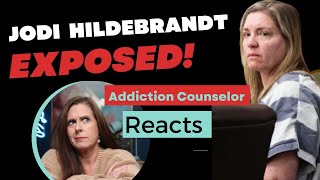
Amber Hollingsworth (host) presents a critical exposé-style YouTube video about Jodi Hildebrandt and her "Connections" program, contrasting some superficially plausible addiction-recovery ideas (accountability, confronting "distortion") with alleged abusive, punitive practices that reportedly escalated into child abuse and cult-like control. The video summarizes the Ruby (Frankie) case, raises concerns about coercive requirements (exclusive program participation, family isolation), highlights ethical/license issues (signing 'coaching, not therapy' waivers, mandated reporter duties), and offers practical guidance distinguishing healthy boundaries and empathy from punishment and control.
Chapters
Today we're going to be into a controversial topic. Now, this video is slightly different than my normal videos, but I've been following the situation for a while, and it's just come to the point where I feel like I have to weigh in on the discussion. We're going to be talking about the recent lawsuit filed against Jody Hillbrandt. And for those of you who are following, she is a licensed counselor who was recently, well, not that recently, a couple years ago, jailed for serious child abuse allegations. And not only is she a counselor, but she's an addictions counselor, which is why I wanted to take a minute to jump on here and talk about the differences between Jody Hildebrandt strategies and methods that are commonly accepted as good methods, like research, proven, good treatment strategy. I want to take a look at the difference because believe it or not, her concepts are pretty on target when it comes to addiction recovery. But there's a spot where they veer off track, and I want to explore with you where that spot is. So you can kind of differentiate between what she's instructing people to do or telling people to do and then what you would probably find it almost any other counselor's office, treatment facility. Anything else out there. Now, of course, there is lots of different models of addiction recovery. There are a lot of ways to do it, but there are some guidelines, some guardrails, if you will, about things that you do and things that you don't do. And I personally think Ms. Hildebrandt jumped the guardrails on many, many of these issues. Some of you may not be familiar with me. You may be coming to just watch this video. I don't always do true crime videos or reaction videos. Mostly this channel is about helping you understand the science and psychology of addiction and how to get out of it before you or your loved one hits bottom. But today we're going to be veering into this true crime lane, mostly because I have a lot of opinions about it, but secondly, because I follow a lot of true crime. It's kind of a side passion of mine. And when I hear about something that is so closely related to what I do every day, it naturally strikes a chord with me. So let's start by talking about some of her, some of Jodi Hildebrandt's main sort of philosophical ideas as far as how she does, how she does addiction treatment. Now, I'm getting this information based on lots of videos, lots of articles, lots of discussion, a lot of which this information came out related to the case that she was Involved in, with Frankie. And why can't I think of her first name, the lady from Eight Passengers? Basically, if you're, if you're used to my channel, you may not follow this part, but there was a really sort of well known family vlogger and her last name was Frankie. And she had gotten involved with this counselor, Jody Hildebrandt, who was pretty well known in the Mormon community and treated and helped a lot of families involved in that, in that like area and in that religion. And she got connected up with her and in the, There's a lot of things that happen. We'll talk about some of those. But in the end, what kind of broke this case into the media was two of Frankie's children were basically being locked up, held captive and abused. As in starved, chained, physically abused, emotionally abused, all the kinds. Oh, Ruby, Frankie. Thank you, Jennifer. Like I knew that and then you know how you blink out. I appreciate that. Thank you. And one of those children, the, the, the boy who was slightly older, escaped to a neighbor's house and asked the neighbors to call police and authorities. If you haven't seen this, you can actually hear this 911 call made by this neighbor. And I mean it is heartbreaking. It's like you're listening to this guy tell you, hey, there's this kid here, he needs help. And as he's on the phone with the operator, you can tell he's like figuring out what's going on. He's like, he's got marks on his legs, like I think something's happening. And you can feel the emotions start to well up in him just as he's like realizing right on this like phone call, oh my gosh, this is super serious. What happened. So as a result of that call, obviously this boy was given some help. And then the authorities went into Jody Hillbrandt's house, this big five million dollar house, and found the, the sister of this little boy sort of locked away in a room. And when you hear, I won't go into all of it because that's not what this channel about. But some really terrible, horrible things happened to those children. And apparently a few days ago there was a recent other lawsuit that was taken out by someone that is not in the Frankie situation, but another. This is done by a spouse of someone who's, this is the husband, ex husband, whose wife had gotten involved in this Hildebrandt community, which she called Connections. That was the name of her sort of treatment program. And he basically is filing a lawsuit because a lot of what Happened in the Frankie case is exactly what happened in his case. And that's what I want to sort of take a look at. What is happening, what are these families alleging happened? And if it happened that way, how does that veer off track with what. What is acceptable practice in the realm of addiction recovery? Now, the common philosophies that when you hear them on the surface, they don't really sound all that different, to be honest, Than what you typically hear about in addiction recovery circles, like accountability, personal responsibility, Learning to have healthy relationships. All of that is stuff that I talk about on my channel all the time. And you will hear any addiction program, Addiction counselor, whatever, talk about these things. These are common sort of ideas and philosophies. One of the biggest things that you hear in the connections program Is this concept called distortion. And what she means by distortion is sort of when someone gets. Distorts themselves and distorts the reality of a situation to other people, what she calls to manipulate or to deceive. And this is. This is where I think the whole thing gets tricky because it's sort of like there's a lot of truth in that. But then what. The way she's using that veers off out of the lane. Very, very similar to how you see, like, cults branch off from a religious group. It's like it starts in a mainstream religion and the concepts are there, and it's like, yeah, I can track that, track that. Following along, following along. And then somewhere along the way, it goes off the rails. And I feel like it's very similar here. So the. The underpinnings of some of the things she teaches, I think hold weight. And I think that there's a lot of truth in that, which is. Which is what makes it so easy for people to buy into. Right? Because you can read about addiction online, you can look at it, and a lot of these ideas really hold up. So it's not like it's so far out there that it would even grab your attention. But the further that these people that were following this program come along in it, there. There just becomes a divergence. And that's where I want to talk about where that is. Some of the things that she talks about with distortion, really, I think what she's talking about is what I would call a defense mechanism that people with addiction have where they. And there's several versions of it. But basically, there's a self deception that goes on when you have addiction. In fact, there's a self deception that goes on with any of us about A lot of things, a lot of the time. And in the Hildebrandt case, she's sort of taking this addiction recovery concept and she's applying it to all kinds of situations, which I don't necessarily disagree with. Just like I said, we all can sort of self deceive, we can all distort things, and most of the time we don't even realize we're doing it. Where it comes in with addiction is that it just happens a lot more, a lot more frequently. And those denial defense mechanisms are just sort of like the regular ones built up on steroids. So yes, those ideas, those psychological ideas apply to all of us. But there's, there's, there's a difference in the way that she is encouraging people to go about dealing with them. I think that's where the differentiation comes in. It's not so much that the concepts are that far off base. It's how she's recommending or I guess I wasn't there. I've not talked to her, so I should say allegedly, she's recommending or recommended for people to handle these situations. Her therapeutic interventions would differ greatly, I think, than pretty much anyone else that you're going to find out there. The way she goes about dealing with it is a lot of confrontation. And confrontation of itself isn't like completely foreign to addiction recovery, but this is like super duper heavy in your face for the purpose of like, calling you out and being like harsh with you. Confrontation. Whereas the word confrontation, in a therapeutic environment, it means something sort of different than maybe what you might think when you hear the word competition. When you hear the word competition, you might think like somebody get into a fight or start in a big argument. Therapeutically, what the word means is just that you sort of highlight the discrepancy between what someone is either doing or saying and what their behavior is. So if someone says, you know, my family is my top value, I care about them more than anything else. A counselor might come in and sort of highlight, gently highlight or help the person see where their behavior isn't necessarily aligning with that, or some of their behavior isn't necessarily aligning with that. And the purpose really is to get a person to see, to kind of confront some cognitive dissonance that's happening and see the truth. Like I said, we can all do this. We can all rationalize and justify and minimize. It's a human experience. It's just that when it comes to addiction, it just happens a lot more frequently. And because it happens a lot more frequently, it begins to where it's happening sort of all the time, and you end up dealing with someone who's in later stage addiction. They really are almost sort of delusional. Their ability to see the truth and reality around them is quite distorted. So in that realm, I absolutely agree with her. It's this confrontational way that she's recommending that these families handle it. And not only that, but the allegations say, I don't know if this is true, but I kind of think maybe they are. But that's just opinion. That a lot of these people that she was deeming had addictions. A lot of them were husbands, which that's not common. I see a lot of husbands myself, but I'll see a lot of wives and other people too. But that these husbands had addiction addictions. That some of these husbands are coming out now and saying, that's not even true. Like, there was not even any evidence of that. Like, it was like completely fabricated, her saying, I had these addictions and then telling my family basically to disconnect. A lot of these women who were involved in the Connections program were advised to, or allegedly were advised to basically separate from their husbands and have their husbands leave the home or them leave the home, and to have very minimal contact with the husbands and have the husbands have very minimal contact with, like, the kids, if there's kids in the house and all that kind of stuff. And the. The part where it kind of veers out of addiction counseling land into cult land is there's a lot of allegations around her saying, you can only listen to me. You cannot see any other therapist, you cannot do any other program. And she would advise these families to say to their loved one who supposedly had addictions, maybe they did, maybe they didn't, that if you don't sign up and pay all this money for Jody Hildebrandt's program, then I'm not going to be with you. I'm not, you know, I'm going to keep you from your kids, all this kind of stuff. So it's basically kind of blackmailing them, I guess, if you will, into a specific program. It's not completely unheard of for a family to say, if you don't get help, I'm moving out. Right. Like, that's not crazy. But to say that you have to follow this specific program, you cannot go anywhere else. There's even an allegation that's like, if you go anywhere else, then that's it. You're out. This sort of boundary that's being set that Part is. Is way outside the norm. And I think that's. That's where I think it goes sort of into this. Out of the addiction counseling land, into cult land, Very similar to how some things go out of the religion land and into the cult land. Like I said, there's some underpinnings that are similar, but where does it cross over? In addition to the confrontational style and this sort of dissociation with the person, there's this underpinning of punishment. And in the land of addiction recovery, boundaries is a huge issue. If you looked on my channel, I don't even know, there's probably 100 videos on boundaries because it's huge. It's a difficult, complex topic, especially when it comes to addiction, that you have to figure out, where are my boundaries versus what is trying to control another person versus what is trying to punish another person. And I personally, it's my personal opinion, feel like if what was reported is. Was really happening, what was happening was punishment. I am punishing you for having these distortions. And I want to remind you that most of the time when people have addictions, have distortions, they're subconscious. Like, they're not even aware that they're doing it. So it's not a purposeful misbehavior. It's something that happens in these sort of subconscious psychological defense mechanisms that are there to protect us against some idea or concept that we just are not ready to handle. And a lot of times that has to do with, oh, my gosh, like, I'm ruining my life, I'm destroying my family, I'm making all these bad decisions, and it's like a person's ego state just can't handle it. And so there's all these unconscious psychological mechanisms at play. So there's this punishment philosophy in Hildebrandt's culture, and that's where it comes in. And you might be wondering, where does that come in with children? I'm kind of wondering the same thing myself. Right. So she's taking these concepts from addiction and then saying, you know, children can go off the rails and they can distort, and they are by nature sort of evil, essentially, and you have to set them straight. And the way that she's encouraging parents to do that, the parents that were in this program was by punishment, either physical punishment, the kind, you know, that's really not punishment, but has the. A word involved, you know what I'm talking about? And. Or love withdrawal or isolation or neglect or withholding food shame, all these other sort of tactics. And I don't care what kind of counselor you are. And she was a licensed counselor there. Everything in every research, in every literature and every book that you could possibly get a hold of would tell you the opposite of that is what you need to do, whether it is with someone who has an addiction or a child who's off track or something. Especially with a child who's off track, okay? Like, pretty much with everybody, but a million times more with a child, you do not go about it that way. Even if your child is struggling, even if they're rationalizing, even if they are distorting, you do not punish it out of them. That is, number one, is harming the child. And number two, it's not from a counselor perspective, it's not likely to get you the results that you want at all. Right? It's likely to get you more lying, more distortion, more defense mechanism. And it can feel like it works because you can kind of force compliance sometimes, but you can't force force like recovery. And you can't force these lessons, as she would call it, onto these children. There is no circumstance where you need to be starving a child. None. There's no circumstance where a child needs to be locked up and away from anyone else. I mean, it's just wild how far that you can get. And the biggest thing that I want to get you to hear is, yes, there is such a thing as distortion. And this case of Jody Hildebrandt is probably one of the most severe cases of distortion that I've run across that I hear about. So is it a thing? Yeah, it's a thing. And she has it the worst. And not only does she have it the worst, but she's out there, like, preaching basically this same thing to other people, and then they're falling into these distorted views and. And basically being brainwashed that this is the only way to help their children, this is the only way to save their families. And in the end, you end up with a. Who. Bunch of wives who have made their husbands leave basically, and are saying you're not falling in line with this program, then you're out. I do want to talk just a minute about the. The lawsuit specifically. There are some things I understand about it, and I'm not a legal expert, and there's some things I don't. So I'm hoping that you guys can weigh in and help me with some of this. There's something in the. The lawsuit that's filed about that talks specifically about how Jody Hildebrandt has a counselor license but when you came, when you come into the Connections program, you have to sign paperwork that says that basically that you acknowledge that this is not psychotherapy, this is not counseling, this is basically life coaching. And in the lawsuit, basically the person is saying, and this right there should be your giant red flag. And that can be kind of gray. It's not, it's not out of the realm of possibility. It's not even that uncommon for licensed counselors to maybe decide that they want to do some like, coaching and not counseling. In fact, I've done that and I can explain more about that and why someone might do that. So. And then if you're doing that, then, yeah, you need to have paperwork and you need to make sure people understand, hey, this isn't counseling. Here are the rules of the game. Here's where it's similar, here's where it's different. You need to explain. It's called informed consent. So the fact that she would have people sign paperwork like that, that the fact that she's saying this is coaching and not counseling, those things are not abnormal or outside of the realm. I wouldn't say. Sometimes you might move from counseling to coaching. Well, there's a number of reasons. I can tell you why I've done it. I have a counseling license in South Carolina and I have a whole 20 years of history of treating people and families who have addictions. But several years back, I started making YouTube videos just sort of teaching people about the science and psychology of addiction. And because of that, now a lot of what I do is really just short term consultation, like as in someone makes an appointment, says, hey, here's what's going on with my situation. What do you advise, what stage of change you're in? Which is really is very different than like counseling, where you're getting into like diagnosis and you're getting into childhood issues. And it's just a lot different than coaching is more based on growth and it is more directive. And so there is a difference. It's not uncommon for counselors to do that, to kind of go from one realm to the other. And when you have a license, it is important to differentiate. So I don't really feel like that in and of itself is so far out of the lines. It's more this part that's not necessarily in the paperwork, that's this underpinning of these messages of you can, only if you don't follow this philosophy, your family's going to be gone. And this is where people are being held hostage. Now, I can relate to this topic so strongly because not only do I see people who have addictions, but what I do really is deal with families who have addictions. So I'm very well versed in dealing with the person who has addiction and their family. And it can get messy and it can get complicated. And so in our practice, the way we deal with that is we have coaches or counselors that deal with the family, and we have coaches and counselors that deal with the person who has addiction that way. Both sides are represented. Because a lot of times in these families, there is a huge divide. There's a lot of he said, she said. There's a lot of disagreement about what's going on and who's addicted and how bad it is and how it's being handled. And it's. It is very important to be able to have your own safe space to work through these issues. And so when you're getting into this complexity of she's treating the person that has addiction, but also treating the family member and then telling the family member to basically out this person, that's where it can get kind of complicated. It's not completely unusual for someone coaching or counseling a family member of someone who has an addiction to say, hey, I think you might need to set some healthy boundaries and to talk to the person about where those healthy boundaries should be. And in incidences where a person's addiction is causing harm to the spouse, causing harm to the children, like a completely not okay situation, then you may. Yes, that you may need to distance yourself from that situation. But the way it's being used here is more like punishment, blackmail, being held hostage. Do what I say or else. And if you look on. On the channel where I talk about boundaries, the concept of do I stay or do I go? It's a big one. It comes up. We talk about it a lot. And here's what I say. There is a point that you have to distance yourself for your own mental health, for your own safety, for the safety of your family. You just got to do that. But. But removing yourself from the addicted person isn't necessarily what the addicted person needs. So you kind of have to separate. Why am I doing that? I'm doing that because if I don't, they're going to take everybody down with them versus I'm doing that to teach them a lesson and to show them that I really mean it, and they better get their act together or else. And I get the impression that it was more along those lines in the Hildebrandt connections. I want to Call it a cult, because that's what it feels like it is, right? It's. It's what she's calling boundaries. But what in reality is punishment and controlling behavior? And it can be a little bit hard to differentiate when you have a loved one who has an addiction, where's a boundary? And what is controlling addictive behavior? And it's more complicated than this, but I'll give you a simple formula. But basically it's, you can draw boundaries for yourself. I like to say you can put a fence around your backyard. Your neighbor's not going to like it if you put a fence around theirs. So you can say what you will or won't do. That is called a boundary. Right? When you start trying to tell someone else what they can and can't do, that is called a rule. And when you throw out what you're going to call a consequence of that, it's really a punishment. Usually if this, then this is the most of time people use the word consequence, but it really is a punishment, then that. Right? So, for example, a difference might be if you, if you come home intoxicated and you're putting me and the kids in a dangerous situation, then I'm going to remove myself from the house. And if you don't figure out how to deal with it, then I may have to figure out something completely. Right. That is completely different than if you don't follow these exact rules and you don't do exactly what this specific person says, then I'm not going to talk to you, you're not going to talk to your kids. And I don't know if this was said. This is just me kind of deciding it. But it's kind of interesting because these women would sort of like have their husbands move out or leave their husbands, but they wouldn't divorce them. And I think this is interesting. I have no idea if this was like encouraged it this way or happened this way. I'm guessing it was encouraged to do it this way because if you divorce them, they get to go to court and then they get some kind of custody rights. If you're just sort of blackmailing them and you. And you have them leave, they don't have any custody rights. And if you're saying if you don't do all these things, you're basically, you don't have any legal protection as the partner that's been kind of put out there. Right. You don't have any ability to say, it's my weekend with the kids, or you're doing this, or you're not doing that if you're not divorced. And I've seen families in this situation. A lot of times families are in that situation because they really are trying to work it out, right? And they're trying to figure out how to get better or how to find our middle ground. But I think in this circumstance, it was pretty purposeful, right? It's like, just keep them out there, and then you're holding all the cards. You're controlling all of it. Just sort of like leaving them on the hook of, well, we might get back together or it might get better. And you have to follow all these rules. And like I said, there's just no protection for that. The isolation of people, the punishment of people, that you have to do it my way, and that's the only way. All of that is where it jumps the rails. And I hope that if you're in a situation like this where you maybe you or you have a loved one who's struggling with addiction, it really is important to understand the difference in these two things, because you can get pulled down the wrong path. I'm not sure why this happened. I don't want to give Ms. Hildebrandt any kind of diagnosis. Obviously, we can all jump to some conclusions there, but there definitely seems to be themes of power, control, and money. Right. And there's a force around that that when you have a license, there are a lot of protections against that kind of thing. When you're a counselor, you're actually what's called a mandated reporter. You have to report any kind of abuse that's going on. And in this situation, not only she's not reporting it, but she was encouraging it and doling it out. And that's. That's where it really sort of went off the rails into cult land and out of addiction help land. There's also a. The. The religious undertones or overtures around all this, I think, also played in to the situation. And then when it comes to the Ruby Frankie case specifically, I have no idea. This just total speculation. But, you know, she had that big YouTube channel, and she was sort of known for super strict parenting. And at some point, she starts getting a lot of pushback and flack and feedback about people being upset about the strict parenting. And I don't know where Hildebrandt came in, into the storyline. So it's hard for me to say, did Hildebrandt come in and that's where the strict parenting originated from, or was that already going on? And then, you know, Ruby's trying to Justify. Right. Distort her own parenting things, and then she finds Hildebrandt. And if that's the case, you can see why this would be like the perfect lineup, right? It's like, now I have found somebody who's going to give me the therapeutic backing for why not only do I need to be that street, but I need to be, you know, that times 10, right. I need to take that and turn the heat up on it by a million. So I don't know if it was originated with Hildebrandt. My guess is, is it was. It was already kind of there, and then Hildebrandt came in. Does anybody know. Does anybody know the timeline? I don't know the timeline. So it'd be kind of cool to hear if you're interested in this case or if you're already following it. There's a lot of good coverage out there. One of the channels that I watch a lot is Hidden True Crime, and they have lots of videos on this case. And one of the reasons why I follow that channel is because it's sort of made up of a husband and wife. And the. The wife, Lauren, is by trade a news reporter. So she has, like this great ability to tell the story, right? And then the husband is a forensic psychologist. And so when you bring those two things together, that makes for a really great channel. And so they have not just the story and the report of what's happening, but you can hear husband's name. They call him Dr. John. And then Dr. John weighs in about all the psychological parts, and they do it way more professional than I do it. And Dr. John just breaks out all the clinical terms and breaks it down for you. And they do an excellent job. So if you want to know more about it, follow them. And they follow a lot of cases, and they, they do really good work on all the cases they follow. This is just one of them. They got a lot of videos on it. Now, there's some things in this lawsuit that have to do with wire fraud and racketeering. And this is where I get in over my head. I don't really understand the wire fraud part. So I'm going to ask you guys, those of you that know, like, explain that part to me. Why what they're doing is it was wire fraud and how that charges in there and then this, like, racketeering. I don't. I don't even. I gotta be honest, I don't even think I really exactly know what that word means. Those are sort of legal words, I think, and I Need your help sort of pulling that piece of information, understanding into this storyline in this lawsuit, in a general sense. I over. I see what this lawsuit is saying is saying, hey, you are supposed to be a counselor. You are supposed to protect us and protect families, and you're like destroying families. You're abusing us. You are using your power to cause harm, which is pretty much the number one ethical thing, is cause no harm. And so when you're using your. I wouldn't want to say the word status, but you're, you know, when you're someone's counselor, people are looking to you to advice. So you hold a lot of power. Not control, but you hold a lot of power and influence over them. You have to be very, very careful with that. And that's why there are these guidelines in place to keep people safe from that. Because counseling or coaching is a very intimate process. And you. You do start to trust this person, and, and you're giving them advice, and you've shared all of your intimate, vulnerable details with them, and you trust them. And so there's got to be some guidelines in place to keep that power dynamic safe for people. And that did not happen in this situation at all. If you're watching live, I'd love to hear from you about what your thoughts are about this. If you're watching and you're like a professional, like a counselor, a psychiatrist, a doctor, an addictions counselor, social worker. If you're in. In this realm, I would definitely love to hear from you what your thoughts and feelings about this are, because it's a great example of what can happen when there's no guardrails in place and what can happen when someone doesn't respect and appreciate the power and authority that they hold and, and make sure that what they're doing is the right thing to do. Right. This person got way too involved in power, control, and looks like money too, but power and control for sure. I think also when it comes to, like, the religious thing, a lot of people who maybe are that religion, they feel like not only do they need a counselor, but they have to have a counselor that comes from that community. So that, again, I think is another realm of it has to be this person. And so it's another way that people feel like they're not other options. You have to go see this person. And I'm pretty sure if I understand, right, that a lot of people that maybe went to their church and said, I have this problem going on, they would say, oh, you need to go over and see this person who's a member of that church or religion or whatever. And so again, it's how do these people find themselves in such a vulnerable position and how do they fall into this? And they fall into it because these concepts are really pretty commonplace. Accountability, have healthy relationships, be honest with yourself. Those are like the basis for pretty much any kind of addiction recovery help. But when you throw the power and the control and the manipulation on top and the distortion, the distortion coming from the people doing the preaching, now we have a big, big problem. Hello to those of you who are watching us. I'm going to take a few questions and comments. If you're here, if you're watching on the playback, thanks for joining. And if you're new to this channel, hey, welcome. I'm glad that you're here. Definitely want to hear from you. Because if you're new here, it's probably because you're already following this case and you know a lot about it. So share your thoughts with us. Let's see. Hey, Jennifer. Hey, Anita. String cheese official. I think that might be the first time I've seen your name. Hello. Welcome. Jenna. Thank you. These are my, I call these my granny glasses. Appreciate that. Let's see. Addictive partner. Let's see. Here we go. Megan Dudek says, I think I'm saying your name right. I hope I'm saying your name right. My addictive partner is stonewalling for two months. Is this punishment? I think stonewalling kind of is a punishment, but sometimes people don't realize that that's what they're doing. A lot of times when people are stonewalling, they're telling themselves that they're taking the high road by choosing not to argue. Or they tell themselves, well, I just don't want to hurt your feelings, so I'm just going to shut down. And that's where I mean that these tactics, some of it can be punishment, some of it can be manipulation. But a lot of times people don't quite understand that they're doing it and the harm that it's causing. Now, if the person is giving you the silent treatment because they're mad at you and they know they're giving you the silent treatment, then, yeah, I would say that's punishment. It's probably punishment either way. But the difference is whether or not the person is sort of consciously aware that that's what they're doing and that it's an unhealthy defense mechanism versus subconsciously. You know, it's like a lot of times people are just telling Themselves. I just don't hurt your feelings. I just don't want to start a fight. They may tell themselves that I'm just putting up with this or not. They're usually mad at you about something. Right. And they're, they're shutting you off. They're shutting down either because they don't know how to handle the situation or because they're just very conflict avoidant. But. Yeah. Is it punishment? Probably. But does the person realize that that's what they're doing? I don't know. Maybe. See. Hey, Mary. Kathy says, thanks for explaining this. I was super confused as to why this mother would do this to her children. Yeah, because this is super far off the ledge. Even if, even if you're a super strict parent. I mean, this is way beyond being a super strict parent. I mean, this is not okay in anyone's book. Sherry says, I feel the punishments are based in anger, almost smacks of revenge. Yeah, absolutely. 100. The punishments against the spouses and then also the punishments against the, the children. And it's. It seems as though, I don't know for sure, but it seems as though it wasn't like the Frankie kids were the only kids. Like there are other kids, like people in the family that have come out and said, yeah, that happened to me. Other families are coming out and saying, yeah, that happened. And so it appears like it's not just that it happened to the Frankie kids, but it was happening and it was being encouraged as a way to, I don't know, get your children to act right. Just completely. Not only abusive, but just counter. It just goes against anything in any book, in any research, in any counseling program. Would never tell you to do that, ever. Let's see here we have a comment says we are all addicted to something and just can't admit that probably on some levels, most of us struggle with doing something more than we should. Right. Whether it's caffeine, sugar, looking at Instagram, playing video games. There's probably most of us on some level do something addictively. The way you officially diagnose it. Addiction isn't really a clinical term. The clinical term is substance use disorder. And there's. There's not really a clinical term for like those behavioral addictions. Most of us pretty much are on board with that and believe that, but it's not officially in the books when it comes to like, sex addiction, gambling addiction, gaming addiction, things like that. Really what we have is called substance use disorder. And that has to do with drugs and alcohol. And there's 11 criteria. And basically you count how many of those criteria you have. So you can have a mild substance use disorder, a moderate substance use disorder, or severe. So some we have things that we do that are probably unhealthy, that maybe cause a little bit of harm. Like maybe you look at social media too much and your spouse is always on your case because you're looking at. At the dinner table. So that might be one criteria of addiction, but without adding a bunch more, you wouldn't quite meet the criteria for like, clinical. Right. Addiction. But I think it's helpful to think like this and to realize, hey, we all have issues. Right? It's just a matter of the severity and having some empathy. Empathy is what heals, not punishment. Empathy given someone. If someone's really addicted, if you give them empathy and space, that is what gives them the best chances of overcoming addiction. Not alienating them, not punishing them, not humiliating them. All of those things. If what you're really trying to do is help someone with an addiction, do the absolute opposite. Now, sometimes someone has an addiction is so dangerous and unsafe, you need to get space from them. Right? But that's what you need, and that's okay. But that's different than pushing someone away basically as a punishment and isolation, thinking that that is what is going to help them get better. It doesn't. These are great questions and comments. Here's one. Is it Hannah? I hope I'm saying that right. How can help my ex realize he's got a drinking problem, has been reaching out? That's a good question, but it's a huge question. And it sounds to me like what you're saying is your ex probably has some level of denial around the drinking problems. If you go to my channel, there's a whole playlist on how to get someone out of denial. So I don't know that I can give you the answer super quick, but I can give you a hint. Right. I can tell you that it's not by direct confrontation. The more that you say you got a dream problem, you need to deal with this. You're running your life. You're in my life. The more you go at it directly like that, the more they'll stay in denial. Because denial is a defense mechanism that is protecting you from seeing something that you don't feel like you can see or acknowledge. Like it's too horrible to acknowledge. Right? And so if you're trying to make it seem worse and worse and worse, the person is going to cling harder to that defense mechanism. If you can respond with empathy that makes someone feel safe. And they're a lot more likely to start acknowledging it. Usually in little bits at first. Like they may say things like, yeah, I drank too much the other night. And then they may start saying things like, yeah, I need to cut it back. And if you can handle that with some good, like reflective listening skills, open ended questions, empathy, that's actually how you pull someone out of now. But you know, there's several steps to it, so you may want to check out those videos. Hannah says I'm very direct. Well, Hannah, this is going to be a good lesson for you because the more direct you are, the least likely they are to come out of it. As far as like trying to get someone to see something that they don't want to see. Because what happens is immediately, even if they kind of know you're right. As an instinct, when we feel called out and confronted and backed into a corner, instinctually, reflexively we start trying to defend ourselves. And the more someone either in their head thinks it or says it out loud to you, well, you don't understand because you know I have stress or I have anxiety or you don't understand, it doesn't even happen that often. It just happens every now and then or you don't understand, blah, blah. When they think this thought, which they will think when you confront them or they, or even worse, they will say it to you, it reinforces that in their own brain. It's a reflex. Think about something you've done in the past you got called out for. You probably know you're in the wrong, but immediately you're like, well, that happened because you're not, you're not looking at the whole story and you start defending yourself. That's why you can't come at it directly. It hits these psychological reflexes that actually cause people to. Again, further, late night says, as a spouse, do I have to wait for my significant other to take accountability for their daily drinking? This is a, this is a good question. And I'm thinking here, I'm trying to give you a good answer here. When it comes to accountability, I do think it's important that comes from the other person. In my mind, accountability is just means bringing things above board. Sometimes when people say the word accountability, they mean you pay the price for what you did. Like, for example, I encourage people who are trying to get sober to set up their own accountability systems. Like, like I encourage people to use, who have drinking problems to use something called SoberLink, which is an alcohol monitoring device, which I'm A huge fan of and is very successful. And I'll put the link in the description if you want to check that out. But, but when you use that accountability, something like drug testing, something like alcohol testing, it works best if you set it up as a preventative, not as I'm trying to catch you. And so there's a difference in the way that you work with someone to set that up. And I always say to my clients, I'm not trying to catch you. What am I going to do after the fact that you've done relapse? I'm trying to help you make the decision to not do that. And so if you know you're going to be tested or you know some, I'm going to ask you about it. A lot of times that keeps someone doing it, which is different than someone having to admit after the fact. It's not that. That's not ever okay. But it works a lot more effectively if it's preventatively. And, and I do think someone needs to be on board with that, otherwise all you're going to get is more lying, sneaking, manipulating, hiding, which is just going to keep them stuck in addiction even longer. But you can work with them late night. Like if you use some of the strategies that we talk about, like on the. Get someone out of denial. How do you talk to someone has an addiction? There's so many videos on my channel about this. Then you will actually. They will actually step into the ring and work with you. It's going to take a little time. Most of us get impatient and we just want them to see the problem. We just want to tell them what the problem is and what they need to do about it. I wish that worked. I've tried it. I still tried occasionally and it still doesn't work. So I wish it did, but it doesn't. But if you do it this other way, which is slightly slower, it actually takes better, so it'll stick. So if you haven't been to the channel, check those out. There's a lot of videos on it. Jen says, I have been distancing myself a lot lately. If I feel that I'm being treated in a disrespectful way, for example, name calling, yelling and threats, I will choose to remove myself and sleep in the other room. My addicted loved one says I'm abandoning him and isolating him and making things worse. How can I explain to him that I am not trying to do that? Is there a point in trying to explain? This is another really good question, Jen. And this Is very common. Right. And what you're doing, this is a healthy boundary of saying, hey, you know, if this person's intoxicated, they start acting nasty to me. I'm just going to separate myself. That is a beautiful example of a healthy boundary, which is your side of the street. You're not trying to control them. You're not telling them what they can and can't do. You're just saying, hey, I'm going to go in the other room. I think you can try to explain it, and I can give you some ways to do that, Jim. But it may not work, because it depends on, is this person just saying this to you as like a Darvo manipulation technique? And if you don't know what Darvo is, you can check that on the channel. But basically, it's like where they turn it around on you and make you the villain. Or like a gaslighting is similar to gaslighting technique. Are they just purposely gaslighting you, trying to make you feel like the villain? Or are they in. I hate to use her word distortion. That's not the word I would use. But basically, are they deceiving themselves and convincing themselves of that as a way of feeling sorry for themselves? Because that is sort of a defense mechanism that people with addictions and all people use, right? And they're just feeling sorry for themselves. So it's. Do they really believe it, or are they just trying to make you feel bad? I think that's the difference. I would try to explain it by saying, look, I know I can be really sensitive about this. I can be really reactive to it. And I don't think that's fair to you. I don't want to get into, you know, saying that ugly thing or trying to control you. So I just try to get some space for myself. That's the way I would try to explain it. That may or may not work. You couldn't be any nicer about it than that, though. Like, I literally cannot think of more nice way for you to do it. So I would try that. But realize that when someone has an addiction, Part of what they do is they'll start fight with you because it makes them feel more justified to continue their bad behavior. And so sometimes, no matter what you do, they're going to try to turn it into your fault. So at some point, you may just have to be like, you don't have to say this, but you can think, I'm really sorry you feel that way, but still hold your boundary, because this is a healthy boundary. Mary Says empathy heals. I love that most family members think that being kind is being codependent. And I think there is so much more than that. I am empathetic with the addict and also the other family members. It can be difficult. Difficult. Love this, Mary. You are spot on. And the reason why I say empathy heals, it's not even just because I'm a counselor and I'm all like, smushy and woohoo. I'm not okay. I'm pretty direct. Actually. Empathy heals because it soothes the part of the defensive brain, the emotional part of the brain. It calms it down enough for the thinking part of the brain to work. There's science behind this. So when you, like, even when your kid is little and they get themselves in a bad situation, maybe something bad happens at school or they make a bad grade and you just express empathy, they actually will activate the learning part of their brain. So there's a strategic, scientific reason why you're doing this. Now, empathy is different than enabling. Enabling is when you're fixing everything for them. Empathy is just being kind and understanding and a good listener. And there is a difference in the two. Right? But being empathetic does not make you codependent. It makes you empathetic or in some situations, strategic. I like to call it strategic empathy. It's not so much like you feel sorry for them, but you realize that this is the best way to communicate with them in a loving, kind way that fits with your values, but also in a way that's the most likely to get them to see the truth. Punishing someone, yelling at someone, trying to make someone feel shameful is the way to go about it. This gives them the least likely chances of seeing the truth. Sandra says getting into true crime. Good to see you. Hey, good to see you too. I know. It's like one of those things. I have to keep it under control because I'll get addicted with the true crime. I don't know why. I'm just fascinated with it. All right, guys, thank you so much for joining me on this special edition. I saw some new names here, which was super fun, and I hope to see you guys around again. I go live Every Thursday at 1 if you want to catch the live videos and we talk about these kind of questions and answers, and I'll see you soon. Bye, everybody.
More from Amber








Addiction Turns “Me vs. Drinking” Into “Me vs. You” #addictionrecovery #addictionawareness

They Admit Everything Except the Addiction #addictionrecovery #addictionawareness

Stop Trying to Make Them Admit the Truth #addictionrecovery #addictionawareness