Families Of Addicts - Don't Make This Mistake!
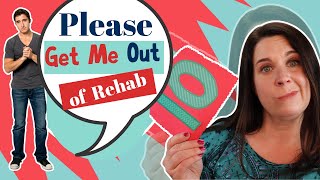
Amber Hollingsworth (Families Of Addicts) presents a spoken, practical guide listing the top 10 reasons a teen or young person in rehab will give to persuade parents to take them home. She explains each common excuse (e.g., "people there are worse than me", "they're just war-storying", alleged mistreatment, insufficient counseling, "I'm not an addict — it's anxiety", threats of self-harm, "I'm only in this for you", promises to do recovery work at home, cost objections, "I've heard it all before") and gives concrete parental responses: verify concerns with facility staff, prioritize safety, insist on accountability and stabilization before treating co-occurring issues, and avoid impulsively withdrawing their child from treatment.
Chapters
So in this video, I am going to give you the top 10 reasons that your kid is going to try to tell you to get you to bring them home from rehab. And the reason I'm telling you this is so that you don't make a very costly mistake. Okay, Reason number one, I mean, this one, I hear it all the time. I mean, this might be one of the all time most used reasons to come home from rehab. You ready? You're probably gonna get this one. They're going to tell you that all the people there are way worse than them. And all they were doing was, you know, like smoking some weed and taking a few pills. But these people here, they're doing heroin. They're like really hardcore. And if you leave them there, they're probably just gonna learn more bad stuff than they already knew. Parents, seriously don't fall for this. I'm not saying that there's not people there that are way worse than them, but what I am saying is that's possible. I guess they could find that and learn that there, but you're pretty much gonna find what you're looking for and. And if you're looking around for that, they're going to find it anyways. So statistically, you've got a better chance of having a better outcome leaving them there than taking them home. I promise you, they're not this saintly little angel that just doesn't want to be around these bad people. They're in rehab. They ended up there for some reason, right? Okay, number two, you might hear this one. Mom, dad, take me out of here. I mean, all they do is sit around in war story and brag about their drug use. I mean, how's that even helpful? How's listening to people talk about all the drugs they've used helpful for me to stop using drugs? Seriously, Come on. I guarantee you, if there's what we call war storying going on, which is sort of like glorifying the drug use, your kids probably involved in it too. Again, they're playing this like little I'm an angel. I'm delicate, vulnerable, and I don't need to be here with these bad things. I would not fall for that. In most programs, the counselor or facilitator, whoever's leading those groups, usually puts a squash on things like war storing. So, yeah, it happens because sometimes when you've been using drugs for a long time, it's like the only way that you know how to relate to your peers. So sometimes they will automatically fall into that kind of dialogue. But like I said the facilitator usually squashes that. Okay, number three is the one that might pull on your heartstrings a little bit. It's the one where it's like, they hardly feed me. They won't let me have this. I haven't got to shave my legs in three weeks. Some sort of, like, mistreatment. Now, this is really going to pull on your heartstrings, moms and dads. And if you hear this, I mean, definitely look into it. Because obviously you don't want to ignore something that could be a really bad situation. But overall, listen to your gut. What does your gut tell you? Did you go down and look at the facility? Did you see the other people that were there? Did they look like they'd been beaten or mistreated? Think about it. Now, sometimes facilities like this will restrict things pretty like minimally. But a lot of times that's part of the therapeutic process. Like, for example, if you sent your kid to wilderness treatment, which I call treehab, then they very likely are giving them a small supply of food and only a couple of outfits or clothes because they want them to sort of come to grips with what's important in life and learn to be more self sufficient because it really does build their self confidence. Anyways, there's a lot of reasons. All I'm saying is, if it's happening, there's probably a reason. And so talk to the counselor or the director and find out what's going on for yourself. Seriously, don't take your kid's word. You put your kid in rehab, which probably means they have a drug or alcohol problem. And if that's the case, then guess what? They are experts at manipulating their way into and out of situations. Oh, I really like number four. Because last week I was talking to the guys in our group about what did you try to tell your parents? Because I told them I was going to be making this video and one of the guys said, oh, when I was at wilderness treatment therapy, which is Treehab, again, he's like, I told my parents that they needed to take me out of there because they didn't have enough real counseling. I mean, your counselor only came out once a week and saw you for like 30 minutes. And he, he needed some real counseling. And the funny part of it is, if you knew this kid, like, he hated counseling, he would have done anything to get out of counseling. So he was just trying to figure out what to say that would make mama or daddy think, ooh, maybe that's not a good place Maybe they need to come out and talk to a counselor. Okay, let's have some real talk here for a minute. You really don't want a drug addicted kid to just be in individual counseling. The reason is because all your kids gonna do in individual counseling is gripe and complain and minimize what they're doing and blame on everybody else. The teachers, the parents, the stepparents, the world, whatever. They're gonna be the victim. And if you just have an addicted kid or an addicted person of any age in individual counseling only, chances are you're not going to get the result you want. Now, they might like it, they might feel better after they come out because they're going to present a very slanted story to the counselor. And the counselor is going to be like, oh yeah, and they're going to see their point, they're going to validate them. Which means they're going to be leaving even more validated in their story. Because I guarantee you, I am an individual counselor. I know I've talked to hundreds and hundreds and hundreds of young people with drug problems and they're going to tell you a very slanted story, which is why we don't even see young people unless the parents are involved. Seriously, would we ever get the truth? I don't think so. Okay, we're halfway through. We're at number five of the top 10 reasons that your kid is probably gonna tell you why you need to take them out of rehab. It's going to look something like this, Mom, I'm not really a drug addict. I don't have an alcohol problem. I'm just depressed, I'm just anxious and I'm just smoking the weed to deal with my anxiety. You've got to take me out of here and get me help for my anxiety. That's another one. Pulls on the heartstrings. Because it might even have a little bit of validity to it because chances are they probably do have some depression or anxiety. Maybe that depression and anxiety was there before and it's part of what triggered the drug and alcohol problem. Or maybe it came on after they developed a drug and alcohol problem. I mean, usually when you have these problems, you build a big giant mess of a situation. Kind of makes you depressed and anxious when you're flunking your classes. You know you're going to get busted for stealing money and all the other things you've done makes that anxiety real high. But sometimes there really is an underlying depression and anxiety issue. However, you can't treat those issues until you get the drugs and alcohol problems stabilized. You got to get all those chemicals out of the system because you. You could send them all day, every day to treatment for depression, anxiety, if they're still using drugs and alcohol. Not gonna get anywhere. I've got some videos on that. If you want some more information about how that works and why that is, make sure and check them out. Okay. Now, people, number six is, like the top dog ace card excuse. Reason that they're gonna tell you this one is hard. I call it emotional blackmail. And it's when the kid threatens to hurt themselves or threatens really bad to happen to them if you don't take them out of rehab. Now, this is truly emotional blackmail. And I've got some videos specifically designed to help you know what to do in a situation, whether it's at home or they're in rehab, telling you this about how to deal with it if someone threatens to hurt themselves or suicide or something like that. You always want to take this seriously. So for sure, if someone tells you something like that, you need to call up their counselor, the person in charge of their case. You need to communicate that information. So don't just think, oh, they're just saying it. It could be serious. I wouldn't let it make you yank them out of treatment, But I would tell you to have a serious conversation with the people that are watching over them. They'll increase the monitoring and watch out for safety. But honestly, most of the time when they say this, this is like they've tried every other thing, so they're just pulling the ace card out. If you haven't already watched David McNeese's video, you know, the one from GT? Watch his video. He totally talks about how he threatened to kill himself, told his mom if she didn't get him out of there, he was gonna kill himself. And he had already thought of a bunch of ways. Watch that video and find out how she handled it. Number seven, I like this. It's a classic. It's like this. The kid's gonna say, listen, you might as well take me out of here, because the only reason I'm doing this is for you, because you're making me. And I really don't want to anyway, and that's just gonna push me to use more anyways. And when I get out of here, I'm probably just gonna be worse off than I was when I got in there because I don't want to quit, and I'm gonna use anyway. So it's basically like saying, you're wasting your money. Take me out of here. Listen, a lot of times it's just a matter of days. These things that the kid's going to tell you are probably going to come in the first two weeks of them being there. Most of the time after that, these things sort of die down a little bit and they actually make some friends. They get out of withdrawal and things simmer down a little bit. So sometimes you just need to sort of dance around it, keep them there a little longer and a little longer and a little longer. And a lot of times this manipulation and bargaining in your face will die down a little bit. So as we say in recovery, one day at a time. Okay, this number eight is pretty much always said by any kid ever that got sent to rehab, they're going to tell you that please take them out. When they come home. They promise they'll go to meetings every day. They'll go to 90, 90, they'll get us sponsor, they'll work the steps, they'll go talk to a counselor, they'll see a psychiatrist. Please just bring them home. They can do this at home. They don't need to be there to do it. Here's the deal. Yeah, it's true a lot of people get clean and sober without going to treatment. But those people are the ones that are actually, they've hit the bottom and they're like, I'm done with this and I'm ready to get clean and sober. If you sense your kid kicking and screaming to treatment, then guess what? They're probably not going to be one of those people. So while that can be done, the chances that that's what your kid is going to do when they're not even working the program that they're at right now about this big. So I really wouldn't fall for that. And the other reason why you really, really, really, really need to think this through is because even if your kid does go to 90 meetings in 90 days, you can easily sit in the back of a meeting, never talk, never be held accountable. They're not going to drug screen you, they're not going to pull it out of you. They're going to assume that you're going to bring it forward. And if you know your kid is a little resistant and they're not likely to jump in with both feet into recovery, then you need to have them somewhere where there's some accountability, where they can't hide in the background. I love 12 step meetings, and in the end, I think that's usually what gets people clean and sober. But in the beginning, if It's a young person. You need that accountability number nine. I like this one. It's super slick. It's kind of a little craftier than some of the others. They'll say, mom, dad, this is so expensive. I mean, you guys really shouldn't have to be paying all this money. I really can do this at home. And then they go from that it's too expensive into the I'll do the 90 and 90 thing. So sometimes it's like the one and then the other, like the double whimo. That's super slick. Don't even try it. You spent a lot of time and money and efforts and all the things you tried before you got your kid to rehab. I know you did, because rehab is not the first thing you did. You've tried a lot of other things, and they didn't work, and that's why you're there. So try to remember that. And last but not least, number 10, if they've been in rehab before, they may say, mom, dad, I've heard all this a thousand times. I already know it. I know what they're going to tell me. I've been to all the classes. I just need to do it. I already know all this. There's probably some truth in that. If they've been to treatment before, they probably do know all that. But one of the big reasons why you need them to be in rehab is because you need their little brain to stabilize out. You need to get enough clean and sober days in there and, like, get their feet under them so that they can do what they know they need to do every single day that they're there. They're probably gonna get a little better and a little better. Talk to the counselors. If you get a really bad feeling about it, take them out of that place, but put them in another place. Don't bring them home. If y' all follow. If you guys follow me, you know I have a bunch of videos on this. Like, the top 10 mistakes that parents do that mess up rehab. Like, five reasons you should never, ever, ever bring your kid home after rehabilitation. And even here's another good one, why home contracts don't work? Because I know you're tempted. You think, I'll bring them home and I'll, like, lay down the law and I'll give them all these things they have to do, and they have to sign that before they come home. Before you do that, please watch my video. Why home contracts don't work? You spend a lot of time and money and energy getting here. Don't blow it. You. You can do this. You can get through it. Communicate with the counselors and the staff, and they'll help you through this tough time as well.
More from Amber








Addiction Turns “Me vs. Drinking” Into “Me vs. You” #addictionrecovery #addictionawareness

They Admit Everything Except the Addiction #addictionrecovery #addictionawareness

Stop Trying to Make Them Admit the Truth #addictionrecovery #addictionawareness