Finding Purpose: Marci Hopkins on Sobriety and Healing
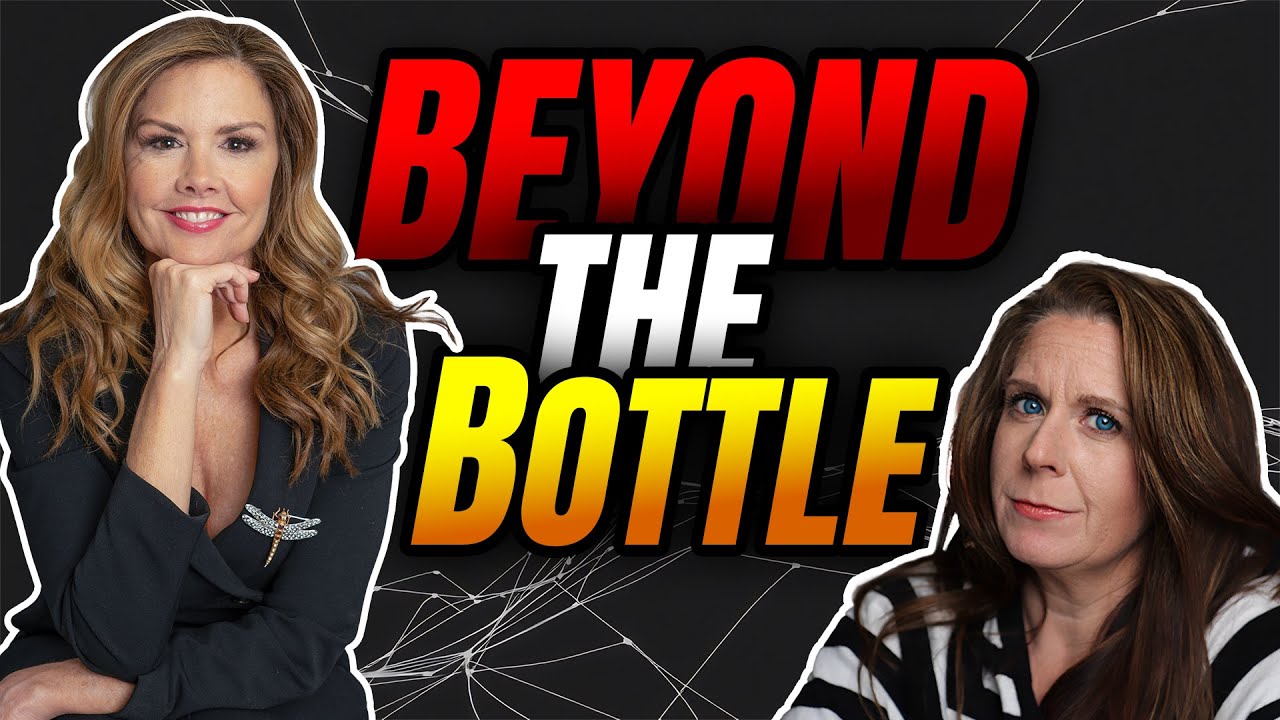
In this interview, host Amber Hollingsworth talks with Marcy Hopkins, host of the morning show "Wake Up with Marcy," about her lifelong journey through trauma, addiction, and recovery. Marcy recounts a childhood marked by early physical abuse from her mother’s boyfriend, abandonment, and a chaotic upbringing with grandparents. She describes early exposure to alcohol, sexual abuse by a step‑dad, and a series of toxic relationships that led to chronic drinking throughout high school, college, and early adulthood. After a series of unstable jobs, a marriage, and the birth of her children, Marcy’s drinking escalated, especially during perimenopause, culminating in a DUI and a moment of crisis on October 3 2015. With the support of her husband, she admitted her alcoholism, entered AA, and committed to a structured recovery plan, emphasizing community, 90‑day meeting goals, and personal “heart‑shifts.” Marcy reflects on breaking the intergenerational cycle of addiction, the importance of vulnerability, and the need for supportive networks (AA, Al‑Anon, Alateen). She also offers practical advice for families dealing with an alcoholic loved one and encourages listeners to seek help, highlighting modern resources such as virtual meetings and professional coaching. The conversation ends with Marcy promoting her podcast, book, and speaking engagements, aiming to help others move from “chaos to clarity.”
Chapters
Welcome everybody. We— I'm so excited about today's episode because we have a very special guest with us. This is Marcy Hopkins from the morning show called Wake Up with Marcy, and she's going to share with us about her own personal recovery journey. Welcome. We're so glad you're here, Marcy.
Thank you, Amber. Thank you for having me. It's so great to be here.
I love that you're willing to be so vulnerable and share these things because it helps so many. And I know these things are hard to talk about. Putting yourself out there is not easy. So we really appreciate it.
You got it. It was hard in the beginning, but now I do it with purpose. And so I know that it helps to be open and it helps us ourselves through our own healing to be Honest and open with our stories.
Well, we certainly appreciate it. Can you tell us a little bit about the, the beginning of your story?
Um, when I was young or when I'm starting? Like, yeah. Yeah.
I mean, we don't have to hear every single thing, but I do think it's helpful to hear about someone's history, like when they're young, because it helps us to understand when we have the context.
Yeah.
Yeah.
So my mother had me very young. She was 19, just a baby herself, and I was an accident. And so my grandparents were involved a lot in helping to raise me, but my mother, she was not married and she was dating and she had certain men in her life. And so the first trauma that I experienced was when I was 6 years old. I got into a little mischief and Um, her boyfriend beat me and, and I had to make a life decision. Would I, at 6 years old, was I going to live with my grandparents or live with my mother?
Wow.
I know. And I chose to live with my grandparents because I did not feel safe with my mother. But that's when the, not only did that trauma happen, right, with the physical abuse in that moment, but then what happened was My mom didn't fight for me, and she didn't leave him. So then there was the abandonment component that was introduced.
It's like a double trauma.
Yeah, yeah, wow, yeah. And then, and my father wasn't around, and so I had abandonment from that. Now I was grateful to be raised with my grandparents. My grandmother was wonderful. My grandfather had a very bad temper. So there's a lot of trauma in that. Um, but still grateful to have been there during that time. And then my mother remarried when I was 12 years old. And I was so grateful for this because I thought, here's, here's our answer, right? Our knight in shining armor. He's going to be amazing to my mother, amazing to me. I'm going to have a dad. I'm going to have my mom back. And at their wedding, I should say, At their wedding, which was at my grandmother's home, my grandparents. I was 12. It was the first time I got drunk.
So I had to drink pain.
Yeah, pain at the party. But it wasn't like anything was abnormal about that because my mother would like, if I had a stomachache, I remember like 8, 9 years old, I had a stomachache and she was encouraging me to drink some of her margarita that, so that would help me to go to the bathroom, you know? So it just kind of. Became the norm. And I remember there were no repercussions for me drinking at 12, uh, during this time. It's like, oh, she just participated in the celebration. So then life was good. We— I moved in with my mom and my stepdad, and about 6 months in— and it's funny now looking back, I can see the grooming process— but about 6 months in, sexual abuse began.
Wow.
Yeah. And so my stepdad had taken me to a movie and tried to touch me. And then it was like, he tried to buy me and, um, you know, please don't tell, it'll never happen again, this and that. And you want to believe that's true, right? You want to believe that's true. And now I had a secret and now to my, from my mom. And I didn't, I didn't know how to handle that.
I was 12 years old. And you really wanted this new family situation to work because this is what you, you know, you always wanted.
Exactly, exactly. But, um, the abuse continued. I knew that it was happening while I was sleeping especially. I mean, listen, listen to your intuition because you know. And I knew that there was stuff that wasn't right. And then, um, when we went on a trip, he tried to look at me under the window, and it was just Very bizarre things. And um, and then my mother and I ended up getting in a huge fight. This was in Hong Kong, and I'll never forget. We were walking over the water and these waterways, and we're yelling and screaming, and she goes to like strangle me in this anger.
Wow!
Yeah, I know. And I screamed out, "I can't believe you're doing this." And protecting a man that is abusing your daughter.
Wow.
And it stopped her in her tracks. And I, you know, I'm sure she's trying to process all of this. And, and ultimately, at the end of the day, because I told her that I really believed he was doing things to me in my sleep, um, she said, well, for right now, just wear more clothes when you go to bed. And that was— yeah. That was the answer, and so then we go back home, and I did that.
I did.
I was trying to do whatever I could to protect myself, but all the while I was failing in school. I had no motivation. I'd lost who Marcy was. I just I lived in like this fear survival type mode. Um, I even had a pact with a girlfriend of mine. I mean, we were going to commit suicide together.
I mean, you were really, really struggling.
Yeah, it was bad. It was bad. And then, and then I woke up in the middle of the night and he was over me with his hand between my legs. And that confirmed what I knew, that he was doing things to me in the middle of the night. The next day I told my mom because she could tell something was very wrong with me, and she called a hotline and she confronted him and ended up— he ended up saying I wanted it, that I knew that it was happening, like all these things. I might have been 13 at this time, and, um, it was devastating. Like, like, and I don't know Really now, and I like to talk about now going back a little bit because she was just such a weak person. I think that she was so afraid because she didn't think she knew how to do anything on her own.
Right.
And maybe she thought if she went back to her parents, my grandparents, after I just left the house a year and a half before that, maybe they would cut her out. I don't know. I don't know the reasoning. I can't understand it really. I just had to forgive her. Um, and, and move past it. But anyway, fast forward, you know, now I'm in toxic relationships. Um, I'm basically— my idea of love was just giving of myself sexually, or, you know, if I could get a guy to like me or we did something sexual, then that means he would like me. Like, everything was skewed for me.
Oh yeah.
in how I thought love was or love looked like, or, um, what I had no idea what a good relationship looked like. And so that led me to, um, increased drinking to deal with, I guess, you know, the promiscuity, the, the idea of myself, the self-loathing, um, hating my life. Um, And wanting it to end. But I got through high school. We actually moved with him again, and it was my junior year.
She's still with him.
She's still with him. And so then my—it was right before my senior year—and they ended up getting a divorce finally because now she was being affected. They're both like drinking. I don't even remember those couple of years, honestly, Amber. I. You know, I, I think I just put it aside and I'm just that away. And I was, um, basically living with my boyfriend and his mother, just anything to stay away from the house. Right. Right. And so they finally got a divorce and I was begging my mother to please not leave where I was going to school because I had moved my whole life every 2 years.
And you're a senior. I mean, that's a big deal. Yeah. That's, that's important.
I didn't want to leave the school I'd made a life for myself. Um, I had a boyfriend, not that it was a good one, but, you know, I had, I had a life. And so I just didn't want to start over again. So we did stay. My mother's drinking got way out of control. I'm in, you know, blackout drinking every weekend, and I don't even know how I got through school. And but I ended up graduating, and, uh, I ended up trying the, the next path. which is college, right? But then that became an escape for me, just became the party scene for me. And, um, then my, my grandmother stepped in and she, um, she took me on some testing and, and discovered that my strengths were more in the creative realm. And, and I, and that's what I've always worked in. I ended up going to the Art Institute of Houston. Mm-hmm. Worked in television my entire life, and worked in media. And but all through that time, I had very toxic relationships. I was drinking every day, every day. With that was the norm for me to drink every day, sometimes worse than others, depending on what was going on in my life. If it was a good time or a bad time, you know, I was one of those that thought if I started over. That like it better. But of course I was always taking myself with me.
Right.
I ended up, um, I moved. I'm from Houston, Texas. So that all was taking place in Houston. I moved with my work to Denver and I had taken, um, my boyfriend. I was actually going to, um, break up with him, but he ended up asking me to marry him. And so here I think, well, well, that I guess is what I'm supposed to do. And I'm in my 20s, so I may be 27 at this time. And we moved to Colorado together. I'm working as manager of on-air promotions for Fox Sports Rocky Mountains. So now I have a, I have a good job. Um, I, I have a house. I bought a house and I'm engaged, right?
You're like adulting. You're doing all the young adult things. Yeah, exactly, exactly.
But you know, we're still drinking. Life is Drinking's still part of it. And then I began to get very unhappy in the relationship. And when that would happen, my drinking would elevate because that was my big escape. So not only was it the norm to have a couple glasses of wine a night, if things got bad, then it would elevate. So he and I started fighting really badly, and then he, he started to become not only Um, verbally abusive, but then the physical abuse was starting. So now I'm 6 weeks away from getting married and I am like, I can't do this. Like, the last blowup happened and literally it was over me not having a pen in my purse. He wanted a pen. Wow. Okay. Literally had a breakdown. And I'm like, I remember calling my mother, like calling my mom and saying, Mom, I'm sorry, but I cannot do this. And so in one month, I ended up finding a job in California. I broke off the engagement and sold my house and moved.
Like, I just, I just want to say that that's really brave, you know? And it's like, you're breaking your mom's cycle of, I know it's going to like dysregulate everything to get out of this. You know, you're like out there trying to take care of yourself, barely on your own, young adult in a totally different state. It's a brave move to do that.
Yeah. And I recognized that, but it was like, it was almost like this survival, like I am never going to live the life like my mama, my mom.
It's that determination of I'm not, right?
Yeah. Right. So like it really created a fire inside of me and, and I guess proving that I was going to make it. This life, right? And so I ended up moving to California, and I ended up meeting my husband, and we ended up getting married. I did really well. I ultimately was the director of on-air promotions for FX, and and we got pregnant right away. Now I just have to say, like again, things are looking so good on the outside, right?
Yeah.
On the inside, like, I am utter chaos. Like, I'm— I am breaking down. I'm like, if you asked me at that time, I was not happy in the relationship with my husband. And this is in the beginning.
Give us a little, just a little teeny window into that, if you don't mind. Like, yeah, what were you unhappy about? What were you feeling? What was going on on the inside?
So for me, like, I was very, um, I hate to say the word needy because I just needed attention. I needed to be shown love. And here I am seeking a man that is successful in life, and he's giving his priority— priorities in life are not me first. And that was very, very hard for me to deal with. It was work. It was family. It was friends. And then I felt like it was my dog and it was me.
Wow. You were, you're way down on the list.
You know, and that's what I felt like. And that's what I felt like. And so for me, going through all that I had gone through and not having no self-worth, no self-validation, no self-love, I needed that from everything outside of myself.
Right, because you couldn't give that to yourself.
So I couldn't give it to myself, and so I wasn't getting that from the man that I married. Now, that, that really was a me issue now that I'm healed, but at that time I was desperate for attention, and he worked all the time. I mean, it's— so it was very hard for me. And so then, um, We had our first child and I left work and now I'm at home and I'm starting life, but now I'm leaving work. And like, that was, that was—
I was just gonna say, now you're leaving that validation. Exactly. And you're like a new mom. Yeah. Oh yeah. Yeah.
I left before I even had had the baby. And so I'm just like that. I'll just never forget how dark and lonely that was for me.
It was really— now you're not getting your needs met at all. So it had to have been— yeah.
Yeah. And I wasn't drinking my wine every night because I'm pregnant.
Oh yeah, because you're pregnant. Yeah, you're really out there.
Yeah, I had to feel my feelings. So I will say I did not drink when I was pregnant. But, um, and so, you know, we had our, our, our son and I was just trying to make it through, trying to make a new life for myself. And, and actually I was, it was You know, it was looking good. But after I had my child, then the drinking started back.
Mm-hmm.
And that was hard. That was, you know, because it was— it became that mommy culture that everyone talks about now, because I was with other moms, new, new moms. And now our playdates were just really an excuse to get together and have wine and let our kids play.
Right. It's just sort of mommy wine. Yeah. Groups. Yeah.
That kind of became our, our time along with being there with our kids and our, our self-care, which in reality is not self-care, right? It's just, it's almost just another bonding and being with others is so important. I'm not saying that.
But it was like a break, a little break to have some adult interaction and with people who understood what your daily life is like.
Yeah, exactly, exactly. Which is so important. But I guess also you don't want to sit there and like drink and have the woe is me kind of thing going on either.
Yeah.
So we ended up, um, we were there for about 2 years in California with my— with our son, and we ended up moving to New Jersey. And my husband had a job opportunity. He's from New Jersey, um, and the job opportunity in New York. So I had no ties. Except for my mom was living in California at that time. She had gone through a difficult divorce because of her alcoholism. Um, I was there as a new mom trying to be there for her when she was like in rehab and in fear all the time she was going to commit suicide. It was— or be drinking and driving. And it was awful. It was a very, very difficult time. And my husband said like Your mother cannot come with us to New Jersey. She can't continue to do this to her, to you. So I told my mom, and this was very hard, like, Mom, you get sober, you work on yourself, and come be with us, right? But you know, you have to want it yourself, right? And so, and in retrospect, I feel terrible for her and what she went through and her addiction and It just there's a lot of guilt and shame there for me too, because you want to save, you want to save your mom. I mean, no matter what she did to me, I loved her so much. I just did. I loved her, and I just hoped for a good relationship. So we moved to New Jersey, and I ended up getting pregnant right away. Now, now I have my two children. I'm trying to create a life there. I'm involved in the schools. Like things are going well, but. I always had that fire inside of me, like I needed to do something more. I, I don't know if it's because I worked all my life or what it was, but I needed something in addition to the children and while they're at school and, and find something for myself.
Sure. Yeah.
So I made this big decision, uh, to go after a lifelong dream to get in front of the camera.
Because you'd been behind the scenes.
And right, I'd worked on the network side and all of that, but now, like, there were some things that were kind of happening in my life and it just re-sparked that inside of me. Like, I want to do this. I want to get in front of the camera. It's something I've always wanted. So I started down this career path and people were coming into my life to help me along with this. And, um, I got agents. I— and, and so everything was happening for me. But what happened was, is when I started going for the auditions And, um, it, it just became this huge, like, reflection of how little self-confidence I had in myself, um, and feeling judged all the time. Because now you're going in and auditioning, and like, imagine trying to get a job. Every time you're going in, you're trying to get the job.
And you are being judged, right? You're standing in front of the panel of judges. Yeah, it's not, it's not even imaginary. Yeah.
Yeah. So I mean, they always said like you have to go into the audition and walk out and, and just put it behind you, but I, I couldn't do that. And it was kind of like maybe you didn't have the right look, you know, this and that. There are reasons why you're not chosen.
Mm-hmm.
Um, and I couldn't go for the schooling because when I do something, I go all in. And so I couldn't get the schooling. I couldn't figure out how to get the care for my kids because I Always wanted to be there for my kids. The struggle was I never wanted my kids to feel abandonment. I wanted to be there for them, but then I wanted this other thing, and— but I couldn't put into it what I wanted to. My husband wasn't around because he was working all the time. And so it was just like utter, like, chaos, and it just like this storm that was constantly brewing.
Pulled in so many directions.
Exactly, exactly. And so what did I turn to? I turned to my wine and that became my liquid courage. So now I started, you know, having some wine before I went into the audition room, or maybe after I did an audition, I'd go and treat myself to some lunch and a couple of glasses of wine, or, you know, it just, now it started accelerating.
Right.
You know what I mean? It's like that slippery slope was starting to happen.
Mm-hmm.
And, uh, it was just— I just, I just lived in, in such a place of just pain. I just felt in pain all of the time. And I also realized, Amber, that during that time I was going through perimenopause. I was going to doctors telling them how I'd feel like the end of the world was happening. Everyone hated me. Like, it was bad. It was bad. And ultimately I got on an antidepressant. And one of the things in, in some of the work I've done, I've realized that a lot of women increase their drinking when perimenopause starts because they don't know how to cope with all of these emotions that are coming up. And so if you, if that's happening, feeling really dysregulated, right? Yeah, exactly, exactly. And it, and like you say, dysregulated, all this stuff comes back to our nervous system, right? And dopamine hits that we're getting when it comes to Alcohol or the cortisol levels. I mean, there's all the whole chemical reaction.
It's sort of physiologically a perfect storm, but, but also just psychologically too, with your history and your own childhood wounds, and then this path that you've chosen triggering that. And then, but also wanting to be a good mom. I mean, it's just like a lot of factors coming into play here.
Exactly. Exactly. So now I'll get to the very end. All right. So I had gone to AA. There's— I'd gone to AA. I realized like I was staying up overnight. I couldn't sleep. I'm like comparing myself to my mom. What's, what's going on with my drinking? Is this too much? Is this right? I was always questioning myself. And so I was trying to find all these different ways to help myself, right? Like acupuncture or hypnosis or all these different things. 'Cause all I ever knew was alcohol. Mm-hmm. As my answer, so finally I had just gotten to a point where I couldn't do it anymore. I was just in the darkest place, and I decided to go to AA. Now I went to AA, and I will say there was a lot of shame, guilt, and I did feel better as I was surrounded by these women and by other people that were going through the same things. But I don't know that I felt when I said, "Hi, I'm Marcy. I'm an alcoholic." I don't know if I truly believed that at the time. Right? Okay, sure. So still kind of processing that, like, what does an alcoholic really look like, right? And so I started comparing myself to others, my story to others, right? I'm still involved in the community, I'm still there for my kids, I'm not waking up drinking, like, you know. So I convinced myself I'm okay, I don't have a problem, right? Right. My husband, nobody in my family, none of my friends— I don't think you have a drinking problem. Nobody thinks that. You know, no one thinks that about you because you look so put together on the outside, right? And and so they of course they didn't know the storm inside. And so I started drinking again, of course. And then now it's like slow and slow. And then like the the career was taking off more. The resentment was happening more. The roller coaster ride was happening more. I couldn't be there for my kids. And then then the drinking was elevating, elevating. The slippery slope was happening. And then I get to my. final day of drinking, which was October 3rd, 2015.
The fact that you just know, it's almost like you're about to say hour and second, you know exactly.
Yeah, exactly. Because what happened was, is I went that morning and I had a modeling gig. I was going to model a clothing line at a big, big mall. And, um, And, but of course my, I wasn't, I didn't have a lot of clarity because I'm drinking the night before. Right. So we're kind of in a fog. We're just kind of moving along with the, with the actions. And so I end up at the wrong mall.
Oh no.
Uh-huh. So I was going up the escalator and I was, Amber, I was so proud of myself because I'm going up the escalator and I'm like, Marcy, you can do this on your own. You don't need the wine. You don't need that liquid courage. Feeling all confident, feeling good about myself, and I made this decision. And so I'm having like a pep talk with yourself.
Exactly. Yeah, yeah.
Um, you know how we have those talks all the time?
Oh yeah, definitely. Like, get up there.
And that's when I find out I'm in the wrong place. Oh my gosh. And now we find out where it is, and I have to make the call time before the show. I, I jump in my car, Amber, and I am like I am like a bat out of hell. I am like the frenzy, right? Oh, Lindsay, you can only imagine. Just, just, yeah. And what did I do? Grabbed my bottle, uh, my water bottle filled with wine. Now I'm chugging that and driving as fast as I can trying to get there.
Wow.
I mean, like, just the insanity of it. Like, just, it's just insane. So I get there, I run, I do the show, and I think I do a great job, Amber. But the funny thing is I never got called back again. But here I think it went well. And, uh, went out afterwards with my girlfriend and we continued drinking. Well, ends up I got a DUI. I had no idea that I'd gotten behind the wheel of the car, and I, I got a DUI and My husband ended up coming to pick me up and I had called my girlfriend, my drinking buddy, thinking somehow I was going to get away with this. Right.
Okay. Like you were going to deal with it behind the scenes and maybe he wouldn't find out. Okay. Right.
So my husband will never find out. And I ended up, um, going to bed resentful, angry, feeling sorry for myself. And I woke up the next day and Like God stepped in. It was just like my higher power stepped in and said, Marcy, like, you're about to lose everything you've worked so hard to build in your life.
Mm-hmm.
You are about to lose all the good. My children, number one, for all— for always and forever will be my number one. And just the idea that I would lose them possibly, and then my husband leave me, lose my beautiful home, like just lose my beautiful life. And I went downstairs, Amber, and I sat down with my husband. And I had admitted to myself that I was an alcoholic, which there was an ease in that, to, to really face it, right? To finally face that. And then I sat down with him and I said to him that I need help and that I'm an alcoholic. And he ended up embracing me.
Wow.
And when he did that, it was like the weight of the world came off my shoulders. I didn't have to lie anymore. I didn't have to try to keep it all together anymore. And I was so ready to start my healing journey and stop drinking. And I was willing to do whatever it took in that moment.
Wow, that's a, that's a real moment of clarity. I mean, that's a, that's a spiritual experience, just this whole like Morning. Yeah. Can you? I hate to have you back up because this is such a good part of the story. Okay. But I am curious when your husband came to pick you up from the DUI and he brought you home and you said and when you went to bed you were resentful. Can you share with us some about that? And the reason I ask you this, Marcy, is because so many of the people that follow this channel are family members and and and they don't understand how they're always in the bad guy role when they're trying to help and and what Is really going on. Can you share with us some about that?
Yeah, well, because I was on that side too, right, with my mom being an alcoholic, and, and now my husband's having to deal with me. Um, you know, for him— you're asking from his perspective?
No, from you. Like, what were you thinking? Why were you resentful?
Oh, okay. Why was I— why was I resentful? Because if my husband was around more, if he were there for me more, I wouldn't be in this predicament.
So it's like the bad guy, he's the bad guy.
It's right because I'm the victim, right? I'm always the victim, right? Right. I mean, I can't take responsibility for that, like when I'm playing victim. And so I had to let go of that victimhood.
That's a hard thing to do. It's a way that we deal with our own shame and defensiveness. You know, I'm sure you felt Horrible about what had happened that day. And it's so hard to be in that space. People don't realize that that shift in thinking is almost a way of self-medicating itself. Yes. Is to kind of make ourselves feel bad, better about something we feel horrible about. And so we, we have, we find a reason, we find an external thing to put it on.
Always, always. One of the hardest things for anyone to do is look at themselves. And see their role in it, what they have done wrong. But the reality is we own— the only thing we can change is ourselves. The only thing. And, and creating a change in our outcomes of anything is by changing in our inner perspective and inner, inner, um, the inner work and, and recognizing our own flaws.
When you had that heart shift the next morning, was that something where you, was that something that had happened to you before? Did you have moments like that? Maybe not to this extent or about this, or did that feel like it just came out of nowhere?
I think that was the first time. I mean, believe me, there were other times in my life that I had quit drinking for one reason or another, or I got in the party scene after high school and Kind of got in the drug scene a little bit when it was the clubbing at you know in '87, '88, '89. That was big clubbing time, and and there were times that it's so wild. Like Amber, I was I'll never forget. So like everyone around me is like doing drugs. Like everyone's partying. Everyone's and I'm walking. Did you ever see Melrose Place? The show Melrose.
Yeah.
Remember the pool in the middle and the, the, all the rooms are around it, right? That's what that my apartment complex looked like. And so I'm walking by the pool and there's a huge window and there's a reflection of me. And talk about another God moment. I saw a reflection of my mother and I was like, holy crap, I gotta get out of here.
Wow.
And that's like, God has stepped in many times for me. And I got to tell you, I basically in that moment picked up all my stuff and was out. I left. I mean, it was insane. So, but that was the biggest one for me. I think that I was, um, I had a lot of responsibilities in my life. I had kids in my life. Um, and, and, and maturity on my side. You know, I was able to really act on it.
Do you think, I mean, you know, it's always looking back. We don't really know for sure, but do you think that determination of I'm not gonna be my mom, is that part of what happened?
Huge part. Huge part. I always, um, I, I, it was the main goal of my life to never be like my mother.
Because there's several points in your story where that kind of shifted a gear for you and changed the path a little bit.
100%. 100%. I was never, I never wanted to be like my mother. And I, and there was a constant fear of it too.
Right. And part of what that meant was ignoring really big, important things that were happening and not dealing with things. Yeah. Okay. So, so back to the good part. So, you know, you have this big embrace with your husband, you sort of melt and you're vulnerable and you're honest with yourself. And that's this huge shift. So what happens next?
Yeah, I just want to say one thing for everyone out there. Being vulnerable is the strongest thing you can do. And so often we think it's weak. I mean, because I know I did, right? We build up these walls around ourselves to protect ourselves and asking for help shows weakness, but in reality, it really shows strength. So I felt very strong in that moment. And, and thankfully, um, I had met someone from prior times I was in AA, so I called. And I, you know, I started my journey on AA, in AA, right away.
Mm-hmm.
I mean, it was— I just knew, I just knew something was different that time, that, that I was all in. I was, whatever they asked me to do, I was doing. They had it and I wanted it.
That's what I, uh, I talk about so much is like, you'll have a lot of false starts, which is normal. But when someone really decides, it's this whole, it's this whole different thing. You can see it, you can feel it. Um, their seriousness about it. And, and honestly, when people have that shift, they're, they're honestly kind of surprised About how easy it is because they've committed in and they've, they've decided, no, it's going, it's going to be different going forward. Whereas I think a lot of times in the early trials, there's a little like maybe and a little bit and a sort of, right? But there's this whole different shift that happens.
There is, there is. And the wonderful thing is, and there's so many alternatives now, like there's so many different ways of getting help now. It's not just rehab or AA. And there's people out there that really can help you or guide you, or if you need a coach, like, it's great that there's so many more alternatives and people are talking about it so you can find what really works for you.
Mm-hmm.
Um, but, you know, learning all of the tools that, that I had, that I learned to help me when I had the triggers or when I had the cravings, making the commitment to 90 days. Um, 90 meetings in 90 days. Um, you know, there's a lot of things that I had to do and really, um, stay true to the commitments that I said I was going to. And the great thing is, is like, you can't do this without community. You cannot do this without— you cannot isolate.
Why do you say that? Because we hear that all the time, but yeah, explain that to us a little bit.
Well, because First of all, misery or happiness loves company, right? So no matter where you are, right, you know, that's fair, right? But we want people that are going through the same to be there, and we're walking this path together. But then there are those that are so much further along that path, and they're there for you to reach out to. They want to help you. And when you know that people really want to help you The, the biggest thing that you have to do and the most strength that you have to find within yourself is to actually reach out. Yeah, to let them. Yeah, exactly. Let them help you. Let them help you is exactly right because they're a wealth of knowledge. I mean, how much they have gone through. And so you got to change, uh, the people, places, and things because these are triggers. And believe me, I had lots of triggers. So there were a lot of things I had to change. I had to change my friends. I had to change the things that I was doing. But, but that's okay because when you, when were those people really your friends, right? A lot of them, when you're just drinking with them, they're your drinking buddies. That's what, that's what you had in common. So when you're going through this process, you're finding other people that are going through the same and, and you can build on that strength and that community together.
So it's the changing the people, places, and things, but it starts with the heart shift because you have to have the heart shift to even be Brave enough to change the people, places, and things, and willing to do that because those are easy things. It's not just you're giving up alcohol. Yeah. Giving it all up. You're giving it all up. You are starting your whole, a whole new life. Yeah.
Yeah. And it's kind of like, and I learned this in AA, and it's very true. Like you built this whole foundation or this, you know. Yeah. You built this whole life on an unstable foundation. Right. Right. So I think of it at that time, like everything came crumbling down and I had to start at ground zero and begin to rebuild and create a strong foundation. Right. And that's what I have done. And, and it's been magical.
That's a pretty scary prospect, right? Yeah. To have to start over like that.
It is. But if you think about what you've built, um, not that you're giving up everything, like I didn't give up my husband, I didn't give up my, my family, my home, that kind of thing. But I had to give up my old way of coping, of navigating life, the self-talk, the self-loathing. I mean, I had to change all of that.
Mm-hmm.
Um, and, and I had to learn ways of sitting quietly with myself and shifting my guidance, you know? So for me, my higher power, God, was my guidance instead of everyone else that I was trying to please. Does that make sense? So there's just—
Yeah.
I'm not saying like, right, like we have to change, um, all of those ancillary things or those, those things. It's more of the, the foundation of what's inside of you.
Right. Was there anybody in your journey before you got sober that was particularly helpful? Um, maybe planted seeds or something? And was there anybody particularly helpful after you had that heart shift?
Well, like I said, I mean, I had gone to 12— the 12-step program a year prior, and I met some lovely women. Lovely women. And, um, one in particular, this woman Debbie, I knew that I could— when, when I had had that relapse and then now my rock bottom, I knew that, that I could reach out to her. I felt, you know, strongly about that. So, you know, Debbie and I don't talk still today, but in that moment she was an angel for me.
What was it about Debbie that Made you pick her to reach out to?
I guess because she was just the most open and solid person that I had met in the program and that I knew truly cared for my outcome.
Okay. So you felt safe. Okay. And, and I love that you, because you had done AA before, even if it hadn't worked perfectly for you before, you, when you got ready, you jumped back in with both feet. And because you had done it before, you felt comfortable. You knew what the deal was and you could just sort of like jump to it.
Yeah. Yeah. And nowadays, I mean, since COVID I mean, they have the virtual meetings and you can try these things out virtually before you actually jump all in and see if it's even That would work for you, right?
And that's even less intimidating.
It is less intimidating, but I would, I would say that you get the most out of being present and sharing, right?
I, I completely agree with you, Marcy. And I think though, like, um, if someone's never been to a 12-step meeting, I try to sort of tell them how it works because it's a little discombobulating because there's like Procedures, not really, but there's, and so if you wanted to just see how it works, so you knew what to expect when you walked in, an online meeting might be a good way to just get a feel for, okay, what's going to happen and where do I go and who says what and all that kind of stuff. Yeah. Um, do you have, um, a few minutes to take a couple of questions?
Sure.
Yeah. So Bree's behind the scenes back there and she's going to find us some questions. Um, While, while Bree is getting us a question up there, can you tell us a little bit about, um, some of the things you have going on and where people can find you?
Absolutely. Well, thank you again, Amber, for having me on. Um, I will just say I, I used to live a life not knowing what I was going to do when I woke up in the morning except for take care of my kids and try to figure out my day. But today, um, I've had a TV show for 7 years. Um, I became a TV host so that even though getting in front of the camera was my demise, it actually helped me later on in life after one of those seeds had been planted for me to actually go after, um, you know, starting this talk show of empowerment and inspiration to share stories of hope.
Wake Up with Marcy. Um, I'm the author of Chaos to Clarity: Seeing the Signs and Breaking the Cycles, which I'm just so grateful. Um, I've recently won the International Impact Award. Wow. Yeah, for my book in, um, in self-help, memoir, and recovery. Um, so I'm very grateful for that. And, um, I'm also now a motivational speaker speaker to help others. And, um, I've created an incredible program to help others to move from their chaos to clarity, right? Especially moms that are struggling out there. So, uh, just really to find me anywhere, Wake Up with Marcy. Um, and I'm on Spotify and iHeart and all the, all the platforms. And, um, I too have started putting my, my shows up on YouTube. That's exciting. And we will link, we will link to your book below so people can check that out if they want to.
Fabulous. They, um, it's pretty amazing.
All right, Bree, do you have us a, are you, do you have us a question? All right, here we go. Dale says, uh, my 15-year-old daughter is blaming me for not leaving my alcoholic wife. We are trying to work things out.
Um, my daughter's given up hope.
Yeah, there was something in my way. Yeah. But my daughter's going to know. How do I help her without, um, her feeling abandoned by me? Yeah. Or not feeling abandoned by me is what he's saying. Yeah. This is a great question for Marcy because you've been a little bit in this situation.
Yeah. And well, now I have so many questions. I wish I could talk to Dale. Like, is she still drinking? Where, where are they at in that relationship? And is she wanting you to leave because she's not being a good mother to her? I guess what I would say first and foremost, being that she's 16, you can be very open with her and allow her to be very open to her feelings. Allow her to share her feelings. You share your feelings, why you want to make it work, what you foresee it Uh, to be in the future. And maybe she could get help, or maybe there could be some family therapy. Um, maybe if, um, if your wife has not stopped drinking at this point, that you could just express to her— you can't ever tell someone to stop drinking because they have to be ready. And it— most times they'll drink at you and be more resentful if you're trying to make her stop. drinking, because there's, there's a root to why she's drinking. She's in pain. There's something happening for her too, um, even if she can't see that right at this moment. But I just think being very open is important. Getting some help, some therapy is— I mean, there's professionals that can help you to guide, guide you through this. And Al-Anon is also an amazing, amazing free way that you can get help. Um, for, for children and for you, Dale, going through this, right?
Because they, they actually have what's called Alateen, which is Al-Anon for teenagers. Yeah. Yeah. Okay. Um, it's, it's a hard situation to, to be in, Dale. And I think, I think Marcy's given you some really good advice. And what she said about being really open, I think, and validating her feelings, and, um, maybe even ask, you know, In what ways is it affecting her? And are there things you can do to help, um, make that better? You know, are there ways to run interference? Are there ways that she doesn't feel looked out for or something like that?
Yeah, yeah, really validating her feelings.
Mm-hmm. Bree, do we have another one? Okay. Oh, uh, we have a question. Did you ever relapse?
Well, I will tell you, um, I did go in in 2014 to AA, and I did decide to start drinking again. And it was the worst decision I ever made because that year was the year that everything spiraled in my life. And I just got to a terrible place with my drinking and ultimately got the DUI. And that is when I made the true shift and decision to not drink anymore. And I have not 10, you know, almost 10 years later here, um, you know, day by day, right, uh, up to this point I have not had a relapse.
Yeah, since you had that, that sort of moment with your husband that, that next morning. But before that you had had some, um, some sobriety time and had went back.
So yeah, right. Okay, okay.
Let's see, here's a question. Is it possible To get out of the bad guy role after 21 years of being in it? If so, how do we do it and how long does it take?
I just want to say right now that, that it's even huge that you are recognizing. Do you understand how big that is? That you're, you're looking at yourself. You are understanding that this is what you have done and this is what you have portrayed in your life and you want to make a change. That is like that is huge that you can you can look at yourself and want to make a change. Now, as far as how do you do it? There are many many steps and and Shy, I'd love to talk to you. I mean, if you want to reach out to me, reach out to me at wakeupwithmarcy@gmail.com and let's talk about it because I have many steps, many ways that I have gotten through it and and it's truly. Helped me to change the person that I was, and I wasn't such a great person myself. Okay, and I had to forgive myself for that, to get past the shame of all the bad decisions that I had made, the people that I had hurt. But you can, but you can. And how long does it take? I mean, it's not going to change overnight. I mean, just think about how long have you have you considered yourself the bad guy? Right? And there, there are reasons why you took on that persona, and then, then you acted on it and you played that role. So you absolutely can create this change, and you're 21 years old. You have the rest of your life in front of you. So you start making these changes now, this is going to be a beautiful start to a new future and a lifelong, uh, life of beauty. And what you want out of life.
Just the humility and the willingness to look inward at yourself is impressive.
Yeah, that's huge. Huge, Shy.
Yeah. Um, here we go. Uh, at 63, I've been over 2 months sober after 5 detoxes in 3 years, going into a residential rehab for 3 to 6 months in just over a week. Uh, you never fail if you keep trying.
That's right. Yeah, Silvo, like, just keep showing up, keep doing it. Every day is a new day, and sometimes it takes longer, right, for it to stick for you.
And I love what you said, you, you haven't failed if you keep trying. That's right, because you're still in the game. The game's not over. I like to say if you're still alive, you're still in the game. Yeah.
So I just want to say one thing, and I don't know if this is something that, that You have done for yourself, but it was huge for me. It was huge for me, really turning things over. Just you know finding a higher power for yourself and knowing that that you don't have to do this on your own. And then and then just shifting how you think about things in life and and looking at life through a different lens and a more grateful lens and giving yourself forgiveness. And it and it sounds like you you are. At a place where you can forgive yourself because you keep moving forward, you keep trying, and, and that's all you can do is just show up, keep showing up. So bravo to you.
Yeah, absolutely. I agree with everything Marcy said. We are running out of time for today. I always want to say thank you so much, Marcy, for being here. Your story is inspiring. I had chill bumps, especially with the kitchen scene. And you guys, don't forget to find Marcy on her new podcast, and I will link her book below. Thank you everybody who showed up live and who's watching the playback, and I'll see you guys next Thursday. Bye everyone. Bye.
More from Amber








Addiction Turns “Me vs. Drinking” Into “Me vs. You” #addictionrecovery #addictionawareness

They Admit Everything Except the Addiction #addictionrecovery #addictionawareness

Stop Trying to Make Them Admit the Truth #addictionrecovery #addictionawareness