From Professional Poker Player to Gambling Addict
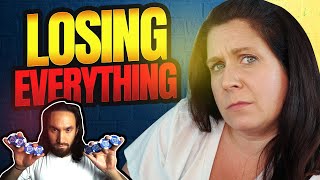
YouTube interview (Amber Hollingsworth with guest Derek) tracing Derek's life from a multicultural immigrant family near Toronto, through self-taught mastery of poker (starting ~2002), becoming a professional player, and later developing a gambling addiction after the 2011 US "Black Friday" poker site shutdown (Apr 15, 2011). The conversation covers family reactions to quitting formal education, early wins and taxes as a professional, the shift from poker to casino games that revealed addictive behavior, and Derek's recovery strategy: introspection, habit science (cue→craving→response→reward), self-help practices (meditation, journaling, books like Simon Sinek and Atomic Habits), and aiming to gamble responsibly rather than total abstinence. Practical anchors: he read nine poker books during study; he paid parents rent for about a decade while living at home; he applied for/started work at FedEx in 2012.
Questions this video answers
April 15, 2011
Around 2002 (said he was about 17)
Nine poker books
2012
About a decade
Chapters
Can contribute, but it's not what causes it. And so you came from a very loving, normal, happy, healthy home.
It was basically like our family is sort of like immigrants. Right. We have like the immigrant mentality. My father is Austrian, Italian and my mother is Japanese. Growing up in a very multicultural country like Canada, near Toronto. It's very diverse, you know, very progressive, very open minded, with lots of opportunities for all people of all walks of life, all races and nationalities. Right. So. And again, like, I had parents that were very supportive of me. They worked hard, they, they show me what true discipline was. You know, like the typical immigrant mentality where my parents would work like upwards of 80, 90 hours a week sometimes. And there were moments where I didn't see them as much as I would like to, but I knew that they were providing for me and giving me opportunities, especially for me and my brother, to live a good life. Right. And to pursue types of education and information and to become a good human being in the world. Right. So I know, like you said, you don't. It doesn't have to come from a negative household or it doesn't have to come from, from a place of poverty where addiction can manifest even in a positive household with two great loving parents and sibling. And again, it's all about the individual's choices that they make that can perpetuate the gambling addiction. Right?
Absolutely. And you were speaking of sort of growing up in that culture where there's such a strong value on hard work. You're telling me just before we went live, and I'm hoping you'll tell our viewers a little bit about sort of what it was like when you decided that you wanted at a young age that you decided you want to be a professional gambler, like coming from the immigrant family and the hard work culture. Like, how did, how did that go over?
Yeah. So if there's anyone that's watching this, that comes specifically from Asian households with Asian parents. So my mom is Asian. Obviously there is a huge emphasis on education and not just high school education, but post secondary university college education. It is everything in Asian culture to become a well educated person that has a degree, preferably in the sciences, you know, in, in the math, physics, or maybe in medicine. It's like a preferred pathway that Asian parents kind of push on their, their children. Right. It's very, very important in the culture. And my family, my mom has like six brothers that all have like computer engineering degrees, basically. So. And I am the eldest of all my cousins, so Derek was the oldest. To set the example for the family and go to university and become a computer engineer, to become a computer science scientist or study whatever in the academic world and be successful. And when I finally made the decision to quit my post secondary degree and my reason for doing so was to pursue gambling as a profession, it's probably one of the worst things a parent could hear from their child, regardless of what their ethnicity is. Right? Because in their mind, your child is throwing away their future to do something like gambling, which is seen in a negative light. And it's seen as you're just throwing your life away. You're ruining your life. And our parents, they work so hard to give us opportunities to go to university and to go to college because that's what immigrant parents come to North America for, because they don't, they don't have that where they're from or they're escaping a bad situation. And they work so hard, 18 years to give their, their son an opportunity and he's throwing it away to place bets. And that was probably one of, one of, one of the hardest moments in my life just because of the sheer disappointment from, from my parents and you know, having to tell my mom specifically about my, my choices and my decision, you know, and it pretty much made her cry, right? And, and it was, it was one of the worst days in my life. Not because of just the decision, but it was the one day where I really, really let my parents down and I really disappointed them. And I saw that in their face, like I could see it, that they were disappointed of their son for the choices that he's making in his life. And it was probably what, one of the darkest days in my past for sure.
What was it like in the time period just after that? Was it kind of awkward silence, uncomfortableness, or did it, everybody acted normal? Like, what was it, Was it like in your house or just between you and your family, the atmosphere?
So it was very interesting because my parents obviously behind closed doors, developed a strategy to force me away from my gambling tendencies. And so at around that age, I, I guess what they came up with was let's charge Derek an exorbitant amount of rent to force him to go back to school because he won't be able to afford paying rent, living at home while gambling his money away. But the problem that they never foresaw was that I was making money gambling. And I, and I became a professional and someone who was profiting from playing poker specifically, and I was paying my income taxes to the government, like I was doing well. And so every month My dad would tell me that the rent is due or you have to pay for some of the utilities or you have to pay for the Internet. And I'm like, here's, here's a check.
Wow.
Next month, next month comes by, oh, I'm going to increase your rent. You got to pay for this, this and this. I'm like, yep, here's the check. And the next month, here's the check and here's the check. And then I just kept coming up with the money every single time to the point where it became undeniable. And now my parents were like, well, now what do we do? Right? He, he's obviously, he's doing well from this because the money, it keeps coming. He's covering for the rent. So they were stuck in this very bizarre predicament where I'm assuming again, I don't know for sure, but I'm assuming the strategy that they had, it kind of like backfired, right?
Oh, no doubt. That was a strategy. Parents use that strategy all the time still. That's, that's the go to when, when kids get a certain age, the money is the only thing the parents have to leverage. And so it's, it's always like, I'll cut you off or you have to pay rent or I'll stop paying tuition. Like, it's literally like the last ace card you have as the parent, you know, to play. So naturally. And so did they come around and did they change their mind eventually? Did they start to think, well, maybe he can make something out of this? Did they, did they come around to the idea since it was working?
Eventually they did. But I think what really eased things out was my willingness to get a part time job on the side. And I've always pursued entrepreneurial type of jobs or freelancing in my career as a profession. But, but at the same time, again, I've always had that immigrant discipline and work ethic and mentality where you got, you gotta like push, just keep pushing, push, push, push, work, work, work, right? And always keep progressing towards something. And I realized that for me, gambling it was a very strenuous mental exercise where I kind of saw it as mental acrobatics where I was like, you know what, my body is not being tested physically at all. So I could go get a part time job in a warehouse and throw some box around. And so I kind of got, did that on the side while pursuing the gambling profession. So it kind of, I guess smoothed out the animosity in our household. They're like okay, so Derek is working. Oh, are you gonna start working there full time? But the. My answer is always no. It's. It's to supplement my true dream or purpose in life.
So you basically, they. You just kept meeting the expectations, even though in. In their mind it was like, this is a disaster. Right. But it was working. So. So obviously you didn't just say, you know, like, some kids might just sort of have a wild hair and say, I'm gonna, you know, leave college and go to Hollywood and be a star. Like, you put your all into it. Like you said, with that work ethic, you must have really studied what you were doing. I mean, you. You had strategy about. It wasn't just like, let me go play some bets. I mean, obviously it was a lot more to it or you wouldn't have got to that point so young.
Yeah, to be fair, in the beginning, it wasn't like that. There wasn't that immediate success. So this whole journey started, I believe, in 2002. So at that time, I'm like, 17, and I saw this guy from New York, his name is Robert Varconi, and I was watching ESPN on television, and they were showing this thing called the World Series of Poker. I was like, at the World Series of Poker, like, what's that? Like baseball, but like a poker championship. And I saw this guy, and he was an amateur, just like a regular dude, and he won this tournament. I was like, wow, cool. And he won $2 million. And I was like, oh, my gosh, he won $2 million from playing a poker tournament. I'm like, what is that? That's so crazy. And that's what sparked the interest. And again, as we talked earlier, I have. I have a super obsessive compulsive personality where whenever I find something I like, I. I can't go halfway. I have to go all in and try to be the best. I just can't enjoy a game of poker for fun. I have to, like, want to know everything. And so from 2002 to, I believe it was 2004, these were the years where I worked at a warehouse. I would get my bi weekly check and I would deposit half of it into, like, these online poker sites. And. And I'd play, lose all my money next week, deposit again, play, lose all my money. And over and over and over, I just kept losing and losing and losing. And then I was like, I got. I got to do something. I got to figure out, like, this game. There has to be something I can learn. And from my background in school, I was very strong in the mathematics, in physics, in algebra, in statistics, anything math related. I'm very strong. I don't know whether that's naturally or something that I developed. But, but I went out and I remember I bought nine poker books and I read them all. I just was obsessed and I just consumed all this information. And then in 2003 I would deposit play and at the end of the week I would have the same amount of money. So I went from losing and losing and losing to becoming a break even player.
Break even. Okay.
Yes. And that was when the progress happened.
This is like your college education in gambling, right? Like, but you're informal, sort of self study, you're, you're educating yourself and then I'm guessing it wasn't. And at some point you either it started to work for you somewhere and that's where you decided to make the big jump from, leave the education you were doing, the formal education and go into that.
Okay. Because there's one thing that's unique about poker, is that you are not playing against the house. You are playing against other people. So if you go to the casino and you play blackjack, or you play roulette, or you play the slots, you're playing a game where it's mathematically impossible to win. There is no outcome or no set of bets where you can win money. In the long run. It is mathematically impossible. And the way that I explain this to people is imagine if me and you are flipping a coin, right, And I have to put in 99 cents and you have to put in a dollar and we just flip a coin, right? If we do that, you know, I might win $0.01 or whatever, but if we do that a million times, a billion times over a long period of time, I'm going to win all this money from you because I have a mathematical advantage. And that is what the casino is doing to you. In every game that they have, they have a slight mathematical advantage on you. So it's impossible to win. But in poker you're not playing against a casino, you're playing as other players. And it's a player who has better strategy, who has better understanding of probability and ratios and mathematics and bet sizes in relation to the amount of money in the pot. It's a very, very statistical and mathematical game that is surrounded by strategy. And over a long period of time, the best players always win. Always.
It's a skill, it's strategy, it's skill, it's making decisions. And I think that's one of the things And I don't think I said this, but the how I came across Derek was He has a YouTube channel which I'll. I've linked for you in the description and I'll tell you more about at the end, but where he talks about this process that he went through. And, and you talk about the difference in being a professional poker player, professional gambler, and a gambling addiction. And I thought that was super interesting. Can you tell us a little bit about, about that?
Yeah, sure. So the interesting part is, I guess to continue the story so you have an understanding of the timeline. So when I did start breaking even and then eventually started winning money, this is talking, this is like 2005, 2006. Ish. And I sort of expanded from the online poker world to casinos. And I would fly to Vegas for a week or two. I bring like a set amount of money. Then every time I came back, I made enough money to pay for the hotel, the flight, and to profit after the fact. And so I was like, oh, okay, so like this is working for me. This, this is, this is real.
This isn't like a fluke, profitable business at this point.
Yes.
Expenses and there's some more on the top. Right? Okay.
So it was around this time where I claimed income tax to the Canadian government and I was, I guess, deemed as a professional adult entertainer because there's no category for professional poker player. Like it doesn't exist in those days. No one knew what poker was. And so I had this skewed perception of who I was as a person. And I thought that I was just a businessman. I was just someone that was, you know, having their own business and, you know, building up this skill set of being a poker player. But I was completely oblivious to the fact that under the surface I was developing an addiction to gambling. And I never saw this or I was never self aware about this. It was because I was constantly winning. Right. I had no idea that this, that this gambling addiction was sort of brewing and manifesting. And I guess to kind of expedite the storyline, eventually in 2011, all this stuff came to a roaring halt when the Department of Justice in the United States, they shut down all the poker websites for all Americans and they froze everybody's money and the whole poker world was exploding. I remember this day, they called it Black Friday because It was Friday, April 15, 2011. It was one of the worst days in all poker players lives. We all remember this day, but for me, I was very lucky because I'm Canadian, so Canadian Canada always kind of looks at what the US is doing and they kind of, you know, weigh the pros and cons and then they make a decision afterwards. And so I was like, I gotta get my money out of here, I gotta quit. I don't know what's happening. All these American players are losing their money and I still have access to mine. So I'm just gonna like withdraw it right away and kind of figure it out later. And then this sort of segues into a very funny story, but which kind of how I got into my career now. But so what I did was I went into my, my online poker account, I requested to withdraw my money and I got it shipped international priority service, like through a FedEx envelope or whatever, right? And so I am in a state of extreme anxiety and panic because my entire net net worth as a human being is in this FedEx envelope flying to my house in the truck of some courier who's going to deliver it to me. And I'm in my parents house, pacing in the hallway, in the kitchen, wa. This guy, like, where is this guy like my. I have no money if I don't get this stupid envelope. And five o' clock goes by six, seven, no one shows up. And I go outside to look and there's one of those door knockers on my door handle. Oh, FedEx was here. We missed you. Call this number to rearrange your scheduled delivery. And I was like, I was home all day, like I'm a bum. I don't have a job, I don't go to school. I, I just gamble. Like, what do you mean? You, you, you didn't even ring the doorbell. So I was furious, right? I was livid. And so like I call FedEx, right? I tell them I have to get this envelope, my net worth is in it. Like I was going crazy. And it was funny because once I finally did get the money right, so I had my net worth deposited in my bank account. So all my anxieties and relief went away. And I was like, okay, so now what am I going to do? And I was like, oh, I bet that. I bet I could do that FedEx job better than that stupid courier who didn't deliver his deliver my envelope. So what's hilarious is that the very next year in 2012, I applied to FedEx for a part time job. And it's the company that I still work for today.
That'S that competitive part of you. You have to competitiveness with FedEx. Okay, that's funny. That is funny.
Yeah. So it came like full, full circle in such a. In such a. In such a strange way. But again, to go back to your question, by the Department of Justice shutting down poker websites, forcing me to, you know, prematurely exit from this career that I loved, right? And now I couldn't play anymore because I was too scared to deposit money online, right? I didn't know what to do. But what happened is, over those eight years of playing, I manifested this extreme gambling addiction where I had this perceived, like, inflated perspective and ego of who I was as a person. As I'm, oh, I'm a successful gambler. I'm smart. Mathematically, I'm better than all these people. And oddly enough, that transitioned into casino games. And then I would go to the casino thinking I'm a professional gambler. And I started playing blackjack because now I needed to find something else because I couldn't play poker. So I started playing blackjack. And when you. When you play blackjack is, you know, you're not. You can't card counter. You don't know any of these strategies that make blackjack players successful. You lose money. And I started playing roulette, losing money. And then everything started to go downhill. And that was a moment where I realized I had a gambling addiction because I couldn't play poker anymore. So I was driving two hours to my local casino, which there's no casino close to where I live, so I had to drive two hours to get there. I'd get there, I'd place a bet on the basketball game, right? I go sign up for the wait list for the blackjack table and try to bet money on roulette on the side. Like, I was just doing everything. And what happened was all those years of work and life savings and net worth that I built up through poker, it started to dwindle, right? It started to slowly dwindle. And that was the exact moment I realized, like, oh, man, I have a gambling attack addiction, and I got to do something about it. That's a.
That's so interesting because, you know, as you're telling that story, one of the things I'm almost like, really relating that to is, is it's kind of like. And I've seen this a lot with clients who get maybe, like, addicted or dependent to opiates that the doctor's prescribing, and they don't even know they're addicted. And then, you know, it's kind of like in the history, there was this time where doctors quit prescribing. And then. And then you have all these people who are dependent and they sort of like run out on the streets. So in my mind, it's kind of like when you're. Take your money out and then you're going to the casinos. Now you've shifted from prescription addiction, dependency, which you didn't even know you had, like, this dependency that you had developed. And. And now all of a sudden there's this desperation. So now you're running out. And even though you just explained all that stuff to us, which made perfect sense about, you know, this statistical. The $0.99 and the $1.00, now you're going into this desperate mode and you're thinking, but. But I can. I can beat this system because I have enough knowledge. And that's when. That's when in recovery, we call that the unmanageability. That's when the unmanageability starts coming.
Yeah, for me. For me, it was like an ego. It was like an ego thing.
Sure. And so you. At that point, when you're going out and you're going to the casinos and you're betting on the basketball games and the this and the that, at what point did you. Did it occur to you, did you become, like, aware of, like, this is a thing, like, what's going on? Like, at what point did it hit your awareness?
To be perfectly honest, it wasn't until I saw my bank account balance slowly, slowly going down and down and down. Because, again, I don't want to always reiterate this. This idea of having immigrant parents, but, like, well, when you come from nothing, right, and your parents come from a place where, you know, they don't have a lot, they instill this importance of personal finance on you. And my dad was someone. He wrote down, like, every single bank transaction he has. He has it all in a spreadsheet. Like, he knows his net worth at every single moment in time for the past I don't know how many years. Like, it's. It's a very important skill that, you know, parents instill on their. On their children. So I was someone who. Who was very. I don't know if you would say responsible, but I took care of my money. You know, I. Yes. A conscious person about it. And I invested and I saved and I tracked my net worth and what I was doing. And I always paid my credit cards on time. Like, I cared about. About personal finance. And then once I started realizing, oh, I can. After paying for utilities, after giving my parents that rent check, which, you know, it went on for like 10 years, I paid them rent for like a decade. Like, it kept going and going and going. But then after I paid all those things and then after going to the, going to the casino and after for paying gas, then I'm like, wait, I have less money than I had last month. What's happening?
Non profitable. Okay.
And that, that again, it was. There's all these very specific trigger moments that kind of points you in the right direction. And that was big for me because then I was faced with the fact that, like, I'm someone who believes in math, mathematics and numbers. And it was clear as day to me that I was no longer a winning gambler. I was just someone that was addicted to placing bets. And again, I had this ego of. Because I was a successful poker player, then I can be a successful blackjack player or I can be a successful roulette player. And it was the numbers that really showed me that I was wrong. And that was when I had to make like some huge, huge, like introspective decisions and figure out, like, what am I going to do now with the rest of my life?
How long did you have to be. How long were you sort of going into the negatives with it? Because I'm guessing it wasn't the first time that you came out negative. I'm guessing it took more than that for it to really sink in. Because I mean, you know, you can kind of be like, well, you know, this week the business didn't make money or whatever. You know, there's, you know, there's ways to justify that in your head. So how long were you in that kind of situation before you decided, I've gotta, I've gotta actually change a thing. I've got to change my behaviors here?
I think it, I think it was about a year. It took about a year until I started to see significant amount of losses. And to be perfectly honest, if you lose a couple hundred bucks, it's like nothing. It's not going to really affect you. You can lose a couple hundred bucks here or there, but it's not until you lose a couple thousand dollars, then it really hurts you. It really hurts you financially because you start thinking about money in terms of what can you buy. Oh, that could have been a car or that could have been six months rent payment, or that could have been this or that could have been that. And it, I don't, I wish I knew the exact number, like off by my memory, I don't know. But it was a couple thousand dollars that slowly started to kind of dwindle over time. But luckily I did again. Like, I had, like, I Always had part time jobs that sort of supplemented a little bit. So I never got to the point where I hit rock bottom. Like, I never went broke, I never had credit card debt. But then I didn't have money to invest anymore. I didn't have money to put into an index fund or a retirement account and all these things that I would put money into monthly basis. I couldn't do that anymore. Right. And that was when I was faced with the truth that like, man, you're just bleeding money. Right? You're just bleeding money. This business is not working. Like it's not working out and you have to do something to change it.
So I'm so glad you shared that. And that's one of the reasons why I picked Derek to come and share with us. Because I'm such a big believer in that you don't have to hit bottom, you don't have to lose everything. You just have to know you're going to. And so as soon as you can get honest with yourself enough to realize, like, if I keep doing this, it is not going to end well. You just have to believe that you don't have to get all the way there. And so for you, you had such a conscientiousness about money just based on your, your values, you're growing up, your personality, all those things that you, you had a different level of honesty with yourself about money than maybe someone else might not have. And so it forced you to really look at the reality of the situation.
Yeah. And a big part of that too was I'm my biggest critic. I have so much self hatred and loathing on myself whenever I do something stupid. Like whenever I make especially financial, financial decisions, like when I make poor financial decisions, like it just kills me on the inside. Like I have like a, like a passion and a rage where I just feel so stupid, like making dumb decisions that, that are financially related. And again, it was like this self reflection where I really got introspective with myself. And I took like a lot of time to figure out, like, okay, so, so what do I do now? Now what do I do? Like, I'm, I'm addicted to gambling. Um, like what, what are the steps I can take to overcome this? How, how do I, you know, how do I start the path to, to recovery? Like, do I have to join like a, like a, like a group, like a therapy group? Like I had no idea, like no idea what to do. Right. But I think especially when it comes to any type of addiction, now this is my own personal opinion. Like, what works for me might not work for you, and what works for you might not work for me. Because human beings are so different and we have so many different characteristics and environments that we live in that there is no one size fits all solution for something like gambling. And that's something that I believe in. But what I did really notice about myself is even though I'm extremely obsessive compulsive, I've never been addicted to drugs. I've never had a problem with alcohol. I've never smoked a cigarette in my life. I've never had a problem with medication or opioids or, you know, medic. Medical drugs from the doctors. Like, I've never had any problems with any of these. These other things. And so I was like, okay, if I'm like a person that's addicted to gambling, how come I'm not addicted to these other things that normal people are usually addicted to? And that's when I sort of tried to figure out, okay, I need to find a strategy that works the best for me and how I can overcome this. And for me, it was just being introspective and kind of like thinking about my choices and what I've done and just being honest with yourself, because again, it's. You hear this a lot. If you can't be honest with yourself and be honest about what your problems are and be honest with your addiction, then you can never start that path to recovery. Right? And luckily for me, I was open enough with myself to be honest and be like, okay, you have a gambling addiction. This is a huge problem, and we need to do something about it.
I think you're. You're hitting it. You know, you're spot on when you say it's about the introspection. It's about the honesty. You know, I. I usually tell people you really only have to have one thing to be an addiction, and that's humility. And, and that's what I hear when you're saying this honesty. I've got to get honest with myself. I've got to stop justifying. I have to stop rationalizing. I have to stop minimizing the thing. I've got to really, really look at the big picture here and be willing to make some changes. So what were the. What were the changes? What did you have to change in your life in order to get past this?
Okay, so the steps that I took, I definitely wouldn't recommend to someone else, but I came to the conclusion that I want my ability to gamble to mirror the way I consume alcohol. And what I mean is that whenever there's a birthday party, I can have a couple beers and I'm good. If it's New Year's or Christmas, I can get blackout drunk, like go all the way, like to, you know, like extreme. I don't know what you call it, it wouldn't be alcoholism, but I could go all the way to where I pass out and then. And I can go a week, two weeks, months without ever craving a drink. And it was that ability to consume alcohol responsibly is what I wanted with, with gambling. And I know for a lot of people it's probably best to cut the snake off at the head where you just go cold turkey and you just. No more gambling. Like, no more. And just remove it completely from your life. That's probably a better decision to make. But for me, I wanted to be able to play a poker game with my brother and my dad for 10 bucks and not have to not have it to escalate to 100 or 500. I wanted to be able to, you know, watch the Raptor game or the Laker game and you maybe bet 20 bucks responsibly and not have to take it to 200 or to 2,000. Like, I wanted to be able to gamble, like the way I consume alcohol. And so what I did is I kind of developed a strategy and I was sort of figuring out, like, what's happening, like what's really happening to me. And so this is where I started to get really deep into the self help world. And just like when I started with poker, I bought all these self help books and I was just reading about the human condition, the human mind, you know, what human beings do, like how we think, and a lot of stuff on philosophy. And I read this one book, it was by this guy named Simon Sinek called Leaders Eat Last. And I was kind of trying to learn, you know that book?
Yeah. And Simon sick, he's got a really good YouTube TEDx talk called that too, in case anybody wants to see it.
But yes, so. So you'll know exactly where I'm going with this. But there was a part in the book where he's mainly talking about how to be a good leader. Right. And I inadvertently stumbled upon this part where he talked about neurotransmitters and he talked about dopamine, serotonin, oxytocin, and there's a fourth one, endorphins.
Endorphins, right.
And this was really eye opening for me because he talked about like serotonin levels, which Regulates like your mood when you're happy, when you're sad. And then also the other big thing was dopamine, like our pleasure reward systems. And I was like, oh, okay, that's interesting. Dopamine and serotonin. And then I was trying to figure out like what triggers like the gambling addiction in me. And then I, and then I sort of read another book called Atomic Habits by James Clear where he talks about when human beings, they make decisions based off cue, craving, response and reward. And it's very structured and dopamine plays a huge role in that. So for me, for other people, the cue might be hearing the lights and sounds at the casino and then the craving will be like, oh, I want to gamble, I want a place to bet. And the response is you going and betting money. And then the reward is the dopamine rush you get from gambling, which triggers back all the way to the queue. So the dopamine rush is triggering this never ending loop of gambling addiction for me. So then I was figuring out, okay, how do I control my pleasure reward systems in the form of dopamine and my mood in the form of serotonin and be a person who can just gamble responsibly. And what this did was I really recognized the cues, right? I was like, okay, so when I'm at my parents house and they're watching the basketball game, that's a cue where I want to go online and place like a 500,000, $5,000 bet on the game. And I was, okay, So I, when that cue happens, now I know, okay, I need to stop and take control of the situation, right? Because a lot of the time when you're addicted to something, it's almost as if you go on autopilot. It's like you get the cue, bang. You just immediately act when you bet, you do things without thinking. You don't even stop and think. So what I did was I looked for the cues in my life that would trigger the gambling addiction and I would stop and I would just like take a breath and then think, okay, I have an urge to bet on the game because the Lakers are playing the Raptors and there's like, there's the point spread. Let's just bet $5 and that's it, right? And then again, I tried to build this habit of controlling the cue which controlled the craving, which would control the response and the reward. And this took, this took a very, very long time for, for me to finally control. But again, it's something to this day where I'm very Cognizant of the cues in my life that triggers the addiction in me. Like, I still have it now, and we talked earlier, I still have the physical poker addiction. Like, I still have my poker chips that I have to touch and shuffle and twirl every single day. Because, like a cigarette smoker who's addicted to something in their index and middle finger, I'm addicted physically to touching poker chips from all the years of playing. And this is the one addiction I've never been able to get over. Like, I have. If I don't have this on my computer, I get this, like, a level of anxiety. But mentally, again, when it comes to the cues, I was able to develop a system that worked for myself personally, where I could cut the cue off before it triggered all the other responses and got me stuck in that dopamine loop.
So you really took a very scientific approach at it, which really fits your personality. All the things that you've said so far about sort of who you are and your background and how you think that is the exact approach for you. The understanding, the science of it, the brain science of it, the psychology of it worked to help you get it better. And. And I think, too, another key when I listen to your story is, is that you did catch it fairly early on that you didn't lose everything, because there is. You. You said, I think in the video that you watched or that you have on your YouTube channel, you call it the point of no return. And honestly, I don't know if you hit that listening from just an addiction counselor perspective. You. You caught it probably before for that, to be honest, but you were headed there. And I think it was because of your ability to be honest with yourself about it that you were able to do that. And you had to do some experimenting and some trial and error, it sounds like, to figure out what was going to work for you. And that's what most people have to go through. And one of the things that I want families to understand, because we have so many families that watch this channel, is that the trial and error part is important, and everyone has to go through that. And there are going to be some times that it doesn't work, But I want families to understand that that doesn't mean the person's not. And that they're not going to get it. It is literally part of the process of recovery to figure out what works for me, what doesn't work for me, you know, and it's just a process where you have to try different things. And I'm sure It wasn't like day one, I read Simon Sinek and I was cured.
Right.
I'm sure there was like a lot of figuring it out and running science experiments and that kind of thing. But you were committed to doing the work.
Yeah, I was very committed to doing the work. But the big part of that was having a very clear goal and having a very clear vision of who I want to be. And in the self improvement world, we talk about this idea of visualization where you want to stop and think about the type of person you want to be. You know, and a lot of people, they want to, you know, they want to quit their addiction. They want to put the alcohol, they want to put the beer down, they want to put the pills away, they want to stop placing bets. But again, for me, my goal was very, very clear. I wanted to play responsibly. I wanted to be able to play for five bucks with my, with my friends and my dad. Right? So I had a very, very clear goal of what I wanted to achieve. And it's when you have a clear goal and a clear vision, all those steps, you know, whether it's step one through 99, they kind of sort of fall into place if you slowly work on it every day. And I'm again, I always say that I'm extremely lucky because a lot of good things happen for me in very opportune, timely moments where when I was struggling with gambling addiction and I was quitting this profession of being a professional poker player, I discovered the self improvement world. And I discovered things which was huge, which was like meditation and gratitude. Journaling, which I have right here, like every day I have like a journal and I write down like things that I'm grateful for and I write down my goals and like again, big on perspective and vision and what you want to achieve. And I know meditation sounds like a very cringy thing. Like a lot of people say they've done it, but you know, they don't really do it on a daily basis. But being able to stop and be alone with your thoughts and think about who you are as a person, it's so huge because you can't hide from yourself. And at the end of the day, one of the most important things in this world is what do you think about yourself when you're by yourself. And what I did was just sitting down in this chair where I am right now, and just closing my eyes and just thinking about who I am, what I'm struggling with, all those insecurities and anxieties, they all Come to the surface. And again with those anxieties comes the gambling addiction. And you can, you can confront those, those fears that you have, you can confront those thoughts if you give yourself a chance to be open to them, right? And again, like, I was so, so lucky that I discovered all these self improvement habits and topics and books because they really, it really made me think, right, like you have to like stop, think what you're doing, write down where you want to be, figure out your goals, and now you have a plan of action on how to move forward. And I don't know if it's because my brain is very analytical and you know, like the whole mathematical background, like, but it's what made the most sense to me is when I had a very clear goal, vision and purpose and I wasn't just drifting and living my life in a reactionary state where something would happen. Hits a cue, now I gotta place a bet. Instead something happens, the queue hits, I can stop, take a second, you know, think about what's going on, like, try to figure out the best course of action and then move forward. And that was, that was huge for me.
I think, you know, when you, when you talk about all that, I'm similar to your thinking in a lot of ways. And my brain immediately goes into sort of the scientific part of that. And so many of the things that you say and how and what worked for you makes complete sense to me about why it worked. And I, I won't completely nerd out on this video because I have to be respectful of your time and plus I'll just bore everyone. But one of the things that's happening, a few things, you're talking about this visualization. And to me that's about deciding what you do want. And instead of just focusing on what you don't want, decide what you do want. And that's so much more effective. And another thing that I hear you saying that's just so right on target is this idea of you started to work on self improvement, which is kind of the way I would say is just become a person that you're proud of. And Simon Sinek, if he were listening to you, I think he would say because you're building your serotonin and when you have your serotonin, which is your I'm proud of myself chemical, you're less prone to addiction. So there's just so many things about what you're saying. It's not just happenstance, it's not just luck. It's not, it's not, it's There's a lot of science behind why your methods worked, and you did a lot of research to figure out what to do and how to make that work. And so for a lot of people that watch this channel I talk about, there's so many pathways to recovery. Right. There are just so many ways to get there. And you don't have to lose everything, but you do have to do something. You have to put the time and energy into figuring out what is going on, to be just like Derek said, completely honest with yourself and. And to figure out what's going to get me out of this situation and be willing to. To do what it takes. If you would have figured out every time I try to bet $5, it ends badly, I'm guessing you would have changed your plan eventually, which is what some people figure out. You know, I want to be able to drink two beers. When it comes to drugs and alcohol, it's a little harder to contain because there's more chemicals involved than just the dopamine. So in some ways, with drugs and alcohol, it's simpler because with drugs and alcohol, you can just quit completely. And with process addictions, which is what gambling falls under, you kind of have. Most people have to find their middle ground, like shopping addiction or sex addiction or gambling addiction or, you know, all. Or exercise addiction. You have to figure out. You do have to figure out how to bring it back down to manageable when it comes to process addiction. So, yeah, it makes. It just makes perfect sense to me. Yeah. I think that we are about out of time. Is there anything, Derek, that I did.
I know.
Is there anything? I didn't ask you because I have, like, 20 things I wanted to ask you, but that you really wanted to share that maybe I should have asked you to. To really help people understand.
I think the best thing, that if anyone's watching this, that that is struggling with gambling addiction again. I don't want to, like, reiterate all the things I said, but realize that there is no one path, right, to recovery. And what worked for me could work for you. It might not work for you, but there's so many different things you can try and you can do. And maybe you are someone that needs a support group. Like, I know people that need supportive people in their lives to help push them to make those. Make those good decisions. Right. And even for myself, like, I haven't overcome my addiction completely. I still have days where I have those demons, like, deep down, like, whether it's a Super bowl and there's all these crazy bets going on. I still have those urges, those desires where I just want to splurge and bet as much money as I can and all these different things and just get that excitement back in my life. But again, it's like finding the process and the way that you can control your actions and behaviors is what will change the game for you. And whether you read books or you listen to motivational speeches, or you watch or listen to stories from other recovering addicts, just know that you can pick little things from. From this person's life or this. This little perspective that this person or woman went through. And for me, whenever. Whenever I think back to just like all the. The books and information that I talked about, there was this one parallel that I heard once. I don't know if I. I read it somewhere or someone told me, but in the Alcoholic Anonymous world, there is this idea called the shadow. And what happens is a lot of the times when people get drunk or they get intoxicated, they. They become a person that's not normal to them, right? And all these insecurities and anxieties and fears and things come to the surface. And a lot of people say, like, it's the alcohol that's talking, but what's really happening is it's the shadow that's talking. And the shadow is all your deep down, like, bs, like problems and nonsense, and in your ego and all these things, you haven't overcome it. And it's the shadow that's talking and not the alcohol. And for me, again, the shadow was my ego being a professional poker player, thinking that I was better than everyone else, thinking that I was better than the casinos, that because I was a winning poker player, I can become a winning anything in the gambling world. And it was overcoming that shadow and crushing my ego as a human being, which opened me up to the possibility of self improvement, of introspection, of meditation and looking at my life honestly and figuring out, like, what am I doing wrong? What am I really doing wrong? And if you can't again, be honest with yourself and open about what you're really doing and take accountability for your actions, at the end of the day, it's all on you. No one is forcing you to place those bets. No one is forcing you to pick up that beer, right? It's all on you. And if you can get to that point of honesty where you can be honest with yourself, then it can change everything for you in the future.
I love that. I love that the shadow side, it really is, because it sort of. It's like what you're saying, we all have that in there. It just unleashes it and then it starts to sort of run the show. Yeah, 100% with you there.
Yeah, it just made sense to me.
Perfect sense to me. I could go on, like I said, all these little things you say. I could like nerd out on each one of them. So I'm having to contain my. My get inside of my nerdy self. I want to tell you guys that you can find Derek. I did link. Put the link in the description to. Specifically to Derek's video about gam. His story about gambling addiction. But also I want you to know that Derek talks about all of these things that he's sharing with you about self improvement, about how to be your best self, about how overcome your challenges. That's what his channel is all about. And so if you are struggling with any kind of an addiction and you want to go about getting out of it the way Derek did, then I'm going to suggest you go over there and find his channel and subscribe. Because that's all. His videos aren't specifically about addiction, but. But what he talks about on there is specifically about all the things he did and has learned and grown to overcome his addiction. So I'm going to strongly suggest that you check that out. Even if you're watching this video and you don't feel like you have an addiction, it's just plain good for you, no matter who you are. Go check out Derek. Anything I left out about. About that? And his channel name is his channel is his name.
So yeah, just my full name.
And I've linked it there so everybody can find it. Thank you. Thank you. Thank you so much. I know you have another appointment after now, but we. We certainly appreciate your time on Friday afternoon and it's very inspiring.
Yeah, no problem. Thank you for having me, Amber. It was a lot of fun having this conversation. I really, really enjoyed it. It.
Me too. Thank you. Bye, everybody.
Bye.
More from Amber








Addiction Turns “Me vs. Drinking” Into “Me vs. You” #addictionrecovery #addictionawareness

They Admit Everything Except the Addiction #addictionrecovery #addictionawareness

Stop Trying to Make Them Admit the Truth #addictionrecovery #addictionawareness