How to help an addict without losing your mind!
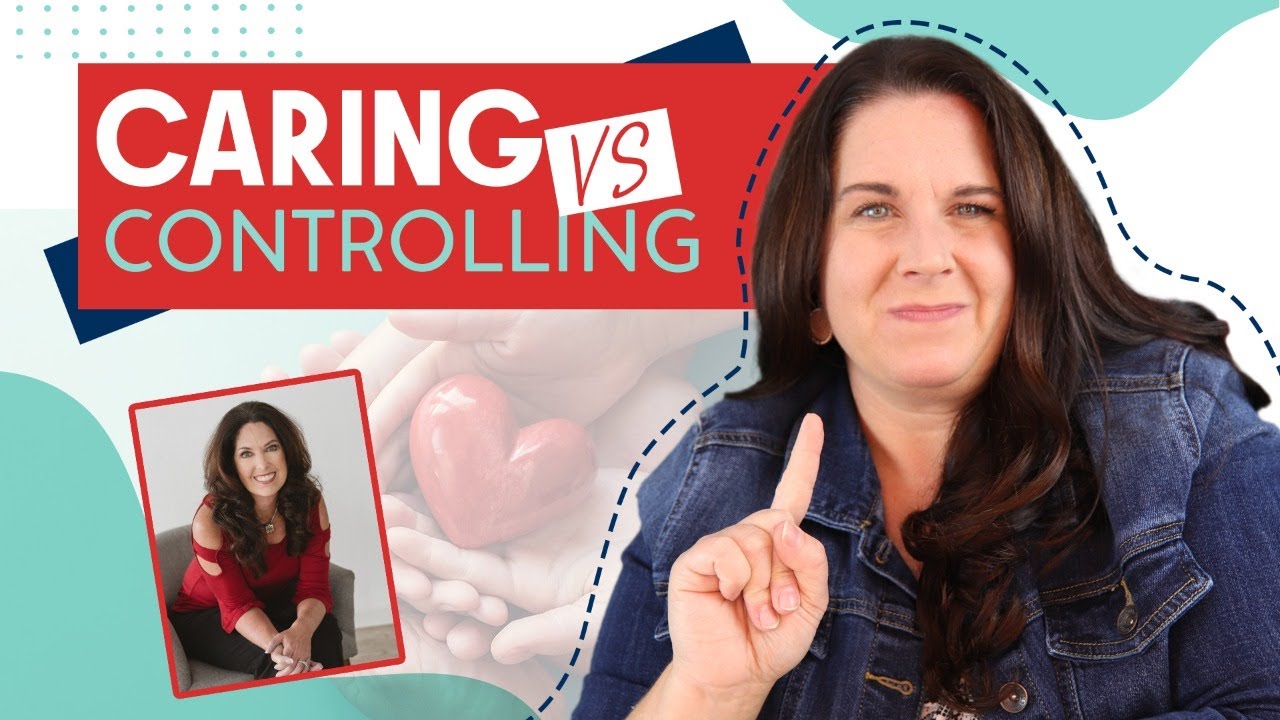
Licensed therapist Michelle Farris explains how to support an addict without sacrificing your own wellbeing. She breaks down codependent patterns like gaslighting and emotional blackmail, then offers concrete tools: setting boundaries, using a 1-to-10 emotional intensity scale to check in with yourself, and building financial independence through small steps.
Chapters
How to survive your loved one's addiction and keep your sanity intact. How do you manage all that rollercoaster of emotions and not lose yourself to all the chaos that's happening? How do you care about them without controlling them? That's what we're going to talk about today. And I have a special guest expert here with me who is going to answer those questions for you. And it is Michelle Farris.
Hi, Amber.
Hello and welcome. Michelle is a licensed marriage and family therapist, and she has a specialty in codependency, which is one of the biggest reasons why I wanted Michelle to be here. Hello, welcome. We're so glad you're here, Michelle.
Oh, thanks so much. It's a real privilege to be on your show, Amber.
Well, we're super glad we have you, and we are going to make best use of you. I'm going to ask you a lot of really hard questions.
Are you ready?
Sounds good.
Okay.
So what are the biggest emotions that you see family members, the loved ones, what are the biggest emotions you see that they struggle with in regards to their addicted loved one?
2. One of them is self-doubt. So they kind of, even though that's not an emotion, but it definitely, that low self-esteem feeling, Scared and resentment. Resentment is huge because they don't really— codependents don't like anger. When I ask them if they're angry, usually they're like, no, I'm fine. But if I ask them if they're resentful, they're like, oh yeah.
It's like that smoldering anger that's just, yeah, just like right seething underneath there. Exactly.
Yeah. Yeah. Well, we're not taught how to do anger well anyway, but especially if you're codependent and you're a people pleaser, your whole focus is going to be on the alcoholic and how do you make them happy so you're happy. So them being able to feel their own emotions is really tough because they're so externally focused on what the alcoholic is doing versus tuning into what's going on for them emotionally, which is, let's face it, a lot harder.
Exactly. Because they get stuck. You get stuck in this walking on eggshells, right? Because you're like, I don't want to upset them. I don't want to enable that. And you just don't know what to do. So you're trying to manage their emotions.
Exactly. And, you know, how successful are we ever at managing somebody else's emotions? I mean, but that's the freedom of recovery, right? Is that once I realize I cannot control that other person, I'm free.
That's right.
Getting to that point.
That's right. And so You know, they say that like Al-Anon all the time. Can't control it. Can't cure it. All that kind of stuff. How do you, how do you, how does a person get to the point where they can let go of trying to manage the other person's emotions? And while you answer that, I'm going to open the door because my dog has gone crazy.
Oh, okay. Well, I think a big part of that is hitting bottom and the codependent needs to hit bottom. So they have to get to the point where they're sick and tired of trying to manage the other person's life. And usually that's really exhausting. So eventually the codependent is going to hit that wall and go, you know what, I have nothing left. I can't keep doing this. Or they get sick, or their resentment is so intense that they can't— they start to explode, which is uncommon for a lot of codependents. They don't explode in anger much, but— You know, if they neglect themselves enough, it eventually goes there.
Exactly.
I love it.
I love what you're saying, Michelle, because it's like, it's really like a bottom for the person. It's that point of exhaustion. It's really, and it's really the same process that happens to the person who has an addiction. It's like when you get exhausted of trying everything that you know to try to manage a situation, then you let go of managing it. You know, it's kind of that powerlessness. Point where you sort of get it. And then that allows you to let go of that because not only does it not work and it's exhausting and you can't have your own life, right? The other person just resents you back and they call you controlling.
Oh yeah. For sure.
Talk to us a little bit about that.
Well, no one likes to be controlled, but especially the addict. And what the addict's going to do is they're going to turn that focus around and blame you for it. And say, you're the problem because you're nagging me and you're making me mad, versus if the codependent person backs off, then the alcoholic is going to start to see their own behavior more clearly because they're not— they don't have the excuse of tag the codependents it. They're the problem. So if we can remove ourselves from contributing to that, then the alcoholic or addict has more of an opportunity to actually look at themselves because they're going to be able to see their own behavior clearer than if we keep pointing it out. Exactly.
Because they're going to say things to you like, well, I probably wouldn't even drink so much if you weren't so naggy or uptight, or you're telling me I can't, that's just making me want to do it. Now, is that true? Probably not, but it's what, not only is it what they tell you, but it's what they tell themselves. And so Yeah. Backing out of that, right? It just— now they don't have that to blame, and then it's like, okay, now I'm still drinking and she's not nagging.
Yeah, and I think, yeah, that's where the gaslighting comes in, is that the codependent starts feeling crazy because they're being told it's about them and it's their fault, and they're like, what did I do? I don't think I said anything today, you know? And, and that's when the self-doubt comes in, and if they start to believe that, then you're really in trouble because you're really gonna think that, oh my gosh, I do have the power to fix this because if only I'm better, then the alcoholic will be sober or happy or whatever.
Exactly. Because it's like they, the person with the addiction is saying, well, first of all, they're saying it's not happening. Right. And then they're saying, well, it's not happening nearly like you try to act like it's happening.
Right.
And then when backed into a real corner, they'll say, okay, it's happening, but only because you're making me, or it's your fault, or forcing me.
Yeah.
You know? And so it's constantly Makes you question your sanity.
Yeah. And, you know, sometimes with my clients, I'll try to build some empathy there by saying, you know, they're doing that because they're scared to death and they don't want their covers blown. And because it's so easy to judge them for that behavior and get really righteous, but really, you know, they're just trying to scramble to survive.
Yeah. I think that's a really, it's a really good point. It's, it's a desperation.
Yeah.
And it's a survival instinct. And I love that you, you kind of come at it from that perspective of not really trying to excuse it or say it's okay, but saying, here's why it's happening and have a little empathy instead of judgment. Another thing that I might throw in there is I'll say, now, you know, you do a little of that yourself because, you know, they catching you snooping and spying and lying too. And you're telling them it's not happening. And so I'm like, you know, you're both doing it.
Well, and I love that if you do it just the way you did it in that light voice, so you're not sounding judgmental, you're kind of joining them in that issue, which can be a really nice invitation to be accountable. I love that.
Right. And then they kind of like, they usually like, okay, you got me.
That's true or whatever.
Right.
Right.
And the reason why, you know, they're doing it as a family member is that same reason, desperation, fear, you know, survival. It's the same It's both people stuck and that's why it's codependent. Like we're dependent in this thing together, right? We're both in here. Exactly. And so I think another piece you mentioned resentment, and I'm guessing you get this a lot, Michelle. I know I get it. Is there the resentment about the addiction itself, resentment about the gaslighting? Right. But then There's also like this big level of resentment because usually the family member person, whether it's like the spouse, the parent, the sister, whoever it is, feels like they're managing most, if not all of the responsibilities.
Yeah.
Can you talk? Do you have that? Because I know we have that a lot.
Oh yeah. You know, there's a great book called Dance of Anger and it's old, but it talks about the over-functioning, under-functioning, and that's what the codependent does is, I'm gonna do it all because I don't trust you to do it and I can't let go of it.
Mm-hmm.
So it's like, that's the power the codependent person has in recovery is to go, wow, if I do less, I'm gonna get some sanity back. And that really invites the other person to examine whether or not they can do more, because often we assume the alcoholic can't do more, but Sometimes they can if we are willing to let go of it. Right.
But it's, you know, it's of course, you know, we always say, you know, well, you let it go, you know, don't do it for them. But then the natural response is, well, if I don't pay the bills, we're going to lose the house. If I don't do this, the kids are going to flunk out of school. If I don't, you know, and there's that real fear, like rational, you know, it's not unrealistic concern. Our credit will be ruined. You know what, you know, all these bad things that can happen. What do you, What do you say to that, Michelle, when people say, but if I don't do it, it's a terrible thing?
Well, you're going to pick and choose, right? You're going to still have to pay the bills. You're still going to have to take the kids to school. But are there some things you're doing that are optional that are putting too much stress on you that you could say, you know, maybe I don't need to do this. Maybe my house doesn't have to be completely neat all the time. Maybe that's driving you crazy or you're taking care of your alcoholic's life in ways that maybe there are a few areas you don't, right? You don't have to do that. So, you know, I think more things in life are optional than people realize.
That's a great point.
Maybe that's what you do is you write down what are those optional things that, you know, you think are important, but maybe they're not.
And, and, and even some of those things, you know, one of the things you're saying is sometimes the other person will pick up Exactly. A lot of times they won't, and that's okay to let some of those things, what you're saying, fall through the cracks. Even, I would say, even some of the really important things to fall through the cracks and to really, you gotta really get in there and face some of your own fears.
Yeah, I think that's more intermediate recovery because a lot of codependents are, yeah, that's tough to let go of those bigger ones.
For sure. So we got the self-doubt, which you talked about from all the gaslighting and manipulation, right? We got the resentment from 800 places, of course.
Right.
And then we have this fear, which kind of ties in this constant fear of what if. And I really think It's that fear that's like the big daddy one. Yeah.
Yeah. Well, and I always love the acronym from AA, false evidence appearing real. Oh, because I do too. Because most of what we fear never really happens. Right. And if we can remember that and go, okay, am I going to lose my house today? Am I going to get divorced today? No. Well, if those answers are no, then that brings you into today. Because recovery to me only works when you can break it into small chunks of one day at a time. It's way too hard to live like, oh my God, I have to fix this or else I'm going to lose everything. So it's really a daily practice of that living one day at a time that I find so helpful.
I love that.
And it—
one of the reasons I love it is because it's, it's exactly the same as what the person with the addiction has to do in their recovery. It is such a parallel process. You just don't even realize that it Really, you're both stuck in the same problem and the solution is the same road out. You know, it's them having to face fears. It's them having to live in the moment and not go too far ahead and just control, you know, like we say in recovery, like make the next right decision. That's it. I just got to make the next right decision, that sort of thing.
Yeah. And I think the hardest thing for the codependent is to make that initial shift. From outward focus to the alcohol onto them, because that's where the emotions come in, right? Is we have to be willing to look at what's going on inside of ourselves, because if we're not, then we're always going to be anxious looking at what's being done outside of ourselves that we really can't control anyway.
So how does a person make that shift from that external focus to the internal focus?
You know, honestly, I literally, when I was doing it, I would say, okay, get your focus off of so-and-so. Because to me, it didn't matter who it was in my codependent recovery. It wasn't necessarily an addict. It was, okay, I don't have to focus on what that other person's doing. What's going on for me? And if I just ask myself that question, that's the start, is what's going on with me?
Mm-hmm.
Do I have tension in my body? Is my throat tight? Do I have muscle tension? Do I want to run or flee because I'm so stressed out I can't sit still? All of that is really important information, but really it starts with a simple question is, where are you in this moment?
I love that, right? Because immediately just asking yourself that question redirects your focus. You know, it forces you out of worrying and asking yourself questions about that to going inward.
Right.
Getting, and which will allow you to ultimately make strategic decisions, as I like to say, instead of just being reactive to your own emotions, to whatever's going on externally. But it is, I mean, it's easy for us to sit here and say that, but it's massively difficult to—
Oh, for sure. And one of the things I think that comes right after that is, oh, I shouldn't be feeling that way. You know, oh, I, this, I, I have nothing to be upset about. Right. And that's the next layer is to literally tell yourself, well, what if your feelings were exactly right for you right now? And there was no judgment. Because if your best friend was telling you they felt that, you'd be like, oh, how can I help? You wouldn't be like, oh, you're bad for feeling that. But it's like, that's, that's the practice is how do you not beat yourself up for your own experience? Because that sometimes is part of the alcoholic relationship. We're used to being You know, psychologically beaten up, so to speak.
Yeah. I see a ton of that, especially because a lot of the people that watch my videos and I talk about not playing the bad guy, it's like, yeah, I feel like I'm making them feel guilty for anger and I have to go in and say, now listen, your feeling is justified. You have every reason to feel, you know, because it's like sometimes when I'll talk to people that it's like they come in, it's like confessional.
I know I shouldn't have said this or did this, you know?
And it, and then we're human. Right. I mean, like, you hear me and I'm like, dude, I would have felt the same way.
I know. I love when you say that in your videos. It's so human.
Yeah, of course. You're feeling— now, you don't, you don't have to respond certain ways in relationship to that feeling, but the feeling is just a piece of information, you know? It's there for a reason.
Right. And there's always a reason, no matter what you're feeling. Every time I ask a client, you know, trace it back, it always makes sense. No matter what the feeling. And to me, that's how we start to embrace it is to go, oh, that does make sense why I'm angry. You know, it's not I'm bad or wrong. It's, yeah, I've had this resentment for a long time and I haven't ever dealt with it or whatever the case is.
Do you find when you say a long time, do you find that a lot of times it goes like back before the relationship? Like, oh yeah, childhood and stuff?
For sure. There's usually triggers if the alcoholic does something or they're not emotionally available or they They blame. Often it can trigger that, I am so done being blamed because my dad blamed me all my life, or whoever, right? There's that similar pattern. And then we get to that explosion part, that 1 to 10 ratio that I always use. It's like you're a 10. And when you get there, that's when you know, okay, it's a trigger. It's not all about what's happening in the moment.
Yes. And some of those, those big ones, like you said, the 1 to 10, those big, the big The really things that really hit your buttons, that probably does go back.
Oh, for sure.
Further. Yeah.
But that's so empowering to me because when I know I'm in a trigger, like, I know it's not about my partner. It's, it's really about the meaning I assigned it or the experience I had many, many years before. And that actually helps me not be so upset in the current situation because I realize, well, it's not all about that. But there has to be a level of accountability to get there.
Yeah. I mean, it takes a lot when you're emotional and you're upset to stop and go inside. It sounds like such counselor-y things to say. That's a therapist-y thing for us to say. And analyze your own feelings and do all that counseling. Sit with your feeling.
I'm always like, what does that mean?
Right. But it does help and it does help you feel actually more in control. Speaking of control, let me ask you this, Michelle. Now, almost 100%, like I'm, I don't like to say 100%, so I'm going to say like 99% or something.
Okay.
The addicted person is telling the other person that they're controlling, right? Pretty much all the time.
Right.
Do you think they really are controlling or do you think that's like a gaslighting? It's part of that, it's you, not me thing.
I think there's usually— I mean, if you're in a relationship with an addict or alcoholic, and especially if you're not in recovery, there's probably going to be some control, whether it's overt or sideways, you know, passive-aggressive way to do that. But I do think that can be in the moment a form of gaslighting to say you're controlling me when really the person is just trying to say, hey, this— I'm uncomfortable. I don't like this. I'm gonna leave. Well, you're trying to control me. What, you know, so that scenario would definitely be more of a You know, attempt of the alcoholic to blame so that they can avert accountability. But no, I for sure, I think because the whole premise of being codependent is if I change you, then I can be safe, then I can be happy and I can relax because you're happy. So I'm happy. And that's a big job. I mean, imagine trying to make somebody else happy.
Especially an addicted person.
Oh my God. Yeah. Their moods are all over the place. There's no way we're going to do that well. Even you and I couldn't do that well.
Absolutely not. That's so true.
Yeah.
So I guess what you're saying is there's a little truth on both sides. Yes, you probably are kind of controlling, but yes, they're using that against you as gaslighting.
They can.
It's really kind of both, or a rationalization sometimes for their own behavior. Like for example, I see a lot of people who drink too much and And they, they literally, they like always tell me I'm only drinking too much because my wife makes such a big deal about it and I just have to like sneak drink.
Yeah.
Because she gets so freaked out about it. That's why I'm sneak drinking. Not because I'm drinking too much, just because my wife, she's just so uptight about it. Like, so they always tell me, you're right.
Yeah.
Yeah. I'm just doing it because my wife's too uptight about it.
Yeah. There's no logic to that, by the way.
I know.
Oh, God bless him. Yep. They're just trying to survive.
They're just trying to survive. Just like you are in the family member position. If you're watching this and you've been told you're controlling before, let me know that by putting like some kind of fun emoji in the comments, like a police officer or maybe even like a video game controller. If you've been told you're controlling. If you're watching this and you have had issues with addiction in your own self and you feel like your loved one has been controlling, same thing.
And let's see.
You know, where that falls on both sides of the spectrum.
That'll be interesting to see.
Do you think the person with the addiction ever tries to control the family member?
I think they try to do that, uh, through blame, because that's how they get the focus off of their addiction, is if I can make you the problem, then I'm good. And again, they don't do it because they're bad people. They do it because they, they simply are trying to Keep their, you know, life together and they're not ready to get sober yet because they're scared to death.
Mm-hmm. Yeah, the blame and then, and then like the guilt, they'll put the guilt on you.
Yeah, that's a really big one too.
Yeah, I call it like emotional blackmail. If you don't do this for me, then I'm not gonna have electricity, then I'm gonna get beat up in jail. I'm, you know, I'm gonna have to go do this terrible thing, you know, right? They put the guilt on you.
Yeah. Well, and codependents are really good at, you know, believing that. And that's where the self-doubt comes in.
It works really well, right? Yeah.
That's why I think the biggest thing in codependent recovery that people don't talk about a lot is self-trust. It's like we have to build that self-trust of what you're seeing and what you're perceiving is actually true. It's not wrong. It's not off. You know, you have to really learn to cultivate that.
And how do you, how do you begin to do that? How do you, how do you learn? Like, how do you start believing in your own gut feeling?
Well, I think that's where a support system comes in, because you can do it for yourself and say, okay, this is what I'm seeing, even if I'm not trusting it, right? You can tell that to yourself. But I think it's really powerful to have a meeting to go to or Or somebody that you're in recovery with to bounce it off, off of and say, hey, this is what I'm seeing. What do you think? And, you know, and get that reality check of, well, yeah, I'd be upset with that too, because initially we don't trust ourself enough. But if we can get a little bit of outside validation to confirm that, I think eventually that can help us build a foundation to realize that we're on the right track.
Right. I'm not crazy. I'm not making this up. This is happening. Like other people would feel the same way or respond the same way that I am.
Yeah, right.
I love that, the reality check, kind of a sounding board or a person that you, that you trust, that's objective, that, that you really, you know, that, you know, you trust them enough, you know, they're not just telling you that to tell you that. Because if you have one of those friends and you don't trust them, that doesn't help you trust yourself. So you have to have somebody, right?
Right. And that's why we can't do this work in isolation. It's just too hard. It's way too hard to, because the same mind that's codependent, we can't get ourselves into recovery. We need that outside. Influence to say, oh yeah, I am being controlling, or yeah, I do need to take better care of myself and let go of the alcoholic a little bit more.
What about in situations, and I know there's no perfect answer to this, I'm just wondering, sometimes maybe it's a spouse and maybe it's your husband or your wife who has an addiction and maybe they're the ones that work and you stay at home or something like that and you feel like your finances are tied to this person. This is the parent of your children, you know, and you feel completely dependent on them, like, like not in a codependent way, but like in a real life logistical for real way.
Yeah.
What do you say to people in that situation? Because I get asked questions like that a lot.
You know, I think there, that's a really good question because part of what the codependent may need to consider is what are some ways they can start to increase their financial independence? Like, could they get a part-time job? Could they consider family members to live with if it comes to that? So they have other options because, yeah, I mean, to be financially trapped with an alcoholic is really stressful and really scary. And, but I do think breaking it down to baby steps, you know, like even if you were to get a volunteer position to get your feet wet and to gain confidence and go, yeah, you know, maybe I do have more skills than I think. And eventually, you know, that'll lead to something because baby steps count in recovery. You don't have to like go out and get a job, you know, that may be too big a leap.
It's kind of that creating options for yourself.
Yeah, absolutely. And not get overwhelmed by feeling like you have to do it all today because codependents are notorious for that. I want to overdo versus, well, wait a minute. You know, what's a baby step you can do today to get there? Yeah.
When you feel like you have a little bit of a safety net or, you know, even if they never get it, I'm going to be okay because I'll do this or that or the other. That goes so far in helping you to control your own emotions, to keep your sanity because you're not as tied to them in a real life logistical way.
Right. Well, and resources like You have, you know, that's really important for people to be able to get help and get that mentorship and that professional help to walk them through the process because it's too daunting to do by yourself.
Yes, absolutely.
Yeah.
It's that, that sounding board because it's just, it's like navigating blindfolded through a foreign country, you know, and you just need that help, that guide. Yeah.
And family and friends aren't the best sometimes. For that.
Now, Michelle, I'm gonna get ready to take some questions if you have time for that. No, that's okay. But I also know you had some— you had a resource you were gonna share, um, with them. If you don't mind, would you put that up there and tell them what it is so they can access that resource?
So I made a, uh, a guide for people to improve their self-care and set boundaries, because I find in codependency those are big topics that people— that really need to be broken down into baby steps. So this guide really talks about what type of self-care, try to rate yourself, what are some beginning steps to set boundaries, what do you do if somebody doesn't honor your boundaries. So, you know, just a guide to help them start to navigate and take care of themselves.
It's like a roadmap.
Yeah. Yeah.
Okay. And you and your, um, Michelle's gonna post the link and I will also come back in, um, after the fact in case you're watching the replay and I will also post the link for you so you guys can get that because it's a free resource that can help give you that, that map along the way so you don't feel so—
Oh, you know what? So I posted it in the private chat, but there's comments.
Okay.
I'll have to see how I can post it in a comment. I can probably— Do you know how to do that?
Yeah, I can do it.
Here we go. Thank you.
Sure, here's the link. All right, we had— we do have some good questions, comments, and concerns. Let's see if I can pull some up here.
Great.
Sorry, I lost track when I went to do that. Here we go. Sonia says, my 35-year-old son is a recovering alcoholic and has a mental illness. He's needing to move from his assisted living— assistant living. Yeah. I said I'd help him find a place and I wouldn't let him go homeless. Now I'm stuck. Any thoughts about that, Michelle?
Well, Is he— if he's open to assisted living, maybe that's a help you can give him is to give him some numbers for that.
It looks like he's leaving this. Let me read that.
Oh, he's leaving it. Okay. It says he needs to move. Oh, okay.
Needs to move out of his assisted living and find some other place.
Okay.
It looks like Sonya's kind of put a promise out there and now she's worried. Like, yeah. Yeah.
Yeah. Yeah. You know, that's a really good question because sometimes what we can do is we can ask them to go back to their existing support and say, well, are there people that are getting places together? Is there, is there people in your recovery home that work there that could, that maybe know, know of people? Because, you know, to empower him to be able to see if he can do some of that footwork might be a really good initial step for you, uh, to support him.
Mm-hmm.
Because I'm guessing there's probably some resources from where he was living.
Yeah, that's what I would think too, is the place he's leaving from probably knows other options and other steps. I'm guessing that one of the obstacles that you might run into, Sonya, is that he doesn't want or like any of those options. And maybe he's being given options by you and by other people, but he's like, I don't want to do that. I don't want to do this. And then you're feeling obligated because you said the whole, I won't let you be homeless.
Yeah.
And so I think you gotta look, if you're providing them options or they have these other options, but they're choosing not to use them, that's not really you going back on your promise because what's happening usually, I don't know for sure in Sonny's case, but a lot of times it's like, I want to come back and live with you. And then the family member is trying hard to resist that, especially if they watch my videos. You should be trying hard to resist that if possible. So you're trying to resist that, but then you feel bad because they're being homeless. But you've got to realize that you're helping, you're giving options, but they have to make the choice to choose those options. So you're not going back on your promise when someone else doesn't take some of the options they have. So that's one thing I would say.
I love that because you're right. You're still giving them support. You're just not fixing it. Right.
Or you're even offering to fix that, or I'll help you with this, or I found this place, or I'll even help you with your first month or whatever it is. But they're like, I don't want to do that and I don't want to do this and that's not right for me. But then, and then you feel the burden of fixing it because they don't like those options. And then the other thing I could think too, Sonya, is this. Sometimes we put promises out there or we've said things in the past and we can't fulfill on our promise or we changed our mind. Now, obviously we want to be a person of our word to the best of our abilities, and we all try really hard to do that, especially the family members. The family members. Really feel a strong need to stick to their word. But here's what I want to tell you. The person, when they're in active addiction, they don't feel a strong need to stick to their word. And so if it comes down to it and you have to say, you know what, I know I told you this and now I can't fulfill that and that's wrong of me, and you just need to own it and move on, that's okay too. And if you're feeling bad about it, I want you to think about all the times that they told you they're going to do something they didn't do it. They don't feel that bad about it. So, oh, I love that. Yeah, sometimes you have to break a promise, and, and I would acknowledge that to the person. I would say, I did tell you this, and it isn't right of me to do that, and it's— but it's okay because sometimes we have to do that, right? Obviously we try not to get in that position, but sometimes we just can't help it, right?
Well, sometimes they have to make the choice themselves.
That's right. Um, we have a question on here. How can you tell if you're being manipulated?
Oh, I'd love to hear more about like a specific example. But to me, I can always tell because there's a gut reaction of somebody's trying to get me to do something or to feel bad. And those don't sit well.
So yeah, okay.
You know, can you go back and like, what are you feeling emotionally that's making you feel manipulated? Like what was said? What was done? Because those are the things you can go back and say, you know, I don't really understand what your intention is here. Can you help me understand? Because I'm feeling a little uncomfortable here. And then that puts them to say, oh, well, this is what I want. Or no, no, no, never mind. Because maybe they caught themselves and realized, well, yeah, I am maybe asking something that's not okay. But I think, why not put it back on them and ask?
Right. So you're saying— I like this, Michelle, because you're saying It, one of the things you can do is a feeling check, which kind of connects to what you were saying earlier about move inside towards your feelings. And it's that feeling of, I feel like I'm being forced into something. I feel like I'm being forced to feel something or being forced to do something or say something or not do something. And it feels kind of like you have to, but you don't want to.
That's a good indicator. Exactly. And trust that. Trust that, that if that doesn't feel right to you, absolutely you're on the right track.
And then I might add to that, and I know this is a little controversial. I say this sometimes and because I, it applies to me. I don't know how much it applies, you know, to everyone, but I don't feel the need to call out every manipulation. Yeah. Sometimes I'll just let someone think they're manipulating me. I'll just let that go on and on because I'm just waiting because I'm 5 steps ahead. And as you guys know on this channel, We want to be 5 steps ahead. So every little manipulation doesn't have to be called out sometimes. You can choose to let something roll for a strategic reason. Now, letting something roll because you feel forced to is a different thing than just choosing not to call out every lie or not to call out every little thing. You don't, sometimes our ego gets in the way and we feel like we have to call the person out on every single thing, but it's not always productive for them or for us.
So, Well, yeah, and you can save your own energy because sometimes maybe you just don't have it and you can let it slide like you said. And to me, that's practicing loving detachment. Like, you know what, I don't need to respond to every little thing.
Right. Let's see here. We got another question. Can you give examples of what is not important to do for the addict when they are deciding what boundaries to set, especially with adult children who are addicted? It's hard when you, when you're used to doing it all, like, as the parent.
Well, simple things around the house, their laundry, their errands. Like, what are some little things that you're doing for them now that you know they could do for themselves, and that would give you your time and energy back? I mean, household chores, I think, is great. Money, you know, sometimes money is a big one. So sometimes I'll tell parents, Can you give less? You know, maybe you're not ready to pull it completely, but maybe you give less.
Yeah. Or like giving rides, you know, looking at if you're help— if you wanna help and it, it's doable for you, okay. But where you're stretching beyond what you feel like is reasonable and you're doing it and you know you're gonna have resentment over it.
Yep.
Those are the ones you need to let go of.
Mm-hmm. And to me it's like that gut check. If someone asks me to do something and I go, That's a no. That is not a yes. And if you can start to honor your no with the alcoholic addict, you're going to start to feel better. I mean, even though, yes, there's that initial, ooh, can I do this? But eventually it's like you're going to get your time and your energy back.
And it actually helps you to treat them better because when you do more than you want to do, you're resentful, then you get controlling, and then you are being angry towards that person. So exactly when you don't— you're doing it with boundaries, you're more pleasant.
Yep. Yep.
Yeah, absolutely. We have another, I don't know if this is a comment or question, but Kelly is saying the biggest fear I had as a codependent was that if I didn't do everything I could to save them and they died, how would I, I wouldn't forgive myself.
Yeah.
That's the big daddy, right? Like that's the ace card, right?
Absolutely it is. And that's where that is a natural fear because that can be a consequence of the addiction. But it's almost like that there's that one day at a time coming back to like, what can I do so that I can live with myself and do the little things? But what are the things that I'm not responsible for that I could start to let go of? Because ultimately, sadly, if that does happen, that's a consequence of the addiction, not us.
Mm-hmm.
You know, and, you know, But, you know, it also often doesn't happen. You know, it doesn't happen all the time. There's a lot of other options out there for addicts and alcoholics. They're going to be suffering and struggling for a while. So I think not globbing onto that fear and remember, like, today they're alive, today they're safe, today I'm safe, and, and getting that focus back on you as much as you can.
Mm-hmm. Let's see. Here's another good one. Sarah says, how do you not lose your mind if they are in denial about their addiction when they think they have it under control, but you know they don't? That is crazy making.
That is crazy making. And that's exactly why having a support system like Al-Anon or CODA or some group of people, because if you have that reality check consistently in your process and in your day-to-day life, You're going to trust that, yeah, you know what, he's just in denial. That's his process. But I know my truth and I have my truth supported because that's what you're going to need to go through this.
Yeah. It's just so hard because even though I see denial all the time, it's still like mind-boggling to me. I'm like, oh yeah, I see that. Like every single time I was, I'm like, dude, like it's like a glaring huge red blinking sign here. How do you not see that? But they don't.
Right.
You know, I've just heard every kind of crazy denial thing. I've heard young teenagers tell me that they were totally safe doing heroin because they did their research and they know exactly how much they can have. You know, you hear stuff sometimes you're like, are you serious? Like, are you nuts?
Yeah.
And it is, you do kind of want to be like, you know, right. You do want to kind of lose it and, and your instinct is to want to like shove it in front of their face. But the harder you try to do that, the more in denial they'll get or the more they will deny the issue. And so Right.
It is hard.
Yeah.
But you bring up an important point to just let yourself have that frustration. Like, man, this is nuts. Because it is, it is nuts. And we have to acknowledge that sometimes we may need to go out in the garage and say it out loud to our higher power. This is nuts. Because sometimes you just have to get it out and then go back in and go, okay, you know, this is a new moment. Yeah.
And it kind of comes into connection with what you were saying, Michelle, about the sounding board, whether it's like your own sponsor, your own counselor. Therapist, your best friend who's been through it. Yeah.
Yeah.
That kind of thing. Alrighty. Here, let's see. Christine says, I have hit that wall. My mental health and physically is going downhill now. I've pushed back and I don't care about hurting his feelings. I say, now it's not all about you. It's about me now. What do you think?
Yeah. You know, that is such a commonplace when the codependent hits that wall and that's when the anger starts coming out. So I hope you have your own therapy. I hope you have your own support. Because it's absolutely okay to be angry. One of the things that I know we didn't get to that I wanted to share was, I have a really quick tip for dealing with feelings is 1 to 10 scale. And most of us live at a 1 to 2 where we have a little bit of stress going on a little bit, but nothing bad. But as you go to the 5, the 4 or 5 mark is where you're starting to lose it. You're starting to get so upset that you're gonna say something hurtful.
The tipping point. Yeah.
Absolutely. And if you can start identifying that 1 to 5 when you're starting to go there, because that's when you're gonna have to probably leave and practice self-care. Because I'm all about telling someone, I'm angry because this is what you're— you know, when you yell at me, I feel anger, right? Or sad or disrespected. But that's different than raging because the rage isn't going to help us anyway, and it's going to make us feel bad anyway. So I think if you can start to name that feeling early on, uh, that's going to really help you feel empowered because you have a right to be angry.
The early— so you're saying catching it early on and identifying it will help you be able to respond to it and make decisions about how to respond to it.
And you're most likely going to have to take a break if you get that 4 or 5. Uh, because that's the point where, you know, it's not going to go well.
Right. Because you can get— you take it and you take it and you take it until you can't take it anymore. Exactly right, Christine. And then you just lose your mind and then you act— then you do act like a crazy lunatic and then you do feel bad about it later, even though, you know, you're kind of justified. You, you are kind of like, probably shouldn't have said that. And then you feel guilty later.
So yeah.
Yeah. All right, Michelle, tell them the name of your YouTube channel if you don't mind. Because Michelle has so many videos on codependency and relationship stuff, you guys are just gonna love her channel.
Oh, it's Michelle Farris Relationship Therapist.
Michelle Farris.
I don't have a Put the Shovel Down. I love that, Put the Shovel Down. I thought about that. Maybe I'll rename it at some point, but for now, that's where I'm at, right?
And if you just put Michelle's name, it usually pops right up easy. That's— I find it easy that way. So And I will let you know that I will repost that link in case you missed it for Christine's guide. And there are links, more links in the description for all kinds of resources that you might need. And up next, we have more on codependency relationships and getting your sanity back.
Yes.
Bye everyone.
Bye.
More from Amber








Addiction Turns “Me vs. Drinking” Into “Me vs. You” #addictionrecovery #addictionawareness

They Admit Everything Except the Addiction #addictionrecovery #addictionawareness

Stop Trying to Make Them Admit the Truth #addictionrecovery #addictionawareness