How To Turn Their Every "No" Into "YES" | Make Addicts Listen With This
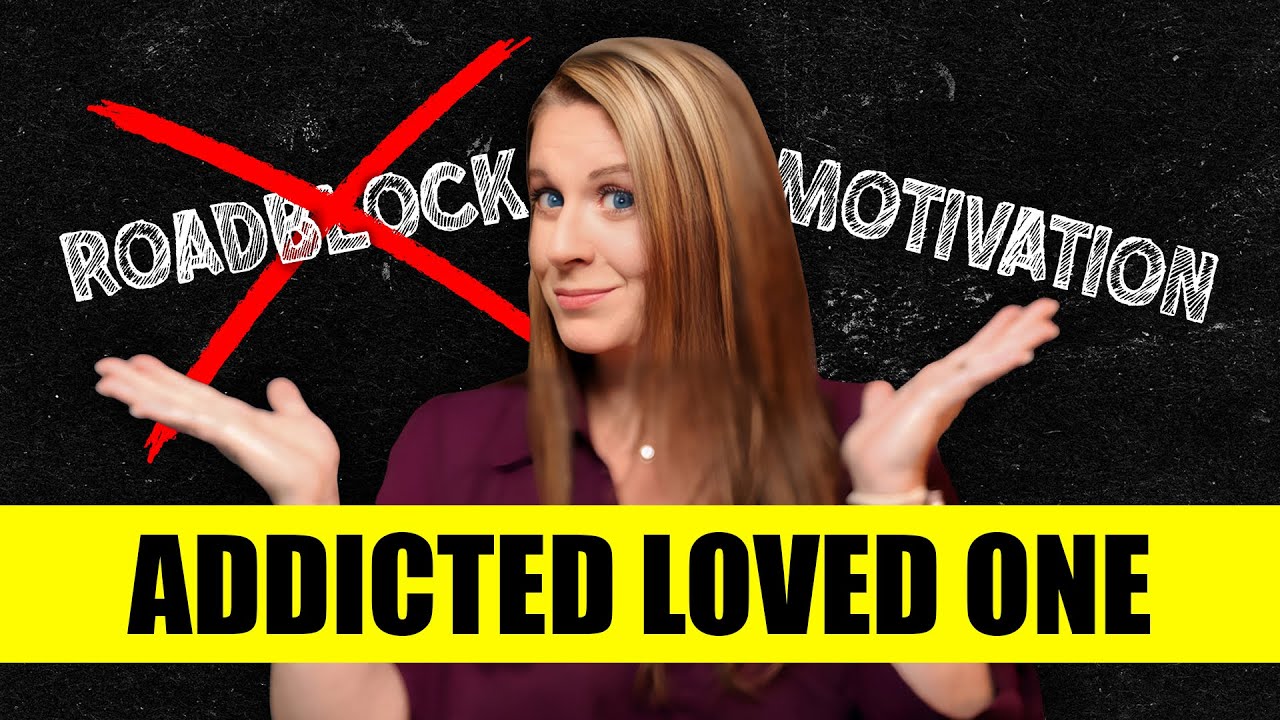
In this video Amber Hollingsworth, a 20‑year addiction‑recovery coach, teaches families and friends of people with substance use disorders how to turn the common objections and excuses of their loved ones into opportunities for change. She first lists ten typical objections (e.g., “I’m not that bad,” “I can stop on my own,” “I don’t have time,” “I’m scared of what others think,” “I’ve tried it before and it didn’t work,” etc.) and groups them into three overarching categories: denial/minimization, fear/shame, and practical/logistical concerns. Hollingsworth then explains why each objection actually reveals valuable information about the person’s stage of change and underlying roadblocks. She introduces the AIM framework – Assess the objection category, Identify and acknowledge the valid concern, and Move past the hurdle – and provides concrete examples of how to apply each step. The video also covers how to spot and nurture intrinsic motivators (change talk), how to use curiosity‑based questions to surface what the person dislikes about their use, and how to brainstorm practical solutions (e.g., childcare, finances, work scheduling). Throughout, she emphasizes a supportive, non‑confrontational stance, encouraging listeners to act as a sounding board, reflect back the person’s own statements, and allow the loved one to work through trial‑and‑error until they arrive at their own conclusion to seek help.
Chapters
If you're sick and tired of hearing excuses from your addicted loved one about why they can't get help, won't get help, don't need to get help, you are in the right place because today we're going to be talking about exactly how to respond when you run into these roadblocks that your addicted loved one is throwing up left and right. For those of you who are new here, welcome to Put the Shovel Down. My name is Amber Hollingsworth, and I've been helping people and families overcome addiction for more than 20 years now. And for most of my career, I've helping people who didn't want to get help. The good news is there are ways to turn these objections around and actually make them work in your favor. So in this video, we're going to talk about what are the most common objections, how to think about these objections and frame them in your own mind, and then what to do about it. So here are my top 10 most common objections. See if yours is in this list. If it's not, add it in the comments below, because if you've heard it, Chances are someone else has heard it too. Number 1, I'm not that bad. I'm not as bad as all those drug addicts in the meeting. I don't need to go to detox. I don't need to go to 90 days of treatment. I'm not like those other people. Those are all different versions of I'm not that bad. Another one that's kind of similar is I can stop on my own. I don't need to get help because I can handle this myself. I don't need to go to meetings. I don't need to get a sponsor, and I definitely don't need to go to treatment. Or how about this one? I don't have time. I don't have time to miss 2 months of work to get a treatment. I don't have time to take off early from work 3 times a week to go to intensive outpatient. I can't be missing work in the middle of the day to attend appointments. Those are all versions of, I don't have time. How about, I don't want to leave my kids or my family, such as, I don't want to be away from my family for that long. I don't want to be away from my family over the week, over the holiday. My kids need me. My work needs me. My wife needs me. This next one, people won't always say it out loud, but a lot of people think it. And that one is, I'm scared of what other people will think. This one especially happens when you're dealing with someone who's very functional or maybe even highly successful, and it's— and their addiction is sort of a big old secret. And coming out of the addiction closet is a very scary factor. How about this one? I've tried it before and it didn't work. Or, I don't want to talk to strangers about my problems. Or maybe, I'm not ready yet. Or even, I don't trust those treatment programs. It's just a big money-making scheme. These are all ones I've heard before, and my guess is you've heard some of these before yourself. But I don't want you to get discouraged because every single one of these objections actually gives you a very useful, vital piece of information. And when you shift your mindset from being frustrated and angry at the person To actually looking for these objections, it's going to change everything for you. You're going to respond totally differently, totally different. When you hear statements like this normally, you might be thinking something like, yeah, you don't want to be away from your family, but your family needs you to go to get treatment. Or yeah, it's a lot of money, but you know, this addiction is costing you more money, or divorce is costing you more money. Or yeah, you don't want to miss work, but if you don't solve this problem, you're going to get fired anyway. Right? You're going to have all of these comeback statements. Most of those comeback statements are pretty valid, to be honest, but they're not very effective. So even though we're thinking them, we're going to set them aside and put them over into the my own personal thoughts I'm not going to say out loud box. Okay? We're going to close the lid on it, and then we're going to talk about those thoughts in our Al-Anon meeting, in our recovery group, to our counselor, our therapist, or whoever. But we're not going to say them to our loved one because Like I said, it's not going to do anything but make your loved one more defensive. And what I want you to do instead is actually look for these objections because these are key critical pieces of information which tell you a lot more than you might think. For example, it can tell you where someone's at in their stages of change, and it can also tell you what the underlying real roadblock reason is. Now, I know I just gave you a bunch of examples, but we could probably narrow all of those examples down into 3 kinds of objections. The first category is denial and minimization. So when someone says something like, I'm not that bad, I can stop on my own, or I'm not ready yet, these are all statements that are saying either I don't have a problem or I don't have a very big problem, so I'm not ready to consider getting help options. So in that denial and minimization category, even though you kind of have to start back from square one, the good news is is denial is always solvable. In fact, I would much rather deal with someone who's in denial than someone who thinks I am the worst addict or alcoholic ever, and I'm never going to get better because I'm 10 times worse than everyone else. That's a much harder situation to deal with than someone in denial, because if it's really addiction, the unmanageability will continue to show itself until the problem is very evident. Now, there are some things you can do to speed it along, and that's why I want you to watch those videos or even take a look at our online course called The invisible intervention, but there are ways of solving the denial issue. Now let's move on to the second category of objections. That category is called fear and shame. Now, when you hear statements like, I'm scared of what people will think, I've tried it before and it didn't work, or I don't want to talk to strangers about my problem, when you hear statements like that, then it's important to realize that the thing that's holding them back is insecurity. Instead of trying to go, head-on against these objections. You want to get at the root of the issue, which is this insecurity, this nervousness about what other people are going to think or what it's going to feel like to talk in front of a group or that kind of thing. Keep watching because we're going to talk more about how to deal with that. But before we do that, let's talk about that 3rd category of objections, which is one that I call practical matters. These objections have to do more with logistics. Statements that fall into that category are statements like, I don't have time. Or it's too expensive, or I don't want to be away from my family, or even I don't trust those treatment programs. Those are all practical matters. And the good news is when you run into these, these are like the last little hurdles because what it means is someone has come to the conclusion that they have a problem and someone has decided that they need help. They just need some help solving those last little hurdles and being brave enough to take the jump. Now, if you're having trouble figuring out what stage of change your loved one's in or what kind of change talk you should be listening for, then Look in the description of this video. I've put a link to my free download about stages of change. Change Talk gives you tons of examples, which will help you to identify where you're at even faster. All right, moving on to the method. How do you deal with these objections? I try to make things easy to remember. So for this methodology, I've come up with a little acronym for you called AIM, A-I-M. And the A stands for assess the category. So those 3 categories that we just talked about, which is denial or shame and fear or logistical or practical matters. First thing you're going to do is figure out which of those categories the issue falls in, because now you know where to put your energy. In the second step, the I stands for identify and acknowledge, as in you want to identify with them and you want to acknowledge the points that they have that are valid. Now, that's not saying that you totally agree with them, but there's probably something in what they're saying to you that you can relate to. For example, you can probably relate to what it would be like to talk in front of a whole group of people about your personal business. Awkward, right? Or you could relate to what it's like to talk to a total stranger about really sensitive matters, or what it would be like to have to miss that much work or have to be away from your family. Those are valid points. Now, I know in your mind you're thinking they're not valid enough to keep the person from getting help, and you're right. Okay, you're right, but we're not going to say that. Remember, that's over there in that box. Don't forget the box. I know it's trying to come out, so put it back in there. Acknowledging this and identifying with them isn't saying you completely agree. It's just acknowledging that, hey, there's some validity to their concern, and there's almost always some validity to their concern. And the third step, the M in AIM, is move past the hurdle. Yes, that's why you're here. How do you move past the hurdle? Well, when it's one of those practical issues, sometimes it's an issue that you can help brainstorm with the person. Like if it's a money issue, a missing work issue, I don't like I don't like a certain kind of treatment issue, or I don't like to talk to men. They make me nervous. Those practical type roadblocks, sometimes you can brainstorm with people, or in the background you're coming up with some solutions that help to get around those practical issues. Like sometimes it's, who's going to take care of my dog when I'm in treatment? Maybe you can help make arrangements. Maybe you can take care of the dog. You don't have to if that's not your thing, but maybe you could find someone to help take care of the dog, or you maybe you can help find a treatment program that will fit within their schedule. And sometimes when it's like a thing of Sometimes if people plan it right, they can like take a bunch of PTO days, miss work, go to treatment, and work never even knew. There are ways around many of these practical hurdles, not all of them, but a lot of them. And if you can solve and find options for people that help get around this, it'll make things go much smoother. In the event that you can't solve that problem, that you can't overcome that hurdle, don't worry, don't get upset because the person will actually overcome the problem themselves when they're motivation for change gets higher than their reluctance or their fear of change or these roadblocks that are in their way. Which brings me to the next part of the AIM strategy, which is motivate. So at the same time you're listening for these roadblocks and these objections, you're also listening very closely for factors that actually motivate them to want to change. And in almost everyone I've ever met, there are some of these factors, even in people who seem like they're just completely resistant or completely in denial. Like, for example, if someone says, I love to drink, I'm going to drink till I die, or I'm retired now, these are my years to do what I want to do, right? Even when you have all that big cowboy talk, there are usually some motivators for change. And one quick question that you can ask that'll get right to the heart of it is you can say, well, is there anything about it that you don't like? You have to say it in a curious tone, right? So you don't hit their defensive button. But when you say in that curious tone, they'll usually give you some like, Well, it kind of makes me feel crappy the next day, or yeah, I don't really like it because sometimes I do things that are embarrassing. They'll give you some things that they don't like about the addictive behavior. So keep a running list of these things, either like in your phone, in a notebook somewhere, as long as it's not going to be found, or just in your head. You want to keep note of their objections and their motivating factors because in the end, you want to craft your responses around their point of view. Let me give you some examples. Now, sometimes when I get a new person in our strength-based coaching program, sometimes they're super motivated, they're ready to quit, the environment's perfect, and they're like, let's go, what do I do? And we just get right down to business. Other times when I get people in the strength-based program, they have some either like ambivalence about whether or not they want to stop. They kind of do and they kind of don't, which is normal, or they want to stop, but they have a lot of roadblocks. Usually the big roadblock that's hard for them to overcome when they want to stop is like Their environment. Sometimes people are just living in an environment that just isn't conducive to change. Like for example, if you want to stop living, but you're living with your girlfriend who is also alcoholic, or like if you want to stop using cocaine, but your best friend is the drug dealer and always hooks you up and always seems to be there to get you more of the drug. When this happens, when people are in that kind of situation where they either have ambivalence about it Or they really want to change, but they're not being successful for whatever reason. I consider it my job to just explore those roadblocks with them. When I'm able to just sit with someone as they work through that, they almost always solve the problem and they almost always sort of knew what they needed to do from the very beginning. They just need the help to talk themselves into it. So when I hear motivating statements, I want to pay really close attention to them. They're like little seeds. that you need to nurture and pour water on to get them to grow. And I'll just reflect back to them what they're dealing with. Like recently, I was dealing with a fellow who had an alcohol problem, who was living with this girl who also had an alcohol problem, maybe not as bad as his, but still pretty bad. And even though he really wanted to stop, pretty much every night they would end up sitting on the couch watching Netflix and drinking, and he just couldn't seem to get out of the pattern no matter how much he promised himself. So when we would have our meetings and he would talk to me about this stuff, I would just reflect that back to him. I would say, wow, you really want to stop because I'll just reflect it back to him by saying things like, like, I know you're really motivated, especially because your career is stalled out and you're feeling crappy about yourself and you really, really, really want to get out of this pattern, but you also really care about this girl. And so that makes it hard. When you can reflect back to people like that, they start solving for their own problem. They either say out loud or in their own head, they're like, yeah, you're right. But if I don't get out of this, relationship, I'm going to lose everything. You know, they'll solve the problem in their own head. They'll overcome their own resistance. They'll be thinking statements like, yeah, but if I don't solve this problem, I'm going to lose everything. Or if I don't solve this problem, she's going to leave me anyway because I'm a loser and my career's not going anywhere and I can't even pay bills. Other times when I deal with people, it's like they know they need to go to treatment, but they're reluctant because they tried it before and they had a bad experience, or they tried it before and they did good for a while, but then they fell off the wagon. Or they're just not sure how they'll afford it. In my experience, when I just walk alongside people that have this issue, they usually come to the conclusion themselves. They usually come to the conclusion that that's what they need to do and find ways to overcome all of the logistical matters. Most of the time it's just about getting their courage up. But I will give you this little warning. Sometimes when you're dealing with someone who's in those ambivalent stages or who have those real-life logistical roadblocks, You're going to have to work with someone through those phases by letting them try some other things. That's how they eventually come to the conclusion that they need to take the big step, whether that's leave the relationship, go to treatment, get out of a friend group, change a job, whatever that big step is that they're nervous about and they're reluctant about. They'll eventually come to that conclusion, but you have to let them sort of go through that trial and error process. And if you can be a sounding board for them as they go through that process, they'll actually get through it a lot faster. Now, somebody out there is listening to this video and you're thinking, yeah, but Amber, my loved one won't even talk to me about the subject. When I bring it up, they just freak out, or they just say, I don't want to talk about it, or they just shut down or slam the door or leave the room or whatever. Well, guess what? That is an objection, right? And it's telling you something. What's it telling you? It's probably telling you that the topic makes them feel really embarrassed and uncomfortable, which means it falls into the shame and fear category. And sometimes it means you're a crazy lunatic and I don't think I have a problem. My guess is, you know, which one applies to your loved one's situation. So when someone doesn't want to talk to you about it, you first have to deal with that roadblock and you deal with it the exact same way we have dealt with these other things. Like for example, if it's fear or embarrassment about talking about the problem, you have to make a way to talk about it that's not so intimidating or scary, or that's not going to blow up and turn into an argument or a fight. So I hope you walk away from this video feeling encouraged. Objections are just little pieces of information that are going to help you move from where you are to where you want to be. Don't be scared of them. In fact, hunt for them, look for them, because it's the secret ones they're not saying that you don't know what to deal with. So don't hide, dig those objections out.
More from Amber








Addiction Turns “Me vs. Drinking” Into “Me vs. You” #addictionrecovery #addictionawareness

They Admit Everything Except the Addiction #addictionrecovery #addictionawareness

Stop Trying to Make Them Admit the Truth #addictionrecovery #addictionawareness