I Wish Every Person With An Addiction Could Watch This Video
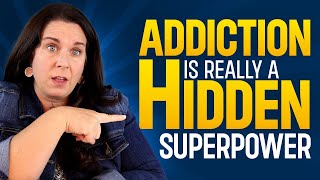
Speaker Amber Hollingsworth reframes addiction not as a brain 'defect' but as an intense, redirectable personality/drive (often overlapping with ADHD). She argues addictive tendencies can become 'superpowers' if redirected toward prosocial, goal-directed activities, explains relevant brain chemistry (dopamine plus serotonin/oxytocin), and offers practical guidance (change-talk, boundary-setting, environment control) illustrated with client anecdotes and live Q&A.
Chapters
Having an addiction doesn't mean your brain is defective. It doesn't mean your brain is broken. But it probably does mean you're using your brain for the wrong thing. You know, our brains are wired up exactly as they're supposed to be. We all have this chemical called dopamine, which is designed to motivate us towards things, and I'm glad we have it for one. I hope you are too. It's just that when we put that superpower, which is what it really is, in the wrong direction, it just doesn't yield good results. So I want to take a look at today how we can take the same characteristics in someone that makes them an addictive person. Those are actually the same characteristics that will make someone a wildly successful person. All that we need to do is redirect the energy and the focus, and I think that's a lot healthier and actually a lot more accurate way to look at it than all of the pathologizing that has been done with calling addiction a disease. You know, there's some reasons why they call it disease. There is some positive towards saying that, for one, calling it a disease many years back helped people to be able to access help because it reduced the stigma and it let insurance companies pay for people to get help for addiction. So there's some good that comes of that. And yes, there are some brain changes, some actual changes in the way your brain works when you develop an addiction. But I don't know that I would really. I definitely wouldn't call it a disease, and I don't even know that I would call it add. Say, you know, it's messed your brain up. I think it's your brain doing exactly what it was designed to do. It is designed to seek pleasure. It's designed to keep you motivated, and it's that way on purpose. It's just that now that we live in a society where we have so much abundance, we've sort of tricked our brain into giving us that feeling that we're supposed to get somewhere else from these sources, which can lead us into a sort of, like a counterproductive pathway, if you will. I don't know if you guys have. Most of you guys have heard of the term, like, addicted personality. Give me, like, a raised hand in the comments if you've heard of addictive personality. I definitely think there is such a thing as addictive personality. It's usually also pretty synonymous with someone who has adhd, which also makes you prone to having addiction. But. But even adhd, I don't know That I would see as like a brokenness or an illness. It's really just a different personality type. I heard someone say today On a different YouTube video, it wasn't about addiction, it was about something else. But they were saying ADHD is really just what they call personality E. A different personality type. Personality E for entrepreneur. And I love that. I was like, man, that is bang on target right there. That is exactly what. Right. It's just a different brain type to create a different type of person. Because you're built as this personality type E to do different things. You know, most. I started to call this video title it, you know, the thing that I disagree with 99% of most counselors about. Because most counselors and family and friends, people say, you know, you got to live a balanced life. And I've always been kind of not on board with that. Probably because I'm one of those ADHD personality type, addicted type people myself. And I'm like, eh, balance is boring. Not that, you know, some people are just better at that. I'm not so great at that. And I think that trying to take people that have addictions and make them balanced, I think that's the wrong thing to do. Because I don't think that that's the way their brain is meant to function. And instead of trying to change their entire operating system, if we look at that operating system and say, what is this designed to do and how can we put this person or let help them build a life around doing what they're supposed to do, they'll be wildly successful. If you think about it, anybody that's ever done anything great in this world, they weren't balanced at all. You can't be balanced and do spectacular things, right? Because if you're, if you're balanced, you don't have enough time and energy to put towards any one thing in your life to do anything fabulous. You know, if you think about people like Steve Jobs or Nikola Tesla or Ben Franklin or anybody else who's done anything really cool and miraculous, they weren't balanced. They were addicted. It's just that they used their addiction, their obsession. They're like relentlessness. They're like, I will not stop until I get what I want. They just put it in a productive direction. And there are some reasons why it's productive because it gets things done. But even on a biological level, which we'll talk about in just a second, about brain chemical wise, why it's more productive and effective and efficient, those are just addicted people, like harnessing their superpower so if you're one of those people or if you care about someone who is one of us peoples who tends to be over the top about everything, who tends to be all in and out of control and overboard on everything they do, then I think you should consider that a good thing. And I think we should stop telling people, like, there's something wrong with them. Some of those people end up with addictions that we recognize, and then other times they just end up being people that other people see as, like, over the top or excessive. This past Sunday was Easter Sunday, and I was. We were going to go to my bestie's house for Easter dinner, and. And I was supposed to bring the sweet potato crunch, which is fantastic. Of course you have to have that. And I was also supposed to bring the broccoli salad. So I was in the kitchen and I was like, making this stuff, and my husband comes by. He's like, why are you making so much broccoli salad? He's like, oh, my God. You all. Everything you do is like. You always, like, do, like, 10 times more than is needed. And I just laughed. I said, dude, that's my brand. Have you met me? Like, everything I do has got to be excessive and over the top. If you guys had this little window into my other life other than on YouTube, you would see that I'm excessive with everything. You see my Christmas decorations. You see a birthday party. If I have a birthday party, it's going to be over the top. It's just the way that I do. And so when he said that to me, I. I didn't take it as an insult. I laughed and I almost took it as a compliment. I was like, yeah, that's me, over the top. And I just want you guys to know that, like, literally there were two servings of broccoli salad left, and those two servings got fought over. So it was not too much anyways. Just putting that out there, Donnie. Just saying. But he is right about me in general and that everything is over the top. It's too much of. And that's okay. And that is exactly who you are. If you are one of those addicted personality types, you are meant to be obsessive. You are meant to be over the top. You were designed to be one of these. I won't give up until I get what I want. People, you are just using your powers for the wrong thing. Because there's nothing at the end of the addiction rainbow. There's no accomplishment to get. There's no sense of satisfaction. There's no sense of you did something helpful for yourself or for anyone else. It's just empty. And so it's like you're chasing down this lane that only leads to more and more emptiness. And that's why it's counterproductive. But when you take that same person and you take that addicted part out, that thing that they're chasing unproductively, what naturally happens is they shifted into another avenue. Now a lot of people call it shifting addictions, which can happen. You know, you could like quit one substance and start doing another substance, but you could also quit one substance and then your obsessiveness just turns towards something else. And the key there is just to harness it and direct it in some direction that's important to you, some, some way that at the end of it you feel good about. That's the difference. When you chase an addiction, at the end of it, you feel terrible about yourself. And when you chase anything else addictively, you kind of feel good at the end of it because you feel like you accomplished something. You feel proud of yourself about something. Brain chemical wise. There's nothing wrong with dopamine. In fact, I'm going to make a video pretty soon that talks about stop doing the dopamine detoxes. Because I see all these videos about dopamine detox. I had a client tell me that was like, why are you doing that? That's dumb. Anyway, I'm going to make a video about that, so keep your eye out. But there's nothing wrong with dopamine. But what I will tell you is dopamine actually works best when it's paired with a few other chemicals, one of which would be like serotonin, oxytocin. And so when you have that, I'm motivated, I'm driven, I'm excited, I'm going to go after. And you pair it with some of those more pro social brain chemicals that bond us and tie us to other people. Then we get that good serotonin. We get serotonin when we do something that we feel proud of, particularly in the context of our tribe, our people, our group, you know, our community. Because we accomplished something that makes other people proud of us. And it's like when we achieve a goal, that's a situation where you know you've done something maybe obsessively, maybe over the top, you've put a lot of energy into it, but at the end of it you feel good about it. So I don't want you to stop, I don't want you to try to Turn off this addicted personality. I want you to direct your addicted personality because we need you. Because you are the person that is built to push through obstacles. You are the person that is built to not accept. No, you are the person who is built to, like, have a dream and a vision and no matter what anyone else says, to keep going at it until you get there or die trying. That's what you're supposed to be doing. And I don't think that you're broken. I think you're just pointed in the wrong direction. It's just like, you know, when you watch, like, superhero movies, there's always like a super villain. And the super villain usually has powers too, right? And the only difference in the two people is one is using their powers for the good and one is using their powers for the bad. But you both have powers. And when you're this ADHD or addicted type personality person, this is your power. Your obsessive, your obsessor is a good thing, it's not a bad thing. Yeah, there are some drawbacks to being this obsessive type person. Mostly we drive people around us crazy a little bit. Mostly drawbacks for them. But we don't destroy them or kill them or, you know, really like destruct our families unless we're putting it in that addictive territory. You know, if you got it in the right direction, you'll probably just be slightly annoying to the people around you. Like I am with my family when I'm just like, over the top about things. And my staff as well, you know, they see that too. So it's. I just want you to know there's nothing wrong with you and you just need to redirect it. And you can look at, you can call it whatever you want to call it. You can go to treatment, you can go to church about it. But if you will just redirect it and stop telling yourself, oh, my gosh, I'm broken, I'm addicted, I'm never going to get better. This is just who I am, you know? And you look at statistics and you start reading stuff and you tell yourself, like, oh my gosh, like 8% of people get better. That's just ridiculous. It's not true. I see people get better all the time. I see people get better that don't ever go to treatment. They literally just redirect their energy. It's one of the reasons why I absolutely love working with addictive people because I just like the people that they are. They're usually type A motivated, you know, when they're not chasing down addiction. They have a lot of energy. They have goals and dreams and desires, and they're willing to go after them. And I like that about people. People. So one of the things that I do with the people that I see is I just try to see, listen to them long enough to figure out where their energy is supposed to be going and just really encourage them to put their energy that way. And it's really cool and awesome and fun to watch them shift out of it and watch that energy go in a different direction and watch them be successful and happy. I can think of, you know, immediately 10, 12 cases come to my head, just immediately, without even trying to, like, think of people who, who once they stopped obsessing about the wrong things and redirected their obsessor how their life changed. You know, I can think of a guy who I was seeing who had always been really smart with tech things and online things and had gotten himself an addiction and gotten on the wrong path. And literally within a year of him getting sober, his business had taken off. You know, he was like, it was working. Things were going into place. I could think of another client who immediately when they got sober, they were just like, so happy. They were like going all these really cool places, making all these cool memories, like exercising, working out, feeling good. It's like becoming who you were really meant to be. And it really is just a mind shift. One of my clients used to say that his family would tell him, like he was all or nothing. And I say, oh, no, you're not. You're all or all. And he like, laughed. He said, I think you're right. And so now he always tells me that, oh, I was got my all or all going. That's right. That's that addicted personality. And I want you to like, own it. I want you to just like absorb it, take it in your heart and run with it instead of fighting against it, instead of thinking that there's something wrong with you. Now that addicted personality thing, when you get it going in the wrong direction and you're sort of chasing these empty roads, these empty goals that you're addicted to, it will lead you to a moral issue. It will lead you to a spiritual corruption. And that's why addiction gets such a bad name. So people think that you're a bad person and that's why you're addicted. That's not the case. You're addicted, and that will turn you into a bad person. It. It turns you into this mode of selfishness. And because you're Doing things. When you're in that addicted cycle that you feel guilty about, your brain starts to do what all of our brains do, and it starts to get defensive of why we're doing what we're doing. And so it gets all caught up in rationalizing, justifying, defending, building resentments about everyone and everything else around us, because everyone and everything around us is telling us we're wrong. And so it creates this addicted behavior, addicted thinking, which I'm just going to be honest. It is morally messed up. It is corrupted. It is selfish. I'm not gonna, like, pull any punches and tell you, no, it's not their addiction on their fault. Having an addiction will turn you into that person. But we all have the capacity for good, and we all have the capacity for bad. And it's just, what side are we going to nurture? What side, what part are we going to develop? It's not that people develop addictions because they're bad. It will turn you into a different person. And the reason I know they're not bad is because you take the addiction out, you look at them, you know, three months, six months, one year later, and you can see that they are a thousand percent, completely and utterly a different person. You can also take someone who's like a really great person and get them addicted. And guess what? They'll do all the same things. So it's not about the things that addicts and alcoholics do is not because they have bad character. They do the things because they are in this driven state. They're just driven to the wrong things. And then they get in this, I'll do whatever I got to do to get it. But you can see that people who invent really cool things, who do really cool things, who are artists, you know, they are also that I'll do whatever I have to do to get it. It's just that normally you don't have to do, you know, terrible things to other people to do it. When you're trying to build something or become something or create something, it's all about using your superpowers for the good. Do you guys agree? If you agree, give me like a super. A superhero emoji in the comments. I think they have those, right? Like. Like Superman and the Supergirl and all that. Give me that in the comments, if you know what I'm talking about. Hello, everyone who is watching us live. And for those of you who are watching on the playback, hello and welcome. We are gl. You're here too. I will put up a video at the End of this video. That is the perfect example of what I mean when I say you're really a superhero. You're going to put the video up at the end of this one about Chris. I don't know if you guys saw it. Chris is a young guy who came to see us several years back in our intensive outpatient program because basically got kicked out of school because he was, like, selling drugs and doing all kind of bad things, got himself in trouble. And he came and he was in our group and he said he want to be a millionaire. And everyone laughed. And I said, no, let's make you a millionaire. And he said, I'm be a millionaire by like 25. And then I interviewed him this past year. I think he's like 23 or 24. He was already a millionaire, like, literally within a couple of years of stopping, chasing the wrong things. This young man had, like, built a little empire. And it was quite impressive. And that's exactly what any person I know that's addicted, I'm telling you, you can see it happen, you can watch it, and it's really cool and miraculous. It's all about shifting the focus. And you. You're just. You'll feel so much better. The high is better on the other side because you. You get more than just the dopamine. Dopamine by itself is kind of hollow, feels sort of good, but it ends up making you feel worse and kind of hollow at the end. But when you pair it with other things, then it's like, super productive. And I can feel, I mean, I'm definitely that ADHD type person. I can feel, I mean, house to me, I have to fight it constantly, every day, like, whether my dopamine is gonna drive me down, like, the Netflix binge road, which it will for sure do, or whether it's gonna, like, send me down the. Like, create content or do something productive or plan something or do something that's interesting and I can have some control over which direction I let that go on any given day. And the way that I do it is the. The thing that I found most effective is to control the influence that I put. So I know that if I turn on the Netflix and start some new series, that I'm not gonna stop until, like, literally I've seen every single one of them. Like, I. I cannot stop watching. I don't even start watching a series unless, like, all of it's there. I don't ever watch anything where you have to, like, wait till next week. Like, I can't even do that it's not even within me. So if I turn it on, I'm gonna watch as many episodes is it's available on the Hulu or the Netflix or whatever. Because I know that's who I am. So I have to be very careful. That's another thing that addicts and alcoholics do that make them suffer for so long is they try to tell themselves that they're going to bring it into balance and manageability. Here's what I'd ask you. Are you balanced and manageable by other things or probably not. You know, I can't even balance and manage my Netflix content consumption. So saying that I can balance and manage my alcohol, which literally turns off the filter, and any ability that I had to balance and, and manage when you turn that off, when you put the drug in, so you already have like limited capacity for that as a person who has addictions. And then you go and turn off whatever capacity was there with the drug. There's no chance in that. Stop trying to balance it. Stop trying to be balanced. Just bring. Just say, you know what, this road over here is non productive. And it leaves me feeling worse in the end. But I can also choose to go down this road. So I choose to, like, surround myself with content that makes me feel creative or inspired or makes me motivated or, you know, if I have to listen to some kind of motivational speech or listen to a book or whatever it is you can control. It's like steering. It's like you can steer the direction of your obsessor if you just try. And I know that all of you know that, and I know that all of you have chosen to steer that in the right direction. You've chosen to steer that in the wrong direction. You've probably kind of done it enough to know how your system operates. All right, let's say hello to those of us who are here and let's see what you guys have to say. See, while we do that, I will say this. A lot of times you guys are like, is it okay to share this video with my loved one? This video, as long as your loved one or your person you want to send it to, is it going to be offended by the word addicted? You can send them this video. This is the one to send. Because I really do wish everyone that had an addiction could hear this. Because I think if you could hear this and understand this about yourself, you wouldn't worry about that word addicted so much anymore, right? Like, you're like, yes, me. You'll just be like me when Your husband tells you, why are you making, like, 50 pounds of broccoli salad? I'm like, dude, have you met me? Like, that's just me, and I just like it, and I just own it. Yeah, I'm gonna go over the top. It's just what I do. And you'll just own it. Be like, yeah, that's me. I'm just like, hello, Amber. I'm addict or whatever. It's okay. You just need to be proud of it. And you'll feel proud of it when you put it in a direction that you. That you feel good about. Hey, Eddie Spaghetti. I see you here. Eddie Spaghetti says, let me put it up here so y' all can see it. Yes, addiction can make you a superhero or a super zero. Most get brainwashed and cowardly addicts. Some go into superman mode. Addiction is a choice, always has been. Addiction is a series of choices. And the more times you make the wrong choice, the harder it is to stop making the choice. So it's kind of like a train that gets going down the track. Yeah. The train can put on the brakes, but the longer and faster it's been going, the harder it is to get it to come to a stop. But, yeah, there's a choice. It's a choice over and over and over and over again. I agree completely. Even when you're in the middle of active addiction, I still think there's some choice. You choose every single day that you get up, whether you're going to roll with that or whether you're going to do something to start slowing down the train and get it to stop. There is choice in there. Hey, we the rebel. Is that the name? And then Rhiannon. I can't. I'm not good with the names today. Let's see. Hi, Stephen. Hi, Susan. Hi, Anita. Rebecca's here. Debbie's here. Anthony's here. Hey, Anthony. Liberty Cave. Oh, I see. Lots of little hands up. I like it. How many of you feel like you have that ADHD personality type? Anything? I can tell you I'm right there with it. I do everything excessively, and I'm just gonna have to own it. I have to be careful what I start because I know I'm gonna do it excessively. If I go on Pinterest, it's probably gonna trigger me up. When we get out of control. Going on Pinterest will be like going to the bar or something. It's gonna get bad. I have to be careful. Hey, Kelly. See, Melinda's saying something to us here. My son is about to leave a sober living house to go do seasonal work again in the Grand Canyon. He's told me multiple times that my normal is different than my whole family's normal. He was diagnosed with ADD at 4 years of age. He's been unsuccessful at seasonal work multiple times. After going on alcohol vengeance, he's now 30 and completed rehab. Finally I'm learning that I need to let him do him but still put up my necessary boundaries. I love it. That's exactly right, Melinda. And when you're saying he has been unsuccessful at the seasonal work, I like that you added in multiple times after going on alcohol binges. If you took the alcohol binges out, probably be very successful. Now sometimes when you have this personality, you know, when you have ADD and stuff, you also, depending on how it manifests for you, you can develop like a low self esteem because you might not be the best student. But people that add, they, they don't always do the best in the classroom, but they do pretty well out in the real world as long as they don't take jobs that are like mundane, monotonous, routine, like same over and over. You know, people with add, they do great when they have to solve problems constantly. They do great dealing with crisis, they do great under stress. So it's just about understanding who you are and putting yourself in the right life circumstances so that you can thrive. You know, Know what you're not good at, you're not good at being balanced. You're not good at being routine. You're not good at following the rules or following the manual or doing the same thing every day. And that's okay because there are other people that are good at that. That's not what you're built for. You're built for something else. People ADHD are good at taking risk. You know, there's just a lot of things, you know, they, they can be pretty good at understanding other people's emotions. Now sometimes their impulse control isn't always the greatest and that can get them in trouble in relationships. But it's just about knowing who you are. Let's see. Hey, Allison. Allison says these videos help my family and friends to keep up the good fight with dealing with the addicts and, and being the addict. I start school in the fall and that's going to be my new addiction. Hey, good for you. What are you going to be studying, Allison? That's fantastic. I like it. Get it done. Let's see. Nancy says my son has been open with his addiction recently. Called himself a drug addict. And it really saddened me. So I told him I don't see him as a drug addict because I see him as a great person. He is. I think it's because sometimes people get upset with me about saying the word addict and alcoholic. And I'm always been pro saying the word because I think when your son says that I'm a drug addict, that I actually, I'm like, number one. I don't see it as a bad characteristic because I call myself addicts. I'm like, yeah, good, welcome to the club. For that reason, I'm not. Doesn't upset me. And, but also when he says that, that's an acceptance of the, the issue of I'm going down the wrong path. And you do need to accept that. Because when you don't accept that, what happens is you spend years and years trying. You can balance it, you can manage it, you can do it different. You get under control and it just isn't going to happen. So when someone uses that word, it signifies that they get it. You know, you don't. If you call yourself an alcoholic and you believe it, then you know you are not going to manageably drink. Like, you're not just going to drink a little bit. It's. It signifies an acceptance of that. I've got to like, take this thing out of my life because I'm not going to moderate it. I'm not going to bring it under control. I'm going to go crazy with it. So I don't necessarily see that as a sad thing. So I would tell your son, I would say, yeah, let's use your superpower for the good. Yeah, let's redirect it. I like that about you. It's just going in the wrong direction. Marriott says so many addictive people are very sensitive, talented, creative, and longing for love and intimate connection. Yes. Because when you chase only the dopamine, it takes you further and further and further away from connections. Number one, because you're so obsessed about getting the thing that you can't even slow down or stop long enough to create connections. And secondly, because the people around you get really mad and upset because you have probably not fulfilled your obligations or, you know, taking care of your responsibilities or done what you said or been reliable or any of those things. So it creates this. I'm distracted and busy over here. Everybody's mad at me over here, telling me, you know, I'm not, you know, I'm doing it wrong. And so it creates this isolation and loneliness. And then you just get into the pure dopamine vortex. And I would say, you know, there's just a better way to. Better way to go about it. But Marietta is right. They're just regular people. They're just on the wrong track. But you can get right on the right track. Patricia says, speaking the truth. Thank you, Patricia. I appreciate that. Hey, Susan. Cindy says, hey, Amber. I've spoken to you on two occasions. Cindy from South Africa. Hey, I remember. You were on here on the live one day, weren't you? I remember that. My daughter was doing so well. Went to rehab, put in all the hard work. Then a bombshell hit, and she's back to her ex user. Her ex a user. The relationships in there, just hard. Getting especially young. Not young girls, but women in general. I usually say, and I don't know if this is true, this is just my opinion, with women who have addictions, there's almost always a relationship issue in there attached to it. And the relationship issue is the harder part than the addiction, because they don't want to give up the person. And if the other person is connected to the addiction, it just keeps them going back over and over. And it is very difficult. But your daughter was doing well. That means the recovery seat is in there. That means she knows what the truth is, and she knows how to get herself back on the right track. So her recovery isn't gone. It's still right there. And because she did so well for so long, it's going to be working on her. And talk to her. It's like a seed that's planted that will continue to grow. Let's see, DJ has a question. Thank you for writing. Question there. That helps me. I have a small seed of change talk. And I'm wondering what's the best way to water that seed without jumping on them or driving them crazy. Great question. And for those of you maybe who are newer to the channel and you haven't heard me use that lingo yet, change talk, that's when someone starts, you know, saying things out loud about, you know, maybe I should make a change. It's not always what. What you want it to be. It's not always like, I need to get sober today, I'm never going to do it again, or whatever, which is. That's. So that's change talk, too. But sometimes it's. It's comes in little smaller forms. And I think that's what DJ saying, like a seed of change talk. In the beginning, it's kind of like, yeah, I need to slow down. Yeah, I need to stop. Yeah, I gotta do something. Different, you know. And so when you hear that, dj, one of the best things you can do is ask questions. Because I always, like, refer to it like it's that string on a sweater and you start pulling it. So ask them questions. You know, whatever they say to you, say, you know, tell me more about that. You can always say that. Tell me more about that. You can. And then you can say, well, what got you to think in that? Well, what do you. What do you think would be helpful? Or what do you think is the right next step? Well, do you know anybody that would be helpful with that? You know, you just start asking questions, and what you're doing is you're sort of leading them further down this change talk road. And they're like, processing it with you. But you have to do it from a tone of curiosity. And the hardest part, dj, is like managing your instinct to pounce, which you already are managing because you're already saying. You're saying to me, how do I do it without jumping scared? And wait. Which means you're aware of it. I love that. You got to play it cool. So when I hear my office inside of my head, I'm like, yeah. And then you immediately, because you can wait for so long, you just want to be like, you know what? You just thought, Amber, you should go to treat me. You should do this, you know? But you got to resist. And you just got to ask them some questions. You got to play cool. And if you play cool about it and you don't push too hard, they'll be more open to talking to you about it more. They might want to talk to you about it for five minutes today, and then that's it. They want to change the subject. And that's totally cool. And if you're. If you play your cards right, they'll talk to you about it again because that experience went fine. And they're not. If you start trying to push them, they start trying to get scared and they clam up. Because usually, you know, they have some ambivalence about it, some feelings on both sides. They want to, but they don't. They're scared. And if you push that scared side of them, slams that door down too fast, and then I don't want to bring it up again because they feel like you're going to start pushing them to go to treatment or pushing them to do what they don't want to do. So, dj, you're already on the right track. So just listen. Just ask questions. That's all you have to do. Let's see here. Tabitha says, I have been using all your advice and see it working in my relationships with my addicted husband. I'm chronically ill, so all the stuff I keep inside is making me physically ill. I feel stuck. So what you're saying is you're. You're using the techniques and it is working, but you feel like you're. You're holding it in all the time. You're cramming it in, and it feels like it's making you sick. It. You're telling the truth. Because on the family side and on the person recovery side, it really is a lot of withholding. So I want you to think about it like this. Just like the person who's addicted, when they start withholding and not acting on the urge to use, guess what? They feel sick for a while, don't they? They feel a little worse because they're resisting their natural impulse, and it's like totally against your wiring, and it doesn't feel right. And then it starts to get better. And usually with the family member, it does start to get better, because most of the time, they start relating to you differently. And when they start interacting with you differently, which is usually more in a positive way, it makes it easier and easier to continue to interact with them in a positive way. So at first is completely unnatural. Just exactly like at first when someone quits drinking, it feels completely unnatural. It does not feel good. It feels worse. They feel sick. So there is this time period. So, you know, you can't stay in that detox period forever. If you're staying feeling miserable forever, ever, you know, on and on and on, then maybe something is wrong there. But it's. It. It does feel worse in the beginning because it's not your normal and you're, like, resisting all your urges. It's hard. Susan says my brother has tremendous superpowers. I hope he can direct his addiction to the good. He never gives up and is always trying to overcome his addiction, which is something. I'm so proud of him. Yeah, I like that. If you. I like to say, if you're still alive, you're in the game. You know, when do you give up? I'm like, dude, I don't. They're still alive. We still got chances now with working with other people with addiction. There. There are moments when I get closer, and there are moments when I back up, even from clients, not because I give up on them, not because I'm mad at them, because they're still struggling, but because you kind of have to feel where they're pulling. And sometimes when I have a client who I feel pulling away from me and going further into the addiction, if I keep them too close, they'll start to resent me because they know they're going in this direction and talking to me makes them feel really shameful. And so I sort of. I don't push them away. I just sort of let them go further out until they're ready and then they come back. So there is this like balancing act there. Let's see here. Here's a question Liliana says. Is it normal to keep having hallucinations after stop using and really think that the hallucinations and the voices are true? That's hard to answer without knowing all the questions. There are several substances that when you're withdrawing from, you can have hallucinations can be part of the withdrawal. And then there are other substances that hallucinations as part of the act of using, like stimulants. Using stimulants will make you have hallucinations. Can. But stopping drinking can make you have hallucinations. So that can happen. If it's about having hallucinations after the substance use has stopped and it's been like more than a week or two, that probably is abnormal. If you're having that level of withdrawal, you probably need some medical intervention, you need some medical detox help. But if those things are still happening weeks after something else is going on and you do need to have that looked at. But one thing that can happen is I especially see this with like stimulant psychosis. Someone can have a psychosis episode, like a substance induced psychosis episode, where they were thinking, believing things, whatever, that weren't true. And once that psychosis clears, they're not actively really having that hallucination so much anymore, but they still believe the thing that they thought then did happen. Does that make sense? Like they're not actively having it, but they still believe it happened because then it's a memory in their head. Just like an event. Just like, you know, what you did last weekend is a memory in your head. It is real to them. So you will see it linger for a long time after sometimes. And it's hard. So what you try to do with that is honestly, in counseling, I try to not talk about it too much. Because the more you talk about it, the more it like resurfaces it. And when you get on talking about and thinking about too much, it like brings it back and kind of like reactivated a little bit. So it's a tough one. I like I like seeing all you guys, like, encouraging yourselves on here. I love that Anita's saying something here about enneagram as enneagram2, that backing off would make me feel rejected, depending on how it looks. So what you're saying, when you're referring to when I was talking about, like, backing off as the counselor, I usually I back off when I feel them backing off. So what it is, is it's sort of me letting them control the gas pedal a little bit. It's like this delicate balance of chasing. If. If you chase them too hard, then they're just going to resist coming back. And so I kind of let them control the gas pedal a little bit. But like I said, I don't usually do that until they. I feel them doing that. And so what it is is me saying, that's okay. You know, I'm not mad at you, not upset with you. And I kind of like, let them do it without losing face. Like, I don't call them out or anything like that. I kind of like, let it happen so that, you know, hopefully our last interactions or whatever always ends on good terms so that whenever they're ready, they just come back in. But that's just the way that I've do it. I always say it's kind of like the window, hold them, when to fold them, when to walk away kind of thing. All right, anybody else got a question? Now is the time to pop it up here. If you'll put question marks or the word question in front of it, it helps me see it. F. See. Thank you so much for your kind feedback. Is it Joyota? Am I saying that right? Thank you so much and God bless you too. Tina says, I felt I could be much more productive. A buzz could turn off the noise in my brain. What did that mean? That's a good question. So. And I don't know what the substance is, Tina, but some substances, when you're on them, they make you feel productive, but you're not always being productive. Sometimes you are, but once you get pretty far into addiction, usually the actual being productive wears off. Like, for example, like if you have, like, a stimulant problem or even an opioid problem. In the beginning, it probably did make you somewhat more productive when it was, like, working for you. But in the end, it ends up not really making you more productive because you get, especially with a stimulant, you just get caught in that loop of like. Like doing things but that aren't. Aren't that productive. But it can feel that way. Or like a substance like marijuana can make you feel. Feel more creative, can make you feel smarter, faster, stronger, but doesn't mean you actually are. So you kind of have to separate out. Feeling productive and being productive is two different things. So that's the first question you have to ask yourself is, am I really being productive? Secondly is, am I consistently being productive? Am I still being productive? Or am I remembering back five years ago when I first started doing this and I actually was productive? And now I just have that feeling, but is not really that productive as the way it was used to be anymore? Those are just questions to ask. Question from Gina. Let's see, what are some good recommendations to break the habit of drinking while working from home? I think that, well, number one, not having it in the house, but ultimately what you want to do is you want to change. Think about the habits and routines that you have involved with drinking. Not just the alcohol, but, like, do you sit in a certain place and drink? Do you drink in a certain cup? Like, I had a client and she had, like, her favorite tumbler cup, and she used to drink out of it. And I remember it was just funny when I was working with her and we got her, like, a new tumbler, I was like, it's your new Tumblr. Get rid of that one. You know, it's cute. It's got your initials or whatever on it, you know, but any, any other habits, routines, things, people, places, things that you have associated with your drinking routine, change all of them. Change your furniture around in your living room. If you, if you, if you got you drinking, yoga pants on or comfy pants, whatever, don't put those on, because what happens is you get on autopilot. So if you start engaging in any of those other, like, habits and routines, even if you don't mean to drink, you. You just get right back in that same routine. So anything you can change about your routine will help you stay out of that autopilot zone. So try some of that and see. See if that doesn't help. But that's a really good question. Cindy. Cindy, again, here's a question. I kicked my daughter out for going back. Going back to her ex. It was a boundary that she wasn't allowed to overstep. Am I a bad mom? Well, if you had set. If you had set that as one of your boundaries and you backed up your boundary, then I think that means you kept a good, healthy boundary. Because if you say it, you need to back it up. The first thing to do is say it, and then not back it up. That's literally the worst thing I'd rather. I always say I'd rather you not set the boundary than set it and then not back it up. So, no, I don't think so. I don't know for sure if I would have. I don't know the situation. I remember some of it, but I don't know it totally. Cindy, But I don't know that I would have advised you to set that boundary. Because I could have told you at the beginning. If you set a boundary about a boyfriend or girlfriend, then you are going to end up having to say, do whatever you, you know, like, kick her out. Because that's super likely to happen. So I don't know for sure if it was the right boundary to set, but that really doesn't matter as much as being consistent in what you say you're going to do. So. And you were. And that's okay. Probably my mind. It's like it was your boundary. I could be making this up, but I'm guessing it was your boundary syndrome because you're like, listen, you're supposed to be working your recovery. You're cleaning sober. This person has historically been a using person for you. This is like, I hate to say bad influence because it blames the other person, but I would say a bad combination for you. Not like it's all their fault, because it could be your fault, too, but. And that's why you've set the boundary. I don't know that I would have said if you go back to that person, you can't be in the house. You might could say, if you go back to that old behavior, you can't be in the house. Now there is a connection because you know, if she goes back to that person and then the behavior comes back, that addictive behavior, which might be bringing a lot of unmanageability in the house that spread probably where I would have told you to set the boundary. So instead of making it about the person, make it about the behavior. Because when you make it about the person, it's like you're trying to control their choices. And when you make it about the unacceptable behavior, that's you trying to sort of take care of your side of the street. But I don't want you to overanalyze that, because I don't want you. I'm not telling you're a bad mom. Ultimately, going back to the ex would have brought on the bad behavior, and you know that. And you would have had to back it up anyway. It's really just a way you're communicating it, the result probably would have been the same. But it just. It's just like if you say, if you start hanging out with your using friends, you gotta leave. It's not the best way to say it. The best way to say it is if you start acting aggressive or stealing or doing this or doing that. Those are unacceptable behaviors. You cannot live here because it brings too much unmanageability. In my house, it's a. It's a way to say it. Difference is what it really is, because it just has to do with my side street, their side street, that's all. All right, let's see. How much time after someone stops using cocaine do they begin to feel better? The first week is pretty physically rough. The second week is pretty emotionally rough, and they start to feel a little bit better after that. It's usually a little bit better each day for. You know, that can go on for months. But I don't like to say it's going to be six months before you feel better. It might be six months before you feel all the way better, but you're better and better and better. Usually after that first week or two. Charlie says in the struggle right now, this just happened. She called and I could tell and she. Wait, wait, wait, hold on. She called and I could tell, and she knows it and hung up on me. Throws my whole day off. So what you're saying, Charlie, is she called, you knew she was, like, higher intoxicated or whatever it was, and then she knew that you knew, so she hung up. I could see that. But probably, if this has been going on a while, she should probably know that you would know before she called. But sometimes, especially when you're intoxicated, it's easy to, like, trick yourself that, like, the other person can't tell. But I can tell you. The spouse can always tell. The spouse can tell, like, before you say hello, they can tell because you have a whole vibe difference and energy difference. And they can tell. I can tell when I walk out to the lobby and pick up my client, Their energy is different. They don't even say anything. They're just, like, following me back to the office. I'm like, I feel it. Like, I haven't even talked to them yet. And I say, what's going on? Since I get in the office, I know something's wrong. What is it? You know, because you can feel it. When you know someone well enough, of course you can feel it. And so you always know your spouse really well. So you definitely Know eventually she'll catch on to that. A lot of the people that I see, they're like, dude, like my spouse knows immediately. I'm like, yeah, they know immediately, like, you're not tricking nobody. Let's see here. Tina says, I wonder why it turned off the noise in my head. I could literally be more productive with a buzz. What was that? What does that mean, brain wise? I don't really know exactly what you're mean when you say buzz in my head. Like sometimes when people say something like that, they mean like the anxiety or they mean like adhd. Like I'm just like all over the place. And so it eases something. Most any substance does something good for you in the beginning, no matter what it is. So it may have been helpful at some point, but once it gets to a certain level of addiction, it loses its helpfulness. Number one, it. Your tolerance builds so high, like you. It's just not even as effective effective as much as it was before. So it, it loses the ability to do the thing that you liked. And you become so preoccupied and consumed with just getting more of the drug. You can't possibly be productive because you got to stop every five minutes or, you know, two hours or three days or whatever it is and go chase this drug down so that the process of trying to get the drug begins to interrupt the productiveness. So I'm not doubting that it makes you more productive in the beginning, but I am doubting that far in addiction that it can. That activity can last, and that's where it can get hard because your brain still remembers that it used to work for me. And addiction constantly makes you want to just remember that. And you keep trying to recreate it and it, it doesn't work anymore. But yeah, it all substances do something helpful in the beginning. And if the thing was for you, it turned down the volume of something. I believe that I don't. The thing about substances, though, is it's not maintainable, and that's what makes it addictive. Our bodies get used to it and it just works less and less and less. And then we have to chase it more and more, and then we're stuck. Tara says, I have watched hours and hours of your videos. This is my favorite. I'm going to use this video as a relapse prevention tactic with my addicted loved one when they are struggling. Nice. You know what? Show it to them. Well, don't show it to them. Like make them watch it there, but like, you know, invite them to look at it before they're struggling is what I would say to you. Because when you're struggling, you're kind of in that mindset. This is like a good one to help you not get into the bad mindset, like preventatively, hopefully. But either way, even if, like, if you. Maybe if by struggling you mean like if someone has had a mess up and then they can see it, you can reframe it and turn it. I do like it. Thank you for your compliment. Anita says, I'm suspicious my 14 year old son might be doing marijuana at school. We talked about it and he says no. What can be my next step? Are you mostly saying you're suspicious that your son is doing marijuana or is what you're really saying like, I already know he's doing that, but I'm suspicious that he's doing it at school either which way. It is a very delicate subject and I actually have a whole like, I think it's like a three part series, Andy, on how to talk to your kid about this, your teenage kid. If you look in on my channel, on YouTube, on the playlist, there's one that is literally called like how to talk to your kid about this. And so I want you to watch that series because it is a delicate subject and if you go at it too fast or too harsh, you're just gonna. You're just gonna gasoline it and it's tough. It looks like roller girl here is talking to Anthony even though you're talking to Anthony. I'm gonna comment on this though. Can someone hold your meds? Except for your daily need, like a neighbor, that's a problem. I don't. I wish I knew. I should have see what it looks like you're talking to Anthony. Let me scroll up here and see if I can see what Anthony said. Anthony says, I am struggling right now. I need to tell my doctor I can't keep my own medicine. I like it. Anthony, if. If that is your truth, you, you need to tell it to your doctor. That's right. It. What you're saying there is very insightful and I'm proud of you for saying it out loud. And you. I know you, Anthony, so I know that you understand addiction really well. And I know that you know you could be sneaky if you just ask someone else to hold it. I know that you know which person you could ask to hold it, which makes it look like you're doing the right thing, but that you could like talk them into giving you more or that you could sneak behind their back and steal some more. Out the bottle or something like that. So I know you know addiction. So whatever you know, that you need to do to make sure it's in check, you do that. And don't let any sneaky thoughts, you know, sneak in there and let you take like a half measure. And I know you know what I mean by half measure. Like, it's kind of like on the surface it looks like I'm doing the right thing, but I'm not because you're telling me I need to tell my doctor. So do that because you know what you need to do. I like it. If you're watching and you're a family member, one of the things that might happen is your loved one might say, I don't want to stop doing this. I need this medicine. But you hold it and you hand it out. That's usually not advisable. I usually do not advise that to the parent or the spouse or whoever because they end up just getting mad at you. You end up in the bad guy role. They end up want more and then you won't give it to them. And then they're furious and you're trying to control me. And then they get mad at you even though you ask, they asked you to do it, or they just sneak behind your back when you're not looking and take more out the bottle anyway. And so I. I usually don't think that's a good idea. There might be some special circumstances. Maybe it's a different person or something. But be careful. If you're the family member and they ask you to try to control it for them, I wouldn't want to be in that position. Not the good position. Now, if it's. Occasionally, I will say this. I'm talking about when someone's in active addiction. Let's say Anthony had been sober for six years and he had to go have a surgery or something and he literally had to be on like pain medicine for a week or something. And he invited his girlfriend or his mom or, you know, his brother, best friend, whatever, to come and help him, you know, while he's recovering and said, hey, I want you to haul the medicine and give it to me for this week. That would be slightly different. But I'm talking about when someone's been actively abusing a medicine for long period of time and they can't control it, and they're like, okay, okay, now you're just going to hold my prescription and you're just going to give it to me just like I'm supposed to have it. It just once you understand addiction, you'll know that, that, that's not even like it just doesn't even work. It's impossible. It's not going to work. So be careful with that one. All right, everybody, thank you. Thank you. Thank you for joining us. Oh, and also, if you are listening on the podcast, we are glad you're here. I told you guys last week. But I'll remind you, I'm now making all the live videos, the ones that are Thursdays at 1. They are also going to be in podcast form. You can find pool, Google and Spotify. And YouTube actually has a little tab that says podcast. So you can see, you can see all the live episodes if you don't like to watch them or you rather listen while you're driving. They're available on podcasts, so check them out there. Thanks, everybody. And I'm going to put up that video for you about Chris, who turned himself into a millionaire once they stopped chasing that addiction. See everybody next time.
More from Amber








Addiction Turns “Me vs. Drinking” Into “Me vs. You” #addictionrecovery #addictionawareness

They Admit Everything Except the Addiction #addictionrecovery #addictionawareness

Stop Trying to Make Them Admit the Truth #addictionrecovery #addictionawareness