Inside The Mind of A Gambling Addict
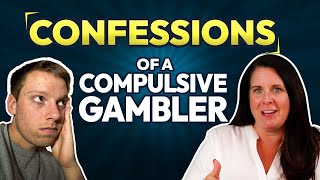
A recorded interview (May 2024) where Amber Hollingsworth interviews Rob (YouTube: ODataT) about his gambling addiction: how it began playing daily fantasy sports at 18, escalated into sports betting and debt cycles, involved multiple family bailouts, brief therapy, and eventual entry into Gamblers Anonymous (first GA meeting on Feb 8, 2022). Rob relapsed on Nov 12, 2022 (a severe 12-hour binge) which precipitated deeper recovery and a shift to purpose-driven activity (daily videos on gambling addiction and recovery). The conversation highlights the cognitive patterns of addiction (rationalization, urgency, bargaining) and parallels to other substance addictions.
Questions this video answers
18 years old.
February 8, 2022.
November 12, 2022.
ODataT (One Day at a Time).
Chapters
If you've ever wondered what really goes on inside the mind of an addict, or even specifically a gambling addict, today's your day because we have an expert witness. We have Rob from ODataT, which stands for One Day at a Time. That's the name of his YouTube channel. And he is gonna be our witness. And he's kindly agreed to open up his own story for us and help us understand what that addiction process looks like from the inside, from the lens of what's going on inside that person's head. What are they thinking at various points in the story. And we're going to find out how Rob sort of got himself into it and how he got himself out of it. For those of you who are watching live, Rob has agreed to stay on after he shares some about a story to answer questions. So if you want to put your questions in chat, Bri is behind the scenes. She's going to be looking. Looking for those questions and. And trying to get them up there, because it's not every day. We have a wonderful guest expert on here that's so willing to be as open about their story as Rob is. Thanks for joining us, Rob. We're so glad you're here.
Thanks for having me and for referring to me as an expert.
I appreciate that you are an expert. That's right. Now, you. You look pretty young to already been to hell and back. Are you really old enough to have already done, like, been all the way in and all the way out?
Well, I get that a lot, which is okay. You know, I mean, I guess had I continued to gamble to the age of 40 or 50, then I'd look back and say that what I had gone through so far was nothing. But I've already been through enough to recognize that it's not going to get better. It's only going to get worse if I keep going down the path that I was.
Oh, my gosh, Rob, I love that you literally just said my favorite thing ever. Because the whole mission of my channel is to help people before they lose every single thing, before they burn every single bridge, before they hit that bottom and can't come back from. I always say you don't have to hit bottom. You just have to know you're headed there, and you will if you don't turn around. And so you were very insightful, obviously, at a young age to see this isn't going anywhere. I got to u turn it out of here.
Yeah, it was. I got a lot of red flags that popped up throughout the time that I was gambling that I probably could have even came to the conclusion a little bit earlier had I, you know, seen channels like yours or like the one that I'm trying to work on now. But, you know, can't change the past. Can only move forward and try to help other people avoid going down the same path.
Yeah, maybe we can highlight some of those flags so that other people could see it either in themselves or in a loved one. And before I ask Rob to share a little bit more about a story, I do want to say, I know a lot of you watch this channel. Maybe you have a, a chemical addiction or your loved one has a substance abuse addiction. But I do want to highlight that addiction as far as the, the thinking process and rationalization process is pretty much the same across addiction. So while Rob might be talking about gambling specifically, my guess is is almost everything he's going to say you could apply to alcohol, drugs, whatever. Because it's really this process of this mental obsession and how you get all the way in there and how you. And how you find your way out. So tell us how, tell us how it got started with you. How did this even come into your life?
Yeah, absolutely. And mental obsession is a great way to put it because you'll see in just a second how it went from something that was fun to something that I could not put down. When I was 18, I started watching. Well, rather I started playing daily fantasy sports. I grew up in the Philadelphia area, so basically we love our sports teams here. And whenever I'd hang out with friends, whether it be, you know, on a Tuesday night or a Friday night, it was always going to start at 7pm because that's when the Phillies game started, or that's when the Sixers game started. Or if I was doing a family event, someone's birthday, and we were pushing it to the weekend for a party, it was going to start at one because that's when the Eagles game kicked off. So growing up around these games, it was normal to me to care and to be actively involved in watching them. So when I was 18 and I found out, hey, like I could make money on this, like it was like alarm bells going off my head, like this is the greatest thing ever. So I went and gave it a try and it was really fun at first. It was something that made the games a little bit more spicy. It gave some, some life to some of the more boring regular season sporting events. And I was winning it first a little bit. Not that it was life changing amounts of money, but for an 18 year old working jobs for maybe, you know, $8 an hour. It was in essence life changing money to win $100 on any given day.
Right. It would take you many work days to get that. So it's like a hundred dollars. Yeah, the dopamine rush. I feel it. Yeah.
Oh yeah. That's exactly what I was feeling in the beginning. And very quickly after that I was like, I want that more. I can't wait for the end of this daily fantasy contest to find out if I won or not. I want to find out immediately. So I moved into sports betting and that was through a bookie at first and then through one of the online sites like licensed in Costa Rica, where in certain jurisdictions in the U.S. you can access it legally. And so I was 19 about this time. 18, 19 years old. And I was fully watching sports for six to eight hours a day, placing bets on them just in the span of one year. I went from someone who would watch sports with friends to someone who'd watched sports in isolation to continue getting the rush that I would talk about with my friends, like, oh, guys, like this game was great. The, the spurs versus the Timberwolves. And they're like, well, I don't care about that. We only care about the Sixers. And I was like, oh, yeah, wrong crowd, sorry. So I realized pretty early.
Okay, let me pause you for a second because you're giving me so much good stuff. I just want to back. You're saying some really good things. One of the things I'm noticing that you're saying, Rob, is sort of this sort of transition between it being a social thing to a full time job. Right. And that works that way with a lot of substances. Right. Like party with my friends and then turns to drink in. Before I hang out with my friends. I still drink with my friends, but then there's this whole other level of it. Right. So I can really relate to what you're saying, but I'd like to go back just a little bit and dig into the part where you said, I couldn't wait until the end to get the results or whatever. Take us back there a little bit because there's, there's an urgency there that I think is important with any addiction that we need to sort of understand, I think.
Yeah. So if you look at those fantasy contests, so for the NBA, for example, the games that start the night on the east coast will be at 7, and some of the west coast games will tip off as late as 10:30. And this is all eastern time, of course. So as late as 10:30 eastern time, that game might not end until 12 in the morning on the East Coast. And if you were doing one of those contests, if you were ahead after the seven games, that wasn't a given that by two in the morning you were going to be winning or losing. And I wanted to go to sleep, right? I wanted to. At first I was like, I don't want to wait up to find out. But I had to know what would happen. So the idea that you could segment it into betting on individual games or halves or quarters, that was the draw that was getting that the result faster, the instant gratification, much faster than waiting until the end of it. So it was a. It was a situation where it ramped up really quickly.
So that. I love this because this really is parallel to any addiction, right? This is the movement from beer to liquor, right? This is the move from pornography to meeting up with people, right? This is the. I want more intense and I want it faster. And the, the quicker with any addiction, the quicker something gets in your system and out of your system, like, the faster the high comes, the more addictive it is. That's why you can use sort of like heroin in multiple forms. But the, the, the faster you get it in, like smoking it, and the faster out is more addictive that way. So you're. This is ev. This is like the addiction sort of ramping up on you. It's like, I need. I need to get this fixed faster.
Absolutely. And while it's ramping up in its intensity, the amount of thought and logic that you're putting into your decisions is going drastically down now. It's my belief still that in the end we're going to lose regardless of if we're addicted to gambling or not when we go and gamble. But when I was in the heights of this addiction, and even in the beginning peaks, we'll call it peaks and valleys, in the beginning peaks of the addiction, I was so intense about getting the next bet in that it almost didn't matter what the game was. This wasn't yet to the point that it would eventually get, but there was games where I was betting on teams I had no idea about players I had no idea about just because I had lost a bet on, you know, the previous game or I'd want to bet on the previous game. And I had more money now, so that's interesting.
So if it's like, if I win, I gotta ride this high out and keep going. If I lose now, I gotta make up, right? There's no, there's an urgency either way. Either which way is keeping this urgency going?
Okay, I like to say now that like the money for a gambling addict is just our fuel and we continue to burn it to keep getting that high. So it doesn't matter if we have a full tank or we're running on empty, as long as we're moving and continuing to, to stay in action, that's all that really matters to us. But this was right around the time where I got myself into trouble for the first time financially and over the course of the time that I was gambling this would happen six times total. But it was the point at which I gambled enough and then borrowed enough via maybe credit with a bookie or borrowing from parents under the guise of it being for rent or something like that. This was the first time I was 19 where I had enough debt that I couldn't even see my way winning out of it or I couldn't even see me winning my way out of it. I was defeated, so to speak, for the time being. And I had to get a second job. Well, I worked two jobs that summer between freshman and sophomore year college, just to pay it all off. Those weren't fun jobs. Those were hosting an Applebee's, driving Chinese food, driving pizza, constantly working and grinding to just pay into a debt.
And so during that time, were you still betting, trying to sort of play that track and then also working, or did you stop betting and you were just trying to dig out what was going on during that time?
So in the beginning it was a stop. And then as the pressure began to be relieved, rather than saying, okay, I'm feeling better about this situation, I can move on. I was saying, okay, now there's no pressure on me and I can gamble normally.
Oh, I love it here you guys, listen, this is the bargaining now I can manage my drinking. I've took a 30 day break. Now I got it different. I love it. Perfect spot on you.
For me it was like, you know, I'm down X amount of money. I paid back half of it. Now everyone's seeing me doing well, seeing me working hard. And I had even told my parents at the time what the the debt was for because it was significant enough that it like no lie would have made any sense. So I was like, to everyone else, doing better, feeling better, looking better, working hard, and now I could get away with it again.
So it's like he, everybody thought you fixed the problem, you addressed it, you're in recovery. I don't, I don't even know if your parents would have considered it in recovery, but they were like, he stuck out, right?
Exactly.
Tell me what let's. This is probably a good story. Let's reverse back to when you tell your parents this problem's happening, and what do you tell them and how do they respond?
Yeah, it was a phone call. They had known that I was doing some gambling with a bookie, but when they found out about that, I was up. So they saw me with a lot of money relative to the time, you know, a lot of money, and they thought, oh, well, even if he loses that, it's like, no harm, no foul. He didn't. He didn't lose anything. He's just. He's smart enough to stop himself if he loses. That is probably what they were thinking right then when I did lose it and then lost more and went into debt, they got a phone call from me. I was away at school, and I said, hey, I messed up. And I was obviously going through waves of emotion for the days leading up to it of, am I going to get out of this? No. Am I going to get out of this? No.
Dude, I bet this phone call sucked. His was awful, wasn't it? Oh, yeah.
I was working at the gym at my school, and I was on shift, and at that time, like, we kind of just sat at, like, the front desk, and, like, I was. I was like, on the phone at the desk, and people were just walking by. I didn't even look up. Like, I was maybe locked in on that phone call for 15, 20 minutes. And, yeah, it was not a great feeling. But read on the phone, I said, hey, I'm in this bind. And then that was the first time where I got a bailout. And they knew what it was for, but they were also under the impression it would be the only bailout, which so many people are when it comes to a gambling addiction. Because, you know, the addict myself, I was, like, remorseful. Obviously, I was upset that I had put myself in this situation.
You meant it, right? You're like, I'll never do this again. Like, you meant it. Right, Right.
And then the pressure was off a couple months later and back to it, maybe in a smaller form at first. Then it ramped up, and then it was eventually the same situation again.
About how much longer? So from the time you made that phone call, Right. A few months, you sort of dug out. Maybe not all the way out, but enough to get some breathing room. How much longer till you were sort back in the hole in a big way again?
Well, a lot of times the way it would play out would be I'd solve the remainder of the hole that I was in with a win, and then I'd be out. You know, I'm like, oh, I'm. I'm perfect. And then, I don't know, weeks, sometimes days later was in, at least back to where I was. And then eventually further. I. I think it would usually play out in cycles of about two to three weeks, but then by the end of it, it was playing out in just a couple days, hours.
Okay. So, like, literally, it would. The peaks and valleys got steeper, closer together.
Oh, absolutely. And we'll get there eventually. But the last day that I was gambling, it was so fast, and it was. It was really terrifying. Like, I had condensed it into such a short period of time.
Did you have to ever make another phone call to your parents?
Oh, yeah.
I like how you say that. Oh, yeah. Like, duh, Amber. Like, a lot of them.
Well, a lot of the phone calls were. So the phone calls were always made when things seemed like they were gonna come crashing down. And then sometimes, you know, there's a comeback win, there's a jackpot, there's some kind of bailout, and I'll say, oh, never mind, never mind. Everything's fine. I took care of it. But at least six of them were for very severe situations.
Okay, so. So, Rob, I'm thinking, okay, the first time you call your parents, it sounds like you're a college student at this time or something.
Yeah.
Okay, so you call them. You're like, I made a big mistake. Your parents are probably upset, but they're like, okay, he's just a young, dumb college student. He's learned his lesson. They're probably mad, but not, like, crazy. Okay, what about the second time and the third time? Was there a shift in their demeanor about it and their seriousness about it? What happened with that?
I think it got into points of trying to figure out who to blame. And, you know, after the first time, it's my fault. Second time, it's their fault for not paying more attention in their heads. Obviously not mine. Okay, then third time, back to my fault, because I was lying about it or, like, it. I really depended. It was situational. It wasn't the same situation each time. The only thing that was always the same was being in debt. But there was definitely a lot of bargaining going on about who's to blame, who is responsible for making this go away going forward, which is kind of a terrible place to put anyone when they're Doing what they perceive to be the best thing for you, which is helping you out of debt. I mean, interest rates were crazy. It would have been 20, 30, 25, 30%. And I paid 0% interest. I paid them back. So it was. They. In their eyes, they were doing a really good thing. And in my eyes, they were doing a really good thing. But it always allowed me to go right back to the same patterns.
So I think it's really interesting, Rob, that you say it was this sort of who's to blame dynamic. And this is very common, especially when we're talking about a kid with an addiction. Right? Like, so. And by kid, I know you're an adult, but, like, you're their kid. That's what I mean. You know, you could have been 50. You still be their kids. So it's like, well, he's just. He's just young and dumb. He just made a mistake, really. And so they. They almost, like, maybe they put the blame on you, but, you know, they kind of see that it could happen. Then it's like, sometimes they think it's your fault. Sometimes they think it's their fault. Maybe they think it's like society's fault. These. These online sites fault the bookies fall. Did your parents ever get to where. And you may or may not know this, but usually behind the scenes, then they blame each other. Behind the scenes, it's like, well, it's your fault because you're hard on. It's your fault because you keep giving them money. Do you know if any of that went on?
You know, I. I don't know, but I'd imagine that it didn't. Because if I'm looking at my relationships with them, I'm close with both of them. But a lot of the financial questions and situations like this went through my mom. So there was a chance that my dad didn't even know the depth of the problem, though. He knew that.
Oh, now that's interesting.
But I. I really am not quite sure.
Okay, well, the fact that your dad didn't know the depth of the problem tells me that there was some of this dynamic going on. Right. Because mom was maybe keeping it secret. Maybe not totally secret, but. But kind of smoothing it over or minimizing it to keep dad from being so upset.
I wouldn't go. I wouldn't go as far as saying minimizing it, I think.
Okay.
Deflecting it away until it would go away. Like, the idea was we solve the problem now and then we don't see the consequences because we're gonna fix it all, like, immediately. So it wasn't hiding it. It was, can we solve this without blowing it up to a proportion that would make it worse for everyone is my guess for the thought process.
So in their mind, it's like they're trying to damage control it.
Basically, I think so.
I got you. Okay. All right. Sorry. Keep going. I just found that. That's so interesting, this whole donut. Go ahead.
Well, so, you know, that would play out a couple more times before I got to the point where Now I was 20 years old, almost 21, and I decided that I wanted to make, like a change in my life. So I switched from being in the business school to an anthropology degree. Someone asked me earlier, what do you do with an anthropology degree? And I said, I make tiktoks. So I don't. I don't. I don't really know. But yeah, so I switched and I thought that would be it. And it just didn't feel like the shift I was looking for. I started trying to get more involved with clubs at school. That wasn't what I was looking for. Like, I never felt like my. The changes I was making were making the difference that I wanted. So I made a drastic change.
Wait, wait, hold on. Were you still gambling this whole time?
Yeah, of course.
So this is in my mind. This is part of the bargaining process. Maybe I'm just not happy with this part of my life. If I change that. Maybe if I got a different girlfriend, changed my major, whatever, Whatever. But it wasn't working. Okay. All right, so go ahead.
Yeah, you're totally right. And then the. The change that I thought would really solve it was going and living in Australia for a semester. I thought that studying abroad would make a difference. Now, I genuinely did not know this, but Australia has the highest rate of gambling addiction in the world.
I didn't know that either.
Well, it's because in almost all of the pubs that they have, they're slot machines. They call them pokies. And there's a bet, like a sports betting terminal in every bar as well. And there's bet shops and then regular casinos and card rooms.
So it's everywhere. Excess. Okay.
I actually live next to a Greyhound racetrack.
In your mind, have you ever heard the term? This is like a 12 step turn, if you heard it. But it's called like Geographical Cure.
I. I understand. I think. I think I've heard it before.
It's like a thing that a lot of people, they're struggling with addiction. It's like, it's Just this town, it's these people I'm gonna move and it's a fresh start and I'm gonna reset and then it's basically a way of solving the problem. In your mind, was it similar to that or was it different?
Yeah, it was definitely a part of it. I mean, I just felt this intense dissatisfaction with everything that I did. And obviously it was stemming from always pulling myself down from whatever progress I was making looking back. But during the time I thought, you know, maybe I can figure this out. And it doesn't have anything to do with the, the gambling. So I definitely went through that.
But still a bargain. Okay. Still a little bit of a bargain. Okay.
Yeah. I flew Philly, so it was around a 20 to 23 hour flight with a stop. And I can't sleep on planes. Like I really struggle to fall asleep when there's any kind of noise. So I was awake more or less the whole time. And I land and it's somewhere around like 5, 5:30 in the morning. I was at 9 to like, you know, welcome us to the building, the complex we'd be at by 6:15. I had already gotten a membership card at the Star Casino. This was in Sydney playing for like.
Barely off the plane because, you know.
Was right down the road from the complex I was living at too. So it took me 10 minutes to walk there after the 20 minute ride from the airport. Dropped the bags and couldn't go to the room yet. It wasn't ready. So I just walked out, walked to the Star and yeah, had a player card by like 6:15, 6:30.
Wow.
Playing poker by seven. And then I missed the orientation group.
You still hadn't slept?
No, I didn't sleep until that night. So I think it was probably like 36, 40 hours before I slept.
Now at this point in the story, is there any awareness at all? Like, oh my God, like I'm gambling already or it was just not. The dot was not connecting yet.
It was always connected. But rather than thinking that it was a gambling addiction, what I thought was a couple of different things. It was that I was gambling in too high of a quantity to be successful, that I was a bad gambler or that I was unlucky. And the quantity one was really it. I would always think like, oh man, like I won my first bet. If I was just able to, to like be satisfied for the night, like I could be profitable. It wasn't, why am I continuing to gamble? I can't control it. It was, oh, that's all I have to do to be successful. So.
Right. I want to pause you right here because you're saying something very, very important, Rob, because I want everybody listening to hear this. This is the exact same thought as, if I could moderate my drinking. If. If I just drink beer, I don't really get in trouble. If I could just drink beer and not drink hard liquor, I'll be fine. If I don't drink more than four, if I only hang out with these friends. So it's. It's this. I need to manage it better. I need to do less. So this is a thought. No matter what the addiction is, this is part of the actual. I know people call it the addictive process, but this is actually part of the recovery process. This is the mindset we go through of trying to figure out how to solve this problem. And most people try a lot of things that don't work first. And so this is part of what you're describing here beautifully. Right. I just need to quit betting in such high quantities. Sometimes. It's bad luck, right?
Yeah.
Okay.
Exactly. And, you know, this went on for another two months. We got called back because it was 2020. With everything that happened, they. They closed all the study abroad programs and sent everyone back to their home country, which didn't help, because while I was in Australia, I turned 21. So when I got back, I was now locked in my house after, you know, going halfway across, well, all the way around the world to be on my own and adventure and explore. I was now back home, and I was 21, and I was bored, and I was getting the unemployment payment when they had the boosted ones because.
Yeah, this is, like, a bad setup. Prediction. Oh, this is the worst.
Yeah, I. I had, like, a job on campus before I'd gone to Australia, and I qualified for, like, I don't know, $30 of unemployment. But there was a $600 boost to every check. So every week, I was getting a full paycheck with no expenses. And I was 21, and I was very much addicted to gambling. You can imagine.
And you had nothing else to do.
Exactly. I was playing a lot of online poker. There wasn't really sports at the time, though. There was Korean baseball. So I would be up at 2 in the morning watching these Korean baseball teams because there was no sports during the day.
I know I keep pausing you, but you're just saying. So it starts out like, you know, I'm from Philly. You know, it's all about the football games. And now we're, like, watching Korean baseball.
Yep.
Okay. How many years between the Philly games and the Korean baseball?
Well, I mean, the Philly games were always there, but from the time I was starting to gamble on them, it was three years before I reached the Korean baseball point.
Okay. I mean, this is like, in my mind, this is like, really. I mean, you probably never even thought of or heard of Korean baseball before, and all of a sudden you're like, into this. Okay.
And I would have reached it. I, I will say, like, had there not been cancellations to the sports leagues, I still believe that I would have ended up watching games like that. Like, it wasn't the fact that there was no other sports that sent me there. It's just it got me there faster than I would have on my own. Just because. Problem gambler. If we're down at the end of the night, and especially if we're using a bookie, there's this idea of I can win it back before it's due. And that applies to overdrafts in bank accounts, and that applies to, you know, making a deposit on a Friday, knowing that it won't show up until Monday. There's lots of different things that you bargain with yourself on with that. But, yep, watching Korean baseball at night, playing blackjack, casino games, poker, constantly race against the clock.
In some ways, it's like these, with gambling. There's these due, due dates or due time or whatever. And so you're racing that clock all the time.
And the, the frustrating thing is that while all this is happening, you know, before I started gambling, I actually thought that I was decently savvy in investing. I still think I was bad with budgeting and spending, but in terms of, like, holding investments, picking investment, thought I was decent. And when I was watching the. The market, say the cryptocurrency market, I was thinking, man, if I didn't gamble, I'd have this amount of money. And it was always a very high amount, which would in turn get me to gamble, to try to win to that amount of money so that I could feel satisfied. So it was like an extra excuse as well, alongside the boredom and the. Well, the comp. The competitive drive to keep gambling.
So was there this thought here of, like, I just need to get the money so I can go legit and then I can move over to investing? What. Help me understand the thought there.
There was lots of times where I would win, cash it out, put it into an investment, and then by the next day, I would have sold the investment, deposited, and placed a sports bet. So it went back and forth a lot. I guess I viewed it as like a safe haven to move it to investing. But then it would be too slow compared to the gambling and it would come back. So periods of time where I would withdraw and try to stop myself would only last for a couple of hours or maybe a day, wasn't that significant.
But when you, when like, but when you first, let's say you met, you won some money or something and then you, you were gonna put in an investment in your mind at that moment, were you gonna leave it there? Or did you know, I'm just gonna leave here for 12 hours, then I'm gonna take it out? Or were you telling yourself, like, I'm putting this money over here, I'm not going to touch it. What was the thought?
It was that I was not going to touch it. I bought like a. I don't know how much you know about crypto, but there's like a hardware that you can buy to store it on the hardware, so you can send it to that and then you could lock it in a safe, you could put it in a safety deposit box, whatever you want to do. So I bought one with the intention of putting withdrawing winnings onto there. And then it's like a more difficult process to get it back in, a more tedious process. But I became really good at that tedious process. I could do it blind and I was kind of treating it the same as any other checking account which was just eventually going to get thrown back in.
So it was trying to sort of block yourself, but, but then you all, then you find all the loopholes. This is very similar to like drinkers. They go, eventually they go to the mini bottles because they think I can tell exactly how much I'm drinking. Plus they're easy to like hide and to get rid of the bottles. And so. And they say I'm only going to drink three of these a day or whatever. But then they end up going back to the store. So it ends up making it worse in some ways. But it's these ways we, we're trying to manage it. It just doesn't work.
Right. Exactly. And that feeds into my belief that someone who's a gambling addict will never be able to gamble responsibly. It's kind of that 12 step mindset. The same with drinking. I know it's the first drink is the one to avoid. Right. That's what bothers me so much about a lot of the marketing out there for gambling is that they're selling this idea of responsible Play and saying, you should be able to do this. Well, I can't. And everyone else that can do it is already doing it and didn't need this commercial to be doing it. Right. You know, they're already gambling normally or responsibly. The percentage of us that are like myself are never going to be able to do that. It's just tempting people back in. But that was a bit of a side, I guess.
You know what's interesting is I was thinking this earlier as you were talking, Rob, is like, one thing I think that gamblers maybe understand better than, than other drugs is like. And this is what I tell to a lot of my clients who use substances. I say, I'm not telling you, you'll never manage it. There will be days you go out and you manage it fine, you'll just do two or you'll just do whatever or maybe days you don't do it all, but you won't do it consistently. It's the same thing. As a gambler, you could know, yeah, I could go win today, but that doesn't mean I'm managing it right. A win doesn't mean I'm not addicted anym. It really, honestly, a win just makes it worse. Just like when, when an alcoholic or an addict goes out and they don't do too much, I'm like, God, that's the worst thing that can happen. Because then I've convinced myself that, oh, I got it again.
Exactly. It's like if you're climbing a ladder and you fall off. It hurts more when you fall from the top rungs. And you can view your money like that in gambling, you know, you get these big jackpots but you know you're not going to stop. You're not going to buy that house or that car that you promised yourself you'd buy. You're going to try to get two cars and then when you lose that it's going to hurt even more.
So when you're in the gambling cycle, do you tell yourself there's sort of an end game?
Always, Always. There's always an end game, but the goal post shifts. So it's like the end game on a day where you're down $1,000 is I want to win a thousand dollars so that I'm back to. Even on a day where you're up $1,000, it might be I want to get to $2,000 so that I can cash out the first thousand and play with a thousand as fun. So there's lots of different goals that you're seeking. It was never just blind, per se. It was always some kind of intention. Whether I lied to myself about what it was or not was a different story.
Did you ever. Did you ever stick with the intention for a day or two?
Yeah, for a day or two. I mean, after like winning a significant amount, you might stop for a little bit and like enjoy the win.
But yeah, then you tell yourself, see, I stopped.
Right, Right.
And then you convince yourself, I got it. See, I knew I could do it.
Or if you have a big win, and then you say, okay, like that was my goal, so I'll go back to betting smaller. Then you lose the small bet. So you double it. Then you double it and then you're right back where you started and it happened before you even realize it.
Okay, so how many years in are we to this point?
Yeah, this would be when I was about 22 now. So we are almost there, almost through the end.
So we're three years in and this has gone pretty fast. I mean. Yeah, I mean, this is really escalated on you.
Yeah, that's what I told you in the beginning.
Yeah, you're like on the advanced course. That's how you got in and out. Yeah.
Well, at this point I settled back into some normalcy as things opened back up. But the gambling was always present and now there were regular sports back and we were still kind of in this weird uneasy phase where now you could live with a couple people, but you didn't really go outside to hang out with people that were outside your bubble per se, and now spent most of the days gambling. Because all the classes had online opt outs for my senior year so you could go online. And when you took the online class, you had the option to make it pass fail. There's all these exceptions. And so the pass fail class, you need a 70 to get the same credit as you get getting 100. So I made all my classes pass fail and I had significantly more time for gambling. So this was the point at which I was probably gambling eight to 10 hours a day. I was living with three friends. None of them gambled to the extent that I did, but they all gambled in some form. So it created a loop where we were watching games together. And I had a girlfriend at the time who was not a gambler herself, but was very well off financially and would give me money when I needed it to get out of jam and.
Kind of normalized it because the people around you gambled. And that helps you to tell yourself, like, oh, I'm not different. Like, everyone does this. Like it's. It's not a big thing.
Exactly.
But not really being honest, telling yourself, okay, yeah, they might gamble, but because they gamble like me, right?
They. They exhibited the same levels of excitement and, like, things that I was doing, but it was kind of like if you're running a race and then like you're running next to people and then all of a sudden, like, you're running by yourself. And that's how I felt pretty much every day, because they'd be there for the seven o' clock game, which they had bets on. But then by the time the 10:30 game came along, they were going to sleep where they were going out.
They just couldn't hang. Okay.
And I was the one that was pushing it late into the night and then eventually back into the middle of the morning.
Can I stop you right here again? And just get a parent update? So we're three years in. There's been multiple times where they've. They've tried to fix it. Are they doing things like checking in with you? Are they talking to you about, you should see a counselor? Are they. Are they helicoptering you at this point? Or they still think you're fixing it?
Yeah, this is a great segue. So now I'm about four years in, I think, and this is the point where I've been told by my family that I should get a therapist. And I do. I go out and I get a counselor. And talking to him made me feel good. It was like very good sessions. But there was a really big problem with it. And it's that he didn't have any background in gambling or addiction, really. He had some minor background in addiction. He was more of a general. I'm not sure of the language maybe to describe his position, but he had general knowledge of mental health, maybe not so much about addiction. And so we were talking about stuff like depression and anxiety. We were going into it like, this is what I do when I feel anxious. Here's a breathing exercise. When in reality I was anxious because I owed money because I was gambling. Right.
Rabbit holes, which aren't really the thing. Super common.
But while I was doing this, my family was seeing that I was going to therapy. They were like, oh, he must be doing better. This is. This is awesome. We're really proud of him for moving in the right direction, which gave me a sense of guilt because I knew I wasn't moving in the right direction. Sure, I'd feel good for the hour. I was talking to the therapist, but by the time we met up next week, and I gave him an update. I'd say, yeah, well, I gambled every day. And he'd be like, okay, let's. Let's figure out why you're depressed because you were.
You weren't, like, not telling them you're gambling?
No, I was telling them more or less the truth, minus the numbers. So the. The truth was, okay, was that I was gambling, and they knew it. The reality was I was gambling into debt, and they didn't know that. So they thought, oh, he's making the same mistakes as before. But at least it seems like an improvement. Because it's this idea of if you don't know that a gambler can never gamble normally, a gambling addict can never gamble normally, any progress looks like a great thing. And that progress might just be for a day. But it.
No, progress to me is like, oh, God, now here we go again. They're gonna be in denial hours.
Yeah.
Unless it's like, stop progress. If it's just, like, slow down progress. But it's also this other thing. I don't have no idea if this was going home, Rob. But another thing that can happen. A lot of people have the idea, well, they're. They're addicted because this depression is underlying. This anxiety is underlying. And so if we can fix this, that addictive behavior will stop when actually it's the reverse. Yeah, almost all the time. It's like, even if they were depressed before, I guarantee you, like, most of it now is coming from the addiction, and we have to address the addictions. It's sort of going at it backwards, I guess.
Absolutely. I completely agree. I think that he was trying to figure out if I had add, which I might, but I'm not sure because we never got into it that deep. And then depression that was. And he thought those were the underlyings as to why I was gambling. And I did, too. Right now, around this time, I was. I was about to graduate. I did graduate, and then kind of fell out with the girlfriend at the time and the rest of my friends from college, and I moved home. So now I'm.
I can figure out how you felt. I mean, I can guess how you felt with girlfriend. How did you fall out with the rest of the friends?
Well, through the girlfriend, really. But surprisingly, and I've even been pretty honest about this, I don't think it was a direct reflection of being a problem gambler that that relationship necessarily went to crap. The other one that I was in did. I think that in that relationship, had I not been A problem gambler. I may have been more apt to solve the additional issues that we had, but I kind of let them fester because I didn't care enough about it to, like, walk away from my own personal battle.
I guess that makes perfect sense. No, I'm tracking. Yeah, it makes sense. Yeah.
It wasn't like. It wasn't. She, like, she said, like, gambling, but.
You didn't, like, address the relationship stuff, probably so sort of, like, secondarily. Okay. Yeah, yeah, yeah.
I think it could have gone both ways, but I, on my end, taken, you know, accountability for that step four, I would say that I was not present enough to solve the issues we were going through.
Okay.
Yeah.
I think that's completely fair, and I think that's true in a lot of cases. Yeah.
Yeah. Well, so that point, I moved back home again, and I took a trip to Europe with my friends with what little money I had left and did a lot of it on credit, but kind of had a great. I had a great time. And I felt like that was a turning point. It wasn't, but it felt like a turning point to say, like, I'm happier, but I. I can remember one night near the end of the trip, I had taken, like, a week off of gambling, and I figured out that one of the sites that I had used was accessible. We were in Italy, and I remember it was like, five in the morning, and I was standing in the. The bathroom placing bets after, like, a week with my friends, and we still had a couple days left on the trip. And I lost, like, the rest of my. Excuse me. The rest of the money that I had. And I was like, why did I even do that? Like, there was no enjoyment. There was nothing as a goal. And that was kind of this pattern that would start playing out of. I would be doing the things that I said I was gambling for, like, traveling the world, seeing the things that I want to see, being with the people I wanted to be with. And then I'd still be gambling.
It's like I had it all. I had everything I wanted, and I'm still gambling. So now it's like, now what am I telling myself?
Okay, Exactly. Like, there was. While we were on that trip, I. I had met a woman from Romania, and I flew back to France to meet up with her. And when I was with her, I started gambling. Like, I, like, walked away. I was like, I'll be back. And I was like, in the bathroom playing blackjack.
Like, cross countries.
Yeah.
To be with this woman. And now I'm Just like ignoring her as I'm gambling.
Exactly.
That's exactly insanity of it. Yeah.
So, you know, that would eventually all come to kind of a culmination February 8th of 2022, which now I was what, almost 23. Okay, almost 23. And I came back from that trip and I lost the rest of the money that I had. And I thought, like, this doesn't feel normal. It was like the first time where I was like, is there something that, like, other people go to that, that have this kind of problem? Because I've never heard of it, and I think maybe it'll help. The therapy doesn't seem to be helping. And on February 8, I went to. February 2022, I went to my first GA meeting.
And so this is the first time. Okay, is this the first time you had in your mind called it a gambling problem or had this been kind of ruined for a few weeks? Or how did this come to you?
It was just another one of those a win turning into a loss turning into debt situations. And I thought to myself, you know, this is the fifth time that you're in debt to this point. Like, dude, maybe it's a gambling problem. Like, I don't know if other people have that, but I, I think I do. So I looked it up and I went to a meeting and within a couple minutes I knew, like, I was in the right spot for me.
How did you know? How did you know?
Reading through the book was one so like pretty much a perfect description of a problem gamblers written in that book. But additionally, just hearing the thoughts of other people like this, this man who unfortunately passed away a couple months after I'd met him. But he said that when he was gambling, he would go to the casino and eat lobster and steak, and then he'd come home and he'd have coupons to get $0.05 off the hot dogs at the grocery store. And I was like, that's exactly what I, what I would have done. I'm like, okay, maybe there's, there's something to this. And so, you know, I started going to those meetings and things started getting a lot better, but something was still missing. And hate to fast forward over eight months, but eight months, pretty much living neutrally, not really happy, not really sad. But my only tangible progress in life was tracking the number of days since I placed my last bet. I was working an unfulfilling finance job. I didn't feel passionate about it. And on November 12th of 2022, after realizing that I didn't self exclude in Pennsylvania, because I was living in Philadelphia at the time.
Wait, they don't know what self exclude means?
I'll get right into that. On November 12, I went back and I gambled. So a self exclusion is voluntarily banning yourself from play at the casino in the United States. You have to do it on a state by state basis. Sometimes the states don't even have one where you have to actually go to the casino to ban yourself from play.
They make it difficult.
They make it very difficult.
Wait a minute, Wait a minute. That's like going to the liquor store. That doesn't make any sense at all. You have to show up in person.
Some of them. So. So it's changing a little bit. Some of them have it online, but a lot of times, like, people don't understand where it is. So it's buried deep into the. The pages of the website. You have to pass through all.
They don't make it easy.
And then in the actual casino, they, like, make you feel as if you're like a criminal. Like, they're like, you do realize we have to trespass you after this. Like, you're not allowed back in here. This is final and very serious.
And they make it scary.
They make it scary so that you don't want to actually follow through with it when in actuality, it's a great thing to do if you want to stop. But I didn't do it for Pennsylvania. I did it for Jersey, where I was living when I. On February 8th. But by November 12th, I was in Pennsylvania.
Accident. Like, did you not. Did. Were you, like, purposefully, like, well, I don't really need it. I don't even go there. And you kind of knew you were not doing it there, or did you kind of like, thought you had and hadn't or something like that.
God's honest truth, I don't think I realized that I hadn't done the Pennsylvania exclusion until about a week before I placed the bet.
Okay.
So I just looped in my head because I'm so close to Pennsylvania, where I am in Jersey. It's like 10 minutes that it just, like, was one thing to me. But, yeah, no, I realized it. And that's when the temptation started to swirl. And it wasn't long before I caved.
But this is like when people come across some stash they forgot about. Like, they've been clean, and then they come across like, oh, my gosh, I forgot. I hit that there exactly like that. Yeah. Okay.
And I can. I can kind of narrate through what happened that day. If you'd like. Yeah, yeah. So in the morning, I went out for drinks with my friends. The morning being like the early afternoon, and the Eagles were playing, so it was a Sunday, and I was a little bit buzzed, and I placed a bet and it won. So I felt this immense guilt because I did it kind of blindly or like, I did it on, like, impulse. And I knew that I had all these days clean before. So I was depressed. I was feeling angry with myself for caving in. And I was like, I need to get that money out right away, put it in my account and lock this account out. But there was a 24 hour withdrawal requirement on that sportsbook. So I, being who I am, very impulsive, very compulsive. I was like, all right, how can I get this to happen faster? And in my head, I thought, if I go to the casino and go to the cashier's desk, they should be able to manually process this transaction faster. So I did that. I got there and they told me, no, you have to wait 24 hours. So I was now in a casino, only a couple hours clean since my last bet.
I feel like I gotta close my eyes. This is so scary. I feel like I need to close my eyes. I can't watch. Okay, sorry.
I just come off a win. And now I was like, okay, well, I can play with that amount. Like, what's the. The harm at this point? I'll start tomorrow. And that would spiral into a 12 hour binge gambling session where I would take four cash advances and max out a credit card. And in that 12 hours, I created enough debt that it took me six months to pay it off, working 70 hours a week. So now what used to take me a month to do took me 12 hours. And I was like, what's going to happen the next time? Is it going to be six and then three and then an hour and a half? Like, it's only going to progressively get worse. And I got back into my meetings the day after.
I know this is going to sound terrible, Rob. When people relapse, this is what I hope happens. I hope it's like, real bad. The worst thing is if you would have. If you would have gambled that money and you would have been able to take it out and you would have stopped, we would have been another year into this mess.
I promise.
The fact that it went so bad so quickly, like, if you were in my office, you were telling me this, I would have said this to your face. But I'd secretly be going, you know, but Inside I'd be like, thank gosh, now we can like not go back into the Nile. Now I can be like, okay, now I've proven to myself that yes, this is the problem.
Yeah.
So this is a success story if you ask me.
I think that it needed to be decent, it needed to be severe to get me to the point of like a slap in the face kind of reminder.
Yeah, yeah.
It also made me realize what was missing the first time around in recovery. I call my recovery when I started going to meetings. So when I, when that eight month period, I was just living like drifting along, I wasn't living purposefully. And my only tangible measure of success was not doing something. So if you try to measure your success on not doing something, it doesn't restriction.
You're just withholding. Yeah.
You don't see tangible real progress in your life that way. Well, it's not a bad thing in my opinion to count days, but it just shouldn't be your purpose in life and it was mine.
Well, it makes, it makes staying in recovery really hard because it's so focused on not behaving badly, you know, not misbehaving or not being bad or whatever versus recovery should be about what you're getting.
Right, right. And that's what I was missing. And I, I found what I believe to be the solution at this point and it was a purpose. So when I was getting back into those meetings about two or three weeks in, I was still drifting along, just purposeless and depressed and in debt. So I was not happy. But the next closest person in age to me stopped showing up. And in this meeting it's, it's noticeable if he stops showing up because now it's me, a 24 year old at the time, and 75, 80 year olds and there's no in between. So this man was in his 30s and I gave him a call, he was going through a bad situation, went back to gambling and I said, hey, I don't know what the solution is, but I know for a fact that it's not that. Because right now I'm about to clock in for my second shift of the day. I'm working like 12 hours today to pay off debt that I made in 12 hours. He said, you know what, I think you might be right. And he started coming back to meetings. From then until now, he's completely turned his life around. And that made me feel good. Something that I did was not just for myself and it was not based on money, which is something that I tethered a Lot of my good deeds to as a gambler, like I'll win big so I can do this for people. I felt good after I did that and I thought I could, I could do that more. That's, that was easy. All I did was say like, give it a try, right? So I started posting videos online and no one watched them at all. If you look at my early YouTube videos, they still have like maybe a hundred views.
Dude, I know how that feels.
But it's because they sucked. And it is what it is. But I, my girlfriend said, hey, your videos suck. Make them more exciting and make them shorter and put them on tick tock. And I said, okay, I'll try. And almost immediately there was like a 180 in the performance and it made me feel like I could really make something out of it. And so from, you know, that was January of 2023 until today, I've been posting every single day on TikTok, Instagram and YouTube about gambling, gambling addiction and addiction recovery. And it's making me feel like I'm contributing.
I love this story. I kind of almost got a little teary eye when you said about you called when you called the friend because in 12 step language they would call that 12 stepping like it's the 12 step carry the message and nerd amber brain language. I would say what you've done there is you get a drip of serotonin, which is a good brain chemical that you get that makes you feel good, but it's more in a I'm proud of myself way and not just dopamine. So you get a little good dopamine slash serotonin combo. And that serotonin neurochemically is somewhat protective against addiction. So I think in 12 steps really interesting because I just figured that out a long time ago. I didn't even know why. Now we have a lot of science behind it, but when you start living in a way that you're proud of and you like who you are, that changes your brain chemistry. And that, like you said it, that's the solution. I love it.
That was what it was for me. And I mean to everyone in recovery, it wouldn't be feasible to just start making videos about it. But I think that just finding something that I could fill my day with that made me feel good about what I was doing with my time was such a new concept to me that unfortunately it was a new concept to me that it carried me through a lot of the early urges that I felt going back into recovery. And now I Look up. And it's been almost a year and a half and just I'm still going. I'm good.
Because you have focus and you have a mission, and you know you're making progress and you feel good about it. And even when it's hard, that carries you through and your story. Rob, is like the perfect example of what I talk about on my channel. As I say, I say a lot, that addiction is really just a misdirected superpower. And when I was first found your YouTube channel and I was like listening to you talking about gambling, and I was like, like, oh, YouTubing is the perfect thing for gambling addict, right? Because it is a numbers game, but it's a numbers game that you can actually win and that you can study and that there is sort of an algorithm for. There is a. A way that brings you out not just on top because it works, but you're also helping people. So I'm like, this is like spot on of what I mean when I say if you will use your powers for the good. Like all that tendency that you have to be smart to study numbers, to research. Now you're using all what I call your genius for the good. And you don't feel crappy about it the next day. You feel good about it. Now we got momentum in the right direction.
I just love it.
I think it's awesome.
And also you. You can't lose. Like, if you. If you have a bad day, you don't get your post up or your post flops. It's not like your channel gets delisted, right? Like, you just make another video the next day and it's a new chance.
And you're not even in debt, right? You're just where you are.
You're right.
You just even. And you go back and even if one person saw you, maybe you helped them. So you really are. Are better than just neutral, you know?
Absolutely.
I love it. This is a great story. Bri. Do we have any good questions for Rob? I'll remind you, as always, there are resources in the description. I have linked you to Rob's channel to go over there and check it out. And if I think we have a few minutes, Bri, if we have a couple questions. All right. Can you see that Rob on your screen? Okay. Melanie says, I think bingo is gambling. No, my sister plays bingo at least once a week. She loses money, but said it's a social thing. I don't agree. All right, weigh in on it for us, Rob.
Well, the 12th step will tell you that Gambling is any betting or wagering for self or others, whether for money or not, no matter how slight or insignificant, where the outcome is uncertain or depends upon chance or skill. Now, by definition it's gambling doesn't mean necessarily that it's ruining your sister's life, but it's gambling. If you were just black and white, is it or is it not? So it's going to be situational as to if your sister's someone who can gamble recreationally or in a way that's not going to destroy her life. But again, that's going to be up to her to decide.
It's the same as drinking or anything else. Some people can drink. Is it bad for you? Yes, it's always bad for you. Like drinking is always bad for you. It's like poison, right? But is it addictive towards you? So is it gambling? I completely agree with Rob, it is gambling. But the question is, is it problematic gambling? Even if she, maybe she's losing a little money every week and she might say, okay, yeah, but I could have gone to the movies or I could have gone to this or that and it would have cost me money. It can be hard because you can get into rationalization and this is where you have to be really honest with yourself. Right. When I lose, does it prompt me to be like, okay, I need to go back tomorrow, Right. Am I doing it more frequently? Am I getting more bingo cards? I think there's just more that comes in to answer that question. Right?
Yeah. I don't know that I'm like a proponent of every single thing that comes out of a 12 step meetings literature. But one thing I am a big fan of is the 20 questions. And if you go through the 20 questions of gambling addiction and are honest, that will give you a more accurate picture of whether or not your gambling is a problem. Like I, I'd say it's almost like a non negotiable that those 20 questions are accurate.
Oh yeah, it brings us because it's looking for is it causing a problem in your life? Not are you gambling or are you not? That's not one of the questions. It's like, is it causing this problem or this problem or this problem? Right, Definitely. Do we have any other questions up there, Bri? All right. Clinton says so. Gambling was never an issue or worry for me. I've seen and also personally been stuck at a casino and was stuck there for money to feed my other main addiction. It was a tool for me. But now the last three months I have been a problem at the casino. And yeah, now I have two big addition addictions that are not taking lightly. No more control over those things. What are your thoughts on that? Oh, there's a little bit more. The tedious task, meaning juggle the two problems people struggle with.
Yeah, I know there's a lot of crossover between specifically alcohol use disorder and gambling. And the fact that the casino has, you know, often has free drinks and people view a big win as money to, you know, fund other things. I see why that crossover exists. Now. The way that I've always looked at it was I drank probably too much as well. But I never felt that psychological, that emotional draw to drinking that I felt with gambling. But I also knew that if I did drink, that would probably make me gamble more or be more likely to gamble. So I think when you're looking at a situation where one is feeding into the other, if you're looking to stop one thing first, figure out what's causing the most damage and start from there. Right.
But. But I think that this. This example that you're giving is a really good example because very, very often addictions come in combinations. Like, for example, maybe someone's addicted to alcohol, and they go to parties where there's cocaine, and eventually they use the cocaine. But for a long time it's not an issue. But then if you do it long enough, it can become issue. What I think this person is like, maybe they had a drug habit, so they go to the casino to try to maybe hope to win enough money. And at first it really wasn't an addiction, but it. Then it came along. And now the person has two addictions. And that. That is very frequent. And when you have two things together like that, you usually. If you have them two together like that, like, it's. Both are an addiction at this point. You usually do have to stop both at the same time because one triggers the other, and back and forth and back and forth.
Trip.
Yeah.
My. I should have probably known that my sponsor was in ga, NA and aa all the A's. Okay.
Wow. Okay. Donnie, who's actually my husband, says, how do you manage the addiction, given the temptation is sports, which generally doesn't have negative connotations like drugs and alcohol. That's a good question, Donnie. Like, do you have to stay away from sports and stuff now? Like, how does that work?
Yeah. So in the beginning of the recovery process. Absolutely. I. I couldn't watch a game without feeling a temptation to gamble on it. Now in the middle of it, in the middle of the recovery process, the Sports were bland. It was like, if I watched one, it wasn't that it was tempting me to gamble, but I wasn't getting enjoyment out of it. So it kind of just felt like a waste of time. Now, this far into recovery, I'm finding slight enjoyment in the Philly sports teams again. For example, the Sixers are playing tonight, and I'll probably watch at least the second half of the game. But it's definitely shifted my understanding from I thought I was this big sports fan, but I was actually just a big gambling fan. And so looking at temptations coming my way, they're gonna be there. And that's just the nature of it. I try to just limit how much I'm watching because if I'm not getting anything out of it, it's only serving as a temptation.
You really articulated that really well. A lot of times I'll tell clients and say, you know, like, let's say you stop drinking or whatever. I'm like, you, you can go to places or be around people that drink when you first start. But when you first stop drinking, one of two things gonna happen. It's either gonna make you want to drink because everyone's drinking is going to trigger you, or you're just not gonna enjoy it because it's just drunk people. Like you said, it's just gonna be boring and annoying and you're not gonna like it. So I always tell people, I'm like, I'm just saying, like, I mean, you could try it if you want to, or sometimes people like, need to for work or something. I say, but don't be surprised if you decide either you can't do it or you don't want to do it. Right? And eventually people usually are able to, to some degree be around other people doing it and it not bother them. But I had an interesting question. You said, and this is just my addiction counselor brain, which I just rolled my own eyes at. Why did you say I might catch the second half of the game? Is it like, time wise is like, are you working, like, tell me about.
The second half so specifically, like, it's the same way of why I won't watch, like, regular season sports. It's that I. I care about the moments of the game that could impact the end result.
That's what I thought you were gonna say.
Yeah, I've watched enough basketball to know that the first half, barring one team blowing the other team out of the water, the first half is for gamblers at this point. The second half is for the fans, and it's because you know the first half, they're gonna end up somewhere around five or six points away from each other. And you could just save yourself the time watching it.
So there is still, there is still a little component of. I want the juicy stuff. The adrenaline part.
Yeah, like the parts that you can. The parts that you care about. Like I still. I went to one of the games the other night. I wanted to make a video on it. I did. I put a video out. But I, I thought the game was fine. Like, it was, it was fun. It was a good environment to be at. We got pizza and popcorn. That was nice. But did I need to go? Probably not. I probably did maybe the fourth quarter.
So when you take the gambling out, it's like, yeah, it's still interesting sometimes, but just not. Doesn't have that same pool anymore, which is a good thing.
Yeah.
Sally says, what is the name of the book perhaps? Oh, you're talking about the Big Book, Sally. So she may not know what that is. Would you explain that, Rob?
Yeah, I mean, I violate their unity program enough, I guess, by, by, by making videos. But. So the group is called Gamblers Anonymous, their 12 step support group meeting. And they have literature that they've written that they give to people at their meetings to kind of dive into the behaviors of a problem gambler. And the questions that qualify you as one, it's the same as the AA Big Book, except they changed every word. Alcohol to gambling.
Right. And you could probably go online and find those questions if you, if you wanted to, Sally. But usually it's referred to as the Big Book. The Big Book of aa, the Big Book of ga. And what I thought was much interesting thing you said is it's really everything that's an aa they just changed away from alcohol to gambling, which is what I want you guys to get. Addiction is addiction. You can literally substitute the words out. You can listen to Rob story. We could take the word gambling out. We could put in whatever word. The, the process that he described is pretty much the process for anybody with an addiction. Just fill in the blank with the word. And so once you can recognize that you can see it faster and you can, you can know the way out faster too. Yeah. All right. I think that's the last of all of our main questions for you, Rob. We really appreciate it. You did such a great job of articulating even better than I thought you would do of. This is what goes on inside the mind of an addict. This is the thinking, the rationalization, the bargaining, the beginning Stages of getting sober, where it's sort of like some people use the term dry. I don't know how I feel about that. But. And then to, like, finding, like, the. But in 12 step, they call it the promises. You know, the happiness, the good part. And I just love your story, and I love that you were insightful enough to turn it around. You didn't do this till you were 60 years old. You didn't have 10 divorces. You know, you're like, dude, this is not going anywhere. And that's what I want everyone to hear. You do not have to lose everything. All you have to do is see the writing on the wall and decide it's not for you. There's nothing good at the end of that road.
Absolutely. And I just wanted to add, like, I think that in all aspects of life, that a lot of times we hold ourselves back from doing something or saying something because we feel like we're not ready yet. So in this case, like, me making the videos that I made, I was still in recovery myself, and so I never, you know, lied and said I'm the recovery guru or anything like that. But, you know, there's value in sharing your story wherever you're at, and you're most qualified to help you, the person that you used to be. So thanks for giving me the opportunity.
Absolutely. Thanks, Rob. I appreciate it. Thanks, everybody who showed up. We'll see you guys next week, Thursday at 1. And you can also find Rob, tell them where to find you.
Sure. I'm on YouTube, Instagram, and Tik Tok with the username that's over here. Rob Odat.
All right, thanks. Bye, everybody.
More from Amber








Addiction Turns “Me vs. Drinking” Into “Me vs. You” #addictionrecovery #addictionawareness

They Admit Everything Except the Addiction #addictionrecovery #addictionawareness

Stop Trying to Make Them Admit the Truth #addictionrecovery #addictionawareness