Inspiring Recovery Stories: Chris Cull
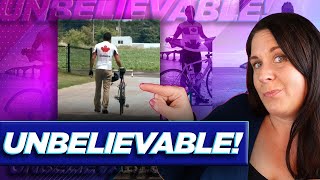
This content was created by Amber Hollingsworth. This content was uploaded by Amber Hollingsworth. This is a YouTube video titled "Inspiring Recovery Stories: Chris Cull" created on June 20, 2021. It features a conversation between Amber Hollingsworth and Chris Cull, discussing Chris's journey overcoming opioid addiction, tapering off methadone, and his inspiring bike ride across Canada to raise awareness about the opioid epidemic. The conversation delves into Chris's personal struggles, recovery process, and his efforts to create a documentary about addiction.
Chapters
So I've heard a lot of recovery stories, but this one is absolutely mind blowing. You're about to meet Chris Kahl, and he has been through a ton. And despite every obstacle thrown his way, he managed to be an opioid addiction, taper himself off of methadone, and then ride his bike across Canada to raise awareness and created a documentary all about the opioid epidemic. Now, some of you watching may not even know what methadone is, but let me just tell you, it is extremely hard to taper yourself off of. This story is absolutely unbelievable, and I think it's best if you hear it from Chris himself. I think it's important to understand someone's background to really understand who they are. What's the sort of set us the stage for before the addiction problem came in?
Yeah, so growing up, my. I have an older brother. He's three years older than me. My parents. My mom and my dad split up when I was three. Three or four. And I don't know, mental. I mean, I kind of had a lot of trouble as a kid, kind of reconciling that and not. And I don't know, when you're that young, you kind of feel like it's your fault and did I play a role in this? And like, then you're just not. You're not old enough or mature enough to even kind of grasp the concept that it really doesn't have much. Anything to do with you as to the reasons why they split.
Right.
And then. Yeah. So then my. My stepmom or my dad remarried my stepmom. My mom actually, she moved to the States when I was about 11 years old, 11 or 12. And that was kind of very sudden that she was just kind of. She kind of got up and left and she's lived down there ever since. That really. That also kind of threw my formative teenage years. That really. I didn't understand why I thought it was my fault and just caused a lot of, like, I don't know, just depression and through.
So was it a situation where it was like, I'm gonna move and then you had to choose whether you wanted to go with your mom or stay with your dad, or was it. There wasn't a choice. Can you give us.
No, there wasn't a choice. She was going down there and her. With her. Her. Her husband, and that was that. And yeah, again, being so young, you don't really understand it. And I mean, we've talked a lot about it, like, in. Like in the. I mean, since right now. I mean, like. But I held it against her for. For many years. Many, many years. And I. I just. I. I don't know. I. I do. I never stopped loving her, but, I mean, it was. It really hurt me. And so then, yeah, so my dad, from there on out, raised me.
You said your dad was a paramedic?
Yeah, he was a paramedic for 27 years and a medic in the military before that. So, yeah, so he was. He raised me. And that's. And he was my hero. And that's why he. I mean, that's such a big reason why that, like, when he got sick there and he lost his job, lost his license. I mean, that was when I was 18, I think. And then that got to a point where his disease progressed where, like, I have to help him take care of him now and help drive him places, cook food and stuff like that. And then through those years, though, he started to. Developed a substance use disorder with alcohol just because he just didn't know what to do with himself. And that, exasperated, exacerbated the Huntington's disease to the point where, like, I'd come home one night from girlfriend's place, and, like, he. You. Between the Huntington's disease and the drinking, he thought I was breaking into the house. I was just some stranger that broke in. And, like, I had to.
Like, he didn't even recognize you?
Yeah, that was in my late teens and then going into my 20s, and then after that, I mean, hitting and. Yeah, losing him when I was 22, that was like the straw that broke the back. And long story short, he took his own life, and I found him in a hotel room after the fact, and that just broke me as a person. So he had been trying to take his own life for a few years leading up to that point, and it was like living on a knife's edge every single day, not knowing if you're gonna come home to the worst day of your life. And that was. That's what Star did the opioid use, like, with Percocet. And then after he. He passed away, it's. I just went right downhill. I don't know. It was that. I don't know. That pain will never go away. Never will. But, I mean, part of me doesn't want it to because it keeps that memory. Like, I think about my dad in the context of, not the tragic events of his death, but the great father and man he was that raised me. So that pain, I mean, I've learned that that pain will never go away. But you learn how to cope with it better over time and grow from it and use it, which I didn't do immediately out the gate, obviously, with the opioids and trying to. I just tried to numb it, numb it out. It was so traumatic and I just hate. I just. I couldn't stop crying. And then I just. That gave me just. The opioids gave me a momentary minute of relief to just be able to be me and not think about, care about all this other crap going on. And then that, that, that escape and coping mechanism was the thing that you get addicted to it.
Did you start using opioids? When did it start? Did it start, like, were you using before that happened, then it got worse, or it didn't even start until after that happened.
Opioids. It's about six to nine months prior to his death where, like, it was just because he had tried to take his own life several times. And I mean, there's one point where he had asked me to try to help him with it. And like, I mean, I come home from. I came home from school this one day and walked past a garage and I heard some thumping in there. Figured he was in there, not knowing what he was doing. But then I went downstairs to go do my thing and he. Half hour goes by and I'm still listening to this thumping and we. What is going on? So I go up and go into the garage. He's standing there, he's crying, and he's trying to tie a noose from the rafters of the garage. And he told me to help him do it because he couldn't die. And that broke that. It was so, I mean, that's. I don't remember if that was before or after I started opioids, but that was just. That was the norm, was coming home not knowing if that's going to be the worst day of your life or what kind of condition he's going to be in. And just that high level of stress, riding that for years and not having a moment of relief of it. It's just like you start getting your breaking point mentally to how much you can take. And that point, it was just like, okay, I can't. So that's when I started using opioids through those years and then was using up to 580 milligram oxycons a day for about two years. So.
And for those of you. Because we have a lot of family people that watch who don't. It's hard for them to maybe put into context what that is. What would five eighty at the time? 80 milligrams Oxycontin cost. This is what you had to do.
Every day at the time. I mean, now it's like skyrocketed. Like way more than I used to pay. Okay, so they were with 30 bucks pill. Yeah, actually when I started, I think they were about 20, 25, and then they went up to 30 and then near the ending of that couple years, they were up to like 40 or 50 a pill. And now they're like upward. I don't know what that's. I have no idea what it's at now, but I mean, I remember hearing a few years back that like, it was just something astronomical, like 80, 100 bucks. I'm like, yeah, that's. That's crazy.
Like, so even at like, like $30 a pill and you had to have four or five of them, that's between 120 to $150 a day just to not be sick.
Yeah, yeah. And I mean, when you're in, when you're deep enough in that addiction of opioids, there's just never enough. I mean, unless like, I mean, I got went from the point of chasing the relaxing feeling just to escape to chasing the having the nods and just like chasing that feeling of just nodding out and basically being comatose and like, just not like that's where my happy place was. That's. It went from being wanting to relax to. I just, whatever, I don't want anything to do with the world. And I mean, my. After my dad did pass away, he. He left me everything he had essentially and left me in a very good financial position after he passed away. And I just ate through it. And that's. I ended up like, he, like, he left me his house too, that we lived in together and ended up losing that, which was devastating to me. Like, I mean, that was, that was actually what helped me transition to methadone was that I remember knowing that I'm like, yeah, you can't afford this anymore. Like, I mean, there's no way it won't affect every aspect of your life because it's like the all encompassing thing going on in your head once you hit a certain point. So, yeah, I lost that girlfriend I was telling you about. Money, friends, all the backstabbing and stuff that goes on amongst friends that go through opioid addiction and everybody pointing out who's like, who, oh, they're worse than me, and then try to justify it to kind of, you know what I mean, to. So I went through all that, eventually it hit a point where it's just isolating, which goes hand in hand with addiction. And it just, yeah, affected everything in my life, work wise. I wasn't even working because like I felt like, I mean I grossly and irresponsibly mismanaged that money and I had enough to live off, so I didn't really work at that particular time. And yeah, so I mean it affected everything. It sent me down to an unimaginable point. And it's like you think you hit your rock bottom and then you realize rock bottom is a basement. And it's. And like as I mentioned before, it was a series of things that propelled me to that very end point where I'm like, okay, I need to get, I can't do this anymore and I want more for my life. Like I, I was stealing my food to eat. I went down to 139 pounds, going up maybe four or five days, the eating on dozens of occasions. And yeah, went down to £139. Like I was skin and bones and the. Yeah. And I went two years without gas in my home so I had no, no heat. So I had to curtain my living room off and use these electric heaters to keep me and my dog warm. Heating water on a stove to clean myself. Working a part time job as a cashier at Walmart where you take a lot of crap people in that position. And like it was just like, like I was just, I was just sick and tired of being sick and tired. And it all called because if I get asked about it like, oh well, what's. Was there one moment that made you turn things around? And I'm like, there was several, it wasn't just one, there was a bunch that just added up to a lot. But the one that I do reference the most was actually working at Walmart. And long story short, this guy came through his groceries, put his, he had these three apples at the end and put them on his, on his. I put them on the scale and then punched in the numbers and he told me it was the wrong price. So I pulled up the flyer to show him the right price and he just grabbed his stuff and stormed off. I'm like, okay, whatever. Unbeknownst to me, he went back to the produce department and there's those hard plastic signs that dangle on the produce bins where they put the pricing in. Yeah, he went back to there, grabbed that off that very same apple bin and came back and he Frisbee that in my face. And cut my nose open to say, 50 cents on three apples. Wow. And I splitting. I really. I just. I lost my temper and called him every thing that I could possibly. Like, I was just. I just popped off. And so then I just, like, I'm done. I'm done. I can't do this crap anymore. And then I went to the back. I quit that day. And then I went home and it was like, okay, like, what. What are you gonna do now? Like, and then so like, I remember sitting there for like three hours in like, dead silence, just thinking, trying to figure out what. What I was gonna do next. And so then I got down to like, well, what is it? You really like it? I got to the point within that. That time of thinking and like, I just like, listen, I'm tired. I'm tired of stealing my food to eat. I'm tired of curtaining off my living room or, like, heating water on a stove to clean myself. Like, I'm tired of looking at a clock all day just, like, working a job that I wish I was doing anything and I was anywhere in anything doing anything else. And like, and like, I was just. I was just tired. And I'm like, I can't live. I don't want to live like this anymore. And then so I'm like, well, what are you gonna do? So I wrote. So I ended up creating this system to figure out what it was I want to do with myself, where I wrote down these four boxes. My passions, interests, hobbies, and then stuff I knew I hated. Most importantly, to know what to cancel out within those results. So then I came to the conclusion like. Like, I wanted. I wanted to get off opioids and travel again. Like, because it's a ball and chain, you can't go anywhere unless you have your carries with methadone or, like, and at that you can only go for like a week. And you don't really have the freedom to go do week you want to do.
Some people might not understand that about methadone, but a lot of times if you're on methadone, a lot of people have to go every day, usually early in the morning, to get their dose of methadone. And there's no missing it. Otherwise you're going to be really sick so that you're really tied to. You can't. It's literally like being on a dog on a leash in the yard. You can't go very far because you have to go back every day.
I don't advocate for people to go on methadone I mean, it's better than being on Oxy's. Fentanyl. Fill in the blank.
Tell us what's better about it. Because there might be a lot of people out there, even family members, that they may be thinking, why would you just trade one for the other? What would be the benefit to doing that?
Yeah, it took a while. So what that does is it frees up that it stabilizes you enough that you don't have to worry about going into withdrawal.
Right. So it doesn't fix it, but it stabilizes it, which then, like, gives you some bandwidth to think about.
Well, then that's when the cascade effect comes in. Like, once you're like, okay, I don't have to worry, which is like, it's. That's such a massive part of opioid addiction. It's just the fear of withdrawal. And you, what you're able to do once you kind of have that in check is now you can start focus on working again. Now you can start focus on rebuilding your relationships. And I mean, but don't get like, don't get me wrong. I mean, it's, it's. There's many harms in, in that come with methadone. It's very abusable. You can end up abusing that as much as you can with any other opioid. I, I did so for years, I fully admit it. Like, I would double, like. Yeah, I mean, I would double dose sometimes and I'd get just as high off methadone as we did off pills. But it's not, it was. That's like. Yeah, and that was like, you'd asked me earlier about the mental side of actual tapering. It took me a little bit to kind of get that back in check where I'm okay and then dosing normally and how I should have been doing the whole time. But.
That'S the shift when you sort of shifted from the addictive thinking into, okay, this is a dependency issue. How do I physically stop doing this?
I learned something about myself over the years, is that, like, I'm at my happiest when I'm making progress towards something I care about. And this was something I really cared about. And it was something for the first time in my life I was doing for me and something I really was passionate about. You got to create a life you don't want to escape from. And then once I actually had that vision and what I wanted to do and started working towards it, I just got more fired up about about it and excited and about that. I'm like, oh, no, I can, like, I feel happy for the first time in a very, very, very long time. And that feeling was what I chased now.
So take us to. Take us to the. Back to the moment after the Walmart incident and you sat down and you had the four sort of quadrant method where you were trying to figure things out and you wanted to decide, okay, what am I good at? What do I like, What I not, like, what am I gonna do? Take us to this. How you came up with the whole bike ride thing.
I grew up as an athlete. I played hockey, snowboarded, skateboard, and played baseball and everything like that. And I kind of missed. I missed that. Those physical challenges too. Like, you know, like, well, if you're gonna. If you're gonna go do this, like, you can't really backpack across here. You could, but I mean, you're basically on a train, one or the other. And I'm like, you know what? I'm like, I'm gonna. I wanna. I'm gonna ride a bike across it, thinking my head. And then like, you know, and then I started. I don't know, I just let my imagination run and just dreamt about it. And like, that'd be so cool. And like, that may be really hard, but it'd be really cool. And I'm like, well, you know, if you're gonna do that, go do it for. Do it for a reason. Do it for a cause. Do it for something that you know about and make it un. What's more do I than this? What? More than this one thing that's encompassed my life for so many years. And I'm like, I'd seen a lot over and experienced a lot over the seven and a half years of opioid use that I'm like, you know what? It's probably. I want to see what it's like everywhere else. So. I'd always had an interest in film as well, growing up, but I mean, I didn't have any experience or knowledge about it. And so that was like, you know, in my interests of stuff that I wanted to explore. And so bottom line is I had no experience in film journalism as far as interviewing people, public speaking, public relations. I hadn't rode a bike in eight years and I was just getting off methadone. And so it's just like, okay, well, you want to do all this stuff, so where do you start? I didn't have Internet, much less a computer or much less even cable for that matter. So, I mean, when I was through those years, when I Was like, I had no other form of entertainment than reading books. And by that point in time, I had read, like, a few hundred books. And then I'm like, you know what? Just go to the library, take out every single book you can find on all the stuff you want to do, and then when you're there, use your Internet and computer just to search up some things. When you write down questions when you're at home reading that you can go onto the Internet. Computer, computer. And so that was the process. And I started doing that as I started tapering, and it was just. I incorporated into my routine, and every time I started making progress like that, it was like the reward system in my head started coming back.
Yeah, the dopamine starts to kick back in.
Yeah, yeah. So. And then. Yeah, so I took out every book I could find. User, Internet, computer. Took the. Because I would have to take the bus to another bus to go to the city where the clinic was, but the library was on the way. So every time I go to the clinic, I stop at the library. And that's kind of how this whole thing started. And I just incorporated my routine every day and. Or every time I had to go down there. And. Yeah. So year and a half later, tapered and then started training in December of 2013, got off methadone on January of 2014, was on the road riding and filming in May of 2014, 2014.
Did the people around you know that this is what you were planning?
Oh, yeah. It took me a while to kind of. They. Everybody, including some of my trainers, thought they thought I was gonna fail. They thought I couldn't. Nor, like, would I. Nor could I do it. And even my mom tried to talk me out of it. She's like, just ride across Ontario. Ontario's huge. And, like, just ride across Ontario first and see it. I'm like. I'm like, no. I'm like, here's the thing. Like, you guys don't understand how hard I just worked, how much I just learned, how many. Like, all this stuff that I'm like. I'm like, I'm gonna go do it or I'm gonna die trying.
I mean, if they could, I don't know who people may have known you were doing that, but you were really determined. I mean, the things you. The going, you know, like you said, the riding the buses, the going to the library, the. The planning, the strategy, the thought you were already all in.
Yeah. And, like, everyone didn't know that I was doing all this stuff and that, like, in the background and like. And I mean, there was a couple people that. That knew about it that I was close with, but even. They were like, these were some of my best friends. And they're. They were like, he's not gonna do it. So it was just like, kind of whatever. Like, it's. But I. I actually found that to be very motivating to me. I'm like, oh, you don't think I can do it? Kind of like a chip on your shoulder type thing.
So you.
I'm like, listen. Like, I mean, I wanted it bad enough that I was able to taper off of methadone to do it. You know, just listen. You gotta listen to your body.
When did you have the first thought that you wanted out like, that you wanted. That you didn't want to have to do that anymore?
Was actually when. Was when I lost my dad's house. When I was sitting down in the. In the basement staring at a wall unit with my dog and like, just thinking about how much I screw. How bad I screwed up. I lost everything that meant anything to me. I'm sorry to circle back on your question. No. Did I have anybody with me? Yeah. So the girlfriend I was with when he passed away and I started using opioids and I eventually opened up to her and let her know what I've been doing and going on. And she. We've talked years later, but she never talked to me ever again. Kind of like for years after that. But her mom, who was. She's. Her name's Barb. She's. She's such an amazing woman. She stuck it with me, with me through everything.
Wow.
This day and to this day, and I joke about this. I'm the only guy you will ever meet with a tattoo of his ex girlfriend's mom's name.
I think you might be right. Oh, my goodness. That's wild.
Yeah. No, I'd walk across Canada, help her change her tire if she'd asked me to. She brought me food when I was starving and got my electricity turned back on at one point. And like, I mean, she did so much for me when she had every reason in the world to walk away.
Wow. Was there anything that she said or did along the way that influenced your thinking in the right direction?
I think it was a culmination between her. My. I had an awesome methadone doctor who was very. I'll get into that in a second. But I. For her, she. It was the unconditional love I got from her. It didn't matter kind of what I was Doing how bad I was down and out and even just the lying and manipulation that comes with addiction, it was just. She was always there for me and, but she gave me a, she did her best to try to talk to me when she knew I was kind of going down a wrong path. But I mean at the same time she wasn't judgmental towards me about it other than to saying like, like I want the best for you and, and being, coming and approaching it through, through that dynamic. My, my, yeah, my methadone doctor was, was incredible too. She was actually the one who. Because when I started on methadone, actually I, I once I. The nature of the beast with addiction, at least with me was once I stabilize my, my, my opioid dependency, that's when my mind shifted to other drugs. So the first two years I was on methadone, I mean I was doing cocaine, not every day or anything, but I mean it was frequent enough that. And then eventually I didn't have her as a doctor at the gate, I had another guy. But my work schedule changed. So it just, just by lucky chance I ended up with her. And she, she was an amazing woman. She held me accountable when I, she called me out when I needed to be called out. But she also knew when to give me the benefit of the doubt too. And she would always kind of, she gave me once I got over her and like, I mean months had went by and every sample I'm leaving is not clean. And she eventually just sat down, she's like what's going on? Like talk to me like you're coming in every week and your every sample is like what's going on? And she gave me a heart to heart and she genuinely cared and believed me. When you're down and out, I think everybody who's went through addiction can feel like when you're down and out, you're in the loneliest place in the world. And when that one person that you feel that connection you're going to for help that you feel can help you actually shows that she genuinely cares and believes in you and has and that, and building that trust between the patient doctor relationship paid dividends in the end because once I knew, understood she had my best interest in mind. That's when we were able to work together as a team and start moving forward together. And after that heart to heart, I never did drugs ever again. The stuff I went through in those years was. And how many times I tried to do it and failed and, and everything like that, that it was just like no I mean, you work really, really hard to do that. And then actually, when I was on the, when I was doing my rides, actually, I started using some of the lessons from my opioid years to apply to cycling. So, like, when I was like, like, I mean, Newfoundland, for instance, is 900km from a town called Port of Ask around to St John's which is where I ended my ride. And, and so I slowed my pace down. I was doing a hundred kilometers a day roughly there. And. But for the first four, four or five days of the, of the nine I rode was just pouring rain, like, for hours and days on end. Like, it was to the point where I was getting up, putting wet clothes on to hop on my bike to go ride for, to get more wet. Wow. You can get through that. You can get through this. Wow. And it was just being able to kind of cross apply the lessons and the experience of opioids to the discomfort of at times of being on the road.
I understand you, you got on your bike, you rode across, you interview people. But what all goes into making that happen? Like, you. Did you have to like, schedule interviews? Did you have people that video, did they ride alongside you? Like, how did it work?
Yeah, so that was hard. So it was. Because I didn't even. When I started, like, I didn't even know how I was going to get my interviews eventually. Like, I would get, I'd get off and I'd even just walk around the town that I'm in and just talk about what I was doing. And then somebody would always pop up and be like, oh yeah, I got a good friend, or my brother, sister, mother, father, whoever. Fill in the blank. Like, oh yeah, they're going through that. What do you want to talk about it? Kind of of thing. And some people would, most people wouldn't, which I get. That's how I started out with the interviews. And then I got to a point where I started using with those people and like, I started using the network of it all to, to, to branch out. And then my story was actually posted on Partnership for Drug Free Canada. And I remember riding through the Rockies near the beginning of my ride. And this mother, her name is Sharon, she's an amazing woman. She had lost her son Christian about nine months prior to my interviewing her, so the wound was still fresh. But she reached out to say that, like, thank you for what you're doing kind of thing. And I'm like. And she shared her story with me, and I'm like, well, is that something you'd be Comfortable talking about. So we met up, spent the day together and interviewed her. And that's all in my film there. And then I would talk to people who would. I mean, it was really weird. Good. So I like, for instance, I was in Canmore, Alberta. I stayed with this. This lady. Her name's Jenny. My camera guys and I. And then she's like, oh, yeah, you should let me know when you're getting to Regina, Saskatchewan. My sister lives there. She gets to crash with her. And I'm like, okay, yeah, for sure. And then I ended up crashing there. And then she's like, oh, you should interview a guy named Ran T. He used to have a show on PBS called Drug Class. I'm like, can we do it? I'm like, sure. So, I mean, it was just. It was really a lot of happenstance like that. And it's ironically, with that family, I ended up staying with the niece in Manitoba. I now know, like, the entire extended family just from that entire interaction riding across. So. But then I like. I mean, it got really depressing because the media wouldn't. They just wouldn't cover me. And when you're trying to raise awareness for a cause like you, like, that's. That's the be all and the end, all of it. That's why you're doing what you're doing. And that got discouraging. So my first. So it wasn't until I got to Toronto, which is well over halfway across the country. A friend of mine, actually, he got me connected with a news outlet called CTV up here. Up here in Canada. And he was working on the house of one of the anchors for the main show. And he's like, yeah, do you want me to talk to him? Sure, that'd be awesome. So then I got that interview, and then that really blew things up where other people were now reaching out to me to do interviews and stuff like that. And then after that exposure, people started sending me their stories. And then by the time I got to the east coast, people were reaching out to me. I didn't even have to go looking for my interviews anymore. People were reaching out to me, wanting to tell their stories.
Were there days you thought about giving up? Was there ever a point you thought, is this worth it? Is it? Is this gonna work?
Or. From the film perspective? Yes. And that's really what, like, the biking was just the means to the end. But the actual filming was what I cared about the most. Because, again, it's about the cause. It's not about. Yeah, I got super discouraged about It. But by. No, like I said before, I'm like, there was never a time where I thought about quitting. It's just like, you're gonna do this or you're gonna die trying and not an option. No, it's just there was times where there was rough days where I'm like, I just don't feel like riding anymore. But there was never a day where I'm like, I want to pack up and go home. Okay, that just never crossed my mind. The ones that. That interview I was telling you about with the woman, Sharon, who lost her son, that gave me, I actually, I learned more about from that interview than I think I did any other interview, because it gave me a peek into how my mom and Barb were viewing me through that lens. And then understanding my actions through that scope made me really reassess, kind of, I don't know, just. It just gave me a bigger aperture for what I actually put them through as well. But I mean, it was that curiosity. Every time I'd go through an interview, it just made me curious more. And that kind of really made me more hungry to go find more interviews. And then that monkey just kept getting fed and fed and fed. And so, I mean, my ambition kept growing. The more I learned from those interviews.
Wow. It's pretty amazing feat, just the whole thing. I mean, you're really accomplishing at least three or four huge Mount Everest sized tasks, right? You come off methadone, you're biking across Canada, you're making a documentary film. I mean, any one of these things could be like, literally like the apex of someone's life and you're like doing.
It all at once again. I was the happiest I had been in my entire life. I got to see the country in such a unique way. And like riding through the Rockies and just like, I mean, it's one thing to drive through it all, but I mean, when you can actually stop and sit there and appreciate a beautiful. Like, my happiest moments were just when I was just by myself on my bike and stopping and looking at just some beautiful scenery that I'm like, I'm so blessed to be able to be here right now. To be able to see this in the way that I'm getting to see it, able to live in the moment in those times. I mean, don't get me wrong, it was. It was hard. It was really hard to do the ride. But I mean, I was in my happy place again. I was making progress. And that's where I'm always at My happiest. So knowing that about myself, I'm always. I'm just always trying to. Trying to learn and grow and become. Be a better person than I was yesterday.
That was my. That was my next question is, what is life like for you now? What are you up to these days?
So after the. After I did my first ride, my film and everything like that, I had actually. I had no intention on doing any public speaking. It just didn't interest me at all. And, like, getting the thought of getting in front of people and talking about my vulnerabilities was just like, there's nothing I'd rather not do. But I was just kind of asked to do it when I was on the road, and I'm like. So I remember the first talk I ever did was, like, in Alberta, in this town in the Rockies. And I was, like, sweating, fumbling over my words and not being able to even put a cohesive sentence together. And then to. By the end of it, I did, like, five or six across Canada. And by the end of it, I'm like, okay, structure your.
Like, I learned you're a public speaker now.
Yeah, the elementary parts of public speaking. So now, like, I do. Like, I do keynote speeches and at medical conferences. I do. I speak at high schools. That's on the consulting side. Then I'm writing a book. I have a clothing line, and I'm planning on doing one last bike ride across Canada with a TV show where. So my film was going out and docking, going town to town, coast to coast, documenting all these stories, and then sharing my own story within the journey. And then part of it all was going out and doing all this crazy stuff I dreamt of doing that I couldn't do when I couldn't travel, because opioids. So I hit a bucket of golf balls off the mountains in the Rockies, jumped out of an airplane over Montreal, et cetera. So now what I want to do is I want to go across Canada, and I want to hear people broaden it out. Not the opioid crisis, but broaden it out to addiction and mental health and hear people's stories who went to the complete brink of destruction in their lives and then came back and then take them out to do something they've always dreamt about doing.
I love it.
So the big thing that I like, I want to do more than anything else. One, I missed this. I actually missed the adventure of the ride. Why would you want to do that again? I'm like, man, I'm just. There's just a freedom that comes with that. And like, I mean, just like, I mean, I slept in 63 Walmart parking lots between two bike rides across Canada and like, see a lot of interesting stuff in the middle of the night in a Walmart parking lot. I mean. Oh, yeah. So, like, it's just, it's just the experience of camping it almost every night and you're. I don't know, it's just, it's just an adventure. You know, when you actually finish doing something and then you feel like, you know what, you know now you feel you do such a better job.
Yeah, I could do it again. Way better.
Yeah, that's exactly where I'm at with this. Where now, like I. Now I'm like, I'm not starting from scratch. I'm. I have a network now and I'm actually. And I'm. I do a lot of work across Canada now. It's. It wouldn't be a problem finding the stories. It wouldn't like, I know a lot more about film now, having made a documentary and I know enough about riding across Canada having done it twice. And then just like, you know what, you could, you could do this so much better and so much bigger, like, and you could reach more people, more.
Most importantly, if there are people out there watching that want to connect with you or support you, where can they find you? How can they support you? How can they connect to you?
Instagram and Twitter. I'm Inspire Underscore Canada. Facebook name is Chris Gull. My website is. If you want to. If you're interested in watching the film I did in 2014, my website's inspiredbyexample ca. Yeah, just reach out to me on any of those outlets and if you want me to come speak or if there's something you need help with or you feel I can. I'm more than happy to help in any way I can. Very strong believer in paying it forward. And we all start somewhere, and I'm no different from that.
Obviously there's a million things, a million parts of this puzzle, but if there was one thing, one message you could get out there, maybe that people tend to misunderstand or they don't get, what's the one thing you really wish people knew or understood?
Keep in mind behind what you're looking at, I mean, it's a human being, they families and their people. And as soon as we start treating them like people and working towards, like, I mean, we're only as a society, we're only as strong as our most vulnerable, and we should be focused on lifting each other up and. But that said, on the people who are going through the addiction, I would say just don't give up. Just keep going. Because I promise you, I can like you. You can come back from it and turn your. Like you can. You can come back from the worst circumstances of imaginable in your life and turn your life into something beautiful and have that purpose and use your experience to help other people. And I don't know, I just think if we're all able to bust down that stigma and never lose hope, I think the world will be a better place for us being a part of it.
More from Amber








Addiction Turns “Me vs. Drinking” Into “Me vs. You” #addictionrecovery #addictionawareness

They Admit Everything Except the Addiction #addictionrecovery #addictionawareness

Stop Trying to Make Them Admit the Truth #addictionrecovery #addictionawareness