Parents Of Addicts (A father's worst nightmare) -Scott's story
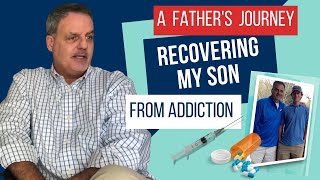
Recorded interview (Amber Hollingsworth with Scott) telling Scott's experience with his son Zach's multi-year substance use disorder. The transcript covers Zach's first serious incident at 13–14 (stomach pumped), experimentation in high school, enlistment then discharge from Parris Island for drug use, a 30-day rehab in North Carolina that failed to prevent relapse, later residential recovery ('Purple') with periods of stability (20 months sober at one point) and relapse culminating in a heroin overdose taken to Grady Hospital and a subsequent detox (about 8–10 days). The conversation closes with Scott describing sustained recovery milestones (since March 3rd sober, about eight months at time of interview; held a job two years) and advice for other parents.
Questions this video answers
He'll be 26 on December 4th.
At 13 or 14; he had to have his stomach pumped.
Parris Island (around November; completed 13 weeks and graduated).
A 30-day rehab in North Carolina.
Multiple: cocaine, meth, heroin, Xanax (Scott said 'seven drugs').
Chapters
What would you do if your son was locked in a house, you knew he was doing heroin? You're actually gonna find out exactly what Scott did on the day he found himself standing outside of the door, pounding on it with his son inside, using heroin. Okay, last thing, and I promise I'm gonna let you hear Scott's story. I. I really just want you to know what his son Zach is like in person before you hear some of these bad things that happened. You see, Zach is the kind of kid that as soon as you meet him, you immediately love him. He's charming, he's engaging, he's funny. Everyone wants to be around him. He's really a good kid. He just found himself in a lot of trouble. How old is Zach now?
He'll be 26 in December 4th. Okay. Yeah.
And when do you think the dream became a problem? Were they a problem in high school?
They were. He actually. The first sign. He took some pills when he was 13 or 14.
Okay.
And quite honestly, I've been trying to remember. I can't even remember what pills he took, but he took, and he had to have his stomach pumped.
Oh, at 13 or 14?
Yeah.
Wow.
And so he went to Carolina Behavioral Center. They admitted him because they considered it, I think, a suicide attempt.
Okay.
And he stayed there, I think, a week. But at that time, you know, he was only 13 or 14. So to my knowledge, he hadn't drank at that point. Drugs weren't a part. But looking back on it now, I'm not so sure. But, yeah, high school, 10th grade was more 9th, and 10th grade was more experimental. This is what they all do. Few beers here and there.
That kind of thing just seemed like, oh, we're in teenage years now.
Teenage years. Yeah. It started early, but we just thought it was normal. But then 11th and 12th grade was. It started getting more serious, and you could tell that was no matter what punishment we gave him, no matter what you took away, cars, phones, it just continued.
Did you just catch him using drugs all the time? Did you just get in trouble and that's how you knew?
All the above.
All the above.
We caught him constantly. He lied up. You know, Facebook was just coming about, and so I always laugh. Zach didn't realize Facebook was public, so he would lie, but then all you'd have to do is go look at his Facebook and you knew exactly where he was going and what he was doing.
Wow. Okay.
And he just.
He left record for you.
Exactly. And he couldn't figure out how you would know. But, dude, we just reading Your Facebook. But yeah, he was. So yeah, it was, it was. We would catch him all the time and then grades became. He never was a great student because he was always the class clown and the cut up. But it really became felon and just grades went terrible.
Did he finish high school? He did.
The last week we realized that he was going to graduate. It literally was down to. He had to pass. Near the end he was frustrated because he would make 80, 80, 90, 90 0.
Uh huh.
And just wouldn't turn something in.
Just the one or two little things.
Would just ruin it for him and just. And just didn't care.
Just didn't care.
So that was obviously we started realizing that because punishment was all, you know, I was all trying to control it and fix it. So I was just.
When you're parenting, you're doing what you're supposed to do.
I was just all over my bad.
Report card, you're grounded or you're restricted.
And of course those were becoming bad years because he and I were really close and then. But it was really becoming, you know, continuing arguments between him, he and I was. There were some rough moments. I mean even where it was more than just, you know, it was maybe shoving got heated. It got heated, it got heated. It got very so. And with all that, nothing got better.
What were you, what was going through your head at the time? Like what were you thinking? What were you feeling?
Yeah, I partied in high school and my parents didn't drink, didn't approve of alcohol whatsoever. And I still turned out where I drank more than probably I should in high school and college. So I thought I would try the other way and would let it be okay for him to drink at home when he was 11th or 12th grade, as long as it was with me. So at first I thought, well, this is just kind of normal. But then I could just tell it was kind of becoming more than just. It wasn't normal.
You're watching him and you're like, this is way outside the scope of what I did.
Exactly. I didn't think any time in high school that he was an addict.
Right. That word probably didn't even.
It never crossed my mind. And I didn't know obviously I knew he was experimenting with marijuana, but I didn't know he was. I didn't know he was going to school high 90% of the time until a couple years later. It was basically. We kind of talked about military and I think I kind of forced him to that thought. But I don't think he thought he had Any other options? He didn't want to just go work, so he chose the military.
Were you thinking kind of like some kids who get a little rebellious in high school, like this structure the discipline, that'll help him.
I thought the military would. You're like, this is like, if we can just. If we can just get him in the military, that he'll mature and he'll learn discipline and it'll change him and he'll.
We'll get out of this teenager rebellious thing. Okay, he got recruited. Did he have any trouble getting in?
No problem getting in other than, you know, I'm not sure to this day how he passed the drug test because I'm not so sure that he, you know, quit smoking, potting this whole time.
Oh, surely not.
No.
Surely he found a different way, but.
No, there's about a six month period where you have to go and train and work out with them and show that you're dedicated. And then he. I think it was around November that he shipped off to Parris Island.
When you took him, were you thinking, okay, finally, this is it. Oh, God, yeah, this is gonna be the turning point.
Yeah, we got him there. We took him to Charlotte and. And put him in. You leave him at this hotel. And I just thought on the way home, I thought, thank God, and things get better now. He did the 13 weeks he graduated. Probably the proudest moment of my life to that point for sure. It was. So this was in about the January time frame and thought things were going good there. Would hear, you know, we'd get calls from him and things sounded okay. And then one day in June or July, he shows up at the door and he'd been kicked out. He just knocks on the door and I open the door and there he stood and he'd been kicked out.
Well, why did he get kicked out?
For drugs.
For drugs?
Yeah, he said it was. Told me he got caught drinking.
Okay.
And that they kicked him out for drinking. And I believed it for a while until we got the papers at home. But he had actually, he had taken. I can't remember what it was, maybe a bunch of Benadryl. He took a bunch of drugs. They were doing spice.
Okay.
And. But one night he took a bunch.
Of pills, trying to take stuff. Sometimes when people do that, it's because they're trying not to show on a drug screen. So they take, like, desperate things.
Yeah. Okay. So I think he had been drinking cough syrup. I mean, he had been doing. So it had gotten bad.
Anything to get high and fly under.
The Radar, he let him move back in. And again, I just thought it was underage drinking. So I had no idea drugs had, you know, that he had been doing drugs. So he moved back in, got a job, and. But just in the next several months was. It was bad just, you know, laying out of work, lying about laying out of work, those kind of things. And then we would constantly start seeing more signs of it. So in about a six months period, then we put him in a 30 day rehab and got him into North Carolina. And again, I was again trying to control it and I thought if we could just get him off to this 30 day program, get him fixed, he'll come home and things will be normal.
How'd you get him to go to the 30 day program? Did he want to go? How did that work?
No, just threatened to just, look, we're either going to kick you out or you're going to go.
Sort of backed him to a corner.
Yeah.
Okay. Did it help? What was that like?
I mean, I thought it helped. He said all the right things when he got out and he moved back in and seemed to. I thought he. He went to maybe one or two meetings, but he got another job.
Okay.
And seemed to be going to, you know, seemed to be doing fine, going to work.
So this is. So you kind of thought the military, you're like, okay, this is gonna do it.
Yeah.
And that didn't work. And then you send him the 30 days of treatment and so you thought, okay, now we're on the right track. And then how long before that seemed like it was dissolving again?
Actually, it took about a year because, you know, so he lived there three or four months and things seemed to be going really well.
Okay.
And so then he obviously started hanging out with some old friends. But he convinced me after three or four months that marijuana was the main problem. And he had completely stopped that. But he could drink some beer.
Okay.
And just as long as he drank a little bit, everything was fine. And I believe that because I still wasn't convinced that he was an addict.
Okay.
Yeah.
You're just like, get cleaned up here. Get yourself on the right track.
I thought that things had just gotten out of hand a little bit and that, you know, if he couldn't, I certainly didn't ever dreamed that he would be going to AA the rest of his life or meetings or that I would be going to meetings.
So still in your mind, it's just like, man, this kid's a knucklehead.
Yeah.
You know, he's just Rebellious, he's a tough one. And we just gotta get him on the right path.
Yeah, okay.
So he comes back home and he says, you know, marijuana's a problem. I'm not gonna do that anymore. I'm just gonna drink. And you were like, okay, yeah, okay, yeah.
And you know, I think selfishly in a way because of my lifestyle and, you know, I like to drink socially and have fun with him as well. And I thought, yeah, this sounds good, we can drink and have some beer together. But just drugs, obviously. And of course I've never been into drugs either, but thought as long as we just don't do drugs, everything's fine.
And that's pretty common parent thought. I mean, getting your head wrapped around this is a little at a time. It's not all at once for the parents either.
But, you know, so about six or eight months went by where things seemed to be going okay with that. But then, you know, in about six months or so, the drinking would get out of hand. And then we obviously started finding marijuana. And he had a, he had a girlfriend at the time that was, she was somewhat unstable.
Like a toxic relationship, bad relationship.
And so that same thing started showing itself in that relationship. And they would party together and get in fights and things. And then he got a couple of minor impossession charges. So we started going through to get.
Out of trouble, like pti.
We went through pti and this whole time, again, I was trying to control because I was, I would take him to make sure he went there, I would go pick him up to make sure he stayed at the meeting.
You were staying on top of him all over. Did you turn into one of these, we call them the CSI parents.
Oh, definitely.
Where you, you were watching every move.
Checking behind him because, you know, everything was a lie. And I mean, I would lit it got to the point where I was waking up at six in the morning and would go to the Verizon account and I could see where he was, what time he stayed up till texting, what numbers he was calling, during the night, even he was working. But he would be on his phone till 3 or 4 in the morning.
So for you, your life had gotten pretty unmanageable. You're 6:00 in the morning, your first thing you're doing is logging. First thing, checking the cell phone records.
Yep. Okay. No, it was out of control. So yeah, of course you didn't know it at the time. You had just gotten slowly into this chaos. But yeah, my life was all about.
It becomes a Cat and mouse game.
Yeah. And then, you know, I thought he was hanging out with the wrong group of friends. Come to find out it was him.
He was the wrong.
He was the wrong crowd. And so I think one of the things that finally got us to come to Hope for Families was he got arrested. I got a call from one of his friends one night about three in the morning that said, and this is the friend that I thought was the.
Bad one was the bad one. Okay.
And so I got a call from that friend saying, come get your son. He's crazy. And he's outside our house, he's beating my car. He's throwing rocks at our house. He's out of his mind.
Wow.
And so, three o' clock in the morning, drive to Greenville.
What were you thinking? Were you. Were you mad? Were you scared? Scared?
Everything just confused, just like, you know, because I. I really thought I'd always, for two years, been saying, you got to get away from this other guy. And to have that guy call you and tell you your son.
Your son is out of control.
And so get there. There's three or four police cars in the neighborhood. And I told them that we had gotten this call. They basically told me to stay put and let them handle it.
So you're sitting in your car in this neighborhood.
Can you see it's three or four in the morning. It's winter. It's cold. And these police cars are circling this neighborhood with their spotlights. There's three or four cops out in the yards, and they've got their flashlights and guns drawn.
You must have been scared to death.
Oh, I mean, we were in. So, you know, Amy was with me, and we were just petrified. And all of a sudden we see him, and he's behind a tree, no shirt on, and they pull their guns on him, and he puts his hands up and they handcuff him there and put him in the police guard and haul him off. And come to find out he had gotten so crazy that night, he took a brick, thought he was throwing it in his friend's front door. He literally threw it. And then it was. He. He was at the wrong house. He threw it in this widowed lady's front door.
Oh, my gosh.
So she called 911 thinking she was getting robbed.
Right.
And, you know, just looking back on it, he could have been shot. At that point, I knew something was wrong.
Right.
And it wasn't anymore of just thinking.
That this was like the wrong path or rebelliousness, something was wrong. This is something totally different.
And so we investigated places to come to. We came to Hope for Families. And you know, after meeting with you and Campbell and everybody, we kind of knew that this, he probably needed an inpatient. But this was the first step that we come to. And so basically it was like, look, Zach, either you, you're going to move out on your own or you need to come here.
I remember the first time I met with Zach. This is one of my favorite Zach stories. But he told me he thought he was addicted to marijuana. And I don't hear that very often. I mostly hear that's ridiculous, you can't get addicted to marijuana. When he said that to me, I said, what? You're addicted to marijuana? And he's like, yeah. And I was like, what makes you think you're addicted to marijuana? And he looked at me serious as could be. And he said, amber, when you pawn everything you have and you're stealing for weed, you have a problem with weed. And I just thought that was hysterical. So he knew he had a problem. And I know if you have that big of a problem with marijuana, you have a big drug problem. And he knew, I mean, he wasn't in denial.
No. You know, and of course I forgot about all the pawning issues. He stole and he took TVs and different things to pawn shops and that, you know, over that two or three year period he had done several of those things, stole from us, money would get missing.
He's at hover families. He's with us for a few months. But that's still.
He failed every drug test I think he ever took here. You guys put him on sober link and he just wouldn't answer.
Put him on the drug pack. We put everything on him we could put on him.
Everything. And it just constantly failed. Fail. Working with this guy Bobby part time. And Bobby had, was a former, had problems with drugs.
I remember hearing stories because Zach is a storyteller now. Zach can tell you, tell you a story about going to the gas station and it would be the funniest story you ever heard.
And so Bobby. But Bobby had a lot of pain from bending over doing construction. So Bobby had all these pain pills. That's why Zach loved working with Bobby.
Naturally.
He stole pain pills from Bobby. Everybody at that point was on board that we've got a major problem and we've got to try to get him some help.
Now I do remember one funny thing, Scott. This is the only time I've ever heard of this happening. But you guys made the decision and he knew he was Gonna go Purple. But before he was going to Purple, y' all were going to Disney.
I had paid for a Disney trip for our family vacation. And so, you know, we were taking all three kids to Disney. And so we set it up today. We got home for us to check into Purple. They had an open bed. And I had talked to Adam and Brett, and. And so I talked to Campbell about it. She said, this is going to be a disaster. Do not go to Disney World. But, you know, I just didn't listen to that. I said, no, I think it'll be okay. And so we went to Disney, and we left about 11 o' clock that night and drove all night to get there that morning. And he was high as he could be. And matter of fact, sometime at 3 or 4, he went to sleep for a little while, woke up at 3 or 4, and told me he was going to drive, told me to pull over, that he was. He was going to drive. And I said, you're not driving.
Right.
And it started getting a little heated, okay. And so I thought, oh, God, I'm gonna pull over, and here and I are going to be resting on the side of the road here. He did calm down, went back to sleep. But what we didn't know is he had several. He had tons of pills with him.
Okay.
So he was okay for the first couple days because he.
Because he had some of his drugs.
We were somewhere in one of the Disney parks. We had a dinner reservation for that night, and he. And he got sick on the boat going over to Disney World. And Zach never gets sick, but I thought, well, dang. Well, I don't know why he's sick. He was throwing up. He looked awful. He was in withdrawal. He was in withdrawal.
Okay, we gotta take a sidebar right here, because this is a real teachable moment. I know in the video I'm teasing Scott about going to Disney, but I can definitely understand why he made that decision. You see, when you've got a child with this kind of problem, it takes over the whole family. And sometimes you've got to make a decision about what's best for the family. And you can't let the one problem dictate everything. First and foremost, you've got to look out for your family. But now that I got that out of there, I just want to tell you, anytime that someone has agreed to go to rehab of any level, you want to keep the amount of time between when they agree to do that and when they actually go as absolutely short as possible, because guess what? They're probably going to change their mind if you let any time go in between, they get scared, they get nervous. Of course they do. And you're likely to lose your moment of clarity. So even though Scott and his family went to Disney and then Zach went to rehab, I don't want you to go by that plan because that hardly ever happens. And even more importantly, almost always before someone goes to rehab, they have to get in that one last time sort of thing. So you can pretty much expect if you give them some time in between agreeing to go and getting there, there's gonna be a big binge in between, and you never know what's gonna happen in that kind of situation.
So he gets to Purple and fell in love with it immediately. And he did really well for the first two or three months. Just loved it. We could see we were kind of getting the old Zach back and the phone calls and that kind of thing. But about, I don't know, three or four, maybe three months in, I get a call from Adam and Zach's been kicked out.
Okay?
He drank with another kid. They went up to the gas station. And so the procedure there when they get kicked out of Purple is they. They literally kick them out. He was responsible for finding a place to live with an alumni for a week. And within that week, he had to go to some, you know, I think a couple meetings a day. He had to call Adam every day and let him know what he was doing. And basically they want to know, do you want? Do you want?
It's like probation. Show me you mean it.
Show me that you screwed up and that you want back in here.
Right?
And so he gets back into Purple, okay, and stays another, you know, three or four months and graduates and gets out of Purple and moves in with. I think he moved in with three or four other guys about his age, and he was all for it. You know, at that point, I think we were all beyond ever moving back in. We knew that that wasn't an option.
Well, I have no doubt Campbell had threatened you with your life.
Absolutely. And so I listened. I was done with it. And so he moved. Moved into this house, and he was just on fire for recovery, and he was talking about helping other, you know, young kids, and they wanted to have meetings at their house and have these. The current Purple clientele to come over. So the first two or three months, he was just all about. And I thought, wow, this is.
This is it.
This is so cool. You know, he's got it and all. And. And this went on for Three or four months. And then started seeing some. Some signs that maybe wasn't quite as much on fire. But then within, I don't know, two or three weeks of that, I got a phone call from one of his roommates that said, hey, Zach's relapsing him in one. One of the other rooms. Mates were relapsing. They had actually told me that now it was. It was heroin, and it was everything. They were just. They would go crazy. And so I knew probably we needed to get him into a detox or something. So I had set it up for him to. He said, okay, Saturday, Daddy, I'll go. You know, I'll go with you. On the way to see him, I had texted him, and he said, don't come. I'm high, and I don't want you to see me like this. I'll do it tomorrow. And I'm like, zach, you know, I'm here now.
I'm in town. We're doing this.
We're gonna do it. And he wouldn't. He wouldn't come to the door. So I went. They wouldn't come to the door. The roommate that he was getting high with comes outside and. So messed up.
And what you. I mean, this must have been another scary moment, because now you know he's using heroin. Yeah. He's told you he's messed up. He won't come to the door. You gotta be panicking.
It was bad. No, I didn't. You know, I didn't know what to do. You know, I was thinking about, do.
I bust down the door?
Do I bust down the door?
Do I call a cop? Yeah. Like, what do I. Yeah.
So I didn't know what to do. So the roommate comes out and I talked him into. I thought. I said, please come with me. Let's go. Let's go to a hotel. I was just trying to get him apart.
Cause this is a roommate you knew. You had a relationship with. With this guy, too.
I had a relationship with him and had known him for several months and just had really, you know, gotten to love him and. Such a good guy.
Right. So it wasn't like a random like you had. Yeah, yeah.
So I had a good relationship with him, and so I had talked him into. I was just going to try to get him to separate. And so he said he'd go with me. He just needed to go inside and get some clothes and goes back inside and wouldn't come back out.
Of course.
In the meantime, I looked down the driveway, and I find heroin. A piece of tinfoil with heroin in it laying in the driveway.
Wow.
Pick that up and put it in my car. And so I waited about 30 minutes, and they wouldn't. They wouldn't answer my call. So I just went to a hotel. I didn't know what else to do. So I just go get in a hotel. On the way to the hotel, then it dawns on me, if I get called for speeding, I've got heroin in my car. In my car. So I get the hotel, and now I'm trying to figure out where I'm going to throw away the heroin. So, you know, I put it, like, in a. In a Coke bottle, inside of another bag, inside of another bag and throw it away in the trash can at the hotel.
I mean, at this. You know, when you're in this situation, it's just like. It's so surreal, you know, it's like, is this my life? Like, I mean, it seems like a whole foreign. I mean, just crazy to imagine.
Well, and that night got crazier, and it just. So I'm in a hotel and, you know, you don't know what to do. So two of the four roommates are obviously there getting high. So I'm getting. Now I'm getting phone calls from the other two roommates almost hourly telling me the chaos that's going on in the house. I don't really want to hear all this, but I'm getting these phone calls because I had signed the lease. And so one of the, you know, one of the roommates is calling me every hour saying, oh, now they're fighting. There's holes in the wall, they broke the table, and just how crazy it was. So then he calls me. I don't know, it's about 11 o'. Clock. He calls me. They've left in their cars, going downtown Atlanta to get more drugs.
Wow.
So at this point now I call the police and I report Zach's car. And I said, you know, they're high, they're. They're messed up. I'm afraid they're gonna kill somebody. Please arrest them. And this is around 11, and just for the next two or three hours, just miserable, thinking I'm gonna get a call and they're gonna be dead. They're gonna have killed some.
Sick of your stomach, I'm sure.
Oh, it's awful.
Yeah.
And so I didn't really know what else to do. I think it was around 2 in the morning. I just got in the car and I think I was gonna go get a Diet Coke or something. I Don't know. And then I get a phone call. It's around 2 in the morning. And it was a strange number. And I thought, okay, here we go.
This is it.
So I answered the phone. It was some girl. She said, are you Zach's dad? I said, yeah. She says, well, he's OD'd on heroin. He left here in an ambulance of minutes ago. And so I said, well, is he dead? And she said, I think so.
Wow.
And she goes, they're going to Grady Hospital. So I just hang up the phone and I thought he was dead. So for four or five minutes driving. So I called the roommate that was sober, and I said, will you go? Can I come get you? And you go with me? I don't know that I can drive down there by myself. And so he said, yeah. So he agreed to. So I go to the house. So after I talked to him, within a couple of minutes, I get another call from this girl. And she said. She goes. I think they did get him breathing. So now I'm thinking he's. There's a chance that he's alive. So we go to Grady Hospital. And I don't know if you've. I didn't know anything about Grady Hospital.
I don't know anything.
Grady Hospital is downtown Atlanta.
Okay.
Get there at around 4 in the morning. It looks like what you see on tv. They're literally.
It's a rough place.
It's. It's very rough.
Beyond rough.
Okay. So when you go in the emergency room, there's literally or 50 people, and there's, you know, there's pockets of people everywhere. There's cops with these pockets of people. And people have been, you know, stabbed, shot, murdered, you name it. And so it's just a chaotic scene. So I go in there and told them that I was there to, you know, see my son who had OD'd. They told me to go down to the Blue hall, hang a ride or something. So, you know, the whole. I'm thinking that I'm gonna go in this hotel. I mean, not hotel, in a hospital room. And I'm thinking there's gonna be nurses all over him, you know, doctors, all this kind of stuff. So I'm walking. As I'm walking down the hall, there's beds everywhere in the hallway.
Wow.
But I'm walking past two or three rooms, looking in the room to see if I see him. And I so happen to walk by one of the beds, and I look over and there he is, Nobody around him. He's literally laid out in the hall with an iv. He looks homeless, he's dirty, he was filthy. And there he lays conscious.
Unconscious.
Unconscious.
Unconscious.
Breathing, obviously.
Okay.
So that was thankful that he's alive. But looking at him, I. This is unlike anything I've ever seen.
Right. I mean, this sounds like a scene out of some sort of end of days movie.
Yeah.
Yeah.
So, you know, within a couple minutes I was. I was. I kind of like went from despair and thinking that he could have been dead. And then I was just kind of just. I don't know, a lot of emotions. Mad, confused, just all kind of emotions. So I don't know. Within. Within an hour or two, around six or seven, they did finally get him in a room and. And the nurse is telling me that within two or three hours, as soon as he wakes up, he can leave. He just. He just OD'd on heroin.
Right.
Thought he was dead and they gonna let him leave.
Right.
I was. So now I'm on the phone at. Luckily then, that night, knowing he was on heroin. I was trying to find a detox place for him to go and had two or three options so that, you know, now it's 7:00 clock in the morning and I find out there's a place near there around Atlanta, a detox that he could go to. And, and but to back up while we were in the waiting room, after I saw him, I came back out the waiting room a little bit. The roommate that he had gotten high with had showed up at the waiting room.
Okay.
Was so messed up. And I'm thinking, I've got to get him arrested or admitted because he's gonna be. Why is he not OD'd you? Right. So I'm worried about him thinking that. So I go over to the police. There's tons of police there. And literally he couldn't hardly walk, he was so messed up. And of course, coming up to me saying I'm sorry and that kind of thing. And you know, and I'm just like, I need to get you some help. And he wouldn't admit himself. So now I'm trying to get him arrested to see if they'll get him in. They wouldn't even consider arresting him. They were like, okay, so he's drunk. We're dealing with stabbings and murders and all this other stuff. They. And so they wouldn't arrest him. So.
So you just get. I think that's one of the things parents go through that our systems for these issues are totally broken. Yeah. They're just a disaster. And I think as a parent, when you get in this, it's just. You're just amazed. You, you think if your kid gets on drugs, they're going to get arrested or committed to a hospital, but that is not the way that it works. You wish they would, yo.
Yeah.
Right.
And they, they would not. They didn't care. Didn't. And it was like we got other things, bigger things.
And you're sitting here thinking, I was amazed. My son's gonna die.
Yeah.
This other kid that I'm close to is gonna die. No one is helping.
Nobody's helping.
No one's helping you. They're not. Hospital's not looking for a detox center. They're just saying, yeah, we're gonna make sure he's all right. In a couple hours, we're gonna let him go.
Yeah. So he gets out, I don't know, around 8 or 9 in the morning, and literally was still so messed up. Ended up having seven drugs. And his system, cocaine, meth, heroin, Xanax. I can't.
Pretty much everything.
Everything you have. And so, you know, come to find out, obviously he knew he was about to go to detox because he had been found out.
Right. Right.
So he just went crazy and did every drug he could do.
Right.
And so we got him in detox and. But he was still so messed up at the. At that point, he really didn't even understand, I don't think, what was going on. So I stayed another night in a hotel, and the next day I was gonna go see him and then go back home. I had to go back to work.
I mean, you're by yourself? Yeah, I'm in this situation.
Yeah, it was.
Is anyone helping you? Like, like, I just can't imagine.
No. You know, obviously my wife, you know, I'm talking to Amy and of course I'm telling his mom what's going on. And everybody. And my mom, cuz obviously she was very close with him and you know, everybody's just really torn up about it. But no, it was, it was.
She must have been like, really alone. I mean, this is.
Yeah, this is tough stuff.
Okay.
Actually, Amy did come down and spend the night with me that, that next night. And so we go together to see him that next morning in detox. And we had about 10 minutes that they told us we could see him for about 10 minutes. And he comes in this room still messed up. I think they obviously had him on something. The big concern was all the Xanax he had in his system. They were afraid of him coming off the Xanax. I think he can have a heart attack or. I'm not sure.
Seizures. Dangerous, right?
Yeah. So. But when he came in, he literally. He cried for about 45 minutes. We got to stay for it. But he literally just broke down and said, I don't want to die.
He was scared.
He was scared. And he just said, daddy, I don't want to die. And I'm like, you know, I can't help you, son. Something you're going to have to fix. And so that was. That was the low point. It was awful. He ended up having to stay like 10 days in detox, I think so. Like eight or 10 days.
Just so for people who don't understand that detox from almost anything takes five days from heroin. And so if they had your son in there for 10 days in detox, it means it took a lot to stabilize him is what that means.
You know, he was begging at that point to go back to purple. He's like, daddy, purple is the only place you can help. And I'm like, well, Zach, you've already been through purple. You got kicked out one time in purple. I'm not sure they'll let you back in. So I was talking to Brett and Adam and they were like, look, we normally don't. We don't know what to do here. This would normally. We would normally say, we've tried and we couldn't help him, but let's get him somewhere for 30 days and see if he. See what happens after 30 days. So we got him into a place, a newer place there in this ten days of detox. I'd already canceled a couple business trips and I had to go. So not sure when he was going to get out. I ended up going to Texas, and I'm in Houston, and I had lined up for my brother the day he was going to get out. My brother was going to go pick him up and carry him to the 30 day program. And so I didn't, you know, didn't. Hadn't been talking to him in this detox. Didn't know really what kind of shape he was in. But I was telling my brother, when you pick him up, do not stop at a convenience store.
Like have a gas tank full.
Yeah, just take him straight there.
Don't let him say, but I don't have a toothbrush.
Yeah, do not let him out of that car. Make sure you get him to put.
The child locks on.
Right, right. So sure enough, that tried to get him to stop and all this kind of stuff. And My brother would. So they get him to the detox that afternoon. So it's about 7pm at night.
Okay, I know, I know, I know. I keep interrupting, but I just have to take this last teachable moment to tell you this one thing about transporting your kid or your loved one to treatment. Two pieces of advice here. Number one, always try to make sure that the person that's driving them is a person that they're not going to try to pick a fight with or. Or an argument with. So if you're their parent and it's a constant battle between the two of you, have someone else do it. Like an uncle or a cousin or an aunt or someone you can trust, but someone that can handle the situation. And advice piece number two, just like Scott's saying in this video, no stopping, no getting stuff. If they need something, you just say, don't worry, we're just gonna get you there, and I promise to go to the store and I'll get it and I'll bring it to you or I'll mail it to you. Do not stop at Walmart for the toothbrush, because you'll just be setting yourself up for disaster.
And the director says, I got a young man here that is really wanting to use and says he's leaving. And what Zach was so irritated about, they wouldn't let him dip the first night that he checked in. He's a big dipper smoker. So he said, do you want to talk to him? I'm like, sure. So Zach gets on the phone and, you know, again, normally, very respectful, would never talk to me the way he did on the phone that afternoon. He was like, I hate this GD place. It's too effing nice. They're ripping you off. They won't let me dip. I'm leaving.
He's just telling you everything he can.
Everything. Everything. You know, to let. And I said, zach, I'm in Houston. What they tell me is if you walk down the driveway and walk three miles, there's a. This place is in the middle of nowhere in Georgia.
Okay?
So the director told me if he. If he turns left out of the drive, he has to walk about three miles. If he turns right, he has to walk about four miles. And I said, take your pick. Left is three miles, right is four miles. This is where I'm gonna support you. And this is where you're gonna Big wow and hang up. And so that was another rough night in Houston, not knowing if he was just gonna leave. And I thought if he leaves, he's gonna go do heroin, and he'll probably die.
Right.
And so that was a long night. And then the next day found out, obviously, that he did stay. And then actually, he. You know, he. During that 30 days, he. He showed that he wanted to be sober again. And Purple had worked it out that if he. At the end of those 30 days, they said, just bring him. We'll have a conversation with him. If we feel like he's serious, we'll let him back in. And he did. And so he got back into Purple, stayed six or eight months and didn't relapse, and he actually stayed sober for 20 months.
20 months. This is the longest by far.
Longest by far. So he. And that was as of this January. And so he was doing wonderful. He had a small relapse in January, February. And I say small relapse. He was taking Kratium.
Kratom.
Kratom.
I don't know. They tell me I say it wrong.
You can buy it convenience stores.
Right. You can buy it anywhere. It's not illegal.
Okay.
Yeah.
Yeah. So he was taking that, and his roommates were actually, you know, they started suspecting some things, and I had. I had started seeing some change. And so they called and said, hey, we're having a house meeting this afternoon. Zach's either gonna come honest with what he's doing or he's gonna move. And so, you know, I love that part about the whole alumni support group. I didn't have to get involved whatsoever. They had a house meeting, and he come clean, told them everything he had been doing, and they let him continue to live there because he jumped right back into going to his meetings and doing what he was supposed to be doing. But, you know, this time he didn't lose his job. He didn't. Things didn't get horrible.
We call that like a lapse.
Yeah. So he. So since March 3rd, he's been sober, and so he's working on around eight months. So he's actually held a job now for two years.
Wow.
For him to work two years is like me working so much.
Consistently doing anything for two years is huge. Is he happy?
Very happy, yeah.
How's Yalls relationship?
It's good. It's great. We talk every day. But, you know, I mean, I've learned to obviously let go and know that I can't control it. So used to. I mean, I would act like I was calling to say, hey, but I would be calling to see if he showed up for work.
It's like a temperature check. Right.
And I Quit doing all that. Matter of fact, he's the one that calls me. He normally, he goes to work early and he gets in his truck around 8 o', clock, going to wherever he's going for the day, making his calls. And so sometime, you know, around 8:30 or so, he'll normally call me and we talk. Yeah, he's doing great. Because a lot of people around home, they'll go, what? Is Zach ever moving back? Or, you know, when's that coming back? I'm like, never.
Right?
He's happy and, you know, I think he'll be there for a long time. And he's very still active in the alumni program.
What advice do you have out there for any parent that's sort of just in the middle of this?
You know, you see all these, you hear everybody's story, and it seems like when the family finally stops enabling. But at what point do you finally stop? And at what point does your kid start getting better?
Right.
And you know, I just wonder sometimes, you know, I wished I had done so many things sooner to make him better quicker. We'll say the 30 day program, I think looking back now, was a total waste of money.
Okay.
You know, he goes there for 28 days and they had no aftercare, they had no suggestions for aftercare. It was basically, he just needs to go to meetings and so all for 28 days. Coming right back to where, you know, in his hometown, to where all his old friends were.
The first one, like in North Carolina. Yeah, right.
And just coming right back into that. And I think that was a total waste of money. Just reach out for help. You know, I think, I think number one, accepting the issue, accepting that it's probably not just experimenting, accepting that there's a problem and how serious the problem it can be. I think we all, as parents, we don't want to see the truth. We don't want to admit that it's as bad as it is. And you know, with all the bad stuff that's out there now, I mean, it could literally be life or death. You know, Zach experienced that possibility. The quicker you can get help for yourself, the quicker you'll probably help your.
Kid, the quicker you can wrap your head around what's really going on here and make strategic decisions and take action.
I mean, I think just sitting back and doing nothing is. I mean, you got to take some action. Even if it's wrong. I mean, I think you got to do something versus just thinking that it's going to get better, going to fix it. You know, when They're. When they're failing in school, when they're losing friends. You know, when you got their friends telling you that they're crazy, that something's wrong, I think you just have to.
It's the unmanageability, as we call it. It's the fact that their life is just spinning.
I think you just kind of have to pull your head out of the sand and say, this is not normal.
Right. And the quicker a parent can get their head wrapped around it, the quicker it can start getting better.
Yeah. I mean, I still have friends now. I have friends say, well, Zach can just drink a beer, can he? You know, and after. And they know everything that he's been through. They know he almost died. They know the arrest. I mean, they know all this stuff. And I'm like, they just don't get it. They don't get it. I'm like, you know what? He can't drink a beer. And within an hour, he'll be doing coke, and within an hour, he'll be shooting heroin, and probably within an hour, he'll, you know, be in a hospital somewhere. So, yeah, he can drink a beer, but it ain't going to go well.
Right.
I get. I get a little irritated with some of those questions.
Of course.
Yeah.
Right.
So Zach is an addict. He's an alcoholic. He cannot drink a beer. And, you know, when we have family functions and Zach's there, nobody. There's not going to be alcohol, period there. I mean, we. You know, there's. Why have it. I'm super proud that he's. He's accepted it and he's learning how.
To live with it. For tons more information on all things addiction and recovery and lots of free expert advice. Make sure and subscribe and hit the bell so you don't miss a thing.
More from Amber








Addiction Turns “Me vs. Drinking” Into “Me vs. You” #addictionrecovery #addictionawareness

They Admit Everything Except the Addiction #addictionrecovery #addictionawareness

Stop Trying to Make Them Admit the Truth #addictionrecovery #addictionawareness