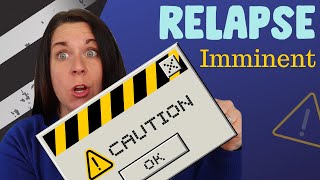
A short instructional YouTube video by Amber Hollingsworth describing three major relapse-warning signs to watch for in people recovering from addiction: (1) a noticeable shift in interpersonal "energy" or rhythm (feeling disconnected or unusually confrontational), (2) distancing or withdrawal from recovery supports (meetings, sponsor, counselor, church), and (3) making excuses that put oneself into high-risk situations (rationalizing visits, routes, parties). The speaker cautions family members not to overreact to single, brief symptoms and explains how these three elements combine (vulnerability + wrong situation) to precipitate relapse.
Chapters
In this video, I'm going to tell you about three big major mega warning signs. That relapse is approaching, it's imminent. But before I do that, I need to put one little disclaimer out there. Yes, I'm going to give you three major signs. But if you are a family member who's watching someone in early recovery or in long term recovery, here's what I want you to know. I don't want you to freak out if you just see what one little symptom for a short period of time. What I'm talking about usually is if you see two or three symptoms together or symptoms that are lasting for a long period of time, maybe then start to worry. But trust me, everybody has a bad day every now and then. So just because your loved one has a bad day or they're in a bad mood or they're grumpy or whatever, does not mean that they're on their way to relapse. Okay? So now that I got the fine print out of the way, let's talk about the 3 mega major warning signs that relapse is about to happen. Okay, this first one is a little bit hard to explain because it's really sort of a feeling thing. So I'm going to do the best that I can to explain it. Basically, when I've seen a client in my office for a period of time, like I've seen them several, multiple times, then I get a really good feel for their energy. You know, counseling is like any other relationship. You develop a rhythm. They come in, they sit usually in the same place. We tend to talk about the same topics and we just have an energy. Every client has their own specific energy. One of the things I try really hard to do is like, pick up that energy. You know what it feels like. It's like when you're a little kid and you're doing like jump rope and two people are out there, like swinging the rope and you're like watching it, watching it, watching it, and you jump in. That's what it feels like. It feels like I'm trying to get the rhythm and trying to jump in there with them. Well, eventually I get that rhythm and we learn to jump rope and we got it. And then one day they walk in and that energy is different. Sometimes it just feels like awkward or I can't really engage them. Other times it feels like they're trying to pick a fight with me. And I don't know why or what's going on, but nothing I say is right. And everything I say is all wrong, and it was making them mad. When I feel either of those two things, I feel that mega shift in energy. My little antennae go up, and I'm like, oh, something's up. Now, sometimes this is really subtle. I mean, I have clients that they can come in, they can sit on the couch, they can say the same things they always say, but you just feel a disconnect. You don't feel that rhythm anymore. It feels. Feels like if you stop and check in with yourself, it basically feels like you're both playing a game, like you're at some sort of social function and you're saying, how's the weather? Blah, blah, blah. But there's no real connection going on there, and anybody can do this. If you just stop and check in with yourself and realize that that's the way you're feeling, it probably means something's not being talked about. Doesn't mean they're going to relapse, but it means something's up, something needs to be addressed. So if you just feel like that rhythm is off, if you know someone really well, I mean, spouses and parents tell me they know immediately. They know how the person walks, talks, breathe. They can't tell you. The person can answer the phone, say hello, and they're like, something's up. You know, the family members know. And the reason you know is because of that rhythm thing. Most of the time, I pick up on this cue from the time I get them to the lobby. By the time I walk them back there in my office, I'm like, oh, no, this is going to be a rough one because I can't feel it. And you can, too. So that's relapse warning sign number one. Now, remember, everybody has a bad day. You can't take that alone because you had one awkward feeling and start accusing someone of relapse. Like, calm down. I'm not even telling you what to do about it. I'm just telling you to let your antenna go up just a little bit. Make a little mental note, Put it back there. You might need it. Relapse warning sign number two. So typically, if someone's got any amount of recovery, like, they really meant it, they were really working a program and they're on their way to relapse. Some things have to line up first because by now they've really bought in and they really have been working hard. So they need for two things to happen. The first of those is they need somehow to get some distance between themselves and their recovery support network. So that could be Their smart recovery meeting, that could be their 12 step meeting, it could be favor, it could be their counselor, it could be their sponsor, it could be their church, whatever those things are that are helping that person keep their head on straight, remember what's going on and stay focused. Whenever that person, you see them start to distance themselves from those things, that's another one that gets my antenna up. Now I know sometimes people get tired of their home grouper, they get tired of their meeting, or maybe they need to change sponsors. So I'm not saying freak out. I'm just saying when they start letting go, detaching from it and they're not replacing it with something else problem now, sometimes it'll be like, I'm sick of these meetings, everyone says the same thing. Or they'll pick a fight with their counselor like I talked about before. But basically they need to sort of pull back from those things because otherwise they would feel really, really horrible if they relapsed. So your disease sort of needs you to separate from the pack. It needs you to get away from all those things that are keeping you sober. It is literally like a lion hunting gazelle. Like they run up there, the strong ones run away and they get that one off by themselves cornered and then attack and it's on. Like you got to understand that's what this disease does to people. So it gets you isolated, alone and by yourself. You're kind of defenseless once you've got to that point. So so far we've got two. We've got this sort of mood and attitude shift, or maybe I'm just super stressed or whatever that is mixed in with the. I'm sort of distancing myself from those things that are keeping me sober and keeping my head on straight and my sanity in check. And then lastly, this is the third little piece of this formula that comes into play right before someone relapses. The person usually starts making excuses, whether that's out loud to a family member, a friend or counselor, whoever, or just in their head to themselves, about why they need to be in situations that they know they don't need to be in. You know, why they need to go see cousin Harold because they haven't seen him in a long time. And really you go way back. And I mean it is his birthday and I mean you're not going over there to use or drink or anything. You're just going over, say, happy birthday man, like you've been besties since you were a kid. You got to do this. It's always an excuse. It's always a reason. But when you find yourself deciding that you have to take that route home from work, that route that you don't need to take, that goes right by your favorite ABC store or your drug dealer's house or whatever that is, you find yourself putting yourself in bad situations for young people. A lot of times it's like, well, I'm gonna go this party, I'm gonna do this thing. I'm not gonna smoke or use or do anything. But I mean, gosh, I still need to have fun. I'm still a kid. I want to hang out. There's a reason, an excuse, a rationalization why you're going to put why the person puts themselves in the situation. Now, if you've got those three things lining up, get worried. That is a bad recipe. That is a formula that can and will lead to relapse. I like to say relapse happens when a couple of things are present. Vulnerability. And vulnerability means I'm struggling, I'm struggling with something. I'm unhappy, I'm depressed, I'm angry, I'm stressed, my mood has shifted and I've let go of detaching from those things that help me stay solid. So that's gonna make you vulnerable. Mix it in with the wrong situation at the wrong time. Bad business. When these three things line up, it is not good. Now, hopefully that helps you to understand this relapse process. And most people, when they're in this process, they really don't intend to relapse. It's not like they're thinking like, I'm gonna go get high or I'm gonna go get drunk. That's not what they're thinking at all. This is like a subconscious, your disease working on you to finally get you cornered off by yourself and then attack. I call it the long game or the long con. And this is what your disease does to you when you have some pretty strong recovery. It can't say those simple things to you, like one last time or just two or any of that junk. It has to start way back here, sometimes weeks ahead of time, and lead you in through that process. So if you start to see these signs and symptoms piling up in yourself or. Or in a loved one, those antennae need to go up. I'm not telling you to freak out, especially if you're the family member. Not telling you if you see those things, to rush in there and accuse the person of relapse. I've got other videos on what to do about that. So don't just jump in there. But realize that this very well could be what's going on. For tons more information on all things addiction and recovery and lots of free expert advice. Make sure and subscribe and hit the bell so you don't miss a thing.