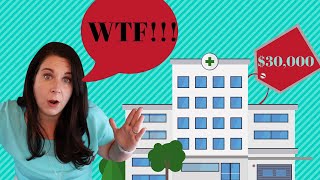
Amber Hollingsworth explains how to assemble effective, lower-cost alternatives to expensive residential addiction treatment (noting residential programs commonly cost around $30,000 for 30 days). She recommends two main approaches: (1) a Partial Hospitalization Program (PHP) that includes a lodging/recovery-house component so insurance can cover treatment while families cover housing, and (2) structured, highly staffed recovery residences (transitional or direct-entry) paired with outpatient counseling. She notes variability in rules (detox or sober-time requirements), cost/structure levels among recovery houses, and cites a partner program, Greenville Transitions, as an example. Resources and a downloadable addiction treatment options guide are offered.
Questions this video answers
November 14, 2018
$30,000 for about 30 days (mentioned as a typical price)
30 days, 60 days, 90 days, or six months (examples given)
Chapters
In this video, I'm going to tell you all about how to put together a good addiction treatment program if you can't afford to go to residential treatment. Let's face it, residential treatment programs are pretty expensive. And for the most part, insurance companies don't really pay for them, or at least don't really pay for the whole program. If you haven't seen my video on that, make sure you check it out. Understanding Insurance and Addiction Treatment But a lot of times people really do need that structured living environment to get the situation under control. And most often they need that kind of environment for longer than a week. They need it for 30 days, 60 days, 90 days, six months, something like that. And so if you need need that kind of treatment, or if your loved one needs that level of treatment, or structure and support, but you're just frustrated and stuck because you can't afford to pay $30,000 for them to go to a 30 day program. This video is for you. I'm going to tell you how to get this done in a more economic way, but just as effective way. I'm actually going to tell you two ways to do that and then give you some suggestions on where to find that. The first way is to look for what's called a partial hospitalization program with lodging. I know that was a mouthful of super clinical terms. A lot of times they shorten that down and they call that PHP Partial hospitalization program. And what that typically means is that someone is going to treatment, usually in a hospital or inpatient type setting throughout the day, sometimes for like a whole, like the whole day, morning to afternoon, kind of like going to school or classes. So they might go in at 8 or 9 in the morning and they might be at the hospital receiving treatments and groups and counseling and seeing the doctor and all that sort of thing until late in the afternoon, but then they're released. That's why they call it partial hospitalization. It's like they're in the hospital part of the day, but not the whole day. That's actually considered an outpatient treatment program when it comes to insurance. So oftentimes inside, you're going to have way better luck getting an insurance company to pay for a partial hospitalization program rather than an inpatient or residential addiction treatment program because it's much less expensive. Now, I know what you're thinking, but the whole point is they need that structured living environment. So here's the key. Some of these programs, these partial hospitalization programs actually have a lodging component attached to it. So many times the Hospital or facility will supply some structured living. It's almost like halfway house or recovery house, or residential, whatever you want, or residential recovery house, whatever you want to call it, they'll provide that. And the person lives there in this separate place and then is transported back and forth to the treatment. So they still have accountability, drug testing, structure. The they're there with most of the time, they're there with some level of staff and other people in recovery. And even if your insurance won't pay for the recovery house part, it probably will pay for the partial hospitalization part. So this is a great way to put it together because now, at least, even if you or family members having to pay for the living part, the insurance is still paying for the treatment part. And that's a great way to put together something that's almost the same as a residential treatment program, but just sort of combining a couple things together, mix matching it up. You got to get creative sometimes to put together a program. So that's way number one. The second way you can do that is you can go into a recovery residence program. A lot of people go into these after residential treatment program for transition purposes. But sometimes you can go straight into one of these recovery residences, halfway house, that sort of thing. But you've got to be careful here because what you're going to look for is a pretty structured, highly staffed and monitored one. So within the recovery residence world, there are zillions of levels of like, accountability and structure and staff. You can find any range of that. Some of them are way on the low end. They're usually pretty expensive, like 100 bucks a week. You just put your rent money in the box and a staff member comes by every now and then, collects some urine, takes the rent money, and tells you to go to your meetings. Now that's a very low level, low structure. I definitely don't recommend that as the first line of defense. Maybe as a transition plan after someone's coming out of treatment and maybe even out of a more structured recovery house, down into that last little step before they're like out on their own. But definitely not if someone's needing residential treatment, would I do that? But there are these recovery housing programs that are, that are staffed and structured so that they're almost like residential treatment. Because a lot of times these places, even though they don't have, they don't usually have like in house counselors or in house psychiatrists, they will come contract or have relationships with outside treatment providers that the person can go to on an outpatient basis. But they're living in this environment where there's staff there 24, seven that will transport them wherever they need to go, that deals with meals, functions, phone, recovery, all of those kind of things are included. So if you need residential treatment and you can't afford to do it because remember, you're looking at probably at least $30,000 and that's for about 30 days. So if you need 90 days or six months, then I would look at one of these options to combine a really, really good residential recovery housing program with some really good outpatient counseling and treatment and maybe psychiatrists if needed and all that kind of stuff. It's a creative way to, to piecemeal the situation together. At Hope for Families, we partner with a recovery housing program called Greenville Transitions. And they're excellent. They're one of these high end, very structured and monitored recovery residences. But it's not just like throwing someone in the house where someone comes by every now and then and collects the rent money. They have the staff and the resources in the community to support all the accountability and structure that someone's going to need in those early days. Now, some of these programs like Greenville Transitions, you have to have a few. You got to have at least a little bit of sober time to get in there. So if you're going to, if you're going to just go straight into the recovery residents program and then combine it with outpatient, you got to ask them what the rules are on it. Can someone come in if they've used yesterday or do they need to be through detox first? Or they have to at least have gotten a week or two clean, something like that. Usually if you're going to look for one of the option number one, the partial hospitalization program combined with recovery residents, their rules usually aren't as strict, but they are going to assess you for what they call level of care. Do you meet the criteria? Is this the right level of what you need? But these are two fantastic options for putting together these longer treatment programs without paying the huge, huge price. Now, I'm not telling you that these really good recovery residences are inexpensive, but I'm telling you can get several months paying for that for what you could get for 30 days of what they call true residential, true residential addiction treatment. Now, to learn more about addiction treatment options, make sure you get our addiction treatment options guide. You can download it for free, just follow this link and you can get that right now. Or check out some of my other videos that I've made where I explain to you the difference in inpatient, outpatient, residential, free, public, all those kinds of things. I've got all the information you need to sort through and understand what are your various options for helping yourself or a loved one be successful at overcoming a substance abuse. For tons more information on all things addiction and recovery and lots of free expert advice, make sure and subscribe and hit the bell so you don't miss a thing.