Sober Recovery Treatment And Rehabilitation Centre (addiction treatment explained)
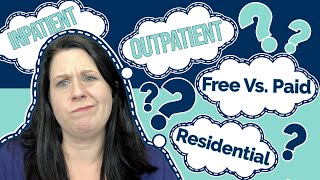
Amber Hollingsworth (host) addresses parents of children abusing drugs/alcohol and explains addiction treatment options and how to choose among them. The video contrasts inpatient (acute/medical/detox), residential (longer-term rehabilitation-style programs), and outpatient (preparation or aftercare) levels of care; warns about cost (residential often ~$20–30K/30 days), insurance limitations, and the critical importance of acting during a moment of willingness. It urges consulting an addiction specialist and previews a series of follow-up videos.
Chapters
If you've got a son or a daughter abusing drugs and alcohol, this video is specifically for you. I'm going to explain to you all about all the addiction treatment options. Not only is this video going to save you thousands of dollars, it can save you years of heartache. Getting this decision wrong is truly like playing Russian roulette with your child's life. We all know that the addiction crisis is literally epidemic. Addiction is the number one killer of young people in this country. I'm not trying to scare you to death. I'm just trying to get you to see this is serious problem. But before you go and make a decision about what to do, where to send your child, and how to do it, you need to arm yourself with the right information. Let's start with the ugly truth. The truth is the entire addiction treatment mental health system is pretty much broken and it's a mess. And it's not really designed in a really effective way. So I'm here to explain all of it to you. One of the biggest reasons why this is so important is if you haven't figured this out yet, you will. It is crazy, crazy hard to get someone to go to addiction treatment. And so if you've got a child that you've been working on and you finally gotten them convinced to go to treatment, you better be sitting on ready. If they say yes, I'll go. And you don't have a treatment center picked out, lined up, and there's a bed waiting and a bag packed, you are going to miss your window. This window, I call them moments of clarity or willingness or whatever they open in these certain circumstances. And I've got another video all about how to make that window open. So make sure you check that out. But for this video, it's about preparing you for what to do when that window's open. When they say, yes, I'll do it, or finally agree, even if it's reluctantly, if you finally get them to agree and you send them to a treatment option, that's terrible, that's ineffective, and they have a horrible experience, guess what? It's going to be really hard to get them to agree to do it a second time. So if that first experience is horrible, you're kind of screwed. So let's make sure you make the right decisions from the get go. The first thing to start with is understanding the different kinds of addiction treatment. We call them levels of care or in your situation, what are my options? Basically, most people, when they think of addiction treatment, they think of rehab and they think of like a 20 or 30 or 60 or 90 day program. And the technical word for that is residential addiction treatment, which is by the way, slightly different than inpatient addiction treatment. A lot of people use those words sort of like they're the same and they interchange them, but it's really not the same. And this is one of those important key things for you to know. Inpatient addiction treatment really is the highest level of care and it's usually sort of medically intense. And for the most part it's. The purpose is to get someone stabilized. Usually what you're talking about here is like an inpatient detox center. So if you're calling somewhere and you say, hey, is this an inpatient center? Or you're calling your insurance company and you're saying, hey, do you cover inpatient addiction treatment? You may get a yes. And you may take your kid there and you may think, okay, good, I got 30 days, I can breathe. And then they're out of there in five days. Because inpatient treatment usually is short term. Acute care, crisis stabilization, detox, it's basically to get a situation under control. But I want you to understand, it in no way makes them better. It doesn't mean they're rehabilitated. They are not going to come out there better. In fact, if they just go to detox, they're probably going to come out of there cranky, craving, irritable and wanting to use. So the most important advice I can give you is don't send someone to detox and think they're fixed. Then send them right back out in the same old world. Because I can guarantee you that by itself is not going to work. So you need to clarify, are you some. You may need detox, but make sure that detox is followed up by a really solid plan. Now, residential treatment, it sounds like inpatient because it's residential. And you're like, well, you're staying in there. Isn't that the same? But it's really not. Residential treatment is considered a lower level of care in sort of like the professional world or the insurance world or whatever, basically because it has less like medical supervision. So in an inpatient center, they're like taking your blood pressure every 15 minutes, they're checking your room. And so that requires a ton of staff, a ton of monitoring, doctors, all this stuff. And so it's very expensive, it's usually short term, and it's only to get a situation stabilized. Residential treatment, on the other hand, is probably more what you have in your mind when you think about rehab. It's those 30, 60, 90 day programs are actually more geared to teaching you recovery skills, educating you about addiction, helping you get a game plan together, keeping you in there long enough to develop some new habits and all that kind of thing. Now, most parents or even spouses or people that have an addicted loved one, they're like, I want my person to go to residential treatment. Because it seems like, okay, let's just go for the big cat daddy of treatment and let's get this problem done. But it is not that simple whatsoever. There's several complications. First of all, willingness. It is like super hard to get someone willing to go to residential treatment. It pretty much never happens. The only time it happens is like, literally this person feels like there is no other options. If this is your kid, they got no other couch to sleep on. They have burned every bridge they got. They might go if it's there, or jail, but they really have to be back into a corner to agree to go. In the United States, for the most part, if they're over 16 or 17, they gotta sign themselves in, so they gotta agree to do it. You can't just make them go to addiction treatment. So willingness is a huge factor. And the second huge factor is it's expensive. Most residential treatment programs are gonna cost you somewhere between 20 and 30 thousand dollars for 30 days or so. And I know what you're thinking, well, doesn't insurance cover that? Ready ugly truth coming? Not usually. And you may call your insurance and they may say, hey, you got residential benefits, but let me help you understand how insurance works. And hey, there's a whole video just on this subject. So I'm just gonna give you the overview, but you probably want to look into this way more in depth. But even if you call your insurance company and they tell you, yeah, like you have residential coverage, the way insurance works with those kind of things is considered medically necessary. So number one, if you haven't tried a whole lot of other stuff, they're not going to certify for you to go to residential treatment. Hardly ever, because they're going to want to see you try all the other things that are way less expensive before you go to the super big cat daddy expensive treatment next. If you get them in there, they may say, yes, you have the coverage for it and you're certified for it. And then your kid gets in there for like five days, you know, they start acting right for five minutes. And then, because what happens is the professionals that work there, the doctor, the counselors or their insurance staff or whatever, they have to call the addiction treatment center. I mean, excuse me, they have to call the insurance company every few days and give a progress update. And so if your kid starts acting right for about five minutes, the insurance company is going to say, oh, great, we're all better. You're stabilized now. It's not medically necessary. And then they're calling you after your kid's been there only a week saying, okay, insurance is saying they're not going to pay for the rest. It's time for you to come get them. They're all better. Send them to some meetings. And you're going to be like, what? Because, you know, you've been going through, like, years of craziness and struggle with this kid, and now they're saying they're veteran week and you know better. So before you make that decision, definitely get your facts straight. Find out, what's this going to cost? Is my insurance going to pay for it? I mean, like, for real, like the whole treatment, Are they going to get me in there for five days? Are they going to certify it? Have we done all the other things, all that kind of stuff? Now, if you want your kid to go to residential treatment and you want to pay out of pocket for it, then you really only have the one roadblock, and that's the willingness. Because if you got the money and you can fork it over, then you don't have to worry about the insurance and the qualifying and all that. If you've got the money and they say they'll go you, then you can pick an addiction treatment center that you want to send them to. And usually, like I said, you're looking at 20 or $30,000. I know what you're thinking. Aren't there a bunch of free treatment centers out there? The answer to that is, well, yeah, there are, but not for teenagers. You know why? Because it's really hard to do addiction treatment for teenagers. It's a mess, and the liability is, like, ridiculous. So you need a lot of stuff. There's a lot of drama. It's a pain in the butt. Like, you need, like an entire army to get this done. And so that's really hard to do when you're not charging. So there. There really isn't free addiction treatment for teenagers. And if there is any free addiction treatment, even for adults, it's usually ran by some sort of religious organization. Definitely nothing wrong with that. But if you're looking at a young person who are usually kind of going through a faith crisis or whatever, and they're Just not sure what they believe. And they're all antagonistic, and they're all drug addicty. They're gonna really resist that hard. And if the only thing the addiction treatment center comes at them with is the religion right out the gate, probably isn't gonna work. Good. And one more piece of bad news, because they're usually free, and they're trying to help people. If your son or daughter gets in there and. And they act like a punk and they're not willing, guess what they're gonna do? They're gonna kick their butt out super fast. The reason is because they're trying to help people. They're doing a service for free. And they're gonna take the next one in line because there's a waiting list, and they're gonna say, hey, if you don't want it, you come back when you do. If you're not willing, that's fine. Hit the road. We got the next one to bring in here. So if your kid is complicated or difficult or they're not 100% willing, then this might not be the best option for you. But I hate to say it, but if you're gonna have staff and people to come in and deal with these really complicated situations with kids that are pain in the butt, and by kids, I mean, you know, like, less than 30, and they're difficult, you're gonna pay money for that because there's a huge amount of liability. It takes a ton of work. It's not easy. And you need a lot of staff for that, a lot of highly trained, dedicated, engaged staff to make that work. So it's gonna cost you something. Now, you might be thinking, what about outpatient treatment? When do you do outpatient treatment? Great question. Outpatient treatment will be perfect for your son or daughter if they're not sure they have a problem or they're super resistant. And the reason it's perfect is because there's certain kinds of outpatient treatment, namely, like, motivational type programs that will help them get ready. Now, understand that that doesn't mean they're gonna go to a counselor or something. They're gonna stop using. That's not really what's gonna happen. They may go to a counselor. The counselor may begin to sort of ask them some questions and help them slowly begin to come to terms with the fact that they have a problem, which might eventually get them ready to do treatment. So it's like a. Think of it like a prereq. Like, if you want to go to college and you want to take this big Math. And they're like, yeah, you can take this math and it counts, but you're not ready for that. You gotta take this other class, this prerequisite or whatever remedial to even get you there. So outpatient counseling can be very effective for that. It can also be very effective for someone coming out of an addiction treatment center. If you've got someone coming out of an inpatient residential treatment and you're not following up with some really intense outpatient treatment, big mistake. Don't do that, because you just paid a lot of money and time and energy for that, and you don't want to waste your money. So there's a whole video on that if you want to see it as well. So following up with that outpatient treatment, so it's good, like before and after. It very rarely is effective at getting someone who truly has. Who truly has an addiction to drugs or alcohol and they're in active use. It's very rarely effective to bring someone from active use to sobriety recovery. I'm not telling it can't be done. I'm just saying is a long shot. So understand if you're taking them to a counselor, if you want that to be effective, first of all, you got to get your head around what are you trying to do. First thing you're trying to do is get them to realize that they do have a problem and maybe they do need to stop using, and that can take months or years. Secondly, if your child is like a teenager or college student and you're sending them to a counselor because you think they have a drug problem and you're not involved in that, you think that kid is telling the counselor the truth. I can pretty much guarantee they are. Definitely not. Because I see teenagers and college kids all day, and if I didn't get the whole story from, like, their family, trust me, we would not ever get to the issue. So if you want outpatient to work for an addiction problem, remember, it's best for before or after. Or a really intense outpatient program that has a strong family component with an addiction specialist might be effective. But you really gotta have all those conditions coming together. Most parents, when they find out their kid is struggling drugs or alcohol, they send them to see a psychiatrist, and they send them to see a regular outpatient counselor to talk to once a week or once a month. And I can pretty much promise that is not gonna work. It is literally like shooting a tank with a BB gun. It's like, you got a problem this big, and you're coming at it with an answer this big. And it is just so much more complicated. Now that I've told you about inpatient and residential and outpatient. It seems all complicated. That is just scratching the surface of how complicated it is. My number one piece of advice to you is if you're in this situation, don't just haphazardly send your kid here and there. The first thing you need to do is get yourself in with an addiction specialist so that they can help you understand these systems. Because if not, you're going to get lost in this big system. You're going to do a lot of things that's going to cost you a lot of money and waste a lot of time, and there's a lot of risk involved in the process. So this is not just a throw darts at the board, try anything sort of issue. You want to be super strategic. You want to know what you're trying to accomplish. You want to know where you're trying to send them and how to get that done. So after listening to all that, if you're like, okay, I'm on board, like, what's the rest of the information? Make sure you subscribe to this video and hit the bell, because this is actually the first video in a series of videos where I'm going to lay all this out for you and explain it and give you all those pieces about where to send your kid if they have a drug or alcohol problem. For tons more information on all things addiction and recovery and lots of free expert advice, make sure and subscribe and hit the bell so you don't miss a thing.
More from Amber








Addiction Turns “Me vs. Drinking” Into “Me vs. You” #addictionrecovery #addictionawareness

They Admit Everything Except the Addiction #addictionrecovery #addictionawareness

Stop Trying to Make Them Admit the Truth #addictionrecovery #addictionawareness