Stages Of Change In Recovery For Addiction (Mason Part 2)
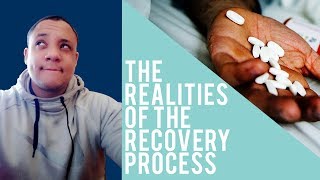
This YouTube interview follows Mason (a young man in recovery) describing his mental and emotional journey through addiction treatment. Key themes: ambivalence on entering treatment, how small acts of genuine kindness opened the door to recovery, the difference between stopping use (35-day detox/initial rehab) and the much longer work of changing thinking patterns, the danger of the early sobriety months, the role of connection (vs. isolation) in recovery, making amends to family, and practical advice for families ("don’t play ball" — cut off enabling) and people in early recovery (stay connected). The video mixes concrete anecdotes (rehab in Georgia, 35-day program, later long-term treatment, age ~21–22, now living in Connecticut) with reflective guidance for addicts and their families.
Questions this video answers
35 days
Georgia
About 21
About 22
Connecticut
Chapters
Today we're going to get to take a look at what goes on in the mind of an addict in the treatment and recovery process. You know, I listen to people's recovery stories all the time. I just connect to them every time. I just really like them and get.
A lot out of them.
But oftentimes, people really skip over those really intimate details that I love. I want to know what someone's thinking, what why they're thinking, the way that they're thinking. Because to me, that's where the answers are. If you can understand not just what someone is doing, but the why behind what they're doing, you can figure it out, you can get ahead of it, and you can help them to do something different. And so, in today's video, we're going to hear the rest of Mason's story. Hopefully, you already got a chance to see Mason part one. That was fantastic. It really takes a look into what Mason was thinking. What are those thoughts? How was he twisting up the world in his head when he was in active addiction? And in part two, we're gonna get to hear about his thought process and how it evolved over the course of his treatment. Let me tell you, it wasn't just, I went to treatment and I got better. That is so not the way that it works. Mason, like most people, come into treatment, pretty ambivalent about the situation. And so in this video, you're gonna get to hear all those little things that helped and all those little things that set it back. You know, it's always interesting to get to hear someone's story about how they dug themselves out of the hole and into recovery. But this particular video is really going to zoom in on the thinking process, which I think is particularly important to family members of someone in recovery. If you can listen closely to Mason, listen to his whole story, you can really begin to understand how recovery truly is an evolution. And it'll give you such a big, better, more realistic expectation about how recovery happens, how long it takes, what are the stages. Listen up, because Mason is going to do a great job of explaining that to you.
So I went to a rehab in Georgia. I think one of the first experiences I had of, like, any sort of recovery is I was sitting on the couch while I was doing intake, and one of the guys that had been there for, like, a couple weeks came up to me smiling and goofy looking and was like, if you need anything, let me know. And it was like this person I'd never known before. They didn't know me, but I looked like crap. And they knew I didn't want to be there. Those are the first time anyone had just come up to me. It's like I had always built this dialogue that anyone that was trying to help me had an ulterior motive or was doing it because they were paid to do it or, you know, there was just. It was never genuine in my head. And so this person comes up to me and says that, and I was like, whoa.
It's like in your lowest moment, nothing. No secondary game for that person. They're just saying, hey, if you need some.
Yeah. And I mean, as much as I fought going to rehab for, I think it was 35 days, which was like an eternity that was like. I mean, within like three or four days. I loved it there. And I was happy. I went and, you know, I was, like, talking in group and helping other people.
Happens like that. They fight it, fight it, fight it, and then they like it.
Yeah.
Yeah. I find it interesting that you say that the first time you really had, like, a moment of recovery was knowing that guy came up to you. Because I'm kind of a firm believer in that you can get through with niceness faster than being mad at the person or, like, punishment, because the more you're mad at them and the more you punish them, the more they feel sorry for themselves, the more they justify bad behaviors. But when you're nice to them, then they really start to kind of feel guilty.
Yeah.
You know, it kind of starts to creep in there.
Yeah. That, like, that kind of killer with kindness. And that's like the. That's a big theme is, like, when people at the. The long term treatment. I went afterwards when I would break a rule, because, like, that never stopped like that. That whole I'm the boss, I'm the boss thing, that didn't stop for a long time. But they would yell at me. All right, perfect. Thank you very much. I'm gonna go break some more rules because you made me angry, and I acted emotionally because of you.
And now. Now I don't respect you, so I don't care what you have to say.
So it was a house, and their offices were in the basement. It was him and one other case manager. And then our. And I would go down there every morning after he woke me up and told me something I needed to do. And we would get in literal, like, top decibel screaming matches for, like, 10 minutes.
Wow.
And then I would go upstairs and I'd be like, perfect. Got my. You know, got my excuse for the day. And they went on like that for seven months where I was just. Or three or four months where I was just constant yelling. And like, I went back after I finally things clicked and I was like, yeah, like, sorry if that made you guys uncomfortable. I was like, yeah, well, it was, you know, I had to make an amendment to everyone that was down there because. Yeah, it was. You know, three months of every morning I would run down the stairs and.
Because addicts are going to pick a fight.
Oh, yeah.
Justify the next bad decision that they're going to make. And that's what, that's what happens.
They'll just.
Over anything.
Well. And. Yeah. And I think one of my big struggles is even after the 35 day, going back to that, like, I was sober now. So it's like, what else do you want from me?
Oh, so now I'm sober and now you still want.
Yeah. You want me to do all these things? Like, I just. I mean, I thought the drugs and alcohol were the problem. What else, you know, what do you want from me?
That's almost harder.
It's harder. It's hard to explain to someone that.
Have all those little things are even.
More important than drugs and alcohol. You just have to get the drugs and alcohol off the top to get to.
Yeah.
Patterns and the behavior like you're talking about.
And that's like the longest freaking process. Because it doesn't. I mean, that, like getting the drugs and alcohol out of your system, that's. That's like a cakewalk, you know, like, stopping is like the easiest thing. And then you get. You have to explain to this person that couldn't stop drinking, getting high for years. All right. The work is just begun. But like, I thought the drugs and alcohol were the problem.
And I'm doing fine.
I'm doing fine. Trying to convince the person that they were this. The drugs and alcohol were the solution to like, the problem, which is your brain.
You're thinking, you're thinking the way you're twisting things up or rationalizing and it's.
I mean, there's no right way. There's no right time. You know, there's no. There's not a moment in anyone's recovery or like in everyone's recovery that, like, it's universal, that it just clicks, you.
Know, it's really more of a slow learning process.
I call it.
Most people wait for that big spiritual moment. I call it like the Jesus comes down to the moment, but it really doesn't happen like that.
No. It's like over time, it's like osmosis and like, you plant one seed and then it just start to change and.
Then another thing and another thing.
Yeah, you don't see it either. Like, no one. I mean, I didn't. Like, everyone around me sees it as it's happening. I don't see it until, like, you get that, like, feeling like, whoa, you know, I just did something cool and good. I'm like, I didn't. You know, there was no, like, motive behind it. Something.
And then you start to feel good about yourself.
That's a long process too, though, because when you get sober, when you're first getting sober, it's like you lose all the. You don't have drugs, you don't have your coping mechanism, and you can't justify things because you. You're not drunk or you're not high. Everything hits you at once. And it's like the mo. The most dangerous time in anyone's. I think, in a lot of people's recovery is that, like, first few months.
When they first get sober and they're dealing with the wreckage, because it's.
I mean, imagine numbing your emotions for eight years and then having every emotion conceivable in, like, a week. You know, that's. That's a lot to put on anybody.
And having to deal with, like, a life you've destroyed, relationships you've messed up.
Yeah. And I mean, that's. That was hard. And I didn't even really. Because it hit me. I remember it hitting me, and I. My go to was to compartmentalize, and I was very, very good at that. When bad things happen, it's like, open the drawer, put it in there, shut it, lock, lock it, turn the, throw the key, never deal with it.
It.
Master skill.
Yep. And I mean, everything hit me at once, and it was like a bad couple of days. Threw it away, you know, just gone. And that was. That's dangerous. That was real dangerous. Cuz, like, unpacking that, you know, later down the road is because I didn't trust people. So when I, like getting new counselors or like counselors trying to open the drawers that I locked, it's like, I remember that now.
You said that you and I had so many conversations. I'm like, what is it going to take when you trust me? We literally have conversations about it. Yeah, I remember that now.
Yeah. So that was. I mean, there are people that just let themselves feel. And I wasn't. Because all. All I had felt was hurt. So all I, you know, I just. I was like, well, if I can get rid of Everything that makes me hurt, I'll be good and something happens. It's not my fault because I was hurt. I'm hurting, so. And, like, I mean, I may not have used the words it's not my fault, but that's always what I thought, you know, throughout my entire life was, you know, transferring high schools because I got, you know, bullied, or not my fault, or getting suspended for 10 days, not my fault. You know, doing all these things that were. Were everyone else's fault in some way, because, like, they didn't ask me if I was hurting. So not my fault.
If they would have.
You wouldn't.
I wouldn't have told him. But that's. But so if no one asks me that I'm. If I'm hurting, then that's my excuse. Through going through recovery and, like, helping, you know, going back to help other people, it's like, that's the, like, looking back on it, it's like, crazy. I laugh at it. I don't joke about it that often with my parents because, you know, they were on the receiving.
They're still sensitive about it.
Yeah. But just watching, because I. I get the. You know, I have the pleasure of, like, watching other people go through this whole process and, like, seeing. It's like, whoa. You know, when you. When you get on the other side of it, it's like, yeah, this is real life right now. This kid really just said that.
He believes it, and he believes it 100.
And like, I. I say it was like, this kid said that, but every time I see someone doing something, it's like, that's me.
You see yourself.
I see myself. Yeah.
Yeah.
And that's. I mean, they're like, you could write like, you know, a book that never ended about the way that drug addicts and alcoholics about things.
Right.
And I think that's so important. I think that's the hardest thing I have trouble explaining to not just people in recovery, but their families and why normal stuff doesn't work. You're not dealing with normal thinking.
Yeah, it's like superhuman thinking.
It's warped.
It's twisted.
Yeah. It's impressive.
Like metamorphosis.
I don't know.
Like, it's a mess in there. You can't use regular weapons on it.
I. I remember, like, a really, like, something that really impacted me. I. This guy that the treatments and I worked ran away in the morning, and I followed him, and then he went on this path, and I was in the suv, we drive the company car, and I had to get Out. And I was. He was jogging. So I was like, you know, 7, 7:30 in the morning, jogging with this kid who's trying to run away and just talking with him. And I wasn't like, saying, hey, come back to the real. I was just like, what's going on? And. And so his dad. We called his dad, and his dad comes up, and we meet his dad at this place. And I remember sitting there, you know, talking with the dad because, like, I had never talked to a parent, you know, of a client before. I was not. That wasn't my job title.
I was a whole different volume.
And the parent comes up, yeah. And we start talking, and, you know, his dad's crying in front of Me. Me. This 20. I think I was 21 at the time. 21 year old who had done that exact same thing to my mom's.
Wow.
Over and over again, trying to console and explain to the. Because his dad was, like, so hurt by what he was doing. And then he ended up, like, taking the kid out of the rehab, but, you know, trying to console this parent that was my parent, you know, and seeing him cry. And, like, I remember that because, like, being on the other side and seeing that without being, like, invested in it, because I met the kid the day before, never knew his parents, and seeing that without. That happened to me, and I was like, that person. I was that kid, you know, a year before.
It sounds like all of a sudden, you finally felt the weight.
I felt the weight of my actions all in one, you know, one man's tears.
Wow.
And that was as soon as we ended up resolving the situation. I called, I texted my family in a group chat, said, love y'.
All.
I just want to let you guys know I love you.
You're Be nicer.
I just. Because I was like. So I think I ended up leaving work early that day because I was just, like, so really hit hard. It hit hard because, I mean, this. My recovery. I think this is how it goes. Is when you go through it and you start that one area you don't deal with is usually what you did to your family. That. That's the one area. That's.
Because that's the area you feel most shameful about.
Yeah, that's the one area that I overlooked. And so when that happened, I sent that text. And then we went to Hilton Head that year for my birthday. And then I make. I ended up making amends to my. To my family, and I hadn't planned on doing it.
Do you have any special piece of advice that you would give out there to someone in early recovery.
I think in early recovery, like, the most important thing for me, and I think for a lot of people is, is we have a tendency as like alcoholics and addicts to isolate. And, you know, my family dynamic was not a part of norm. You know, my life was not normal. And that wanting to belong. And that's like, even at rehab, if. Even if, like 50% of the people there don't want to be sober, they certainly don't want to be alone.
It's true.
My advice would be no matter if you want to get sober, if you want to stay sober, if you want to be at a rehab or not, like, just hang out with people because, you know, you can be miserable in rehab or you can be happy in rehab. And being around people is the only way to be happy. And because when I'm by myself is when I'm, you know, destructive and I hate my life, especially in early recovery, I think the key is just, you know, being around people.
Connection is the first step.
Yeah. And I think, I mean, Russell Brand talks about life is connection, and I believe in that.
Did you read his book?
I didn't read his book, but I watched a lot of his.
Pretty good.
Yeah, he's great. But I think most of my rehab was just talking about war stories and what I used to do.
You have to open your heart.
Yeah. And the key, the, the easiest way I've been able to talk to someone in early recovery where, with. Where I'm at now is I just talk about like something I did when I was using. And then they. I've got them and they start talking.
They feel like, okay.
Yeah.
Yeah.
And so what I did when I went to my first long. When I went to my long term treatment was I was just around people. I didn't talk much. I mean, we smoked cigarettes outside and it kind of blossomed into like some lifelong friends that I've made just by being.
Well, you went through something hard together.
Yeah. Yeah.
You get like a bond. Yeah.
When you. Yeah. When. Because everyone in rehab has been through everything that you've been through and, and you're.
And being in rehab is hard and you're going through that together. Together.
Yeah. So I think as much as 12 step recovery works, counseling, sponsors, tabs, all that stuff, the only thing that, like, they can like, foster all of those things is a connection to other people. And because you lose all of that out, like addiction is disconnection, Recovery is connection.
I totally agree. Do you have a piece of Advice that you would give to any parents out there.
Oh, I, I love this part.
Okay.
Because I, I got in, I got in real, real big with the supervision of people in recovery. I, My favorite parents are the ones that, that don't play ball. You know, the ones in. When their kids using out of the house, no car, no phone, no money.
The hard, hard ball.
That's my go to thing when. Cause I've had. I mean it's crazy when you're not a piece of crap anymore. People ask you what they should do with their kid or their, like I've had family members a couple years that.
Might feel kind of surreal.
Yeah, yeah. But I've. I'm a die hard believer in the. Don't play ball with them because as soon as you like. Because it's not even, it's not possible in active addiction to have a real.
Conversation with someone, keep trying to reason with them. You're not going to reason with them.
Yeah. And so the best thing that a parent could do. And I'm not a parent, but I know how hard it is having seen that man cry in front of me. Just let him go. Because I mean no 16 year old wants to be homeless, I can tell you that. But you know, I think my advice is just play, don't play ball with them. Be real hard because stop trying to reason with them. Yeah, it's gonna hurt. It's gonna hurt real bad if you even either way. But one way will get them there quicker.
That's what I'm saying. It just speeds the process.
Yeah, it's a painful like the whole. There's no avoiding the pain in recovery and active addiction. It's a matter of like quick pain.
Or really long or not.
Yeah. And so my parents kicked me out a few times. I mean they were never able to keep me kicked out because they just couldn't. But that's the, you know, I'm a big believer in the cutting them off. You know, I've told parents when their kid relapses after graduating the rehab I worked at, cut him off. You know, take his car, take his phone. You know, everything he wants he's got to do on his own. Now that's my advice because they'll figure it out real quick that it's, you know, it's hard to do without.
It's a good piece of advice.
Yeah, I go to the gym now. I go to the gym like six, seven times a week. That's your new, that's my new thing.
Yeah.
Yeah. It's It's. I go there, I try. I don't go for more than an hour and a half because after that that's when, you know, people make really ego based decisions in a gym. But so I've started doing a lot of powerlifting. But like my, my life outside of rehab or outside of working in rehab is like normal. You know, I go to, I live in Connecticut, so I go to Boston a bunch. I've been to New York City a few times. I've been, you know, all these things. And I was like, how am I going to do this sober? Like, I've been to concerts, been to baseball games, like I'm gonna go to some football games. So it's. I live like a really normal life. I just don't get high drunk and I'm 22 and you know, I can buy. I see alcohol at the grocery store. I cook with alcohol sometimes, but it's never.
It's not a thing.
No, it's not a thing for me anymore.
I think sometimes people worry in early recovery about if I stop using, will I ever have funny, will ever be happy?
I have more fun because I'm there.
I could tell you without a shadow of a doubt you are a million times happier. You're a miserable, unhappy person.
I was very. And even in recovery for a while, it was just like, this is miserable.
You have to get on the other side of that.
Yep. Yeah.
For tons more information on all things.
Addiction and recovery and lots of free.
Expert advice, make sure and subscribe and.
Hit the bell so you don't miss a thing.
More from Amber








Addiction Turns “Me vs. Drinking” Into “Me vs. You” #addictionrecovery #addictionawareness

They Admit Everything Except the Addiction #addictionrecovery #addictionawareness

Stop Trying to Make Them Admit the Truth #addictionrecovery #addictionawareness