The Impact of Alcohol on Relationships: A Deeper Look
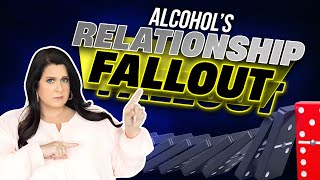
A live YouTube presentation by Amber Hollingsworth examining how alcohol problems affect intimate relationships and families. The host describes a common progression where both partners may drink early on but one escalates, producing a chronic power struggle (control attempts, sneak drinking), secrecy, emotional distancing, and safety risks (driving while intoxicated). Alcohol-specific effects discussed include loss of filter (unfiltered, often hurtful speech), memory blackouts leading to denial or gaslighting, and the way intoxication can retraumatize or magnify past hurts. The video also covers impacts on children and extended family, and includes a live Q&A addressing listeners' practical concerns (when to intervene, how to detach lovingly, handling relapse, and safety considerations).
Chapters
Earlier this week, I got an email from one of our regular followers and it was a fella wanting to share his story with you guys. And his, his experience was all about being married to someone with an alcohol problem and how it destroyed their marriage and in the process, you know, destroyed all their hopes and dreams. And so he decided to share that written. You can actually see it on the website if you want to, on our blog. But it prompted me, it kind of triggered me to want to go a little deeper into just how alcohol really does affect relationships in so many ways. And as usual, I want to, I want to try to talk about it from both perspectives, from the perspective of the person who has struggles with alcohol and also from the perspective of their family members. So we kind of gain insight into how couples and families get stuck in these cyclical arguments and sometimes get so stuck that they can't seem to get out of it, and they don't. And they just keep either getting worse and worse and worse, sometimes end up in divorce. And thankfully, sometimes they find a way and they come out of it. So let's talk a little bit about what is the process that couples go to when there's an alcohol problem? Usually what happens, not always, but usually what happens is usually in the beginning, if it's an adult relationship, usually both people in the relationship drink to some degree. But sometimes one of those people, as the relationship goes on and matures, maybe, you know, you get older, you, you buy a house, you have kids, you know, you do all the regular stuff, you get grown up jobs. And then one of the people in the couple, their drinking will either slow down or normalize, or sometimes they stop drinking, but the other person's drinking not only continues, but will continue to increase and escalate. And then there becomes this conflict between the two people about whether or not the alcohol is okay, how much alcohol is too much. And the person who is still drinking alcohol, maybe drinking alcohol to excess, feels like that their partner is the one that changed. Because they'll frequently often say things to me like they knew I drank when they got with me, like we used to drink together and they used to be kind of fun, and now what happened, you know, and they feel like that their partner's the one that changed. And on the other side of that, the family member, the partner of the person who is drinking a lot feels like that the person is not just continuing to drink, but drinking excessively. And some of it, some of the conflict comes in and that maybe the person is not drinking a ton more than they used to drink. But some things happen in life that make it feel less appropriate in certain seasons of life, like when you're raising small kids, like when you have to get up early, early and go to your big boy and girl jobs and things like that. And so both people end up feeling like, well, you've changed or you've changed and then you get locked into this power struggle is what happens. And the power struggle just gets stronger and stronger and stronger. On one hand, we all know that no one likes to be controlled. And usually what happens is the person who doesn't have the drinking problem or who drinks less or whatever tries to control how much the other person is drinking. Now a lot of times they don't even realize that what they're doing is controlling, but they, they try to do some, some subtle things like hey, you know, you've already had a couple of drinks, like don't you think that's enough? Know how subtle that is? But it's a reminder. Sometimes they'll do things like, hey, we're going to go to a certain event, promise me you're not going to drink more than whatever amount. You know, they do small things like that and then that will escalate usually to like bigger things. Like for example, trying to control the amount of money that the person either has or that the person can spend on alcohol, or trying to control where that person goes or who that person can be with. And the more that goes on, the more you get engaged in this sort of push pull dynamic. Because as humans, we naturally have this reflex where, and we all have this, if once we get past up to about the age of two, we have this reflex of like, I'm the boss of me, right? Even a two year old, you know, even a little kid does not want to be controlled. And the more you try to power struggle with a little kid or, or an adult, the more they lock in. In fact, I feel like a lot of times what happens in these relationships is the two people get so locked into the power struggle over who's the boss of who and who has the control and what the rules should be, that that actually slows down the process of recovery and slows down the process of people figuring out where they really stand on things because we get in this like gridlock of the problem in the situation and this is really just the first layer, but we're going to go into some, some deeper layers of it. But this power struggle really reigns over the whole relationship and, and both people are walking on eggshells eventually what will happen is the person who's drinking will start to sneak drink because they feel like they're either going to be in trouble if they drink or they're going to have to hear it or they're going to have to feel, you know, the negative vibes or what start to sneak drink. And when the sneak drinking happens, the whole process really starts to escalate because usually when people are sneak drinking, they usually always said they usually start drinking more heavy duty kind of things, like things with a higher alcohol percentage in them. A lot of times they go to vodka because it's clear, because they feel like it doesn't have a smell and it's easier to hide. And not only that, but when they're hiding their drinking, they're way more prone to do things like drink and drive. Because van very, very frequently what happens is the person will get in this pattern of like stopping to get the alcohol on their way, like let's say home from work or home from an event. And they know their partner doesn't want them to drink, so they're trying to like drink whatever they're going to drink for the night in the car on their way home before they get to the house. Now some people will do things like they'll stop, store, they'll buy it and then they'll go maybe into their neighborhood and go up to like the, where the neighborhood pool or whatever is and sit up there and drink it and then drive from there to home, but trying to minimize the time that they're actually driving while I haven't been drinking. But you still, you get this dynamic of they start to sneak. And very often it creates this drinking and driving scenario which then escalates the power struggle even more. Because now we're into like a safety issue. And so now the partner and the spouse feels even more need to intervene and do something. Because it's not just, just hey, I don't think this is good for you. It's like, hey, this is completely unsafe for you and for other people. And the urgency and the fear really creeps up at this point. And when they, when they are drinking and they're sneak drinking, not only are they drinking heavier heavy duty stuff, but they're trying to drink it really fast so there's less awareness and control over how much they're drinking. Because you got to imagine like if someone's like sneak it out into the garage while your head's turned to chug back a little bit of alcohol, you know, it's something heavy duty and they're chugging it down fast. And to the partner it feels like, oh my gosh, they had one beer and they're like totally fall down drunk. What is wrong with them? Like, maybe this is a medical issue, but a lot of times what's happening is that there's a lot more drinking going on than you actually see up front. Now in very late stage alcoholism, people will have reduced tolerance. So people can. This is really far into alcoholism though. Like if they, if they have one beer, they'll be totally like intoxicated. But that's usually very far into alcoholism, like to the point where your liver is super damaged and it just cannot filter it out. So one beer just like really does put you over the edge. So that can happen. But most of the time in the situations that we see in our office, it's more the snake drinking thing. And maybe the partner, spouse sees you have like a glass of wine or a beer or something like that, but they don't know about, you know, the three drinks you had. They had, you know, you have when their back was turned or something like that. So you got that. So, so that's the first layer, and that's the most visible outward layer that you can see is this power struggle thing that's going on. Underneath that you've got this brewing of hurt feelings and resentment on both sides. I know it would be easy to think, well, of course the family members upset and they're the ones that have the resentment. But you know, in our office, we've been treating this for a long time and I have to say that the hurt feelings and resentment is pretty equal. It's equal on both sides and, and that just contributes to this ongoing power struggle and disconnect. Not only that, you got the secret keeping and the hiding. Right, we talked about that. But when you're holding secrets, even if you're not consciously aware of it, you start emotionally distancing from your partner because it's kind of like you don't want to get into too deep of a conversation because it's like subconsciously feel like if I talk too much, if I let my guard down, my secrets are going to fly out. Right? Which is actually totally could be true, especially if your problem is drinking, because that takes your filter off, which we'll talk some more about in just a minute. But so you start emotionally distancing yourself. So all your conversations, even conversations just about like other stuff and regular stuff become superficial. Right? It's like you're, you're playing the game. Of having these other conversations. But you're not really like emotionally connected. In fact, you're really just thinking like, I can't wait till you shut up and go on and turn your back so I can go do what I want to do or whatever. And so you've got more and more and more emotional distancing happening. Now layer on top of those couple of layers and factor in the fact that when people drink specifically as opposed to some other substances, it takes their filter completely off, which means they're emotionally raw, which means there's nothing to filter out. How they experience their emotions, how they communicate their emotions. And because of that, you get a completely unfiltered version of whatever this person's going through at the moment or whatever they've even just been thinking about at the moment. Now the reason that that because I frequently will see, you know, most of you guys know in our office, I usually see the person that has the, that's struggling with a substance and they'll say to me like, especially those people that see me that are, that tend to be people pleasing or kind of avoidant, that sort of thing. They'll say, well, when I drink, she doesn't like it because I tell her how I really feel. And they, they don't really see the problem with that, but there is a problem with that. And maybe this people pleasing person really does need to speak up and, and like get their needs met better. But when you're drinking, you do that in a completely inappropriate way because it is not filtered. And relationships require filter. And a lot of people will try to hide behind the. And, and this is on both sides, family member and person with the alcohol feel like, well, it's the truth. All I did was say the truth. And they hide behind the, it's the truth making something okay to say. But the truth really shouldn't be used as a weapon, especially if we're talking about an important relationship that you value and you know it's your partner, so you need to value that relationship. So when we're saying, well, I just told him the truth or how, you know, I was really feeling, it's whatever you're saying when you're intoxicated is coming out distorted, magnified, unfiltered. And there, there may be glimpses of the truth in there, but it's, it's just completely like wonky. And so. And you probably would never say it the way you said it if you were sober. And that does a lot of damage to relationships. Now y' all got, we're three layers in, right? We already got a lot of complications here. Now layer in on the top, specifically with alcohol, the fact that it causes those memory disruptions, right? Like, you have the blackouts, which means the person is awake, they're functioning, but they're not really, like, in the driver's seat. They're not really operating the vehicle. It's just on autopilot. And so because of that, they don't really remember the things that they said or that they did or how bad it was. They may have, like, glimpses or little, like, windows into things that happen, but they don't really quite remember everything that they said or did. And they don't quite remember how bad the behavior was, because even while the behavior is happening, you're experiencing that behavior through a very intoxicated lens, right? And so it. It may feel good inside, whatever's happening, but the behavior on the outside can be very toxic, disruptive, and sometimes even dangerous. And so when you layer in that memory issue on the top of it, that's where you get this whole problem with alcoholic denial, which is a little bit more. Well, quite a bit more, I think, difficult for people to see when they have an alcohol problem versus another kind of substance problem because they actually don't remember how bad it was. Now, eventually, as someone's alcohol problem goes on, they will. My dog is fussing. Brie, he's at the door fussing. Can y' all hear. Can you hear him growling? If you do, that's the dog fussing. Anyways, so they. They eventually get to the point where they know that they may have said something. So they kind of do these weird temperature checks the next day where they're trying to fill out, like, the mood of their partner, where they're doing things like looking at their phone to see if they texted or called anym anybody or said anything offhanded on their Facebook page or anything like that, because they're like, oh, gosh, what did I say? I don't even remember what happened last night. And then on top of that, like, sometimes conversations happen, and then maybe you're the family member, you talk to the person. You didn't even realize they were intoxicated. Y' all had this whole plan about what was going to happen this weekend or whatever. And then this weekend comes and they don't remember it, and you're like, what the heck? You agreed to that. And the person doesn't really want to admit that they don't remember it. So they'll either do some kind of gaslighting like, no, we didn't. Or they'll do some kind of dismissive manipulative technique to try to sort of evade it. And then it's even more concerning because then the family member starts to think, oh my God, this person has like dementia. This person has like something's bad wrong with them and they're brain. Because usually the family member has no idea the amount of alcohol that's being consumed behind the scenes. Because there's a lot of, lot of effort that goes into trying not to seem intoxicated, especially when we get to that sneak drinking part. And so sometimes you think you're talking to them and they're completely fine, but you're not even aware that they're not. And they try to, they get kind of good at playing it off. So you start to think maybe there really is another issue here, maybe it's something medical. And the whole thing just gets messier and messier and messier and more confusing. Another piece that's important that happens here is, and some of you heard me talk about this before, but I think it's important to mention is that when people are intoxicated with alcohol frequently, they'll start to think about and remember past bad things that have happened either like heartache, grief, resentment, and even trauma. Like even big traumatic things. And they'll dwell on those things and they'll talk about those things. Every time they're upset, they'll bring it up and they'll talk about it. So then that makes the family member think, okay, it's the trauma. It's that bad thing. They just haven't grieved their mother. It's that bad thing that happened in their childhood. They just haven't gotten over this job loss or whatever it is. Because that's what the person talks about when they're drinking. And so they think it gives the impression that it is that trauma that's causing the drinking. When in my experience, other people feel differently. So everybody's got an opinion about it. But in my experience, a lot of times it's the alcohol that's re triggering the trauma versus the other way around. But it can feel that way because it's like every time the person gets drunk or whatever, they're bringing up that one thing that happened. It's like they can't let it go. And it's because you've got that unfiltered thing in and they ruminate on it. Because when you drink, your thought process slows down really slow. And so whatever the thought is that's in there. It's just like that one track thinking, right? It's just whatever that is, it's just going around in the loop and loop. And as the person re experiences it, it's like it happened yesterday. And it can even be more traumatizing or more hurtful, or the grief feels even heavier, worse today than it felt 10 years ago, and leads the family member down all the wrong paths. And usually the partner is doing everything that they can to help. They just don't know how. And so they try to get the person to slow the drinking down, which sounds good on the surface, but frequently when you do that, you're really just slowing down the whole process of the person figuring it out. Because if you're successful at getting them to slow it down, then it gives them the impression that they're managing it much better than maybe they really are. Or they get so good at hiding it that they convince themselves, see, I'm managing it. They don't even know it's not even affecting them. They don't even know half the time when I've been drinking. So they're just making a big deal about it. That's the things that they're telling themselves. So you can easily see how this can put a couple in a deadlock, right? The. The family member tries to control the drinking. And when that doesn't work, they start to think, oh, my gosh, it must be all these underlying issues. So then they start chasing that, you know, line of thinking down. And they may send you to 100 psychiatrist, and they may try to get you to go in for trauma counseling. And please hear me when I say I'm not saying that people don't have trauma, right? There is a strong link between trauma and every kind of addiction. But one of the questions that I ask families to figure this out, I will say, did you know this person before the drinking was a problem? And usually if it's the partner, they'll say yes. And I'll say, was the trauma impacting their life a lot before the drinking got to be a big problem? And usually they'll say no, like they're together. Like, yes, it was there and it was a thing. And maybe they had a few triggers, but it wasn't like they weren't functioning or they thought about it all the time or anything like that. But when the drinking starts, it's like. It's like the trauma. It's like the ghost of past are haunting you very actively when you're in that active addiction. And so it it leads family members down all the wrong paths of how to, how to help, how to fix it and that sort of thing. And it's just sad because on top of all that, if you're dealing with a couple, a lot of times they're. Eventually there's kids involved and that makes things that much more complicated because the kids begin to pick up on what's going on. And even if they're not even old enough to understand what's happening, they definitely pick up on the fact that wrong or that there's this tension between the two parents or the two adults that are in the house. And the kids can kind of go either direction. The kids can either, they'll either side with the parent, the non drinking problem parent, and get kind of parentified over the parent that drinks by, by the kid starts to watch how much the parent's drinking and measure. And the kids sometimes will even come in and try to control it by like saying, daddy, don't drink tonight or pouring out alcohol or you know, they get, they get in that control thing too. Or sometimes the kids will feel like, you know, why are you always being mean to them? And they'll side with the other parent because maybe they see that maybe the parent that drinks is the cooler one or the, the least strict one. And, and then they'll, they'll see the non drinking parent as like the bad cop. And so they'll side with the other one. And then you get this whole family deadlock. And then on top of all that craziness, everybody else has an opinion about it too. Grandma and grandpa and aunts and uncles and brothers and sisters and friends and workmates. And everybody starts taking these sides and it becomes this giant war of who's on whose side and this power struggle. And we can forget that we're all supposed to be on the same team, that we love each other, that we are a family, that we can get through this together. But the first step in unraveling that is to, is to figure out how to unlock that power struggle and get on the same page. And that's why we talk about it so much on this channel, about getting out of that bad guy roll, about getting on the same page. Because the faster that happens, the faster the person usually figures out that there's a problem. Now sometimes that isn't as effective, especially if it's going on so bad. The person is just like fully in stage four. Like they're not functional anymore. Like it's not a matter of denial anymore. It's a matter of they've just given into it. They don't even care anymore. And so when you're in, when they're in that position, the getting out of the bag, I roll. It's always kind of a good thing to do because it does help this family situation be better, but it doesn't necessarily help the person to figure the problem out because they've already figured it out and they've just accepted it. And that. That can be very problematic. So sometimes that requires a slightly different kind of intervention. In just a second, I'm gonna. We're gonna be taking your questions and your comments, so go ahead and get them up there. There is a little bit of a delay, and every time we end, like, three or four more questions pop up there and we didn't even see them. It helps. Bri, who's our moderator, if you put like the word question in all caps or some question marks in front, that lets us know that you're. That you're asking a question that you want me to answer versus having a conversation with someone else in the chat. We can't get to them all, but we will to get to as many as we can. As you're getting your questions in there, I'll remind you, as always, there are resources in the description. Some of you that watch the lives and you ask questions, I do my best to answer them, but obviously in this kind of format, you know, I have three or four sentences worth of information to go on to give you an answer. And I know sometimes that answer probably isn't always right on target, the best fit because I don't have all the details of it. If you would like a more kind of like in depth answer or specialized answer, then you may want to like, especially if you're a family member, you may want to look at our, our family recovery coaching community because Kim and Campbell go on live every week and they spend an hour or more answering your questions. And you can, like, go into a little bit more detail. You can submit the question early. You can't write like a book or something like that, but you can kind of give some more details. And I feel like you get better, more specific answers in there, but I'll always do my best on here. All right, Brie, what we got? We got some good ones today. All right. Got to get the glasses like I see it, but it's all blurry. There we go. Tristy says, how big of a role does influence in love play in getting a loved one to the finish line? Today, my addicted loved one wanted to drink, but I calmly told him, please don't drink for me. And he did not go out and get his drink. He's sober for three weeks and made a great decision. I feel like what that means is that you guys have come a long way and. And being able to communicate about this. The fact that, you know, I'm sure you were kind of panicked when he wanted to drink. The fact that even though you were upset and you were sad, you still remain calm, and you said, please don't drink, and he chose not to. Instead of locking into a power struggle with you, I feel like that's a sign of where your relationship is at and that it's in a better place. So that's the first thing I notice when I read your comment. And some people would say, well, it doesn't even matter because he wanted to drink. He just didn't drink for you. And I would say, I think that's fantastic. I think choosing not to drink because it's gonna hurt someone that you care about or it's gonna damage relationship, I think that's a very, very, very good reason not to drink. So don't. Don't listen to other people out there when they say, well, you know, it doesn't count because they just did it for someone else. It totally counts. Being the kind of. I mean, how many times do we sacrifice and do we compromise for the people we love? Like, all the time, every day, right? We. We decide, okay, I'll eat this for dinner because what my loved one wants to eat. We decide, I'll watch this on tv because it's what I want. My loved one wants to watch. And that's part of relationships now. We don't everything. You know, we don't always cave in. But the fact that we can compromise and think about how there are other people with needs and wants and desires, and we can take that into account. I see it as a very good thing. So don't let people tell you, oh, that's a bad thing. That's a good thing. Alicia says you're explaining my relationship to a t. From the most loving man to absolutely hating me because I controlled his drinking. If he hasn't gotten help since, assume new partners will express the same in time. Is there. Is there more to that one? That was all there is to that one. I'm not sure exactly. Are you saying if he hasn't gotten help, will partners say the same thing in each time? Yes, they sure will. And. And a lot of times that's what I tell, like, The. The. And it's. It's mostly men that I see, but I do see some. Some wives, too. But like I usually say, listen, I feel like any partner you ever had would not be cool with this. So don't be thinking the grass is greener, and they'll usually be like, yeah, you're probably right. So, yeah, if the drinking really is that problematic, in most cases, any partner that they had, like, they think it was just you. But there's. I mean, there's a limit to what most people are gonna feel like is okay. Unless that partner has a drinking problem, then, yeah, they're probably going to get the same response eventually. Neon says, why do addicts abuse multiple substance? Because my loved one uses heroin, but if he's trying quit, then he uses alcohol. I'm trying not to panic about the alcohol, but he can be mean. Oh, that's a super common thing. Neon is that they. They use one substance to help them manage the withdrawal symptoms from coming off the other. And so using alcohol when you come off of opiates. I'm not saying it's the right thing to do, but I am saying it is a common thing to do. And, and should. Should you worry about the alcohol becoming a problem? Yes, it definitely can become a problem. But a lot of times people really are using it to try to help them get through the actual withdrawal symptoms, to help them be able to sleep even a little bit, to take the edge off, you know, it's not the best way to go about things, but sometimes it's the best way people know to go about things. And if they're mean when they drink, you may want to take some space. You may want to say, I'm proud of you for coming off this. I support you, but you kind of mean when you're drinking, so I'm going to back up a little bit. Lisa says, I'm married to an alcoholic without. I married an alcoholic without understanding what I was getting into. He had done all those things. Gaslighting, lying, deflecting. He does this even when he's sober, though. How do I get past this and learn to trust if he is still lying and gaslighting? Me and my kids from previous marriage don't want him in our home. The. The second part of your question, Lisa, is much more complicated. And I don't. I don't exactly have an answer for you here, other than to say that it's going to be part of his natural consequence about what the kids think and that he's going to have to Figure out how to not just regain your trust, but regain their trust, if that's even possible. But I would say, you know, how do you learn to trust them? You don't have to necessarily trust them. What you can do is trust the process. And so you can realize that, let's say they're trying to be sober, but you don't trust them. You don't have to trust them. There's probably pretty good reason why you don't, but you can trust the process. And what I mean by that is, like, if they are drinking or using or whatever, and they're not supposed to be, it'll show itself. You don't have to look for it. You don't have to get your magnifying glass out and search for evidence. You don't do any of that because it'll show itself. Because that is the nature of addiction. The unmanageability comes forward eventually. And usually if somebody has bad enough from, it comes forward pretty quickly. So trust that if. If they're drinking, certain things will happen and the process happens in a certain way. And the reason I can trust it is because I've been doing this, like, 20 something years, and it's very predictable. So trust the process. And even if you don't believe everything that they're saying, you can still be out of the bag. I roll. You don't have to call out every time you think someone is being dishonest. I have some videos about that. Like, when to call out lies and when not to. That might be helpful for you. Amanda says, how do I lovingly detach before I snap? That's a good question. When you feel like you're getting to that breaking point, I. I literally think you should pull back and sometimes, like, physically pull back, like, get some space from it. Because you, you know, you're maybe watching this channel, you're like, all right, Amber, I'm trying not to be in a bad guy roll, but I'm about done with this. I totally hear you. Maybe you need to take some time away from it, because there is only so much that you can take, right? And if you. I call it having a front row seat. If you're constantly having that front row seat every day, you're gonna run out of compassion and you're gonna snap because you're human being. I would snap. Anybody would snap eventually. So sometimes you need to get. I'm not saying you have to, like, totally disconnect from your loved one, but you may want to just, like, back up, take some days to yourself. Go visit someone, go do something else and spend more time away from the front row seat. That's going to help you conserve some of your energy. Don says, yesterday my spouse took a nap on his one hour lunch break. Two hours later, I noticed he was still sleeping, so I woke him up. Is that enabling? Should I let him sleep and jeopardize his job? I mean, if the official answer to that is probably the better thing to do would have been let him sleep and jeopardize the job. You. You're probably thinking, well, they probably would have got mad at me and said, why didn't I wake them up? Which is fair. You know, in a normal situation where you didn't have this kind of problem, like if I were oversleeping something and my spouse knew it and they didn't wake me up and tell me, I'd be kind of mad and be like, what the heck, you didn't even tell me or whatever. But in these kind of situations, sometimes you do want to let it roll. That can be really hard when this is your spouse, because if they lose their job, it affects you. And that's where it gets super complicated between partners, right? You're like, yeah, I'm cool with that. Wish they would lose their job, but, you know, I got kids to take care of. And that's where it gets hard. Kate says, any advice on how to have the first conversation with the addicted spouse after a month of separation? I don't know if he's ready to admit he has a problem, but I am ready to be there to help. This is a good question. I'm just thinking about it for a second here, Kate. I would probably not dive right into it. I would kind of like fill it out, temperature check. Because you can kind of tell within the first few minutes of talking to someone kind of what direction they're leaning. Are they leaning in the. I don't want to talk about this. I'm being superficial and talking about anything else. Are they coming at you still somewhat defensively? Just get a temperature check and make your conversation decisions based on the vibe that you're getting. If someone is giving you the vibe that the door is open to talk about it, then talk about it. If you're not getting that vibe, no matter how much you want to talk about it, no matter how important you think it is, it's a mistake to push the issue because especially if you're getting like a shutdown vibe or like a defensive, angry vibe, it's not going to do anything but turn on you. So just sort of temperature check. It married a long time says, how do you approach them when you have discussed topics they don't remember? I literally have it on the calendar, and he acts like I just put it there. If it's a really important thing, like something on the calendar that you really need them to remember or be at, like, I don't know, maybe they agreed to take. Take the kid to the doctor's room or something like that. You know, something that's important. If it's something that's not important or that. I guess maybe that you can let just them miss it, then maybe you want to. Maybe you decide to let them miss it just so they can kind of like experience natural consequence. But sometimes that's not possible. I totally get that. You can say, hey, you probably don't remember, but. And it's on the calendar. And then just say what it is. Instead of saying telling them and then saying, well, you should remember we had it. You can just say, hey, you might not remember, but we talked. Remember we talked about this. And that. If you really need to sort of remind them or tell them without getting the bad guy wrong. Lynn says, my alcoholic son's wife is sabotaging him financially, emotionally, in every way. But he won't let me bring it up. She is very abusive. Hard to watch. All right, Lynn, I don't know your situation. I could be 100% wrong here, but here's what I'm going to say. Very often, the person who has an alcohol problem is telling their parent that their spouse is crazy lunatic. And sometimes that's true. But a lot of times the reason the spouse is a crazy lunatic is because they're living with an alcoholic. And it could be. I mean, maybe she's just a mean, abusive, horrible person. But a lot of times these behaviors are either out of anger because of the drinking, or maybe they're, like, attempting to control the issue. Maybe they're not dealing with it appropriately. But you as a mom are going to have completely different expectations of your son than you would if he was your partner. So realizing that a partner is going to be hurt in a different way, you know, a parent is scared, a spouse is pissed, and that's just the way it is. And if it was your spouse, you'd be ticked off, too, Trust me. So I'm not saying that. That she's not. I'm just saying, like, you can't buy in completely to your son's narrative. You're telling me he's an alcoholic? Every alcoholic I've ever seen in my entire career tells me that their wife is the problem. So I'm not saying that she's not, and sometimes they are. But I'm just saying, like, you gotta be. You gotta be careful about completely jumping in and believing that narrative completely. And maybe you're thinking, well, I've seen her act like a lunatic, but there are other things going on behind the scenes that you might not be seeing. And maybe that's part of the reason why he won't let you bring it up, because he knows that there's parts that you don't know. Just saying. I could be completely off base, but this is a super common thing. So Lisa says, question. If I'm leaving my marriage and knowing that my stepdaughter will not be left in good hands with a. With her father, should I let the birth mother know they share custody? Well, this is a good question, Lisa. This is a hard one, though. I think safety trumps what's therapeutic. So most of the time, I tell people, when it comes to having addicted loved ones, not to go around to the other family members and friends and try to convince them that this person has an alcohol problem because it is going to blow up in your face. Because the person with the problem is going to be absolutely furious to you. They're going to feel like it's disloyal. However, two things here. You're saying you're leaving the marriage, so it's already blown up in your face. So you're not blowing up the relationship. It's already blown up. Okay. And if a safety, if you're concerned about the daughter's safety, then yeah, I would do it. Realize that they're going to be mad at you. They're going to be furious. It might get ugly, but when it comes to safety, especially safety of a child, you. You put that before. So you don't have to tell all the secrets. You don't tell everything, but you maybe just tell enough so that your conscious is clear. Jay says what to do when you are both heavy drinkers. When you met, drank together for 18 years, and now you have quit or trying to quit and they are still drinking heavily. They think it's okay because they work every day, but really it has an effect on the quality of the relationship. This is also a good question. Right before I answer this, I do want to say thank you, Neon, for the super chat. I really appreciate that. That. I just want to make sure I recognize that before I forgot. All right, Jay. So this is. This is definitely a thing and it's kind of what we're talking about at the beginning. Like, usually beginning relationship. Both people drink. Maybe college, maybe you drank a lot together. Maybe you knew when you were dating, you go out bar hopping, and maybe you just drank socially and normally. But at some point, one of those people's drinking backs up, and that just normally happens, like, developmentally, based on the age of the person, based on the developmental stage of the relationship. Right. Like, it's a normal process for that to happen. If you're saying you both drink heavily and you quit, are you quitting, Jay, because you're like, I need to quit because I have a problem, which is great, and that's good. Or are you quitting, Jay, because you're trying to show this other person something? Like you're trying to either be a role model or something like that. It can get really tricky here because the person that's still drinking actually takes. When you don't drink, they consider it like a judgment, like, oh, you're judging me? And depends on the personality of the person. Sometimes it really just ticks them off. Like, one time I was. I was helping this guy was doing some, like, coaching with this guy who's. Whose wife was an alcoholic. And. And they similarly, like, they. They kind of had a lifestyle where, you know, they drank with their friends. You know, they partied it up like they had a lot of money. They went and did a lot of fun things. Okay. And so he's like, but she's got a really bad drinking problem, and I'm probably drinking too much too. And so he decided he was gonna stop drinking mostly because he wanted her to stop drinking. And it just would make her furious. And she was literally like, go into the kitchen. And she wasn't trying to hide it. Like, she would literally make a drink, like, as loud as she could. She was like, take the drink and, like, clink the glasses together, almost like a big old fu. I'm drinking. Come say something about it. You know, almost like a fight starting thing. So if you're drinking because you. If you're not drinking because you want to stop, you feel like it's bad for you, then. Totally. I think that's awesome. If you're doing that to. To. To show an example or something like that to the other person. That's a little iffy, and that can be. That can be tough. Just to clarify, I'm asking what I should do. I feel alone and disconnected in my marriage because my. To my husband. The alcohol is my husband's party. Yeah. I feel like it puts you guys on two separate wavelengths. Jay. Like, if you're sober and the other person's not sober, it's really hard to connect to someone like that and you. And then, you know, it's easy to fall into this power struggle. I know you're saying, what should I do? I don't know if that means you're asking me should I stay in a relationship or not, or if you're asking me should I keep drinking or not. I can't tell you whether or not to stay in the relationship. The only thing I can tell you about what to do is if you're not drinking and they're still drinking, then let them know that you're not. You're not necessarily judging them for their decision, especially if, you know, four weeks ago you were drinking heavy, too, because they're gonna be like, oh, who the heck are you? All of a sudden coming in here where you're like, better than mentality or something? The more they feel like that's going on, the more they'll, like, almost be like revenge drinking against you. So if you're doing it for a role model reason, then role model with compassion and say, hey, no, I just think I was drinking too much, you know, that kind of thing. Kim says, such a good topic. If after 10 years, I know it's time to separate, do you have suggestions on how to follow through? I just end up staying and being mad at myself. I don't. I'm wondering what happens to you, Kim, that causes you to stay. It's hard for me to answer the question because. Is it because the person begs you and says, I'm really sorry, I'm gonna stop, and then you stay? Is it because you just feel terrible? Is it because they're the ones that make all the money? You don't have money to get out? Like, I guess I would need to know a little bit more about the specifics of the situation, about what's keeping on pulling you back in. But my guess is it's some kind of an emotional pull of some sort. So you have to sort of gear up to the fact that it's not going to be easy. They're not going to take it well. They're going to see it as abandonment. And it doesn't even matter how horrible they've been to you. They have a s problem. They're going to see you as, I can't believe she abandoned me. That's the way they're going to take it. They depends on the personality, whether they say that out loud or not, but they're going to be thinking it. Breeze finding us our next one. It's coming. I see you're looking hard. Julie says, is it ever appropriate to bring up the snake drinking? If I mention will appear as if I've been spying, I can't help but notice the extreme intoxication. No need to spy. Yeah, I think sometimes it. It is appropriate to bring it up, but. And the reason I say that is because a lot of times I've seen. I've seen a lot of people tell me, like, well, my spouse doesn't even know what I'm drinking, so it really isn't a problem. She just makes a big deal about it. But it's not because something bad happens when I is because that. She just knows I'm drinking. And so if you're not bringing it up, sometimes it gives a person a false impression that they're managing it well. Now, that being said, how you bring it up is kind of important. I wouldn't do it. I wouldn't say, hey, we need to talk and try to sit down and have some kind of big, long conversation about it. I would just say, hey, and you might even can do we talk about this in our invisible intervention course. We talk about something called an accusation audit, which is kind of. You're on the right track track here, Julie, because you're saying, I know he's gonna think I've been spying. Because you can even start that. I know you're gonna think evans, fine. I really haven't. You know, I'm not doing that anymore or whatever. It's just hard to notice. But I notice you're. And you don't have to say sneak drinking, but either if the person supposedly is not drinking and now they are, you can say, I can see that you're drinking again. So just say it. Say it casual and move on from it. Don't even. You don't even necessarily have to wait to get a response from them. If they want to talk about it, they will, and that's fine. But sometimes you just sort of want to drop the bomb on them and let it sink in and let them process it. And if you stay there waiting for a response, a lot of times you get lied to and that just makes you really mad, or they get defensive and then they just say ugly things or whatever, and then that. That hurts your feelings. So just. The purpose will just be to say, hey, I just want you to know. I know you can even say that, hey, I just want you to know I know and then leave it and then just walk away and let the seed sink in there. Robin says question. What are your thoughts on an alcoholic working with a counselor on managing drinking in moderation? My sister thinks she is on the right path. I think she has a new person to lie to. I think I agree on both sides a lot of times, even when I don't, even when I know a person is not going to be able to manage their drinking. If this person is very convinced that they can manage their drinking, then I say, okay, let's. Let's try to manage it. And then we come up with, like, a treatment goal or something about it. Right? Like. And so. And that's not because I. I necessarily think that they're going to be successful. It's more because I know that a person has to go through this process. And it's. It's not necessarily me believing everything they're saying most of the time. It's me realizing that we gotta check these bargains or what I call them off the list. So I don't know if this. I don't know anything about the situation. So I don't know if this counselor is just like, totally binding to a bunch of lies, which is completely possible because their narrative is usually pretty slanted. Most people's narratives are. So I kind of agree with both. Probably if this person feels like they can manage it, they do need to do that, and they could also be lying. So yes to both. Layla says question. Kids have been affected. I still loved my husband and want him to get sober. How long do I do the dance? Six months. And he's still not willing to walk away from the double life he has created. He is. Is out of the house. When do I say enough is enough? This is hard. And I. I know you want me to give you a solid answer here, Layla, but I never tell people when to stay or when to go. I never tell people when to kick someone out, because I just don't feel like that's for me to say, especially from a comment on a live video, because I don't know your situation. So I would be completely out of bounds to do that. Plus, I mean, I can't make a big decision for you about your life. I can help maybe a little bit in that. I do have several videos that talk about the decision to stay or go. That maybe gives you a framework. One of the videos, I think on the thumbnail says when to walk away. And that might help give you kind of some. Some things to think about. In your decision making, which I think is super helpful, but I can't really tell you. Should. Should you stay or should you go? That's just. That's just a big decision. I don't know enough details about it. And plus, that decision impacts you and your family so much. Jeannie says, how do you work towards getting on the same page? My loved one and I have talked, but he always goes back to drinking. It's a roller coaster ride. I'm tired of writing. It sounds like what's happening in your situation, Jeannie, is like, there's a lot of back and forth. Like, maybe they're sober for a while, then they go back, or maybe they cut it back for a while and then they go back. A good bit of that is. Is normal. I call it the bargaining process. And I think it's fine to say, look, I understand that this is going to take some trial and error, and I understand that, you know, everything's not going to be perfect and relapse happens in this part of the process. And you say, you can even say, you know, like. Like, I'm gonna hang in here with you as long as I can, but at some point, I'm probably gonna get to the point where I'm just. I'm just done. And so you can let them know that. And you don't have to say, if you drink one more time, you don't have to say you get six more relapses, but you can just put it out there. But honestly, you don't even have to put it out there, Jeannie, because it's kind of a given, right? Like, there's only so much someone can take, and especially, I don't know how much it's impacting you. I'm guessing a lot. And you may even want to watch the video about when to walk away, too, because it does give you some formula about how to make those decisions. Let's see. Morticia, thank you for the super sticker. That's super kind of you. That helps to go towards covering the cost of producing these videos. It is. Is pretty expensive to produce these videos, so I really appreciate it. Thank you so much. Just so gracious of you. All right, I think we are to the end of our time for today. You guys, as always, are awesome. I feel like I get more and more nervous each week because y' all get smarter and smarter and ask me harder and harder questions. I feel like I gotta. Gotta stay on my toes with you guys. Because you're smart. I know it. Because you use the language. Just like, you're like. Like little clinical counselors out there these days. You guys are awesome. If you're watching on the playback, thank you so much for being here. If you'd like to show up live, we are live every Thursday at 1, and we also release videos every Tuesday morning. All right, everybody, there are resources in the description and I'll see you next time. Bye.
More from Amber








Addiction Turns “Me vs. Drinking” Into “Me vs. You” #addictionrecovery #addictionawareness

They Admit Everything Except the Addiction #addictionrecovery #addictionawareness

Stop Trying to Make Them Admit the Truth #addictionrecovery #addictionawareness