The Tragic Case Of Jessica and Dylan Groves (addiction at it's worst)
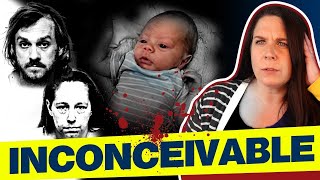
Amber Hollingsworth (licensed Master Addiction Counselor) narrates the tragic case of infant Dylan Groves: born January 2019 with substances in his system, placed briefly in foster care, returned to his biological parents despite concerns, later found abused and killed and concealed by the parents. Amber uses the case to discuss systemic failures (DSS decisions, family dynamics) and to explain how active addiction—especially methamphetamine use—can impair parental bonding and attachment (limbic dysregulation, oxytocin disruption), increasing risk of neglect or harm. The video also invites community discussion about child removal policy, attachment theory of addiction, and prevention (holding babies, supporting caregivers).
Chapters
This is the case of baby Dylan Groves, his parents, Jessica and Daniel Groves, and how addiction caused the end of this young infant's life. Young life coming to an end. Now, I first became aware of this case by listening to Christina Randall. This was a couple of months ago. She came out with a video about this. It was a really good video. She's such a great storyteller. She'll definitely tell the story better than I do. I'll put the link in the description so you guys can check it out. But ever since I watched that video, I really wanted to comment on how and why this kind of horrible, terrible tragedy can even happen. And I'm hoping that we can create a good conversation around all of the different elements, not just involved in this case, but involved in addiction and parenting and families. There's just so much good lessons to learn from here, and there's so much to understand from a scientific perspective and from a legal perspective. And I'm hoping you guys will join in this conversation with me today. Now, since I first learned about this from Christina Randall in her honor, I don't know if you guys watch her, but she always says, please be kind in the grocery store and something, something. And in the comments below. This is definitely a very sensitive topic. The reason I'm covering is because I really want to educate you about how and why something so terrible can happen. And I know it's going to bring up a lot of feelings in you, and I hope it does have a lot of thought, thoughts and conversation, and I hope you feel free to voice your opinions on that. But that's what, that's what this Today is all about. It's about a conversation. However, please be kind in your comments and conversations with each other about this. No one is the villain. And that, that's the of this whole issue is who's, you know, who's the villain in the Dylan Groves case? You know, it. Was it his mom? Was it Department of Social Services? Was it the dad for not stepping in? So let's talk about the case. You can decide who's the villain in that story. And then we're going to expand on that and talk a little bit about how addiction causes that to happen in the first place. For those of you who are new here, this is Put the Shovel down. This channel, this YouTube channel, is all about helping you understand the science and psychology of addiction so that you can get five steps ahead of it, get back to living the life that you want to live. Now, sometimes when I do these true crime videos, I Always forget to talk about my qualifications, mostly because it's just weird to talk about yourself that way. But a lot of people ask on these true crime videos, they're like, well, who are you to say this? Well, I am a Master Addiction Counselor. I am a licensed professional counselor in the state of South Carolina. And I hold some other credentials. Licensed addiction counselor, State of South Carolina. The Master Addiction Counselor is a national certification and just some more stuff. So I am trained in both mental health and addiction. So hopefully that helps clear that up. Now let's get on with the story. All right, so baby Dylan was born in January of 2019. And right from the get go, there were problems. The, the mother, Jessica Gross, shows up at the hospital in labor in like pretty far gone labor, having this baby, and was very non communicative with the staff. She was just saying things like, get it out, you know, I'm going into labor. The dad seemed more calm, but, but more like quiet and standoffish. And the mom really would not much in telling the nurses anything. She wasn't forthcoming at all. As it turns out. She had had no prenatal care, no doctor's visits before showing up at the hospital when she's given birth to this baby. And right away, the nurses, who are very well trained, you can actually hear them talk on the witness stand. You can tell they really know their stuff. They, they picked up on the fact that something was wrong. It's pretty easy to tell, hey, something, you know, there's something big time wrong going on here. And so they have the, and this is standard procedure. They have the baby and the mother tested for substances, and baby Dylan shows positive for substances. And so because of that, Department of Social Services was called. Now here in South Carolina, it's called dss. I know in different parts of the country it has different letters and acronyms, but Child Protective Services, you know what that is, no matter where you live. So they were contacted. It was also pretty clear and evident that baby Dylan was in an active withdrawal state, a pretty serious withdrawal state from the drugs because he's being born, he, he's used to having the drugs in his system. And after he's born and he's no longer receiving the, or getting those drugs in his system from his mom, he obviously goes into withdrawal just like an adult would. So he has to be kept in the hospital for a little longer than usual to monitor and take a look at vitals and make sure that he is physically and medically okay to leave. Well, at this point, DSS is involved The Department of Child Services. And because baby Dylan was born with substances in his system, he was put into temporary foster care. And they, they talk some in the court case about the lady that took him. And she seems just like an angel. She seems really wonderful. She's a school teacher. She had a grown son. She had been working with kids her whole life. And so they call her and they say, hey, do you want this baby? I'm sure they tell her that this baby's in withdrawal. So you have to imagine, I mean, those of you who are a parent and you know how hard it is to take care of a newborn, imagine taking a baby in withdrawal and you literally didn't even know you're going to be taking this baby home till today. That is a huge undertaking. So this school teacher, she talks to all her friends, she's like, I'm getting this baby boy. Everybody sort of bands together, they get her all of the baby stuff. She takes some time off work, she goes home and she starts taking care of this baby. Well, pretty soon in this process, you have to give the biological parents visitation rights so that the parents can visit the baby. Well, even when the parents were visiting this child, this was only like a week or so into the situation. The foster mom noticed right away that they just didn't seem right. The mom seemed intoxicated. She just, she couldn't put her finger on it. And maybe she couldn't say exactly what it was, but she's like, something's wrong. And she even expressed her concerns to the Department of Children's Services. Well, it wasn't long after this that they performed a follow up test, drug test on the father, who's Daniel Groves, and he passed that drug screen. And so they let the baby go back home with Mr. Groves under the sort of limits that Mrs. Grove could not be have any kind of unsupervised visits with the child. She could not be living at the house at the time. So he takes this baby home. And naturally, Mrs. Groves is still in the house. She never leaves the house, although they tell the department of social Services that that's what has happened. And the department of social Services did visit the home a couple of times, and she was there both times. But the story that they were telling was that she was staying with like, I think a family member, but coming over during the day to help out and bond with the, the baby and all that kind of stuff. The first thing I want you guys to think about, and this is what I want to hear from you about, is think about how quickly that this child, who's born in withdrawal, who literally had no prenatal care, whose mom at the. In the hospital, given that was delivering the baby, showed no signs of warmth or affection. They had no things ready to bring a baby home. And it's like two weeks later and they're. They're giving this baby back. Even with the foster mom saying, hey, something's wrong here, I don't think this is right. This just seems like strange decision making. And I'm hoping that there will be someone that joins this video that has some experience working for Department of Social Services. Now, this is in the state of Ohio, but even if you're not in the state of Ohio, I would love to hear from you about what the standard protocol for this would be, because even though I know it would be slightly different from state to state, it's not going to be hugely different. So I'd love to know, and if you are from Ohio and you do know about this, for whatever reason, definitely fill us in, because we want to know, how is this how it's supposed to work? Like, how did that happen? Because just from an outsider, it does not seem to make sense whatsoever. The big question here, and this is where this conversation really gets complicated and difficult, is the whole idea of, do you take a child out of the house when you know there's drug use? Do you. How long do you keep them out? Under what conditions do you bring them back? What happens to a child when you take them out of the house, put them in foster care, bring them back home, back and forth? There is a lot of damage that's done just in the back and forth process, and I'm sure it would be pretty easy to see how that could happen. But today I really want to explain to you how and why, like, on a science level, that that is. Now, not long after they got this baby back there, the baby was already showing some signs of bruising. It was clear, when you listen to this court case, it was pretty clear that this child was being abused. Ultimately, little Dylan lost his life at the hands of his mother. Tiny, tiny baby. And so what happens is, supposedly the dad comes home, finds this baby is not alive. The mom comes in, she all shocked, all this stuff. And then she starts freaking out. She starts telling Mr. Gross, they're gonna make you be. They're gonna hold you responsible for this because you're the one that has custody and you're the one that's supposed to be protecting the baby. And they're gonna, you know, they're going to charge you and you're going to be guilty of this. And so she starts being on him and on him and on him about, we got to do something, we got to do something. So she gets Mr. Gross to help her to conceal this baby. Now, I want to tell you what happened, but I don't want to go into overly graphic detail because I don't think it's necessary. And YouTube doesn't like that either. But they wrap. They wrap little Dylan up in plastic. With some plastic, some zip ties, some other things, put them in two milk crates, tie all that up together and then they go out and sort of really kind of like the middle of nowhere, which you would never find, there's this well. And they put the baby down the well. Well, when Department of Social Services shows back up to check on little Dylan, they can't at first, they can't get a hold of the family. At one point they show up, they knock on the door and they can see someone like leave out of the back of the house on a four wheeler, like taken off. They can see them actually leaving. But no one would come to the door, no one would respond. And this went on for a while. They kept trying to sort of check on baby Dylan. Eventually the cops got involved. There was a whole standoff for like four hours and chasing it was just a big mess. They get this family finally down to the police station and eventually through lots of interrogations and questions, not right away, but eventually the truth comes out. And so that is the case of baby Dylan Groves. It is horrible. It is sad. It's just terrible. And the whole thing, when you look at it, it's just like, how can this happen, right? It's like, how can a mom do this to her kid? How can a dad let this happen? How can DSS let this child go back into an unsafe environment so early and so quick? And before we have this conversation, I do want to let you know that I don't have all the answers to this. I surely wish that I did. This is a big, hard, complicated subject that I'm not sure that there are black and white answers for. But I want to hear you guys opinion. Do you have experience with this? Do you have a loved one who's had some experience with this? Did you, when you grew up, did you go to foster care? Do you have any experience from this in any angle? Because I think looking at the issue from all angles is the only way we're going to do a better job and help this to not happen. Again, okay, so here's the part I think that I can add to this story is I can help you maybe understand the science of why this mom did not bond to this child, why this terrible, horrible thing happened. Okay? So first of all, she was on lots of drugs, okay? Like, lots of drugs. And I'm pretty sure the main drug was meth. Now, meth brings in some specific complications because when people are on that drug, they can have psychosis, they can have delusions. So it's more than just the drug habit or the addiction itself. There can be erratic, irrational kind of behavior when you're on this drug, more erratic and more irrational than even most of other drugs of abuse. So I think that does add a complicating factor into this. Now, I heard an interesting statistic recently, and that's that. And this was a study done in Canada. I think addiction. Addiction is involved in crime about seven times the rate of just regular mental health. So it's a. It's a study of looking at, like, mental health versus addiction and crime rate and that kind of thing. And addiction is involved at a rate of seven times more likely to be involved in illegal activities and be prosecuted for something. To me, that's. That's pretty astounding because most of the time we want to think of someone has to be out of their mind, or they have to have a personality disorder, or they have to be a psychopath or something like that to do something like this. The thing of it that most people don't understand is that when you are in active addiction, your brain, the part of your brain that makes you have a conscious, that makes you human, that makes you be able to weigh the pros and cons of your decisions. It doesn't work properly. Basically, what happens is the addiction sort of takes over the survival part of your brain. And this is the real, like, just easy to understand version. If you want to know more about this, I do have a video, and I will eventually come up here and post it for you. But if you want to know more about, specifically, like, you want to nerd out about this, I'll post the video up. You can nerd out about it and get weight. Brain science. But the survival part of the brain, the addiction sort of takes that over. It's almost like a pirate taking over a ship. And it controls that part of the brain. And that part of the brain is stronger than the other parts of the brain, namely, stronger than the part of your brain that lets you think and stronger than the part of your brain that Allows you to connect and bond, Connect and bond to other people. Connect and bond to a higher power. Connect and bond to a child. Now, those of you that have children, you know how just hardwired, ingrained, that bond between you and your child is like, it is stronger than any other bond. Like, let's just be serious. You love your kid most. Come on. Now. That bond is the strongest bond. And it's. It's just. It's almost automatic and hardwired in. Like, it's just like you can't even. It's a reflex. You can't turn it off. You can't help it. And that's why it's so hard to look at a case like this and think, how in the world can this happen? Well, when you're in active addiction, you're so caught up in the daily survival, and for you, daily survival means getting more of the substance. Because you become very, very, very physically sick when you don't have it. So your brain thinks it needs it to live, and in some cases, it does sort of need it to live. Depends on the drug and depends on how dependent you are on the substance. That the part of your brain which is called your limbic system, which is kind of the midbrain, the part that mammals have, that's the part that's responsible for bonding and connection. In order to really feel bonded and connected to someone else, that part of the brain has to be somewhat stable. Well, when you're in active addiction, it's like the frequency of that part of the brain is on fire. It is on such a high scream. It's like there are alarm bells going off in there. Think about, have you ever accidentally set off the alarm in your house or the alarm at your work? And how, like, when that screaming sound is going off, you literally can't think of anything else except make it stop. Like, it's hard to even figure out. Like, oh, my gosh, I can't even remember what buttons to push. And you get, like, all frazzled and you. You cannot even think because you're just like, make it stop. That's a good way to think about what it's like to be an active addiction. So you can imagine when your brain is screaming like that all the time. You don't have that calm, nurturing, like, oh, this is my sweet little baby and I'm bonding to it. Right? It's just not there in the same way. Now, I do want to say this. For any mother out there who has struggled with addiction, this isn't about Judgment. I'm hoping that this actually explains what happens now. Hardly ever, ever, ever results in the kind of situation that happened with baby Dylan. Most of the time, if it's going to create any kind of child abuse or something like that, it's usually in the form of neglect. It's not usually in this form. So I don't want to come across saying that addiction causes moms to hurt their babies, because that is not the case. What I am saying is addiction turns off or turns way down the volume on that parental instinct. In most cases, the way you see it is the parent and the father's included in this, too, thinks to themselves, I just need to do this, but I'm still going to be able to take care of my child. And they're really not honest with themselves about the fact that they're so constantly preoccupied over there with getting the substance, obtaining it, getting enough money, all the things that involved in keeping an active addiction going that they really just. Just don't have the brain power, resources, to adequately care for a child. And I know that. I know that's probably going to upset some people and get some people out there. I'm not saying that everyone that has an addiction is bad parents. I came from an addicted family myself. I think that I had good parents. But there were definite points when that addiction override, overrode the parenting instinct, I can promise you. So it's just the fact of what it is. So to me, the villain here, the bad guy here, is addiction itself. Now, when you watch this case, you can't help but just be furious with this family. You're just furious with the mom. You're furious with the dad for how did he let this happen? When you hear this case unfold, you can tell that the dad, or you definitely get the impression that the dad wasn't involved in any kind of actual harm to this child, but he did not step in. And the way he tells it on the witness stand, it's like he's. He didn't. He wasn't aware that. That the baby was in any kind of danger. And I really thought about that a lot when I was watching the trial video. I was thinking, I really believe that. I think. I probably do really believe that. But I think it was almost like that active, purposeful denial. You know, it's like. It's kind of like you don't want to see something, so you don't ask the question on purpose, or you don't look at something hard enough on purpose. When you kind of know you have a gut feeling, but you don't want to see it. I think it was probably that, if that's my guess about it, he testifies that he was intimidated by the mother. And that that was somewhat the nature of relationship. Now when you sort of see the two of them talk, you could kind of see that that would play out. Nonetheless, to me, the father is just as guilty of what happened to baby Dylan as anyone else. And so, you know, they gave the baby back because he passed the. The drug test. But he had had the teen. They had a teenage son as well. He had the teenage son peeing a cup so that he could pass the test. So he definitely took an active role in fooling the system. He. He definitely took a very active role. In trying to overly protect his wife and not protect his son enough. Now let's get into something just a little bit more scientific. I guess this is really important when it comes to addiction for two reasons. We're going to talk about how bonding and attachment works in your brain, right? So the reason this is important is two reasons. One is there is a leading theory out there about addiction. That a lot of people believe that addiction is an attachment disorder, Meaning the person who has the addiction problem Is not bonding to the people in their life appropriately. What they're doing is instead of bonding to people, they're bonding to the substance. That there's. It's called attachment theory. It's called the attachment theory of addiction. In case you want to look that up. And there are some video. There's at least one or two videos on my channel about that. We'll talk for a second just about how that works. But bonding and connection is such a biological imperative. It's a human need that is going to happen regardless. And if there's some kind of problem in your environment where that bonding either can't happen, or more likely than that, if there was a problem with the bonding when you were born between birth and one years old, this is where some really, really important stuff happens. Then it can cause an attachment disorder, which can then lead to addiction. So what happens is instead of bonding to people, the person bonds to the substance. So they keep going to the substance to help nurture them, to help them feel better, because it works in the beginning, it works every time. Now, eventually it stops working. But it's like your brain keeps remembering that it's going to work. So it keeps trying to make it work even though it's not. That's a whole different topic. Okay. So the other reason why it's really important to understand is because if you've already got a mother and father, one or the other, who's active in a substance use disorder, like a big addiction, then they don't have the capacity to bond to the baby. So let's talk about how that happens. So when you have a baby and you give birth in hospital and that baby comes out, one of the first things they tell you to do is they want you to feed the baby, they want you to nurse the baby, they want you to hold that baby right up. And they call it skin to skin. So they want the skin of that baby to touch the skin of the mom. And even the dad when the dad holds the baby and feeds the baby, because that secretes a neurochemical called oxytocin, which is the bonding chemical. So the best way I know how to explain to you is like this. The limbic system, which is the emotional connection system of the mom, connects to the limbic system, the emotional connection system of the baby. Now when human beings are born, the their brain, the parts are there. It's like the hardware is there, but all the software is not in place yet. The reason is because babies have such big old heads and big old brains that they come out actually before they're brain is fully developed. So once that brain is developed enough to like keep you alive, like your heart beating and your lungs and breathing and all that kind of stuff, then you're born. But there's a lot of brain wiring that happens after the baby is born. And part of that is the emotional regulation center of the child. And so when you're holding that baby, not only are you, you know, you skin to skin, you got all this oxytocin going. But a really good way to think of it is it's like the baby's brain syncs up with the caregiver's brain. Almost like your iPhone syncs up with the icloud. Almost like if you have an iPhone and you want to share pictures with your friend, you do that like cloud drop thing and it just magically gets over there to their phone. You know what I'm talking about? It just happens. It's like a magnetic force in the air. Maybe a way to understand is like, you know, when you're around somebody who's angry, even if they're not saying anything, you can feel that anger. Or if they're really sad or depressed or anxious, you can feel that feeling. Well, the baby doesn't have any ability to emotionally regulate when it's born. So Its emotional regulation system syncs up to the regulation system of the mother and it really emotionally regulates off of the mother. So it can't emotionally regulate by itself. It needs to do that syncing up process in order for that to happen. Well, if you're, if the mother or caregiver, if their limbic system is all crazy and out of whack and going, remember that alarm thing? That's what the baby's attaching to or not attaching to. You know, in this case, the nurses testified after baby Dylan was born that the mom was all just like, just put them over there, didn't even want to hold them. Can you imagine? Like, it's just, it's just mind boggling. And so there's no ability to emotionally regulate. Now you've got a child who's in withdrawal, who's probably screaming and sick and not well physically. And. And it's not able to do that bonding thing. That is quite necessary. Let me tell you something. When that doesn't happen appropriately at birth, from like birth to one year, it causes some problems that may well never be fixed. Major, major problems. It will impair that child's ability to bond with other people throughout their lifetime. So the things that happen, the bonding that happens in those first few months of life are absolutely critical. It's just as critical as, like when the baby's in the womb and it's physically developing. And all those things have to happen right for the baby to come out. Okay? This bonding thing is extremely critical and it needs to happen in the right way. Now, some of you guys know this, but my one big soapbox is this. I promise I'll stay on, but hold your babies. That's my big soapbox. If you want to do something to help with the addiction academic hold the babies. Now, just because someone gets addicted does not mean their mama did not hold them. Okay? There are other reasons why attachment can be disrupted. That's not what I'm saying at all. But I'm saying, like, if you don't hold your babies in this, attachment doesn't happen, happen appropriately, then the chances that addiction can happen are really up there, like, a lot more. So you know how sometimes people will say to you, like, let the baby cry it out. You know, they'll tire themselves out and go to sleep. Don't do that. Hold your babies. Your baby needs you to hold it to be able to regulate itself. It does not have the ability to think to itself, like, let me just cry and get what I want. It is an infant. It is a few weeks or months old. It cannot. That part of the brain, we're not even there yet. We're just trying to get the second section wired up. So rest assured, the baby's not, you're not spoiling the baby. The baby's not manipulating you. It physically needs your nearness to regulate itself. In fact, babies need to be near their moms to their biorhythms to regulate, like heartbeat regulates with your heartbeat, those kind of things. And so it's a syncing up process that the baby physically needs. I know, I have a soapbox about it. It's just my thing. So all those people out there tell you not hold your babies. Do not listen to them hold your babies. It's really hard not to. You know, you almost feel guilty as a parent because everyone tells you you gotta let them cry it out, you're spoiling your baby, blah, blah, blah, blah. They tell you to let them cry, and everything inside of you just starts like, screaming. It's like that alarm is going off in your head and it's like you can't hardly ignore it, but people are telling you to ignore it. Don't do that. Pick up your babies. Okay, that's it. That's my soapbox. So knowing all that about how important that is and how that works, if you think about a child that's born to a mother that has an addiction problem, they don't have the ability to focus in and sync up with the child. So the child has to learn to emotionally regulate in some other kind of way. And like I said, bonding is going to take place. It's either going to take place in a healthy way, or some way it's going to happen. It's a human need. I see somebody in here talking about Dr. Gabor Mate, who is a huge addiction researcher and he's got a lot of really, really good work. I definitely suggest you check him out. He talks about this a lot. Okay, so imagine you got the mom, she's addicted. She's got this baby. She does not have the ability to emotionally regulate. That's one kind of scenario that causes a problem. Imagine the mom's not addicted at all, but the dad is addicted or alcoholic or maybe something else is going with the dad. And the mom is so worried about the dad because there's a lot of chaos in the house or because maybe he's away at war or any other kind of thing that can cause a lot of emotional dysregulation for the mom, which then causes emotional dysregulation for the child. Does that make sense to you? So there's a lot of reasons why attachment problems can happen. Way more reasons than just the mom being having a substance abuse problem. Sometimes it's of no fault of the parents whatsoever. But if you've got a mom that has substance use problem, you can almost guarantee that it's going to happen. Now, it is possible for a baby to bond to someone else. It just needs a caregiver to be present to do that. So that can be a grandparent, that can be a father, that can be a babysitter, that can be a foster parent, but it needs that person to sync up with. And usually babies have like a primary person and then some other people. You know, like, you know, when kids are little, they'll let like three people hold them, like mom and daddy and grandma or something like that, and they scream if someone else gets them. They have like that primary person. But they can have some others too. Well, if you've got a bond with a mom and then maybe later on the mom develops an addiction and it's like the bond was there and then it's gone. That's the problem, right? Or if you've got a child that's in the house, but then they're taken out because department of social services needs to take them out and put them in foster care, but then they need to go back and forth. That bonding is almost being like ripped apart and reattached and ripped apart and reattached. As you can imagine, that causes some issues in the attachment bonding situation, which later on can cause a lot of mental health issues. Because when you can't bond to other people, which is a biological imperative, when that doesn't work right, and your relationships can't work right, you tend to get depressed, you tend to get anxious, you tend to have all kinds of other mental health problems. And a lot of people depends on how much you know about psychology. But if you know what a personality disorder is, a lot of people believe personality disorders, like ones like borderline antisocial, narcissistic, that those are result of attachment injuries, attachment bond injuries, which actually makes a lot of sense. When you understand how that works and then you understand the symptoms of those personality disorders, it actually kind of makes sense if you understand that. So let's get in here and see what you guys have to say about the baby Dylan case. And. And also just about the whole issue in general. Do you think kids should be taken out of the home? Do you think kids should be left in the home. What do you think the rules should be around it? All of those things. I definitely want to hear your thoughts. Let's. Let's check in and see who is hanging out with us today. We have lots of people. Hey, Sabrina and Rose is here. And C. Is here. Let's see Sandy and Catherine. Catherine says the foster mother, Andrea, seemed like an angel. She really did. That's the foster mom that was involved in the baby dealing case. She gets up there and testifies and she just seems lovely. And it's just. It's just heartbreaking. Imagine what happens to the father mom right now. You're bonded to the kid, and they take the kid away from you. It's just. It's just a difficult situation. Any which way that you look at it. True crime says this case is incredibly heartbreaking. It really, really is. And it's hard to understand because it just. It just doesn't make sense to you, especially when you're watching this case, being a parent. Let's see, more with Manny says just got here. Watch this trial. They are garbage parents. I hope the older boy's doing well. Yeah. Even though I'm a huge addiction advocate and I'm the first one to take up for anyone has an addiction and I believe people can get better, it's not. It's hard not to have some bad thoughts against these parents. I'm telling you, even when you understand addiction, even when you understand all that science stuff, like I just told you, it's hard not to have some judgy feelings about it. In fact, when you watch the case and I put this link in the description for you, but one of the best parts is the prosecutor. When. When Jessica Groves, the mom gets on the sand, she rips her to shreds. I mean. I mean, she goes after her, and you can't help but be like, yeah, I mean, she. She gets her. And the. The interesting thing about it is, like, you don't hear an objection. No one steps in. And you're like, can lawyers even do that? Can they say that? Can they scream at you like that? You think, can they do that? But no one does anything. In fact, at one point, Jessica Gross refuses to answer. Or she keeps trying to, like, evade the question or whatever, and the judge tells her to answer, and then she does it more. And then the judge has everyone leave the room and. Except for her and the. And her lawyer, and he's like, you better make your client answer these questions. Like no one's come to her rescue. Like, it's intense. Definitely dramatic. The link's in description if you want to watch that part. True Crime coordinator says the data about substance use and crime is really shocking. It. It really and truly is. And I think there's a whole lot of other videos we could do about the topic of, like, if someone's addicted, is putting them in prison, is that helping the issue? You know, there's just a. There's just a lot of things to consider and there's no easy. There's just no easy answers to some of these issues. Sabrina says my mom was a special education teacher and dealt with children being in unfit homes a lot. She had to report lots of abuse. And so many of the kids were left in the homes for whatever reason. I'm not surprised by that. Sabrina fortunately, in my career history, I have rarely had to make any kind of report to Department of Social Services. I'm just lucky for that reason. But when I think back to the cases that I have raw, I don't know that any of those cases were ever even taken. And probably there's a handful. And be honest with you, I deal with addiction every single day. So if I'm going to be calling up dss, let me tell you what is serious. So if I'm calling them up, telling them it's a big problem and it's hard to get them to take the case, to be honest. And I don't know if it's because they're overwhelmed. I'm not blaming, you know, I'm not blaming them for that. You know, they got their own set of complications and I wouldn't want their job at all. I just, you know, what, what do you do? Sarah says I'm sure in the uk, babies are born addicted. Mothers are removed at birth, and the mother has to seek help getting off of whatever she's taking before supervised contact is permitt. That's what you would think would happen. And that's probably the guideline. Sarah in the uk, in here too. But a lot of times that's not the way that it. That's just not the way that it goes down. I was a counselor friend of mine asked me to consult with this lawyer. This was like maybe a year and a half ago or something like that about a case. And the case was this lawyer was representing the foster parents who had had custody of several children, all from the same family. So they had gotten. They had adopted, I think they were like three children. And then there was like a fourth child that was born, and they were gonna adopt that one too. But at the last minute, the parents tried to get custody of that one back. It was this whole court battle, and she was just basically. And the issue was addiction and the biological parents. And she was sort of asking me how that worked and what the relapse rate, work rates were and stuff like that. And the issue is, is about what's best for the child. So if you take the child out of the home and they bonded the foster parent, and then the parent does get their act together, it's, you know, there's a big part of you that says, you know, you want a parent to be able to get their child back. Like, of course you want them to be along with their biological parents. But the back and forth of it is not good for children. So it's like the bonding when they're moving. And sometimes if they're in the foster system, maybe they're moving from this home to this home to this home. It's just a mess. And so they focus on how to get children taken care of physically, like making sure they're fed and they're not being abused and they're clothes and stuff like that. But there's not a whole lot of attention or there's not enough attention given to the whole mental health aspect of the situation. More with. Mandy says the social worker in this situation totally failed. She did get up on the stand, and you can hear her testify. She's quite defensive, understandably, because that was a mess. But I think she really just did what her supervisor told her to do. So I think it went up the chain. And I do think some. I think maybe the supervisor got fired or something like that. Something happened. So more Thandy says he knew she was getting high the whole pregnancy and missing her prenatal appointments. Then later, he says he didn't know she was high. He allowed it to happen. I'm right there with you. He says on. On the stand that he didn't know she was missing the prenatal appointments because he was at work and he thought she was gone or something like that. Maybe he did, maybe he didn't, but he definitely knew she was getting high. You she's not using the kind of drugs that she was using and him not know. Okay? That's just all there is to it. She's not as addicted as she was, and him not know that was happening. So I'm right there with you. Sarah says you can't lay blame with anyone but the mother. Yeah, the mom. I think the most of the blame goes there, but there was just a lot of things that went wrong in this system. Karen says this case tore the people in Ohio apart. The parents are poster adults for getting help with addiction. Baby Dylan never deserve this awful fate. So many people should have helped and the ball got dropped. Yeah, you're exactly right. The ball got dropped in about 100 ways. American girl says the baby should have stayed with the foster parents until. Until the bio parent with the addiction had been in recovery for at least one year. Yeah, I think that would be, that would be a pretty good rule to have. Getting to the one year mark in recovery is very significant and your chances of sustaining long, long term recovery once you get to a year mark go up dramatically. If you can get to the two or three year mark, mega statistics go up. So Elaine, 11, says hello there. I'd like to follow the least dangerous decision. Yeah, take the most precautions. I hear you. Let's see here. Rose says children are innocent victims of this addiction epidemic. Very sad. It sure is. Rose, how did the bio dad miss the danger signs? He must have seen the bruising and the drug addiction. You know, this is such a good question. A lot of people feel like he didn't miss the signs. I feel like if he did really miss those signs, it was a purposeful missing of the signs. It was a purposeful put my head in the sand and pretend not to see what's there. That's what I think. And if you haven't followed this case, he did get, she, the mom got the more serious of the charges and he did not get convicted of murder but he got convicted of the all the other things that surround it. And I think he got like 47 years before the possibility of parole. So it was significant and he should have. Hey, vegan goddess from Oregon, glad to have you here. More with Mandy says my son is 17 and deals with mental health and addiction is such a difficult journey. He tries so hard but when the prescriptions don't work, he tries to figure out on his. His own solution is so difficult. Yes. I'm guessing that you're probably talking about what I would call self medicating. I do have a video coming out about that in the next few weeks about self medicating when you have a mental health problem and works and how that doesn't work and all that kind of good stuff. Thank you everyone who joined us live. If you are watching on the replay, I still want to hear from you. There is a lot to talk about in this topic and so let me know your thoughts and opinions in the comments below. Just remember to. Let's be respectful to each other as we do it. All right, guys, I'll see you next week.
More from Amber








Addiction Turns “Me vs. Drinking” Into “Me vs. You” #addictionrecovery #addictionawareness

They Admit Everything Except the Addiction #addictionrecovery #addictionawareness

Stop Trying to Make Them Admit the Truth #addictionrecovery #addictionawareness